All stories
Every story we’ve published, newest first — 140 in all. Browse by subject below, or read straight through.
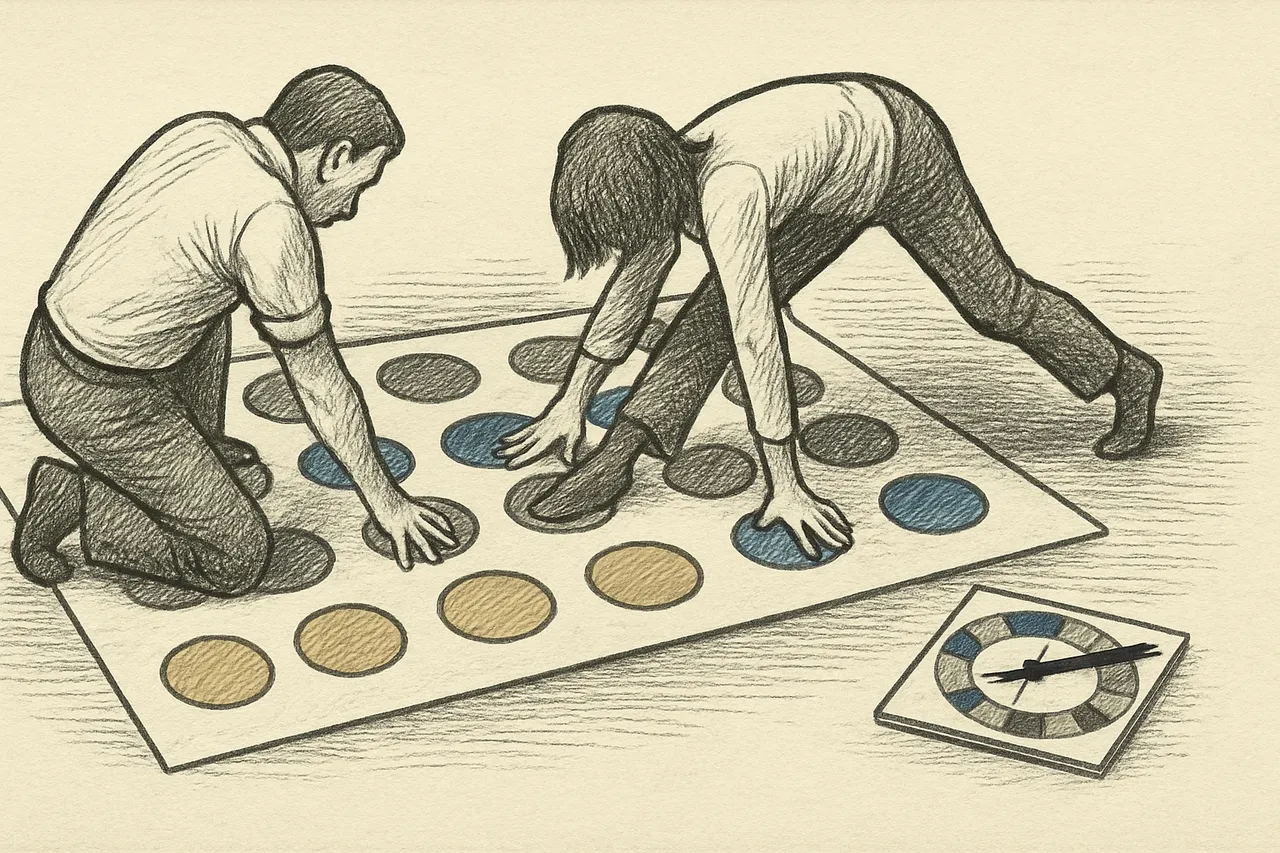
Twister's Patent Is Titled 'Apparatus for Playing a Game Wherein the Players Constitute the Game Pieces'
The patent title is the whole idea: the people are the pieces. Milton Bradley released the game in 1966, some retailers were wary of it, and critics found it a little too intimate. Then Johnny Carson played it on television with Eva Gabor, and the orders poured in.
Read the story →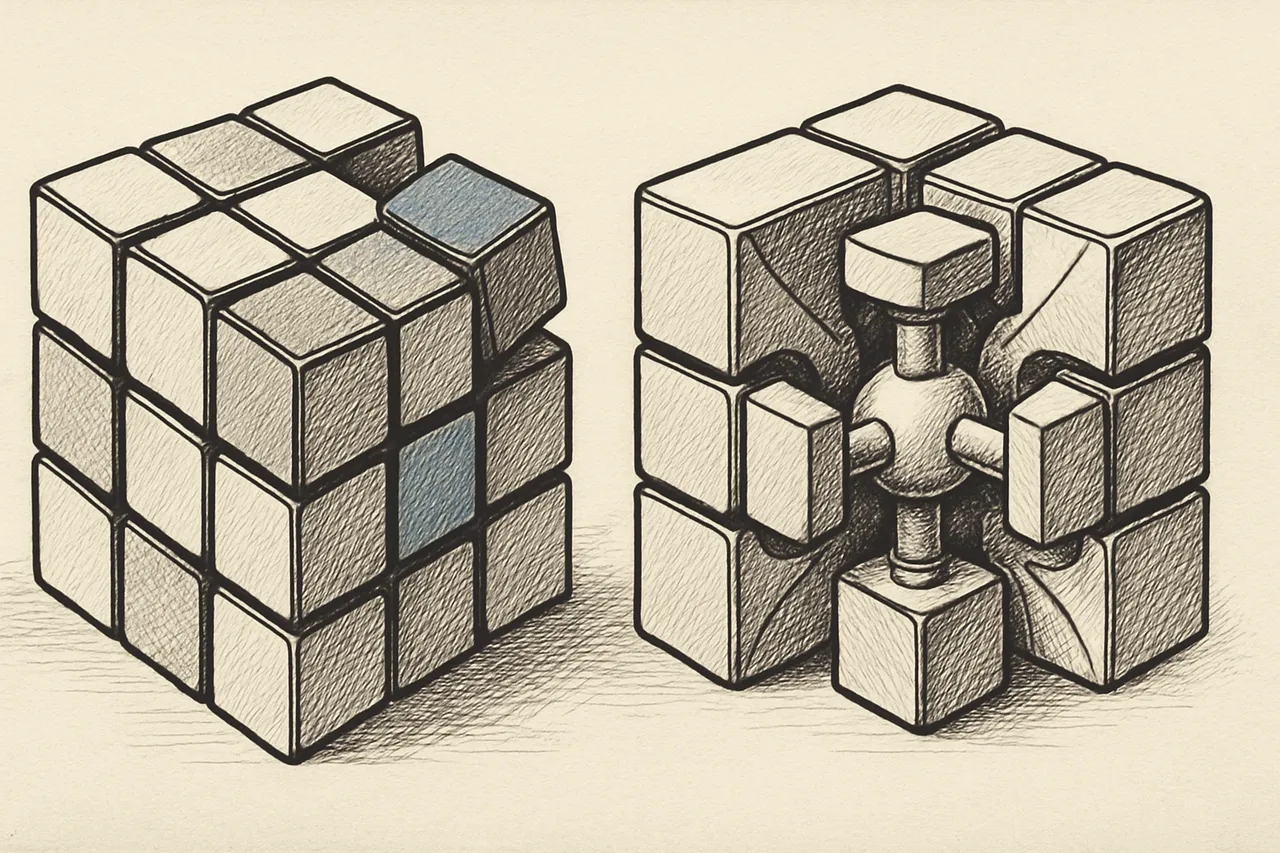
Ernő Rubik Needed About a Month to Solve His Own Cube. An American Court Later Found It Infringed an Earlier US Patent.
Rubik built the first cube in Budapest in 1974 as a way to think about three-dimensional movement. The clever part is how it holds together when most of its pieces are not attached to anything. In the United States, a chemist named Larry Nichols had patented a related puzzle in 1972, and his company sued.
Read the story →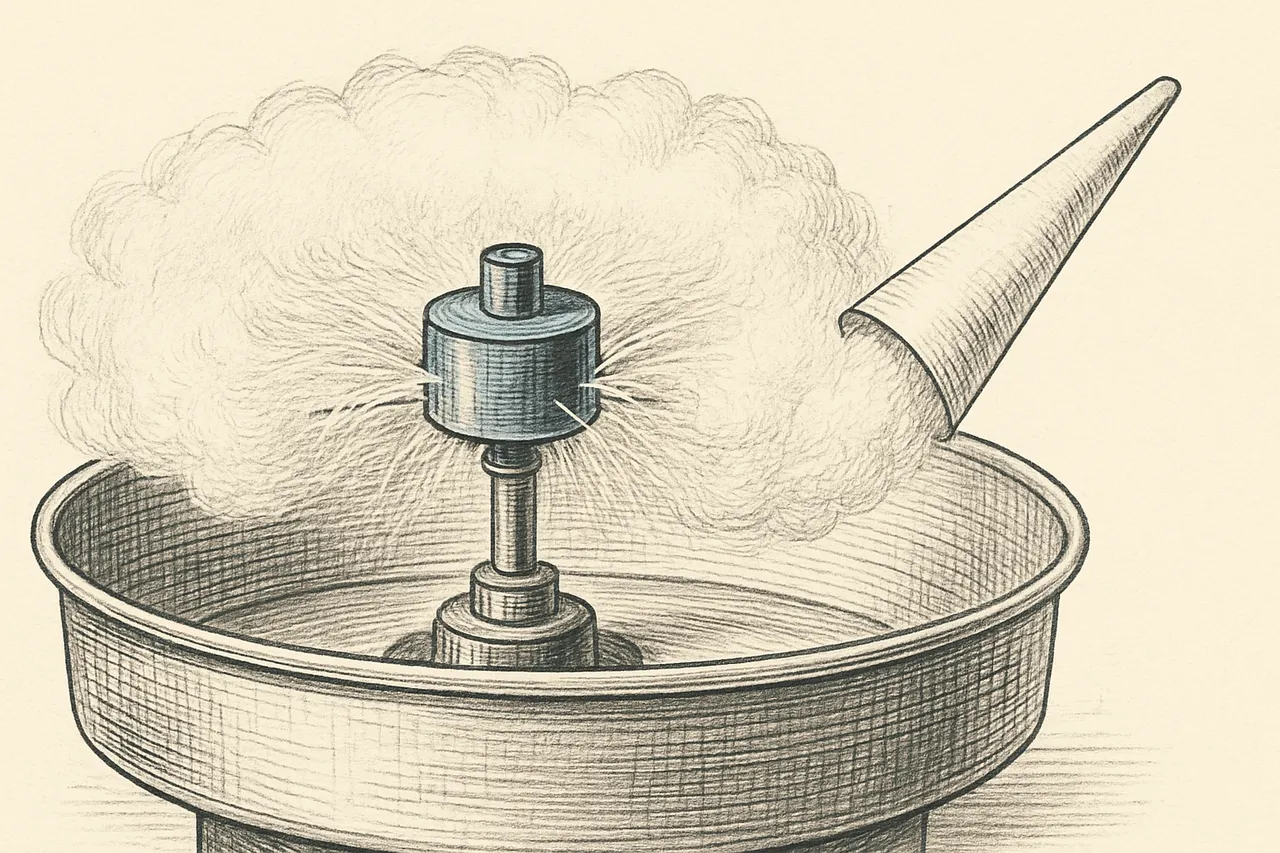
A Dentist Co-Invented the Cotton Candy Machine, and It Was Sold at the 1904 World's Fair as Fairy Floss
William Morrison was a dentist and John Wharton was a candy maker. Their machine melted sugar and flung it through tiny holes so that it cooled into threads finer than hair before it could crystallize. They filed in 1897, and at the St. Louis World's Fair it was a sensation.
Read the story →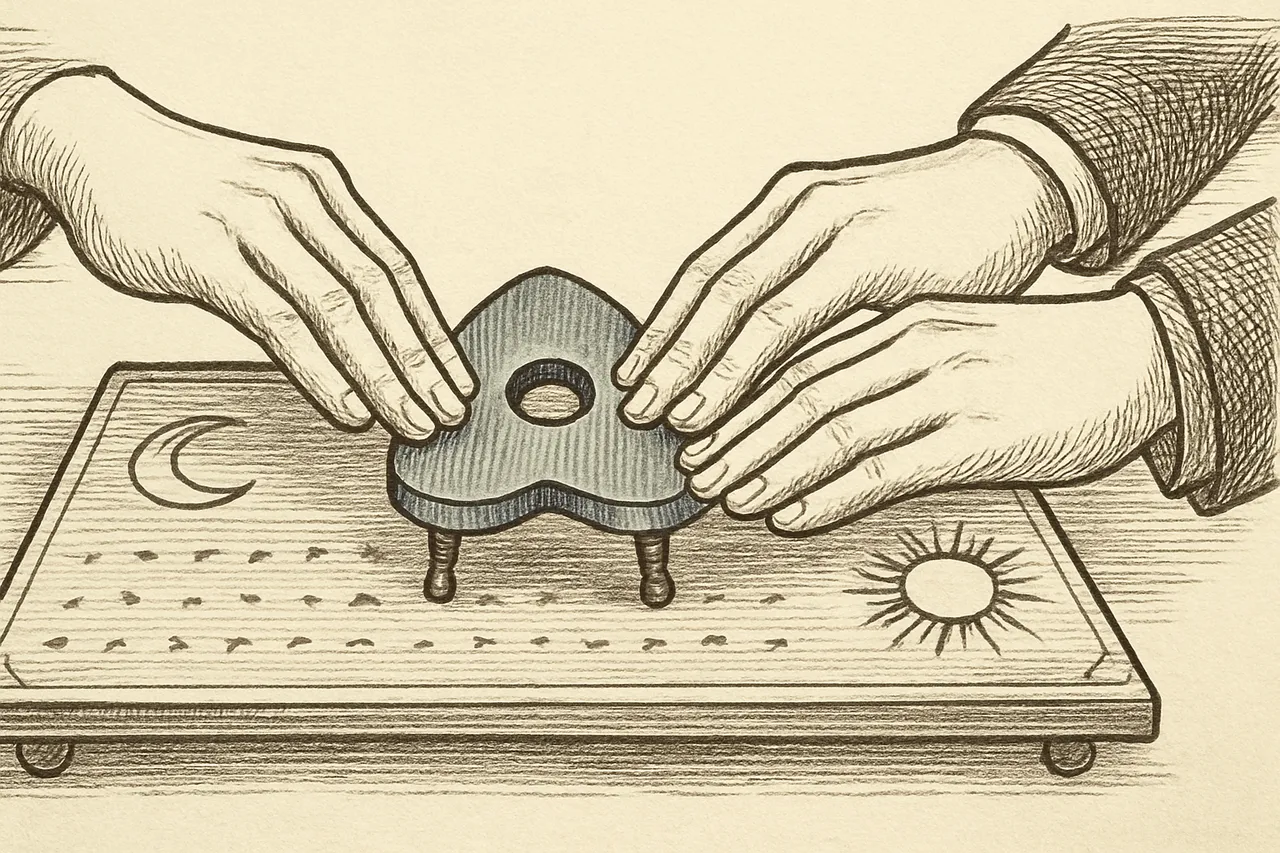
The Ouija Board's 1891 Patent Calls It an 'Egyptian Luck-Board' and Never Says How It Works
Elijah Bond's patent describes a board and a small pointer on legs, and makes no claim about what moves the pointer. The popular legend says the patent examiner demanded a demonstration first. The science, worked out decades before the patent, says the players are moving it themselves without realizing it.
Read the story →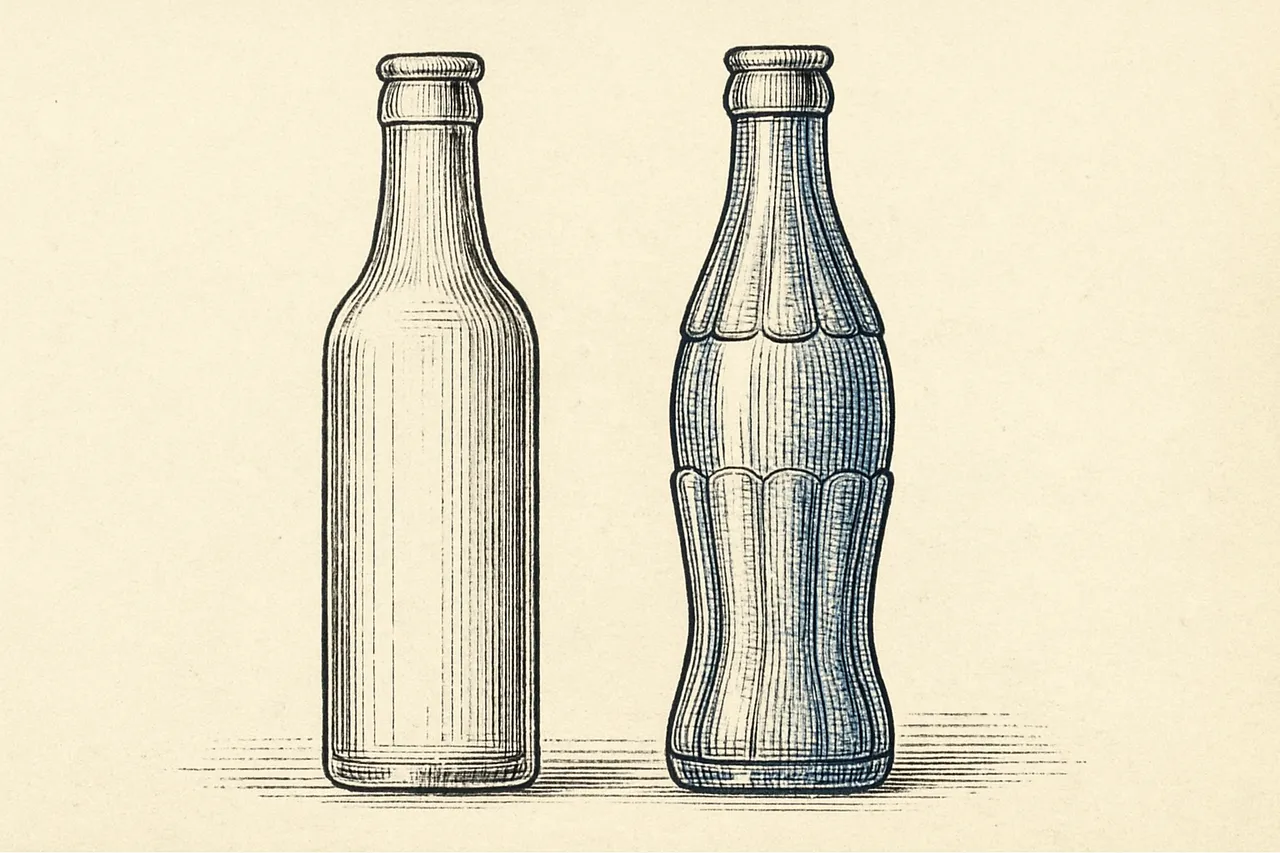
Coca-Cola Asked Glassmakers for a Bottle You Could Recognize in the Dark, or Broken on the Ground
In 1915 Coca-Cola had an imitation problem, since competitors used the same straight-sided bottles and borrowed-sounding names. It challenged glass companies to design a bottle identifiable by touch alone. The winner came from a small glassworks in Terre Haute, Indiana, and the name on the patent is not the name of the man who drew it.
Read the story →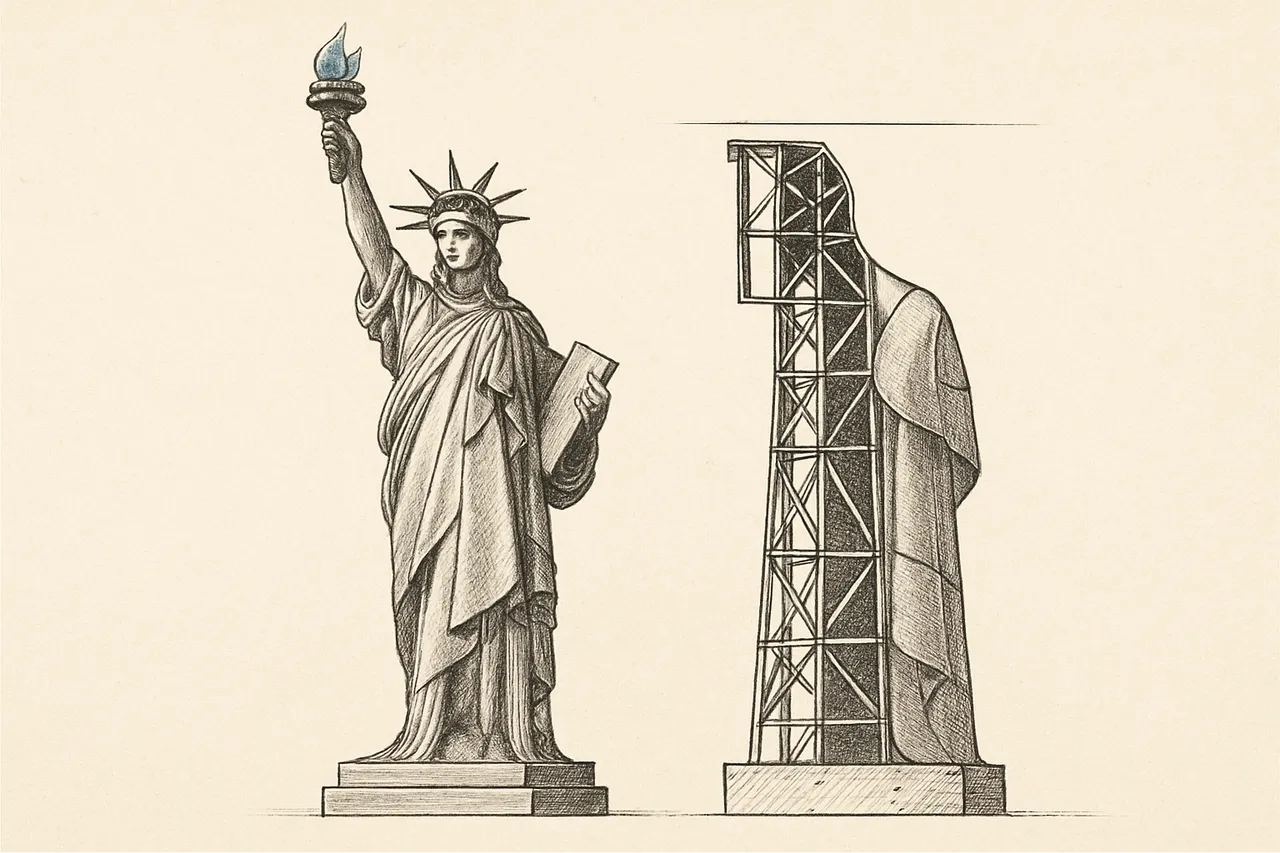
The Statue of Liberty Was Patented in 1879, Seven Years Before It Was Dedicated
Auguste Bartholdi received US Design Patent 11,023 in February 1879 for a statue that would not stand in New York Harbor until 1886. Replicas were a fundraising tool for a project that was chronically short of money, and a design patent gave control over who could legally make them.
Read the story →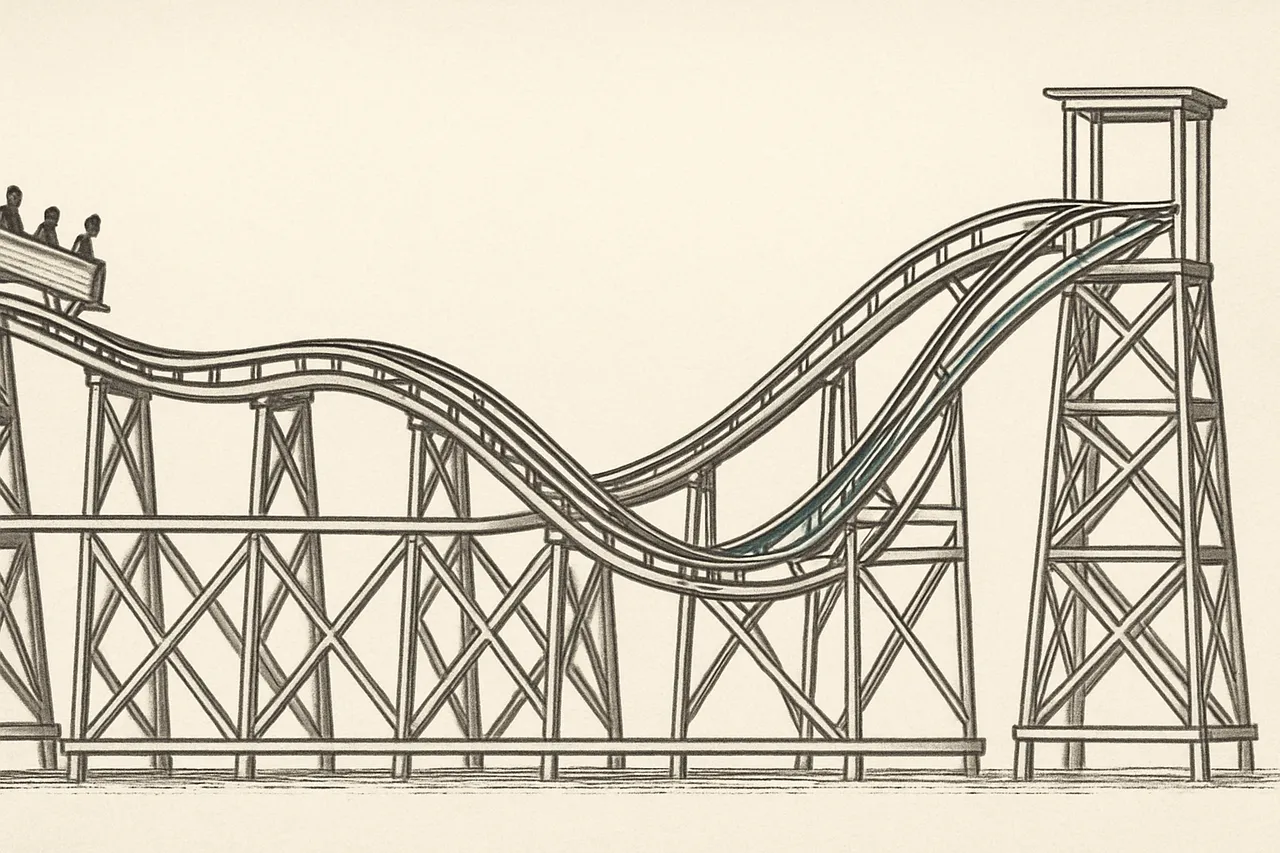
The First American Roller Coaster Ran at Six Miles an Hour, and Its Inventor Built It to Lure People Away From Saloons
LaMarcus Thompson's Switchback Railway opened at Coney Island in 1884. Riders sat sideways on a bench, coasted down a gentle undulating track, then got out while attendants pushed the car over a switch so they could coast back the other way. It cost a nickel and it made a fortune.
Read the story →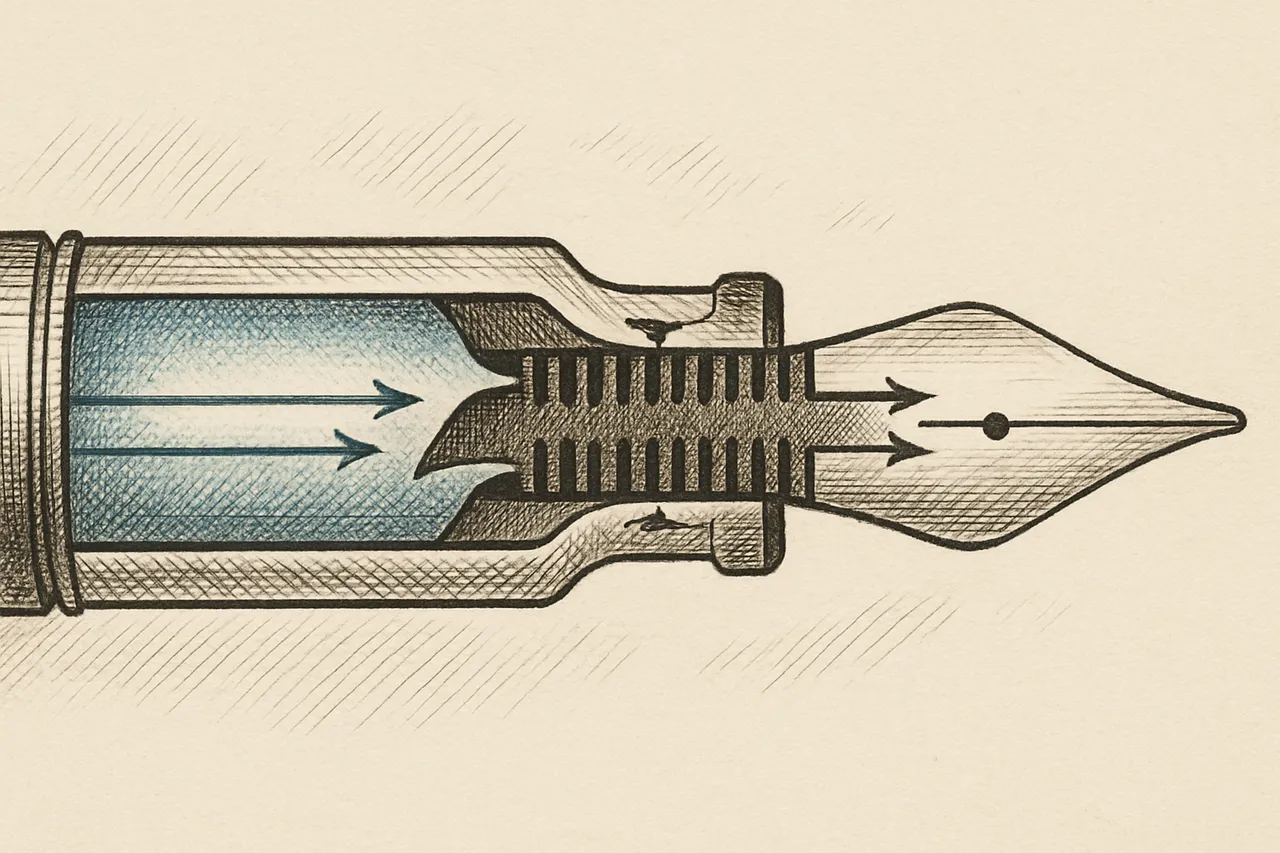
Lewis Waterman Did Not Invent the Fountain Pen. He Invented the Small Part That Stopped It Blotting.
Fountain pens existed for decades before 1884 and most of them were awful, flooding the page one moment and running dry the next. Waterman's patent fixes the reason why, and the fix is a set of narrow grooves cut into a piece of hard rubber.
Read the story →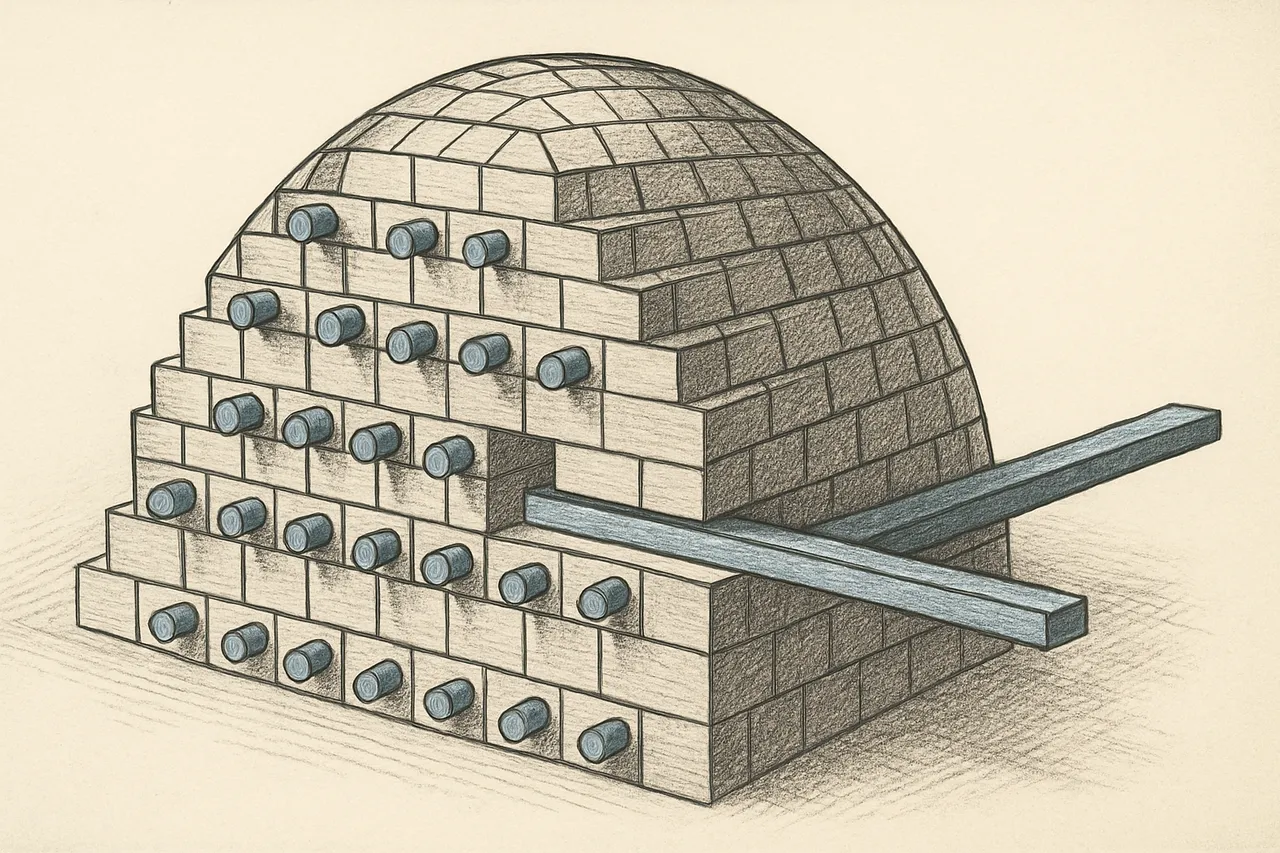
Fermi and Szilard Filed a Patent on the Nuclear Reactor in 1944. It Stayed Secret for More Than Ten Years.
The patent is titled Neutronic Reactor, which is a very flat name for the machine that produced the first controlled nuclear chain reaction. It was filed during the Manhattan Project, buried under a secrecy order, and not published until 1955, six months after Enrico Fermi died.
Read the story →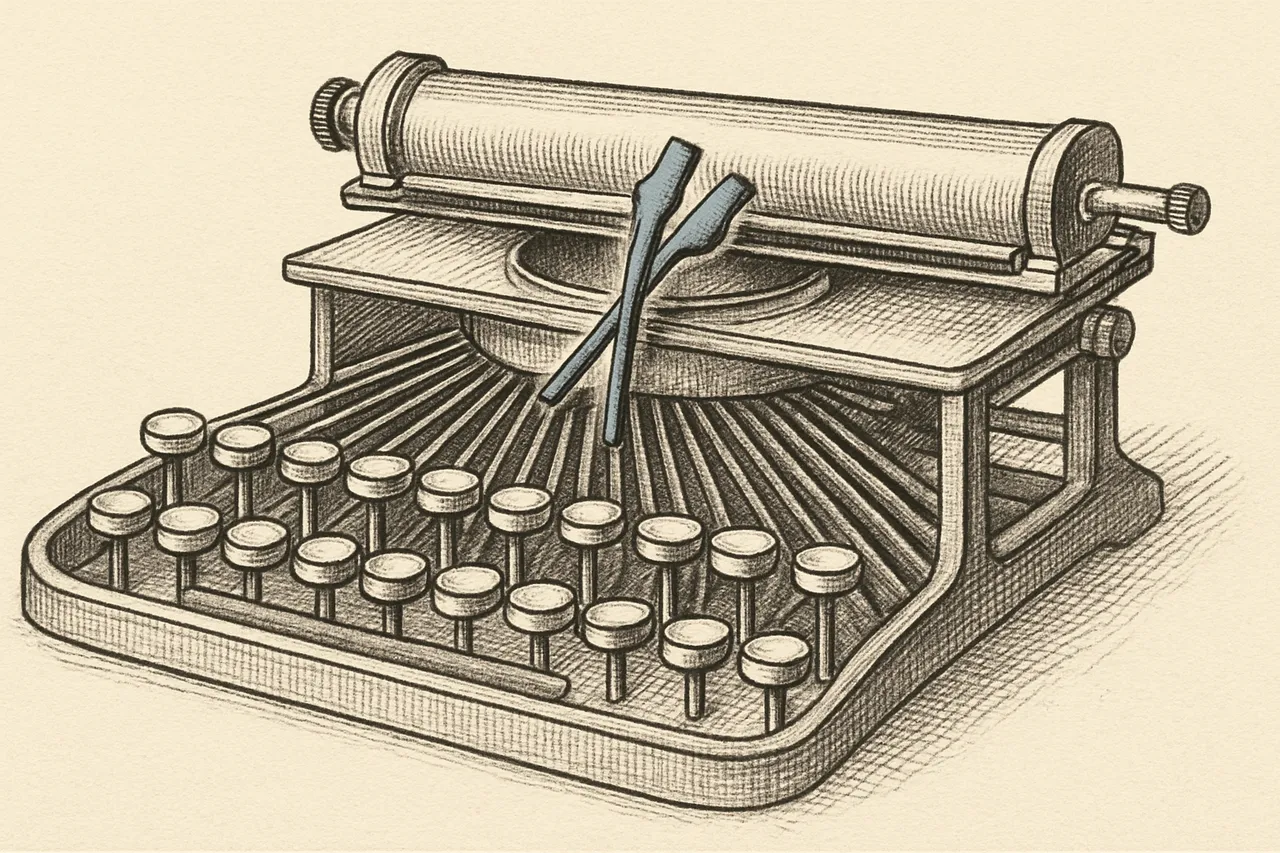
The 1868 Patent Behind the First Successful Typewriter Had Its Keys in Alphabetical Order. QWERTY Came Later, and Nobody Fully Agrees Why.
Christopher Latham Sholes and two partners patented a typewriter in Milwaukee in 1868 with keys arranged like a piano, roughly in alphabetical order. Over the next several years the letters were shuffled into QWERTY. The popular explanation for that is a distortion of a better one.
Read the story →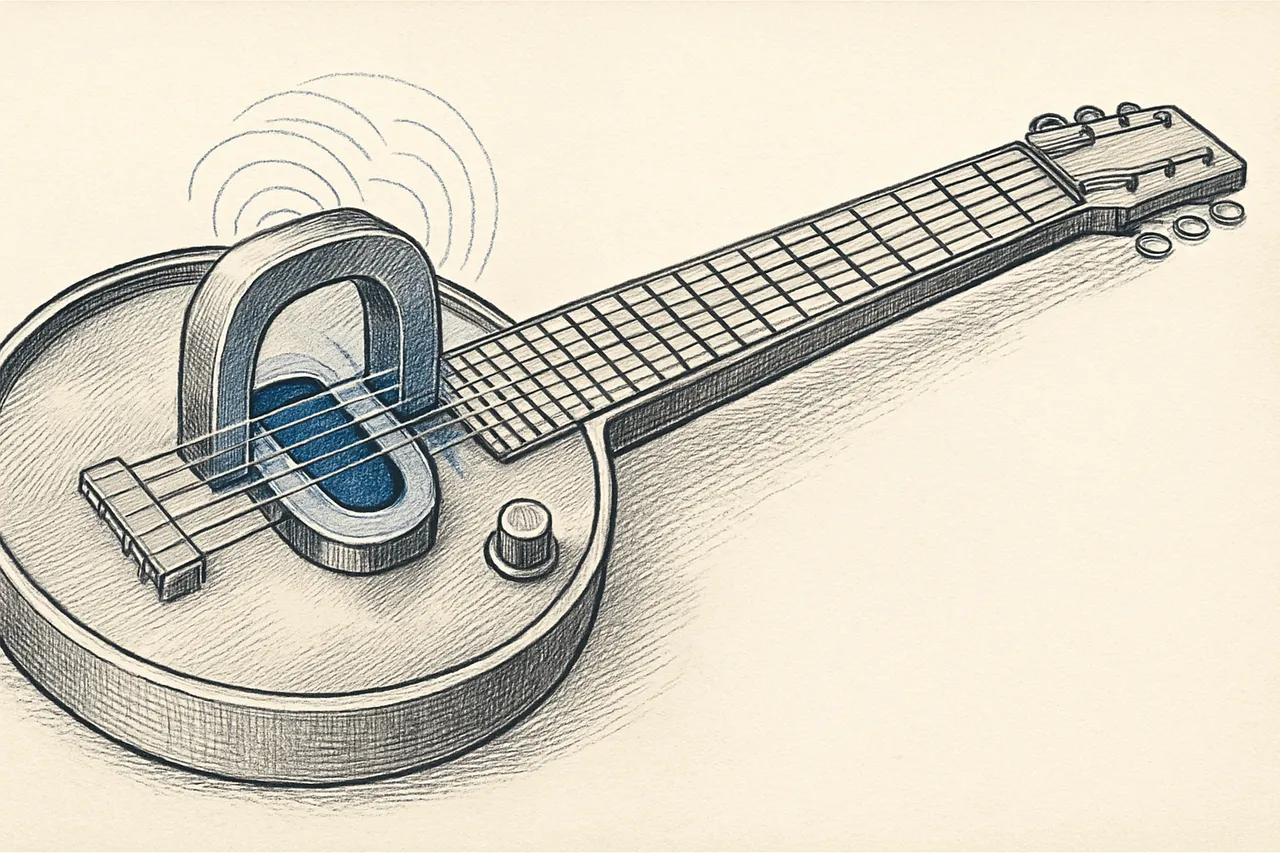
The First Electric Guitar You Could Buy Was Nicknamed the Frying Pan, and Its Patent Took Three Years
In the big band era, guitarists could not be heard over the horns. George Beauchamp set the strings inside a pair of horseshoe magnets, wound a coil beneath them, and mounted it all on a round aluminum body with a long neck. It looked like cookware, and the magnetic pickup it used is still how electric guitars work.
Read the story →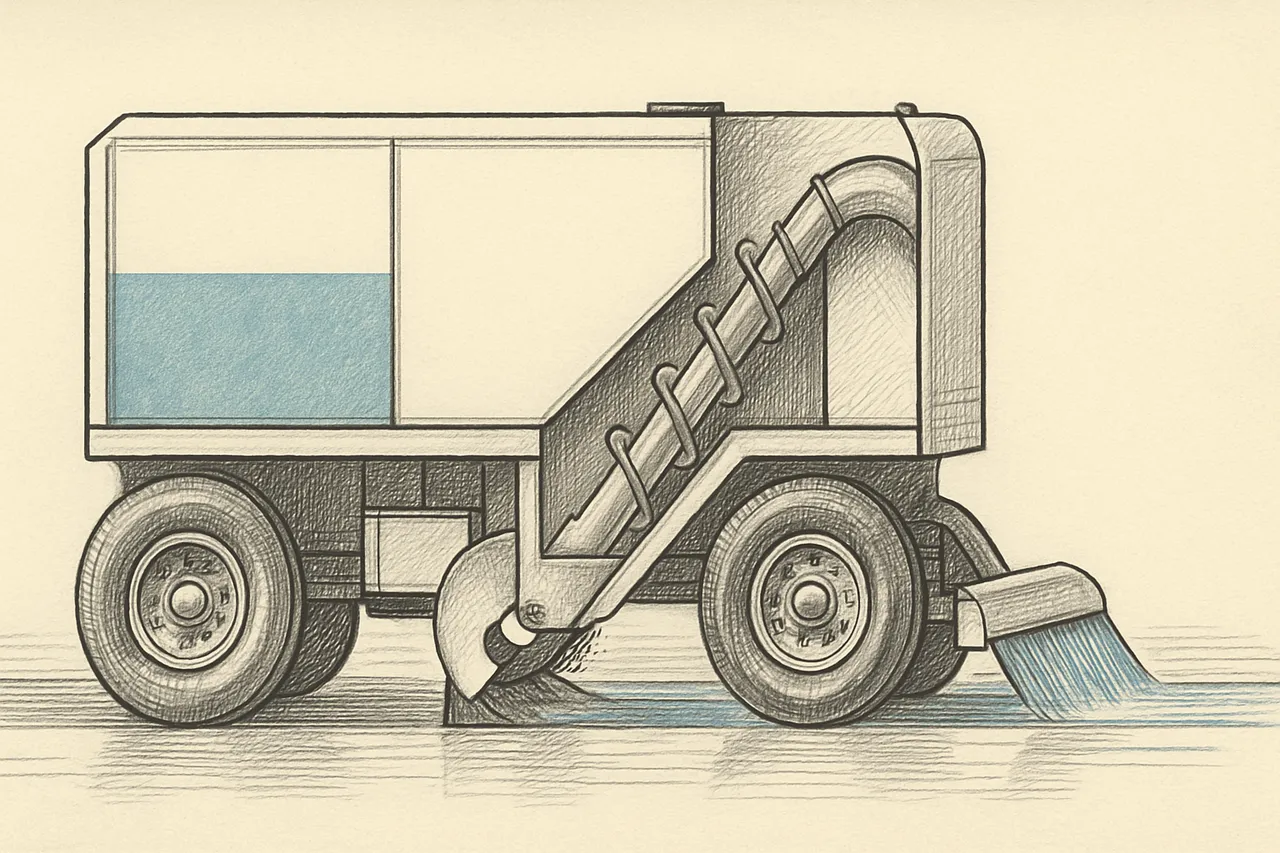
Frank Zamboni Spent Years Building a Machine So His Ice Rink Didn't Need a Crew of Men With Scrapers
Frank Zamboni ran an ice rink in Southern California, and resurfacing the ice by hand took several workers more than an hour. His machine did the whole job in a single pass. Its most important trick is the one people least expect: it lays down warm water, not cold.
Read the story →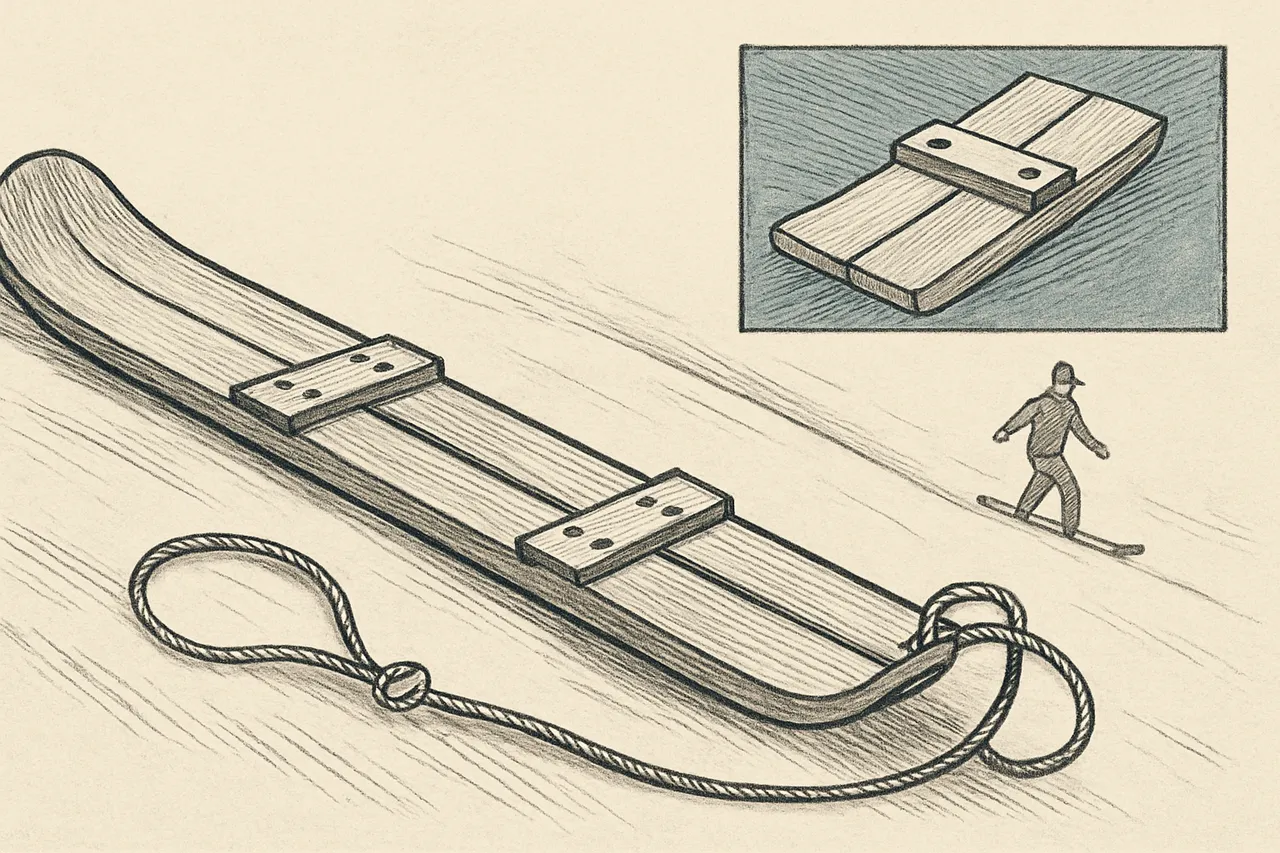
A Father Fastened Two Skis Together for His Daughter at Christmas in 1965. His Wife Named It the Snurfer.
Sherman Poppen was an engineer in Muskegon, Michigan, trying to keep his daughter busy over the holiday. He joined two children's skis side by side and tied a rope to the front. It sold as a toy by the hundreds of thousands, and the people who raced it turned it into a sport.
Read the story →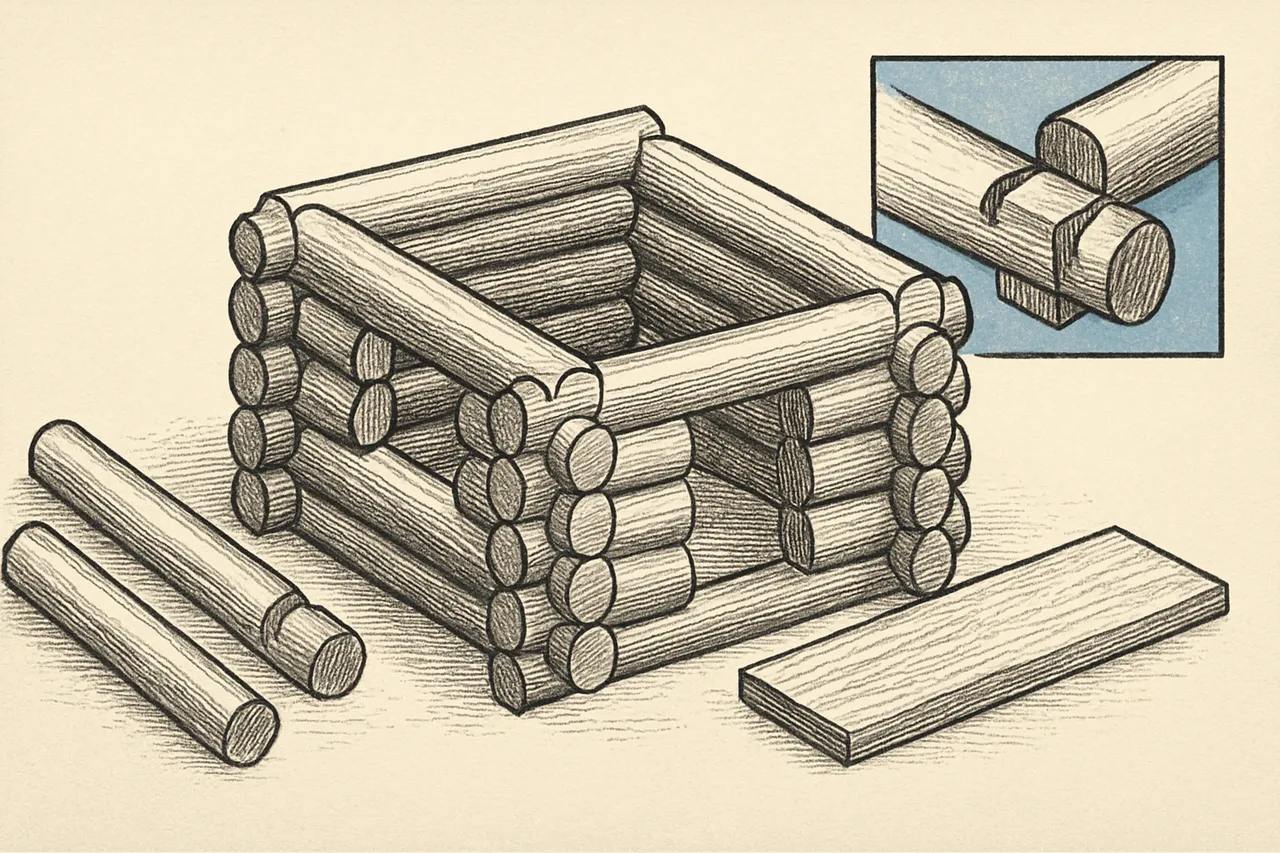
Frank Lloyd Wright's Son Came Home From a Hotel Project in Tokyo and Patented a Log Cabin You Could Build on the Floor
John Lloyd Wright worked with his famous father on the Imperial Hotel in Tokyo, a building designed to survive earthquakes. Back in the United States he began selling a toy made of notched wooden logs, and named it after the most famous log cabin in American history.
Read the story →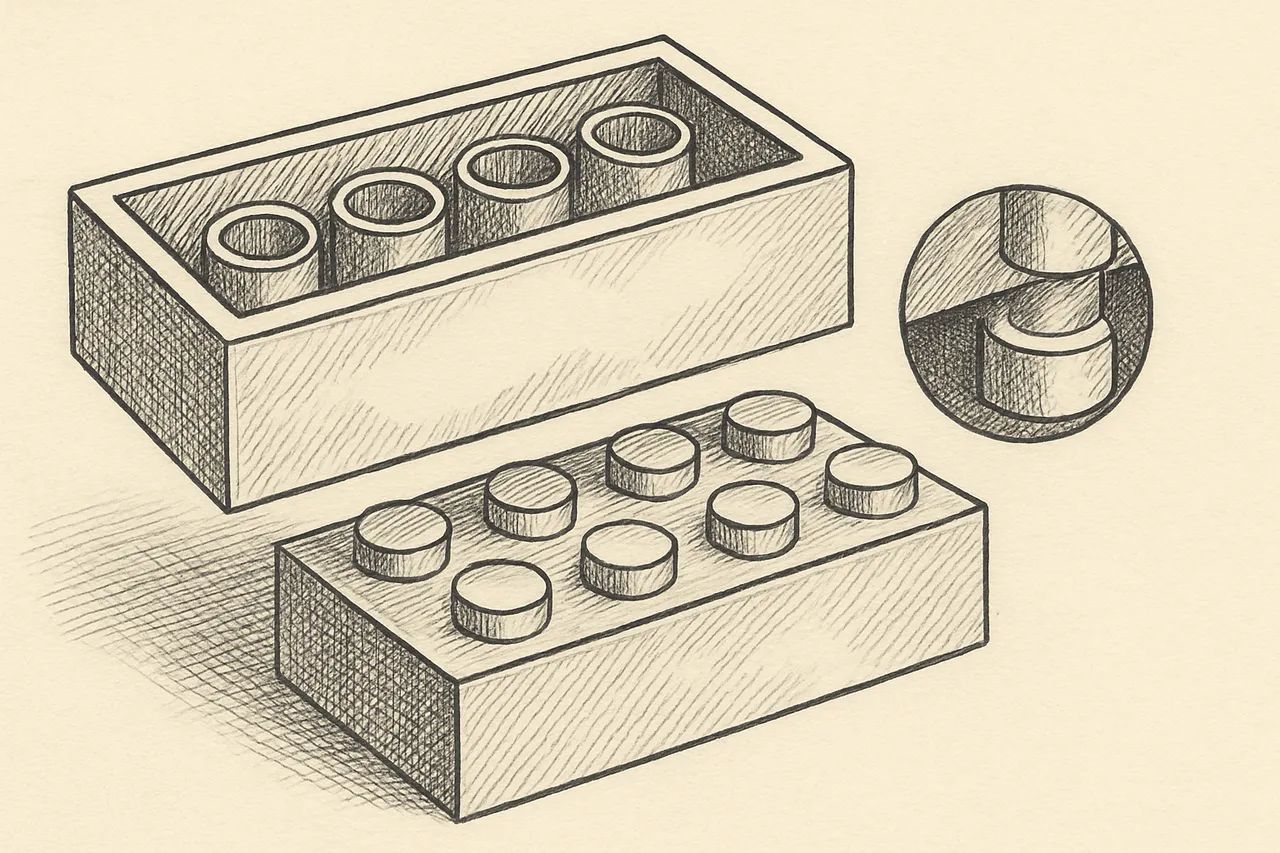
LEGO Bricks Were on Sale for Nine Years Before They Held Together Properly. The Fix Was a Row of Hollow Tubes.
The first LEGO bricks had studs on top and an empty space underneath, so models tended to come apart when you picked them up. Godtfred Kirk Christiansen's 1958 design put tubes inside the brick, and a brick molded that year still fits one molded today.
Read the story →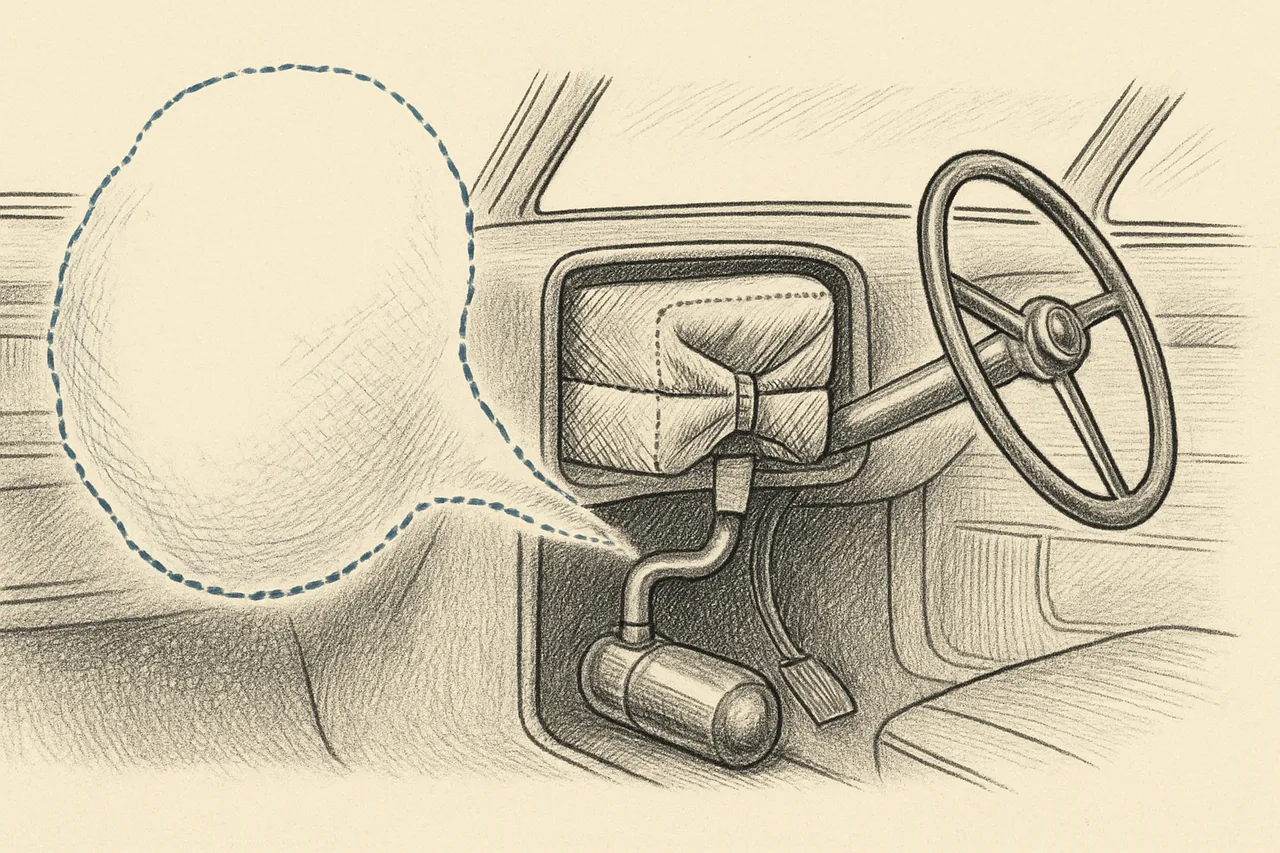
He Swerved to Avoid Something in the Road With His Family in the Car, and Patented the Airbag Three Months Later
John Hetrick was a Navy engineer who had worked with compressed air torpedoes. After a near miss on a Pennsylvania road in 1952, he worked out that a cushion could be inflated faster than a body can travel forward. Then he could not get a single manufacturer to care.
Read the story →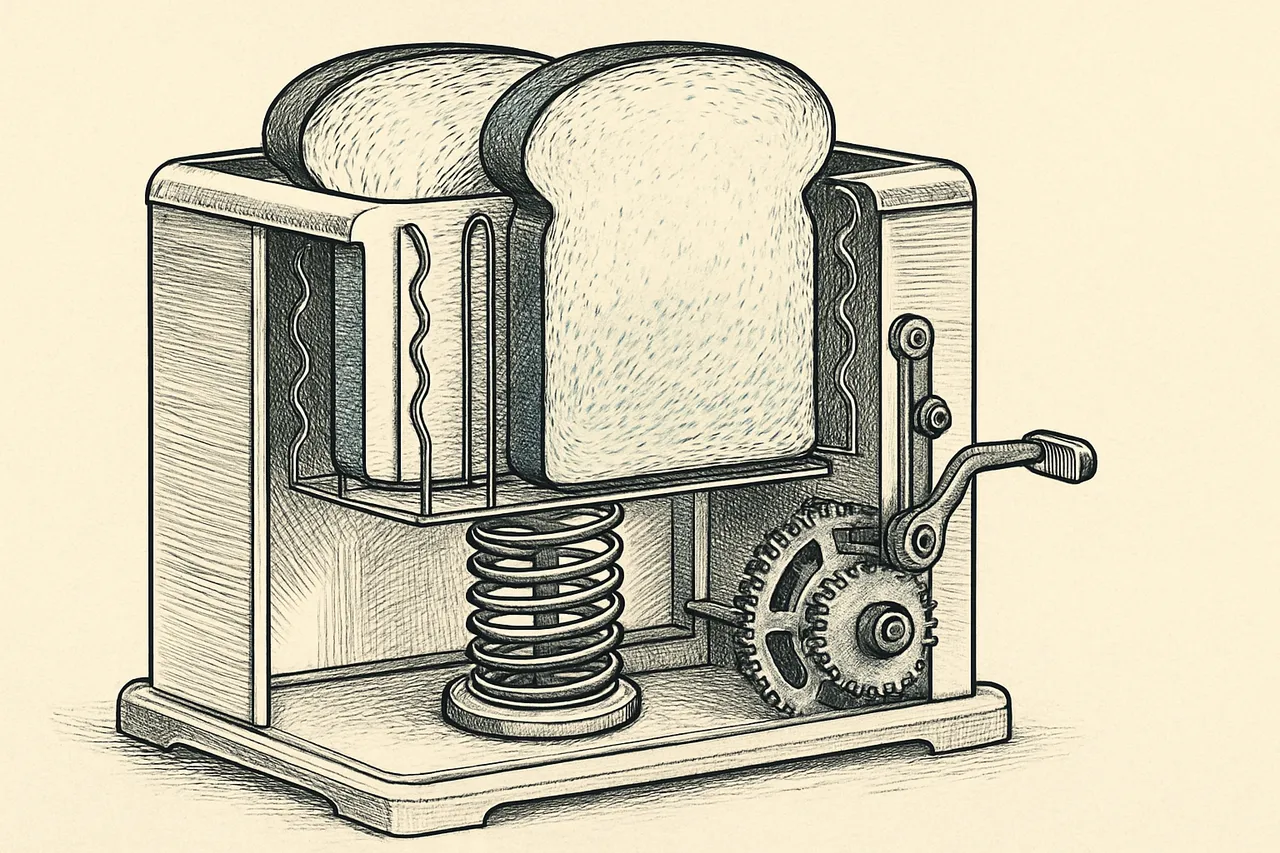
A Factory Mechanic Got Tired of Burnt Toast in the Company Cafeteria and Patented the Timer That Ejects It
Electric toasters already existed in 1919, and they all required a person to stand there, watch, and flip the bread by hand. Charles Strite's patent added the two things that made toast automatic: a timer, and a spring that throws the toast out when the timer runs down.
Read the story →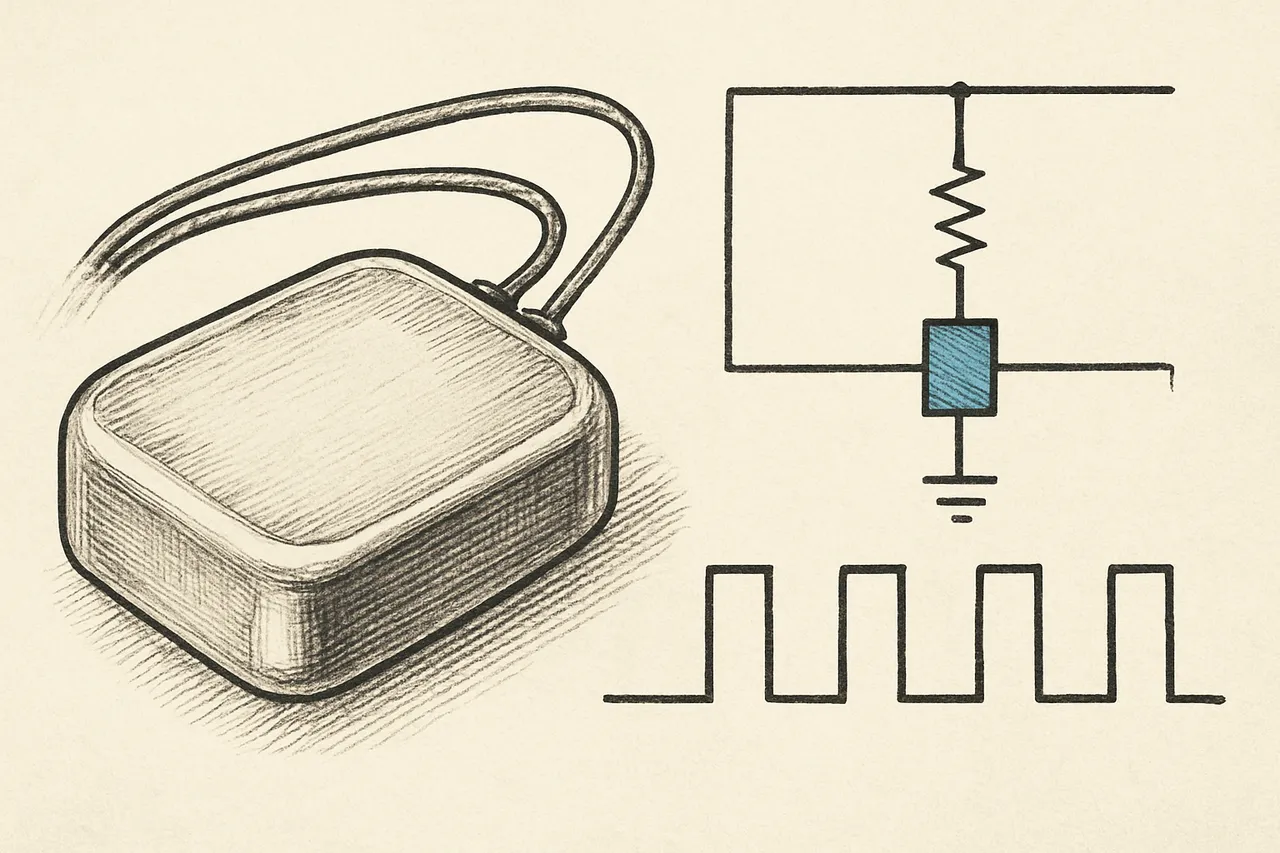
He Reached Into the Wrong Bin, Soldered in the Wrong Resistor, and Built the First Implantable Pacemaker
Wilson Greatbatch was building a device to record heart sounds. He grabbed a resistor of the wrong value, and the circuit started pulsing instead of recording. He recognized the rhythm immediately, because he already knew what problem it solved.
Read the story →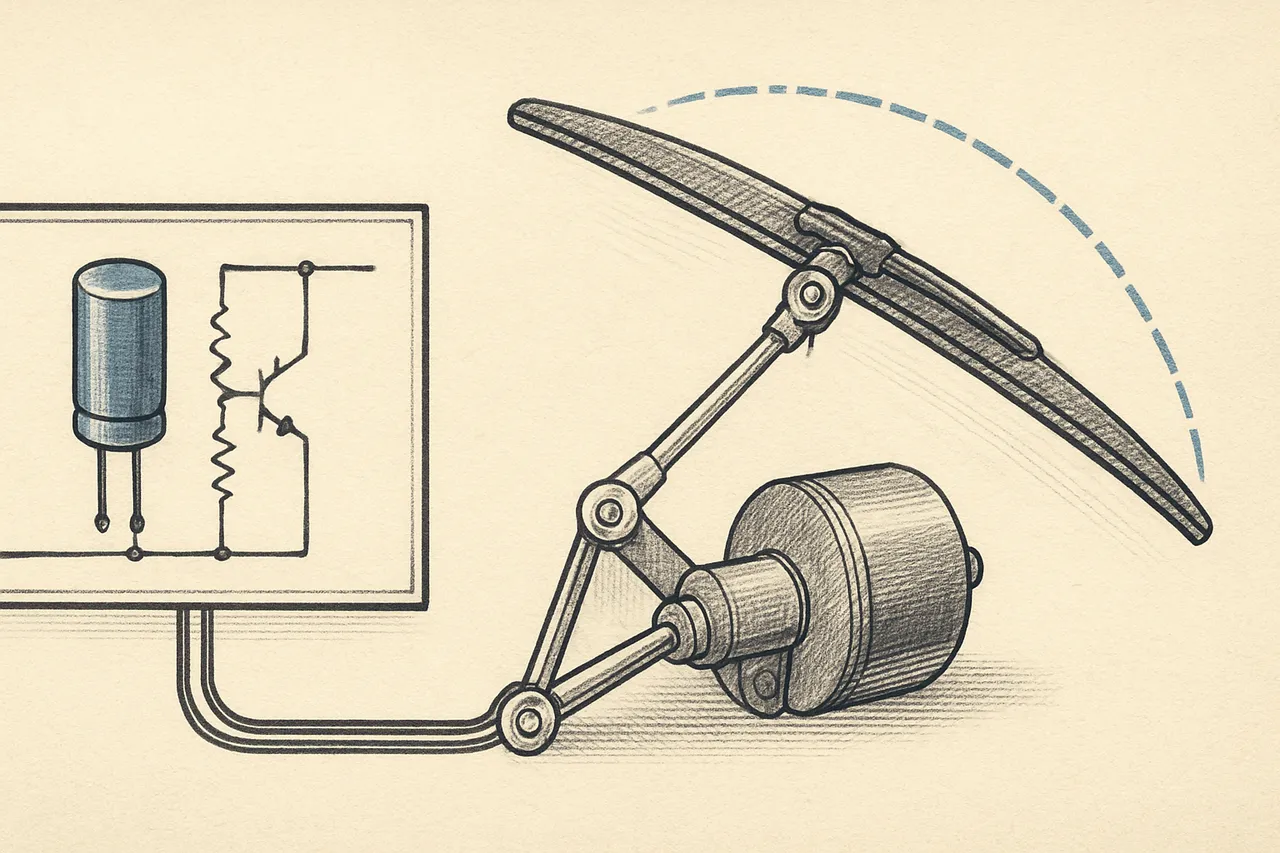
He Invented the Intermittent Wiper, Ford Put It on Its Cars, and He Spent the Next Three Decades in Court
Robert Kearns showed Ford a wiper that paused between sweeps. Ford examined it, declined to do business, and started selling cars with intermittent wipers a few years later. Kearns represented himself for much of what followed and won, and it cost him nearly everything else.
Read the story →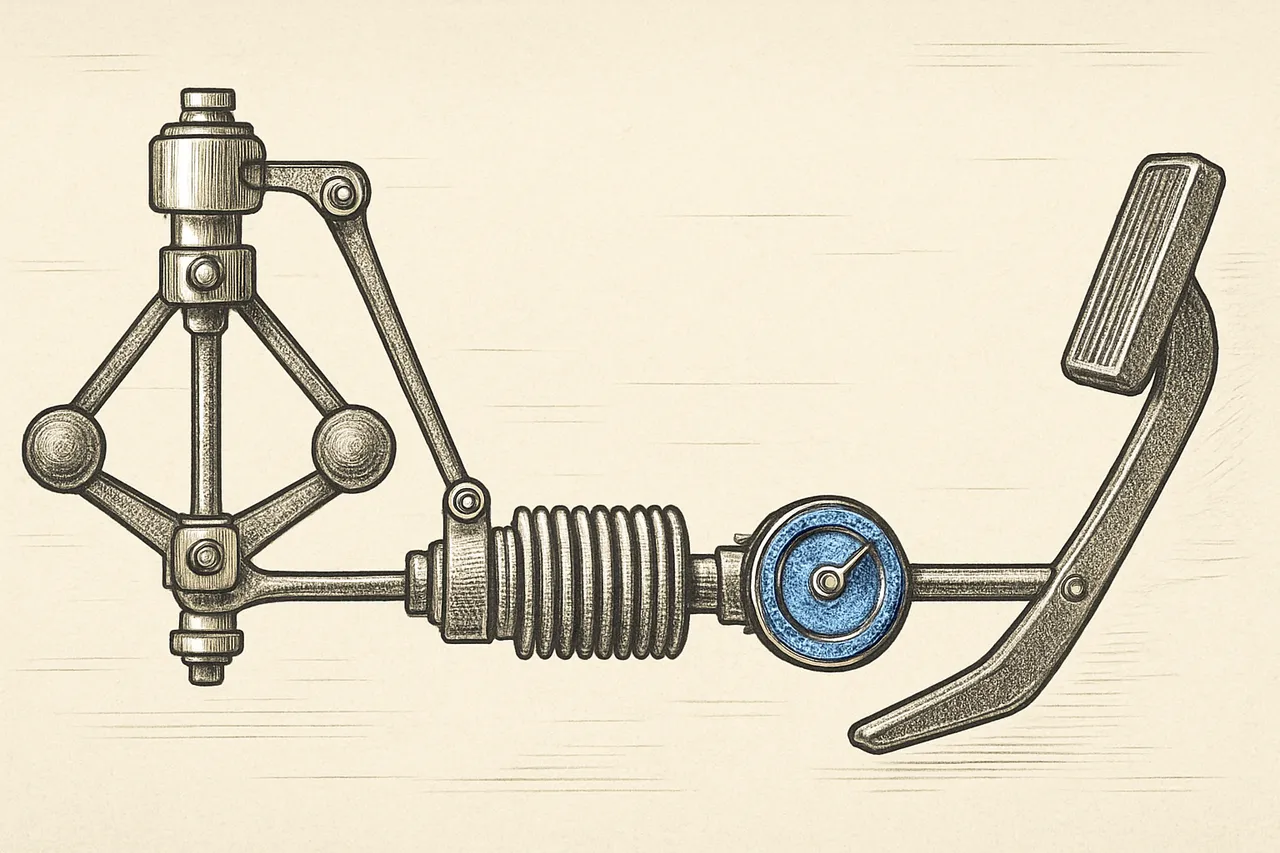
The Engineer Who Invented Cruise Control Had Been Blind Since He Was Five
Ralph Teetor lost his sight in an accident at five years old, became a mechanical engineer anyway, and ran a piston ring company. The usual story is that he invented cruise control because his lawyer's uneven driving annoyed him. The engineering holds up better than the anecdote.
Read the story →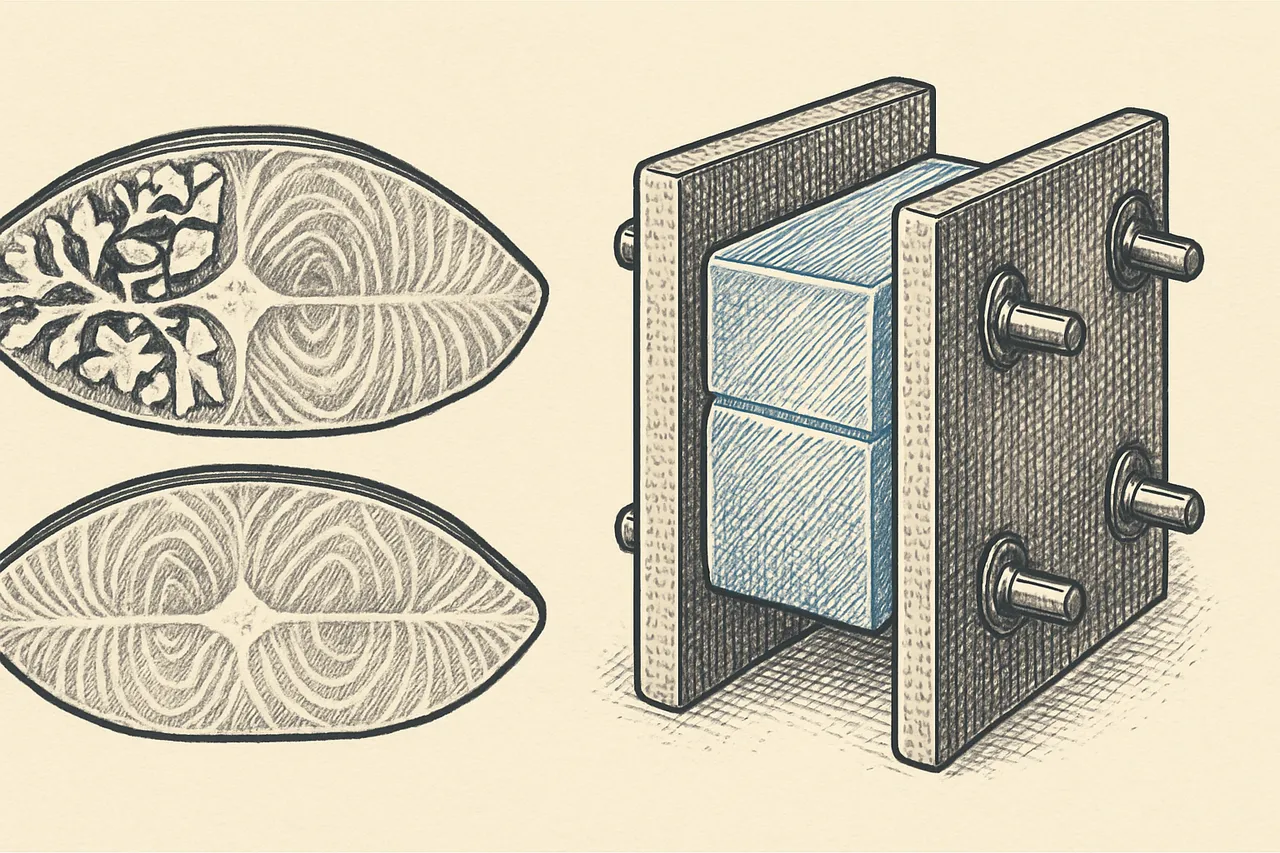
Clarence Birdseye Watched Inuit Fishermen Pull Fish From a Hole in the Ice and Worked Out Why Frozen Food Tasted Bad
Frozen food existed long before Birdseye and it was considered close to inedible. What he figured out in Labrador is that the problem was never freezing. It was freezing slowly, and the difference comes down to the size of the ice crystals.
Read the story →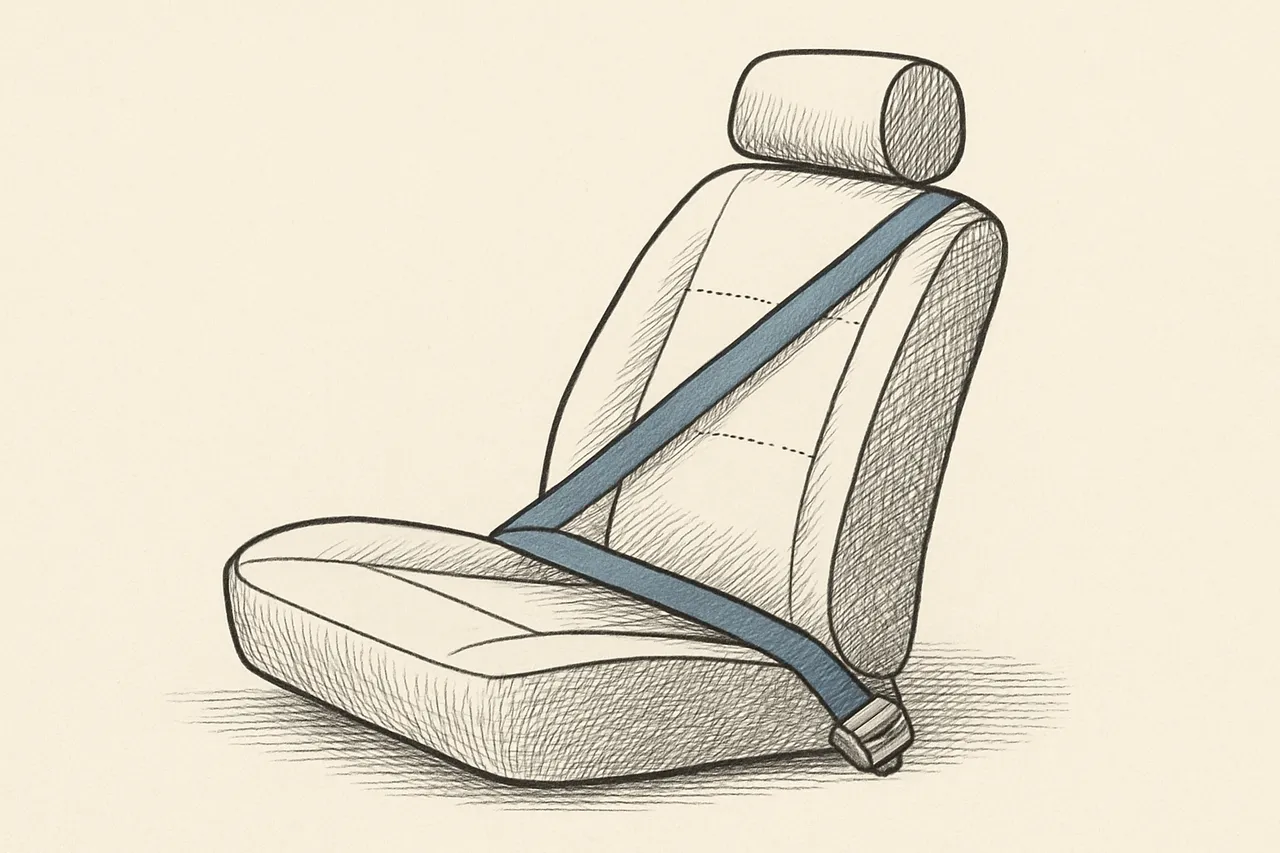
Volvo Patented the Three-Point Seat Belt in 1959, Then Opened the Patent to Every Rival It Had
Nils Bohlin came from building ejection seats for fighter aircraft, and he solved the seat belt in about a year. Volvo then did the thing companies almost never do with a patent that valuable: it made the design free to use, on the grounds that keeping it would cost lives.
Read the story →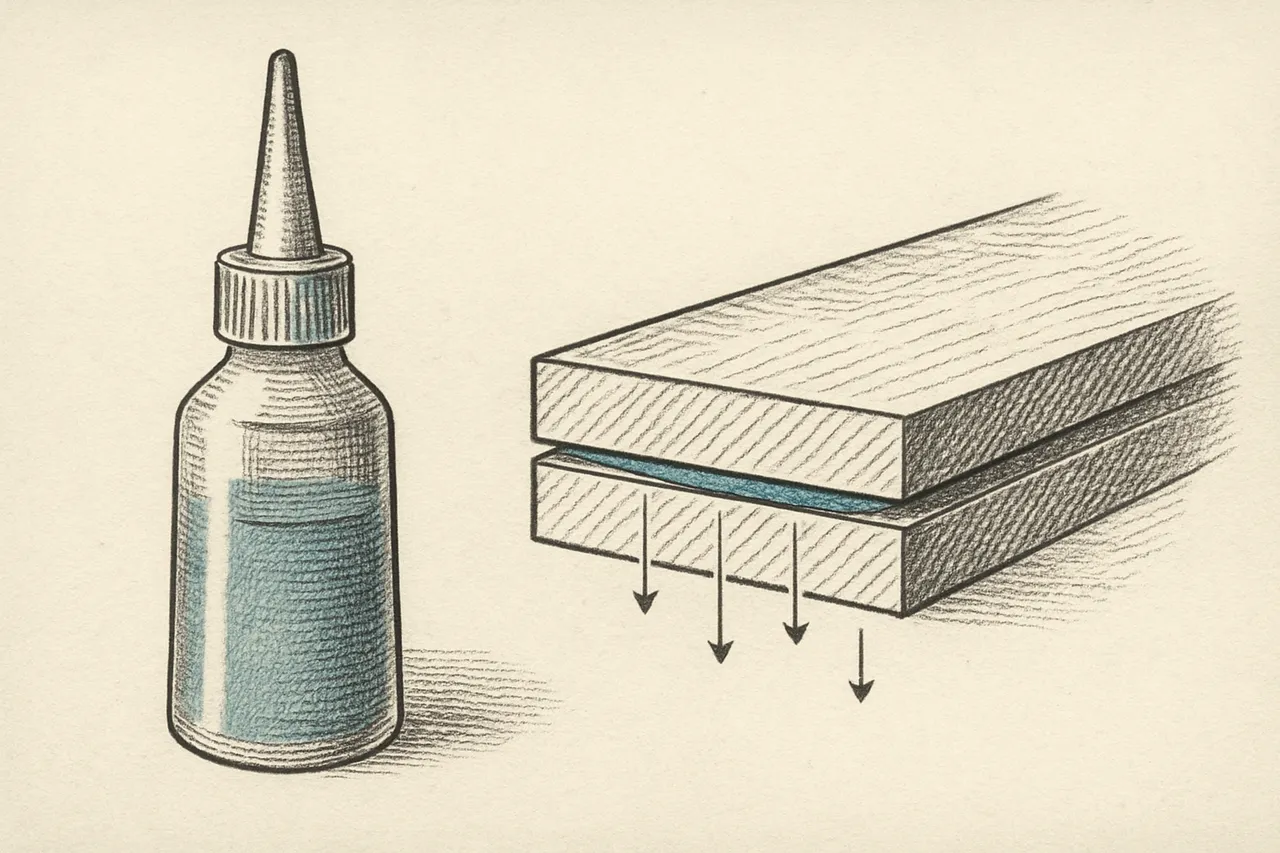
Super Glue Was Discovered Twice by the Same Man, and He Threw It Out Both Times
Harry Coover found cyanoacrylate in 1942 while trying to make gun sights, and dismissed it for sticking to everything. He ran into it again in 1951 doing jet canopies. It took nine years and a second accident before anyone recognized that sticking to everything was the product.
Read the story →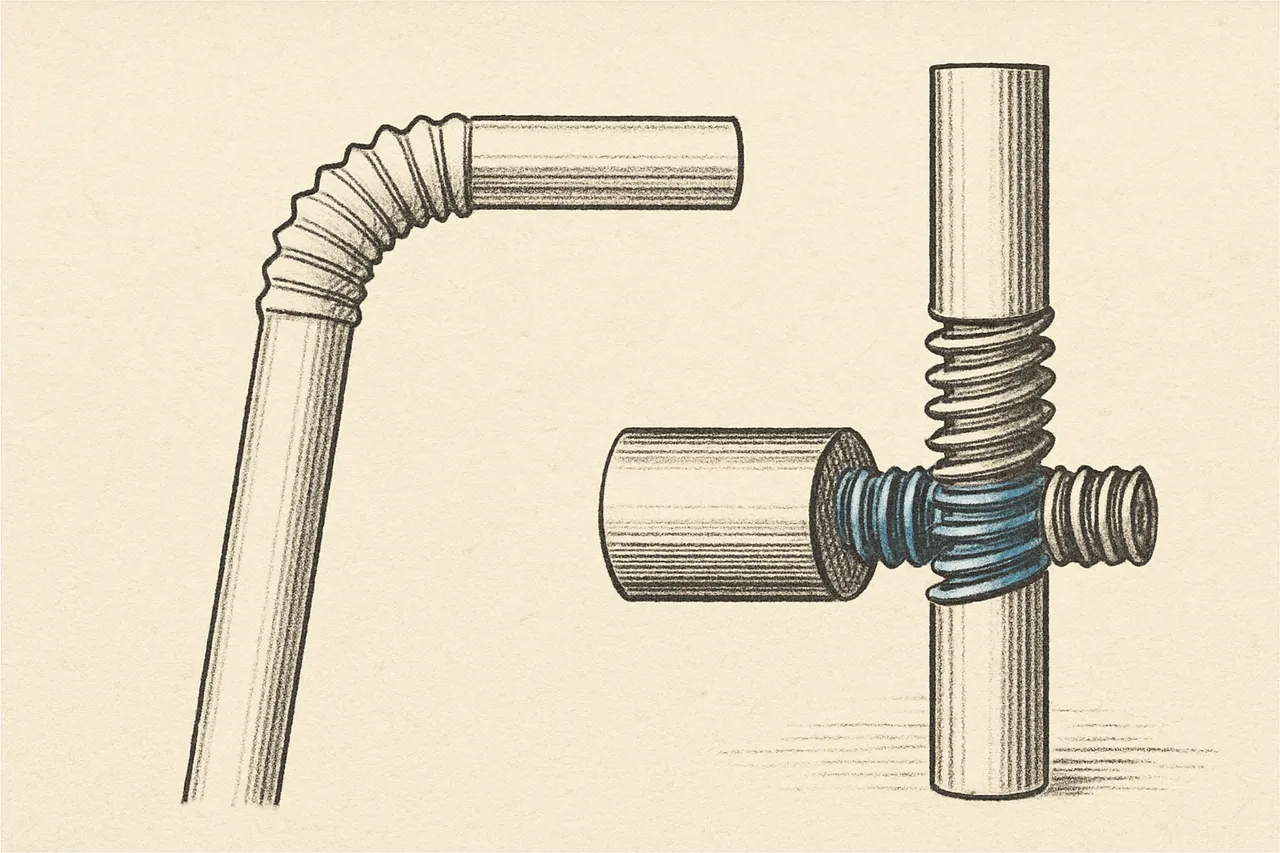
A Father Watched His Daughter Struggle With a Straw at a Soda Fountain and Went Home and Fixed It
Joseph Friedman's daughter was too short to reach the top of a straight paper straw. He took one home, dropped in a screw, wrapped it with floss, and made the first flexible drinking straw. Hospitals turned out to need it far more than soda fountains did.
Read the story →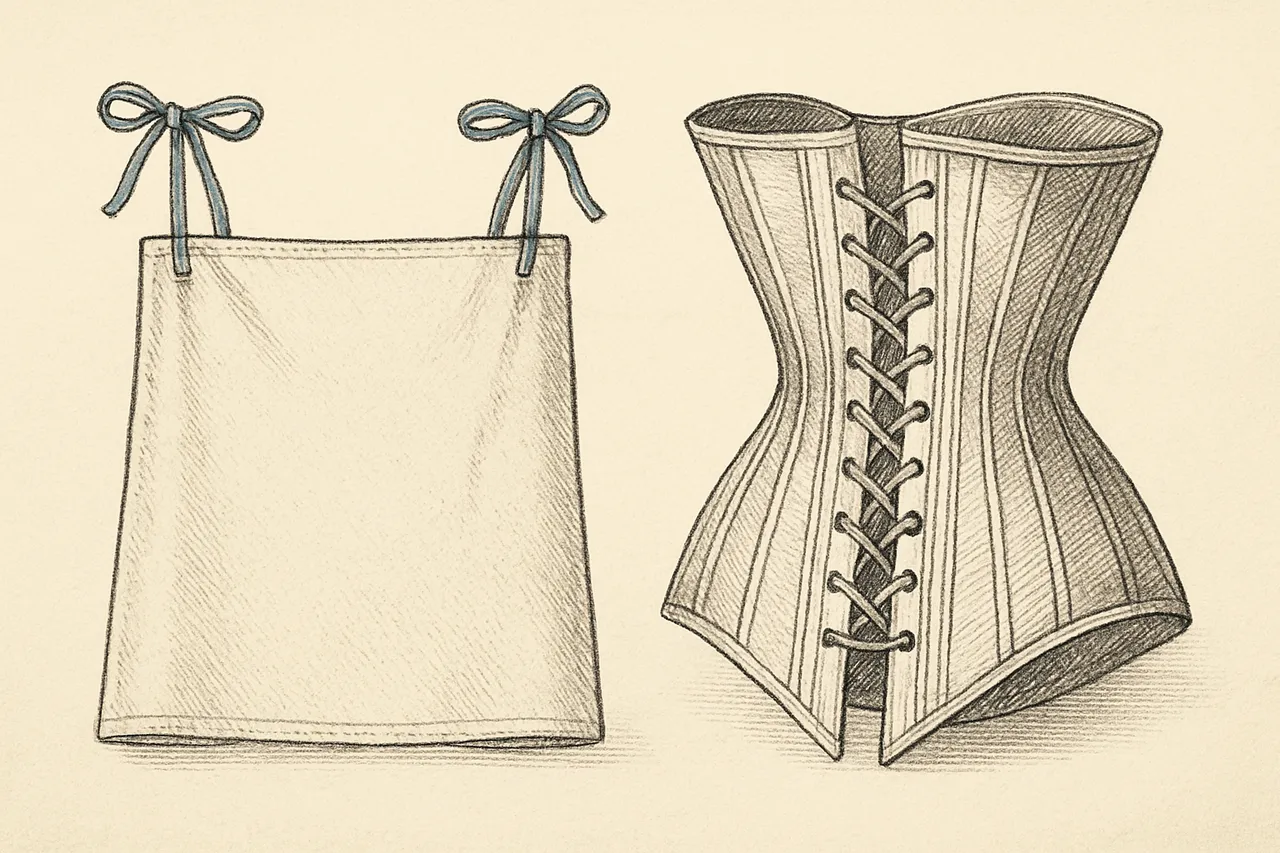
The First Modern Bra Was Two Handkerchiefs and a Ribbon, Improvised Before a Party
Mary Phelps Jacob was nineteen, dressing for a debutante ball, and the corset under her gown was ruining it. She had her maid bring two handkerchiefs and some ribbon. Four years later she held a US patent, and not long after that she sold it for $1,500.
Read the story →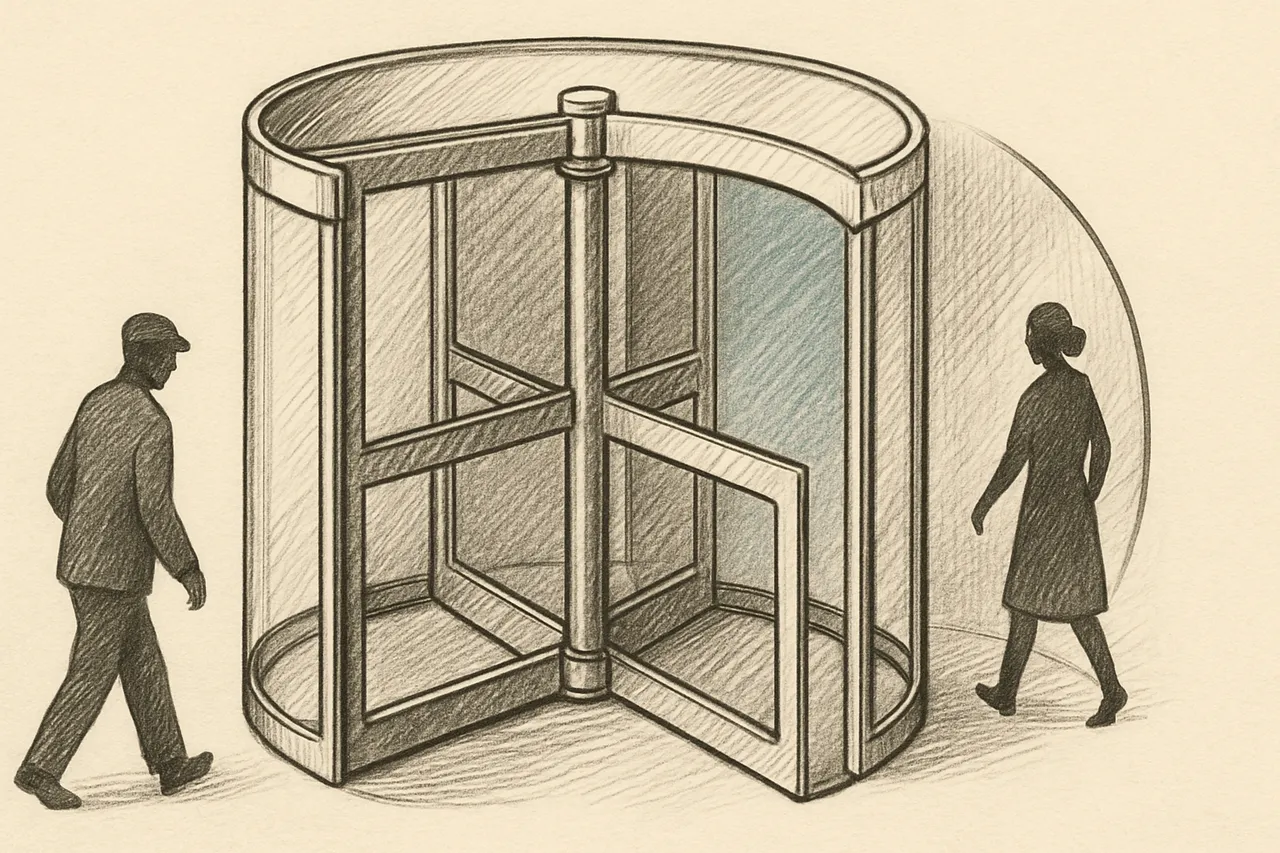
The Revolving Door Was Patented as a Storm Door. It Was Built to Stop Air, Not Move People.
Theophilus Van Kannel's 1888 patent is titled 'Storm-Door Structure,' and that title explains the whole design. The revolving door exists because a hinged door on a tall building leaks heat every time it opens, and Van Kannel worked out a door that is never actually open.
Read the story →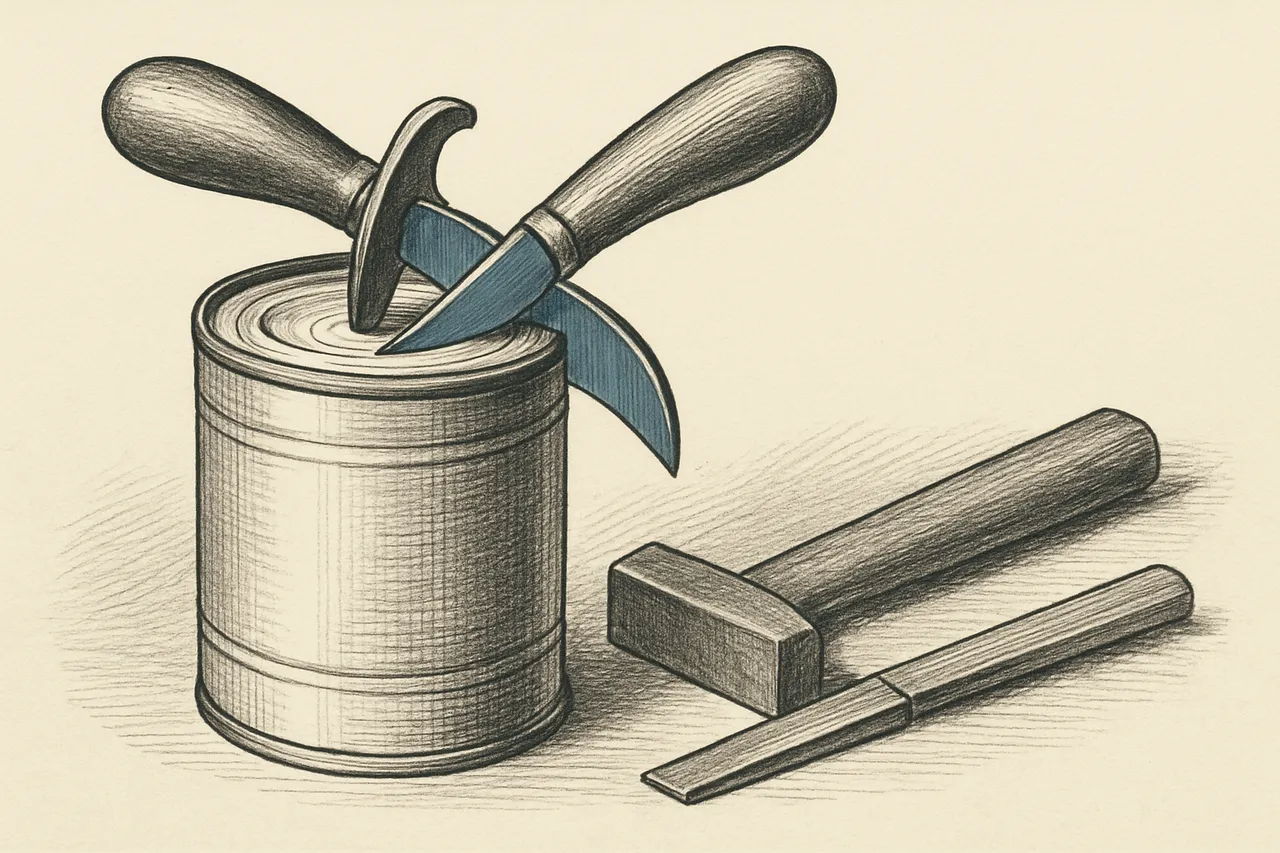
The Tin Can Was Invented in 1810. The Can Opener Showed Up in 1858.
For nearly fifty years, the instructions on a tin can told you to open it with a hammer and a chisel. Ezra Warner's 1858 patent was the first American attempt to do it with one tool, and it was so dangerous that grocers had to operate it for you.
Read the story →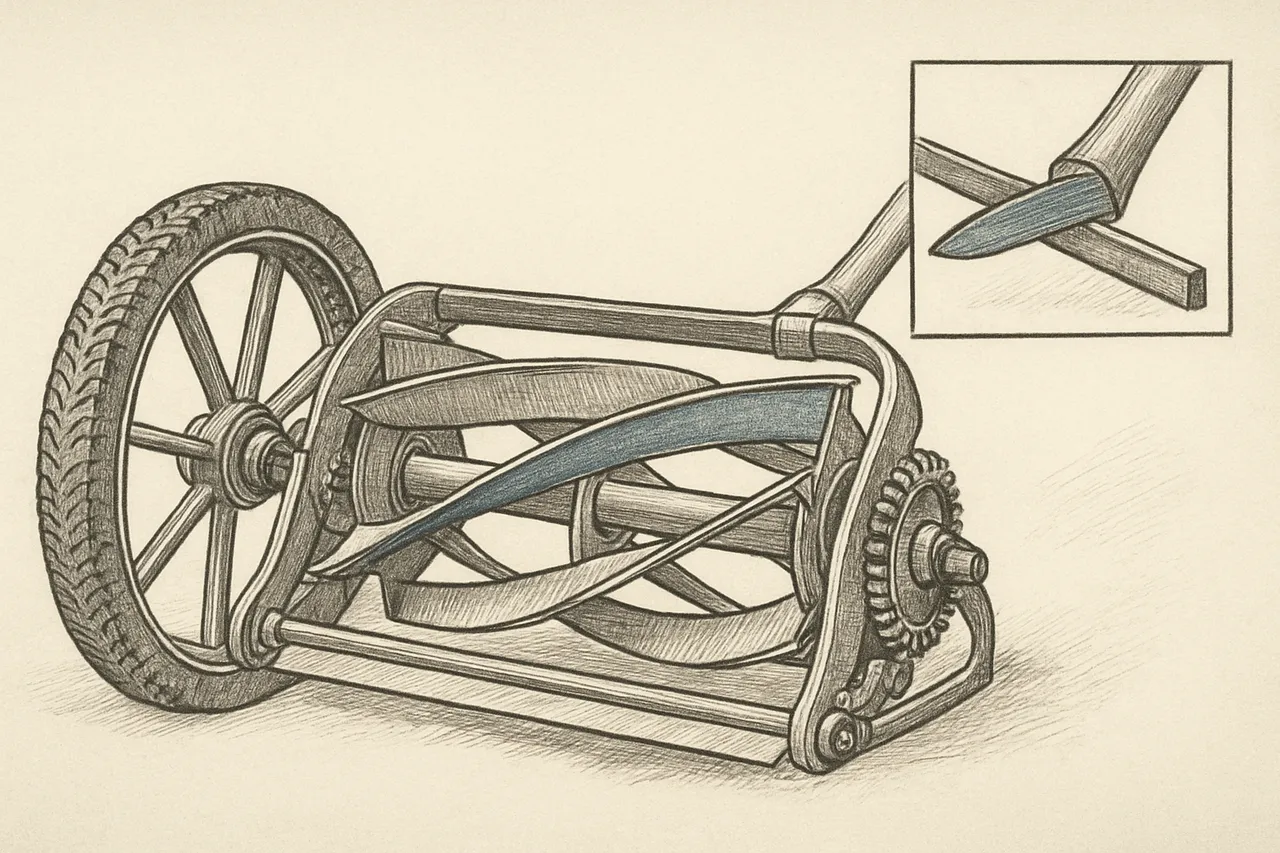
The Lawn Mower Is a Carpet Mill Machine Somebody Pointed at the Ground
Edwin Budding worked in an English textile mill where a bladed cylinder trimmed the nap off finished cloth. He decided grass was the same problem lying down. Amariah Hills brought the reel mower to America in 1868.
Read the story →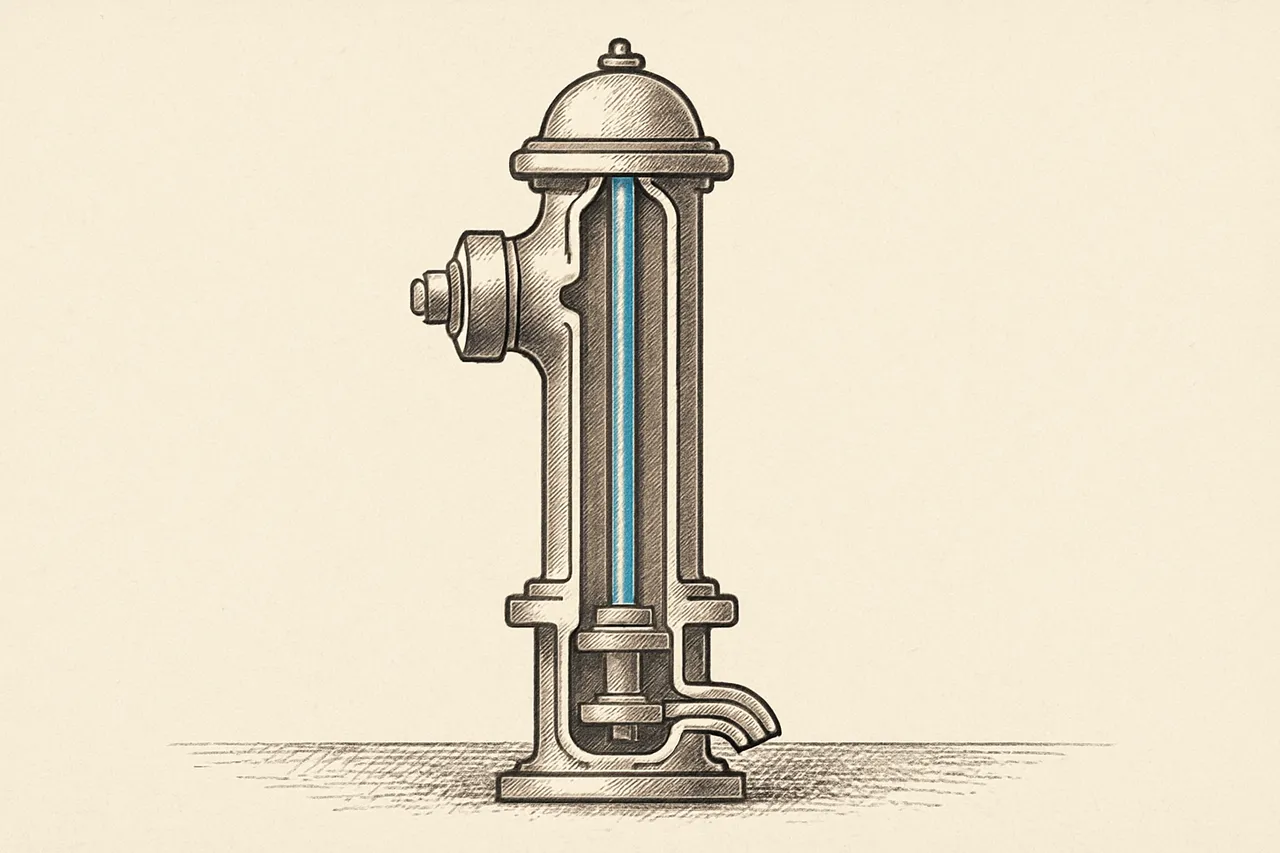
The Fire Hydrant Patent Was Destroyed in a Fire
Frederick Graff is usually credited with the post hydrant around 1801. Nobody can check, because the Patent Office burned to the ground in 1836 and took roughly ten thousand patents with it, including his.
Read the story →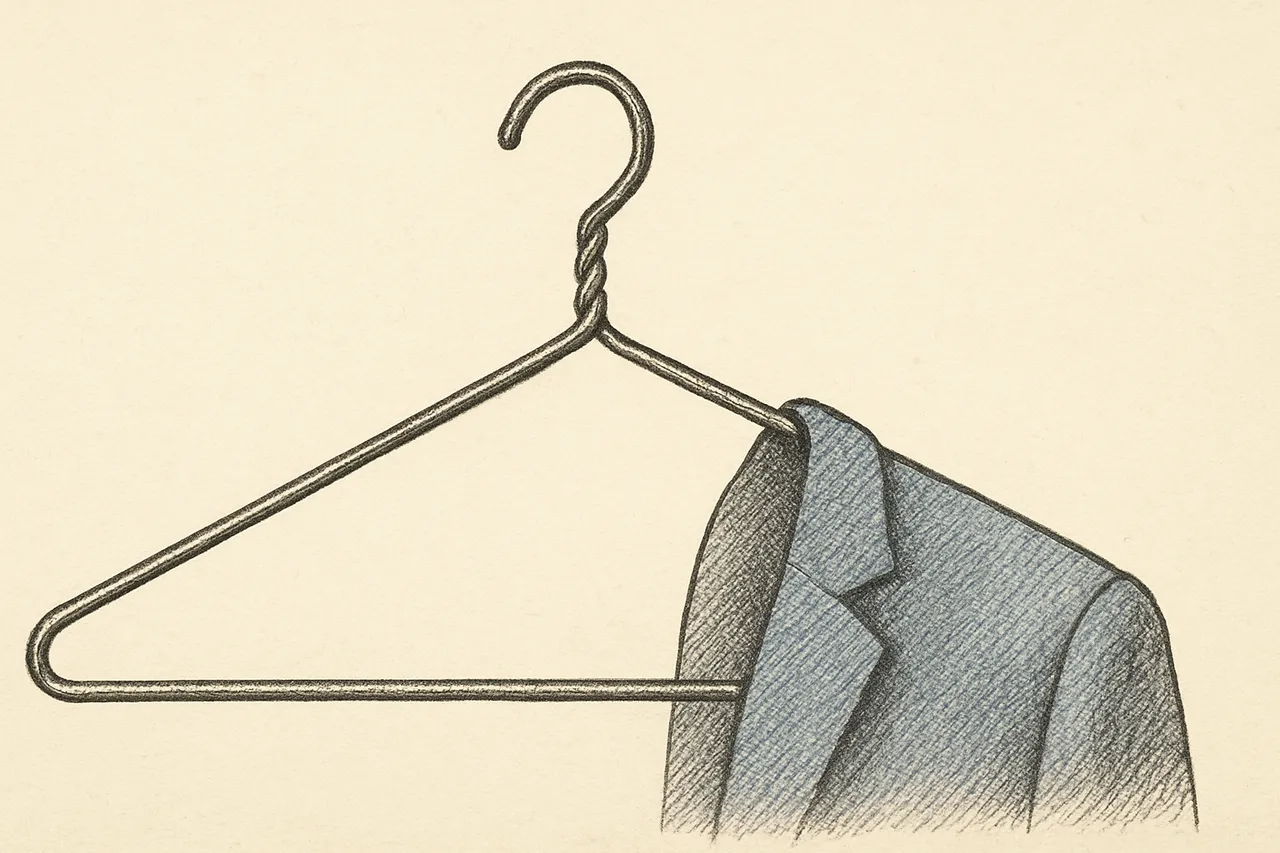
A Factory Worker Ran Out of Coat Hooks and Bent a Piece of Wire Into a Shoulder
The story told at Timberlake Wire and Novelty is that Albert Parkhouse came in one winter morning in 1903, found every hook taken, and twisted a length of wire into two ovals and a hanger. The patent on it went to his employer, under another man's name.
Read the story →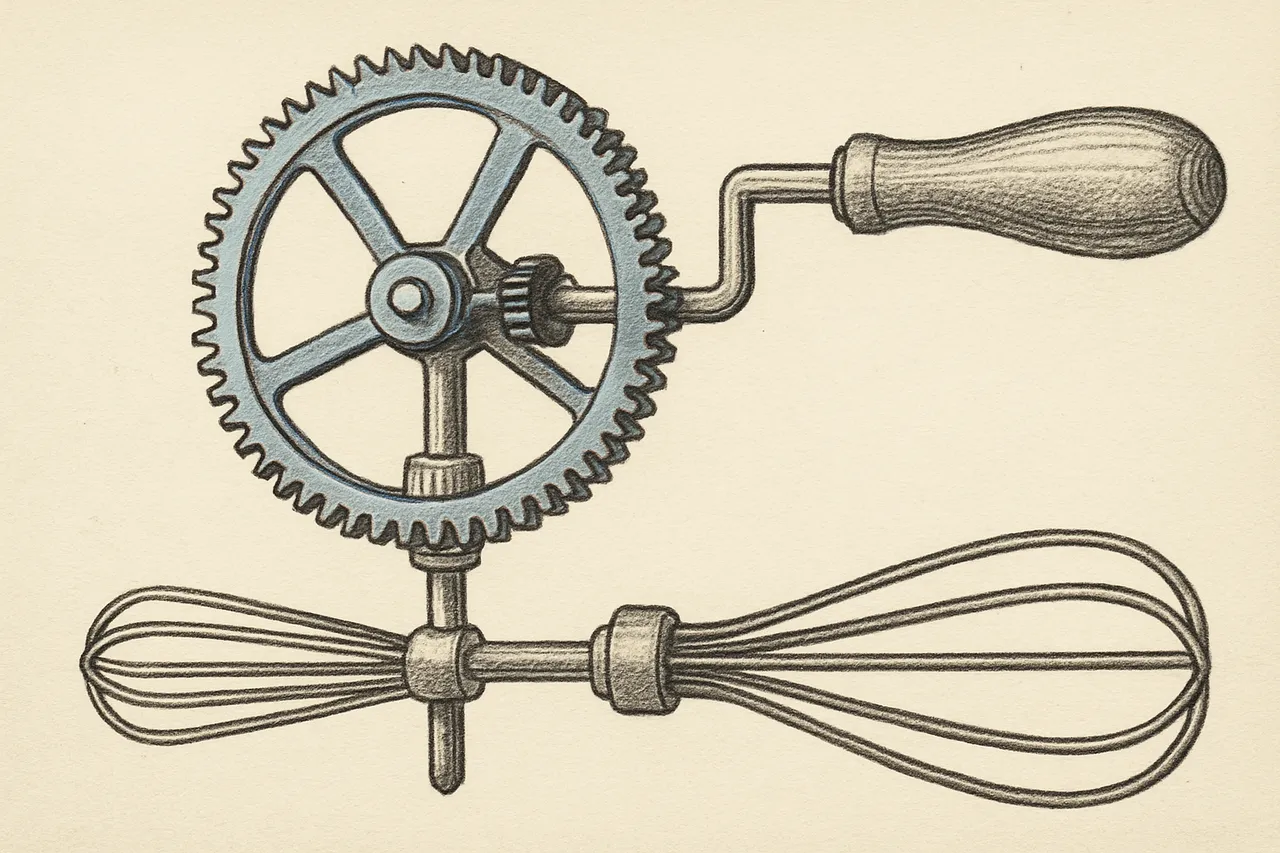
Willis Johnson Patented an Egg Beater in 1884, When Roughly A Thousand People Were Trying To
Beating eggs by hand with a fork or a bundle of twigs took a long time and gave inconsistent results. For about forty years the patent office received a flood of mechanical beaters, and almost all of them jammed, leaked, or fell apart.
Read the story →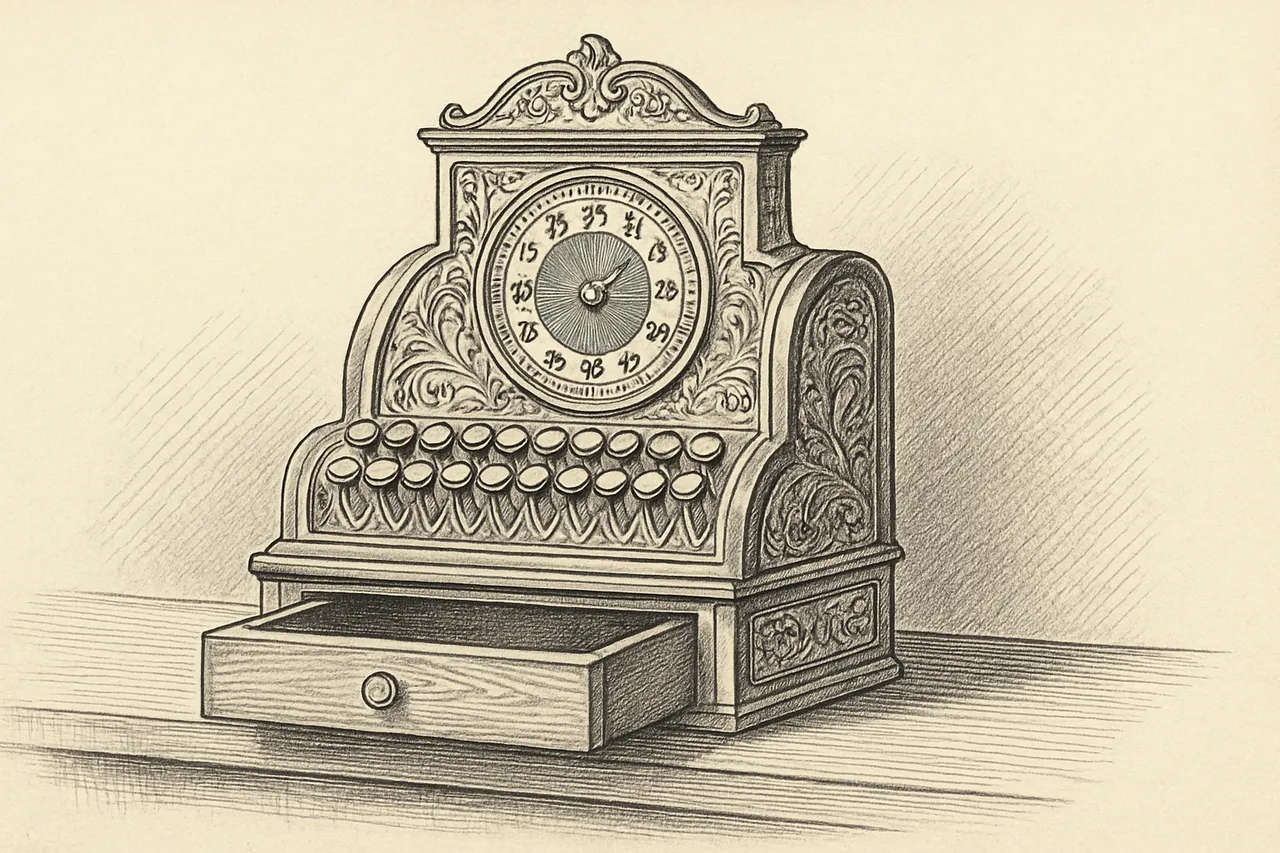
A Saloon Owner Built the Cash Register to Catch His Own Bartenders Stealing
James Ritty ran a bar in Dayton and could not stop his staff pocketing the takings. On a steamship to Europe he watched a device count the revolutions of the propeller shaft, and realized a machine could count sales the same way.
Read the story →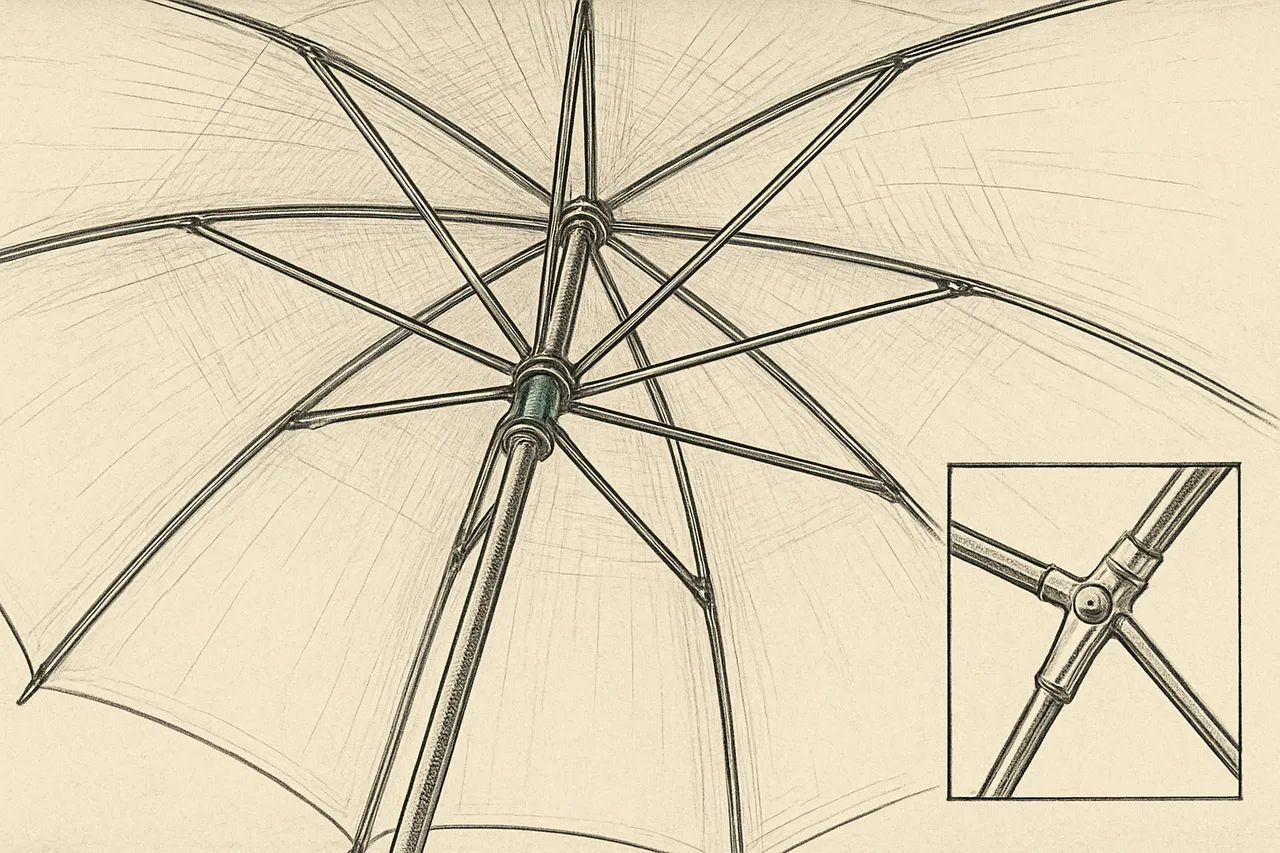
The Umbrella Barely Changed for Two Thousand Years, Then Somebody Made It Fold
Parasols existed in ancient Egypt, China, and Rome. The object stayed roughly the same until the nineteenth century, when steel ribs made it light enough to carry and hinged struts made it collapse into a bag.
Read the story →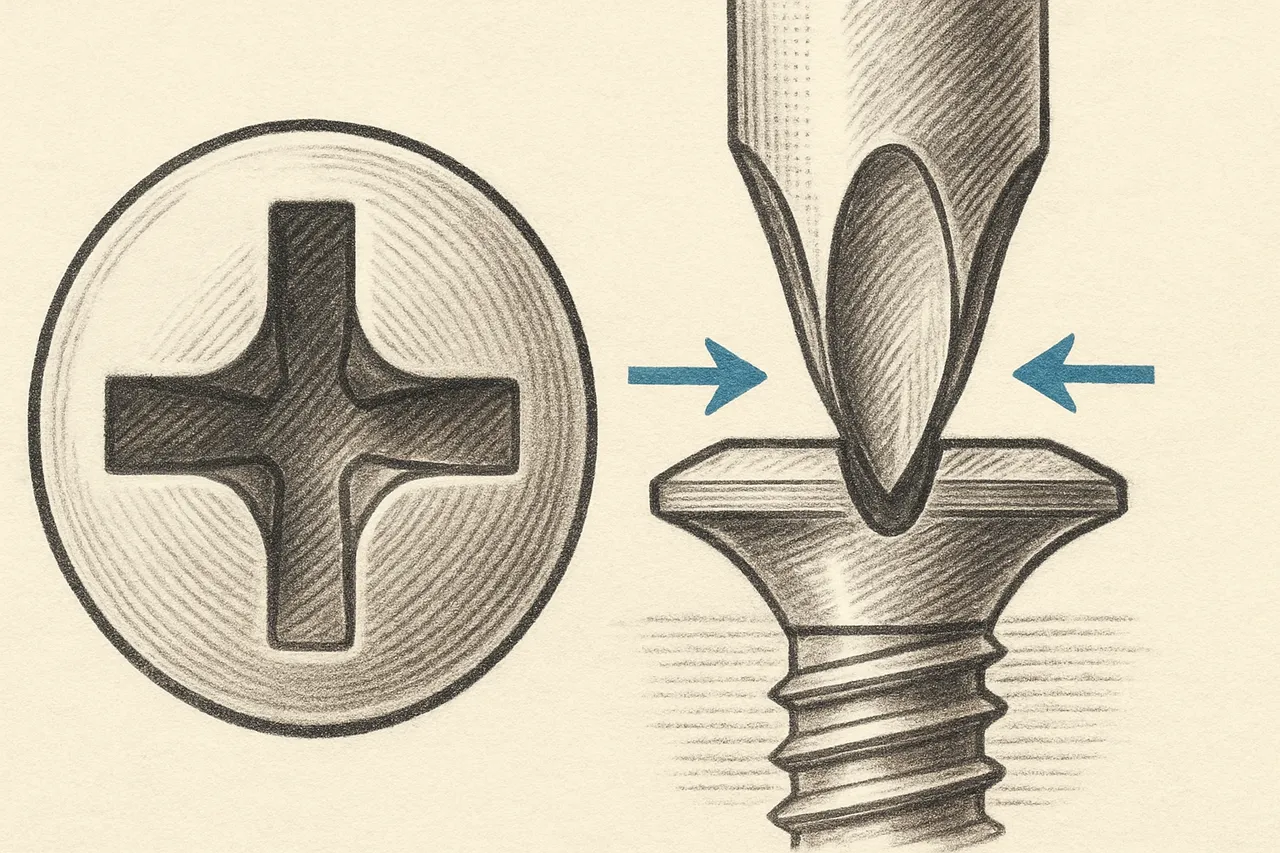
The Phillips Screw Is Designed to Slip. That Was the Whole Point.
Everyone who has stripped a Phillips head assumes it is a flaw. It is not. The driver was built to climb out of the socket at a set torque, because in 1936 nobody had a reliable way to stop an assembly line worker from overtightening a screw.
Read the story →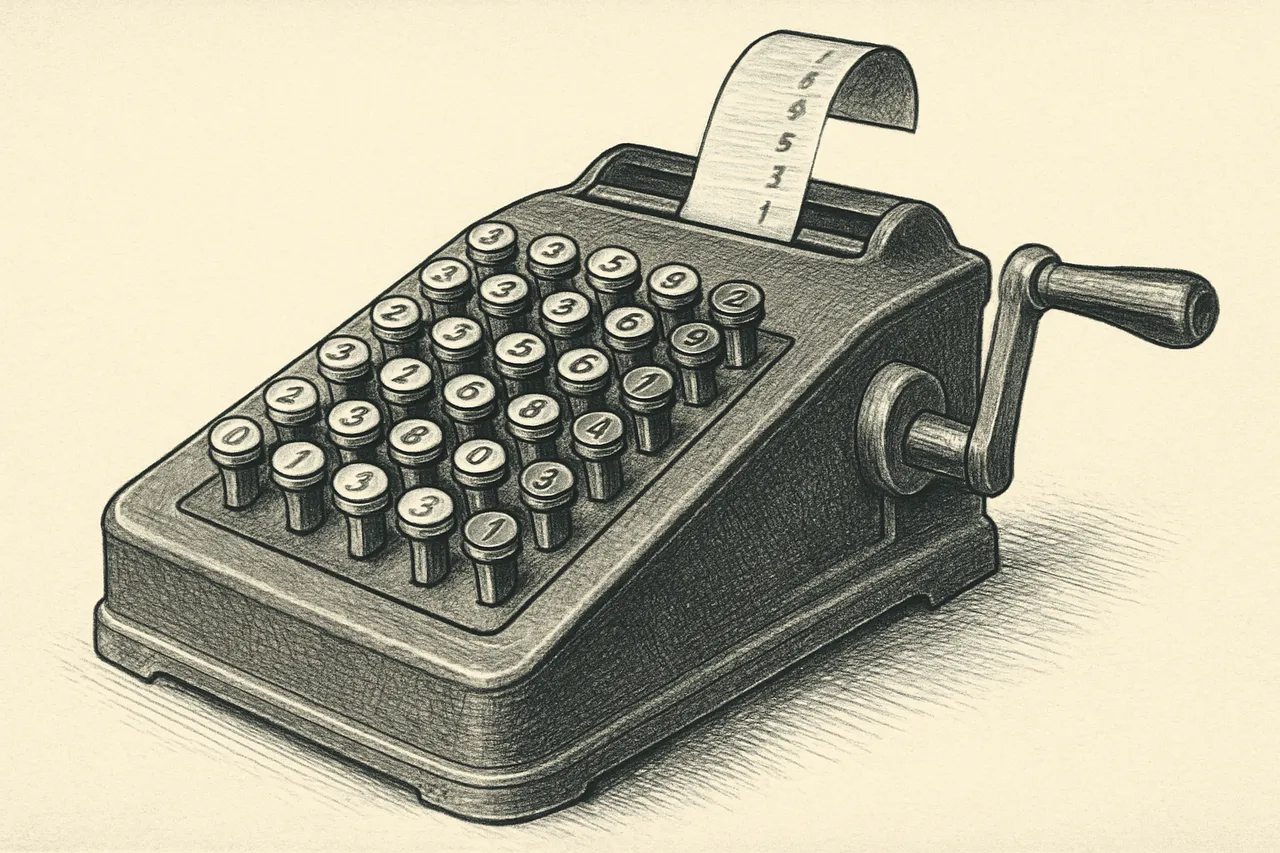
Burroughs Built an Adding Machine That Printed, Then Smashed the First Fifty With a Window
Bank clerks added long columns by hand and had no way to check their work except doing it again. William Burroughs built a machine that printed every entry and the total. The first production run only worked for him, so he threw them out a window.
Read the story →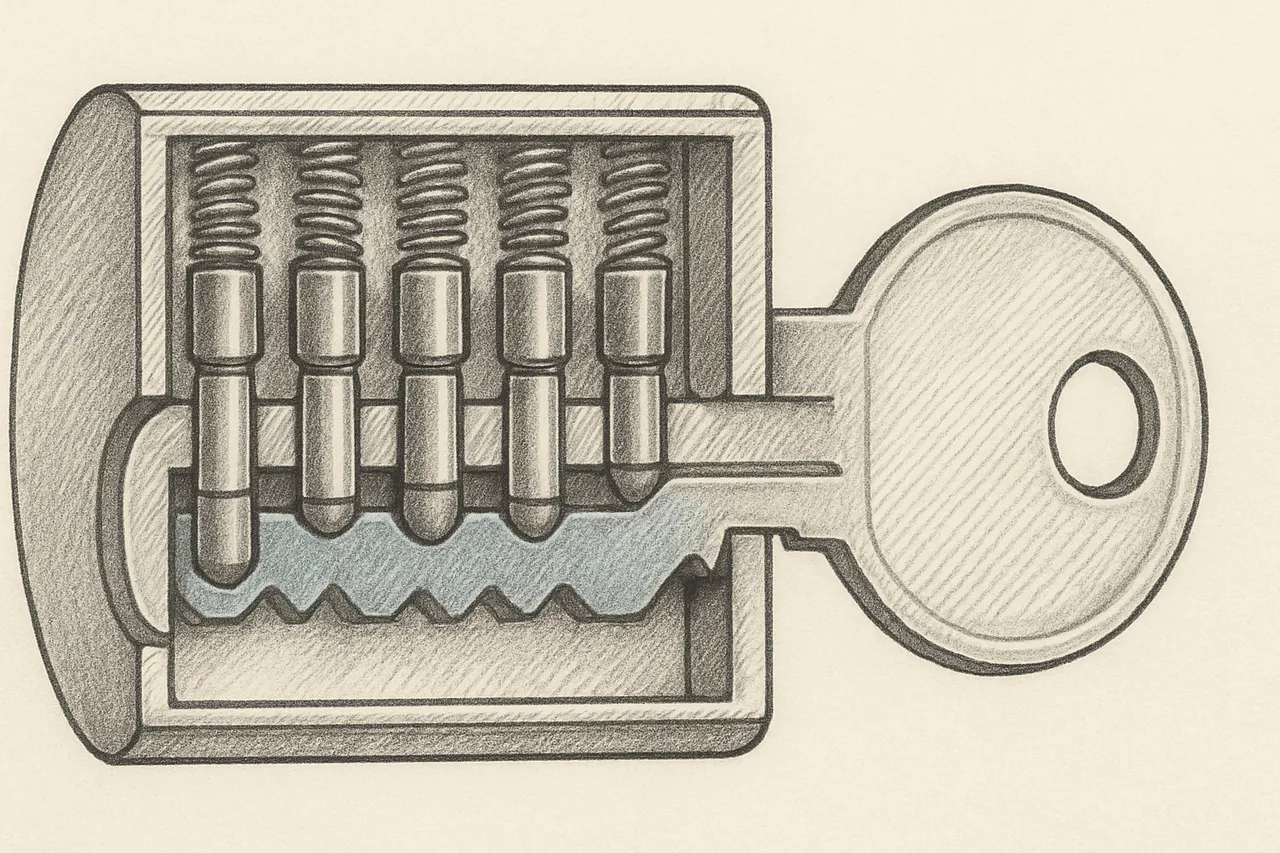
The Lock on Your Front Door Copies a Design the Egyptians Used Four Thousand Years Ago
Linus Yale Jr. did not invent the pin tumbler. Ancient Egyptian locks used wooden pins dropped into a bolt and a toothed key that lifted them. What Yale did was shrink it, make it out of metal, and put it in a cylinder small enough for a door.
Read the story →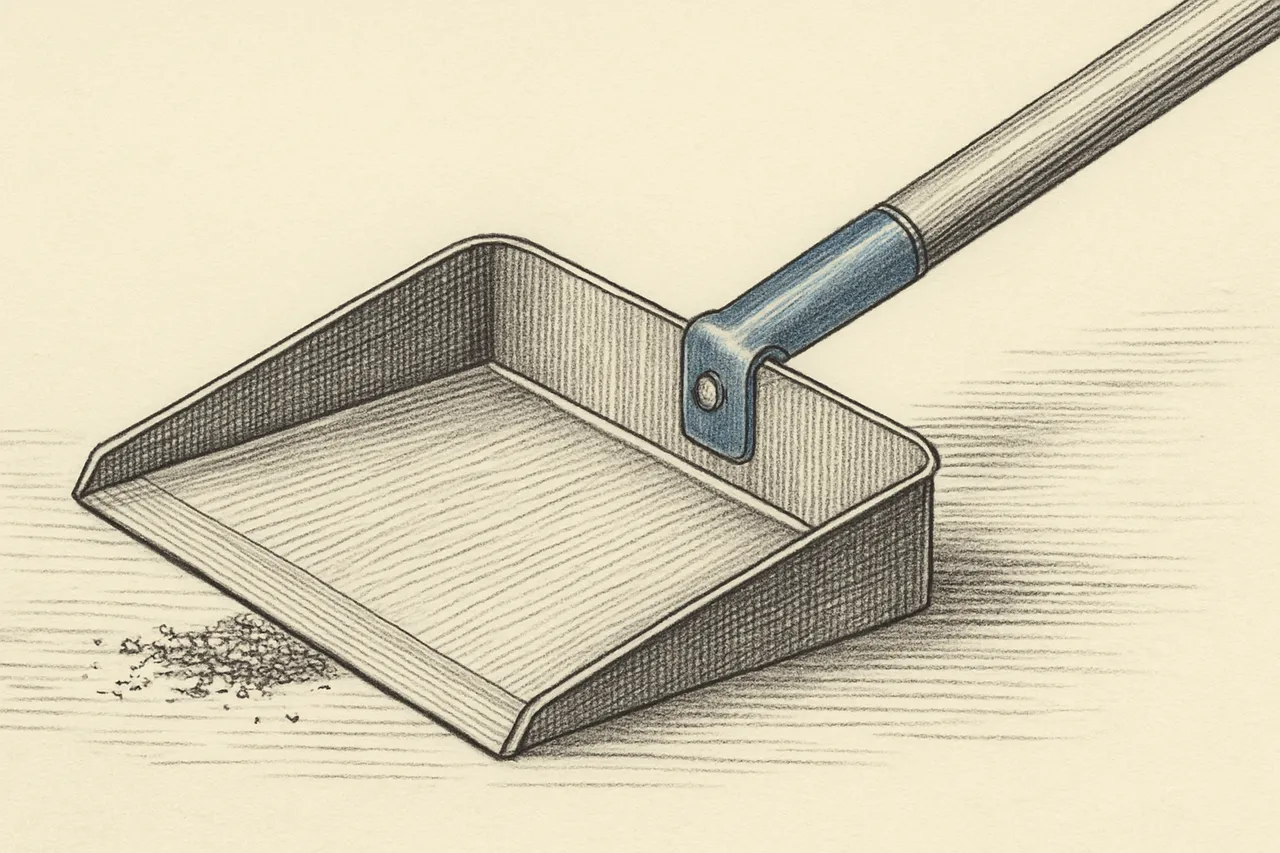
Sweeping Used to Mean Getting on Your Knees. Lloyd Ray Patented the Handle.
Collecting dirt off a floor meant crouching with a shovel or a shingle and a brush. Lloyd Ray put a metal collection pan on a long wooden handle in 1897, and the job could be done standing up.
Read the story →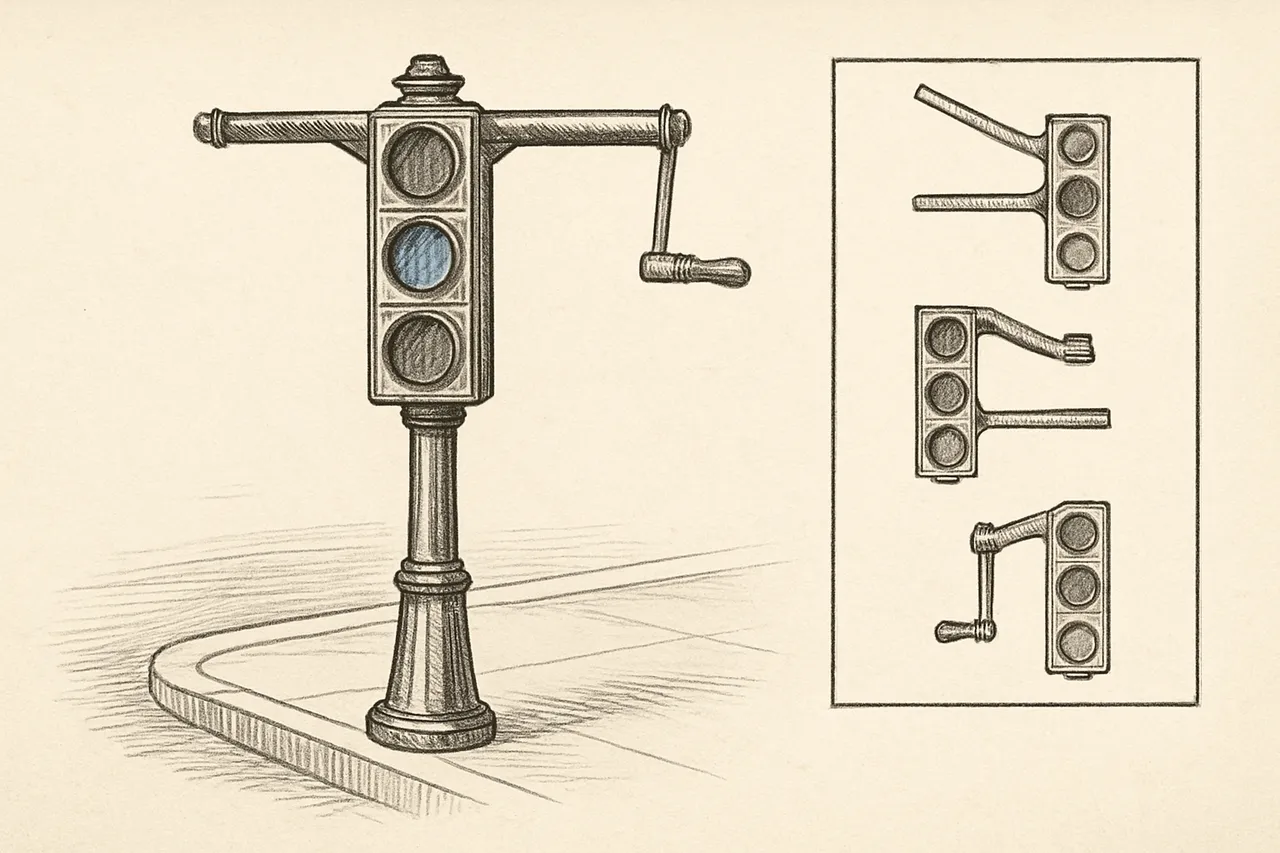
Garrett Morgan Saw a Crash at an Intersection and Invented the Yellow Light
Early traffic signals had two states: go and stop. Switching instantly between them caused collisions, because nobody had time to react. Morgan added a third position that halted all traffic before the change — the ancestor of the amber light.
Read the story →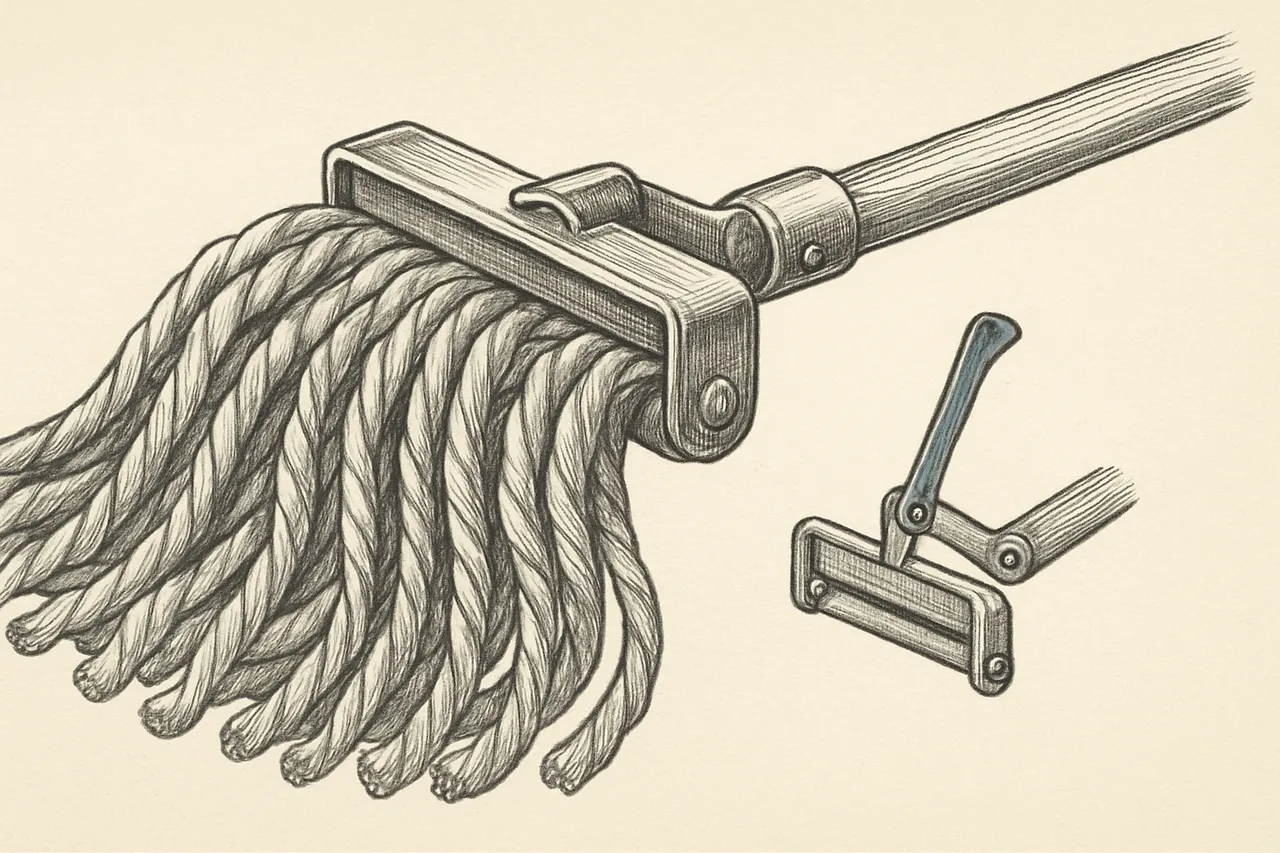
Before 1893, Wringing Out a Mop Meant Wringing It Out With Your Hands
A mop was a bundle of rags nailed to a stick. To clean it you untied it, or you squeezed it, or you did not bother. Thomas Stewart added a clamp that let the head come off and a lever that wrung it out.
Read the story →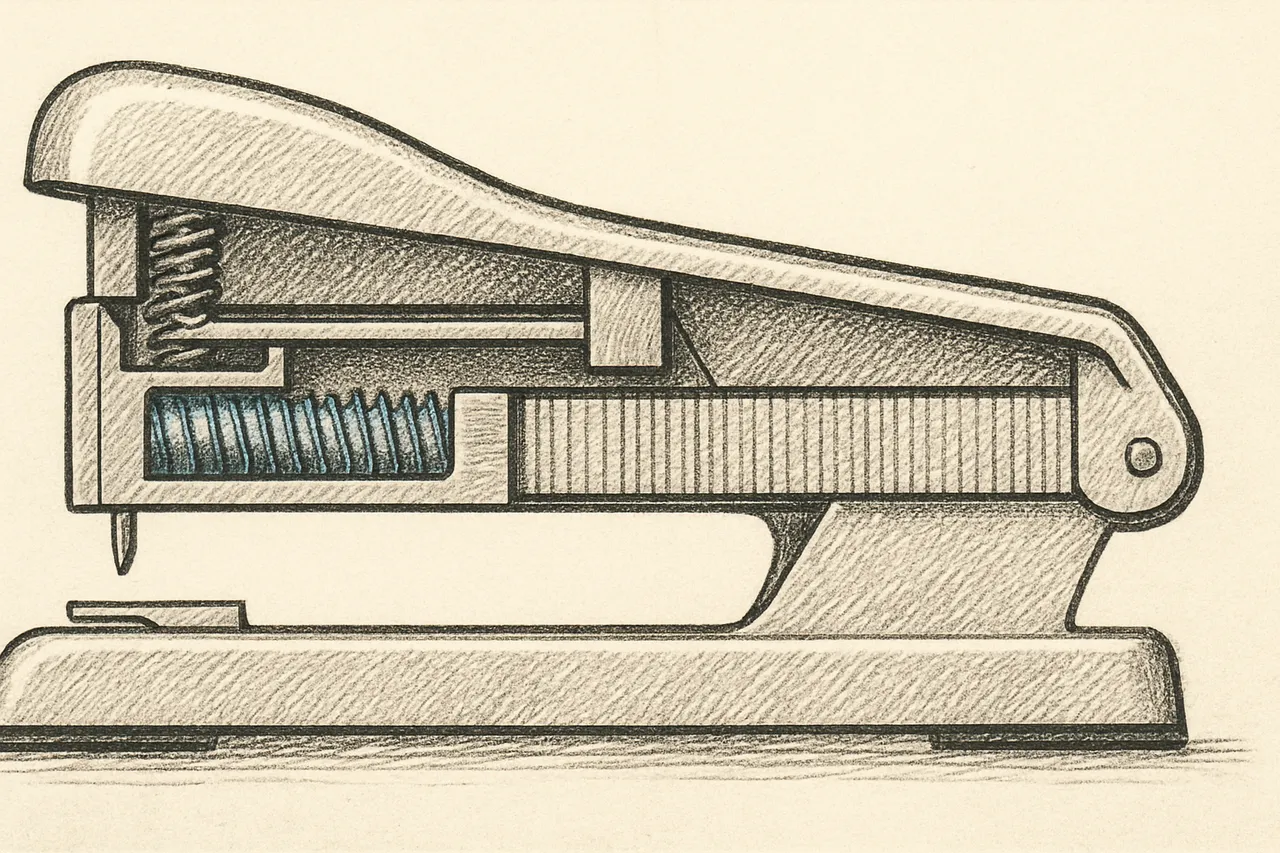
It Took a Century to Figure Out That the Staples Should Come in a Strip
Early staplers held one staple at a time. You loaded it, squeezed, and reloaded. Every improvement for decades tried to make the mechanism better. The actual breakthrough was gluing the staples together so the machine could hold hundreds.
Read the story →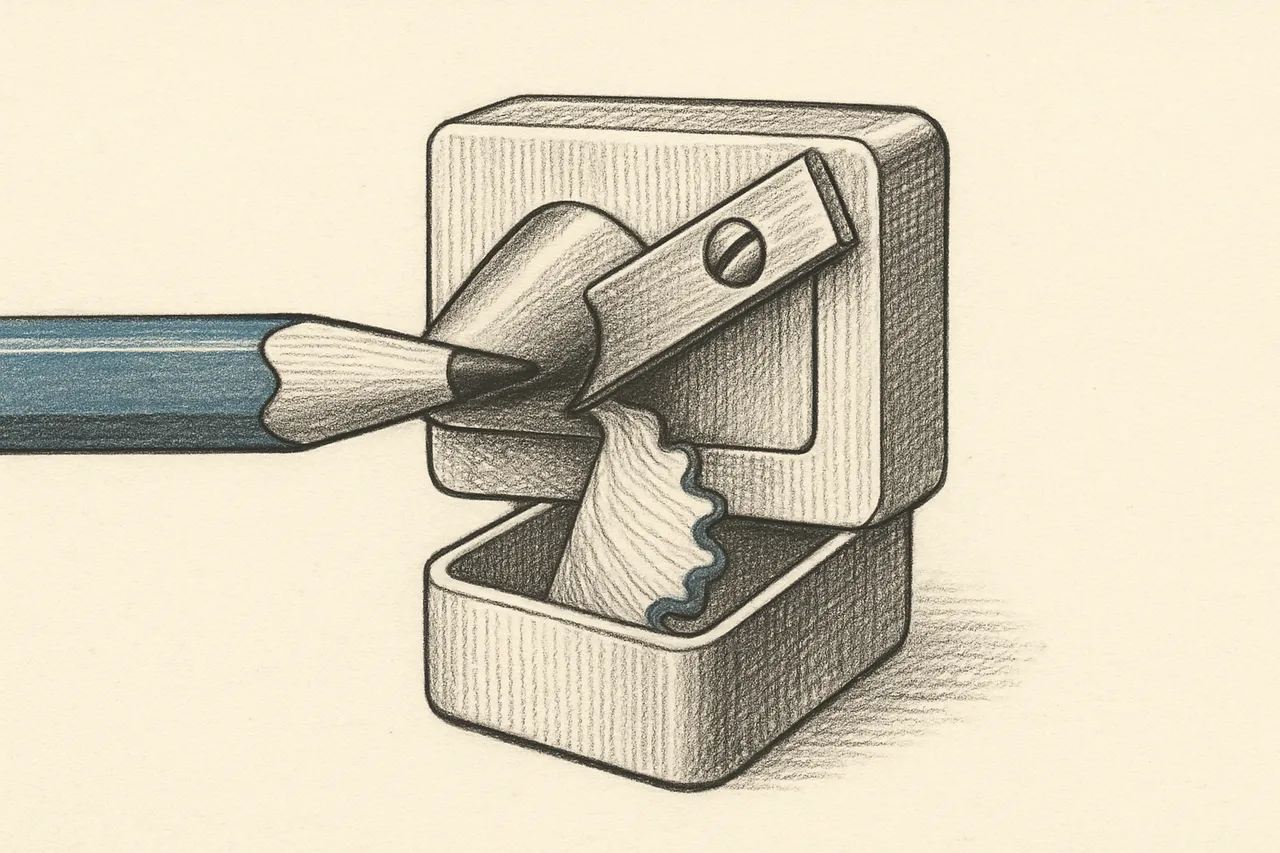
Carpenters Sharpened Pencils With a Knife. John Lee Love Put the Blade in a Box.
Desk-mounted crank sharpeners existed by the 1890s, but they were furniture. A carpenter on a job site still carried a knife and shaved the point by hand. Love built one that fit in a pocket and caught the shavings.
Read the story →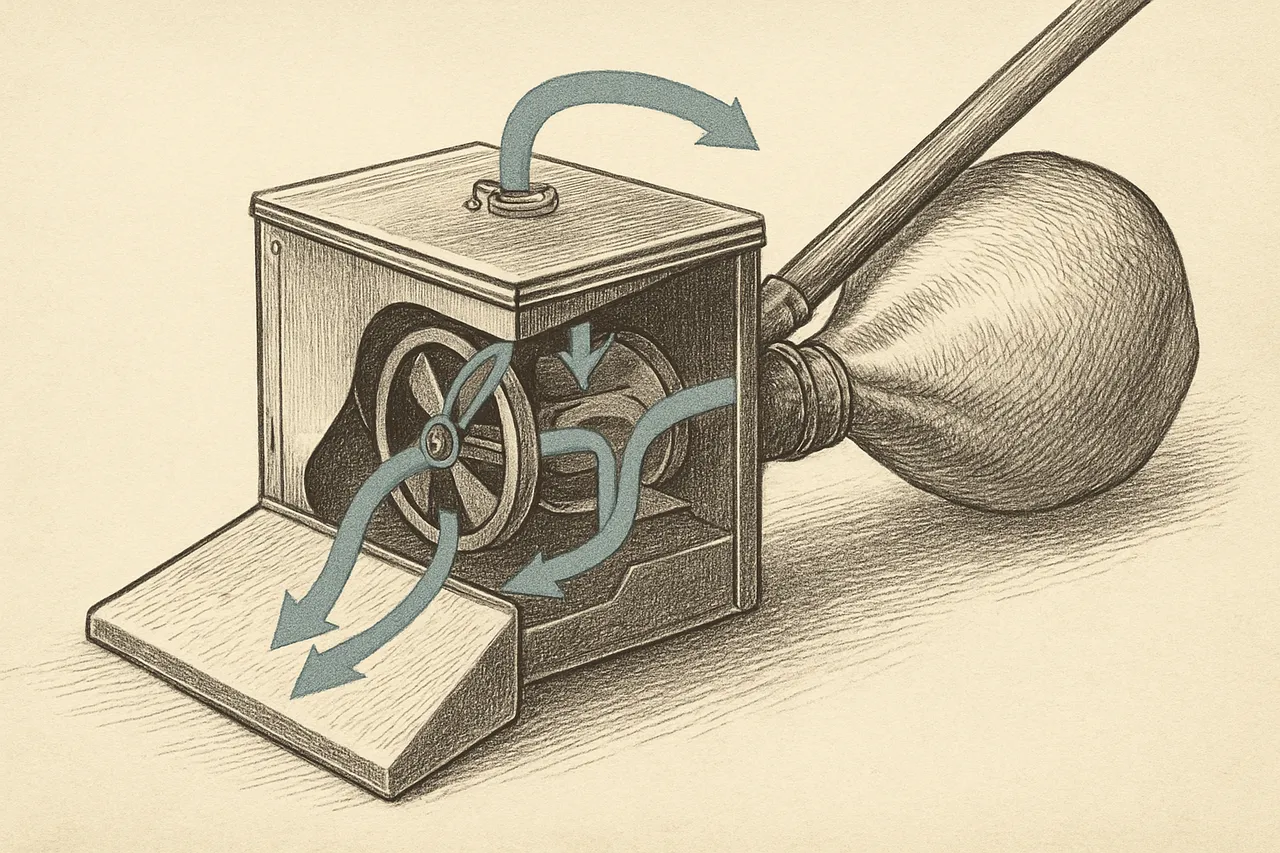
A Janitor With Asthma Invented the Upright Vacuum, Then Sold It to His Cousin's Husband
James Murray Spangler was sixty, working nights as a department store janitor, and the carpet sweeper he pushed was making him sick. He built a machine from a fan motor, a broom handle, a soap box, and a pillowcase.
Read the story →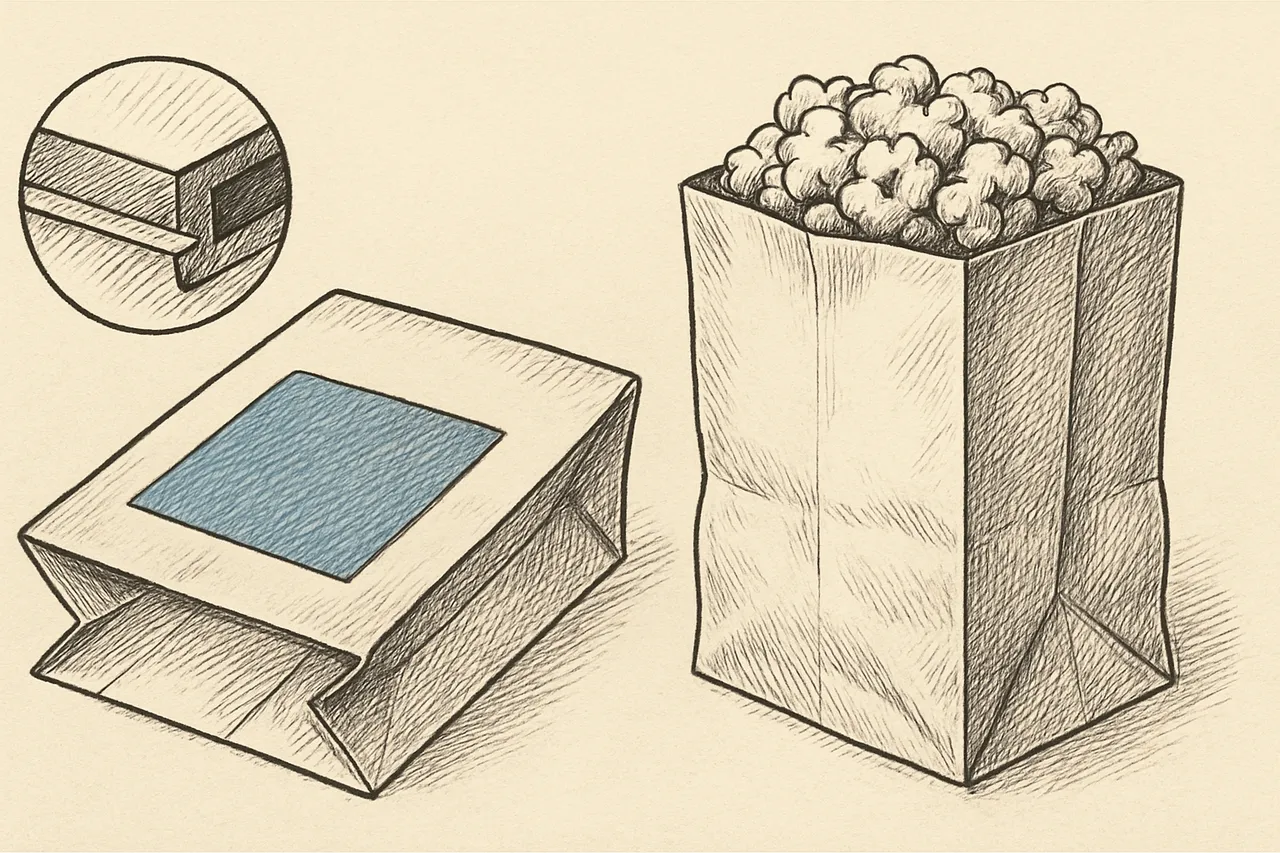
Microwave Popcorn Doesn't Work Without the Bag, and the Bag Is the Actual Invention
Popcorn was one of the first foods anyone microwaved, back in 1945. It stayed bad for forty years, because microwaves heat unevenly and half the kernels never got hot enough. The fix was a strip of metallized film glued inside a paper bag.
Read the story →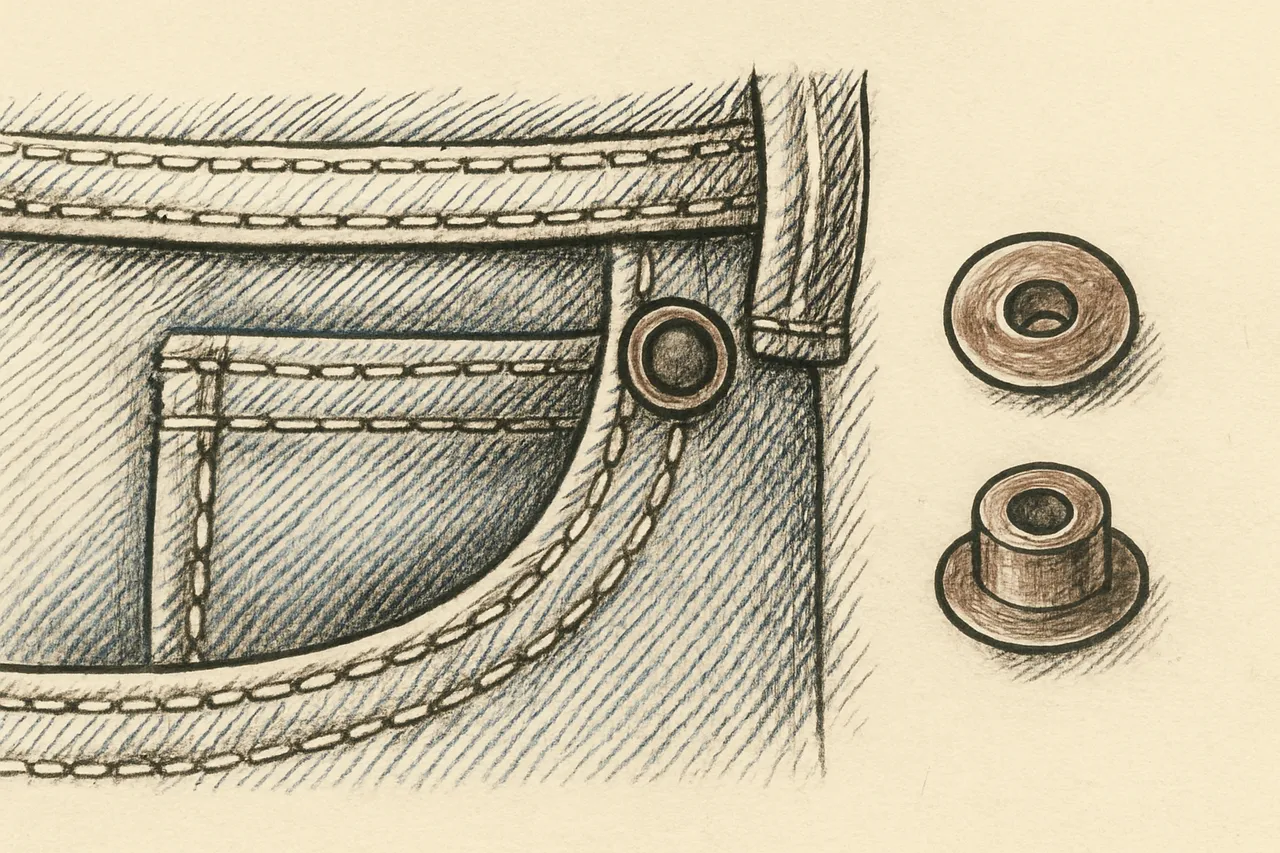
Levi Strauss Sold the Fabric. A Latvian Tailor Invented the Rivets — and Couldn't Afford the Patent Fee.
Jacob Davis was a Reno tailor whose customers kept splitting their pockets. He started hammering harness rivets into the corners. When copycats appeared he wanted a patent, needed sixty-eight dollars he didn't have, and wrote to his fabric supplier.
Read the story →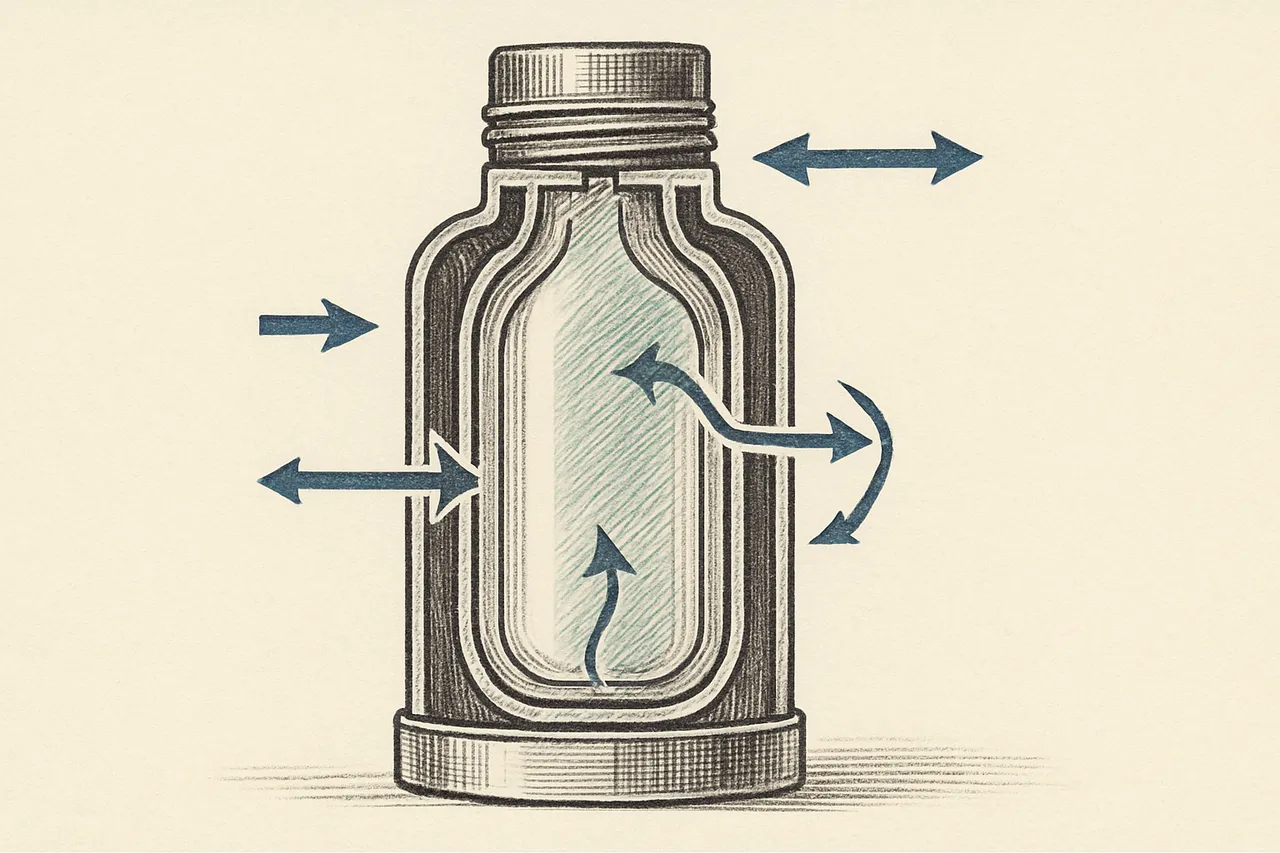
The Scientist Who Invented the Thermos Refused to Patent It. Someone Else Made the Fortune.
James Dewar built the vacuum flask in 1892 to hold liquefied gases in his laboratory. He considered it a gift to science and never filed. A German glassblower he had hired to make them saw a consumer product, patented it, and named it Thermos.
Read the story →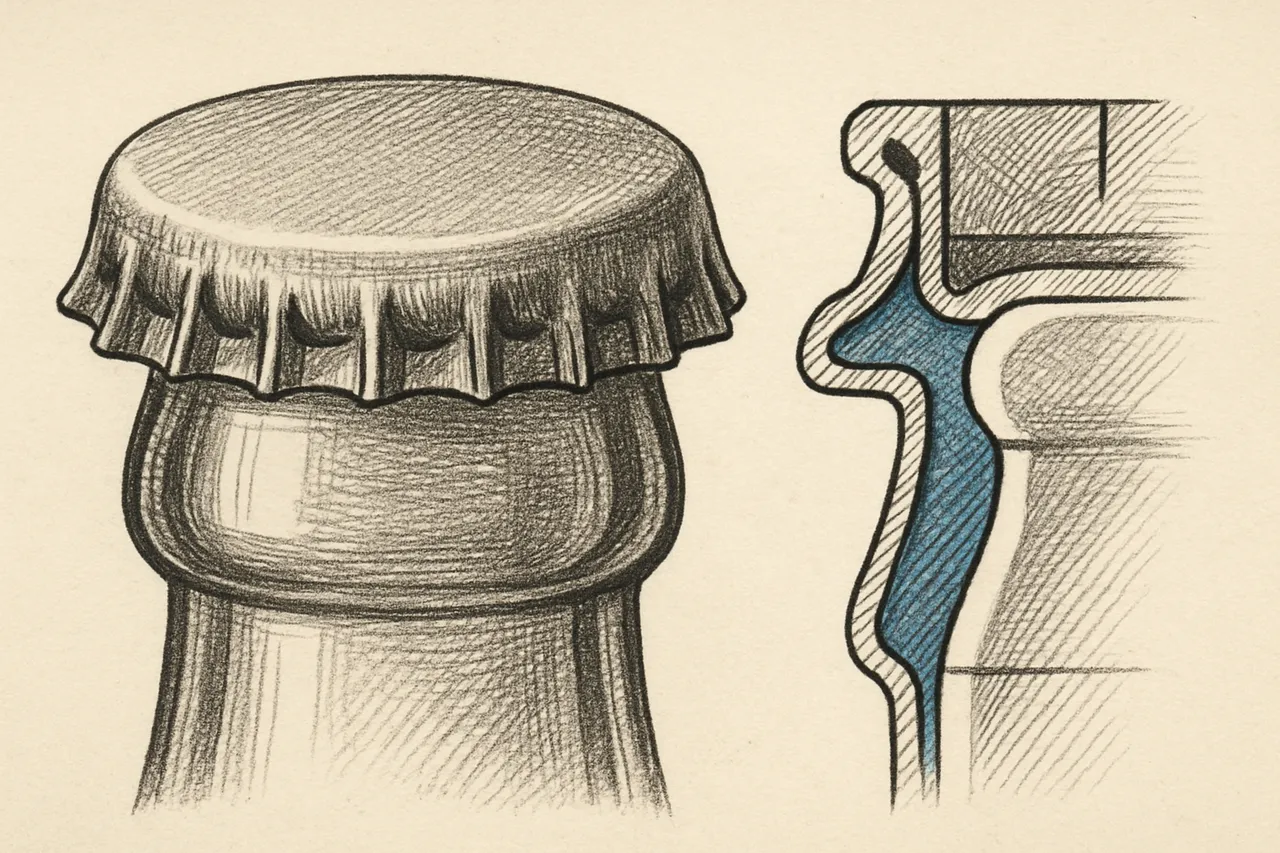
The Bottle Cap Made Him Rich. Then He Told an Employee to Invent Something People Throw Away.
William Painter solved the problem of sealing carbonated drinks with a crimped metal cap that cost almost nothing and was ruined by opening. He then gave a struggling salesman named King Gillette one piece of advice, and it created the razor business.
Read the story →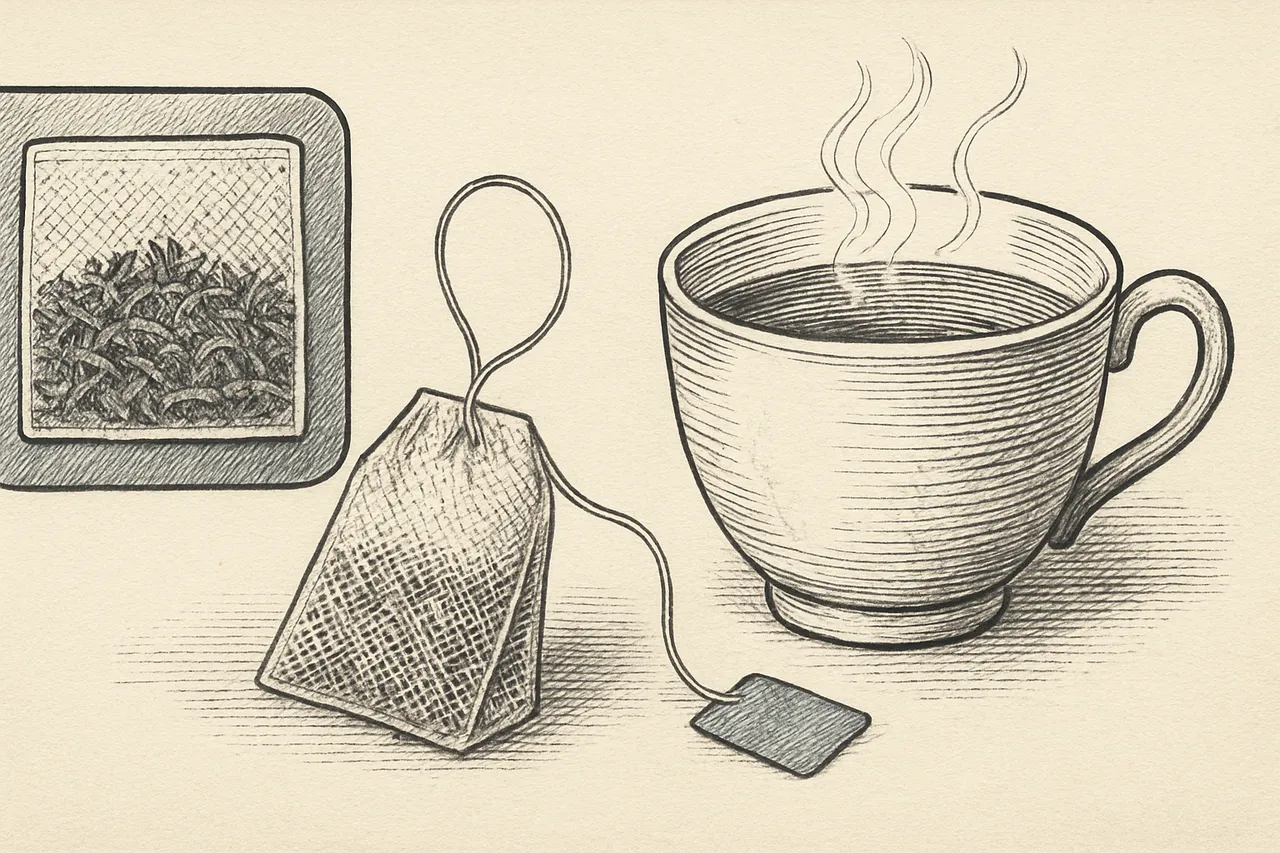
The Tea Bag Was a Sample Pouch. Customers Brewed the Whole Thing and Nobody Corrected Them.
Thomas Sullivan sent tea samples to customers in small silk bags to save money on tins. They dropped the bags straight into the pot, decided it was better that way, and started ordering tea in bags. He had not invented anything on purpose.
Read the story →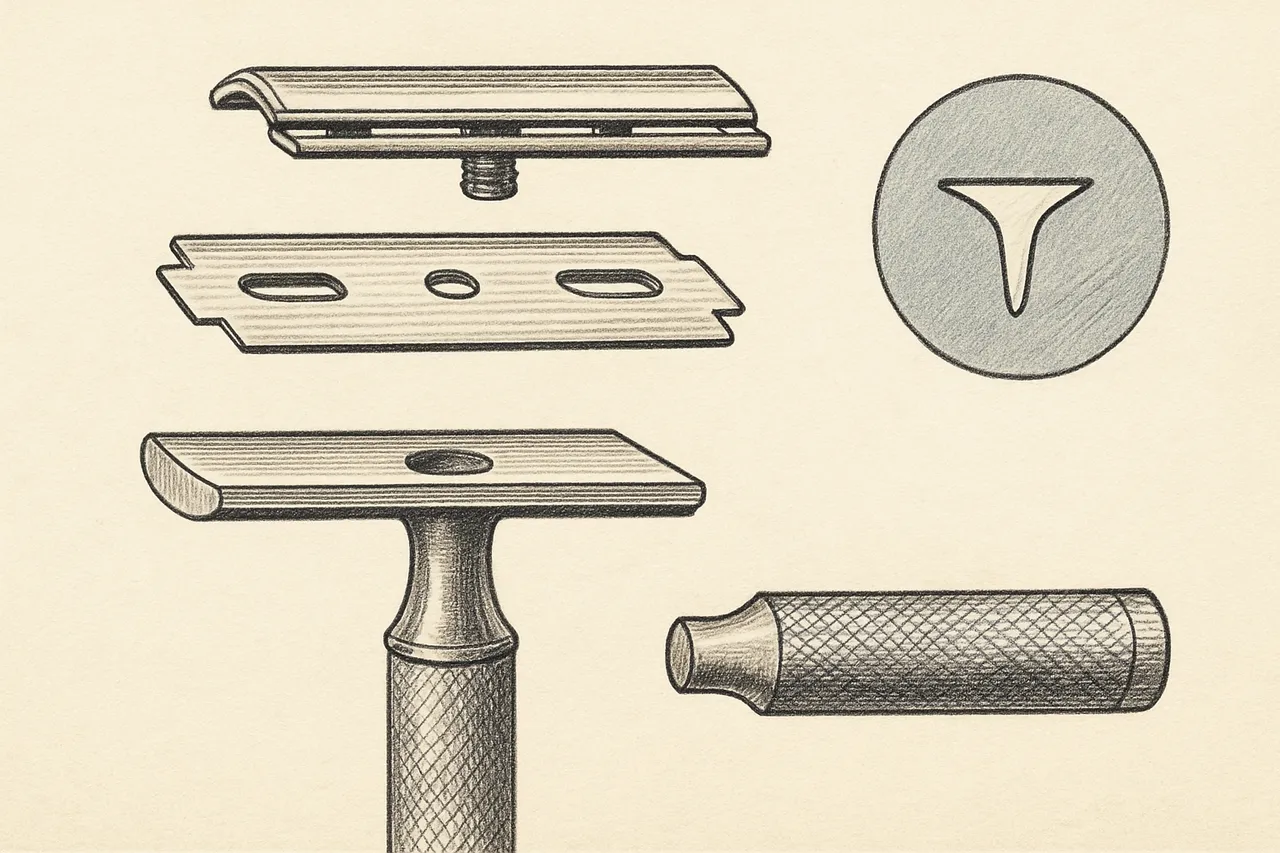
Every Metallurgist Told Gillette His Razor Blade Was Impossible. It Took Six Years and an MIT Machinist.
King Gillette wanted a steel blade thin enough to throw away and hard enough to shave with. Experts at MIT told him it could not be made. He kept at it for six years, sold 51 blades the first year, and 12 million four years later.
Read the story →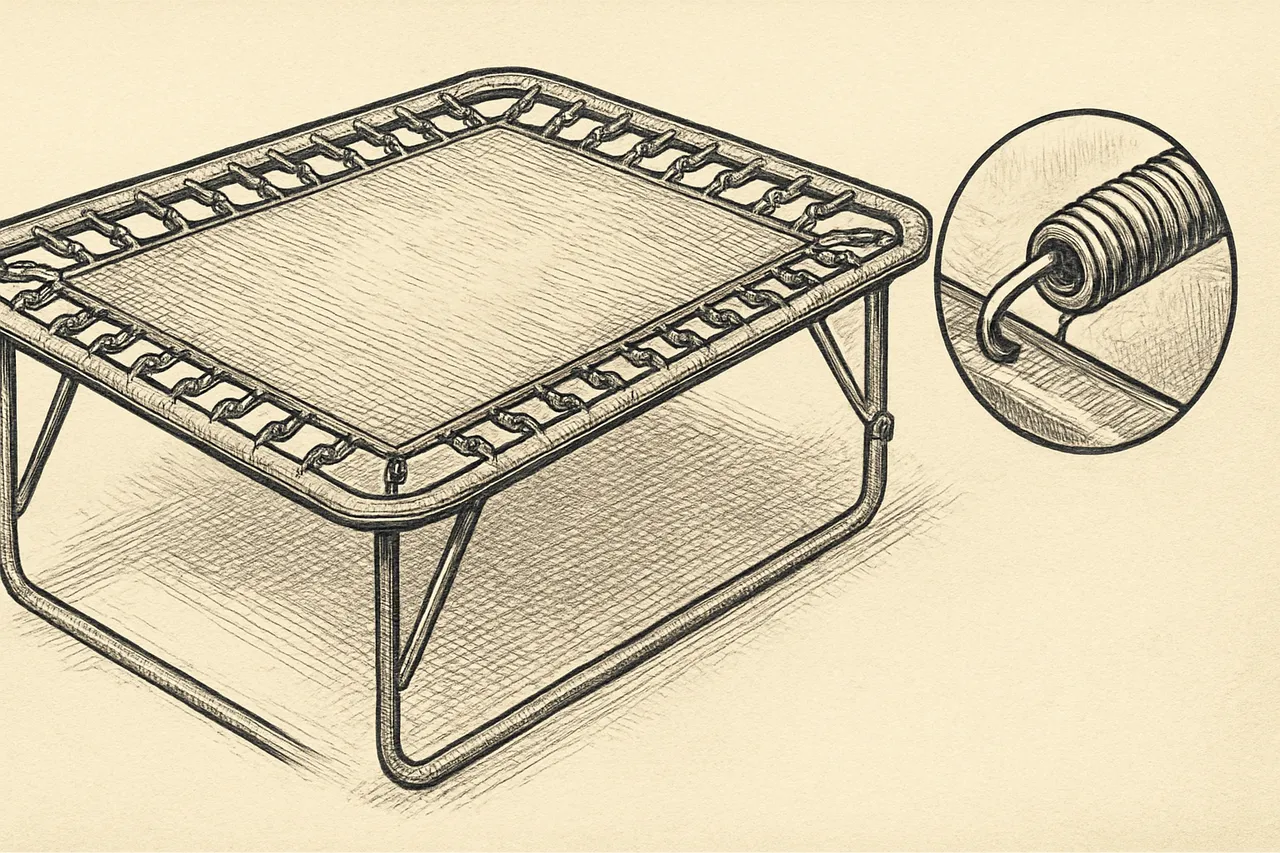
The Trampoline Was Built From a Circus Idea, Named After a Spanish Word, and Used to Train Astronauts
George Nissen was a teenage gymnast who watched trapeze artists bounce off the safety net and wondered why the bounce was the boring part. He built a rig in his garage, and the military and NASA found uses for it he never intended.
Read the story →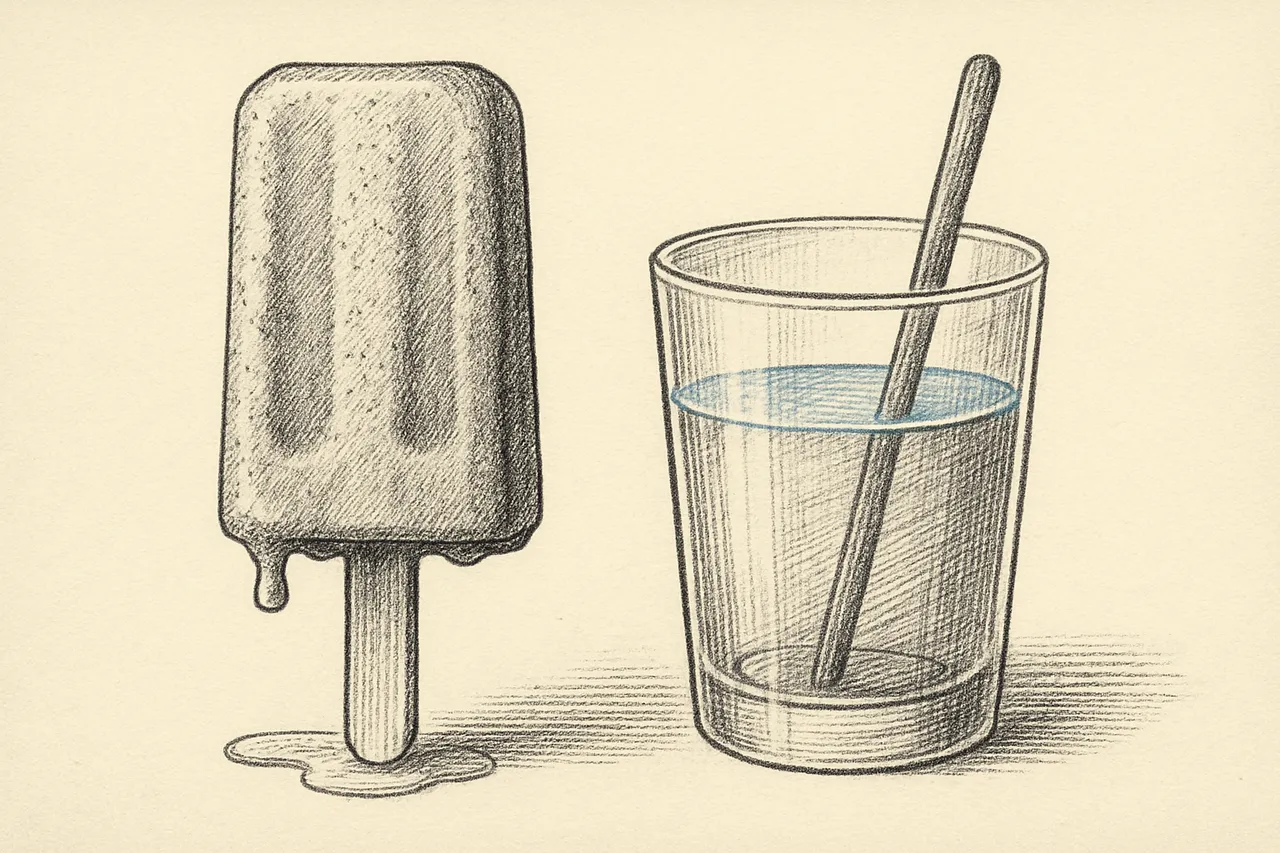
An Eleven-Year-Old Left His Soda on the Porch Overnight and Invented the Popsicle
Frank Epperson mixed powdered soda and water on a cold San Francisco night in 1905 and forgot the cup outside with the stirring stick still in it. He waited eighteen years to patent it, then sold the rights and spent the rest of his life regretting it.
Read the story →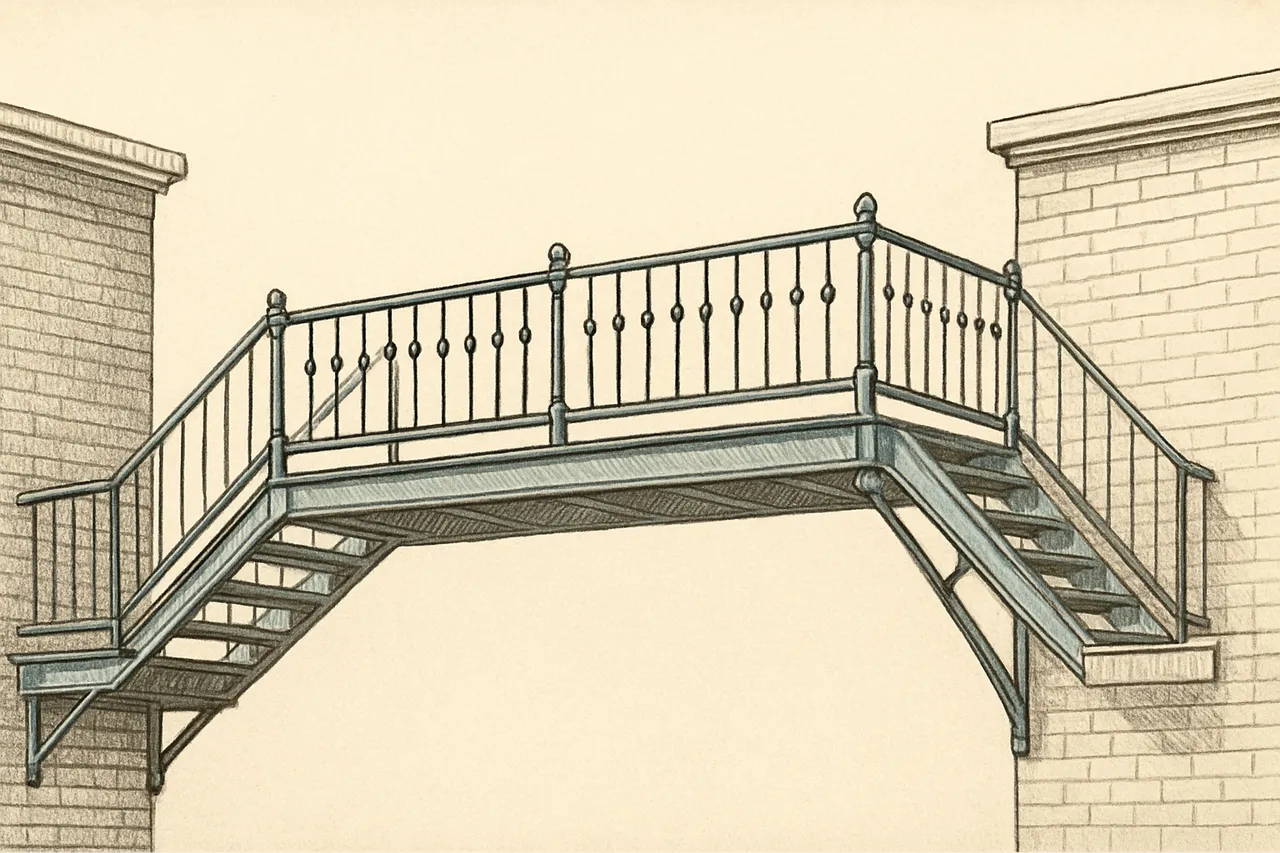
Anna Connelly Patented the Fire Escape in 1887, and Cities Started Requiring Them
American cities were building upward faster than they could evacuate. Anna Connelly, one of the earliest women to hold a US patent, proposed an external bridge between rooftops with railings — an escape route that did not depend on the burning stairwell.
Read the story →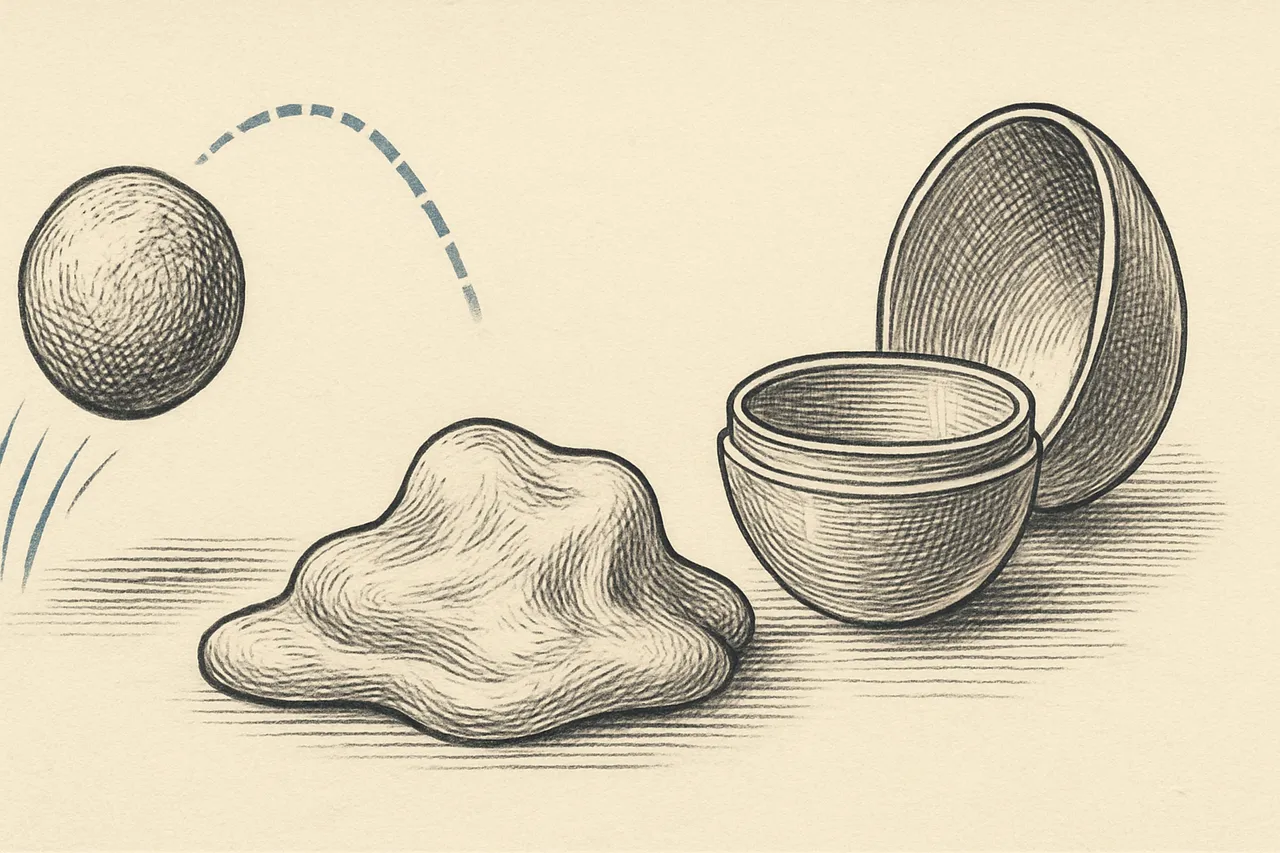
Silly Putty Was a Wartime Attempt to Replace Rubber. It Failed at Everything Except Bouncing.
Japan captured the rubber-producing regions of Asia and the United States needed a synthetic substitute urgently. A General Electric chemist dropped boric acid into silicone oil and got a substance that stretched, snapped, bounced, and was useless for tires.
Read the story →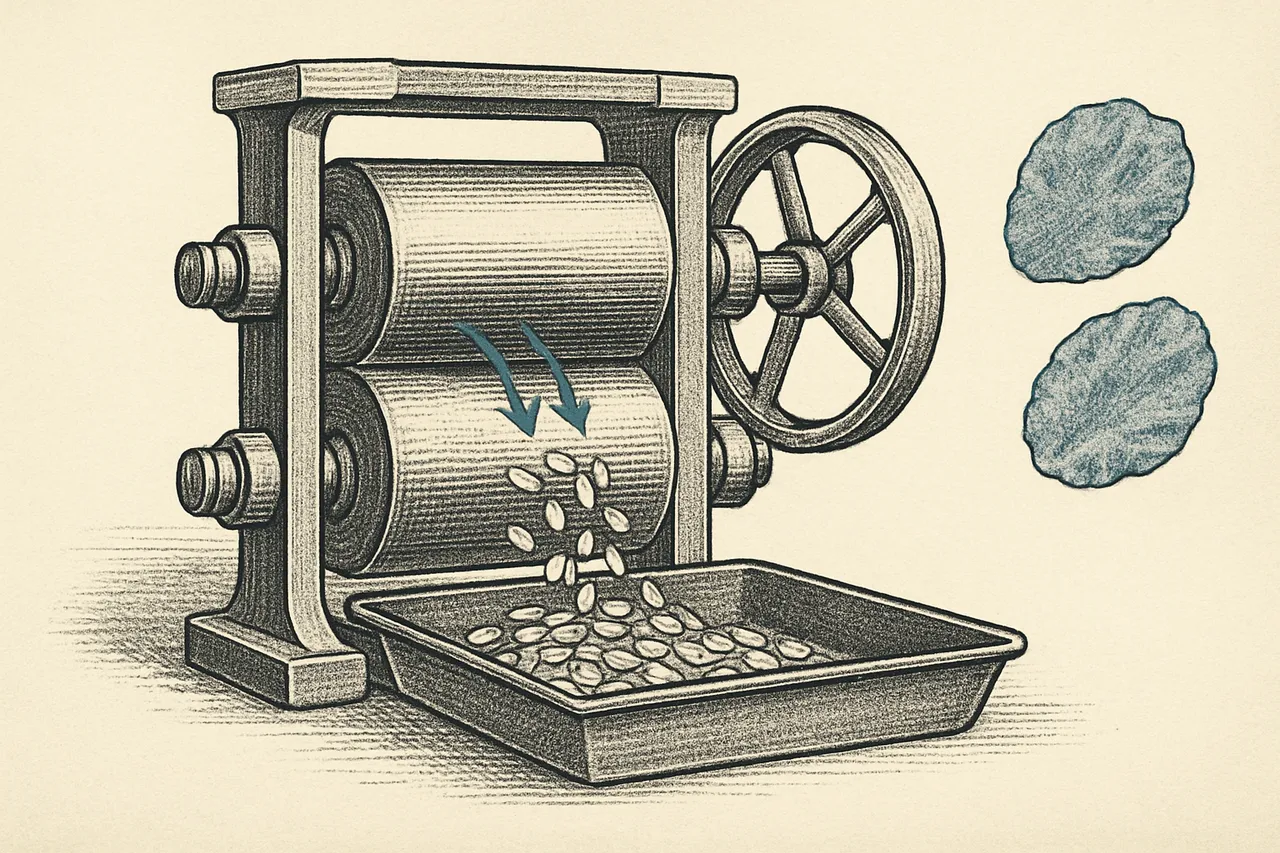
Corn Flakes Were an Accident at a Health Sanitarium, and the Brothers Never Spoke Again
The Kellogg brothers left boiled wheat sitting for a day, rolled it anyway, and got flakes instead of dough. One brother wanted it to stay a bland health food. The other added sugar and built a cereal empire. They sued each other for decades.
Read the story →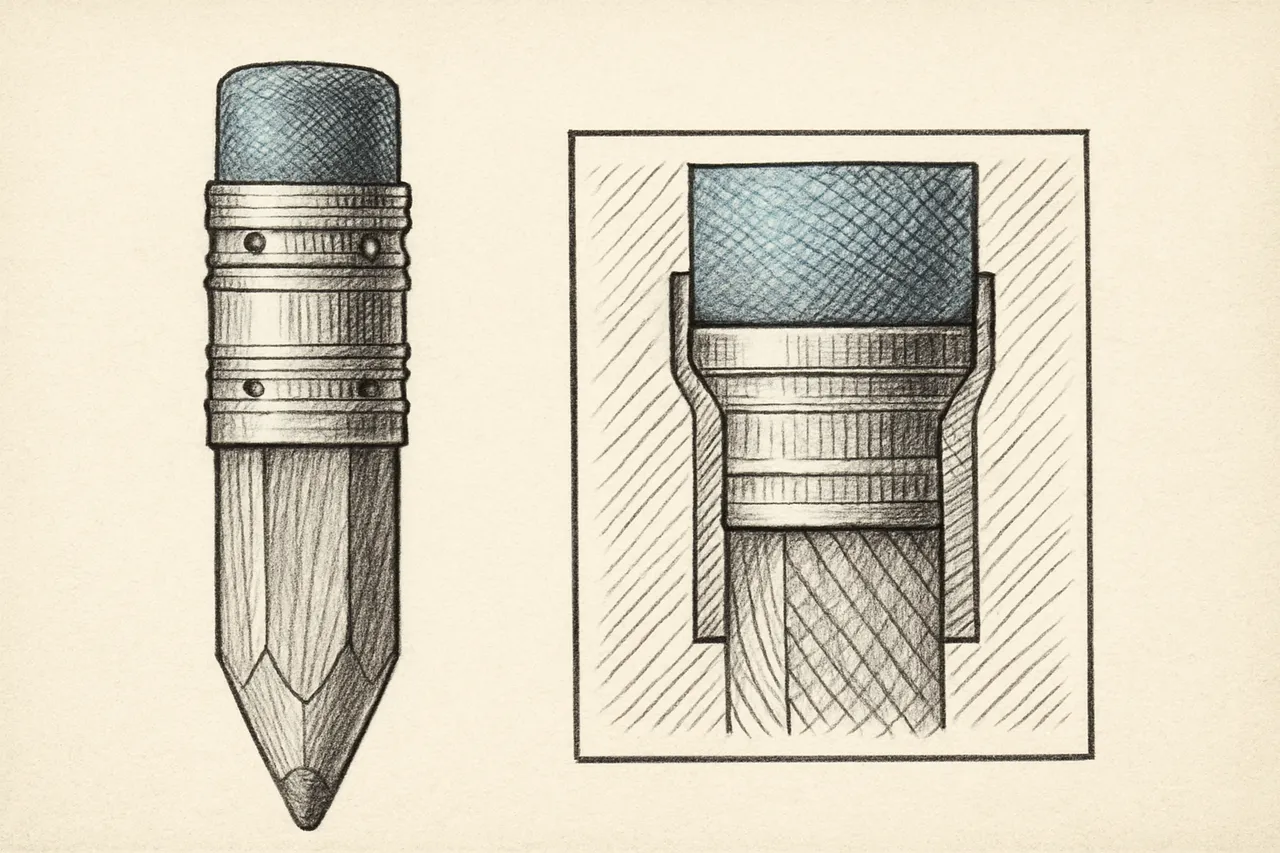
The Supreme Court Invalidated the Pencil-With-an-Eraser Patent, and Set a Rule Still Used Today
Hymen Lipman patented sticking an eraser on the end of a pencil in 1858 and sold the rights for a fortune. The Supreme Court threw the patent out, ruling that combining two known things that each keep doing their own job is not an invention.
Read the story →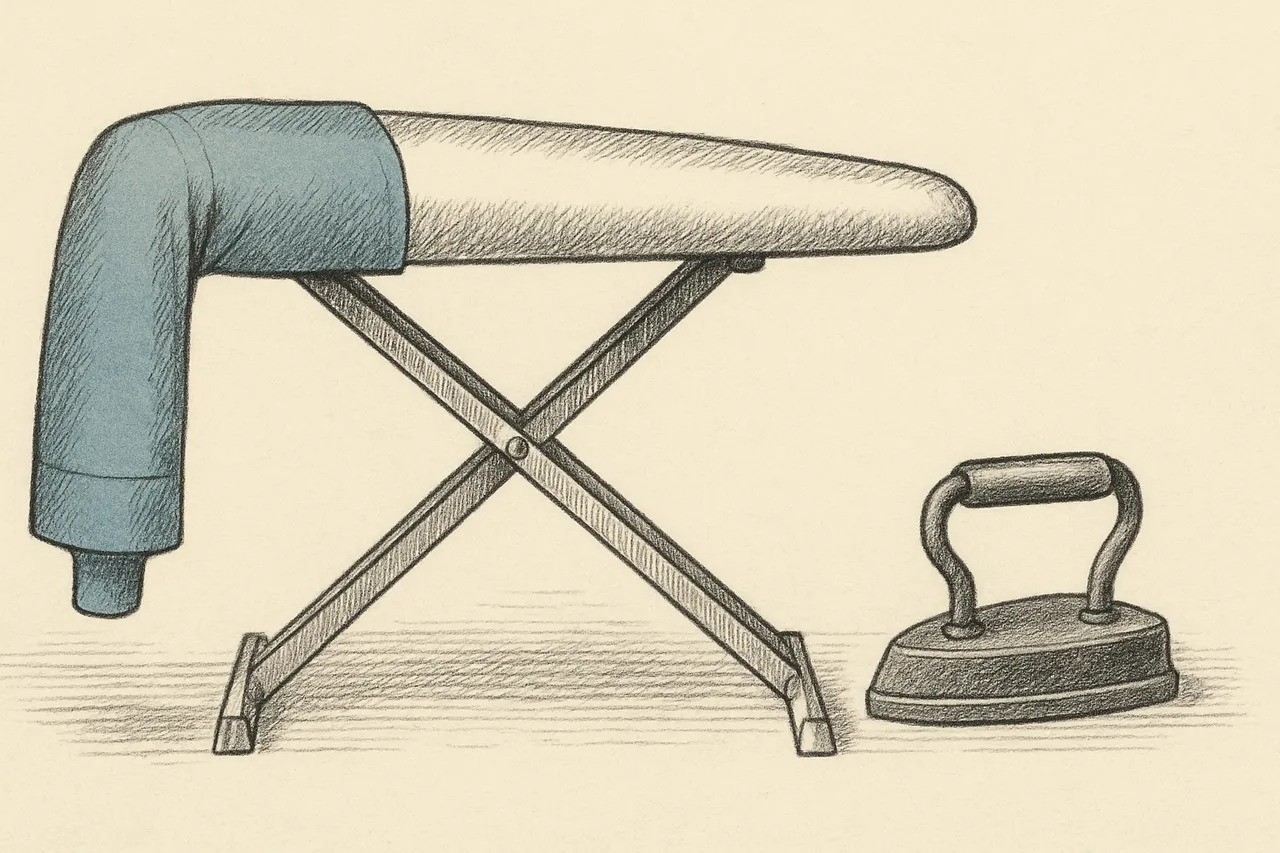
Sarah Boone Was Born Enslaved. In 1892 She Patented the Ironing Board You Still Use.
Flat boards laid across chairs could not press a fitted sleeve or a curved bodice without creasing everything else. Sarah Boone, one of the first Black women in America to receive a patent, gave the board a narrow padded shape that fit the garment.
Read the story →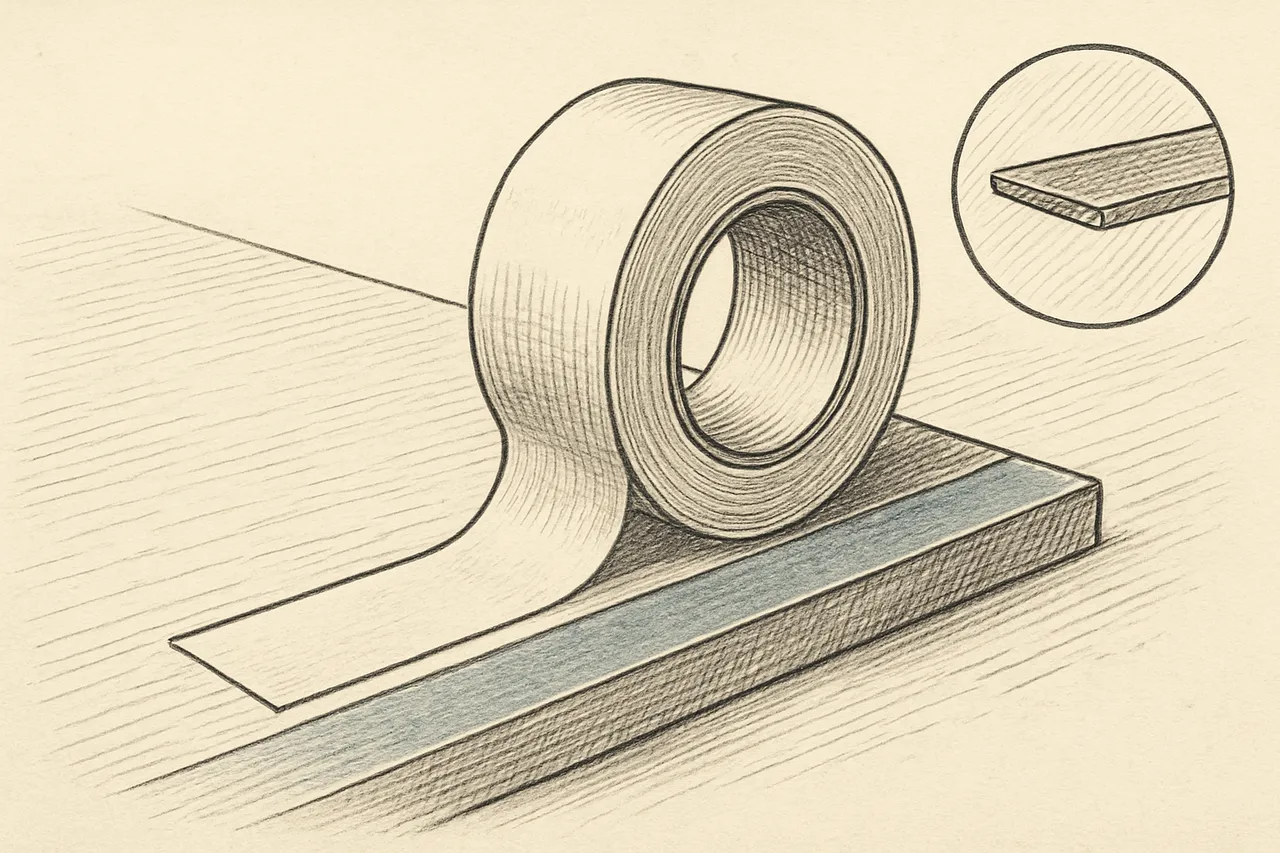
Scotch Tape Exists Because 1920s Car Painters Kept Ruining Their Own Work
Two-tone paint jobs were the fashion, and the only way to mask a line was butcher paper and harsh glue that peeled the finish off when removed. A 3M lab assistant heard a body shop swearing about it and spent two years fixing it.
Read the story →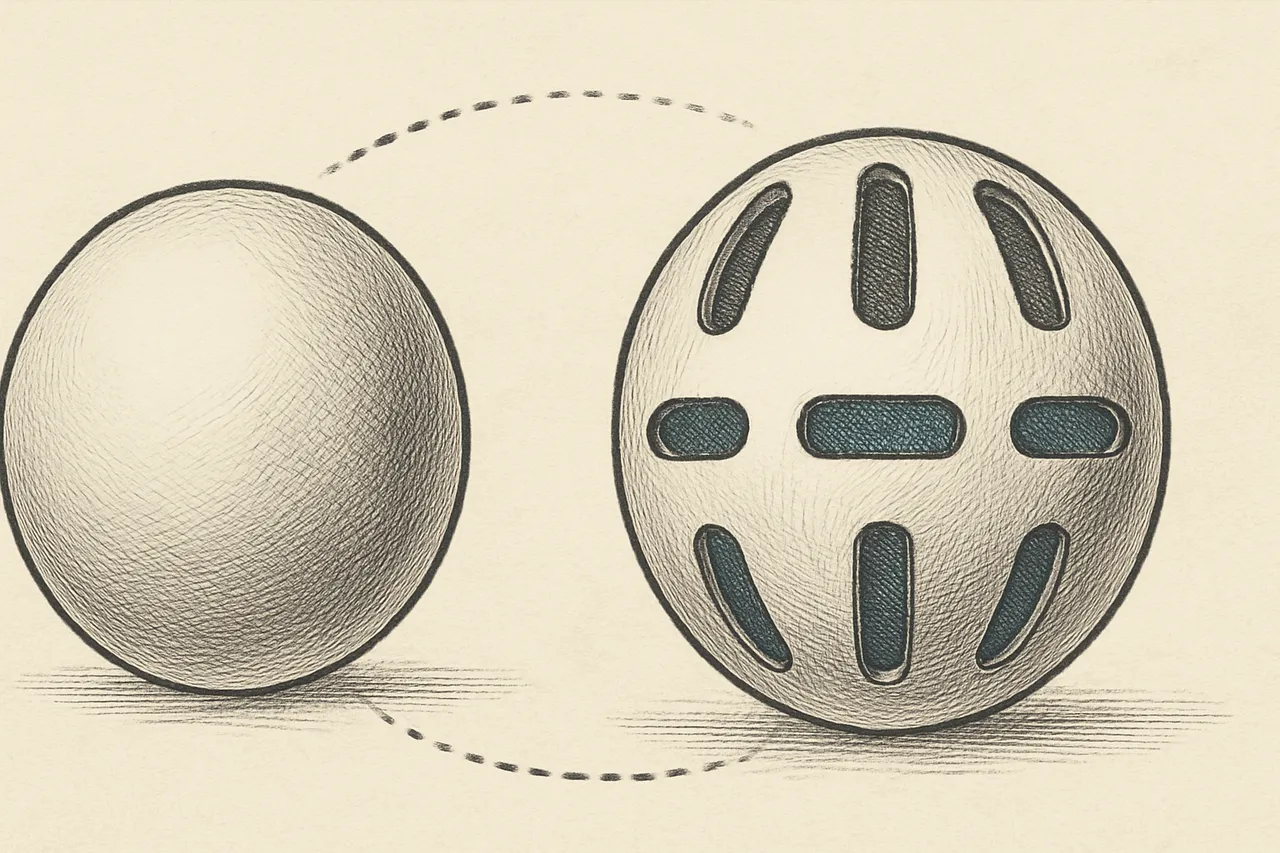
A Father Cut Holes in a Plastic Ball So His Son Could Throw a Curve in a Small Backyard
David Mullany watched his twelve-year-old wreck his arm trying to throw curveballs with a taped-up tennis ball. He took some plastic spheres from a perfume-packaging factory, cut slots in them with a razor, and solved it on the eighth try.
Read the story →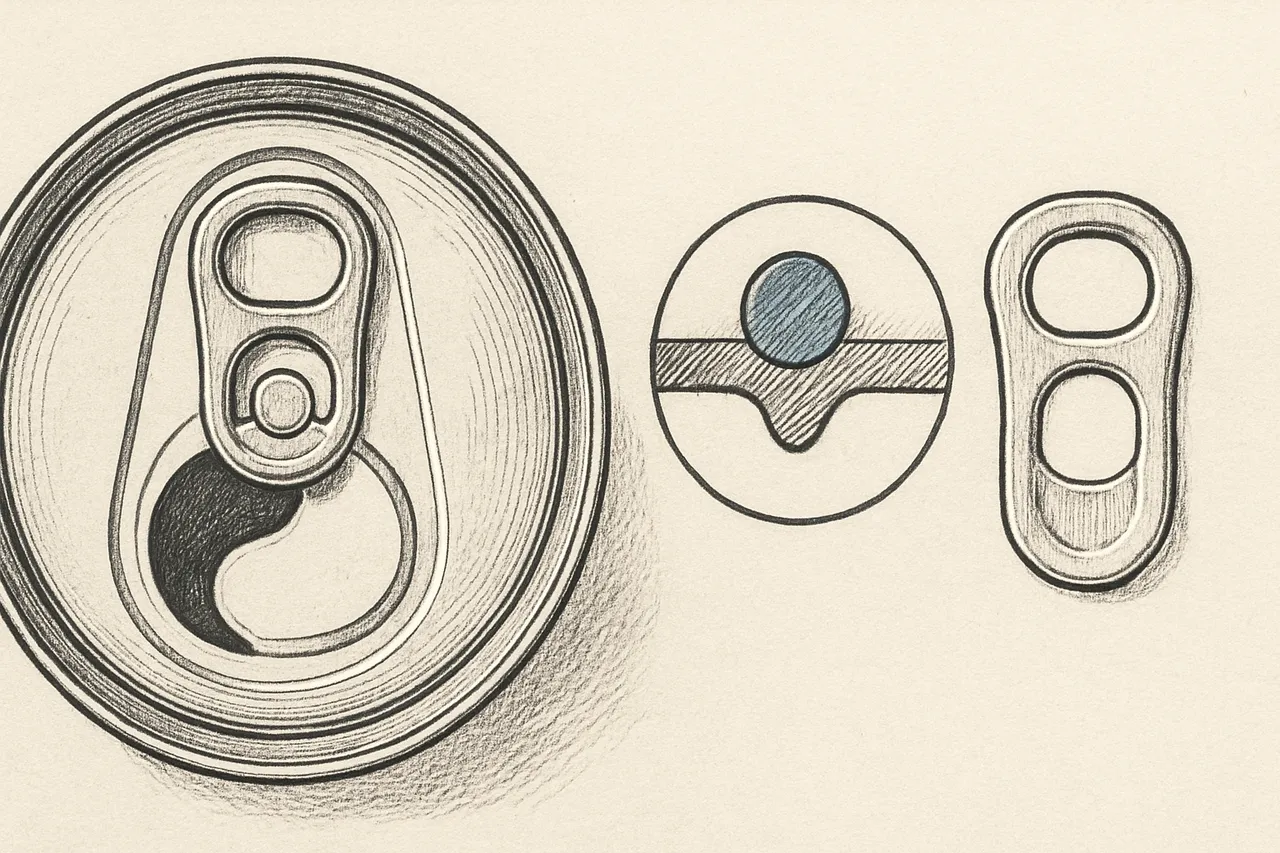
The Pull-Tab Can Fixed One Problem and Created a Litter Crisis
Ermal Fraze forgot the church key at a family picnic and pried a beer can open on a car bumper. His fix put a tab on every can in America — and then put several billion sharp metal tabs on every beach, park, and roadside in it.
Read the story →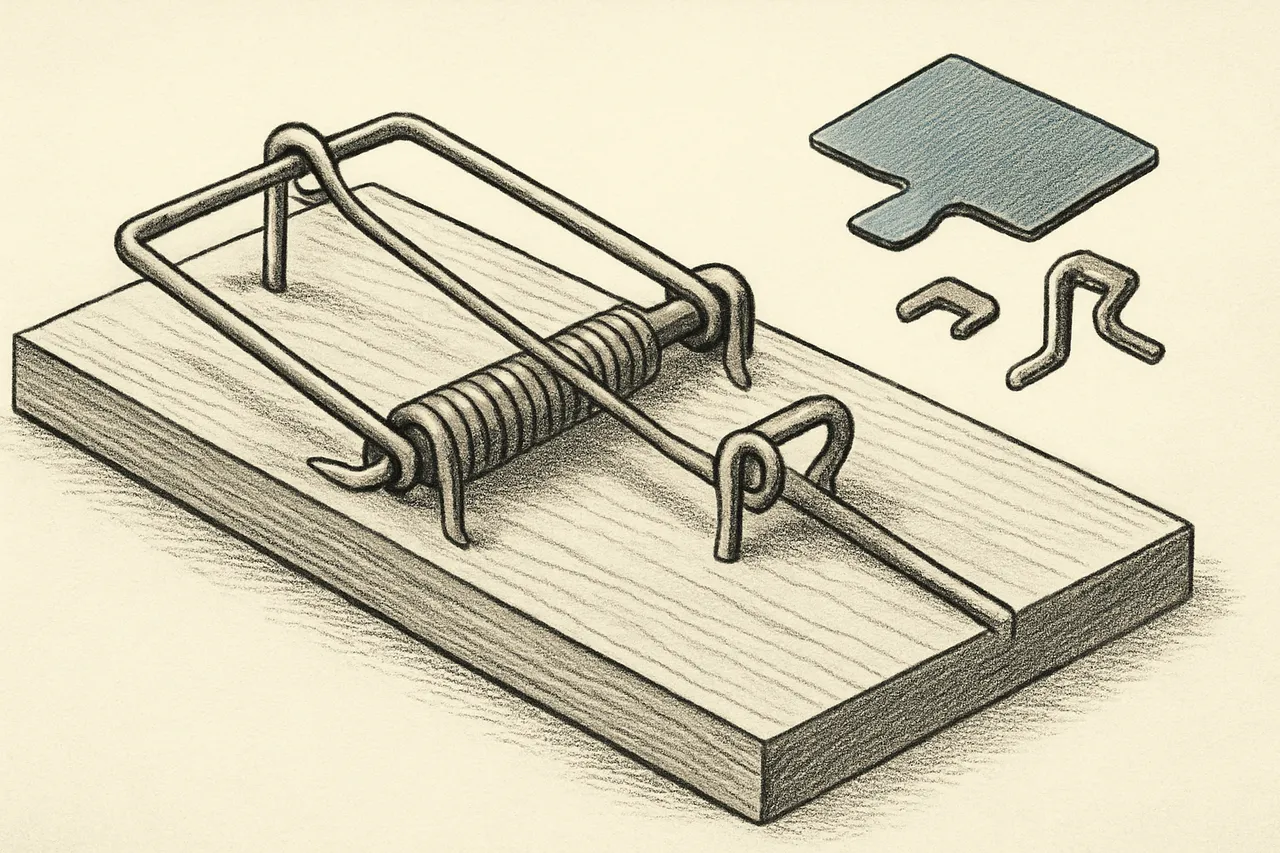
The Mousetrap Is the Most-Patented Device in American History. Almost None of Them Work.
More than four thousand mousetrap patents have been granted in the United States, and thousands more rejected. Roughly twenty have ever made money. The one that won was patented in 1894 and costs about a quarter.
Read the story →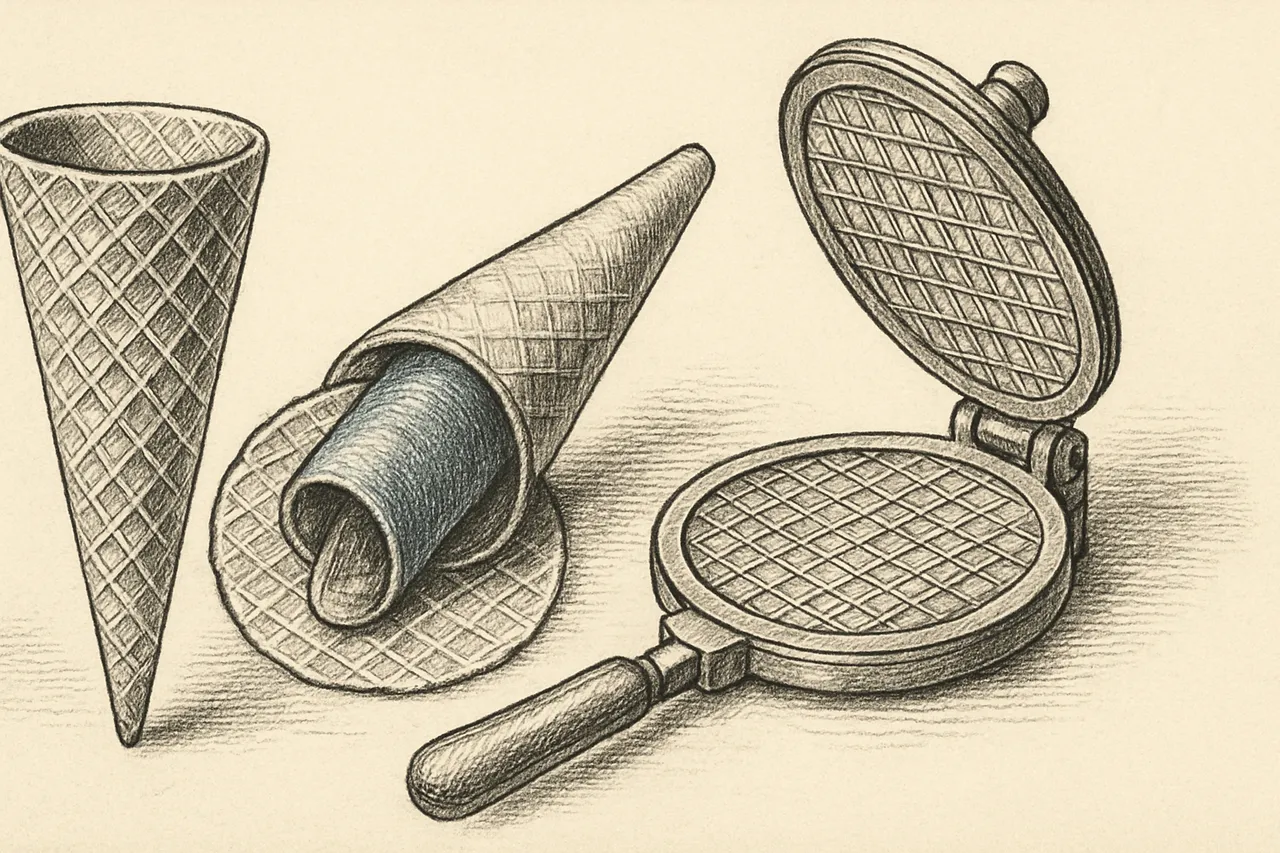
The Ice Cream Cone Has at Least Five Claimed Inventors and One Very Convenient Legend
The story says a waffle vendor at the 1904 St. Louis World's Fair rescued a neighboring ice cream seller who ran out of dishes. It is a wonderful story. It is also contradicted by a patent filed in New York the year before.
Read the story →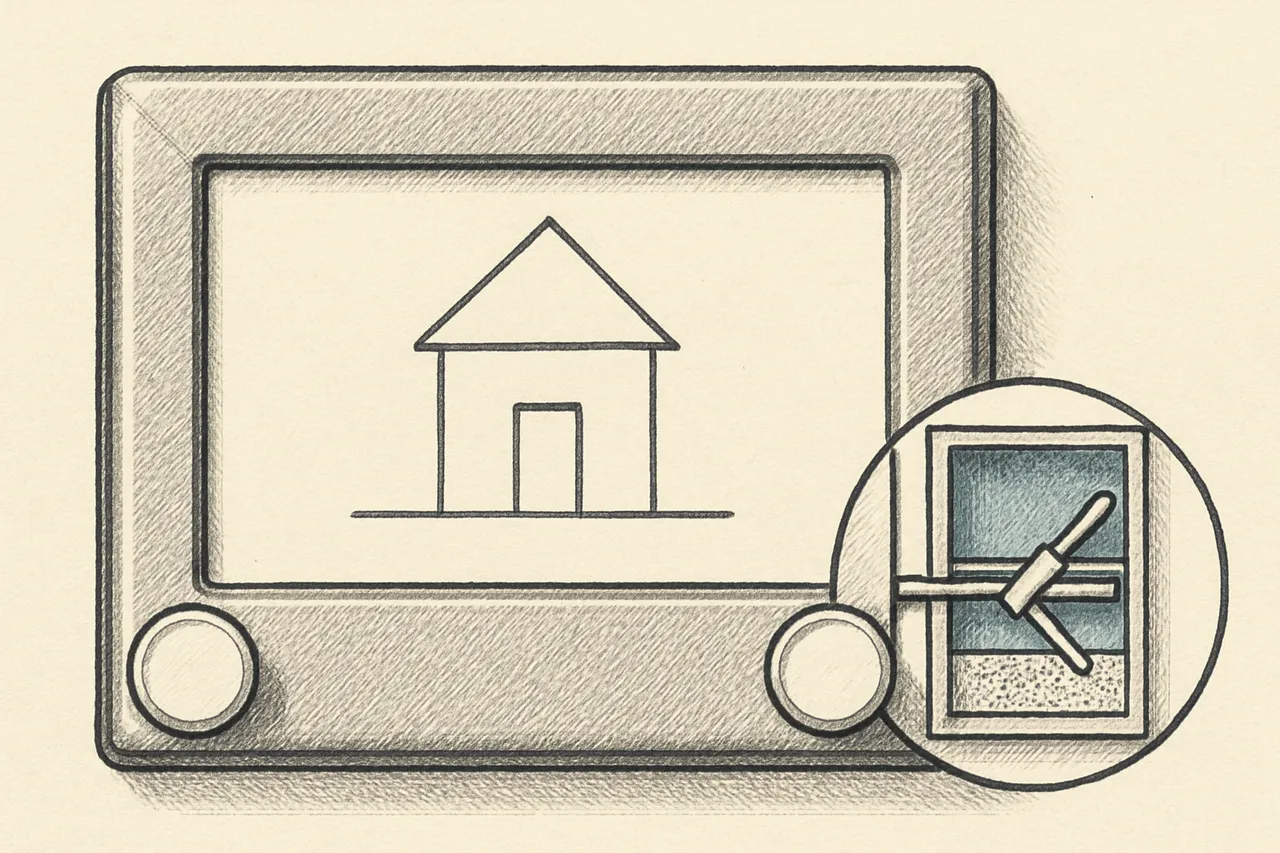
The Etch A Sketch Was Rejected Everywhere, Then Bought for $25,000 at the Last Minute
A French garage mechanic invented a drawing screen that worked with aluminum powder and static electricity. Toy companies turned him down for years. Ohio Art passed on it twice before an executive took a second look on the way out the door.
Read the story →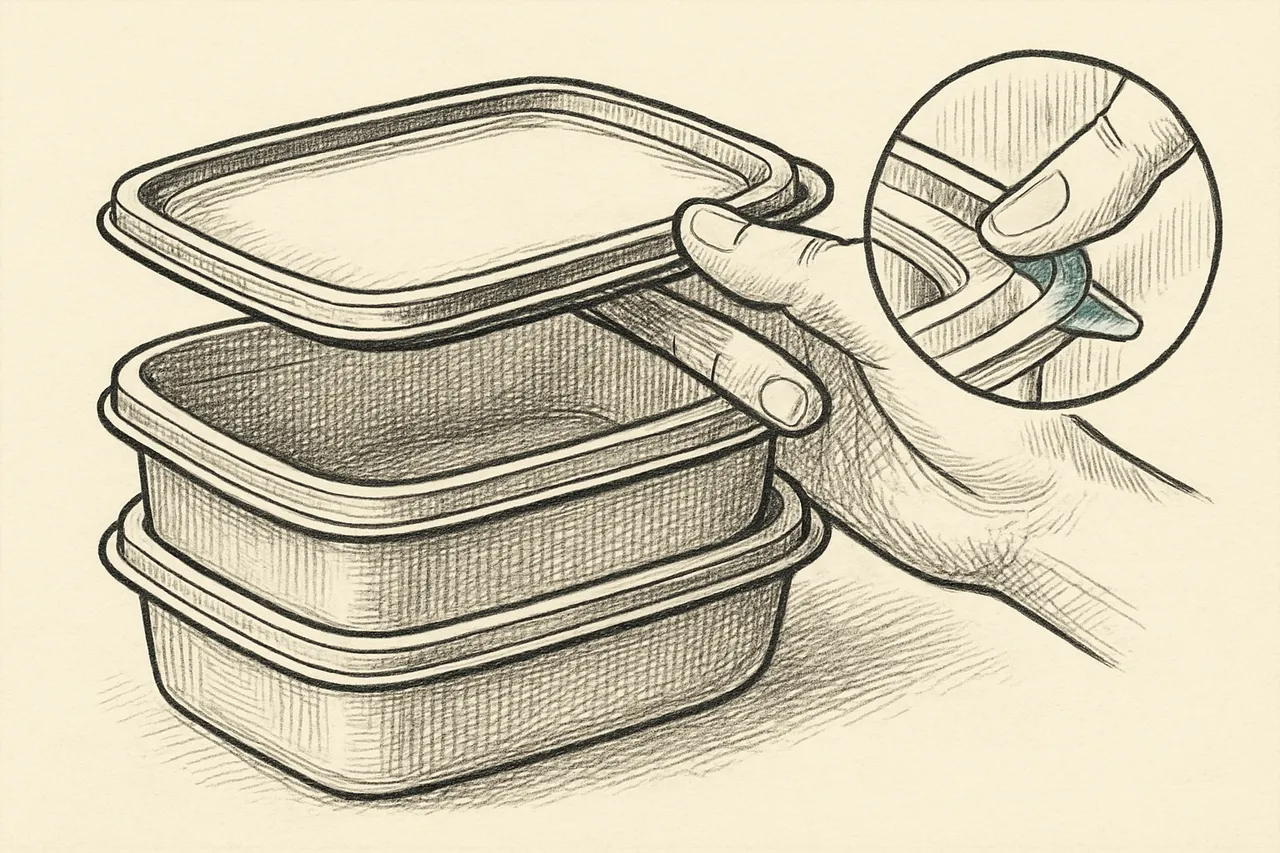
Tupperware Sat on Shelves for Years. A Single Mother Selling It at Parties Saved the Company.
Earl Tupper's airtight burping seal was a genuine breakthrough that nobody could figure out how to use. Brownie Wise, a divorced single mother with no formal business training, outsold every store in the country from her living room.
Read the story →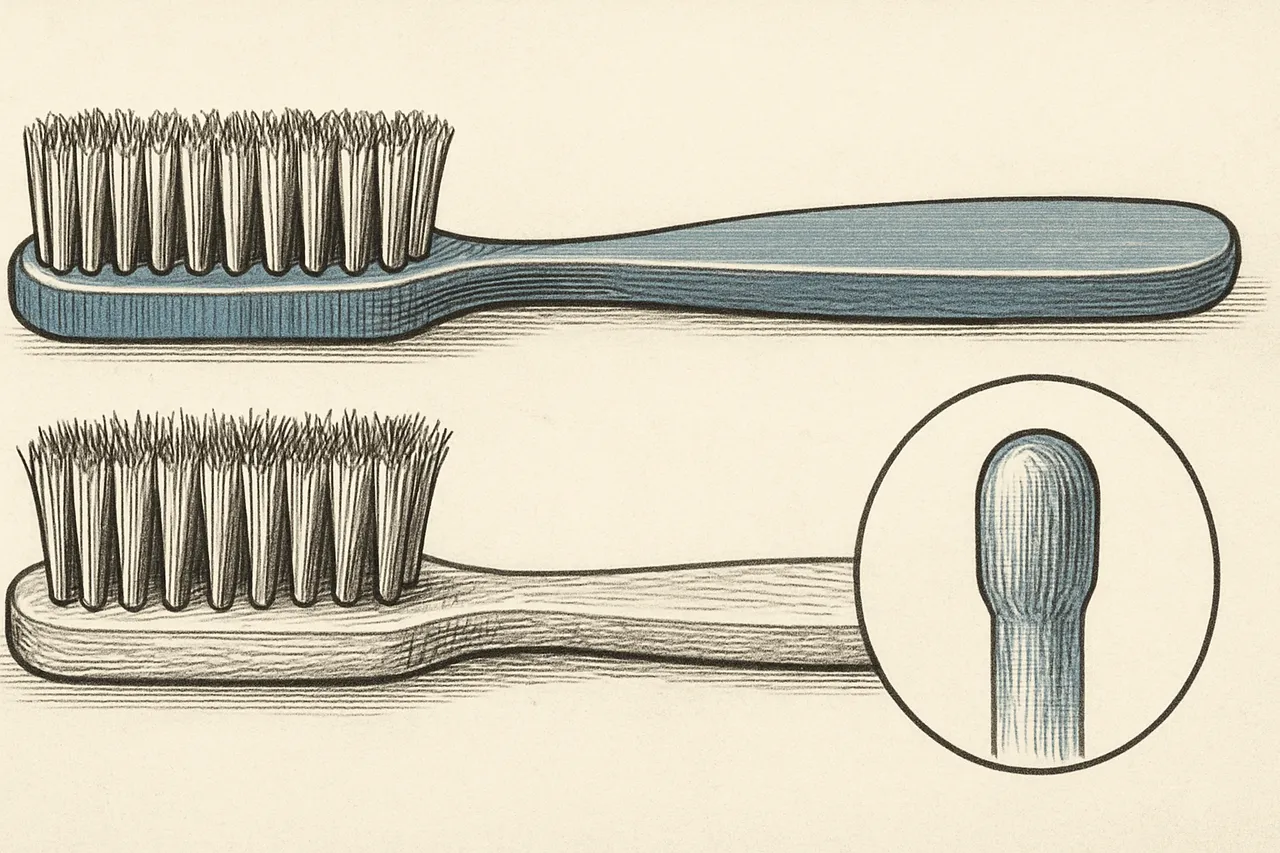
Nylon Bristles Replaced Pig Hair in 1938 — and the Toothbrush Finally Stopped Rotting
For centuries, toothbrushes were made from hog bristles set in bone. The hair held bacteria, fell out, and went soft when wet. Then DuPont invented nylon, and the first thing they sold it as was not stockings.
Read the story →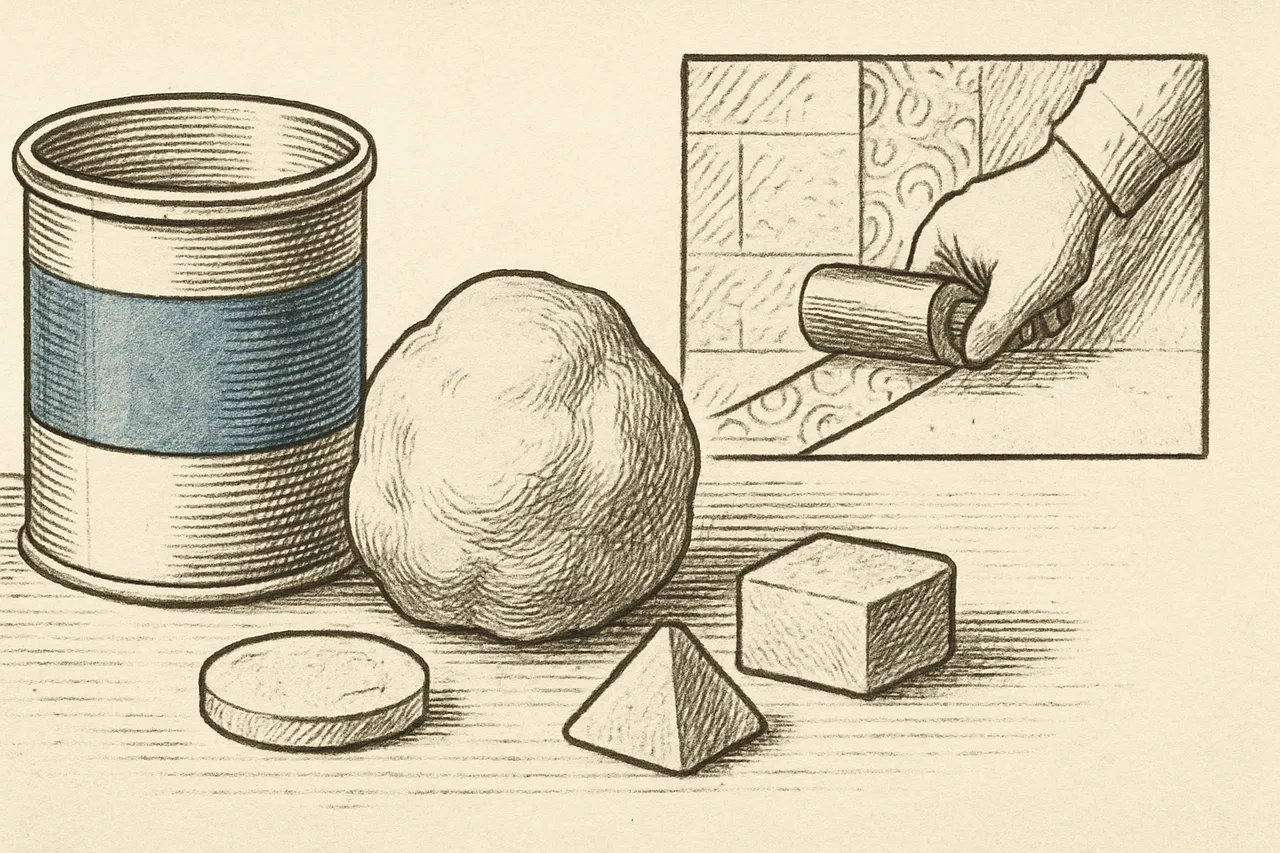
Play-Doh Was a Wallpaper Cleaner. Natural Gas Almost Killed the Company.
Kutol made a putty that rolled soot off wallpaper. Then homes switched from coal to gas heat, walls stopped getting sooty, and the business was finished — until a schoolteacher mentioned that children were using it as modeling clay.
Read the story →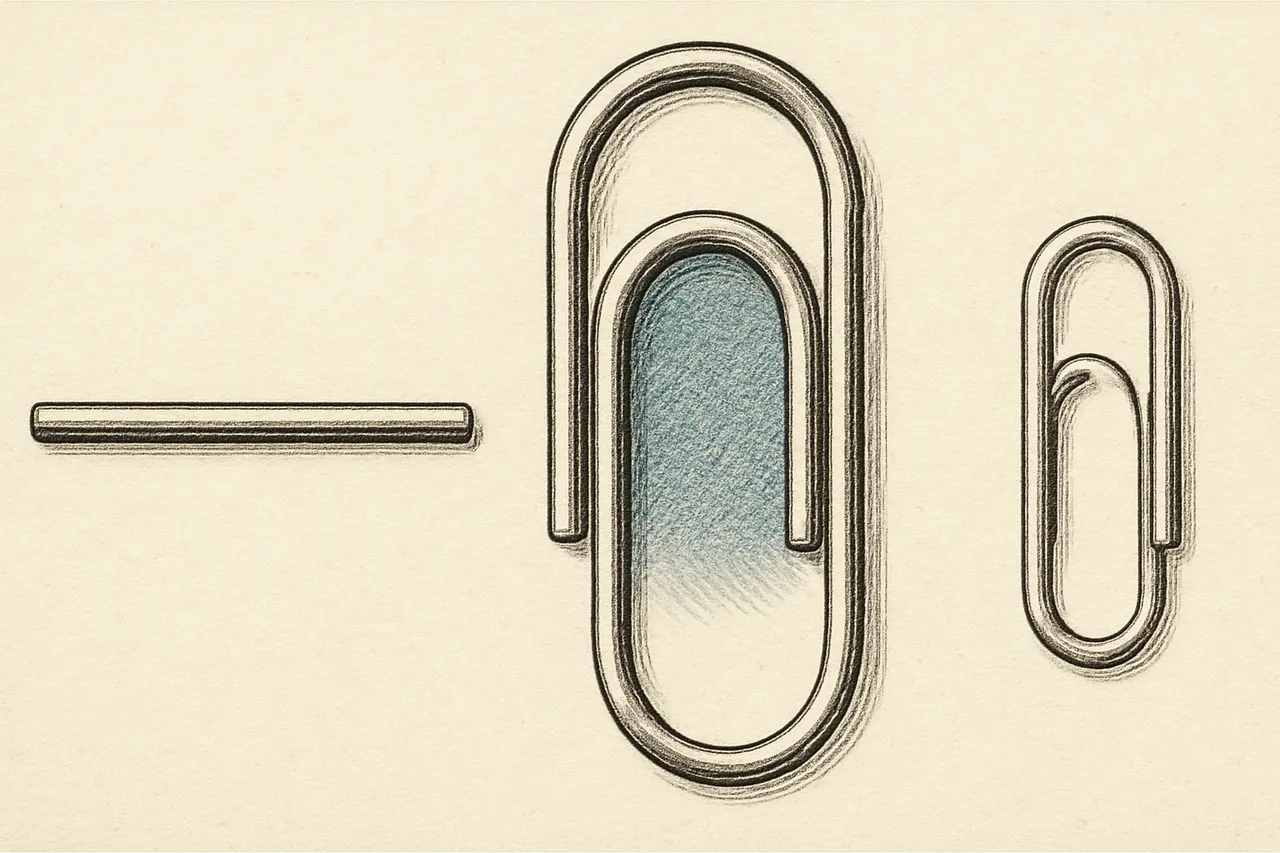
Norway Built a Monument to the Man Who Invented the Paper Clip. He Didn't Invent It.
Johan Vaaler patented a paper clip in 1899. It was not the clip we use, which was already being manufactured in Britain. Norway made him a national hero anyway — and during the Nazi occupation, the clip became something more than office equipment.
Read the story →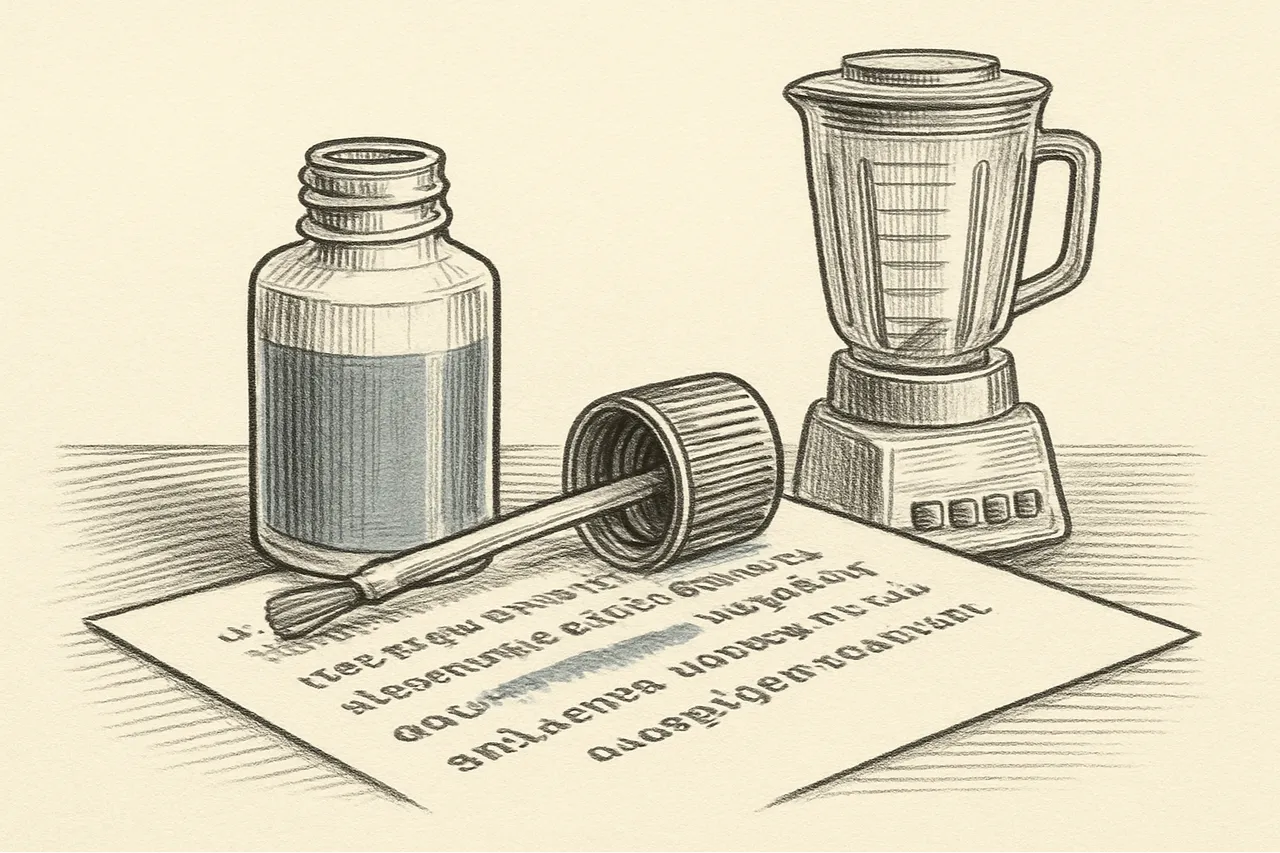
A Secretary Mixed White Paint in Her Kitchen Blender and Sold the Result for $47.5 Million
Bette Nesmith Graham was a divorced single mother typing at a Dallas bank, and the new electric typewriters smudged badly when she erased. She remembered that painters paint over mistakes rather than scraping them off.
Read the story →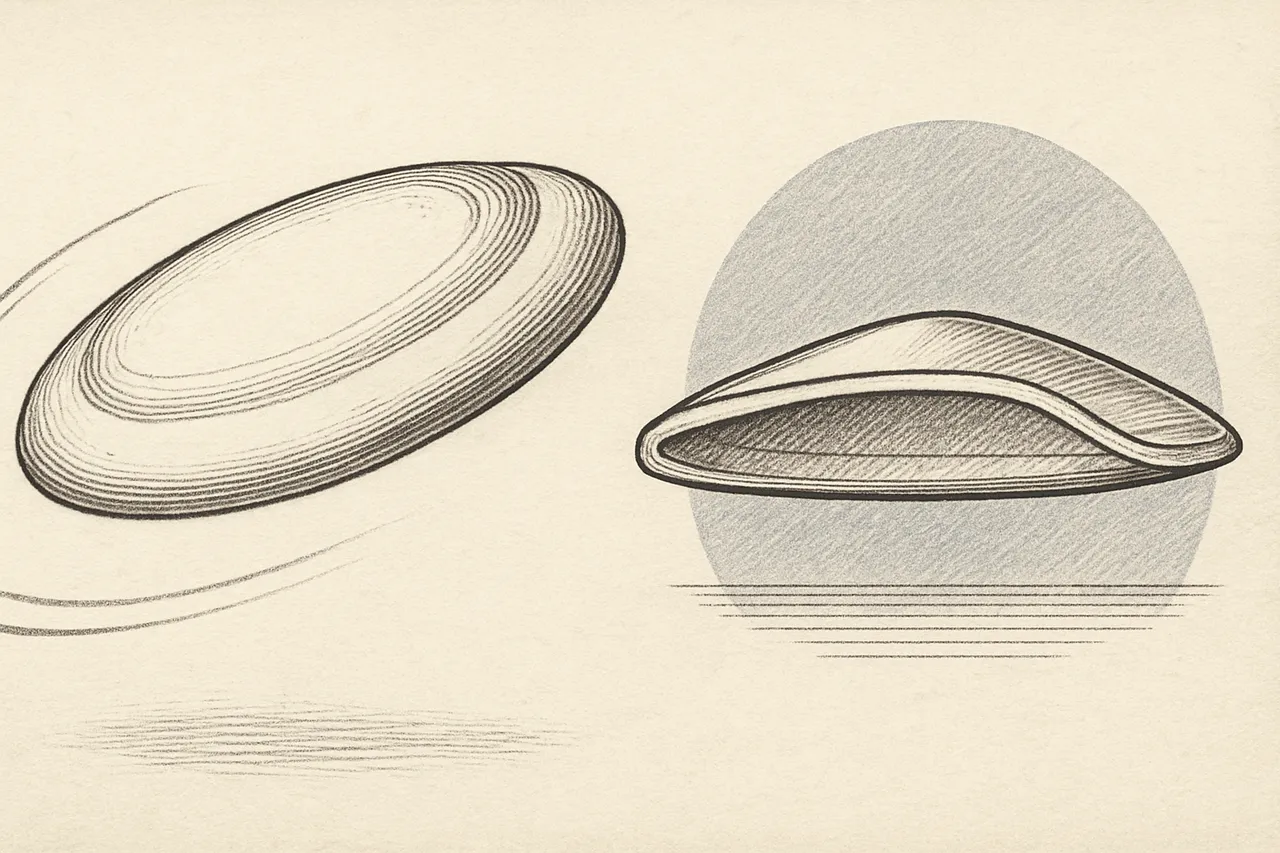
The Frisbee Began as a Pie Tin, a Flying-Saucer Hoax, and a Man Selling Discs in a Costume
Fred Morrison sold his plastic disc at county fairs by pretending to sell an invisible wire — 'the disc is free, the wire costs a dollar.' The saucer craze gave him a name. Then a toy company renamed it after a pie company.
Read the story →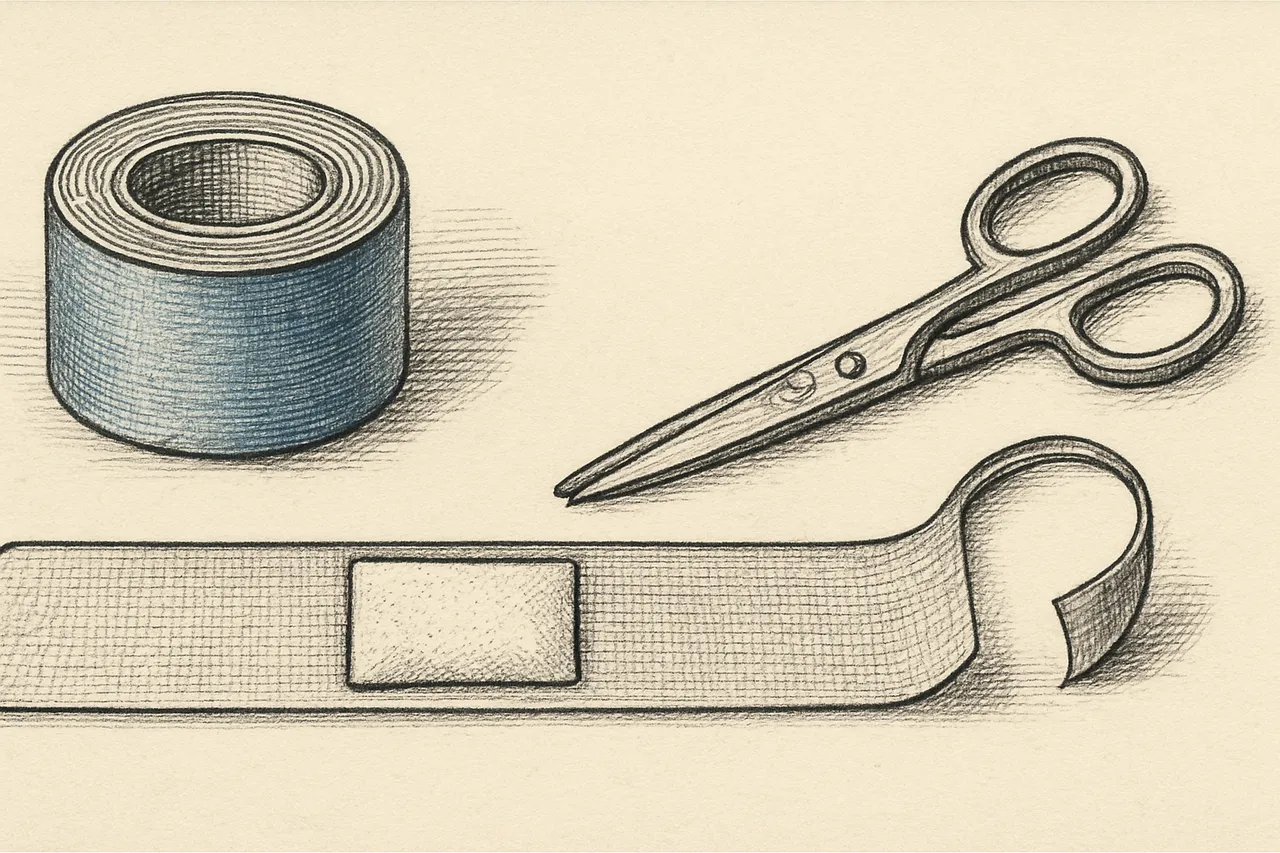
The Band-Aid Was Invented for a Wife Who Kept Cutting Herself in the Kitchen
Josephine Dickson was a newlywed who was, by her husband's account, remarkably accident-prone with kitchen knives. Earle Dickson worked for a company that sold surgical dressings. He got tired of bandaging her one-handed and pre-made a batch.
Read the story →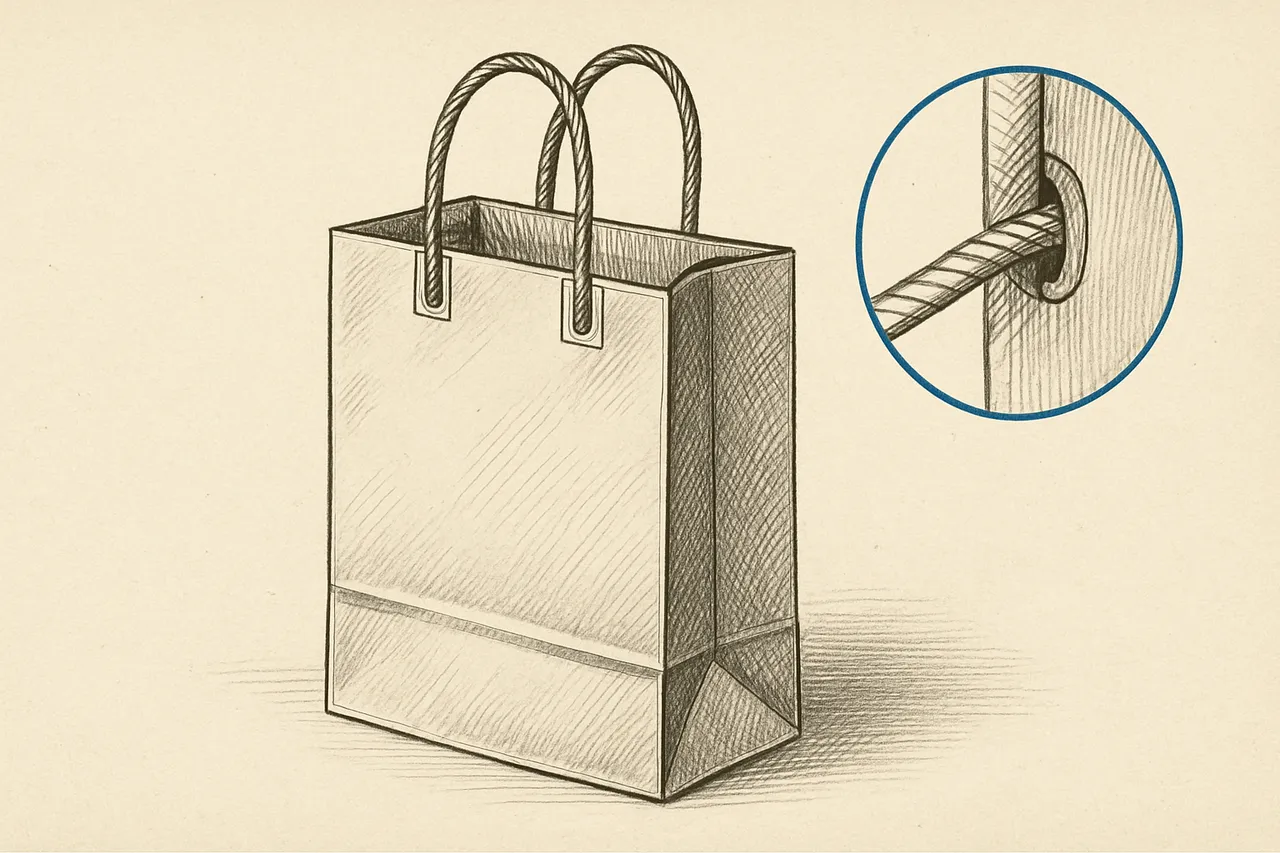
Before 1912, You Carried Your Groceries in Your Arms
Walter Deubener ran a grocery in St. Paul and watched customers buy only as much as they could physically carry. He ran cord through a paper sack, reinforced the sides, and gave it handles. Sales in his store roughly tripled.
Read the story →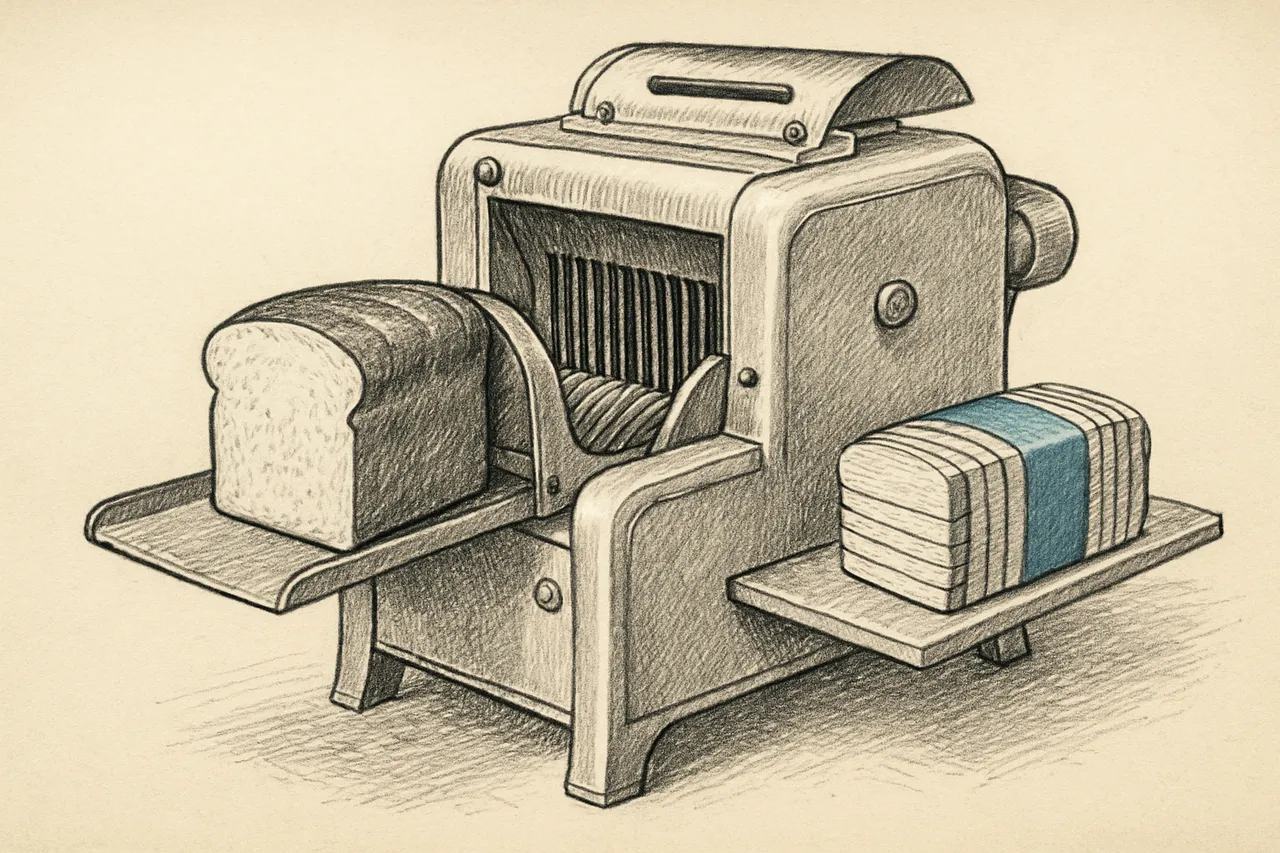
The US Government Banned Sliced Bread in 1943. The Public Revolted.
Bakers told Otto Rohwedder that pre-sliced bread would go stale and nobody would buy it. It took him sixteen years and a fire that destroyed his prototype. Fifteen years after that, Washington outlawed it — and had to back down in under two months.
Read the story →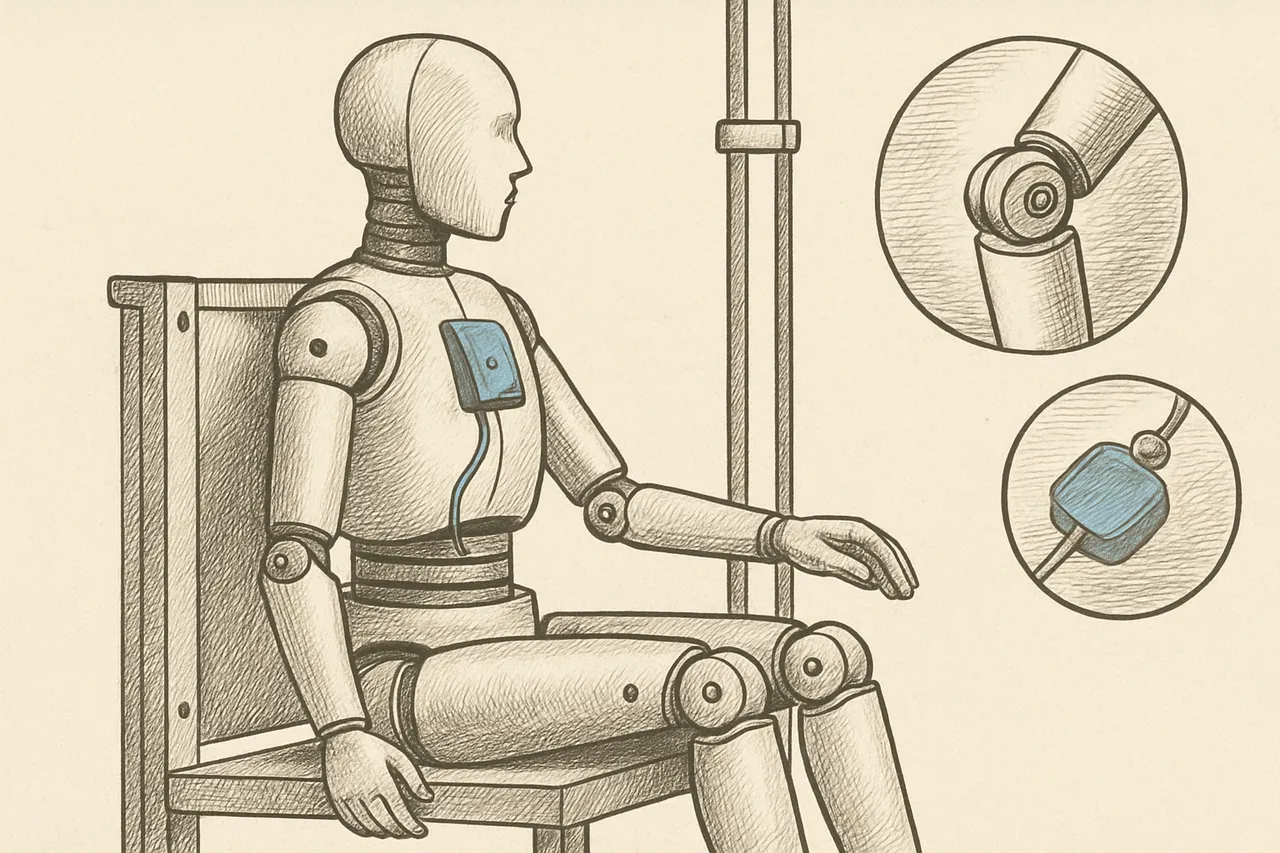
Before the Crash Test Dummy, They Used Cadavers — and Sometimes Volunteers
Car safety research needed to know exactly what a human body does in a collision. For years the answer came from human corpses, live animals, and a colonel who repeatedly strapped himself into a rocket sled. The dummy was built to end all three.
Read the story →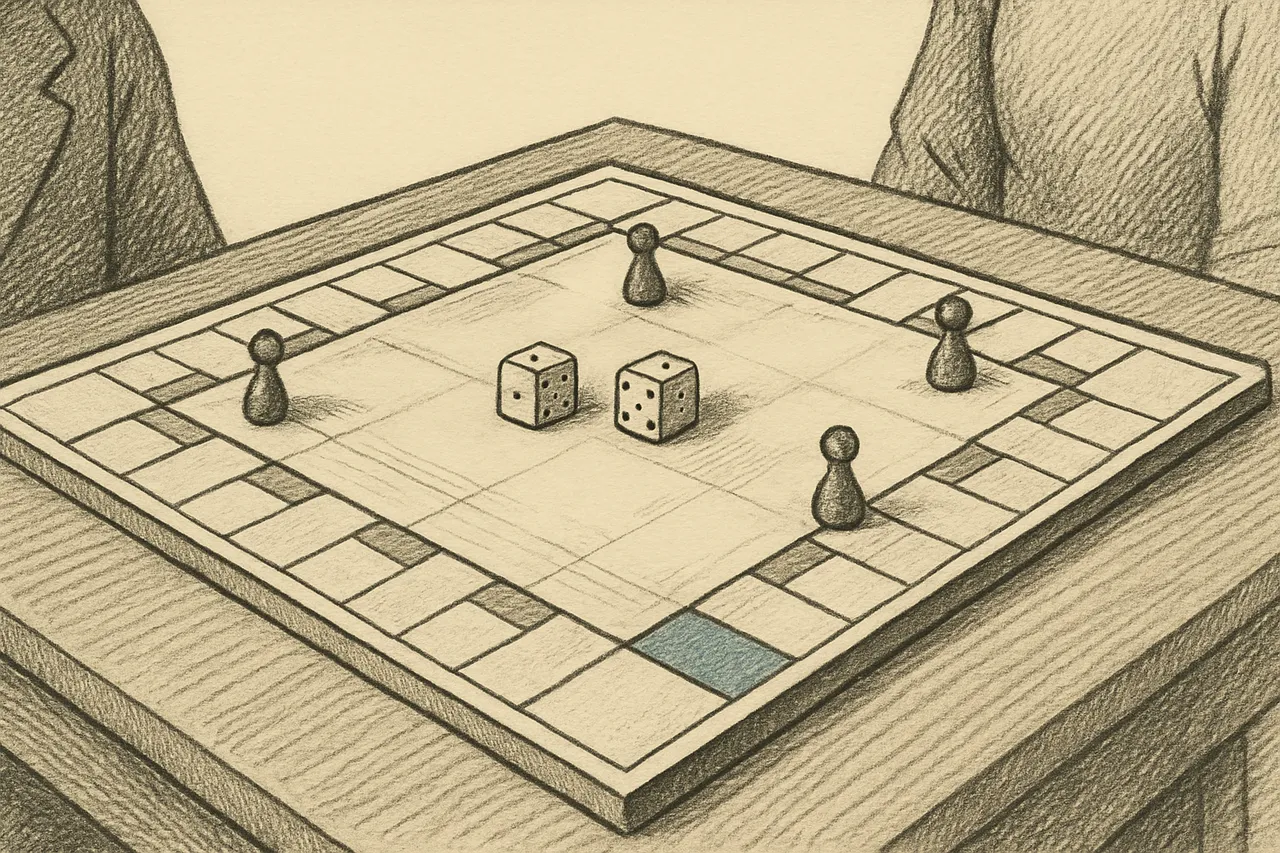
A Woman Invented Monopoly to Warn People About Landlords. Parker Brothers Gave the Credit to a Man.
Lizzie Magie patented The Landlord's Game in 1904 as a teaching tool about the evils of land monopoly. Thirty years later Parker Brothers bought her patent for five hundred dollars and sold the game as the invention of an unemployed salesman named Charles Darrow.
Read the story →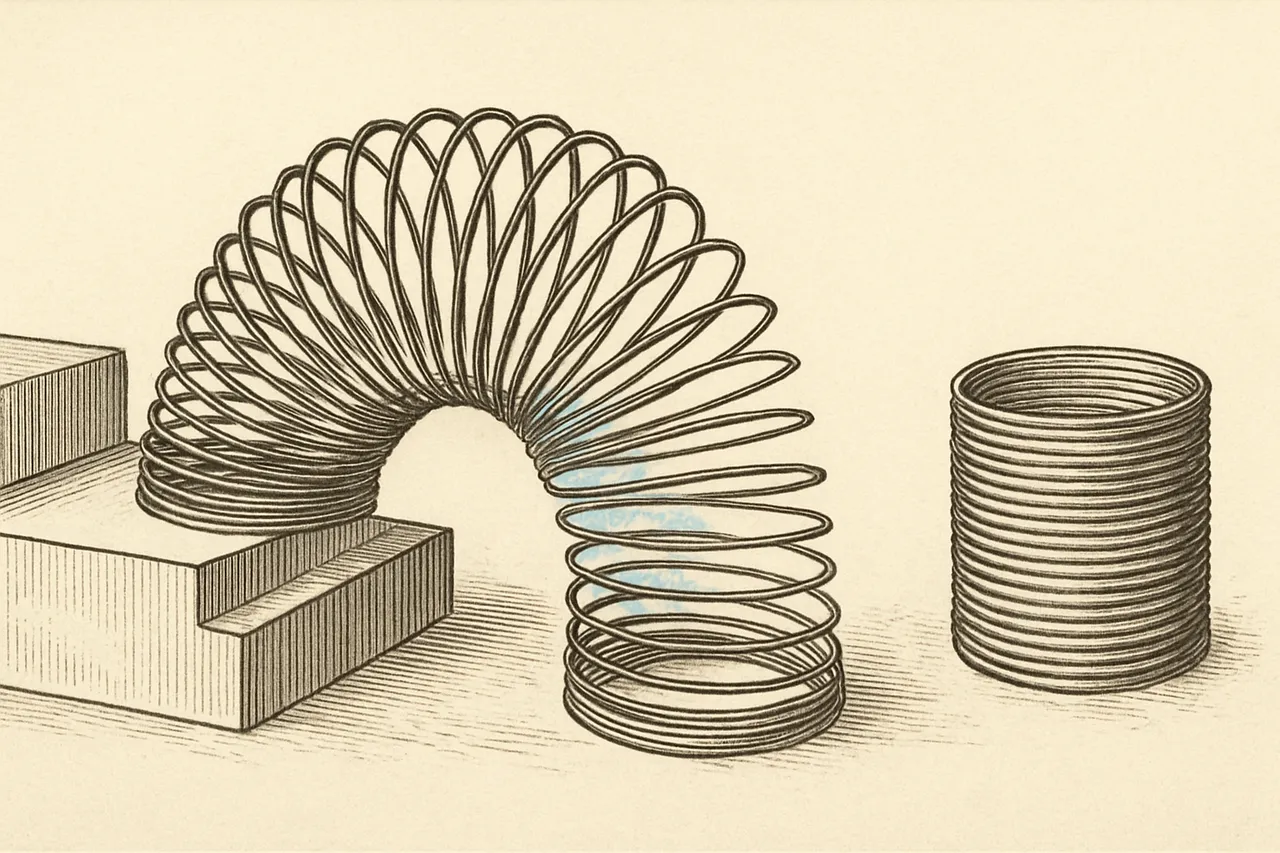
The Slinky Was a Failed Naval Instrument That Fell Off a Shelf and Walked Away
Richard James was designing springs to stabilize ship instruments in rough seas. He knocked one off a shelf and watched it step end-over-end down a stack of books, onto a table, and onto the floor. He went home and told his wife he thought he had a toy.
Read the story →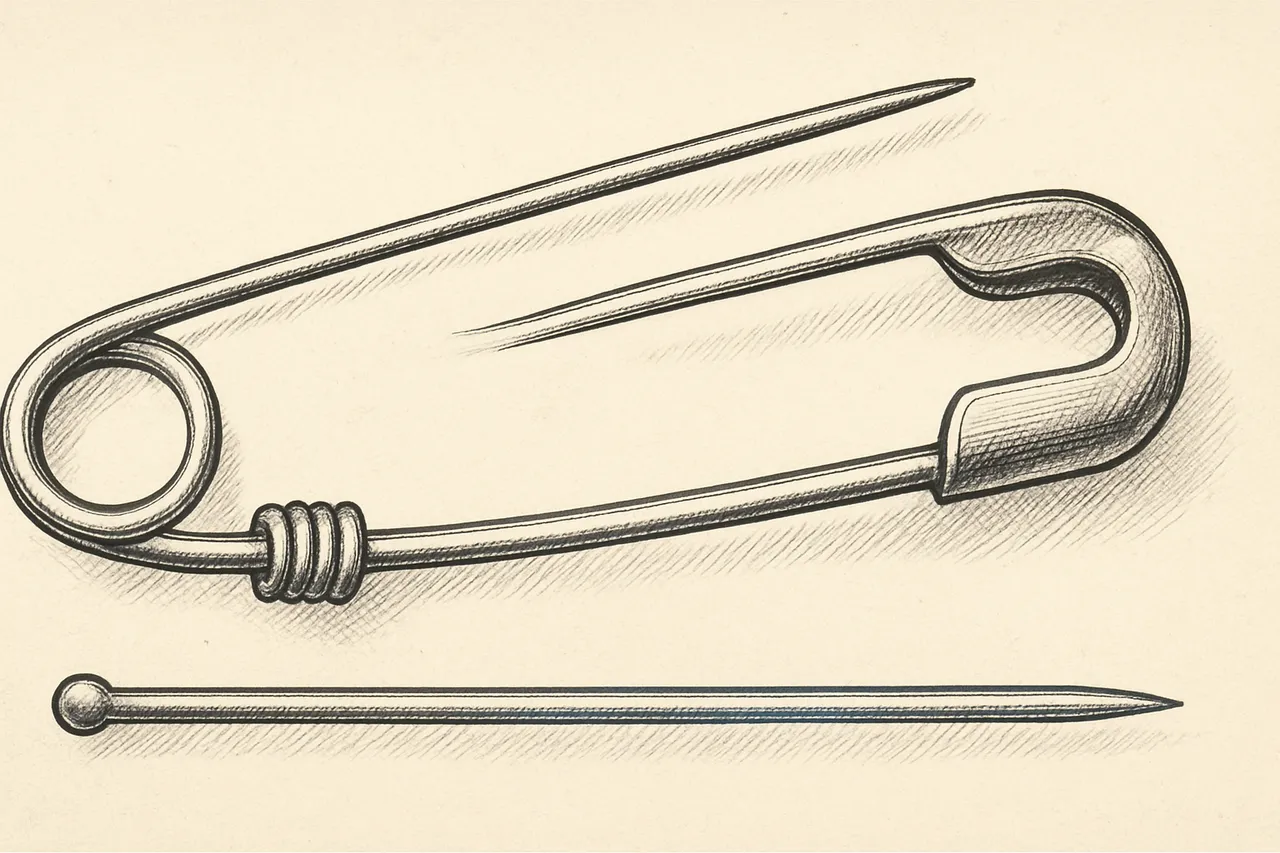
The Safety Pin Was Invented in Three Hours to Pay Off a $15 Debt
Walter Hunt owed a friend fifteen dollars. He sat down with a piece of brass wire, twisted it into a coil with a clasp that covered the point, and had the safety pin in about three hours. He sold the rights for four hundred dollars and walked away.
Read the story →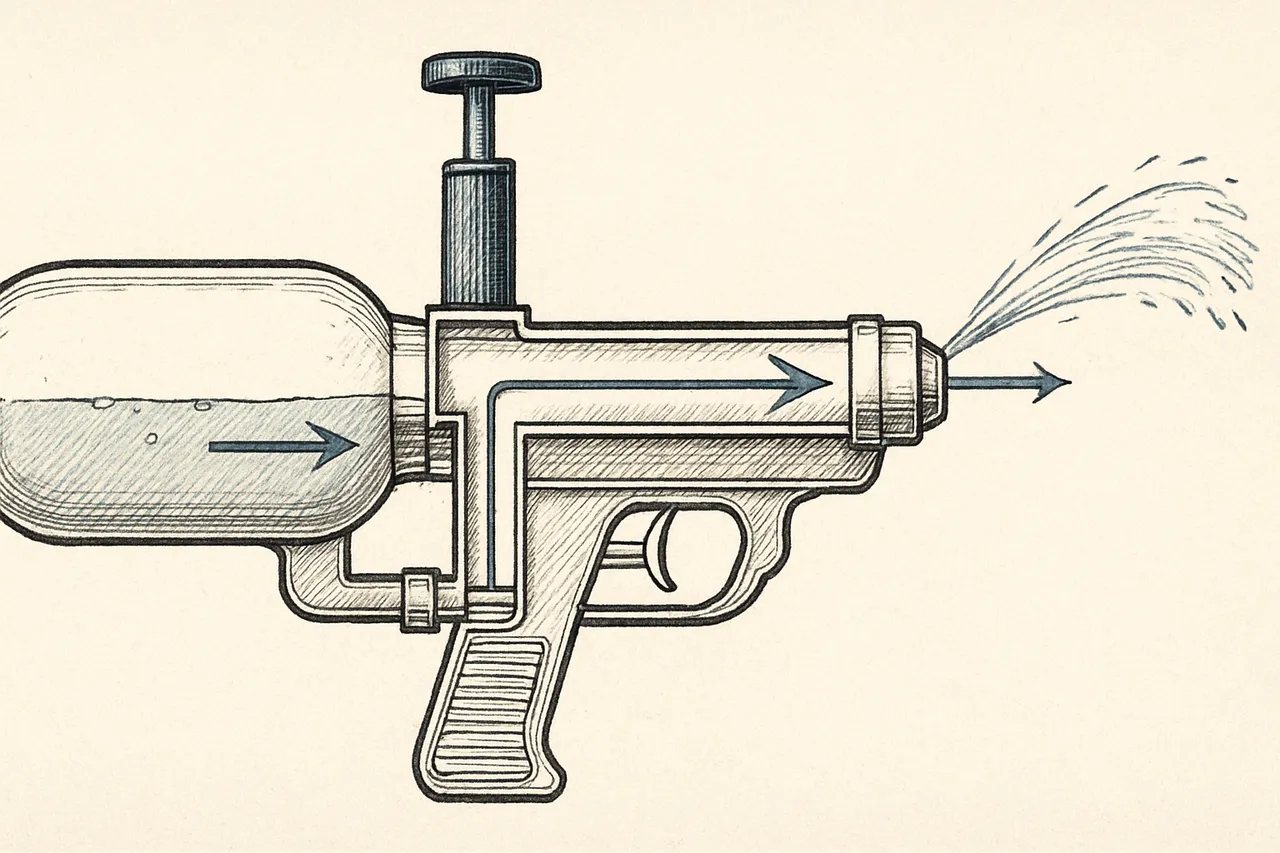
A NASA Engineer Invented the Super Soaker While Trying to Build a Better Refrigerator
Lonnie Johnson was working on an environmentally friendly heat pump that used water instead of Freon. He hooked a prototype nozzle to a bathroom sink, fired a stream of water across the room, and thought: this would make a great water gun.
Read the story →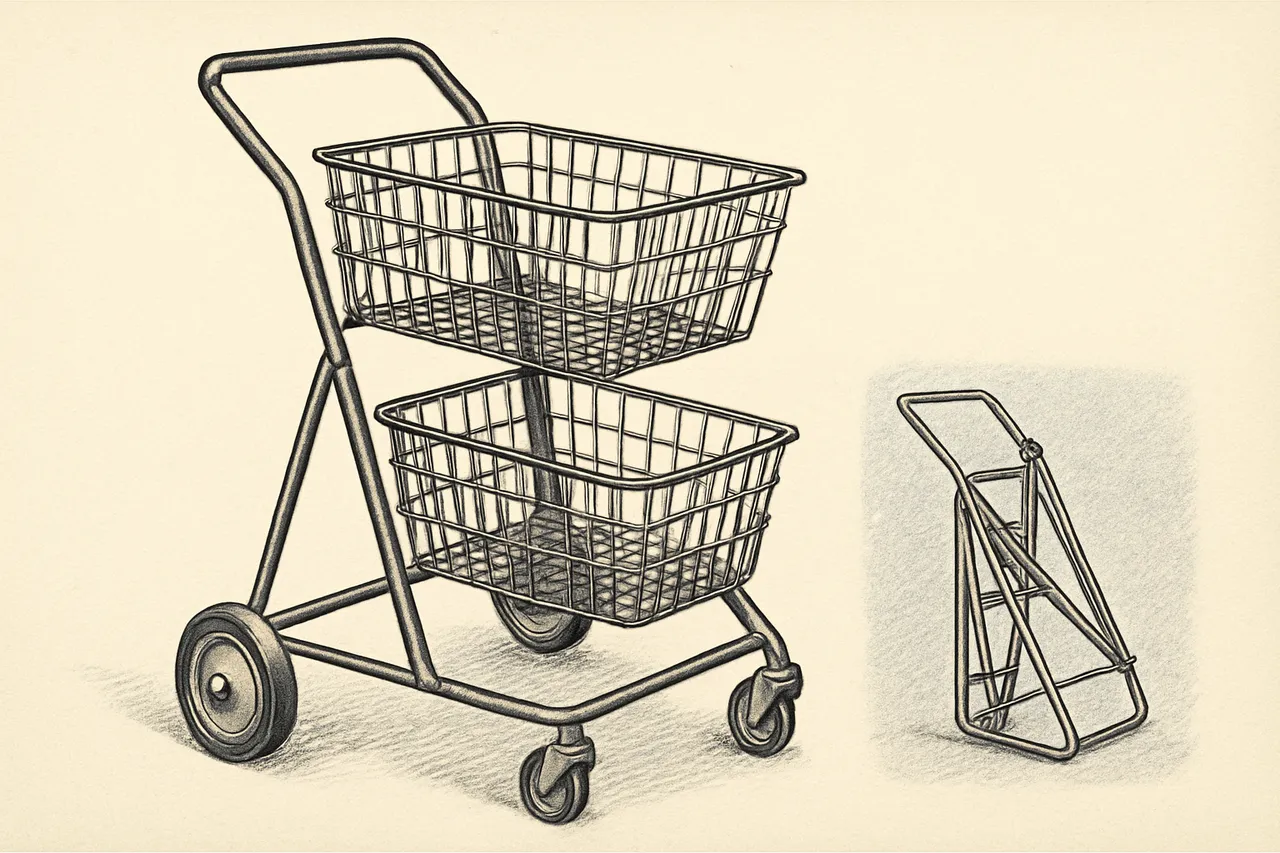
Nobody Would Use the Shopping Cart, So He Hired Actors to Push Them Around the Store
Sylvan Goldman invented the shopping cart in 1937 and watched customers walk straight past it. Men thought it looked weak; women thought it looked like a baby carriage. So he hired models to push carts around his store and pretend to shop.
Read the story →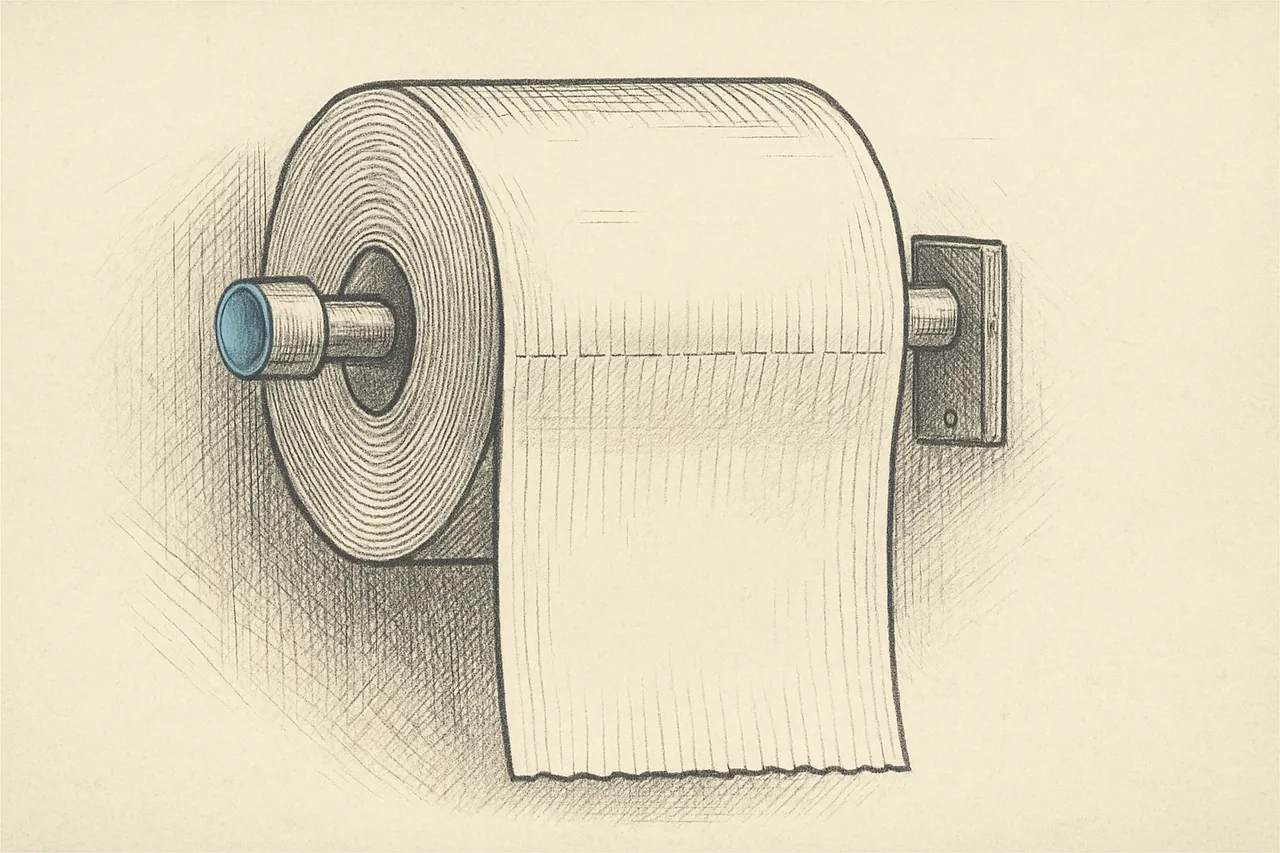
The 1891 Patent That Settles the Toilet Paper Argument: It's Over
Households have argued about whether the roll should hang over or under for more than a century. The original patent drawing, filed by Seth Wheeler in 1891, shows the paper coming over the top. The inventor's own diagram is not ambiguous.
Read the story →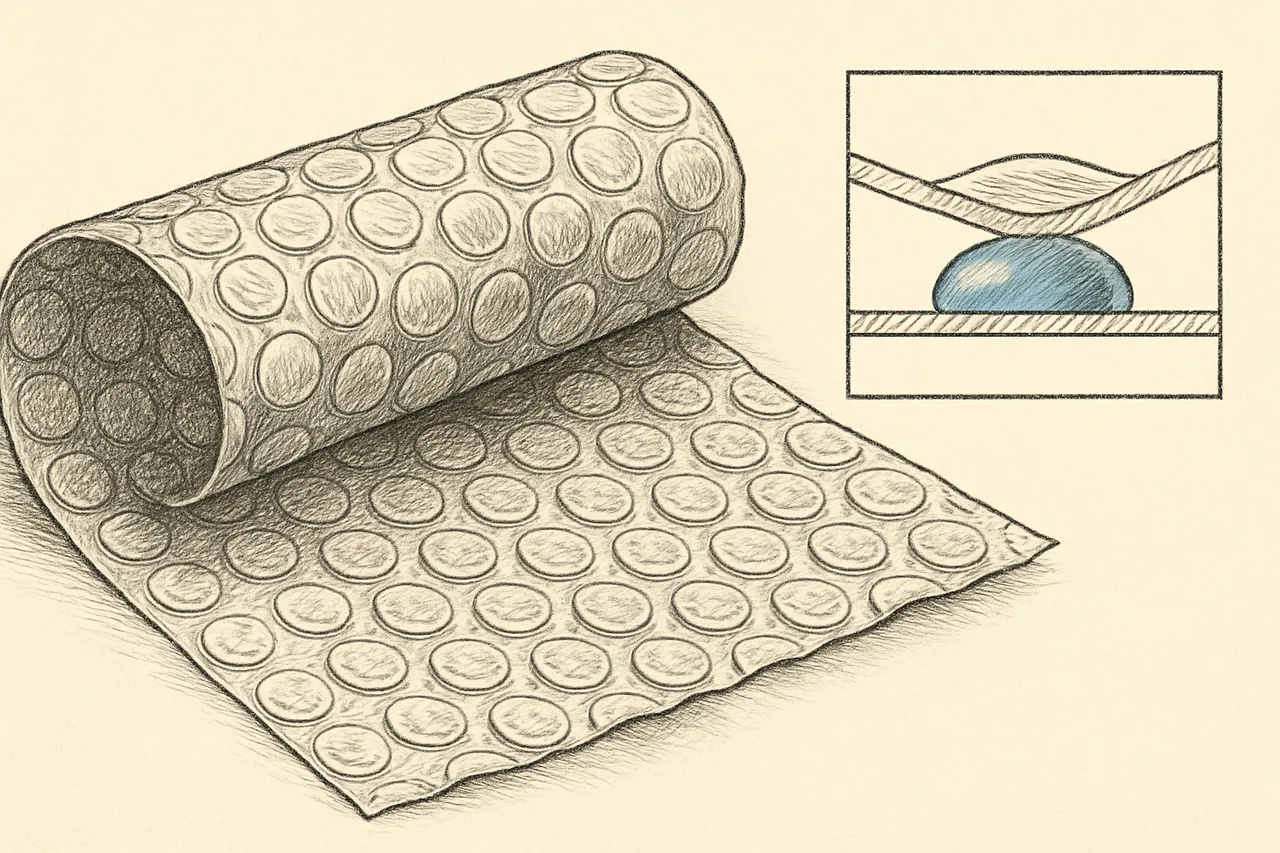
Bubble Wrap Was Invented as Wallpaper. Nobody Bought It.
Two engineers sealed two shower curtains together and trapped air bubbles between them. They were trying to make textured wallpaper. That failed. So did their second idea, greenhouse insulation. Then IBM shipped a computer.
Read the story →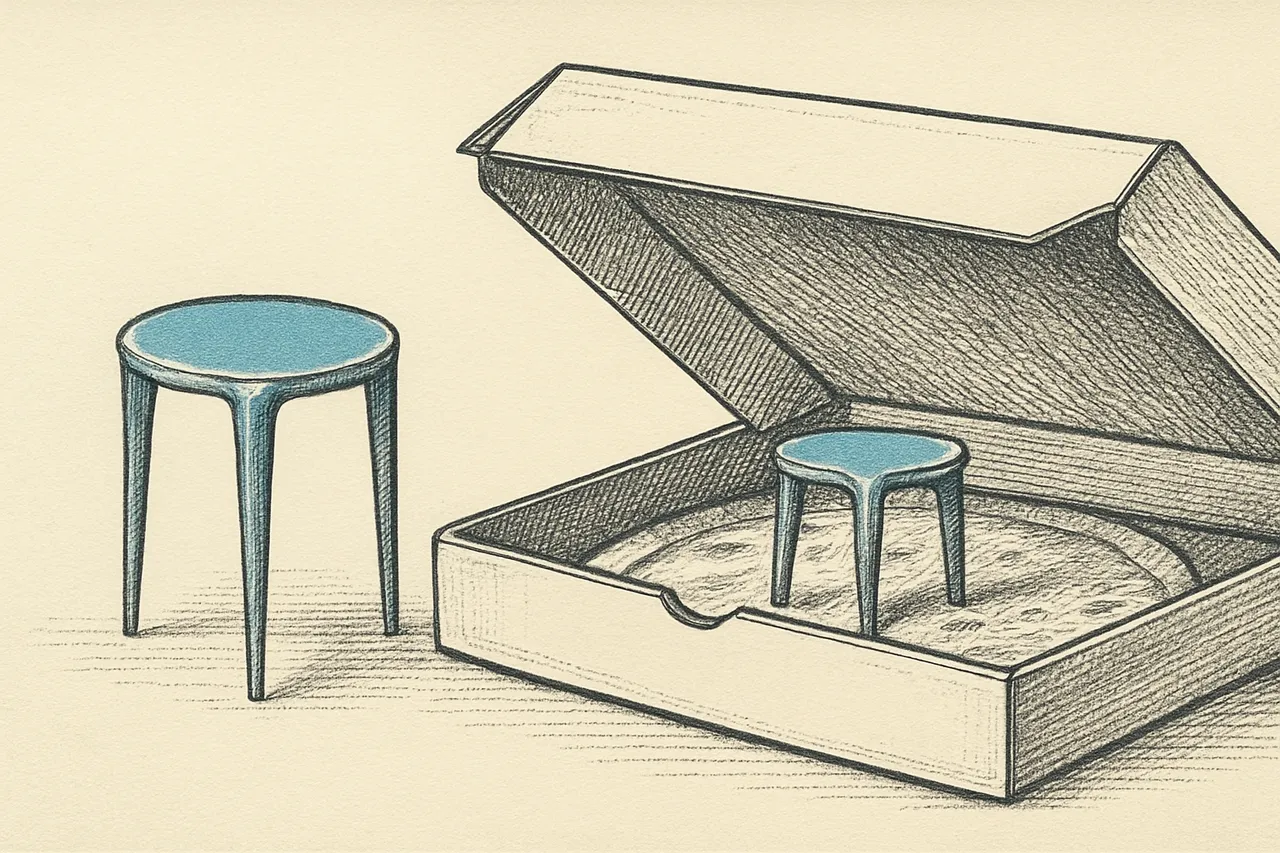
Someone Patented the Little Plastic Table in Your Pizza Box
The three-legged plastic stool in the middle of a delivered pizza has a name, a purpose, and a 1985 United States patent. It exists because a hot cardboard lid sags, and a sagging lid ruins the cheese.
Read the story →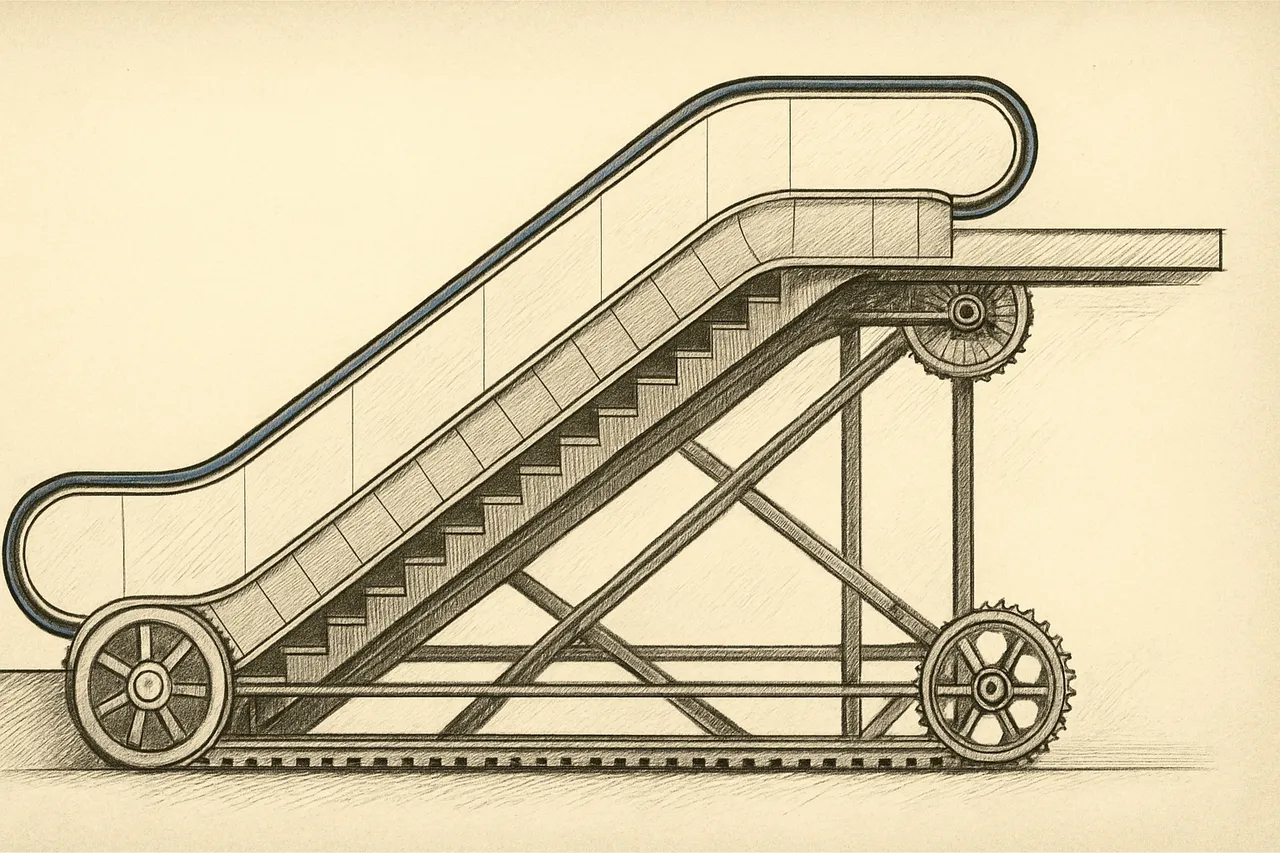
The Escalator Was Patented in 1859. Nobody Built One for Thirty Years.
Nathan Ames patented 'revolving stairs' before the Civil War. He admitted he wasn't sure what would power them, never built one, and died four years later at thirty-nine. The moving staircase arrived a generation after he did.
Read the story →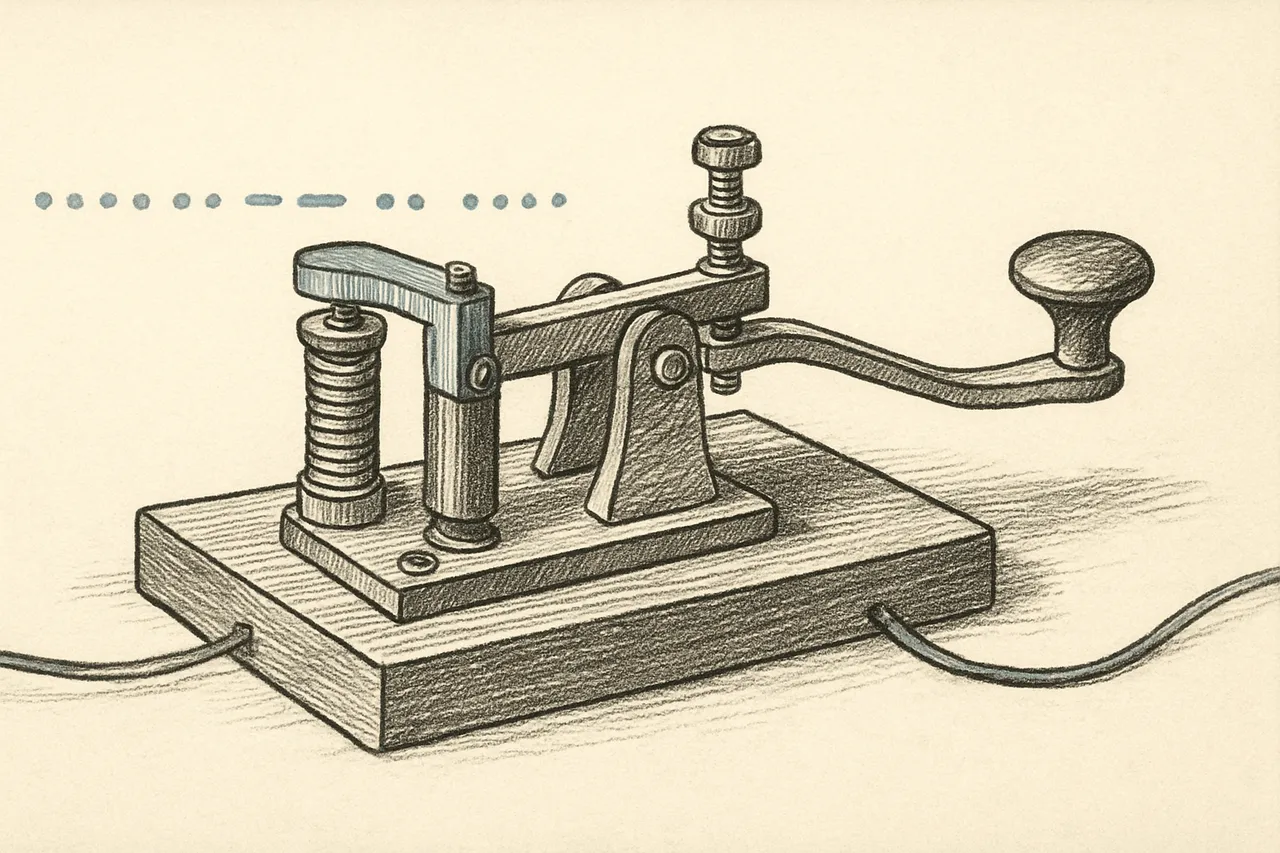
Samuel Morse Patented the Telegraph — and Abolished Distance
Before 1844, a message could travel only as fast as a horse, a train, or a ship. Samuel Morse's telegraph made it travel at the speed of electricity. For the first time in history, communication was faster than transportation.
Read the story →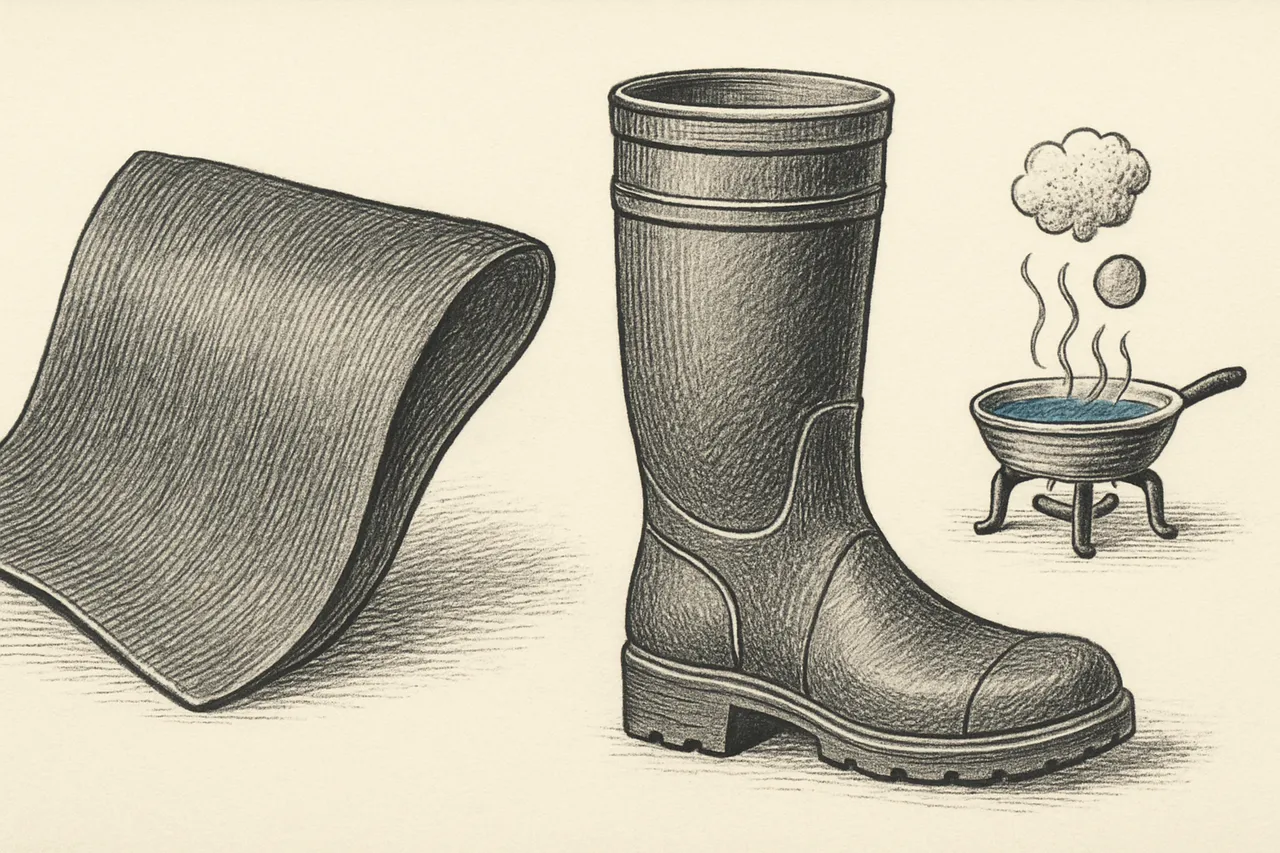
Charles Goodyear Invented Rubber That Works — and Died $200,000 in Debt
Natural rubber melted in summer and cracked in winter. Charles Goodyear spent years and his family's health obsessively trying to fix it, then discovered the answer by accident — dropping rubber and sulfur on a hot stove. The world got tires. He got debtor's prison.
Read the story →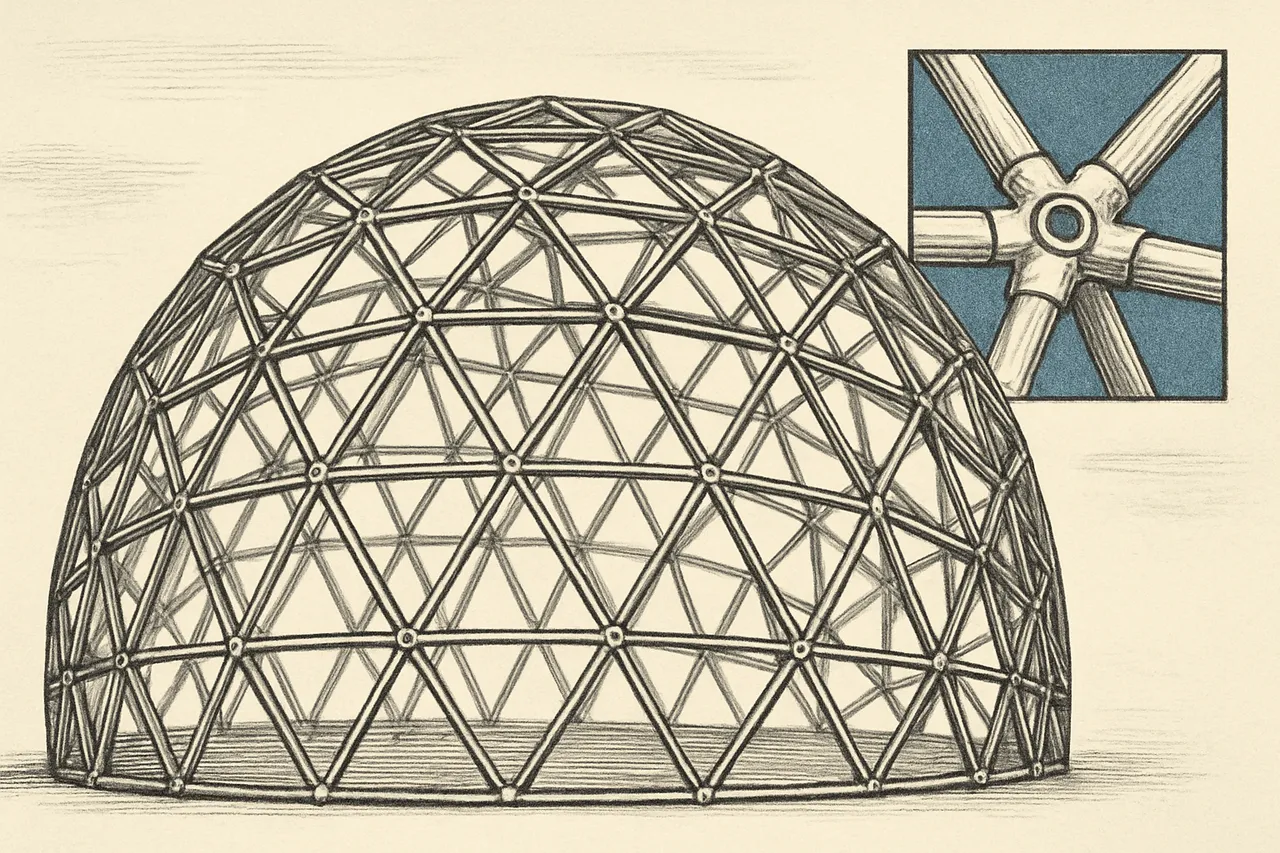
Buckminster Fuller Patented a Dome That Gets Stronger as It Gets Bigger
Most structures get weaker and heavier as they scale up. Buckminster Fuller's geodesic dome does the opposite — it grows more efficient the larger it becomes. It was too strange for mainstream architecture, but it went to the South Pole, the World's Fair, and the cover of the future.
Read the story →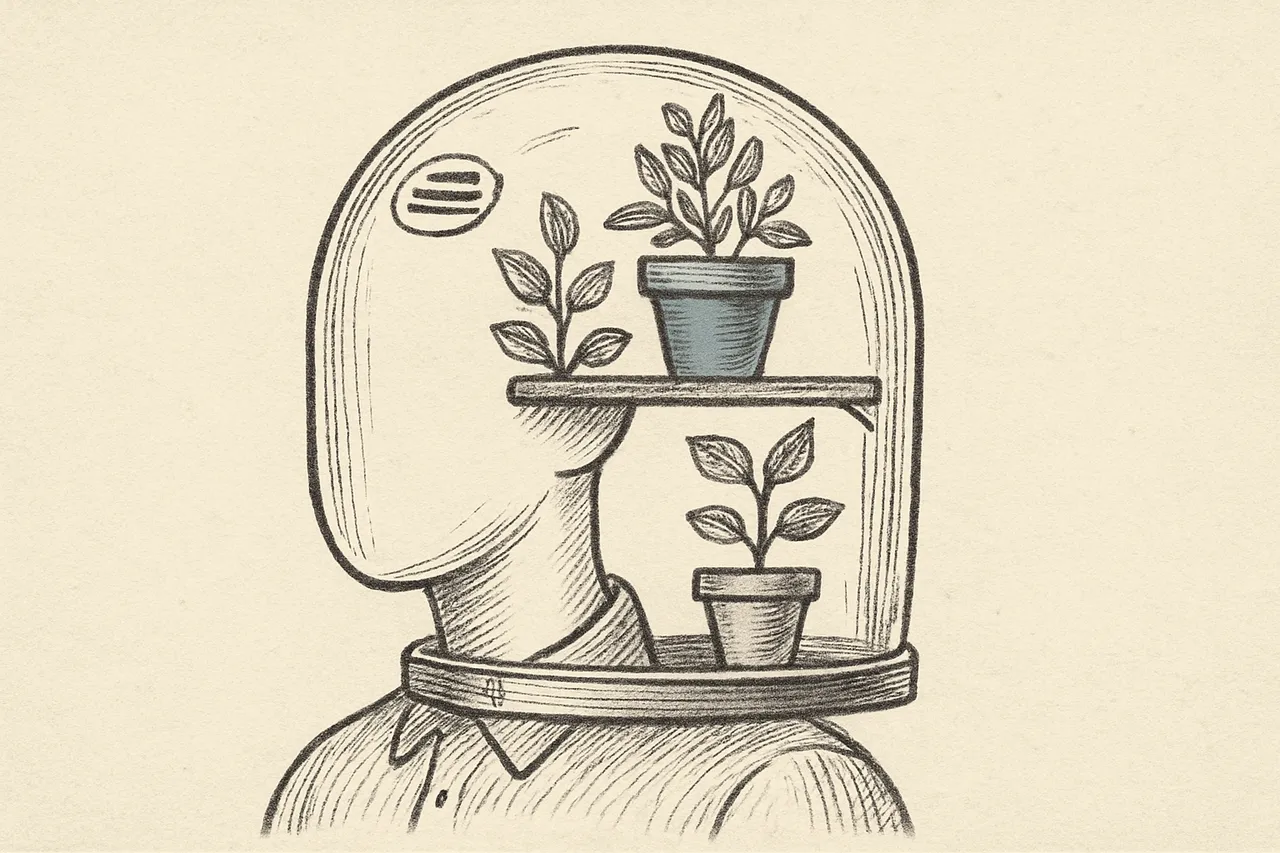
The Greenhouse Helmet: A Patent to Grow Plants on Your Own Head
In 1986, the USPTO granted a patent for a clear domed helmet, worn over the head, containing live plants — so the wearer could breathe air freshened by their own personal, portable garden. It is exactly as wonderful and impractical as it sounds.
Read the story →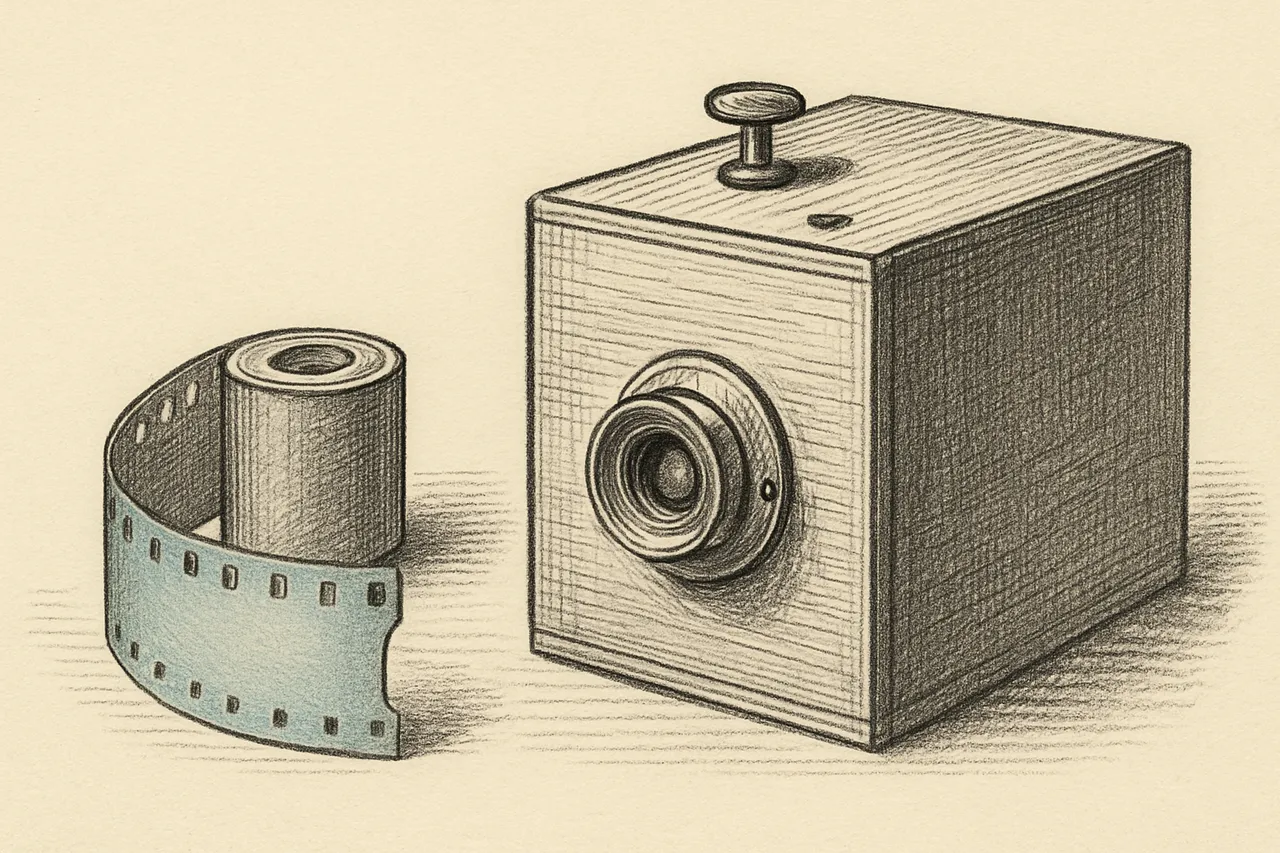
George Eastman Made Everyone a Photographer With Four Words: You Press the Button
Before 1888, photography meant glass plates, chemicals, and expertise. Eastman's roll-film box camera came pre-loaded, took a hundred pictures, and was mailed back to the factory for developing. The slogan said the rest: 'You press the button, we do the rest.'
Read the story →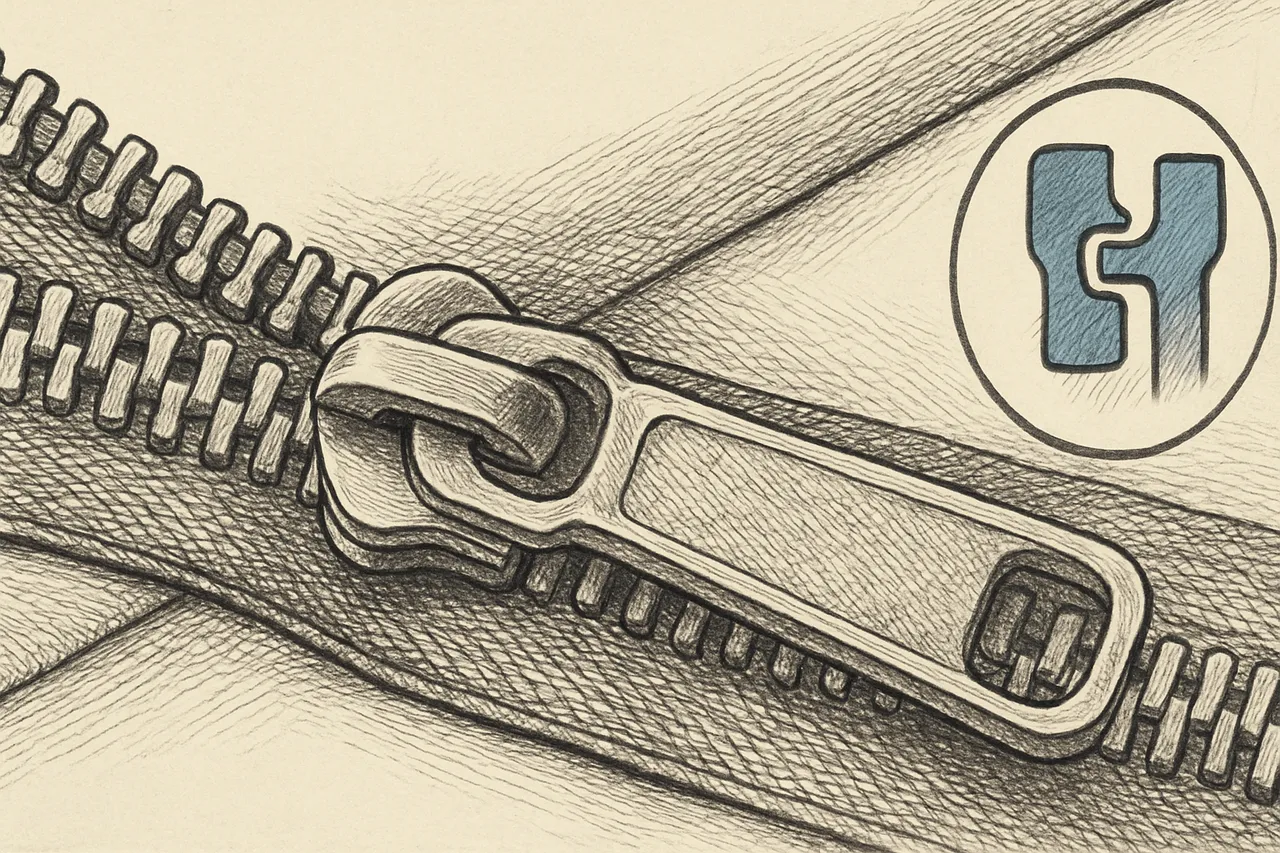
The Zipper Took Twenty Years and Three Inventors to Actually Work
The first 'clasp locker' was shown at the 1893 World's Fair and was a flop — it jammed, sprang open, and rusted. It took two more decades and a Swedish-American engineer's complete redesign to produce the interlocking-tooth zipper we use today.
Read the story →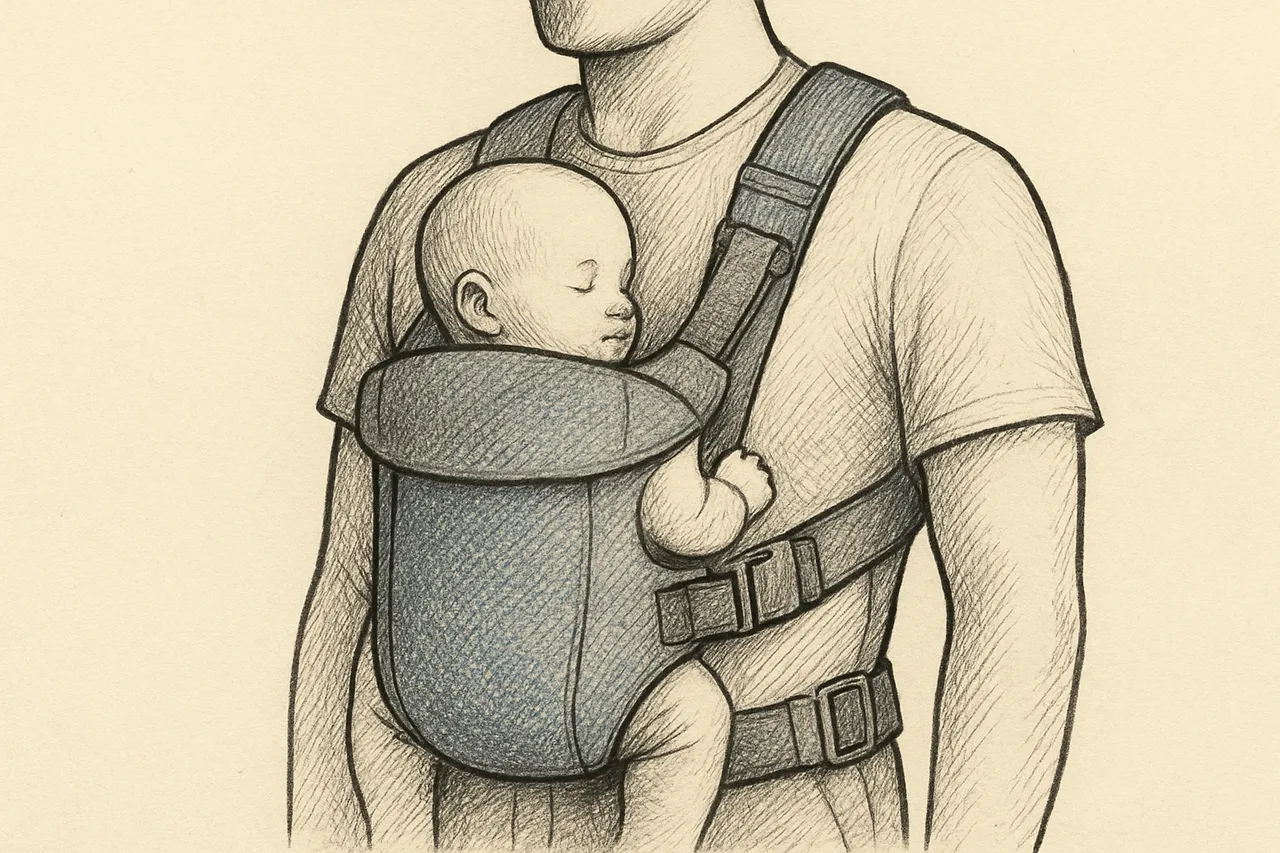
A Peace Corps Volunteer Watched How African Mothers Carried Their Babies — and Patented It
In West Africa, Ann Moore saw mothers keeping their babies calm and close, tied snugly to their backs in fabric. Back home, she and her own mother sewed a structured version. The Snugli turned 'babywearing' into an American mainstream and reshaped ideas about infant care.
Read the story →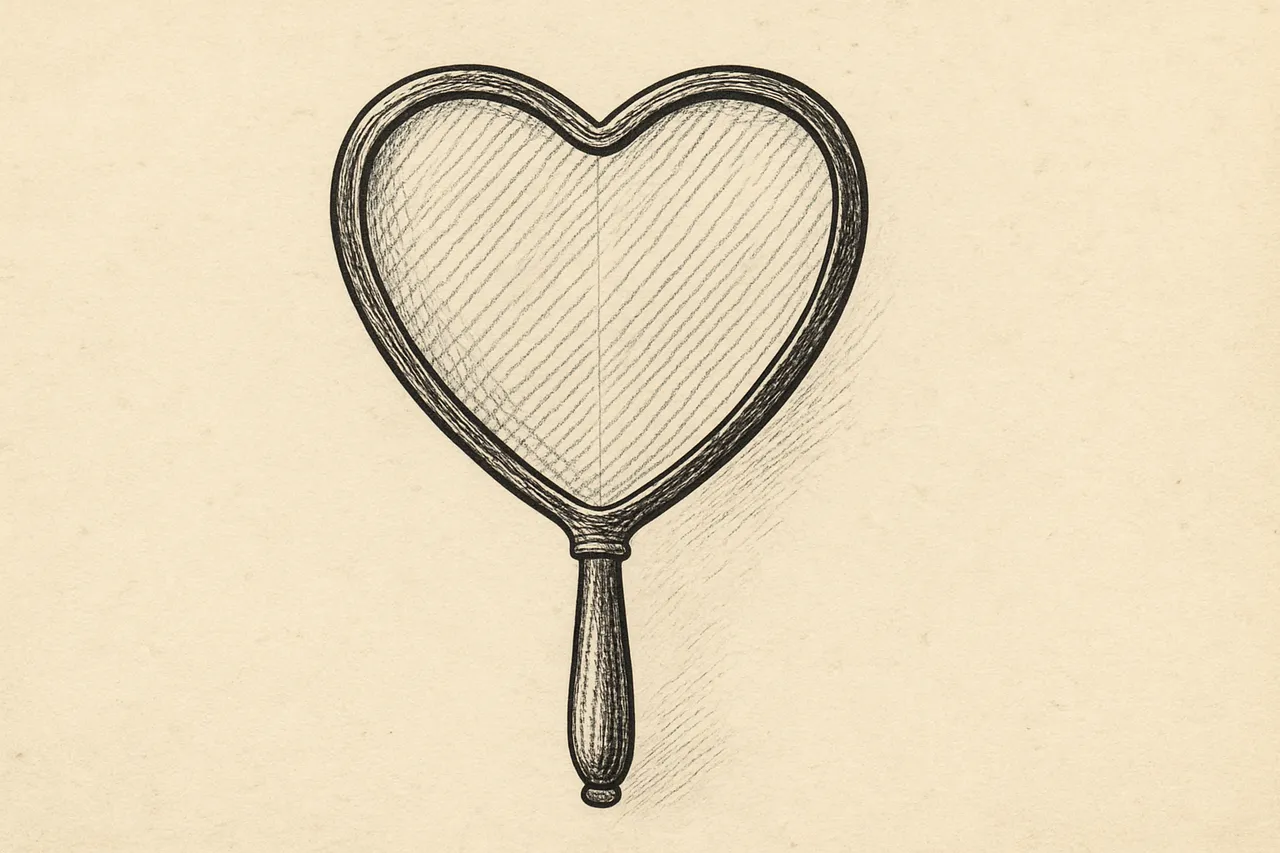
The Kissing Shield: A Patented Membrane for Germ-Free Affection
In 1998, the USPTO granted a patent for a thin membrane stretched across a heart-shaped handle, held between two people so they could kiss without exchanging germs. It won an Ig Nobel Prize. It was also, its inventor insisted, entirely serious.
Read the story →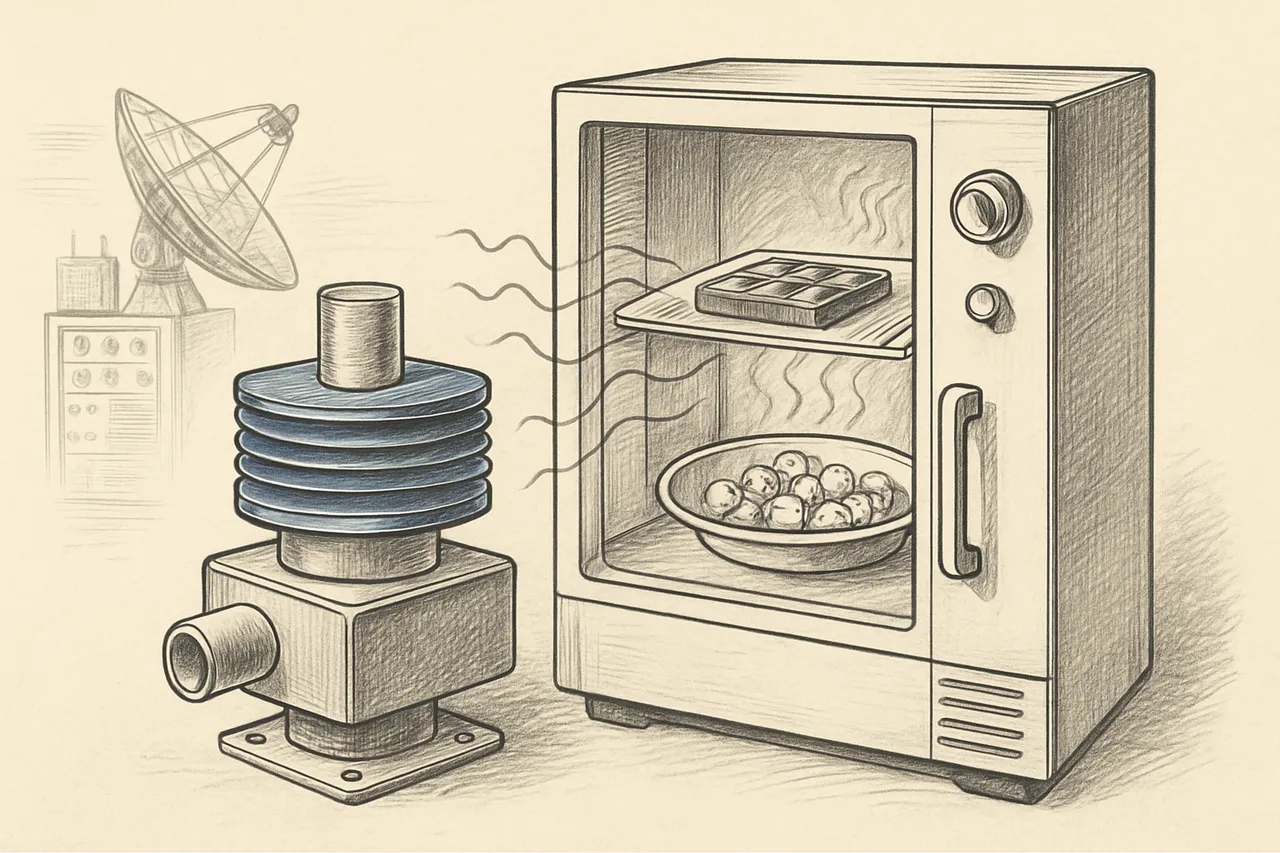
A Melted Candy Bar in His Pocket Led to the Microwave Oven
An engineer testing radar equipment noticed the chocolate bar in his pocket had turned to goo. Instead of shrugging, he aimed the magnetron at some popcorn kernels. They popped. The kitchen was never the same.
Read the story →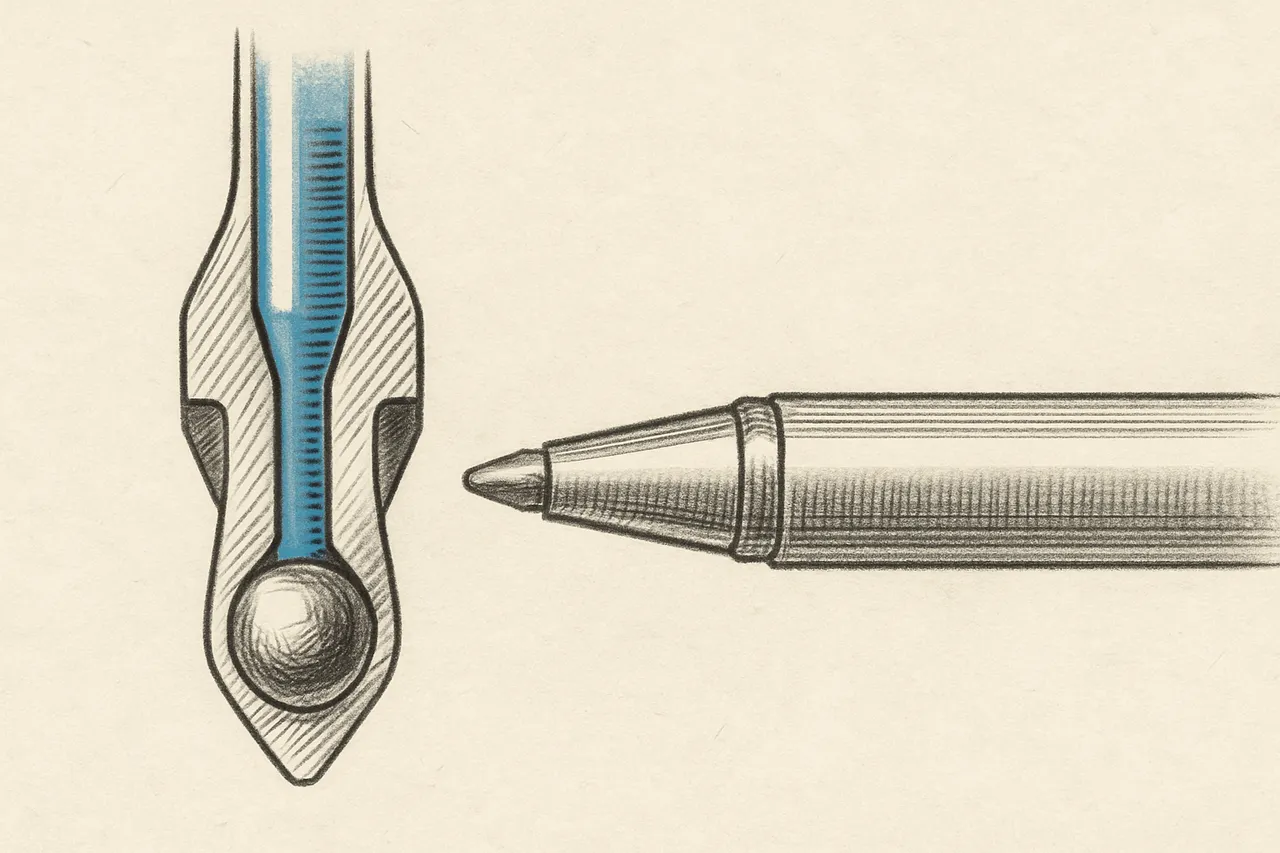
The Ballpoint Pen Took Decades and a World War to Get Right
A Hungarian newspaper editor was tired of fountain pens smudging his proofs. His fix — a tiny rotating ball fed by quick-drying ink — had been patented before and had always failed. It took him years, an escape from fascism, and an air force to make it work.
Read the story →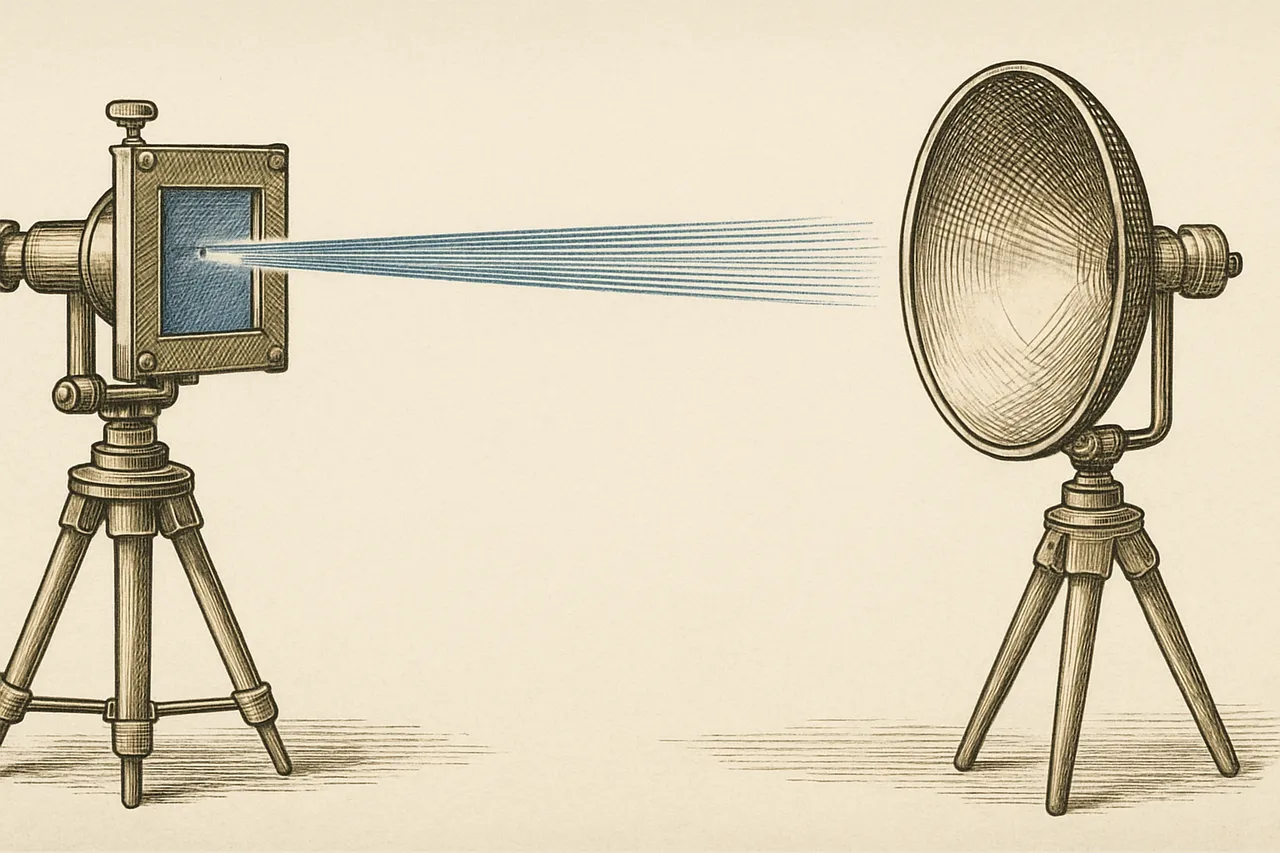
Bell Called It His Greatest Invention. It Sent Speech on a Beam of Light — in 1880.
Alexander Graham Bell thought the photophone, not the telephone, was his finest work. It transmitted the human voice on a beam of sunlight, with no wires at all. It was also a century early: the world had no use for it until fiber optics arrived.
Read the story →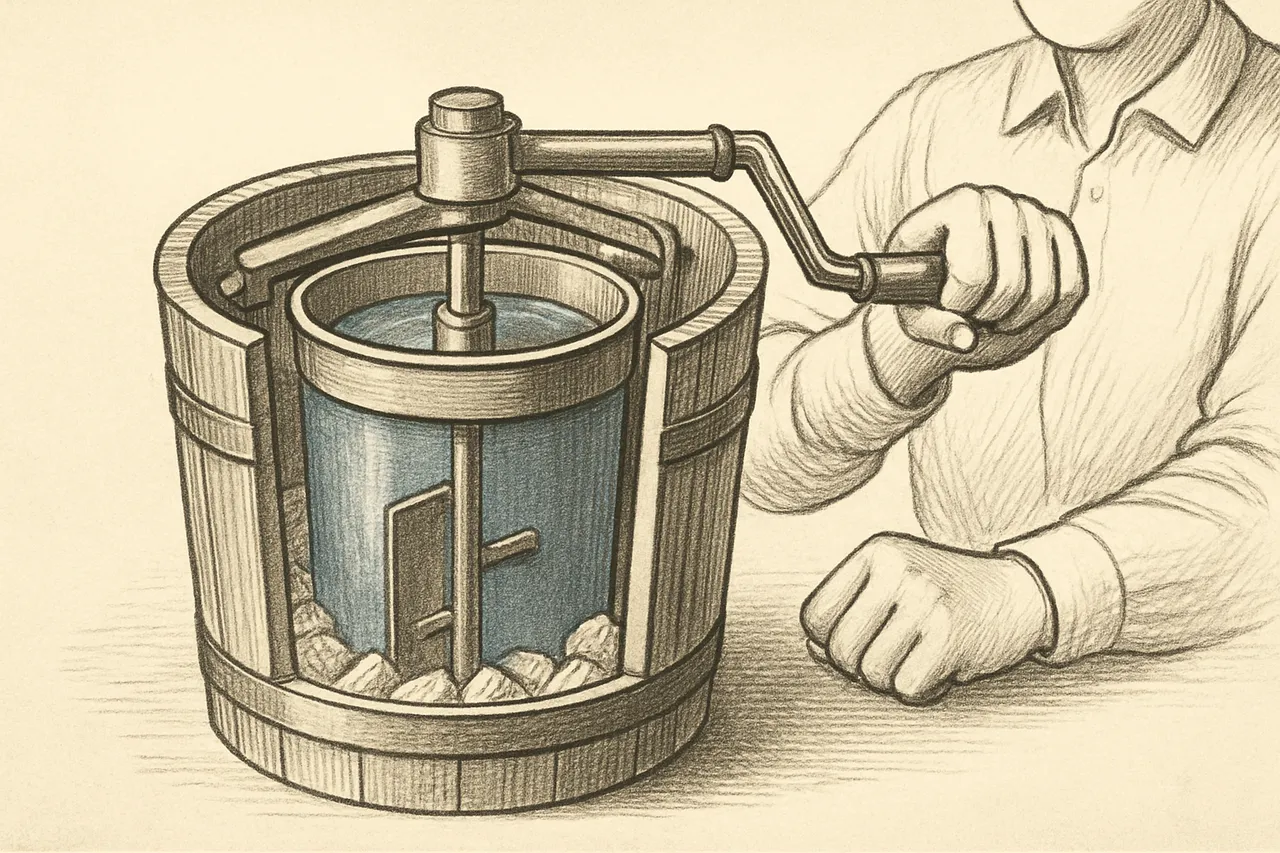
Nancy Johnson Invented the Ice Cream Freezer — and Then Vanished From the Story
The hand-cranked ice cream freezer that made the dessert a household treat was patented by a woman in 1843. The design is still, essentially, how home ice cream machines work today. Almost nothing else about her survives.
Read the story →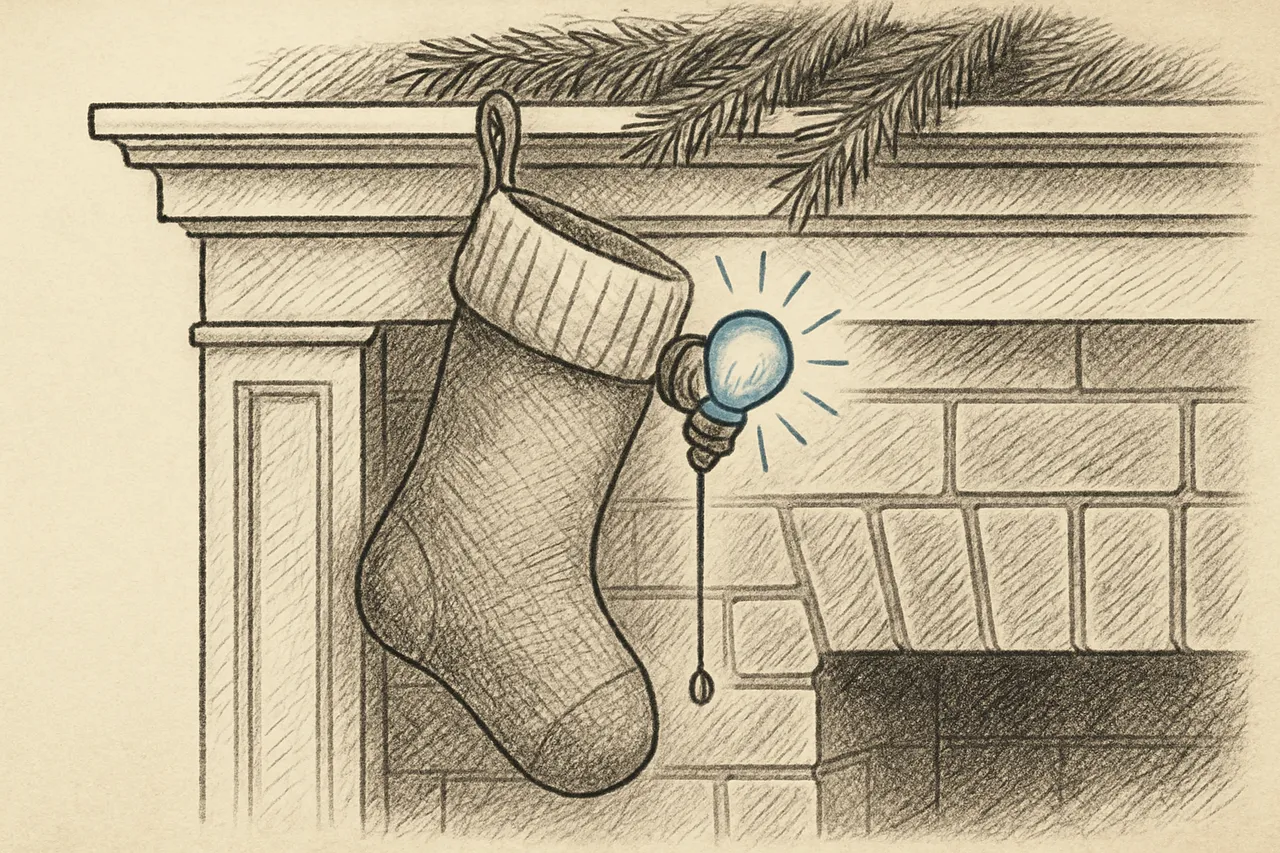
The Santa Claus Detector
In 1996, the USPTO granted a patent for a Christmas stocking rigged with a light that switches on when Santa arrives. The patent's stated purpose is to give children 'a visual indication' of Santa's visit — filed, apparently, in complete earnest.
Read the story →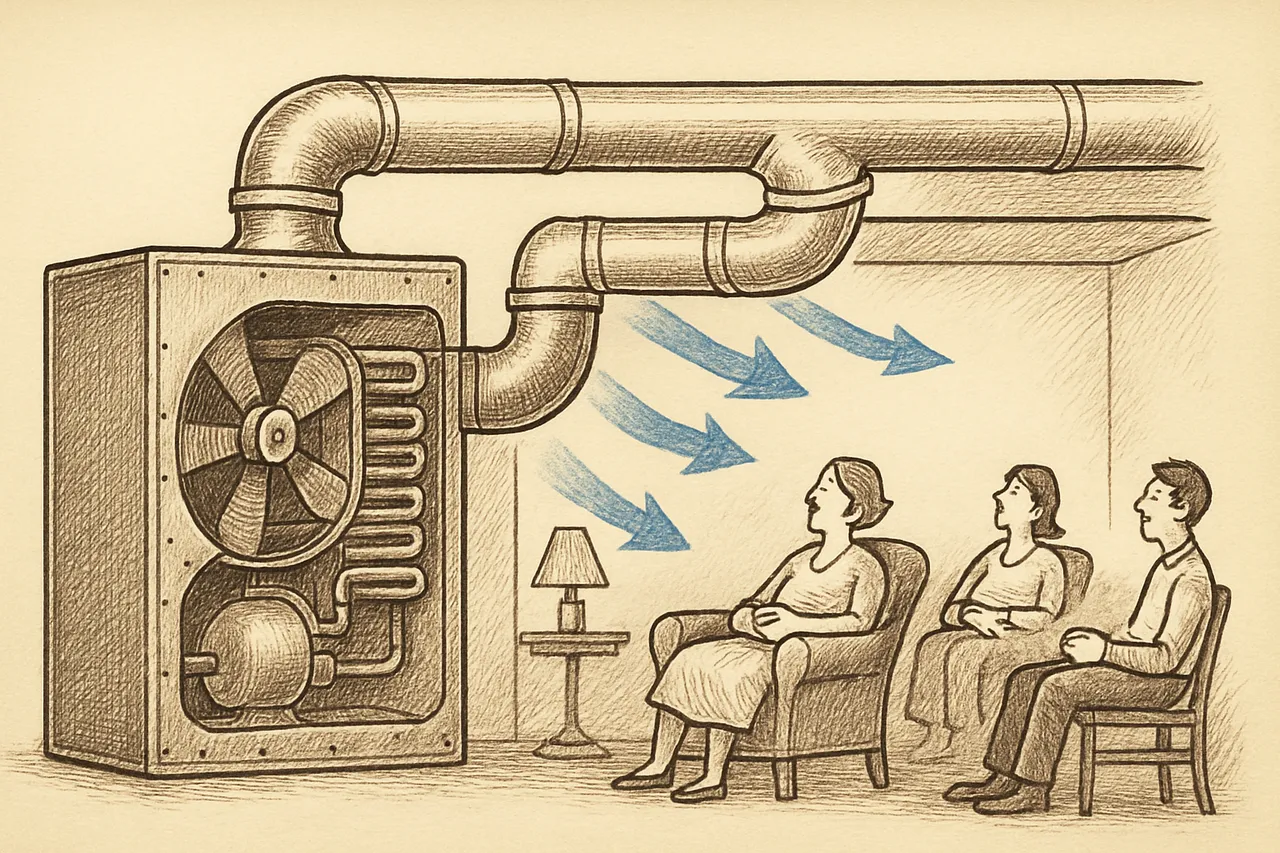
Willis Carrier Was Trying to Fix a Printing Problem. He Invented Modern Life.
A Brooklyn printing plant couldn't keep its color registration aligned because humidity kept warping the paper. The young engineer they hired to fix it built a machine to control the air itself — and accidentally made the Sun Belt, the skyscraper, and the summer blockbuster possible.
Read the story →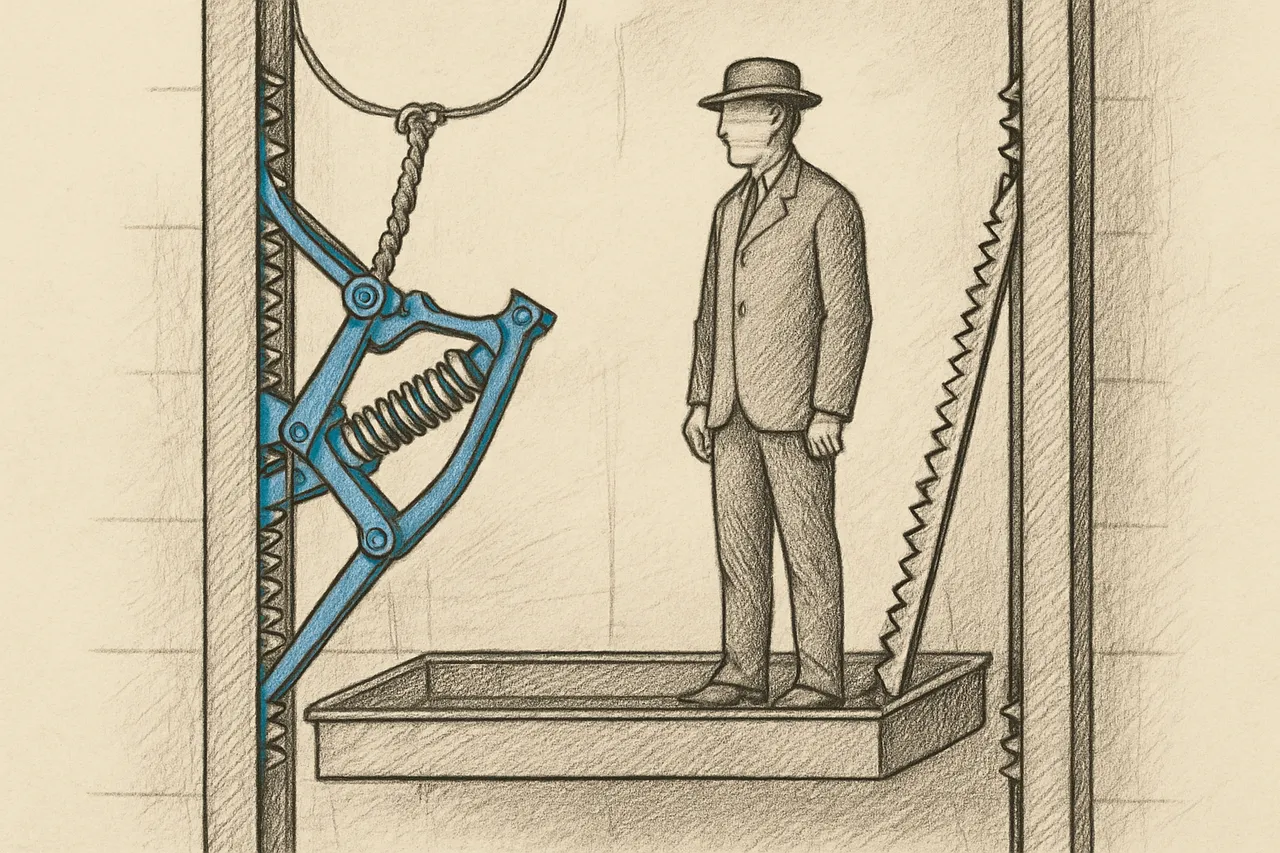
Elisha Otis Didn't Invent the Elevator. He Invented Not Falling.
Hoists had existed for centuries. What Elisha Otis patented in 1861 was the safety brake that caught the platform if the rope snapped — and by removing the fear of falling, he made the skyscraper possible.
Read the story →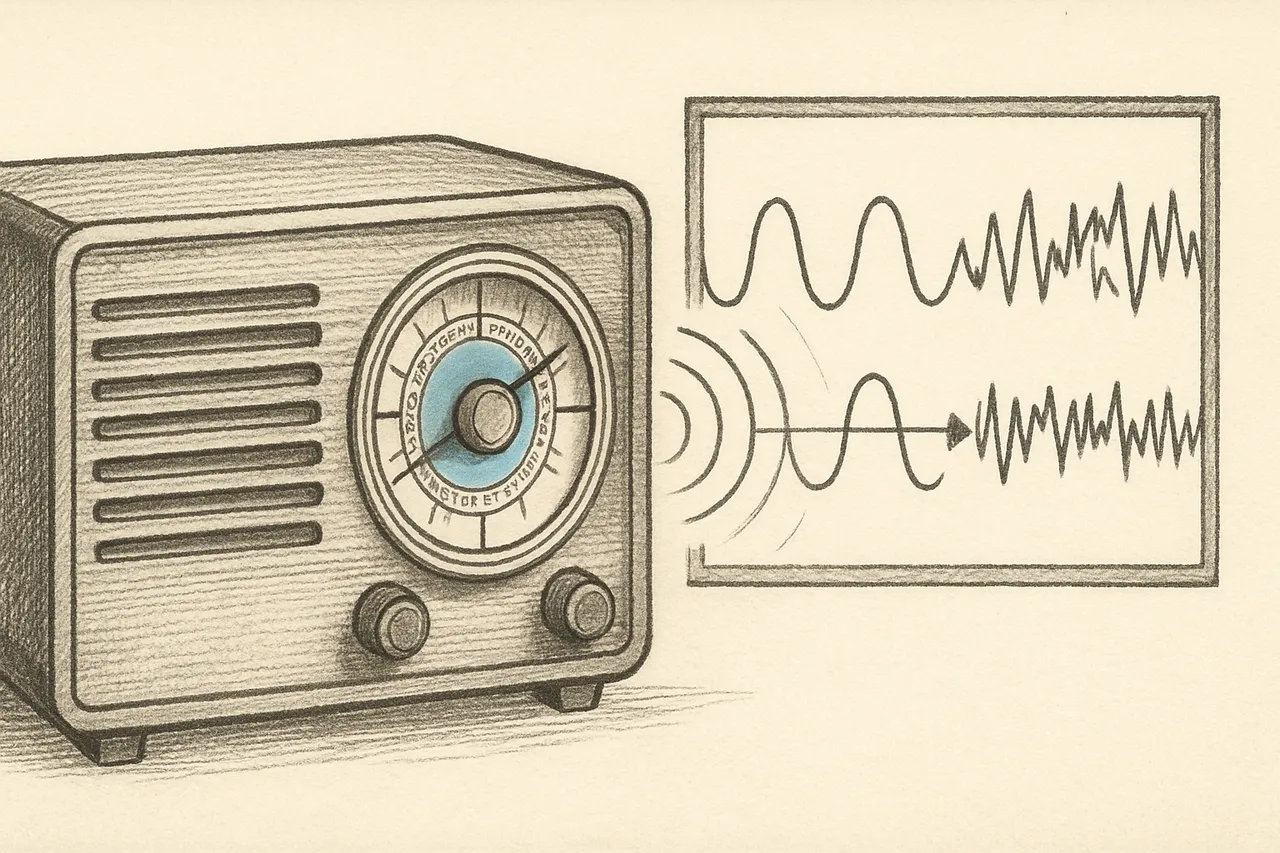
Edwin Armstrong Invented Static-Free Radio. Then the Industry He Threatened Destroyed Him.
FM radio was better than AM in every way — no static, higher fidelity, less power. That was exactly the problem. The company that dominated AM spent two decades in court to bury it, and the inventor spent his fortune fighting back before jumping from his apartment window.
Read the story →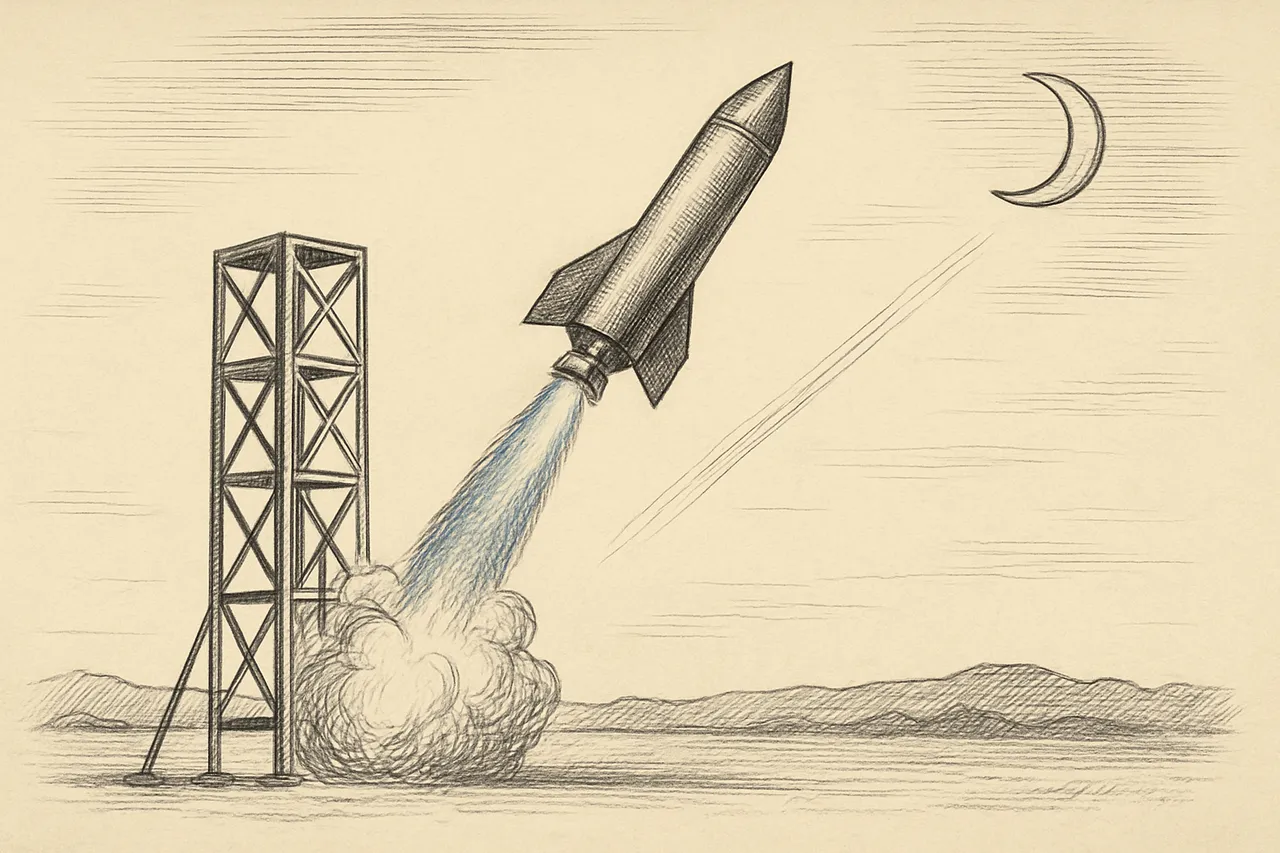
The New York Times Mocked Goddard's Rocket. It Apologized 49 Years Later — Mid-Flight to the Moon.
Robert Goddard patented the fundamentals of the liquid-fuel rocket in 1914. When he suggested a rocket could reach the Moon, a newspaper editorial declared he lacked 'the knowledge ladled out daily in high schools.' The correction ran during Apollo 11.
Read the story →
Katharine Blodgett Made Glass Disappear
The first woman scientist ever hired by General Electric figured out how to coat glass so it reflects almost no light — making it, in effect, invisible. It's on your eyeglasses, your camera lens, and nearly every screen you look at.
Read the story →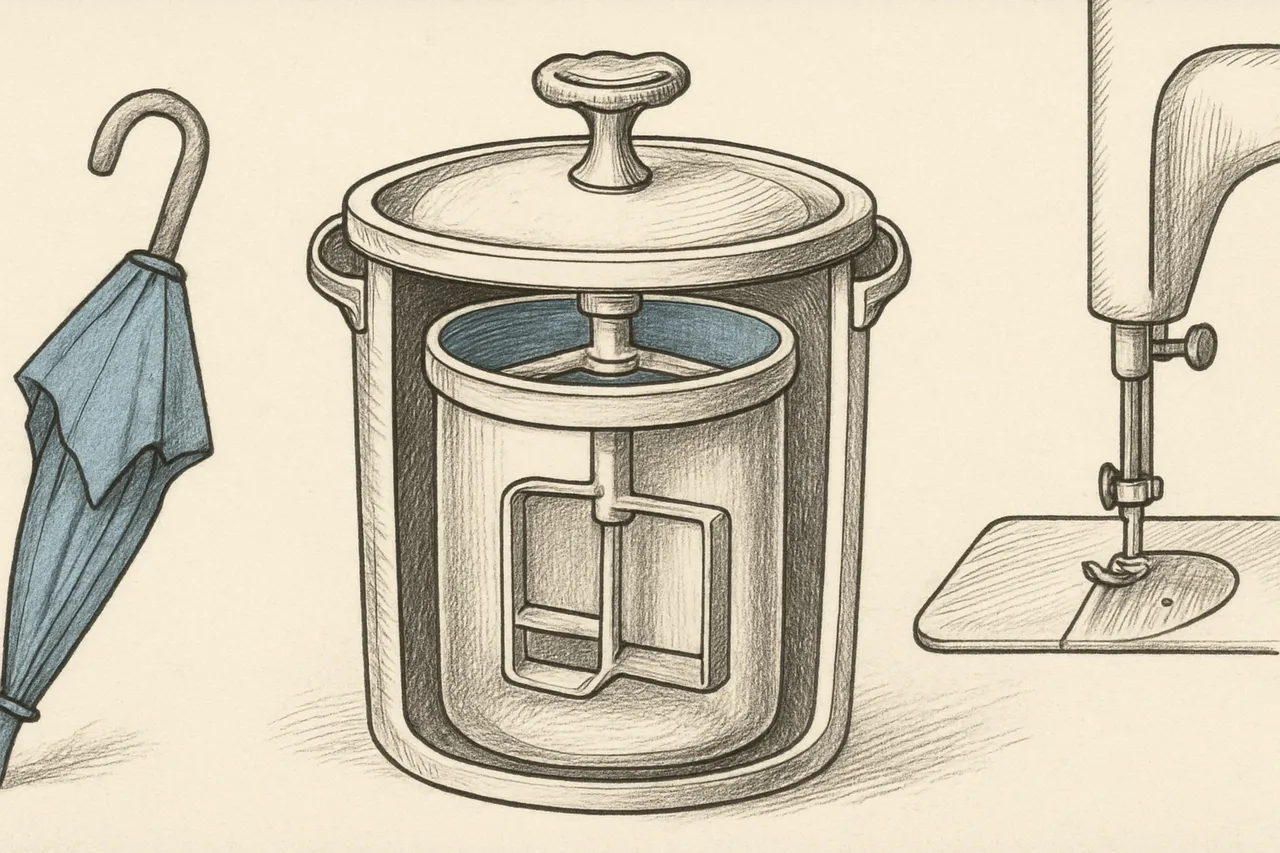
'Lady Edison' Held 49 Patents and Couldn't Read a Blueprint
Beulah Louise Henry invented so prolifically that the press called her Lady Edison. She had no engineering training, couldn't read a technical drawing, and described her inventions as arriving fully formed in her mind — then hired machinists to build what she saw.
Read the story →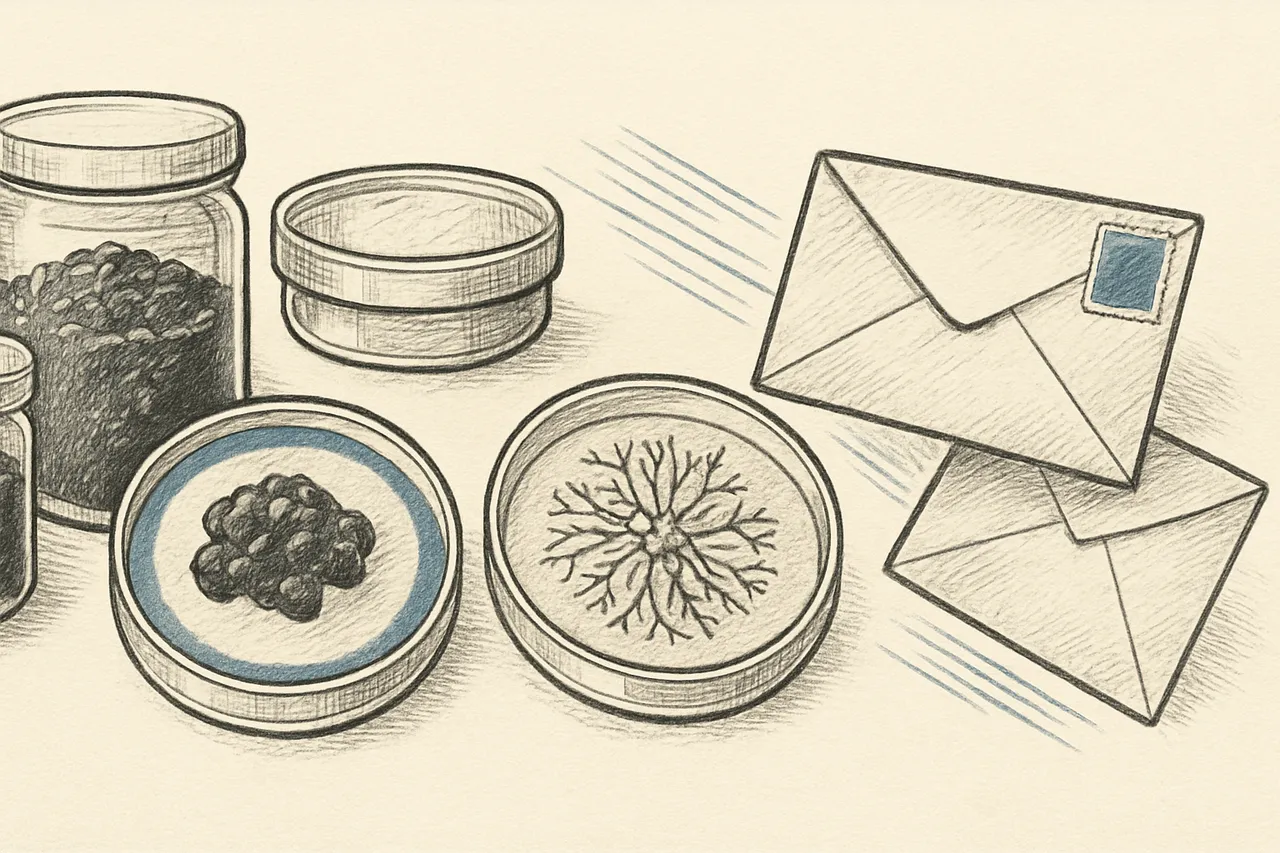
Two Women Invented the First Real Antifungal Drug — and Gave Away $13 Million in Royalties
Working by mail between two labs, a chemist and a microbiologist discovered the first antifungal antibiotic safe for humans. They shipped soil samples back and forth in the post, found their answer in a friend's cow pasture, and donated every dollar of the proceeds to science.
Read the story →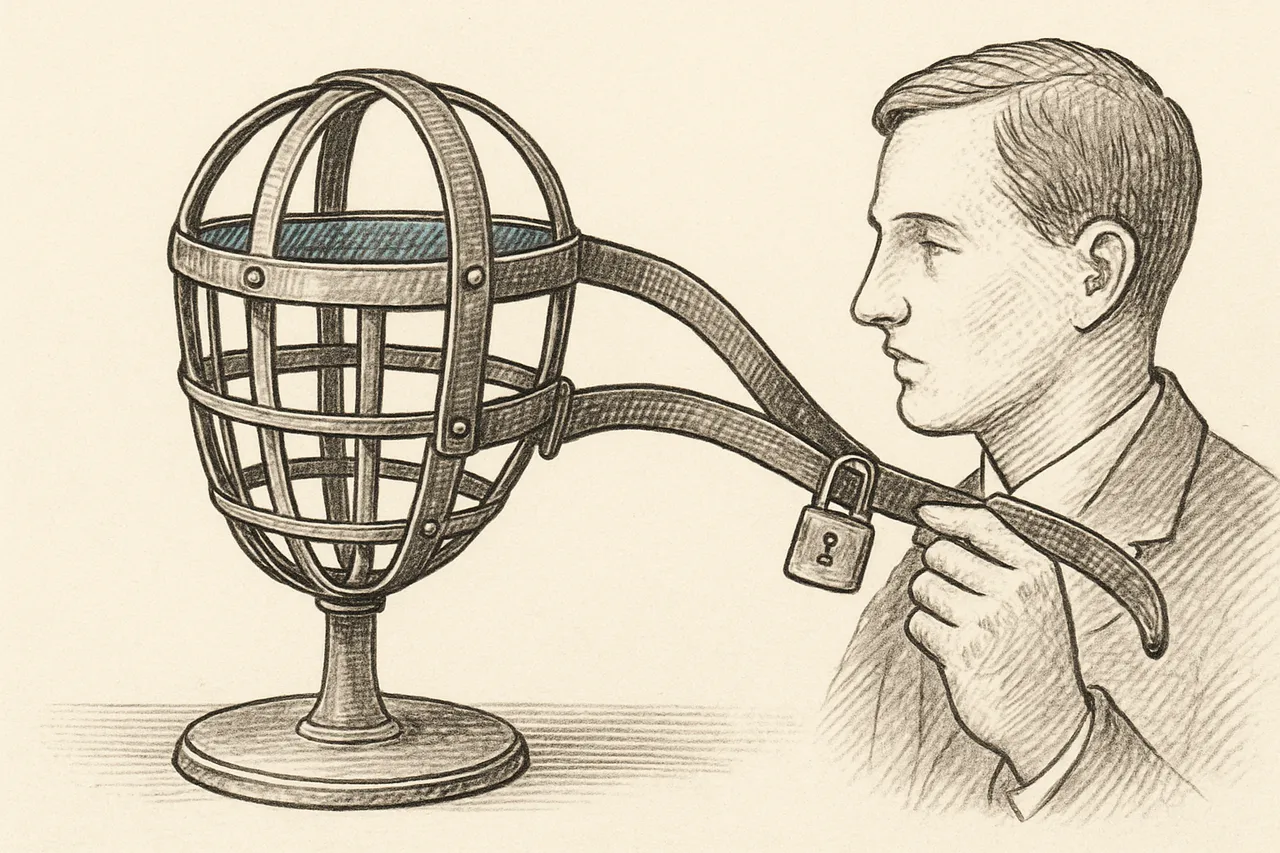
The Patent for a Mask That Physically Stops You From Eating
In 1982, a patent was granted for an 'anti-eating face mask' — a cup-shaped cage strapped over the mouth and locked, intended to prevent the wearer from eating between meals. It is one part diet aid, one part muzzle, and entirely real.
Read the story →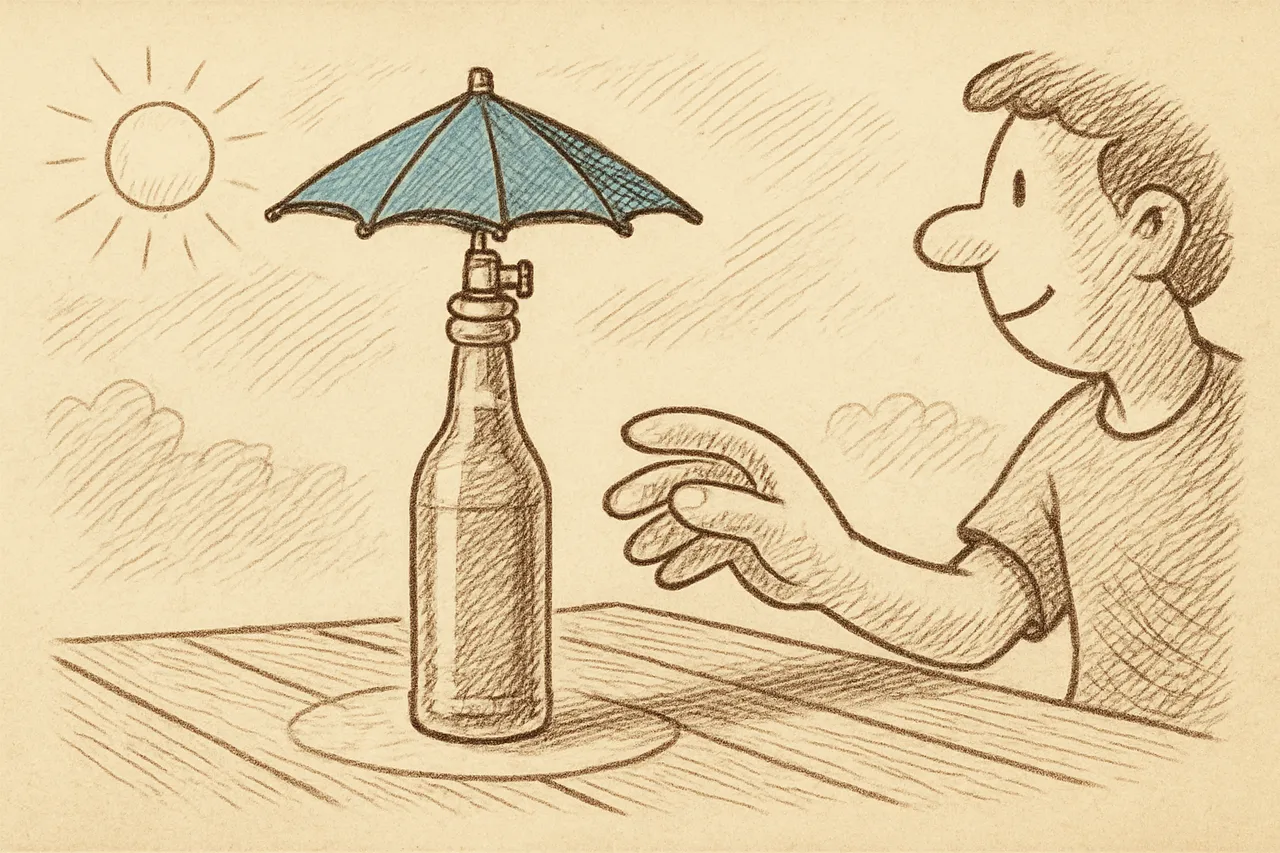
The Beerbrella: A Tiny Umbrella Whose Only Job Is to Shade Your Beer
In 2003, the USPTO granted a patent for a miniature umbrella, roughly the size of a saucer, that clamps onto a beer bottle to keep the sun off it. The name in the official patent title is, in full legal seriousness, the 'Beerbrella.'
Read the story →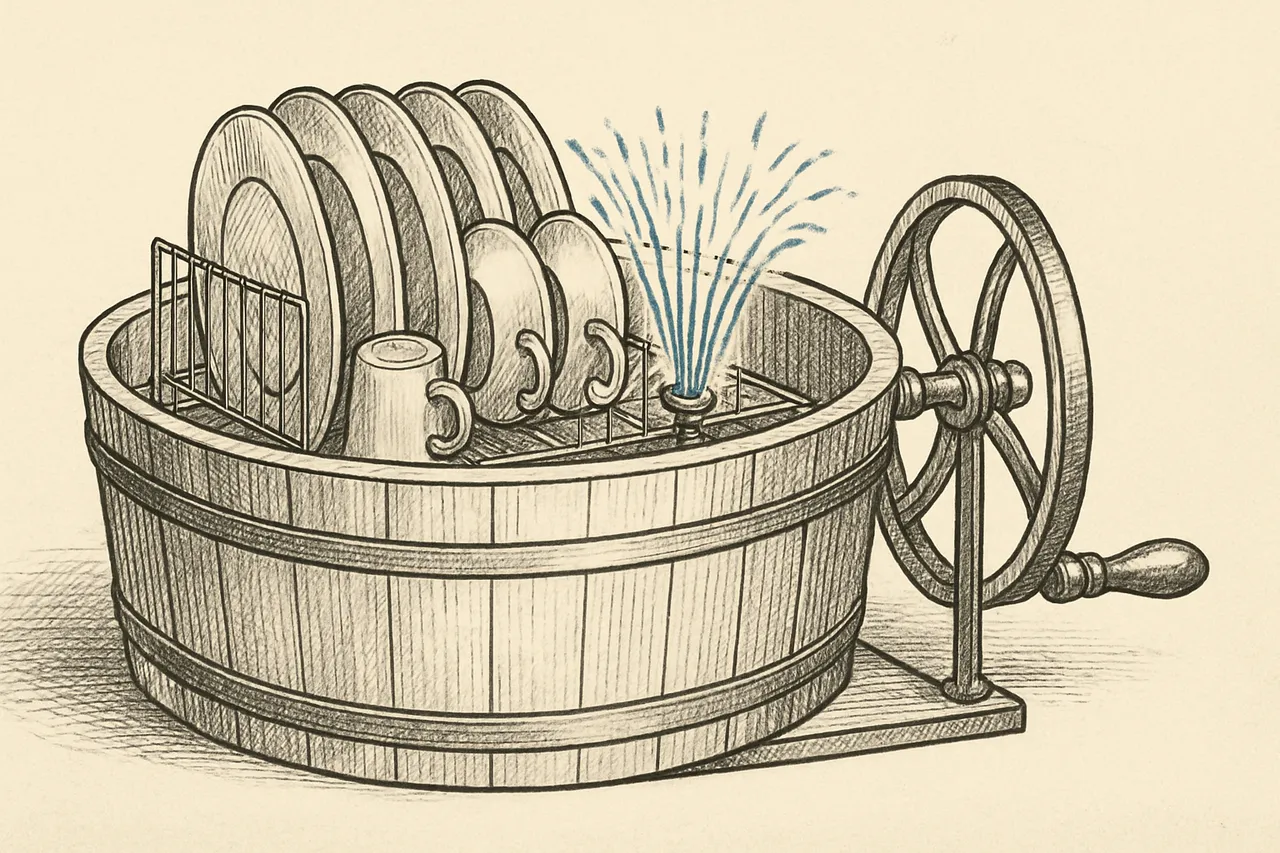
Josephine Cochrane Built the Dishwasher Because Servants Kept Chipping Her China
A wealthy Illinois socialite was tired of her heirloom porcelain being chipped by careless hand-washing. When her husband died and left her in debt, the machine she'd built to protect her dishes became the thing that saved her.
Read the story →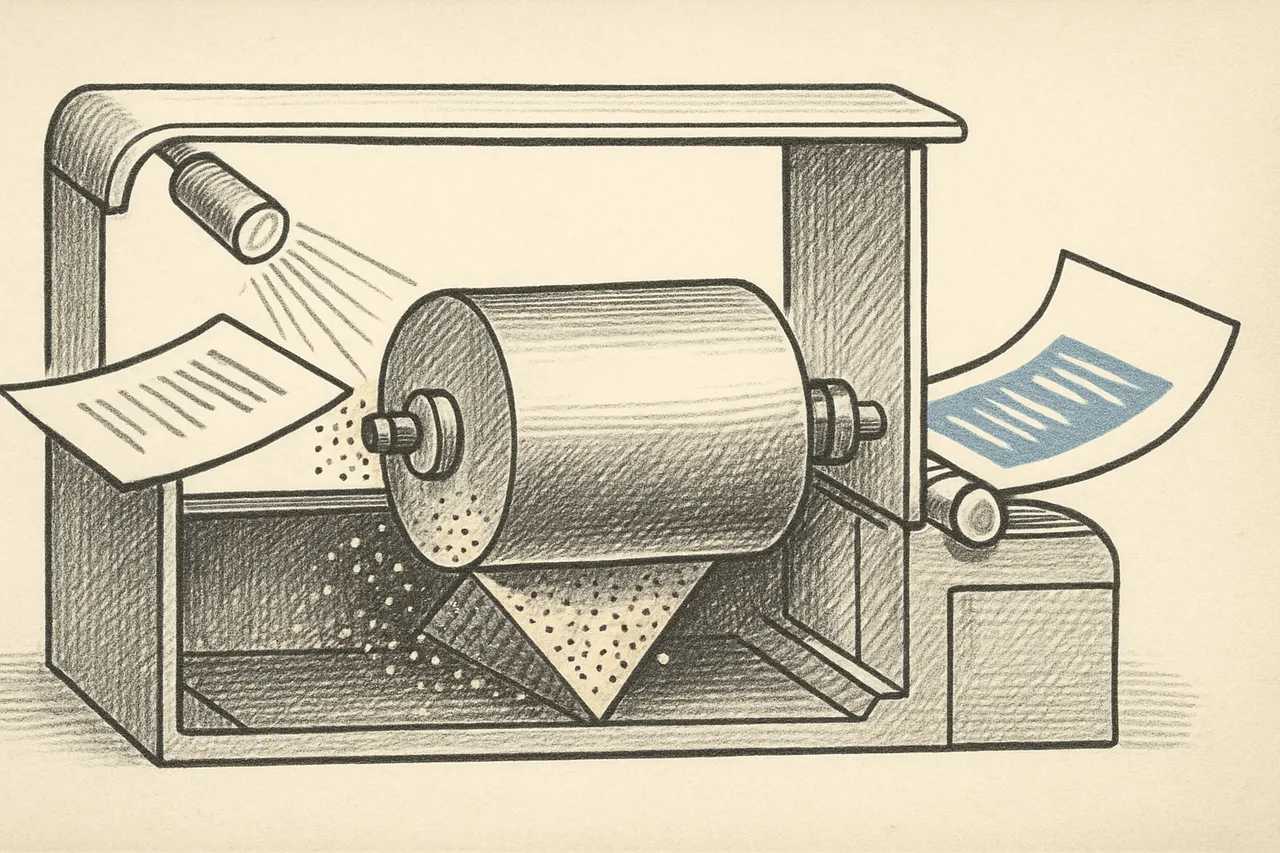
Chester Carlson Invented the Photocopier. Twenty Companies Said No.
A patent attorney tired of copying documents by hand invented dry photocopying in his kitchen in 1938. IBM, Kodak, GE, RCA, and the US Navy all turned it down. The company that finally said yes became Xerox.
Read the story →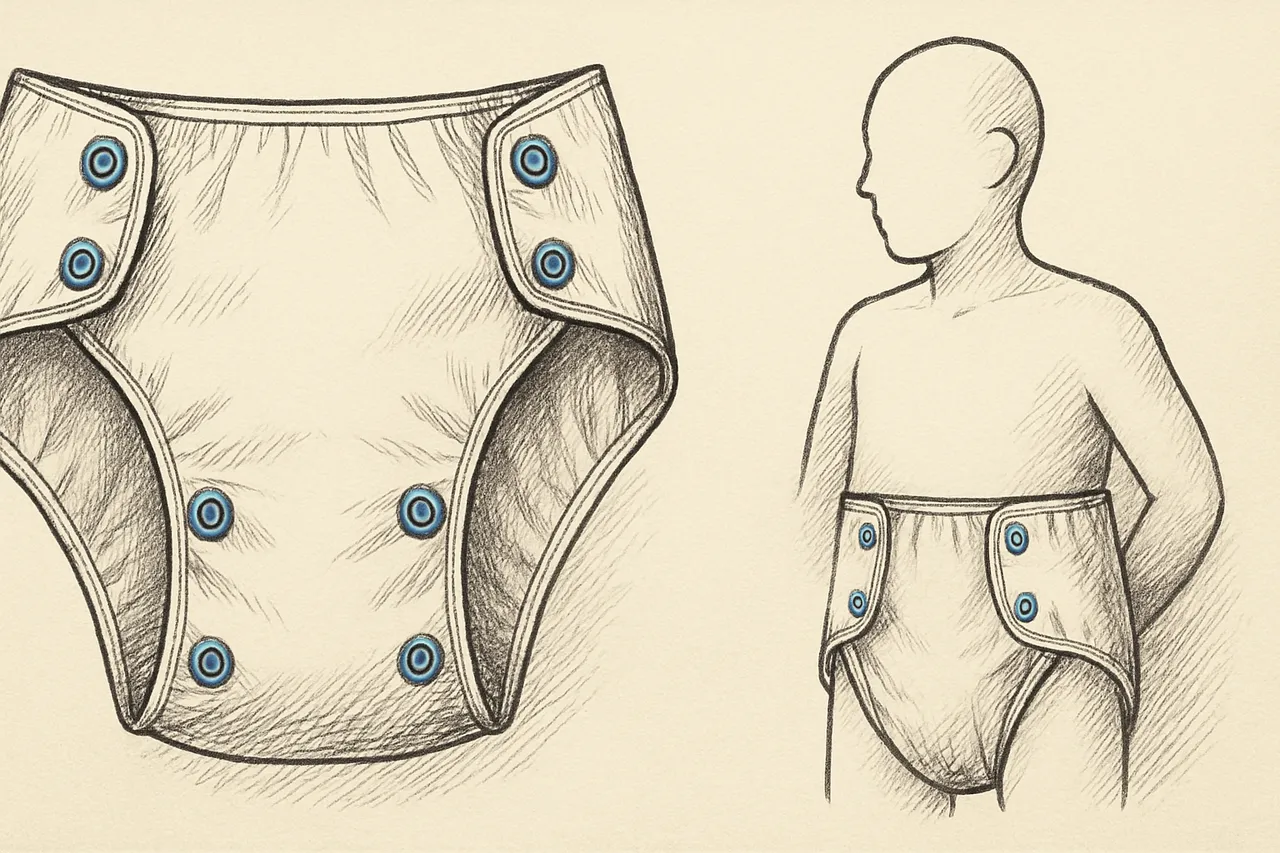
Marion Donovan Invented the Disposable Diaper. Every Manufacturer Turned Her Down.
A young mother cut up a shower curtain to make a leak-proof diaper cover. It worked. When she took the next step — a fully disposable diaper — the industry told her there was no demand. They were wrong by about a decade.
Read the story →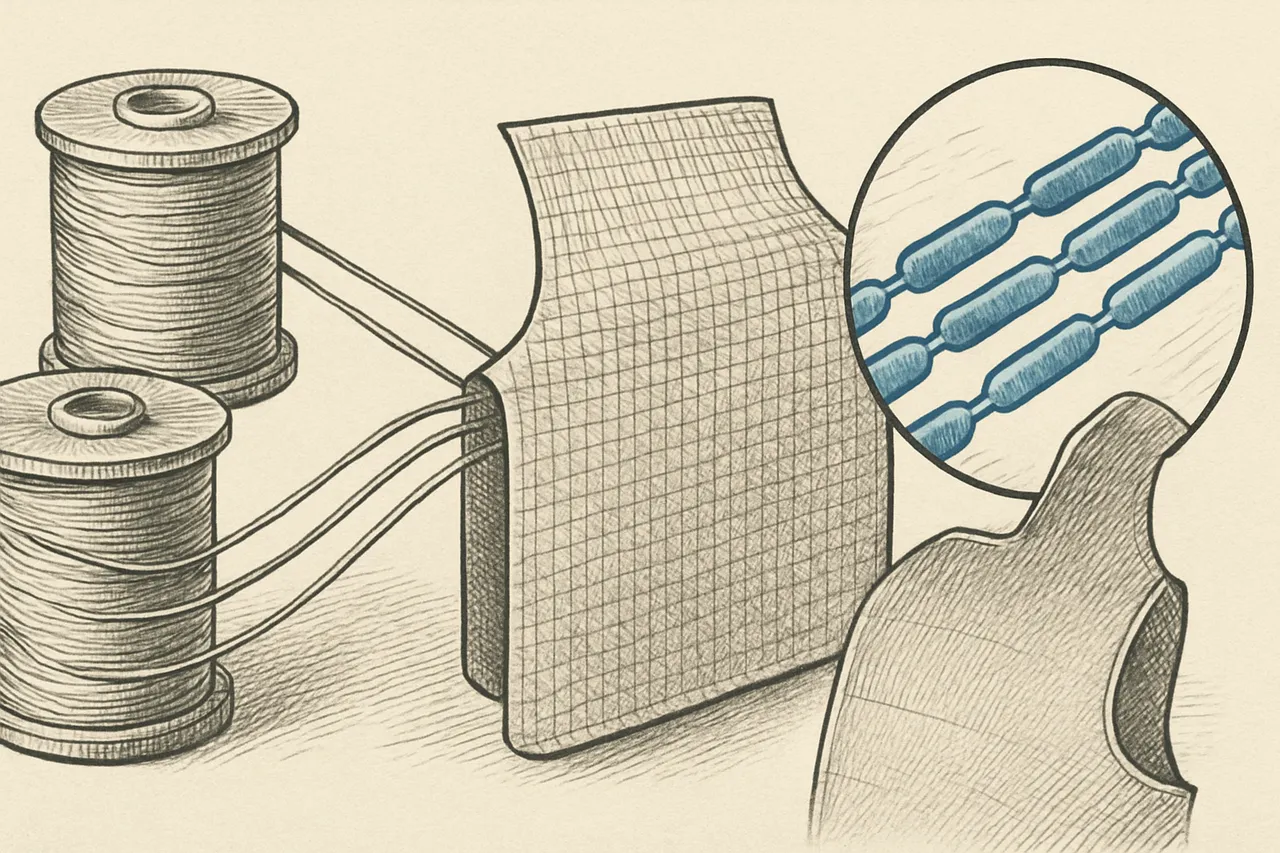
Stephanie Kwolek Invented a Fiber Stronger Than Steel — and It Has Stopped Countless Bullets Since
In 1965, a DuPont chemist was working with a cloudy solution that her colleagues assumed was a mistake and wanted to throw out. She insisted on spinning it into fiber anyway. The result was Kevlar.
Read the story →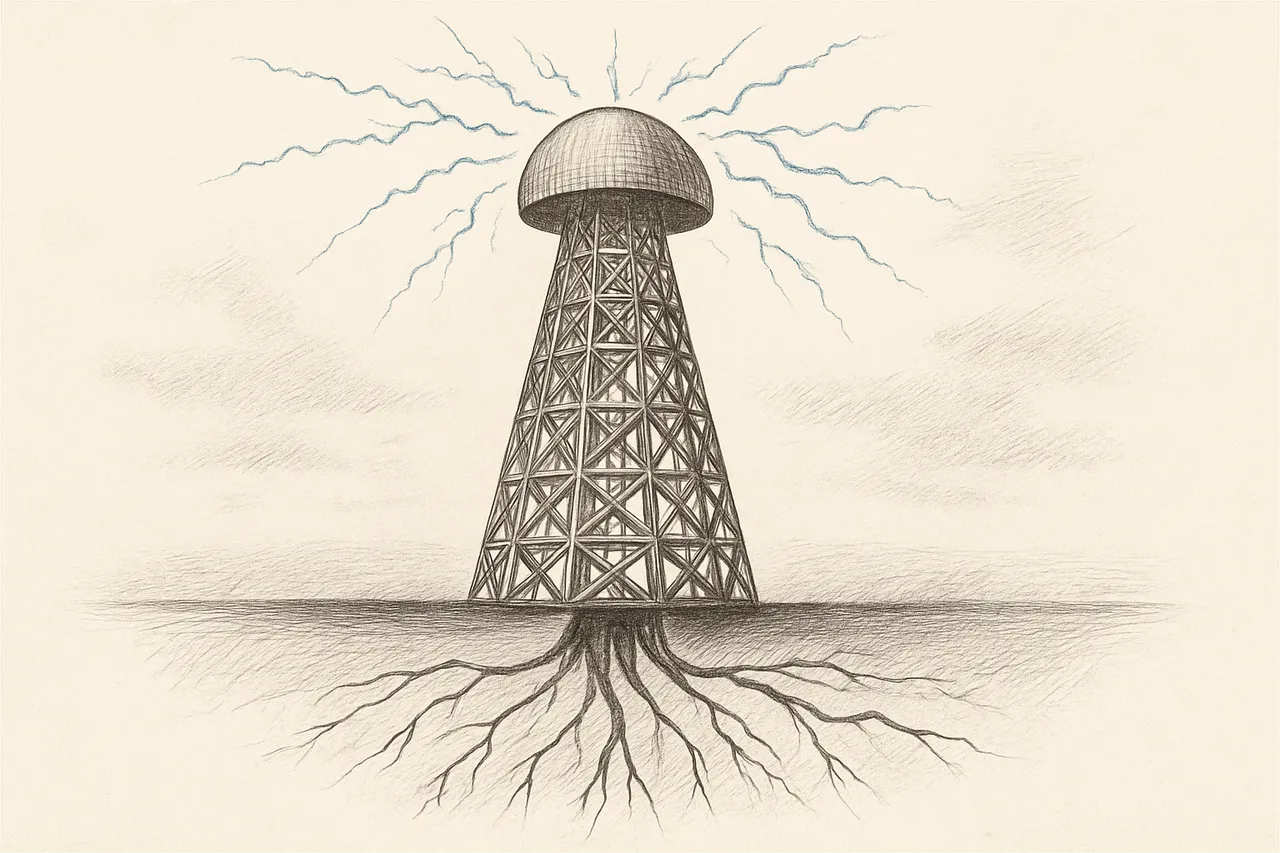
Tesla Patented a Way to Beam Power Through the Earth. Then the Money Ran Out.
Nikola Tesla believed he could transmit electricity wirelessly to anywhere on Earth, using the planet itself as a conductor. He built a 187-foot tower on Long Island to prove it. The patent was granted the same year the tower's funding collapsed for good.
Read the story →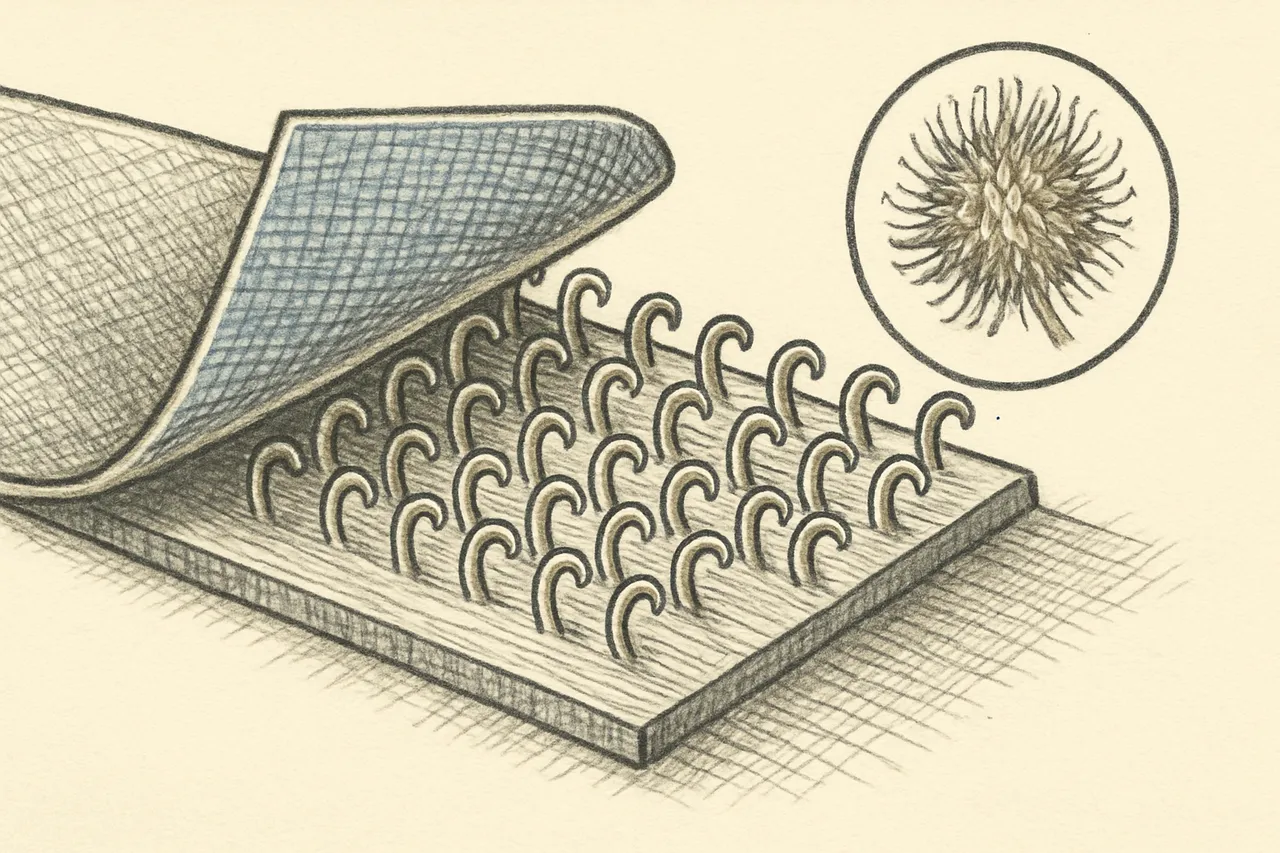
Velcro Was Invented on a Dog Walk
In 1941, a Swiss engineer came home from a hunting trip covered in burrs. Instead of just picking them off, he put one under a microscope. It took him more than a decade to turn what he saw into a patent.
Read the story →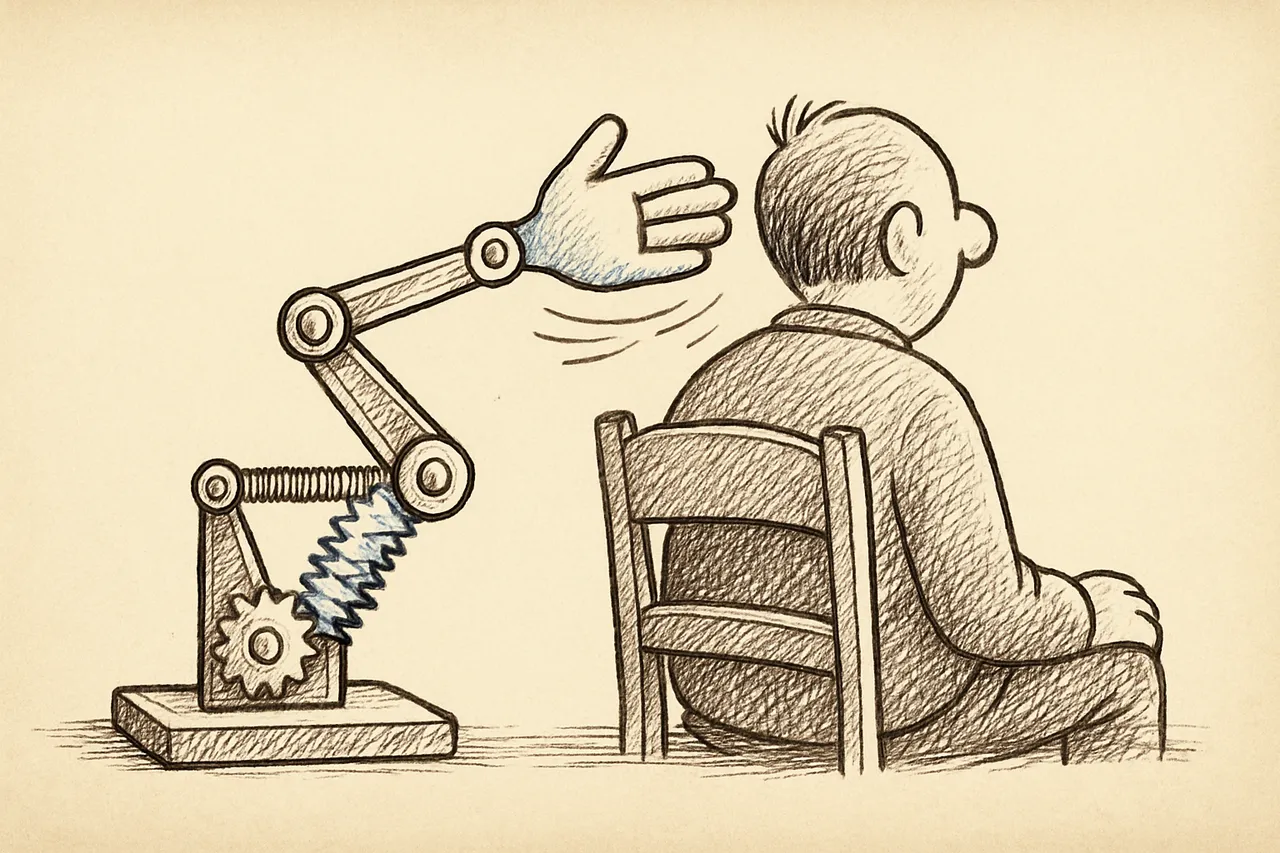
The Patent for Patting Yourself on the Back
In 1986, the USPTO granted a patent for a device consisting of a simulated human hand on a spring-loaded arm, mounted so that a person could reach up, pull it down, and administer a congratulatory pat to their own back.
Read the story →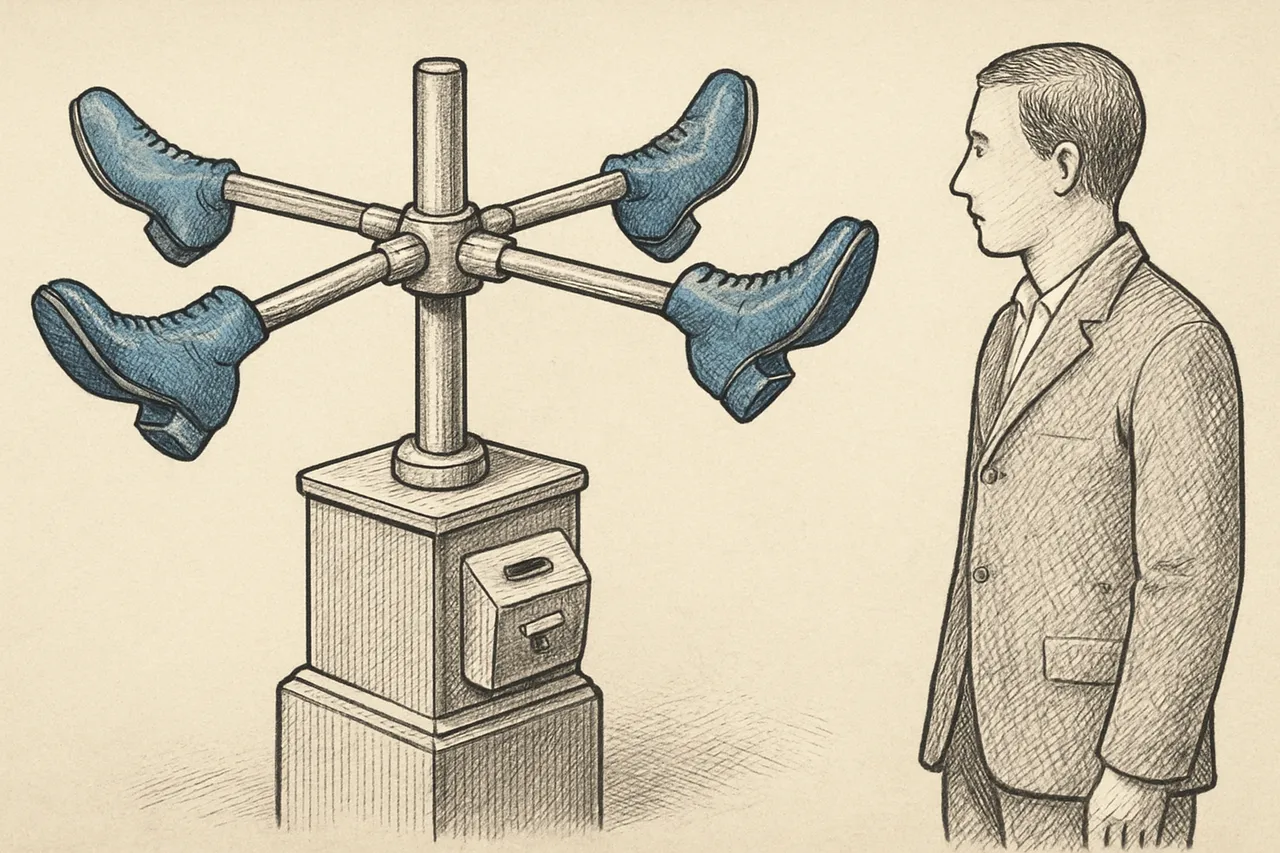
The Patent for a Machine That Kicks You in the Rear
In 2001, the USPTO granted a patent for a coin-operated amusement device whose entire function is to let a user pay to have a rotating boot kick them in the buttocks. It is real, it is fully illustrated, and it is exactly what it sounds like.
Read the story →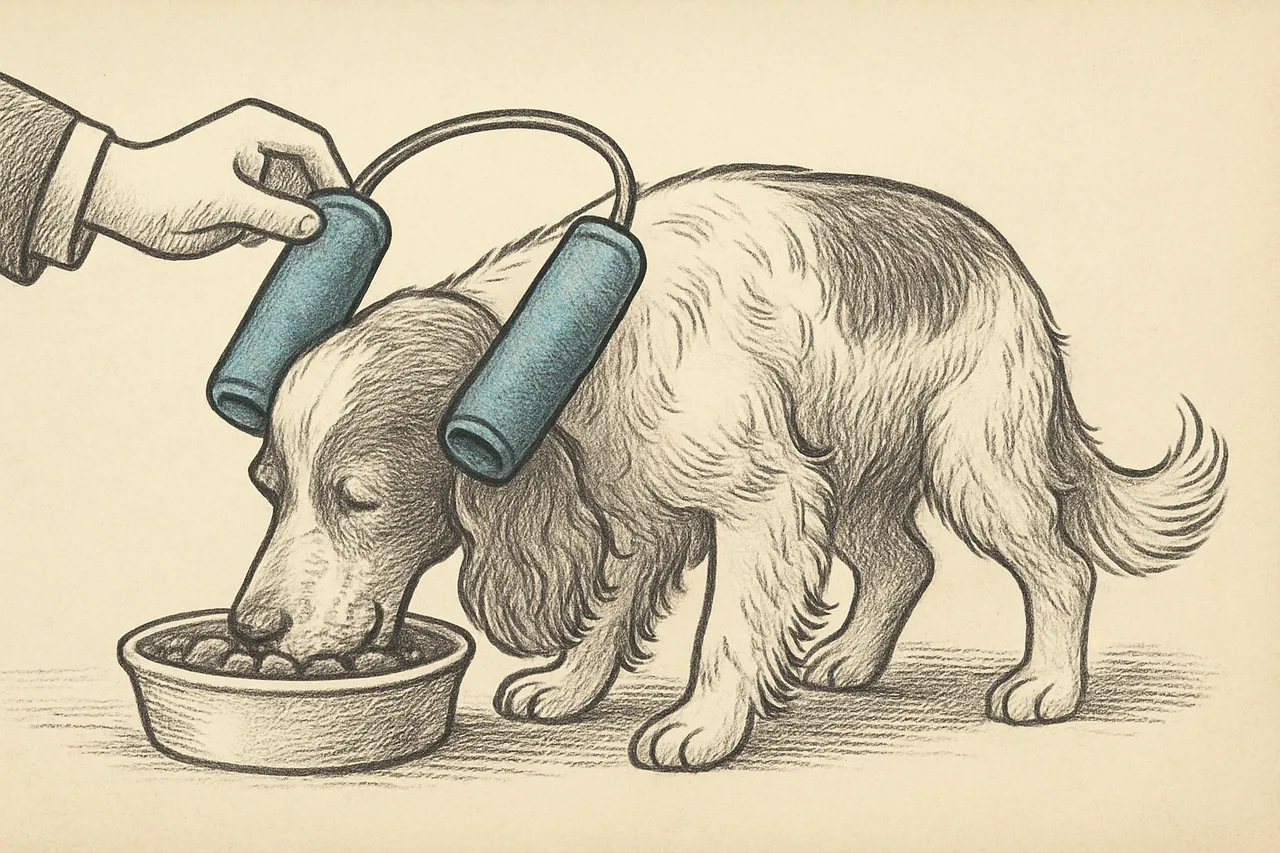
The Patent for Keeping a Dog's Ears Out of Its Food
In 1980, a patent was granted for a set of tubes that slip over the long ears of breeds like spaniels and setters, holding them up and back so they don't drag through the food bowl. It is deeply silly and, if you own such a dog, deeply reasonable.
Read the story →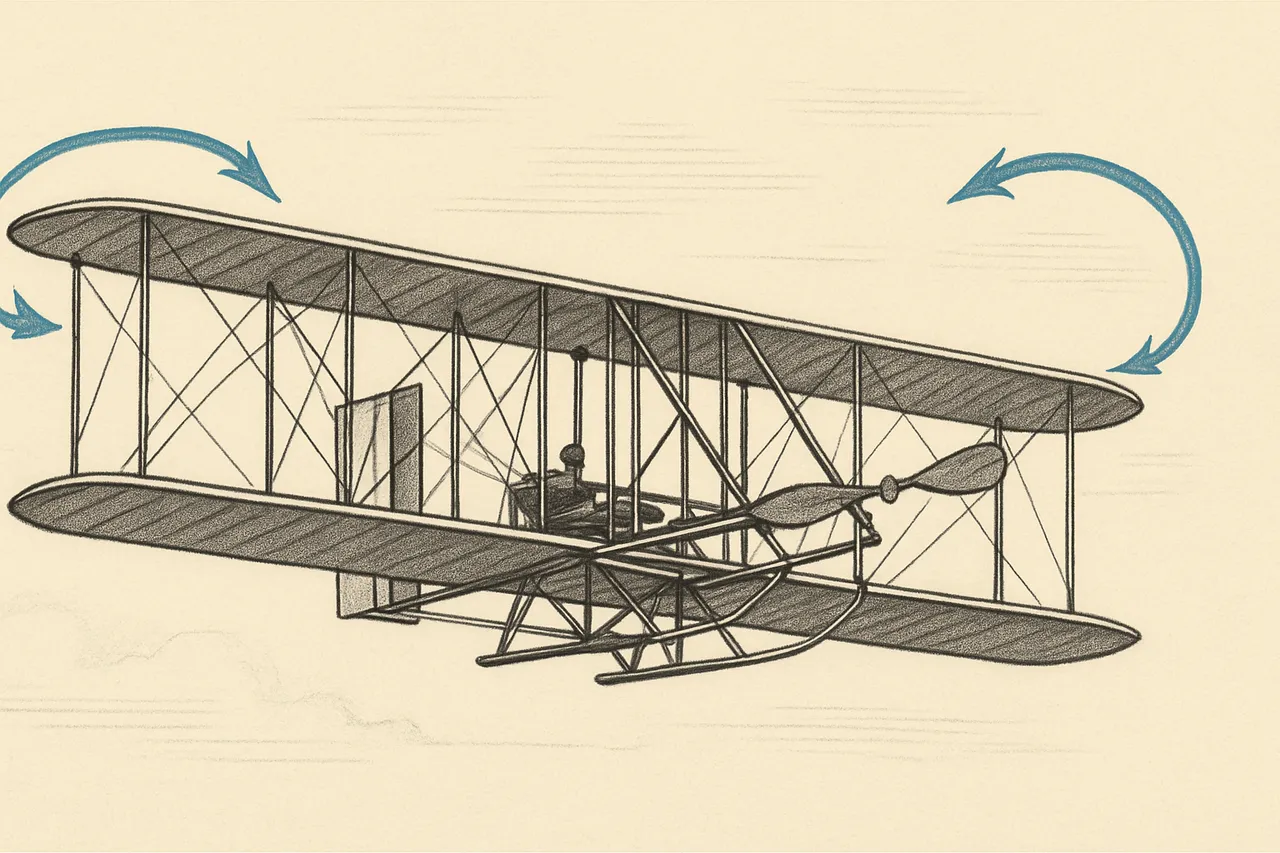
The Wright Brothers' Patent Nearly Grounded American Aviation
The 1906 patent on the 'Flying Machine' didn't just protect the Wright brothers' invention. The way they enforced it triggered a decade of litigation that left American aircraft design years behind Europe's by the time World War I began.
Read the story →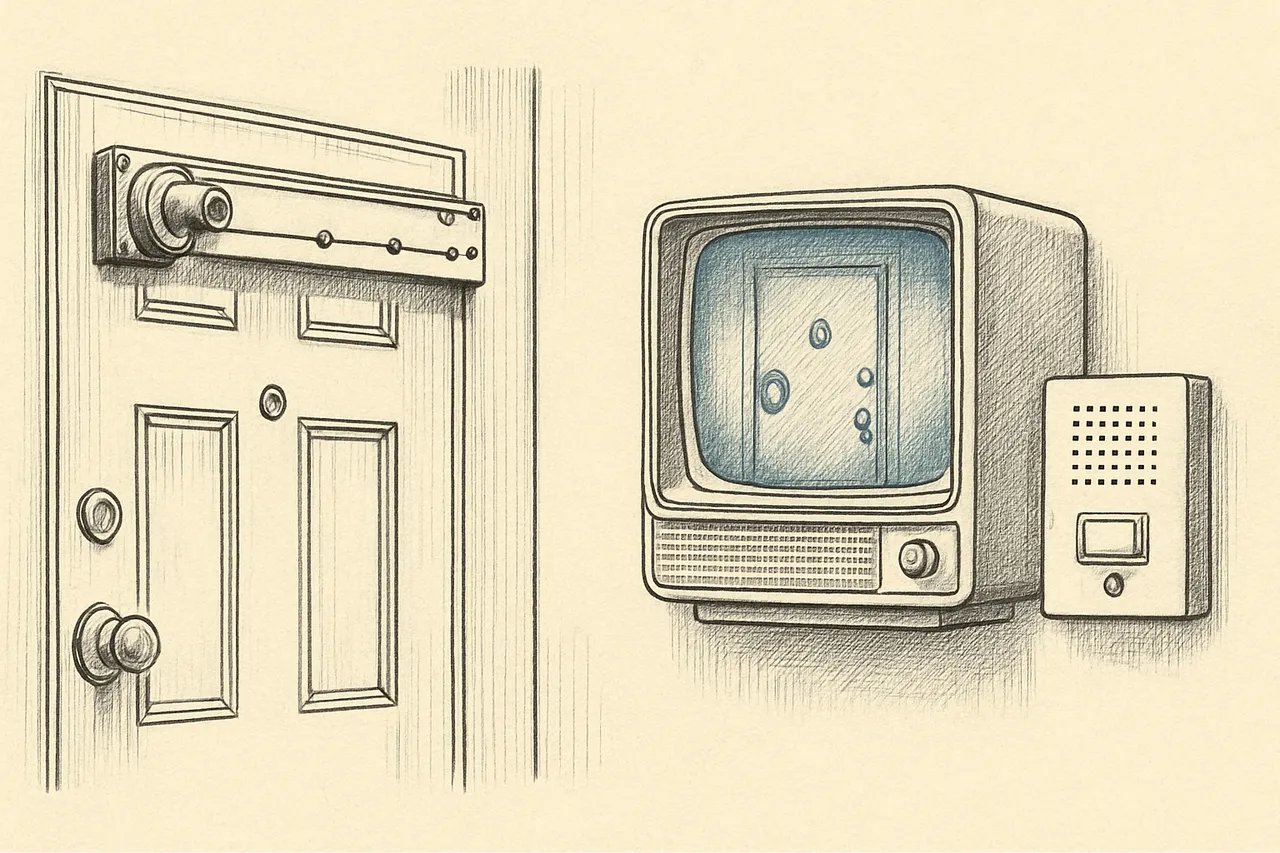
A Nurse in Queens Invented Home Security in 1966
Marie Van Brittan Brown worked irregular nursing shifts in a high-crime neighborhood and didn't feel safe answering her door. So she and her husband designed — and patented — the first home security system with closed-circuit cameras, a remote door release, two-way audio, and a panic button. Decades before any of it was commercial.
Read the story →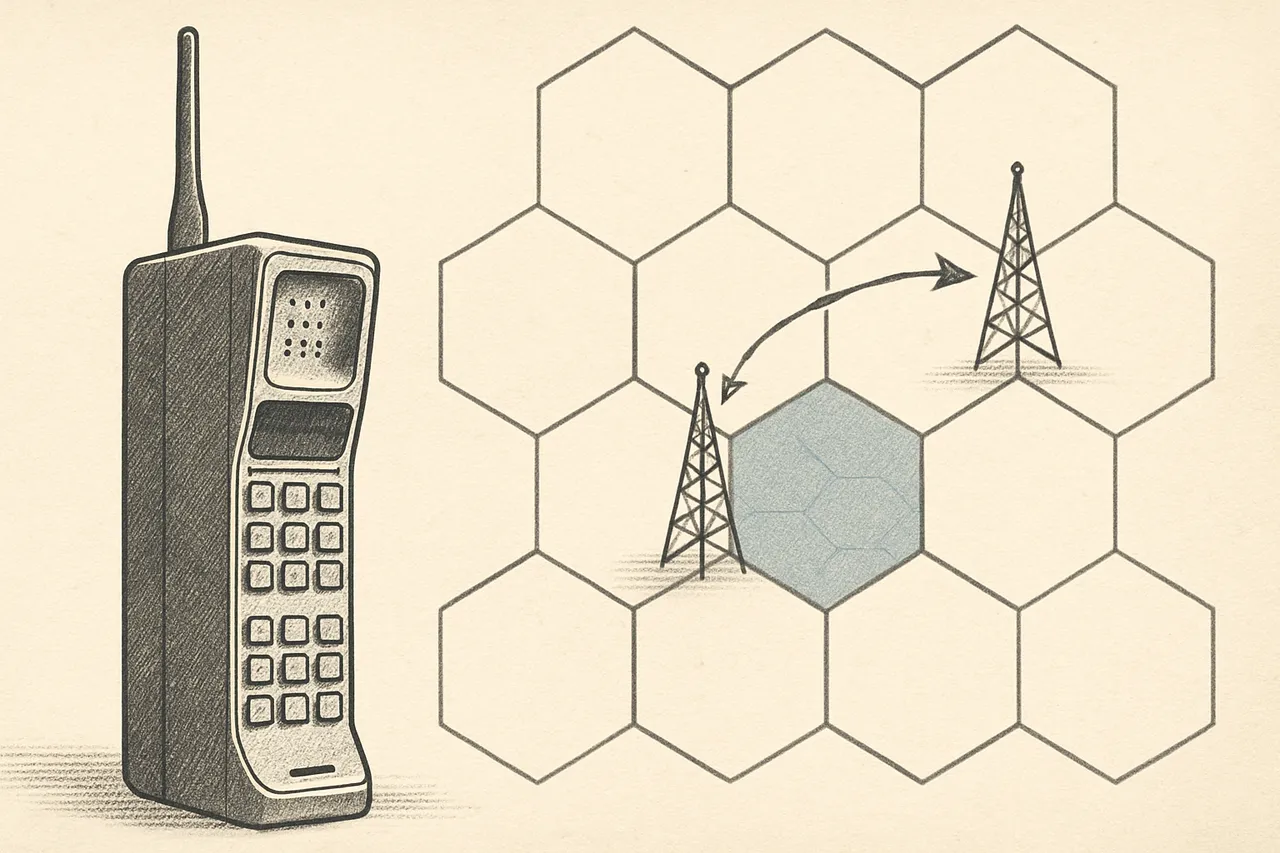
He Made the First Cell Phone Call to Gloat at His Rival
On a Manhattan sidewalk in April 1973, Motorola's Martin Cooper placed the first handheld cellular phone call. He dialed the head of the competing team at Bell Labs — specifically to tell him he'd lost the race. The patent was filed six months later.
Read the story →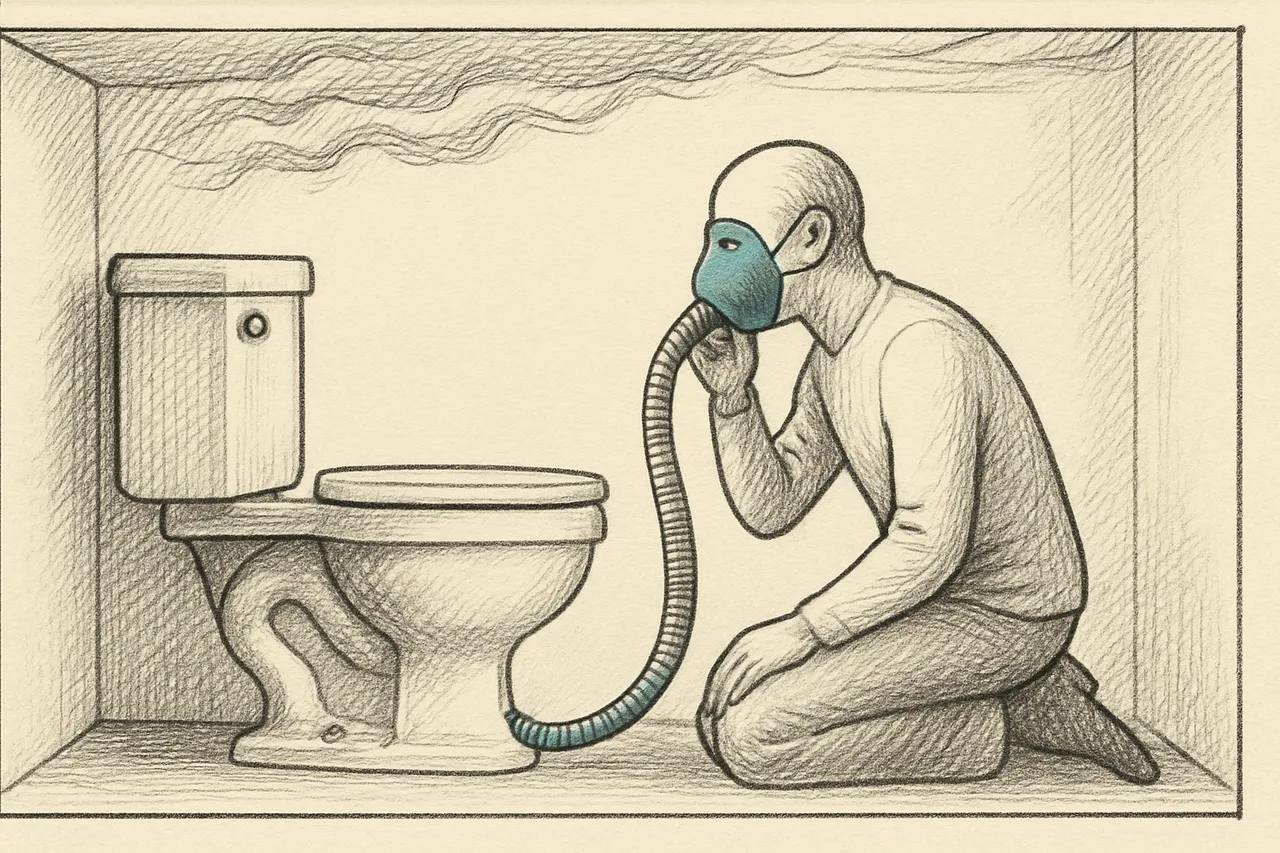
The Patent for Surviving a Fire by Breathing Through the Toilet
In 1982, an inventor received a US patent for a fresh-air breathing device intended for high-rise fires. The device was a snorkel. You inserted it past the water in the toilet bowl and breathed the fresh air drawn down the plumbing's vent stack.
Read the story →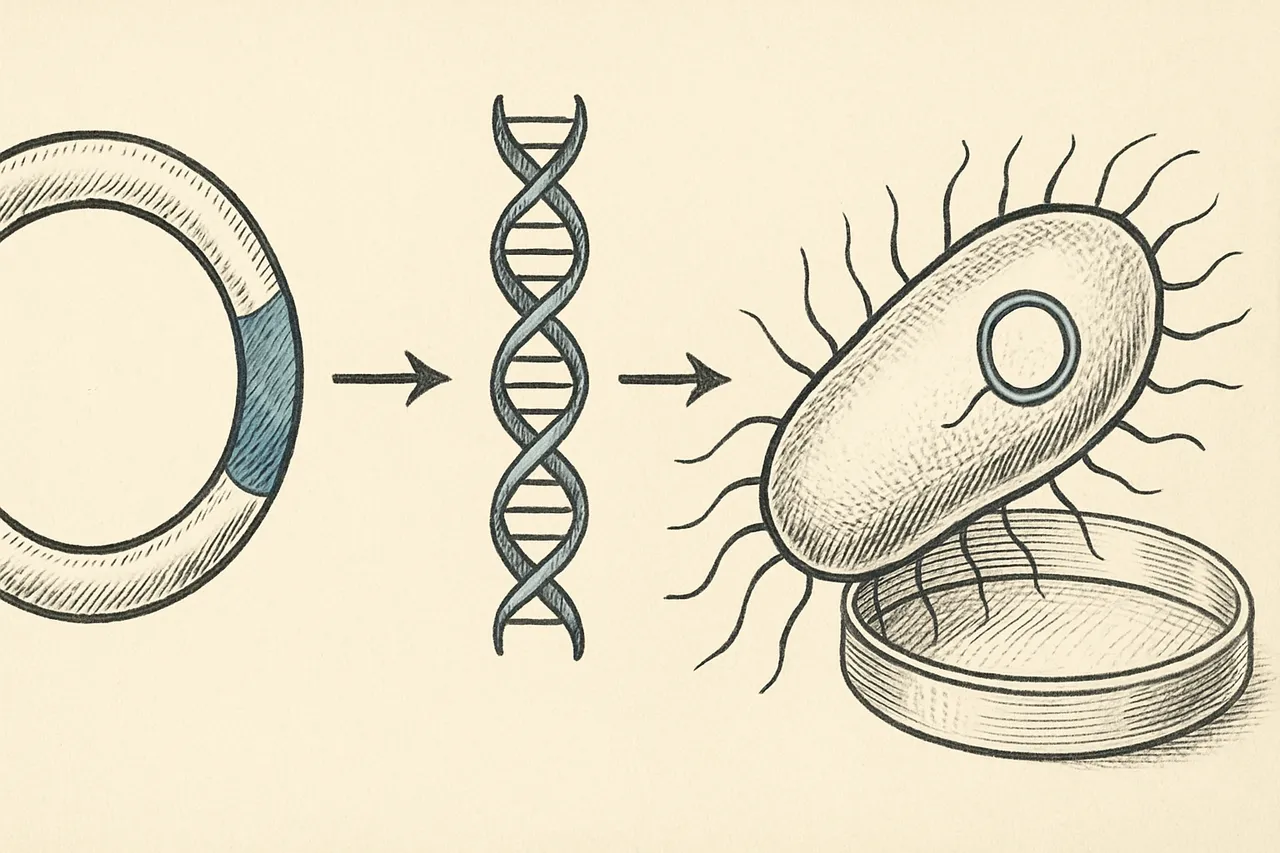
Cohen and Boyer Patented the Tools That Built Biotech
In 1980, Stanford University was granted a patent for a method of splicing DNA from one organism into another. The patent generated roughly $255 million in licensing fees before it expired — and made every recombinant drug in modern medicine legally possible.
Read the story →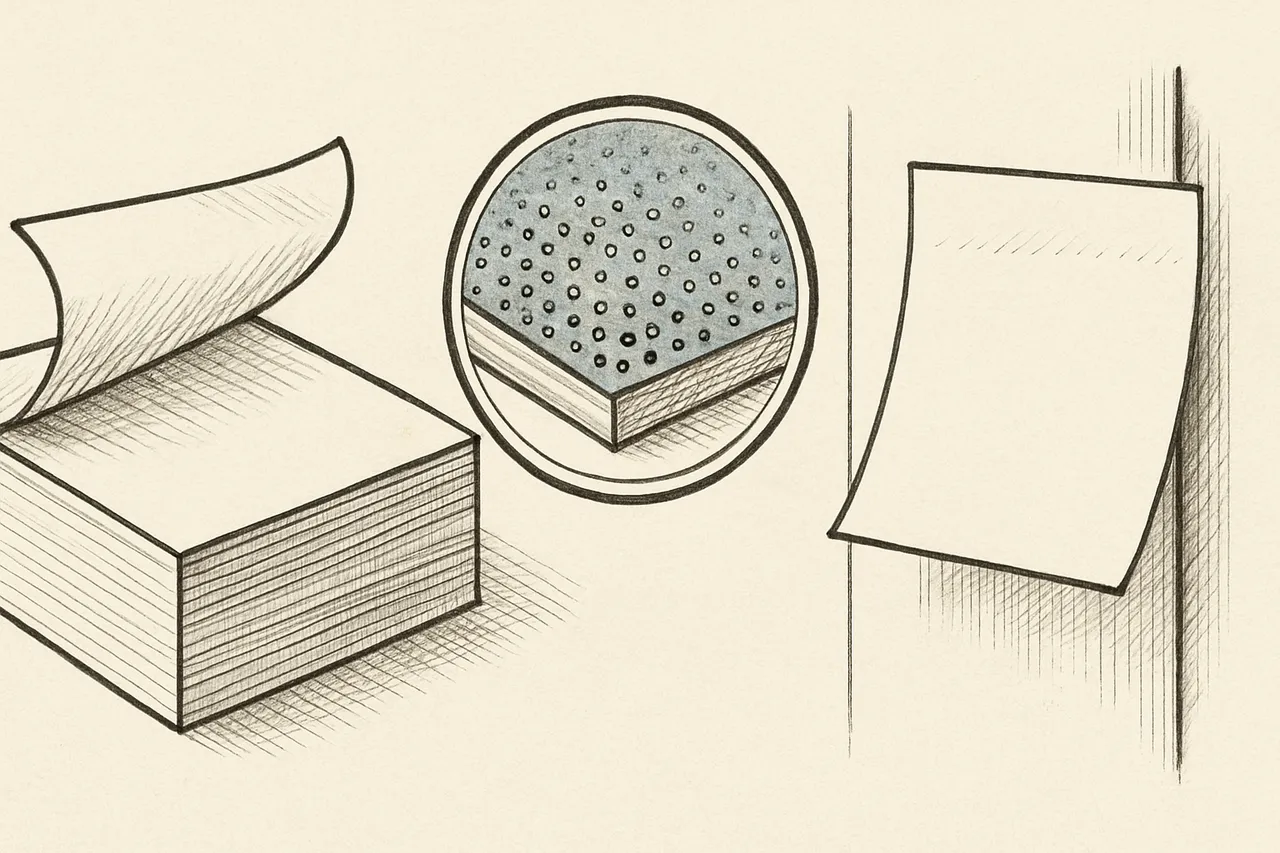
Spencer Silver Invented an Adhesive No One Wanted for Twelve Years
In 1968, a 3M chemist named Spencer Silver was trying to make a stronger adhesive. He accidentally made a weaker one that didn't stick permanently. The product it eventually became — Post-it Notes — did not ship for another twelve years.
Read the story →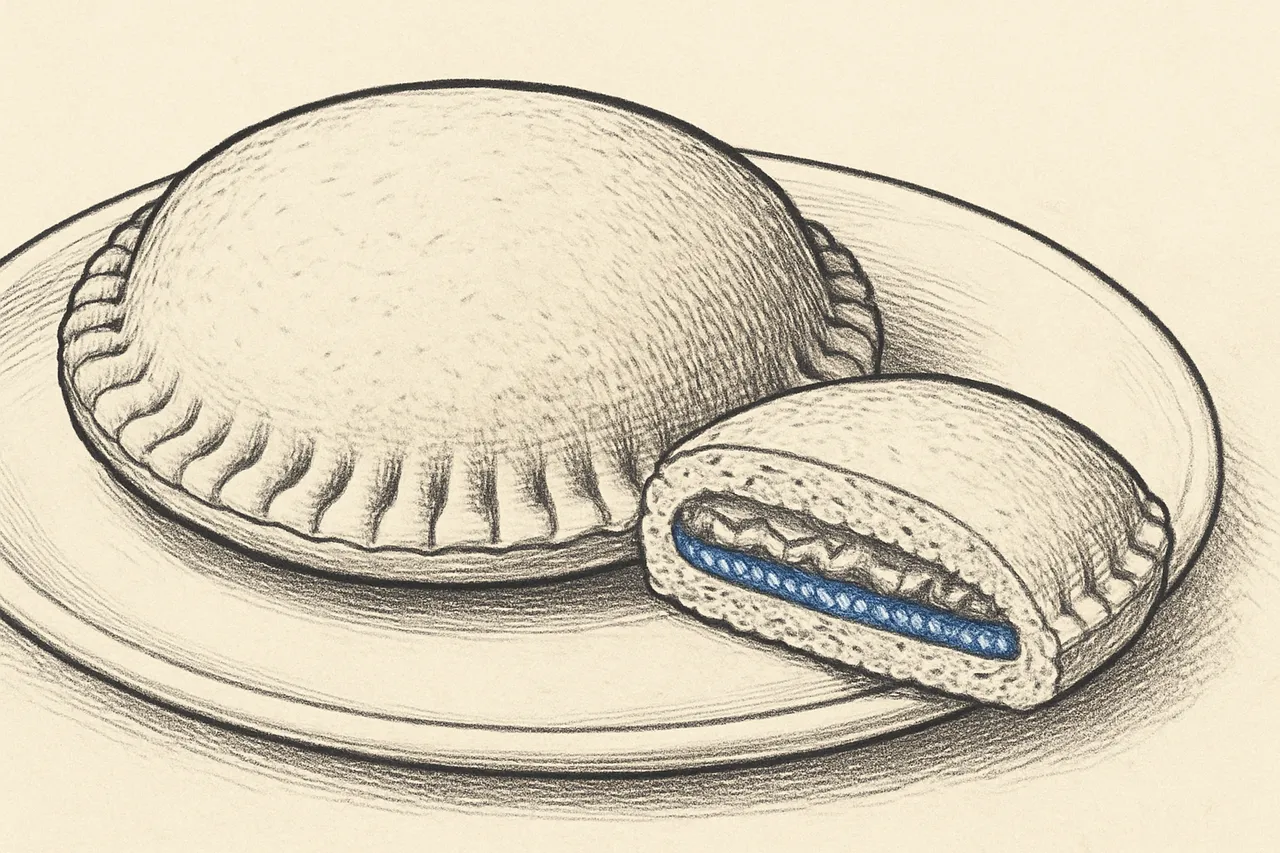
Smucker's Patented the Peanut Butter and Jelly Sandwich
In 1999, the J.M. Smucker Company received a US patent on a 'Sealed Crustless Sandwich.' For seven years, the company sent cease-and-desist letters to small-town caterers, school lunch programs, and competing sandwich makers, before the patent was finally pulled apart on reexamination.
Read the story →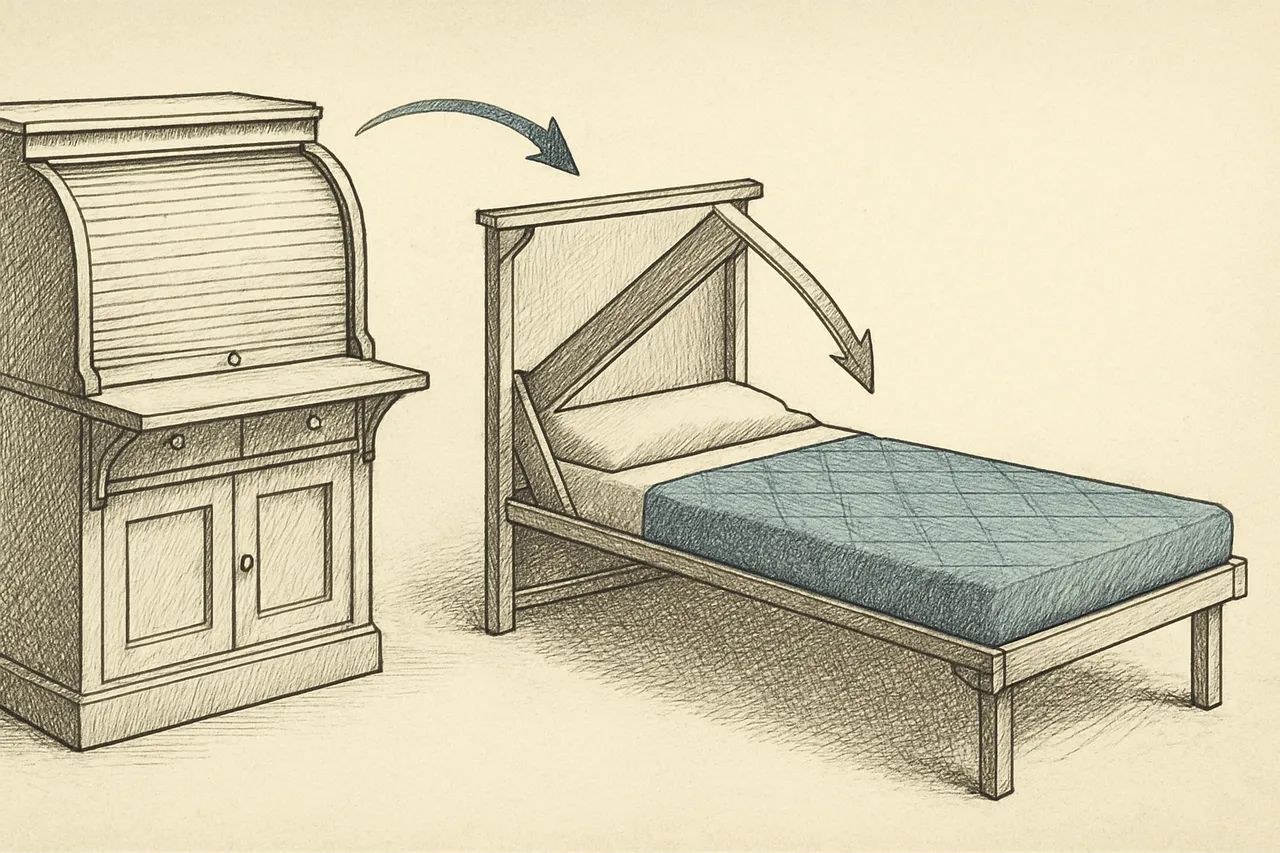
Sarah Goode Patented a Bed That Hid Inside a Desk
Sarah E. Goode was born in slavery in 1855. By 1885 she owned a furniture store on Chicago's South Side and held the first US patent ever granted to an African-American woman — for a folding cabinet bed designed to make tenement apartments livable.
Read the story →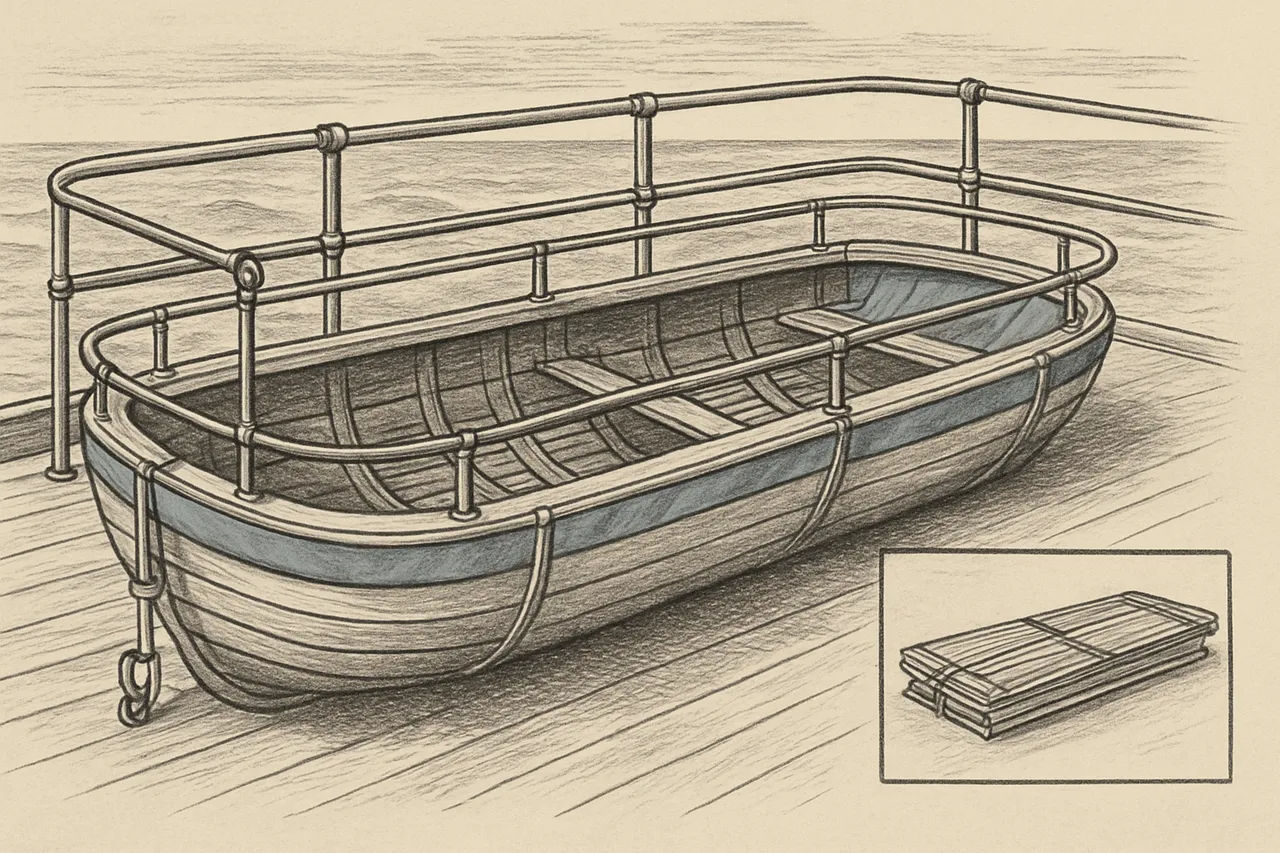
Maria Beasley Patented a Fireproof Folding Life Raft in 1880. The Story That It Was on the Titanic Doesn't Hold Up.
Maria Beasley's 1880 life raft folded flat out of hinged metal floats and was built not to burn. It is often said to have saved Titanic passengers. It did not, and her real fortune came from machines for making barrels.
Read the story →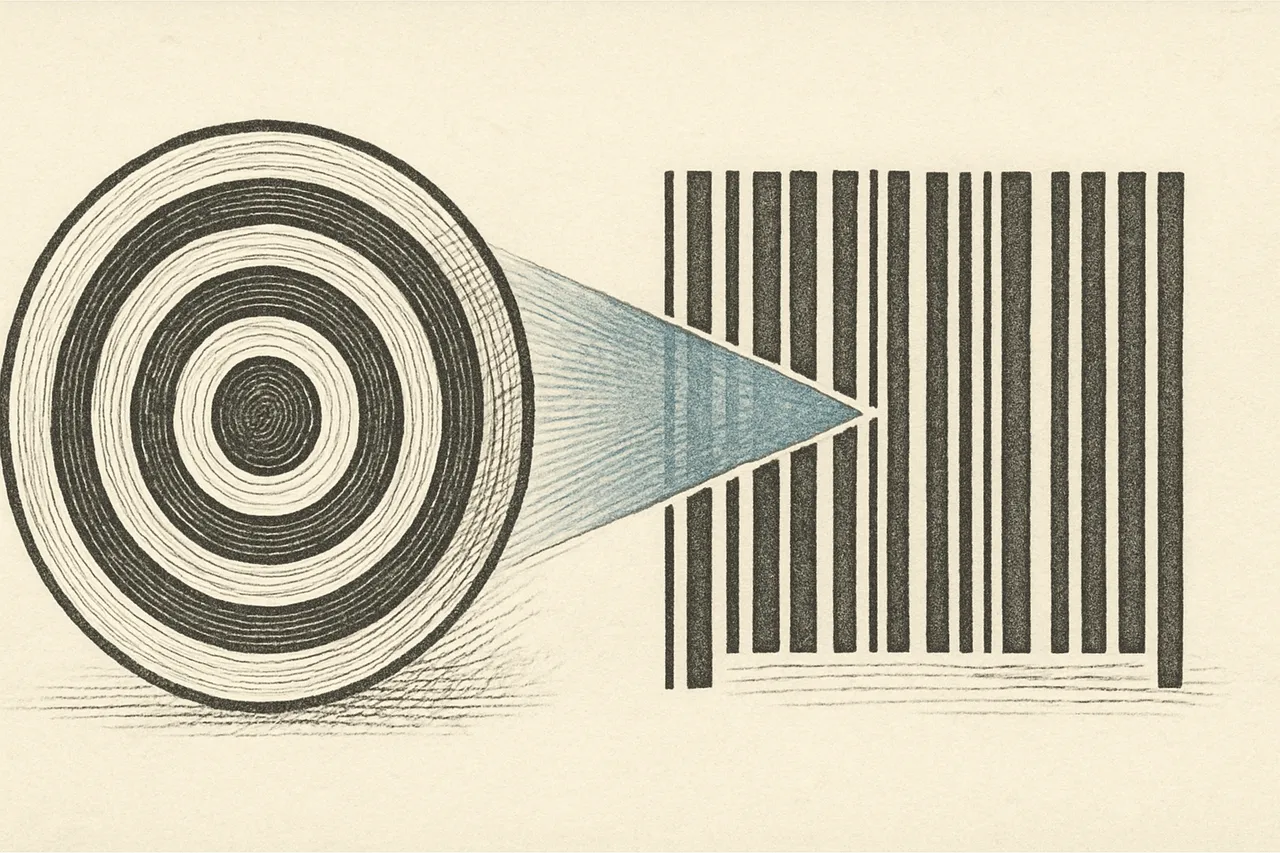
They Patented the Barcode and Sold It for Fifteen Thousand Dollars
In 1949, two graduate students at Drexel filed a patent for a 'classifying apparatus' that used printed concentric circles to identify items at a checkout counter. The patent expired in 1969 — five years before the first barcode was ever scanned in a grocery store.
Read the story →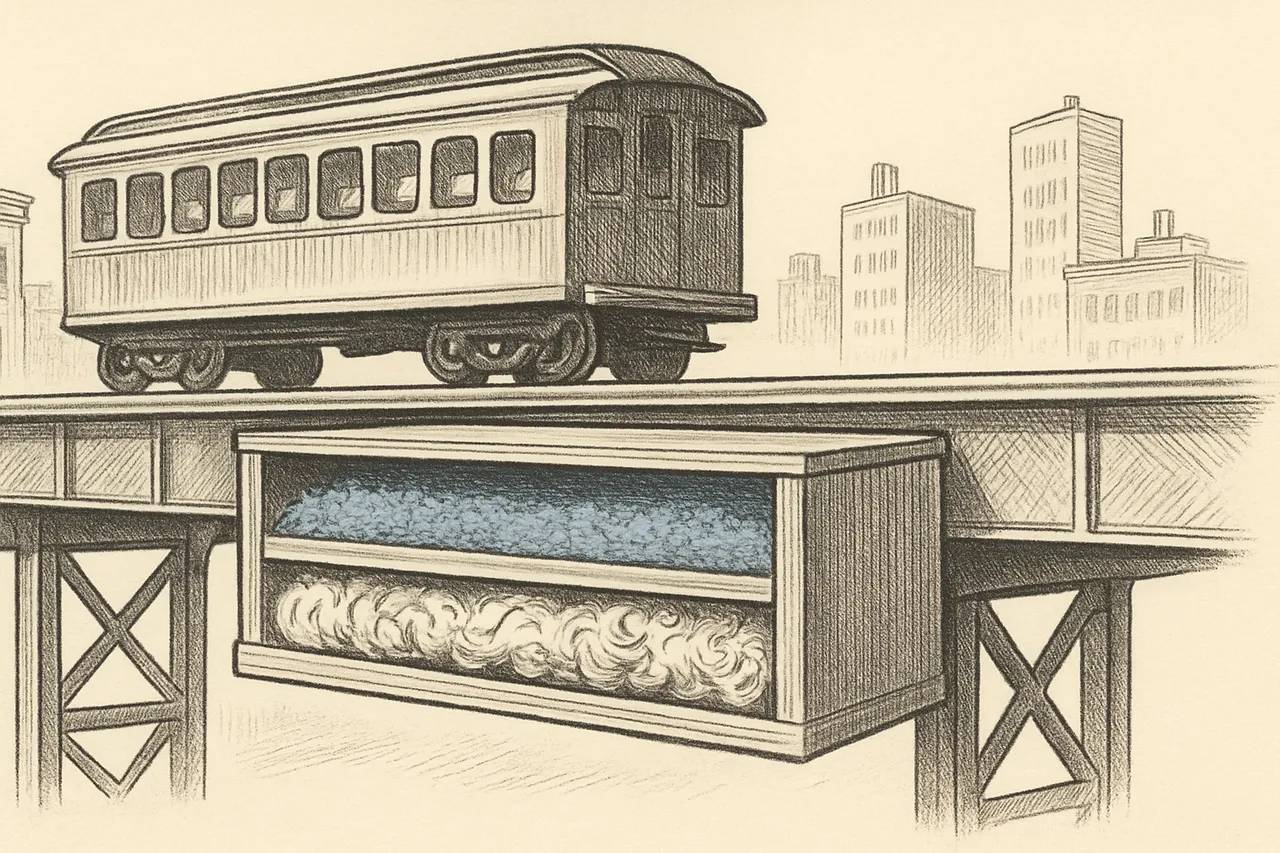
Mary Walton Made New York Quieter
By 1881, the elevated trains running through Manhattan had made the city deafening. Mary Walton — an inventor in her sixties — patented a system that absorbed the vibration before it could resonate through the iron structure. She sold the rights to the railway for ten thousand dollars.
Read the story →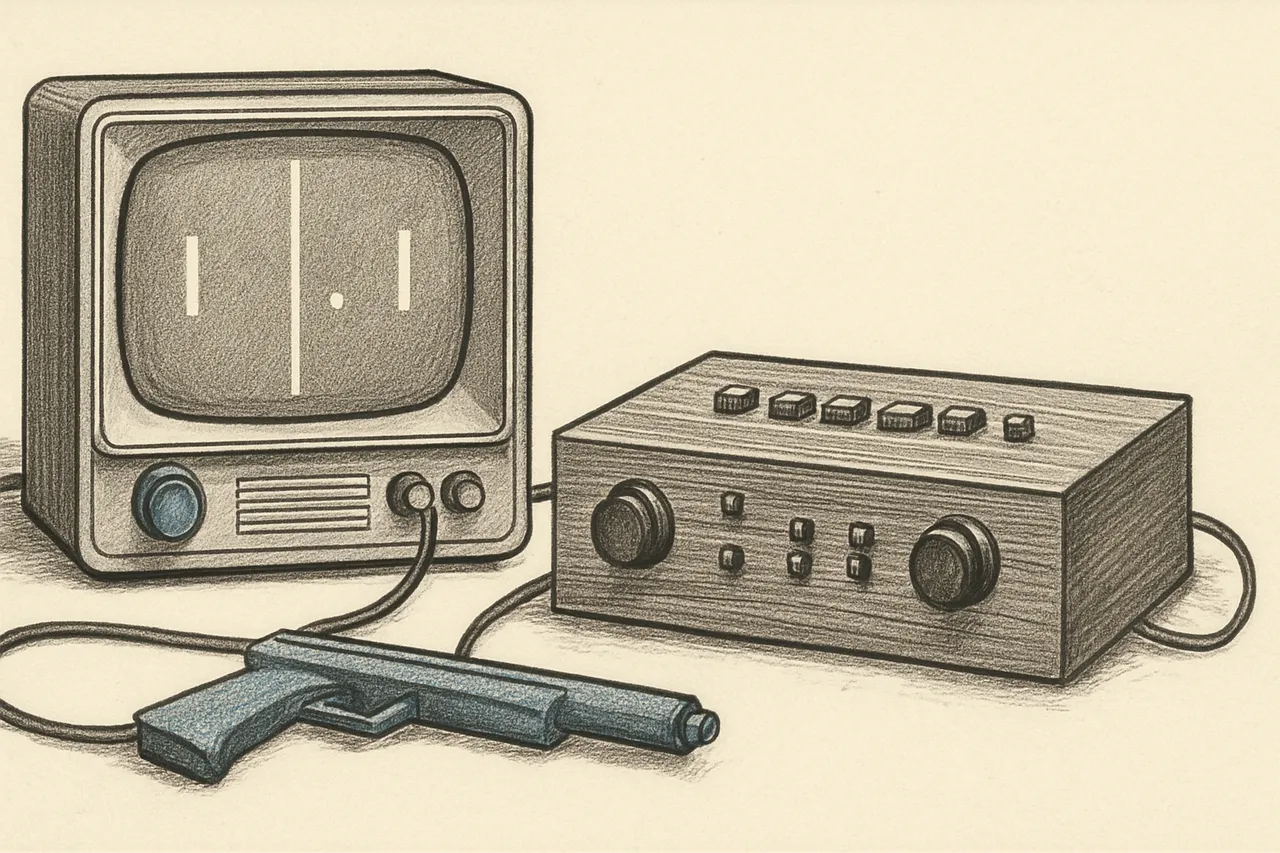
He Patented Video Games in 1971. Nobody Knew What They Were Looking At.
Ralph Baer was a senior engineer at a defense electronics company in New Hampshire when he wrote a four-page memo in 1966 proposing that televisions could be used to play games. His employer was the only one who took him seriously. The patent eventually built a two-hundred-billion-dollar industry.
Read the story →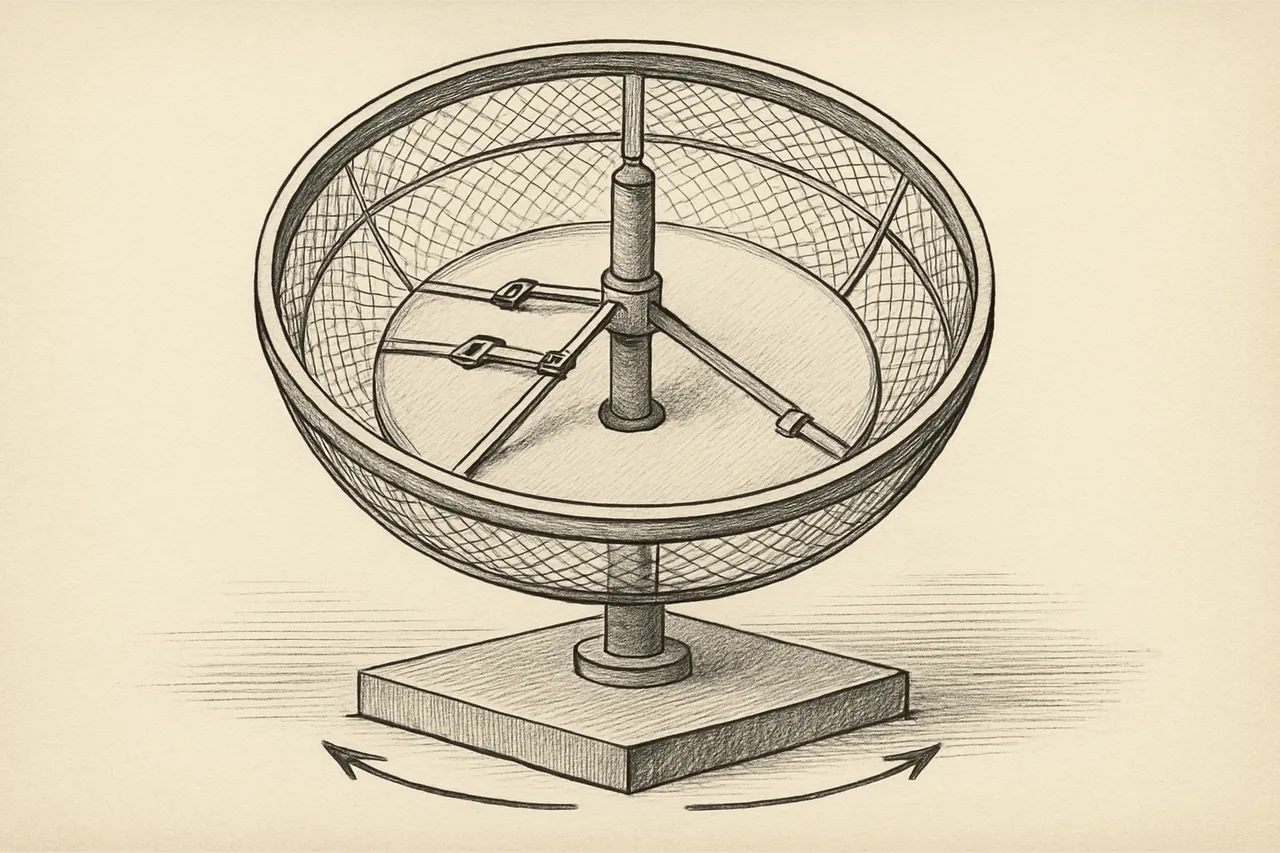
The Patent for Birthing a Baby by Centrifugal Force
In 1965, a New York couple named George and Charlotte Blonsky received a US patent for a machine that spun a woman in labor on a rotating turntable, using centrifugal force to deliver the child. They were entirely sincere. They had detailed engineering drawings.
Read the story →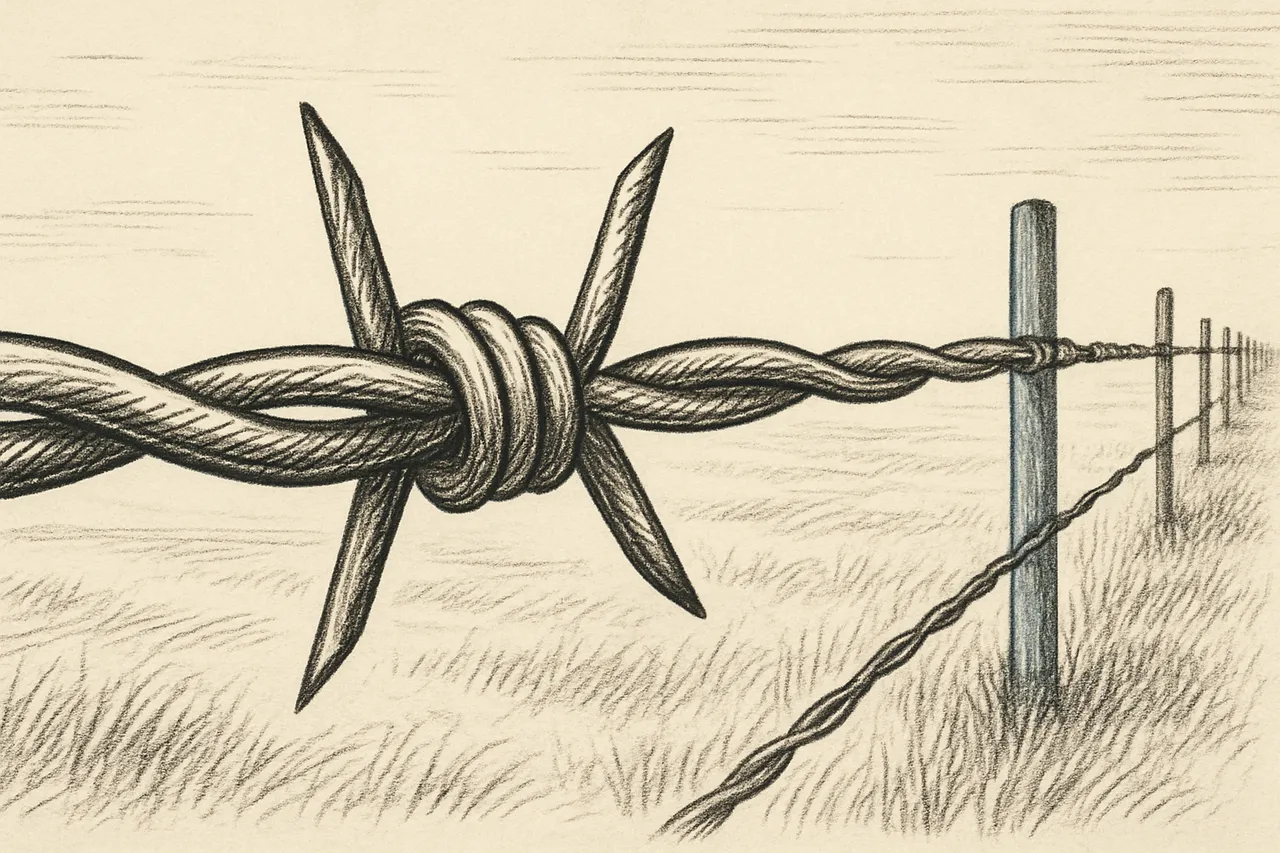
The Patent That Fenced the American West
In 1874, an Illinois farmer named Joseph Glidden was granted a patent for a wire fence with sharp points twisted into it. Within ten years, the open range of the American West had effectively ceased to exist.
Read the story →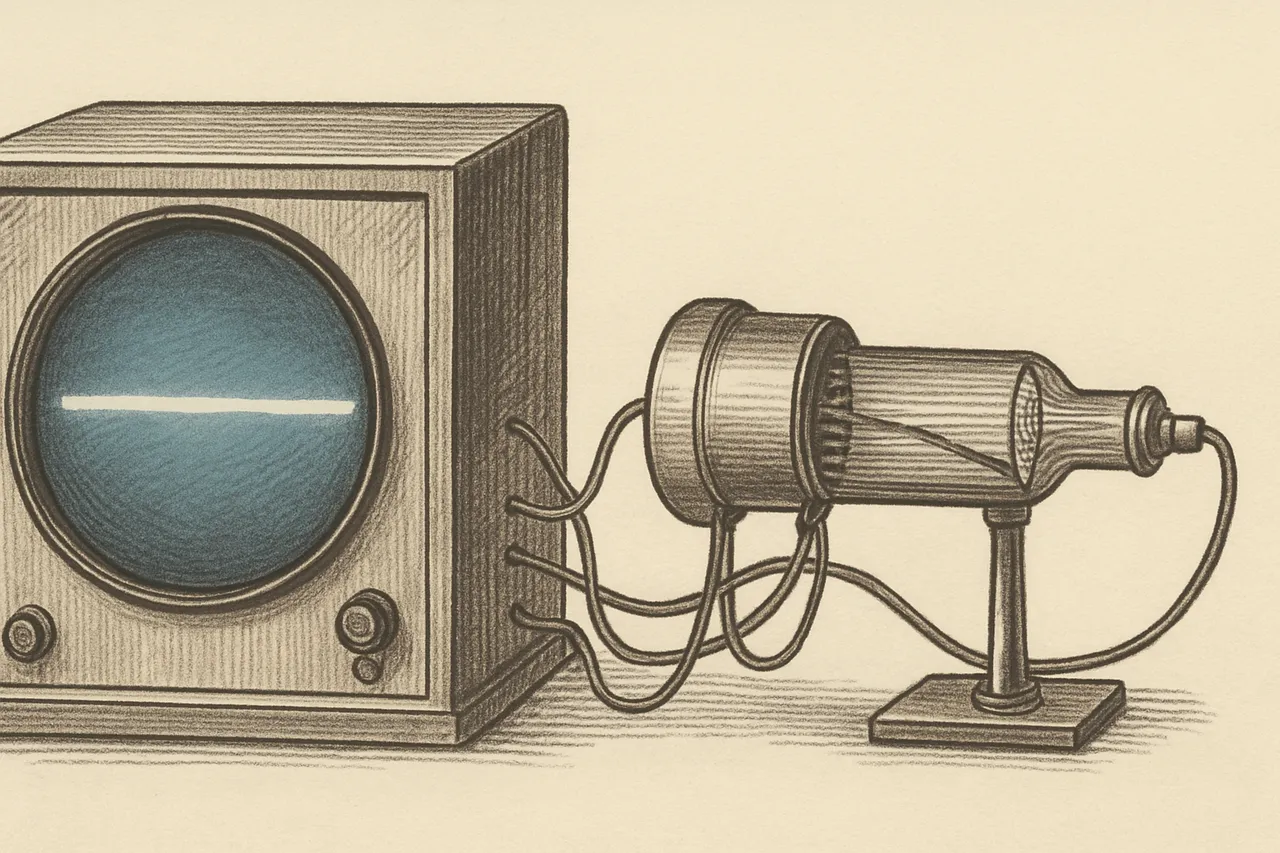
Philo Farnsworth Sketched Television in a Potato Field at Fourteen
A Mormon farm boy in Idaho realized in 1921 that an electron beam could scan an image one row at a time, just like the rows under his plow. Six years later, at age twenty, he filed the patent. The fight to keep it from RCA consumed the rest of his life.
Read the story →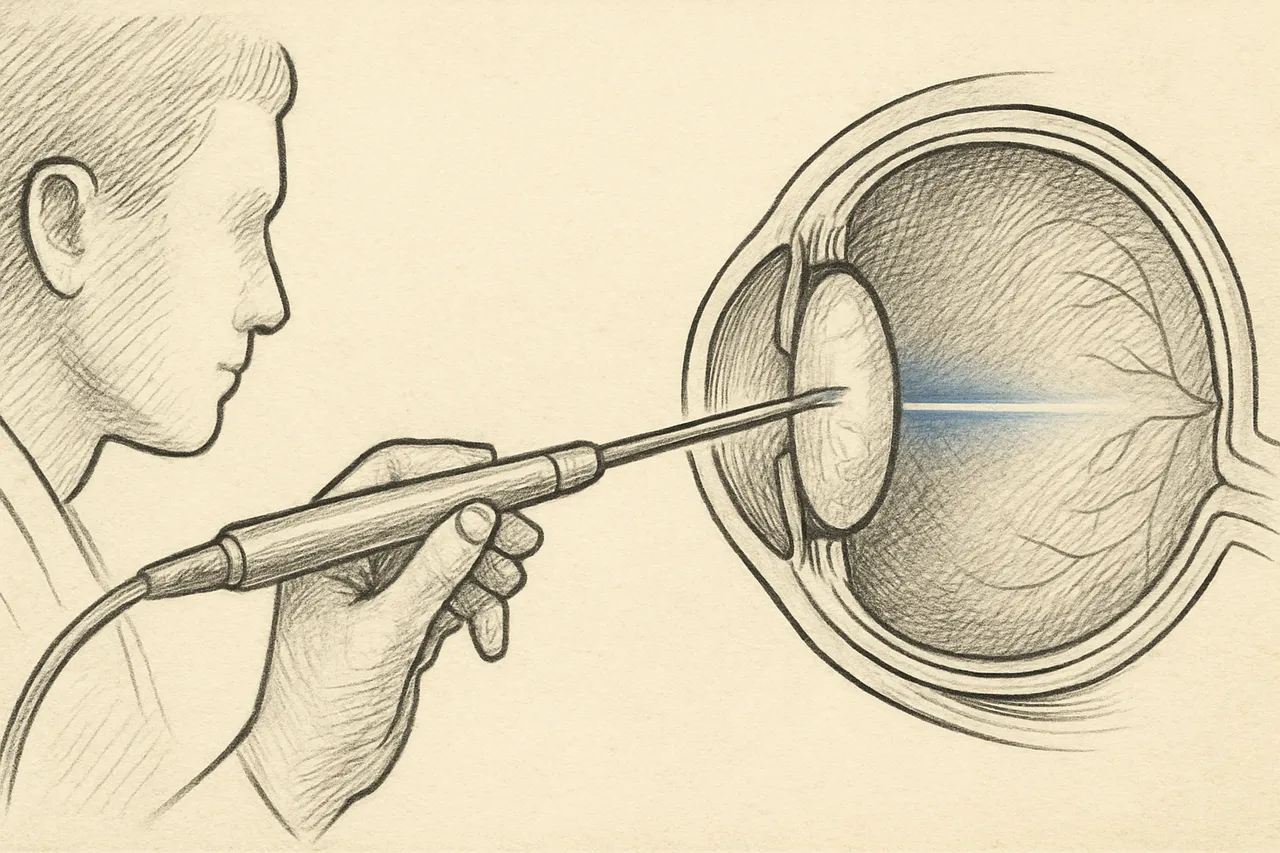
Patricia Bath Patented a Way to Restore Sight
Patricia Bath was the first Black woman in the United States to receive a medical patent. Her laserphaco probe, patented in 1988, restored sight to people who had been blind for thirty years — most of them in clinics overseas, because American hospitals wouldn't let her run trials.
Read the story →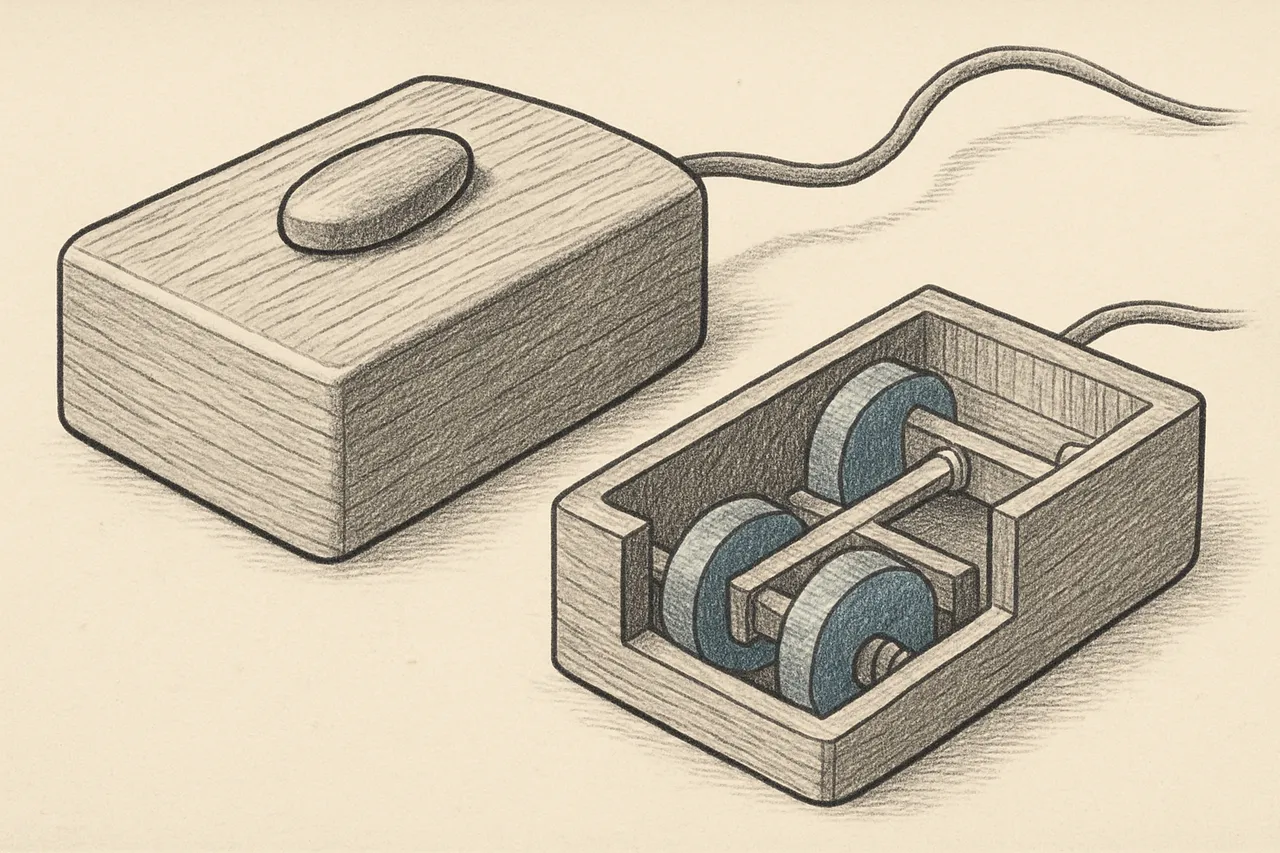
Doug Engelbart Patented the Mouse and Made Ten Thousand Dollars
In 1967, Douglas Engelbart filed a patent for a small box with two metal wheels underneath, which his colleague William English had built out of wood. The patent expired in 1987, just as the device was about to become the most-used input mechanism on Earth.
Read the story →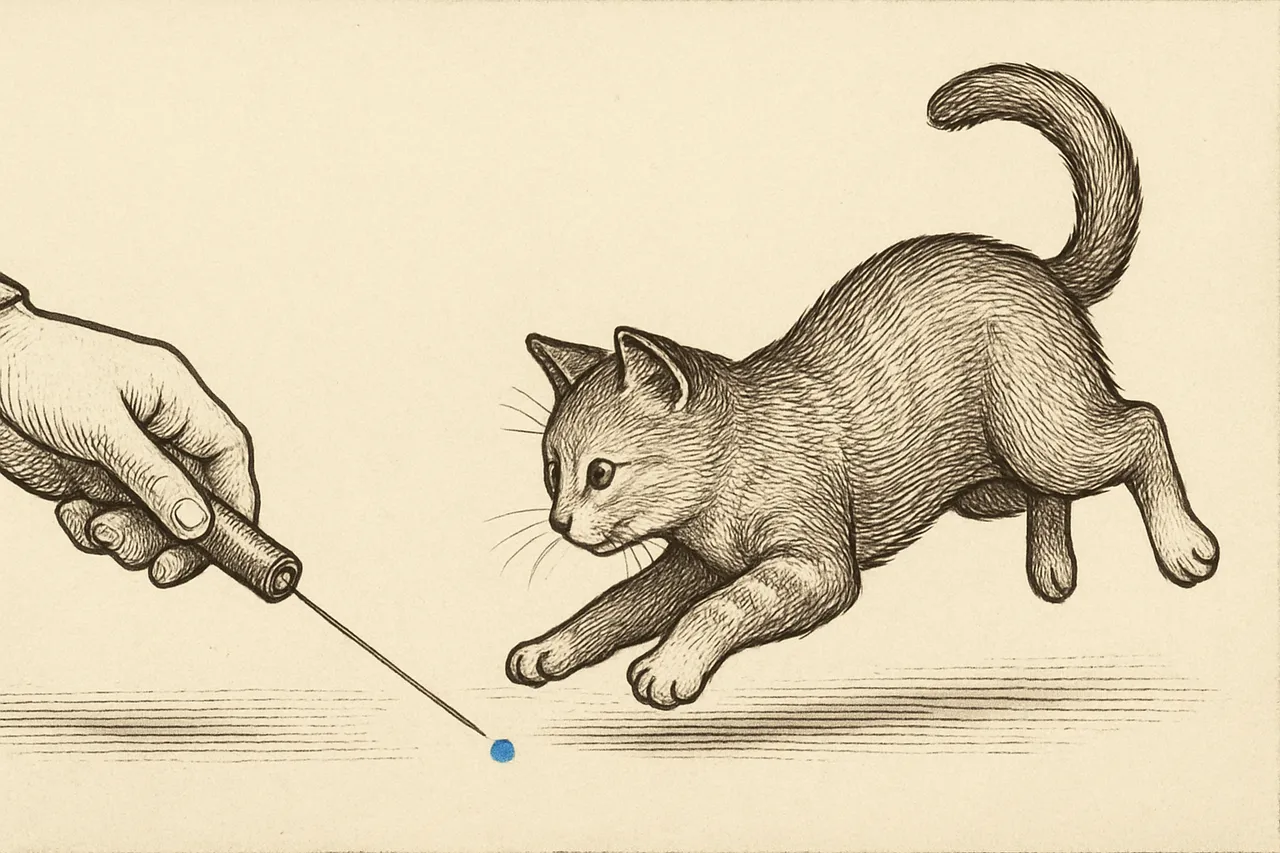
The Patent on Pointing a Laser at a Cat
In 1995, the USPTO granted Kevin Amiss and Martin Greenstein a patent on the act of exercising a cat by getting it to chase a moving spot of light. The patent was real. The cats did not pay royalties.
Read the story →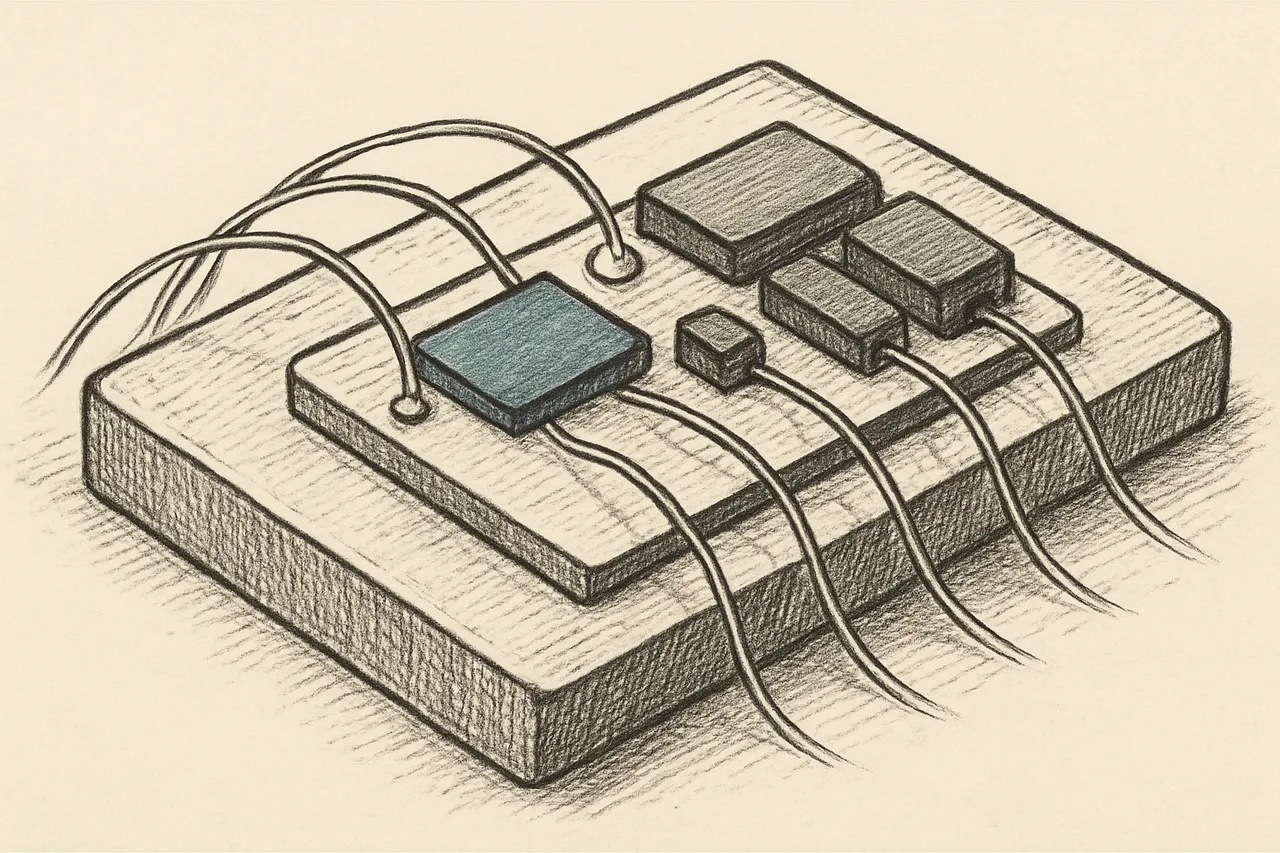
The Integrated Circuit Patent Jack Kilby Filed in 1959
Five months after Jack Kilby joined Texas Instruments, he had an idea while everyone else was on a company-wide vacation. The patent that resulted, US3138743, is the legal foundation of the entire modern semiconductor industry.
Read the story →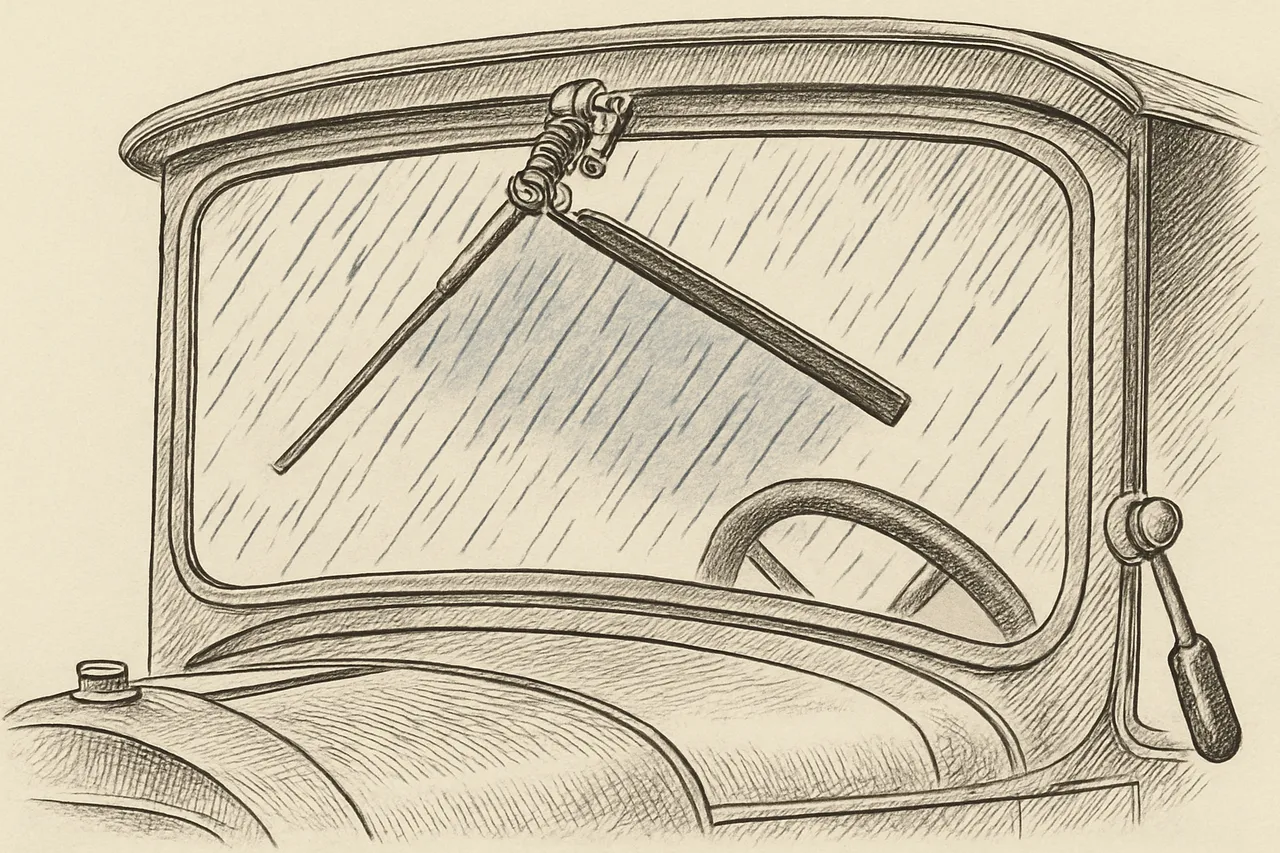
Mary Anderson Patented the Windshield Wiper. No One Bought It.
Mary Anderson was riding a streetcar through New York in a winter sleet storm in 1902 when she watched the driver lean out the window every few seconds to wipe the glass by hand. She went home and patented the windshield wiper. No automaker would license it.
Read the story →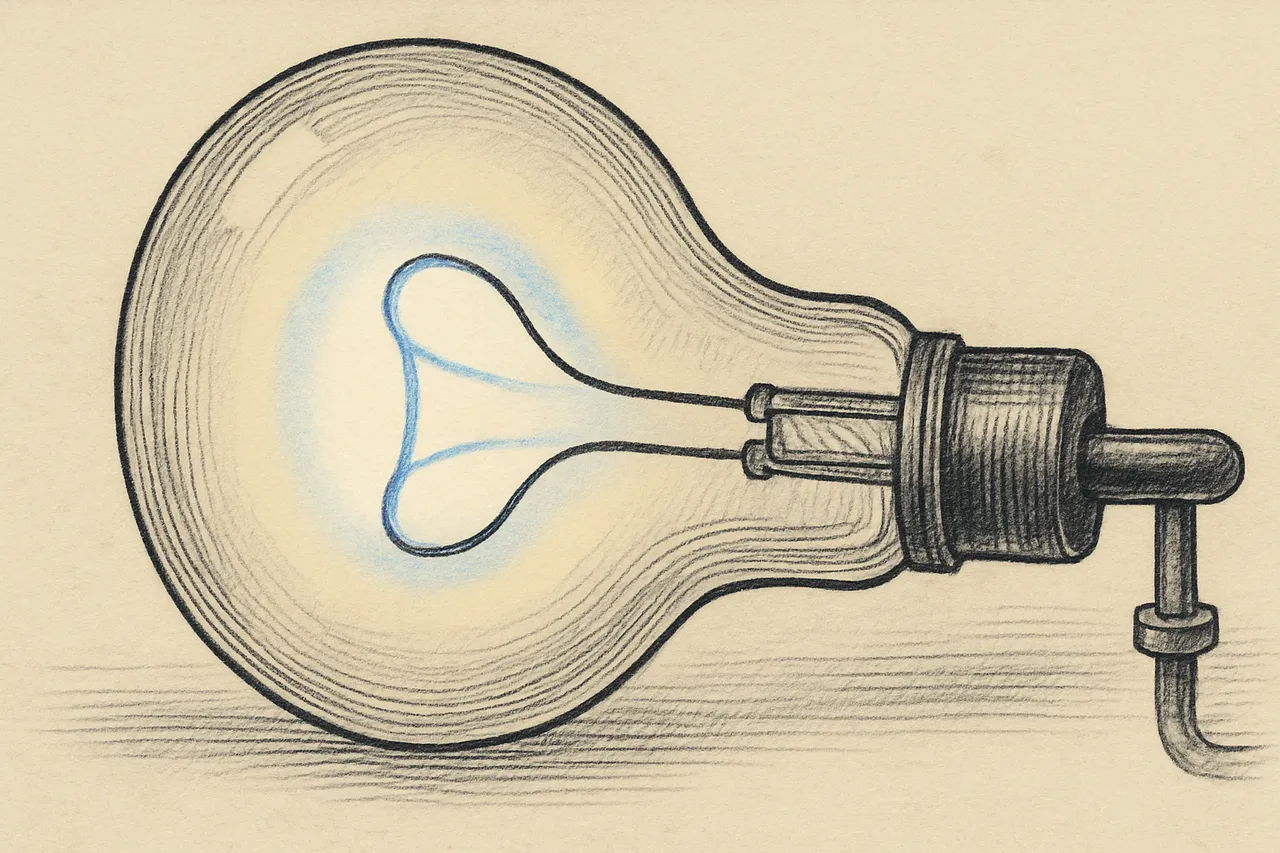
Edison Did Not Invent the Light Bulb. He Patented the One That Worked.
Thomas Edison's incandescent lamp patent wasn't first. It was about the twenty-third. What it had — that the others didn't — was a filament that lasted long enough to sell.
Read the story →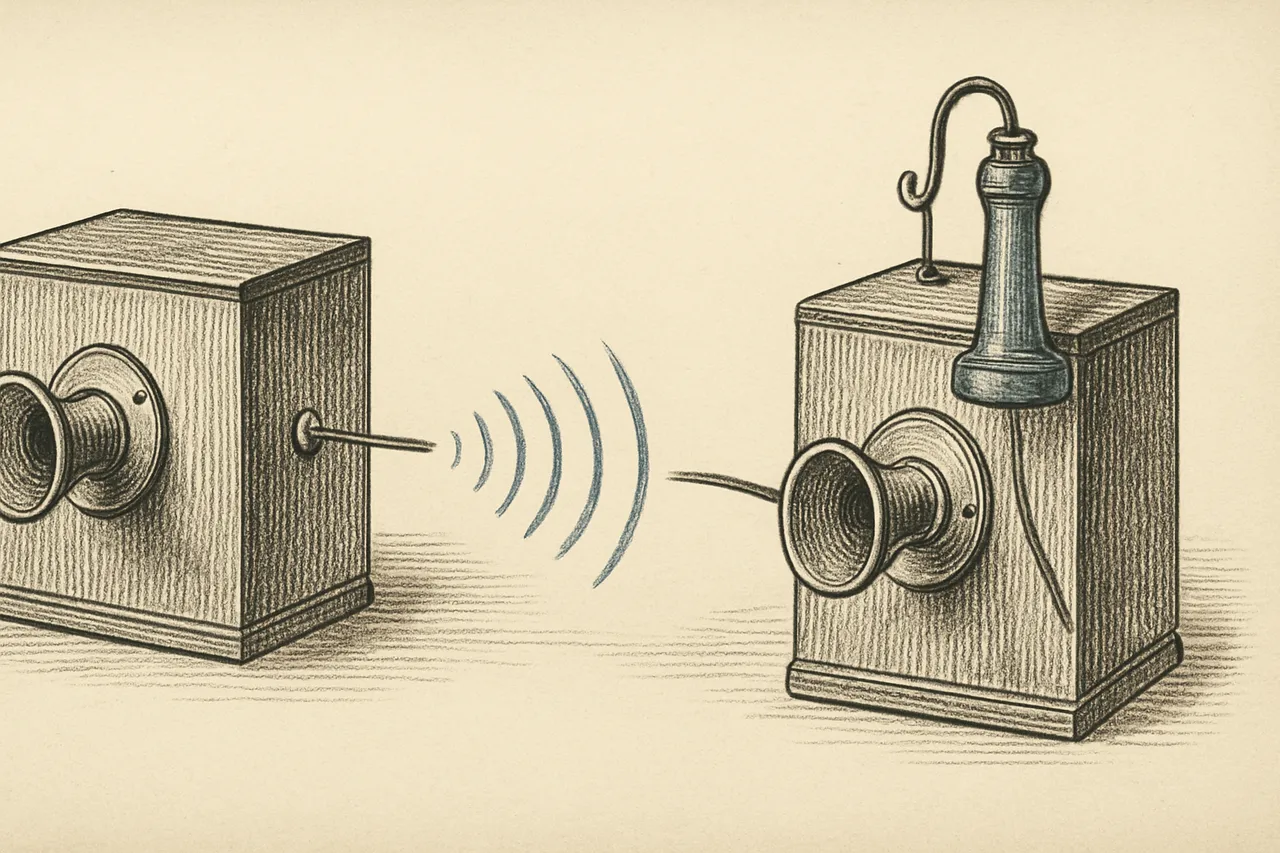
The Most Contested Patent in American History
On March 7, 1876, Alexander Graham Bell was granted a patent for what he called an improvement in telegraphy. It was the telephone. The legal battle over who got there first ran for the next twenty years.
Read the story →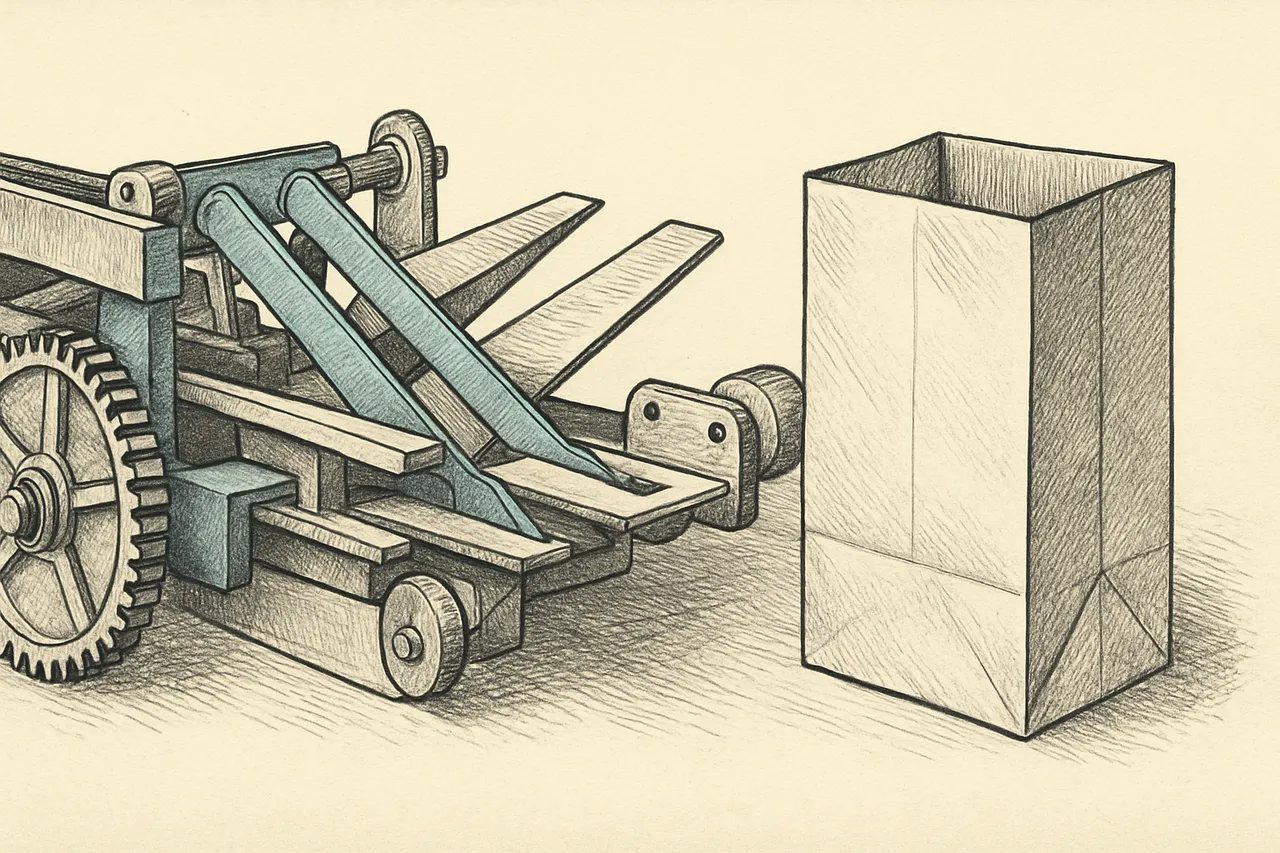
Margaret Knight Sued the Man Who Stole Her Paper-Bag Machine. She Won.
In 1868, Margaret Knight built a machine that automatically folded flat-bottomed paper bags — the kind grocery stores still hand you. A machinist she'd hired to build the prototype tried to patent it first. She took him to court and won.
Read the story →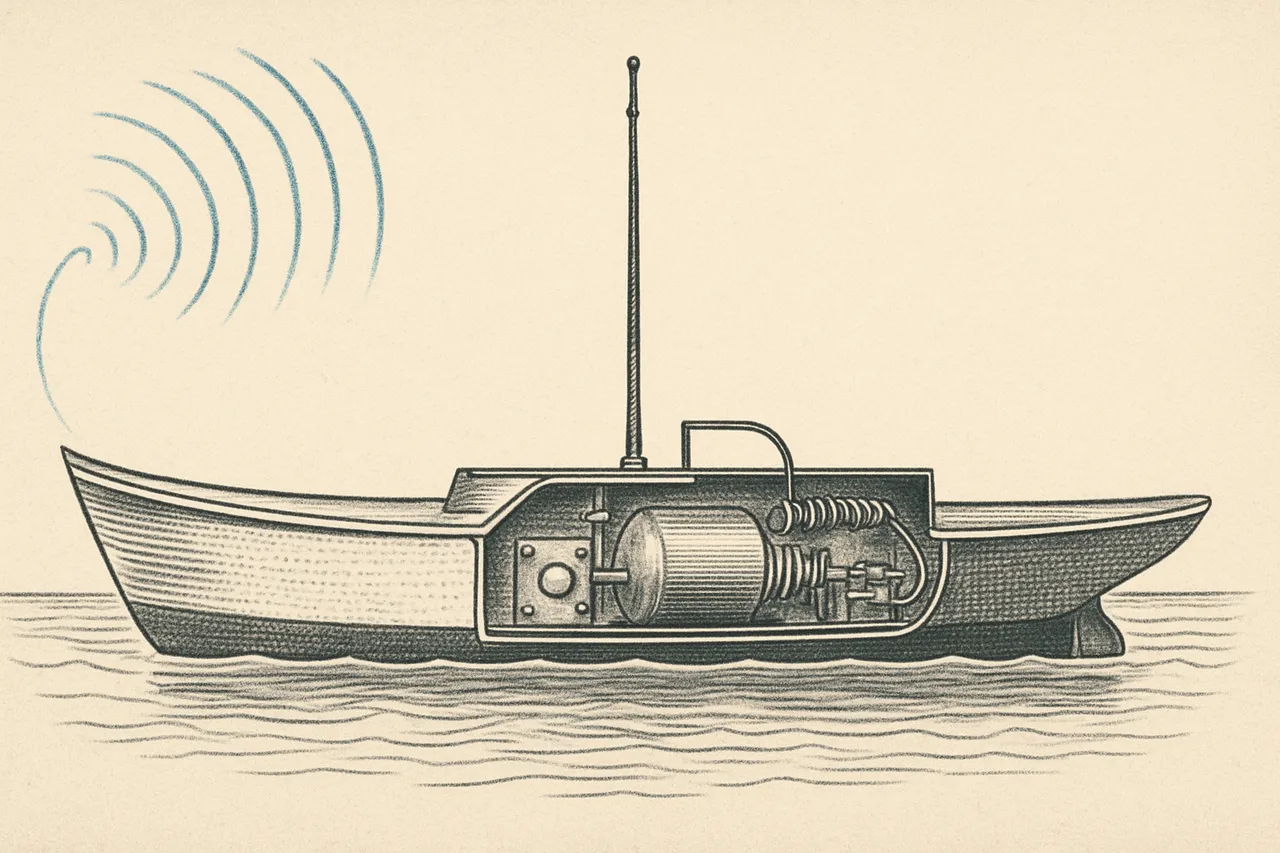
Tesla Built a Drone in 1898. The Navy Said No.
Nikola Tesla's 1898 patent describes a radio-controlled boat with multi-frequency channel hopping to defeat jamming. He demonstrated it at Madison Square Garden. The military passed. Drones would not become real for another century.
Read the story →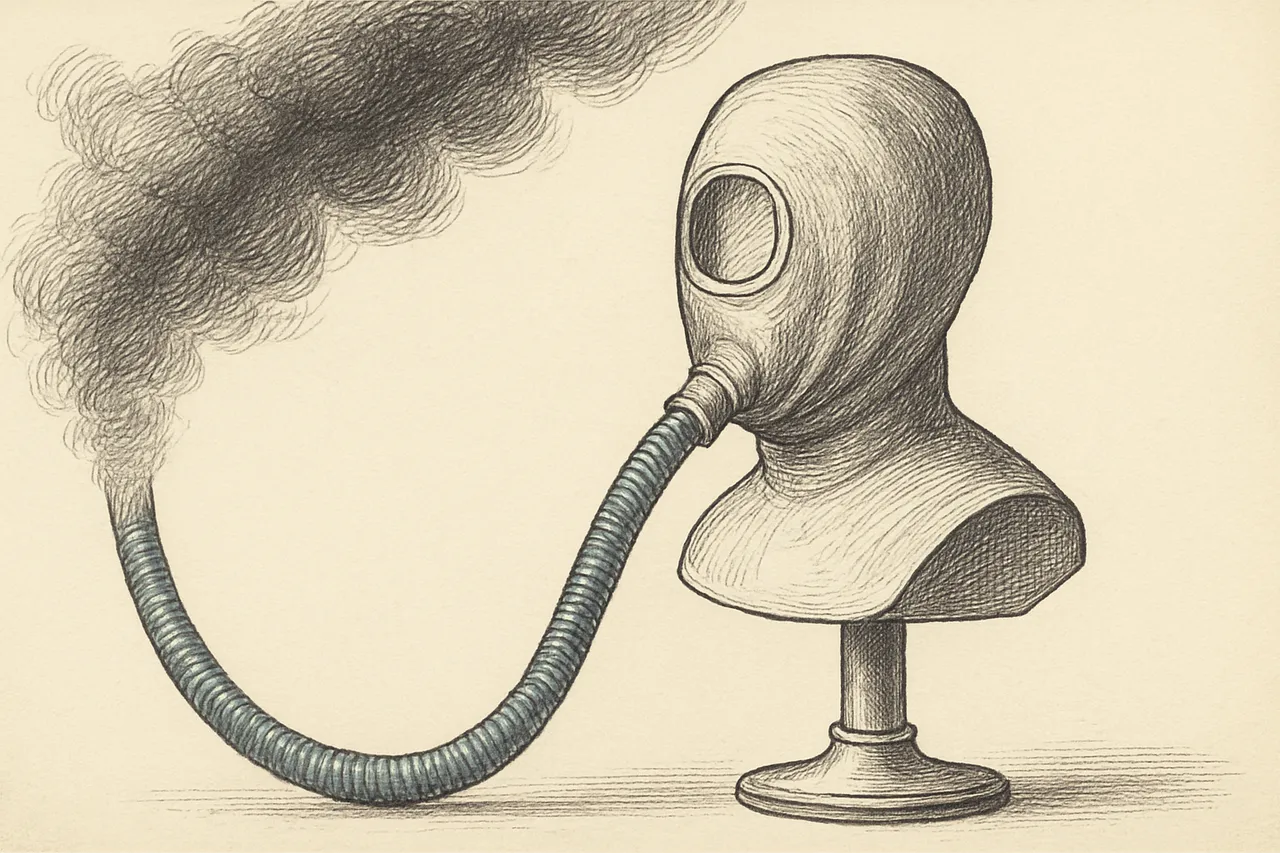
Garrett Morgan Walked Into a Collapsed Tunnel Wearing His Own Invention
In 1914, Garrett Morgan patented a 'safety hood' — a primitive gas mask. Two years later, when an explosion trapped workers in a tunnel under Lake Erie, he put one on and went in himself.
Read the story →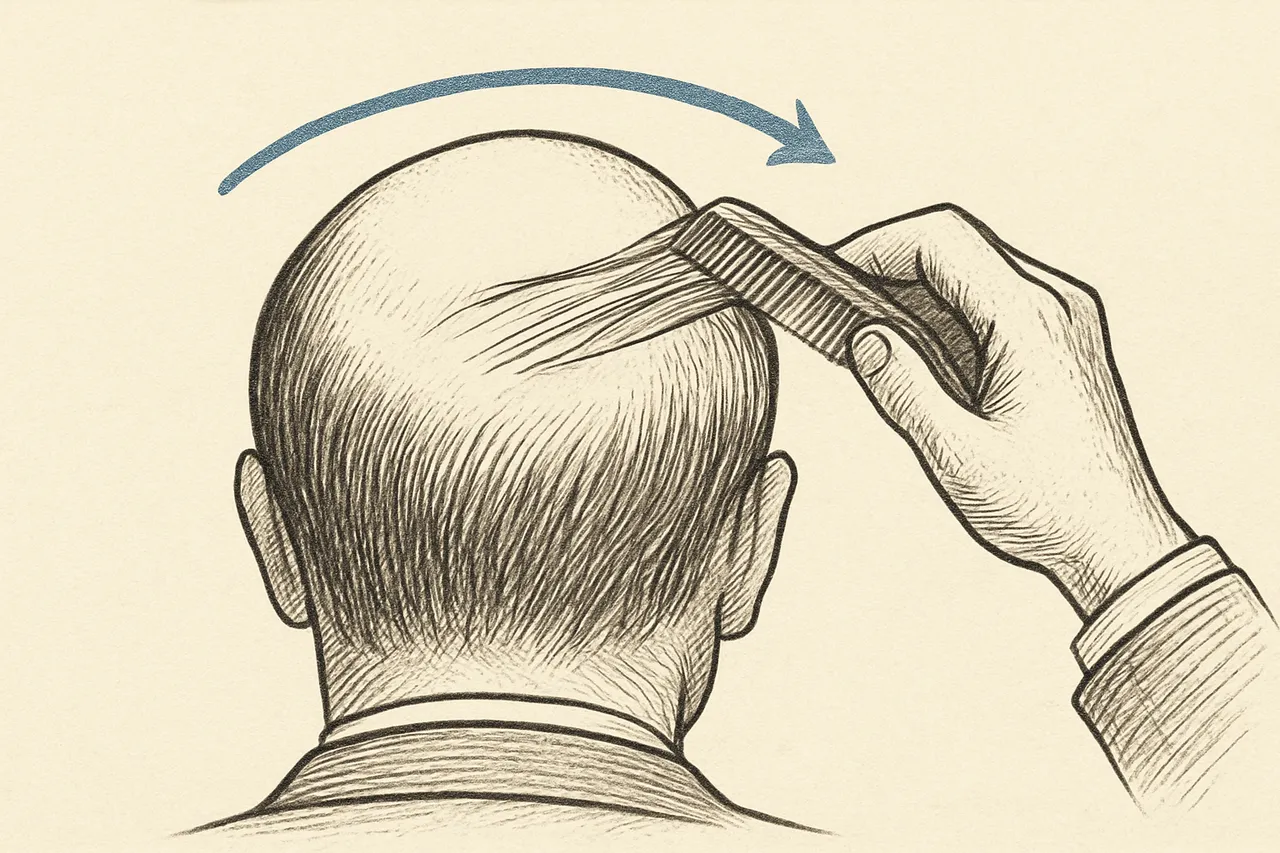
The Comb-Over Patent
In 1977, two brothers in Orlando, Florida received a US patent for a method of combing one's hair to disguise baldness. It is among the most-cited examples of why the patent system needed reform — and a winner of the 2004 Ig Nobel Prize.
Read the story →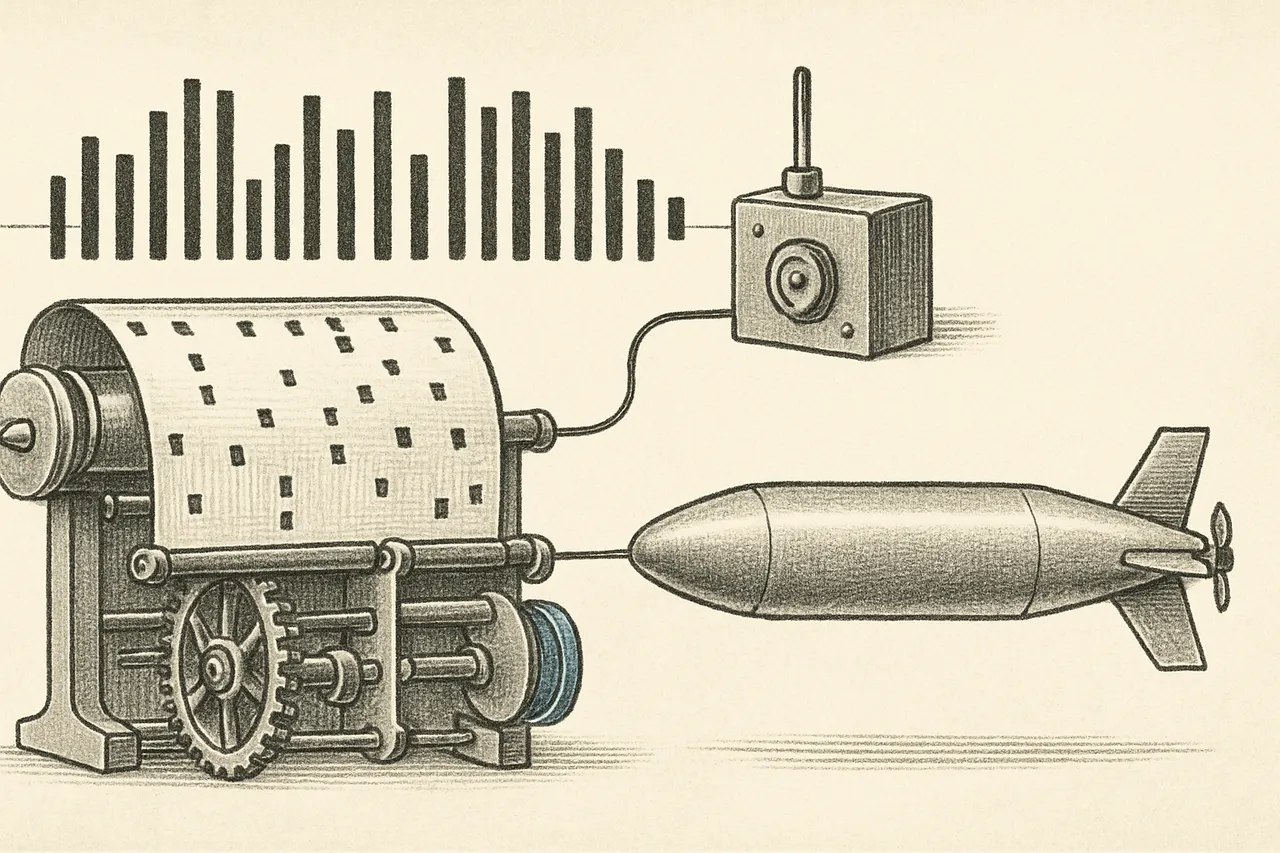
The Hollywood Actress Who Invented Wi-Fi
In 1942, Hedy Lamarr — at the time MGM's most photographed actress — co-patented a frequency-hopping radio system designed to guide torpedoes. The Navy filed it away. Fifty years later, every cellphone on Earth was using the same idea.
Read the story →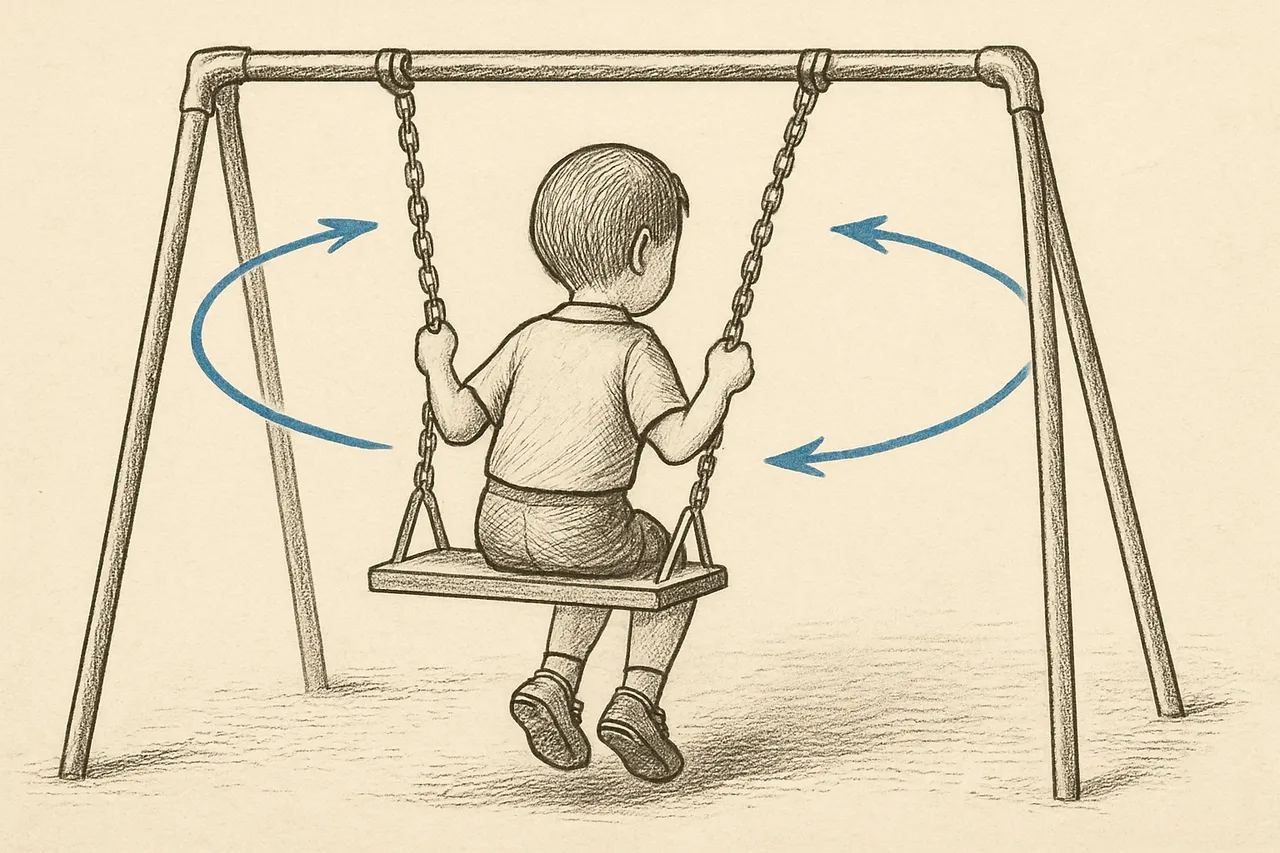
The Five-Year-Old Who Patented Swinging on a Swing
In 2002, the USPTO granted Steven Olson, age five, a patent for a 'method of swinging on a swing.' His patent-attorney father had been making a point. The point landed.
Read the story →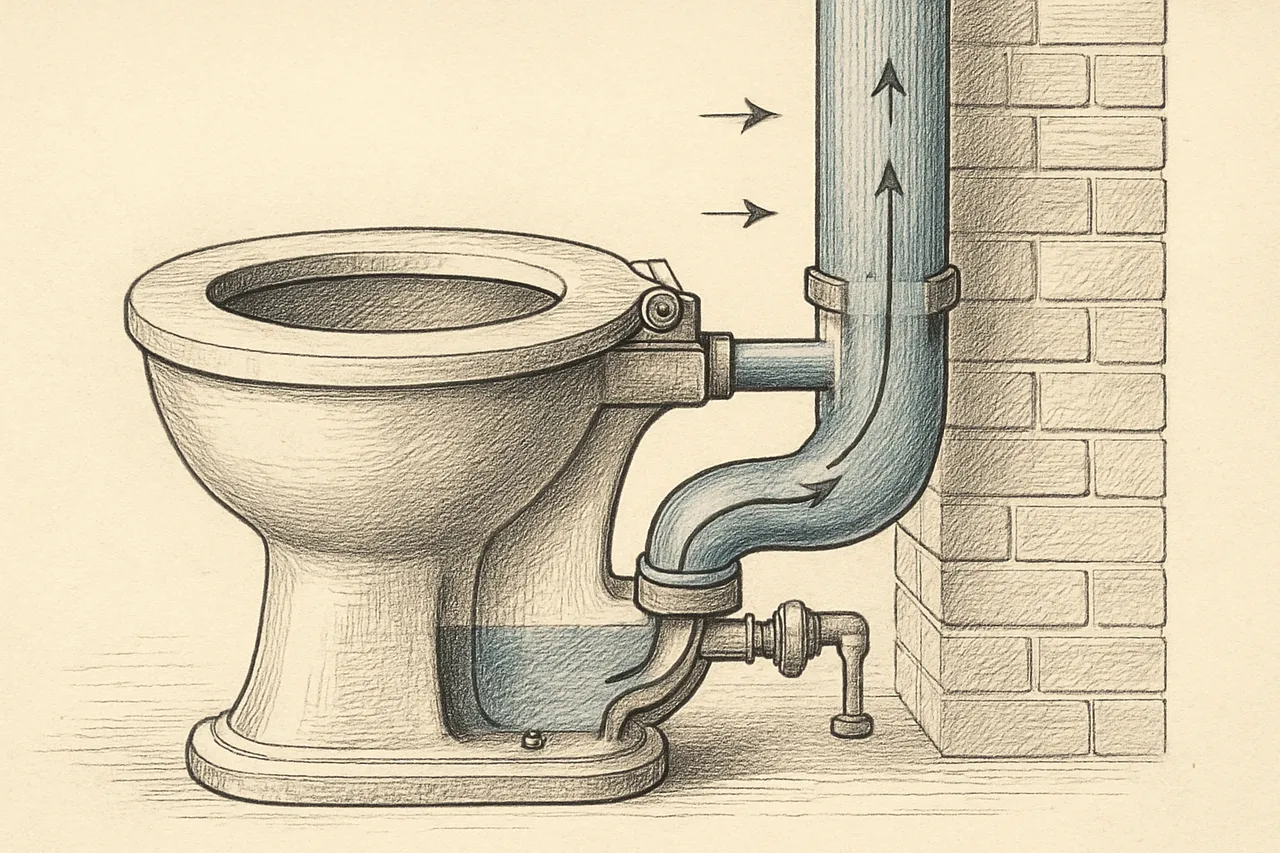
A Toilet for Automatically Exhausting Odious Air
Nat Thompson's 2002 patent hides a fan inside the toilet bowl. It switches on when you sit down and sends the smell down the drain with everything else, instead of into the room.
Read the story →