George Eastman Made Everyone a Photographer With Four Words: You Press the Button
Before 1888, photography meant glass plates, chemicals, and expertise. Eastman's roll-film box camera came pre-loaded, took a hundred pictures, and was mailed back to the factory for developing. The slogan said the rest: 'You press the button, we do the rest.'
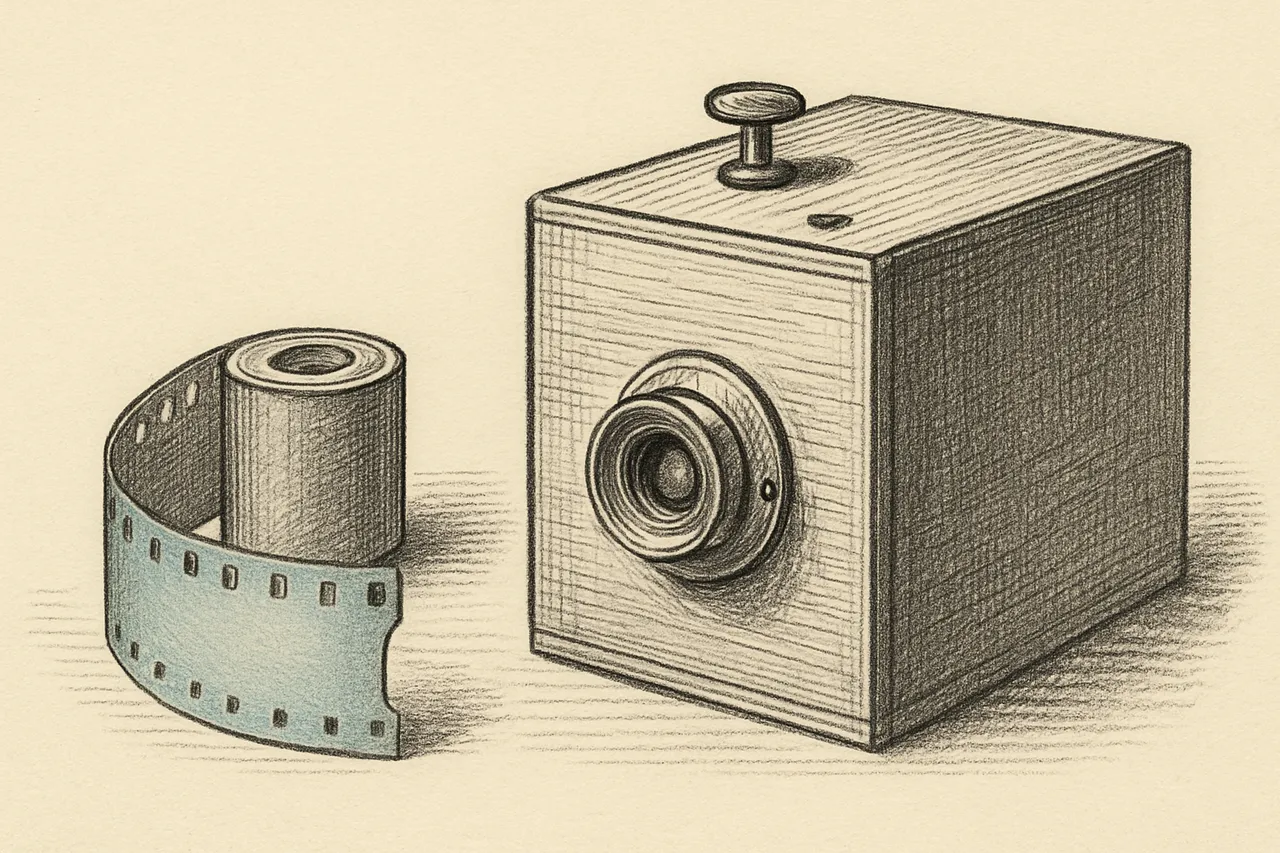
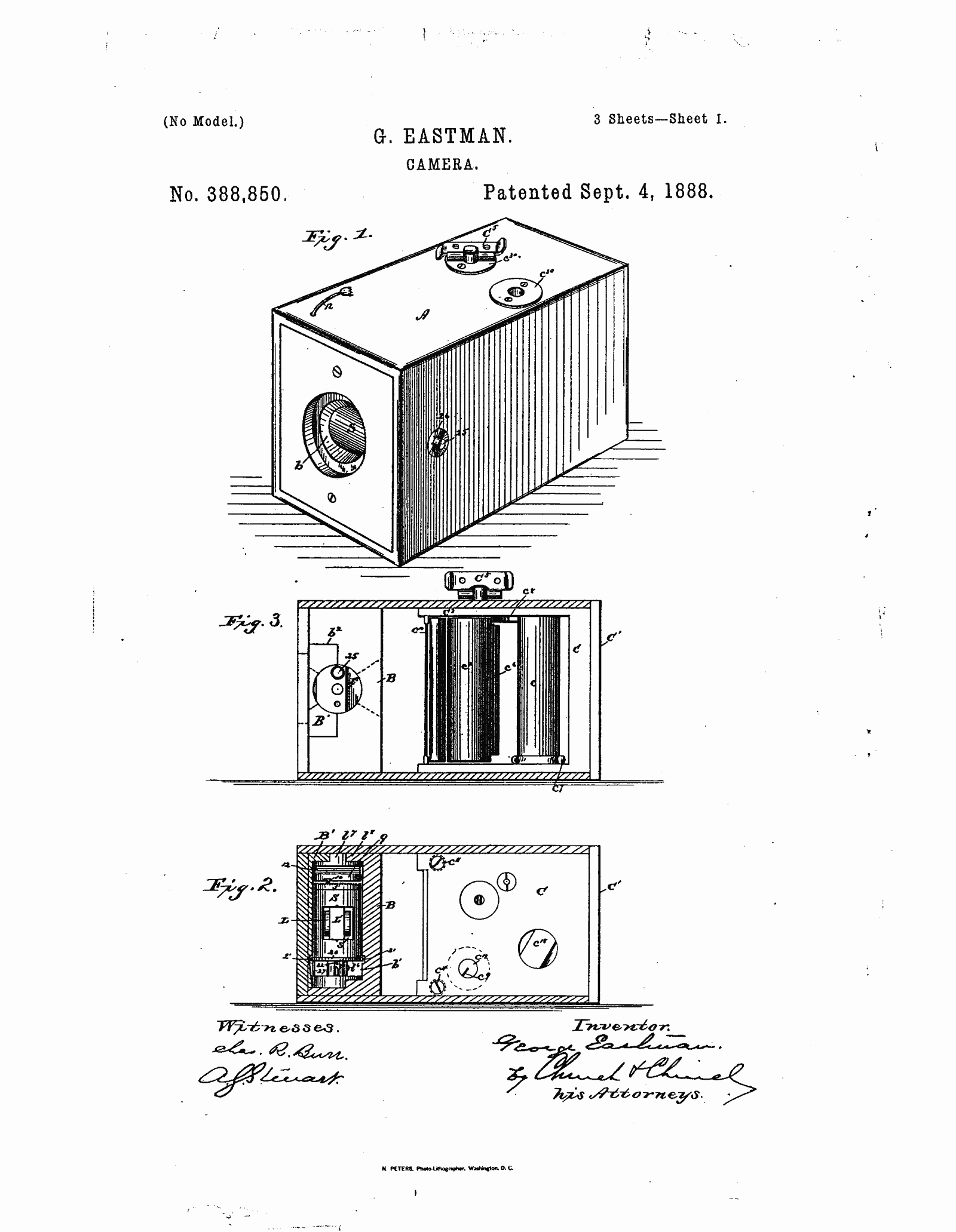
US388850 was granted to George Eastman on September 4, 1888. The title is simply "Camera." It covers the first Kodak: a small, simple box camera, pre-loaded with a roll of flexible film, that anyone could operate. It did more than any single device to turn photography from a specialist's craft into an ordinary human activity.
Before the Kodak, taking a photograph was genuinely difficult. The dominant technology was the glass plate, often coated by the photographer with light-sensitive emulsion just before exposure and developed immediately after, while still wet. It required chemicals, darkrooms or portable dark-tents, heavy equipment, and real technical skill. Photography was a profession or a serious hobby, not something a family did on a picnic.
The system, not the camera
Eastman's genius was to understand that the camera was only part of the problem. He had already developed and patented flexible roll film — replacing the fragile, heavy glass plate with a long strip of film wound on a spool, so that many exposures could be taken before reloading. The 1888 Kodak was built around that film. It came from the factory already loaded with a roll long enough for a hundred photographs. You looked, you pressed a button, you wound to the next frame. That was the entire user experience.
And then came the part that made it revolutionary. When you had taken all hundred pictures, you did not develop them yourself. You mailed the entire camera back to Eastman's company in Rochester, New York. The factory opened it, developed the film, made the prints, loaded a fresh roll of film into the camera, and mailed the camera and your photographs back to you. The customer never touched a chemical, never entered a darkroom, never needed to understand any of it.
Eastman captured the whole proposition in one of the most effective advertising slogans ever written: "You press the button, we do the rest."
What it changed
The Kodak, and the cheaper Brownie camera that followed in 1900 (which sold for one dollar), put photography in the hands of ordinary people for the first time. The consequences are hard to overstate. The family snapshot, the vacation photo, the candid picture of everyday life — the entire visual record that ordinary people now keep of their own existence — begins here. Before Eastman, almost the only images of a normal person's life were formal studio portraits, if that. After Eastman, people photographed their own children, their homes, their trips, their ordinary days, by the billion.
Eastman built the Eastman Kodak Company into one of the largest corporations in the world, dominant in photography for most of the twentieth century. He gave away enormous sums to universities, music schools, and dental clinics, often anonymously. The empire eventually faltered — Kodak, with bitter irony, invented the digital camera in 1975 and then failed to embrace it, and filed for bankruptcy in 2012 — but the thing Eastman actually set out to do, making everyone a photographer, had succeeded so completely that it became invisible. Today nearly every human being carries a camera at all times and photographs their life constantly. The button is still pressed. The rest is still done.
See the original
The full text and figures of US388850 are on Google Patents.
Related stories
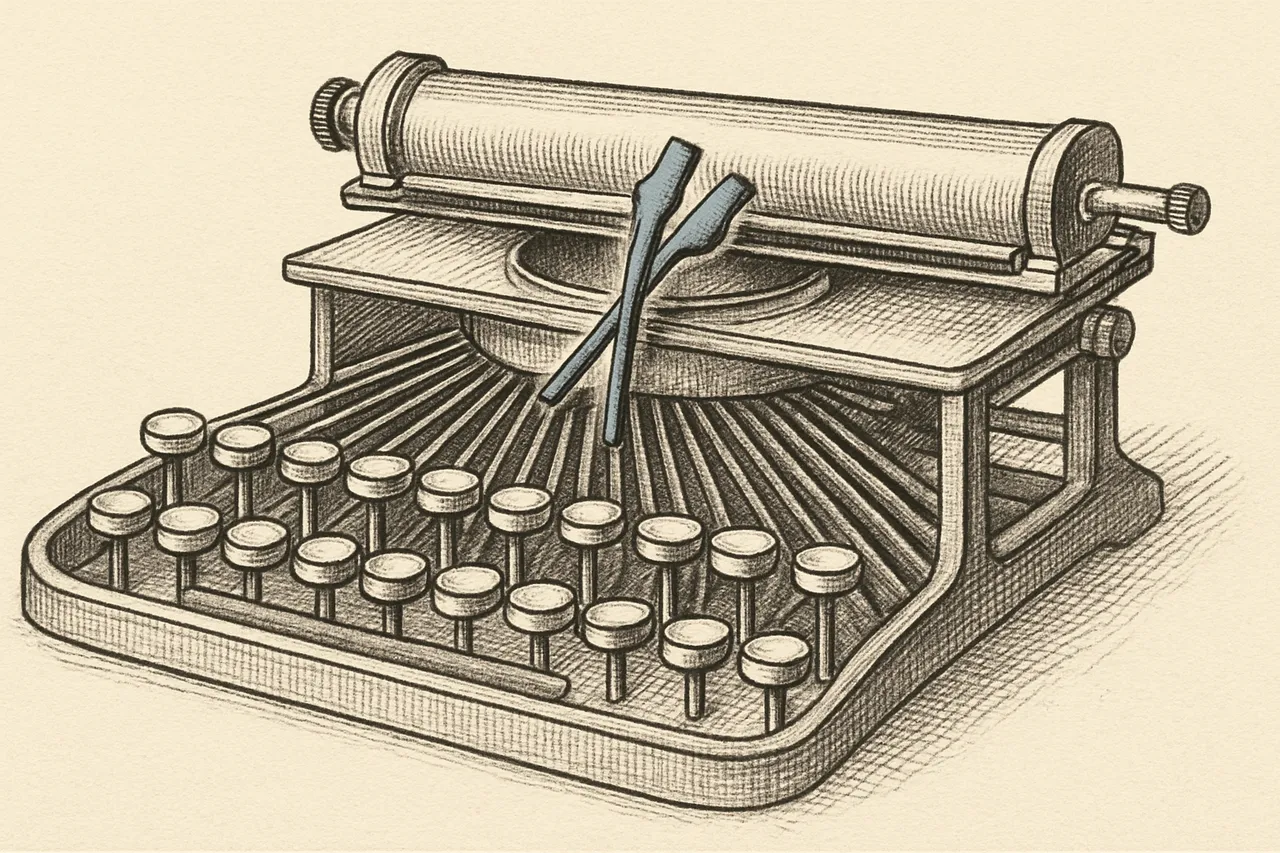
The 1868 Patent Behind the First Successful Typewriter Had Its Keys in Alphabetical Order. QWERTY Came Later, and Nobody Fully Agrees Why.
Christopher Latham Sholes and two partners patented a typewriter in Milwaukee in 1868 with keys arranged like a piano, roughly in alphabetical order. Over the next several years the letters were shuffled into QWERTY. The popular explanation for that is a distortion of a better one.
Read the story →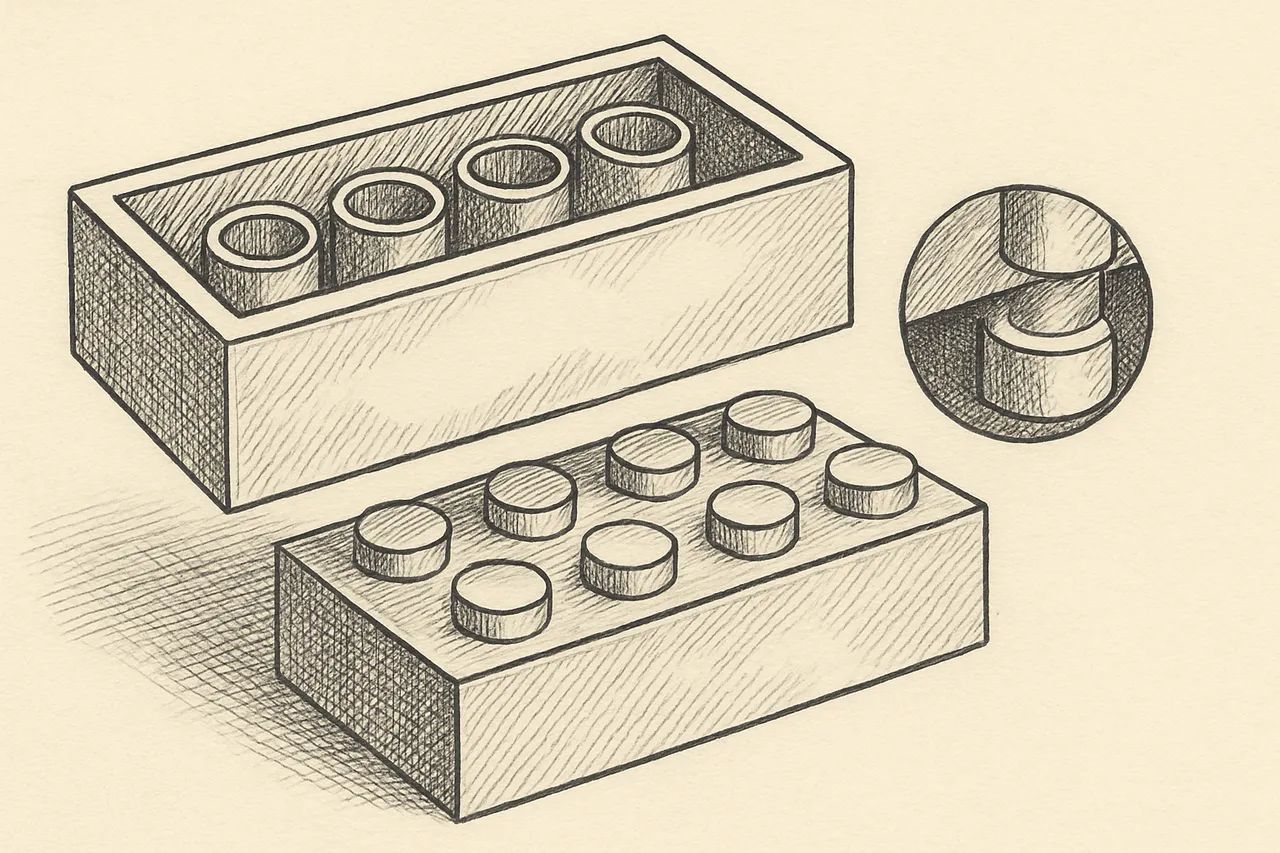
LEGO Bricks Were on Sale for Nine Years Before They Held Together Properly. The Fix Was a Row of Hollow Tubes.
The first LEGO bricks had studs on top and an empty space underneath, so models tended to come apart when you picked them up. Godtfred Kirk Christiansen's 1958 design put tubes inside the brick, and a brick molded that year still fits one molded today.
Read the story →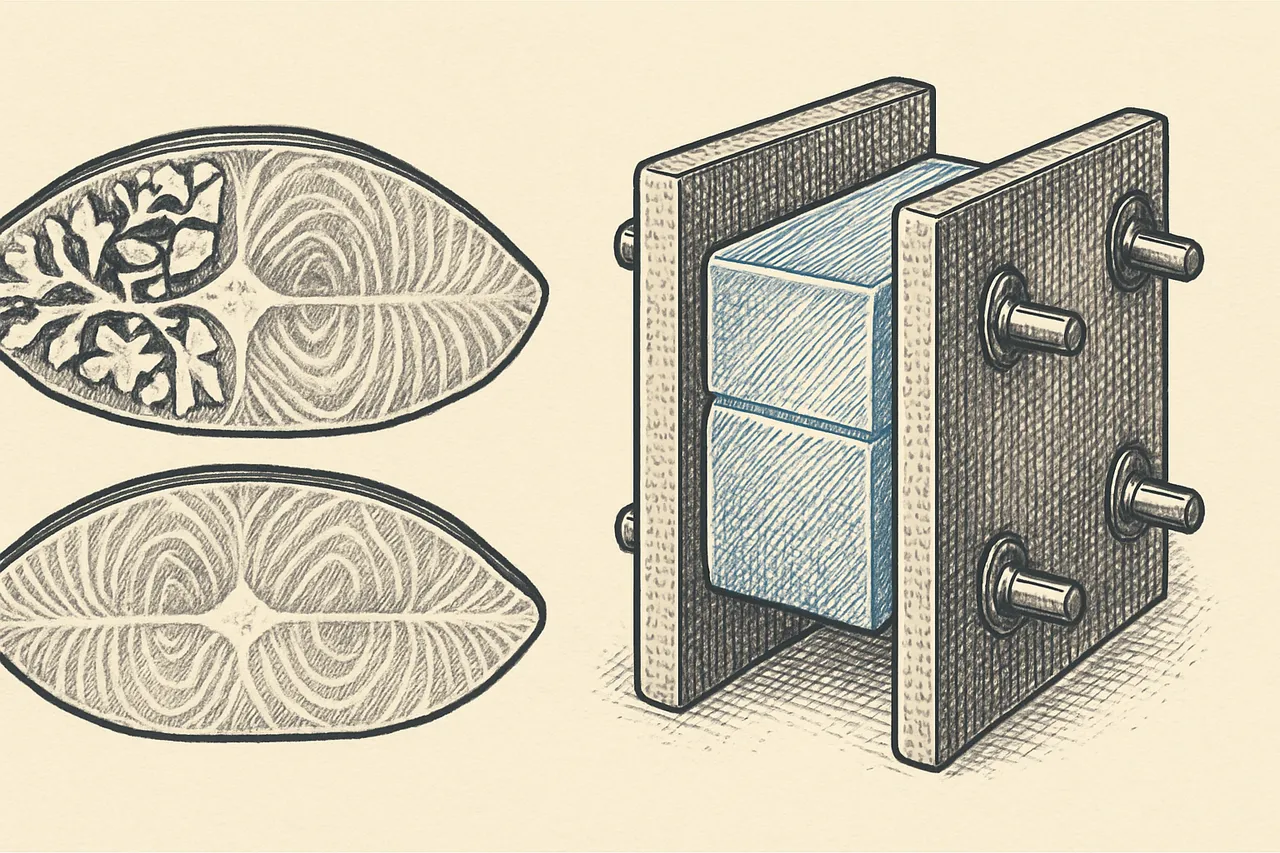
Clarence Birdseye Watched Inuit Fishermen Pull Fish From a Hole in the Ice and Worked Out Why Frozen Food Tasted Bad
Frozen food existed long before Birdseye and it was considered close to inedible. What he figured out in Labrador is that the problem was never freezing. It was freezing slowly, and the difference comes down to the size of the ice crystals.
Read the story →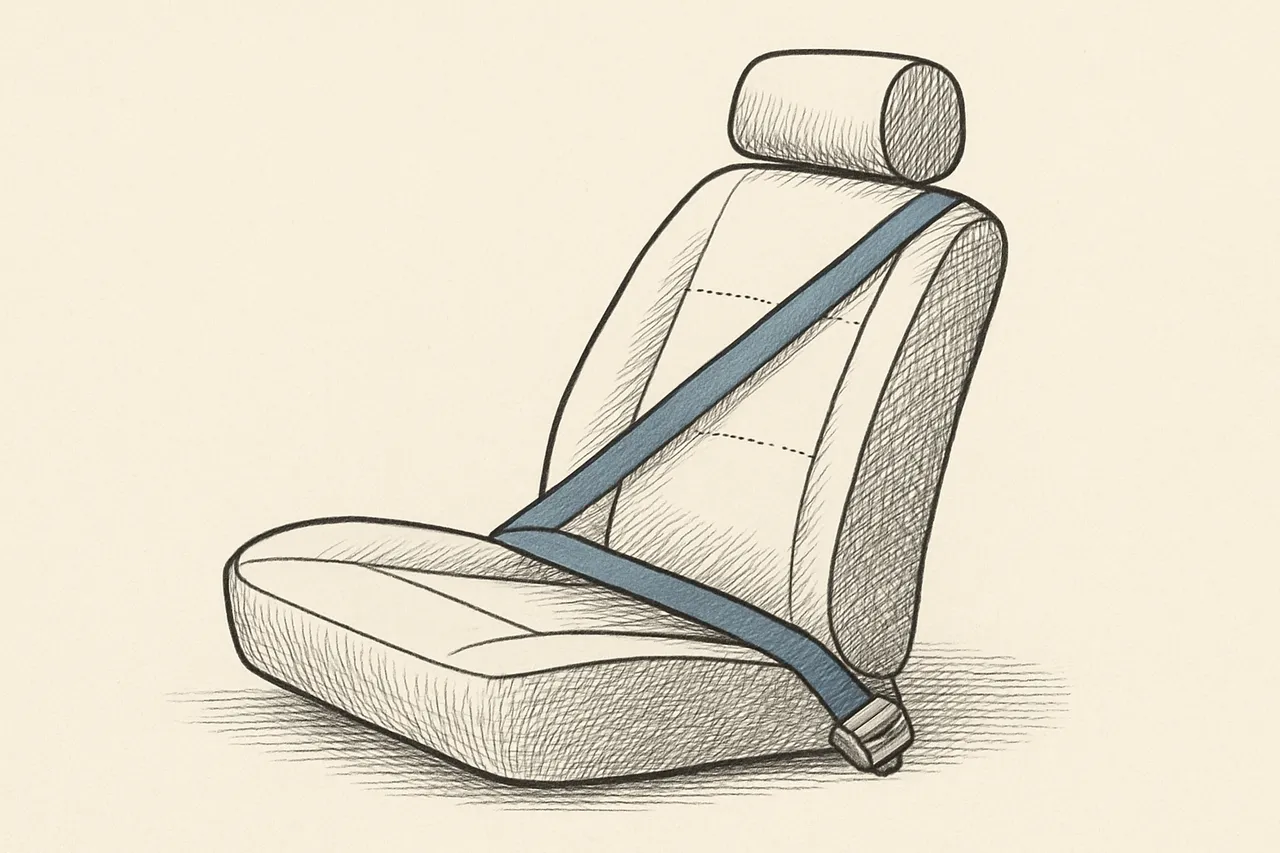
Volvo Patented the Three-Point Seat Belt in 1959, Then Opened the Patent to Every Rival It Had
Nils Bohlin came from building ejection seats for fighter aircraft, and he solved the seat belt in about a year. Volvo then did the thing companies almost never do with a patent that valuable: it made the design free to use, on the grounds that keeping it would cost lives.
Read the story →