The Ballpoint Pen Took Decades and a World War to Get Right
A Hungarian newspaper editor was tired of fountain pens smudging his proofs. His fix — a tiny rotating ball fed by quick-drying ink — had been patented before and had always failed. It took him years, an escape from fascism, and an air force to make it work.
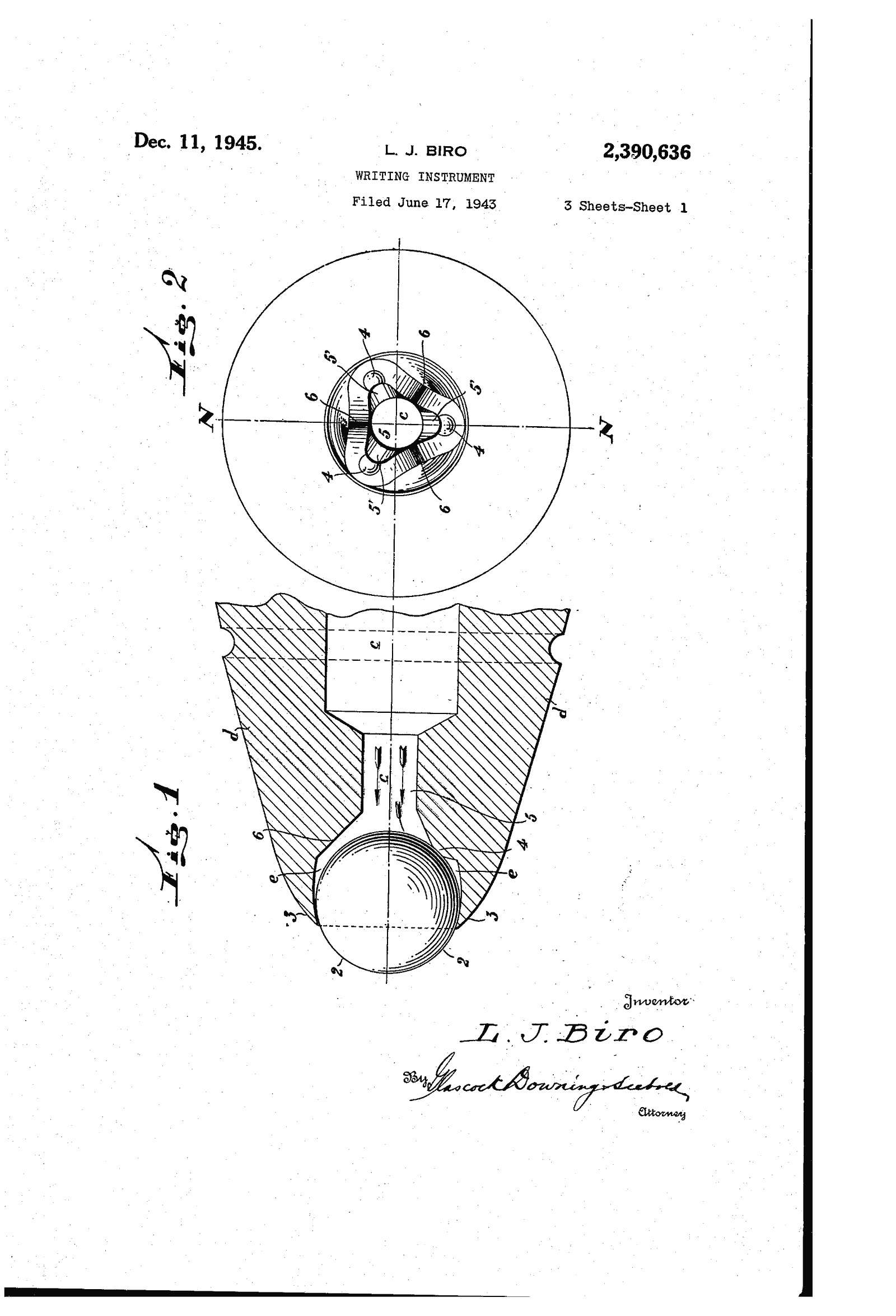
US2390636 was granted on December 11, 1945, to László Bíró (and his brother György), the patent that is usually credited with finally making the ballpoint pen work. The idea was not new. A ballpoint had been patented in the United States as far back as 1888, by John Loud, for marking leather — and had been patented and re-patented by various inventors in the decades since. Every version had failed for the same reason: the ink.
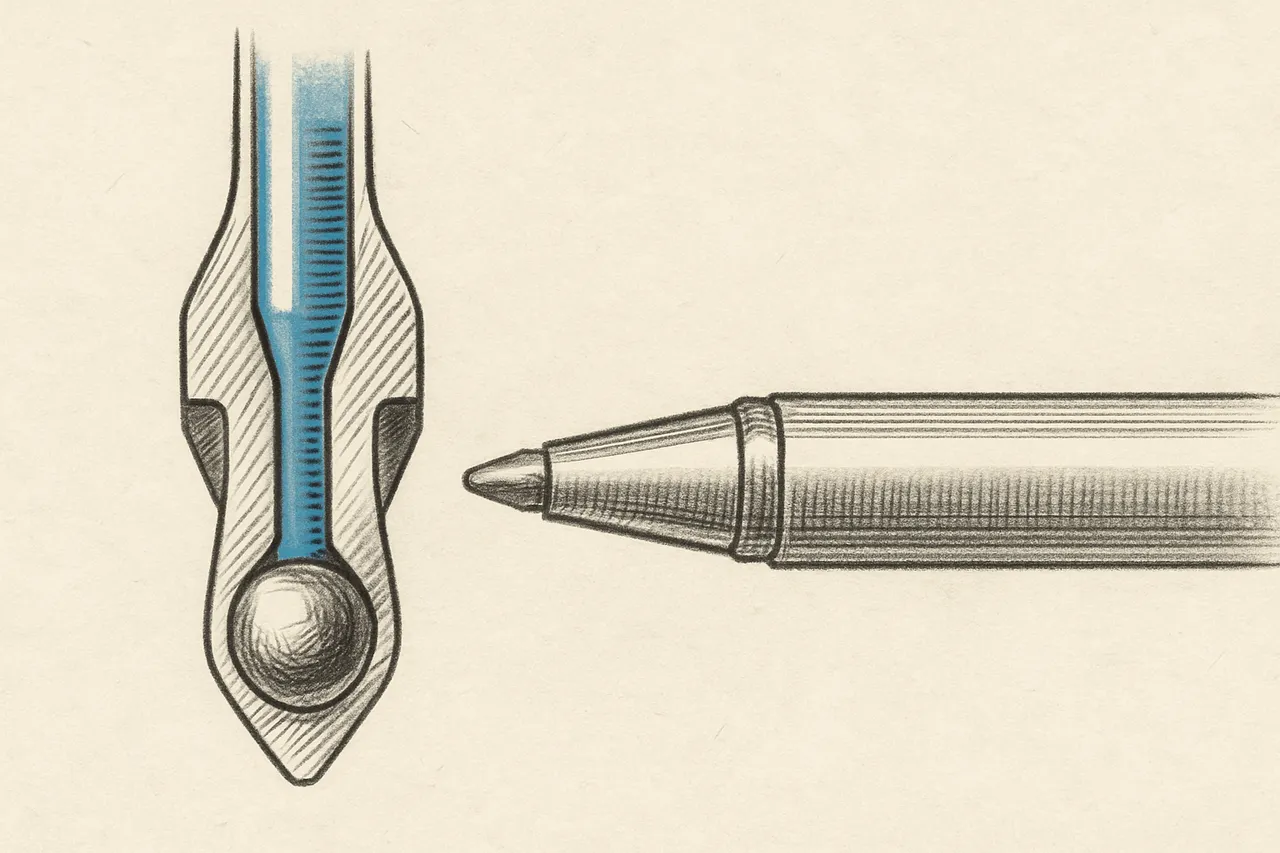
The mechanism of a ballpoint is simple and appealing. A tiny ball, seated in a socket at the tip, rolls as you write, picking up ink from a reservoir on its top side and depositing it on the paper on its bottom side. The ball acts as its own constantly renewing nib, and — unlike a fountain pen — needs no delicate split nib, no blotting, and no refilling from an inkwell. The problem was that fountain-pen ink was too thin: it leaked past the ball and flooded the page, or it was too thick and the ball dragged and skipped. No one had found ink with the right properties.
The editor's insight
László Bíró worked as a journalist and editor in Budapest in the 1930s. He spent his days around printing presses, and he noticed that the ink used in newspaper printing dried almost instantly and smudge-free — completely unlike the wet, slow ink in his fountain pen, which constantly smeared his editing marks. He wondered whether that fast-drying, viscous printer's ink could be made to work in a pen. But printer's ink was far too thick to flow through a conventional nib.
The ball was the answer to that. A rolling ball could pick up thick, quick-drying ink and lay it down in a thin line, metering it precisely — the very property that had doomed earlier ballpoints with thin ink became the solution with thick ink. Bíró, working with his brother György (a chemist, who formulated the ink), spent years refining the ball-and-ink combination.
War, escape, and an air force
The Bírós fled Europe as fascism spread, eventually settling in Argentina, where they filed the 1943 patent that led to US2390636 in 1945. The invention's first big break came from an unlikely customer: the British Royal Air Force. Fountain pens leaked at high altitude — the pressure changes made them flood — but a ballpoint did not. The RAF needed pens its navigators could use in unpressurized cockpits, and licensed the Bíró design. The pen went to war before it went to the stationery store.
The commercial rollout was chaotic and, for Bíró, largely unrewarding. An American businessman named Milton Reynolds saw a Bíró pen in Argentina, copied the concept, rushed a version to market in the United States in 1945 (beating the official licensees), and made a fortune before the fad briefly collapsed under a wave of leaky, unreliable knockoffs. Bíró had sold many of his rights and saw little of the eventual windfall. It was Marcel Bich, later, who industrialized the ballpoint into a reliable, disposable, dirt-cheap product — the Bic pen — and turned it into one of the best-selling manufactured objects in human history.
In much of the world the ballpoint pen is still simply called a "biro." It is one of the few cases where the inventor's name became the common word for the thing, which is a kind of immortality, even if it was not the kind that pays.
See the original
The full text and figures of US2390636 are on Google Patents.
Related stories
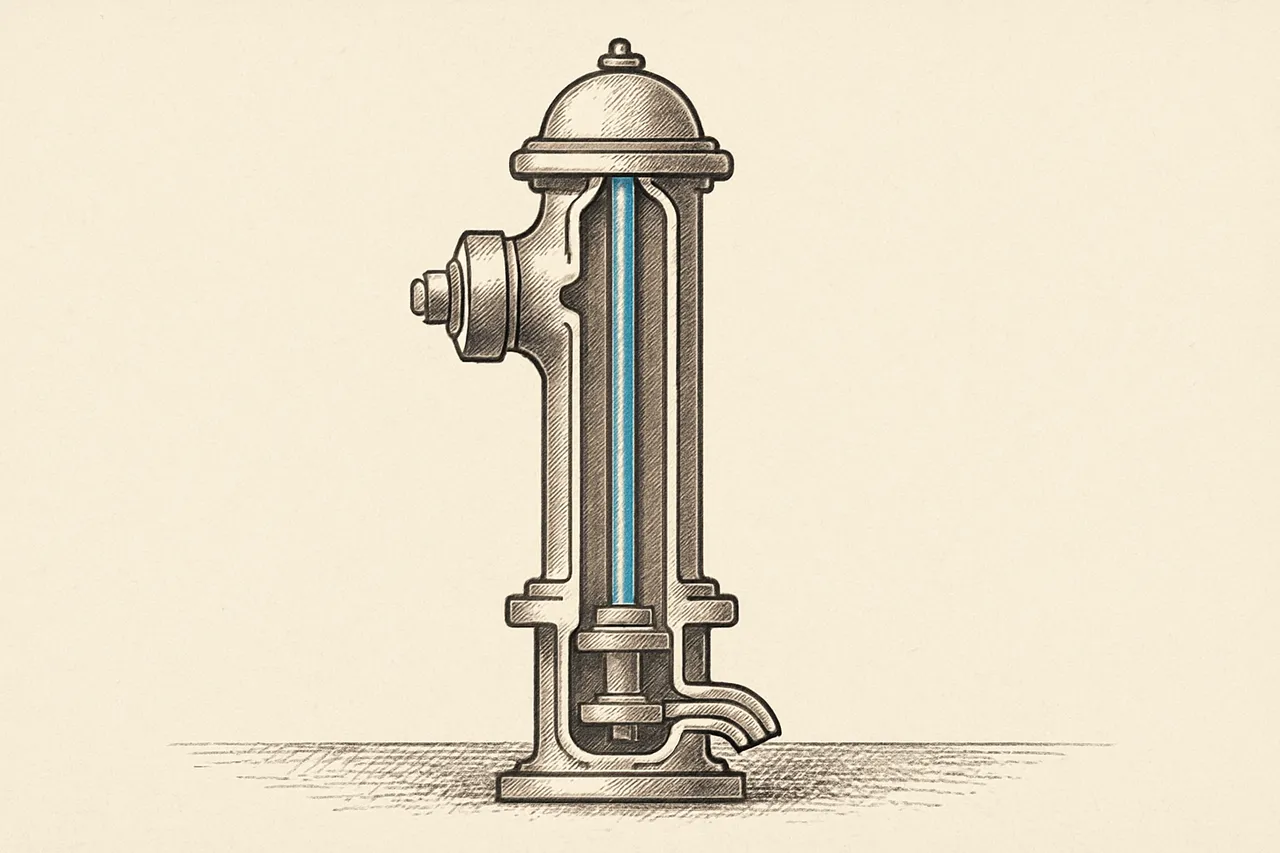
The Fire Hydrant Patent Was Destroyed in a Fire
Frederick Graff is usually credited with the post hydrant around 1801. Nobody can check, because the Patent Office burned to the ground in 1836 and took roughly ten thousand patents with it, including his.
Read the story →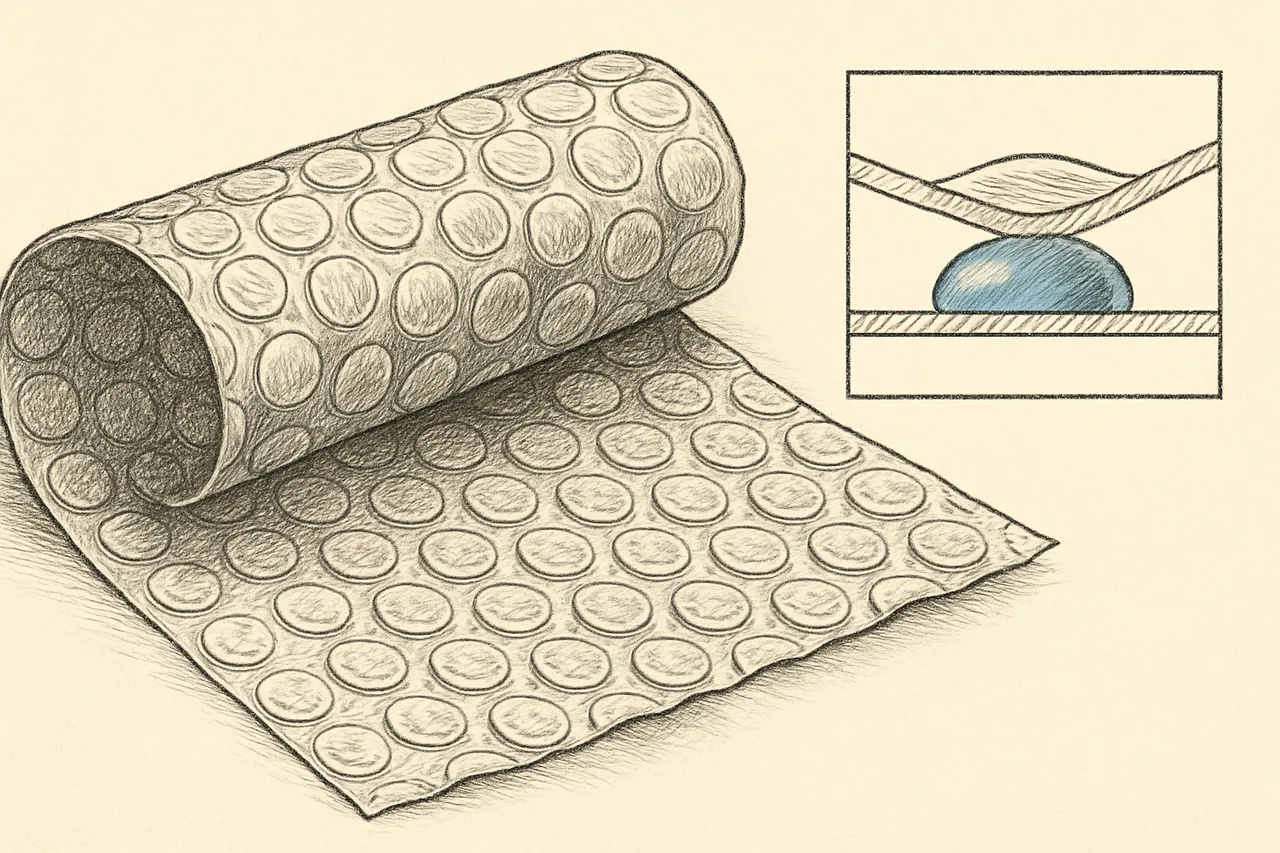
Bubble Wrap Was Invented as Wallpaper. Nobody Bought It.
Two engineers sealed two shower curtains together and trapped air bubbles between them. They were trying to make textured wallpaper. That failed. So did their second idea, greenhouse insulation. Then IBM shipped a computer.
Read the story →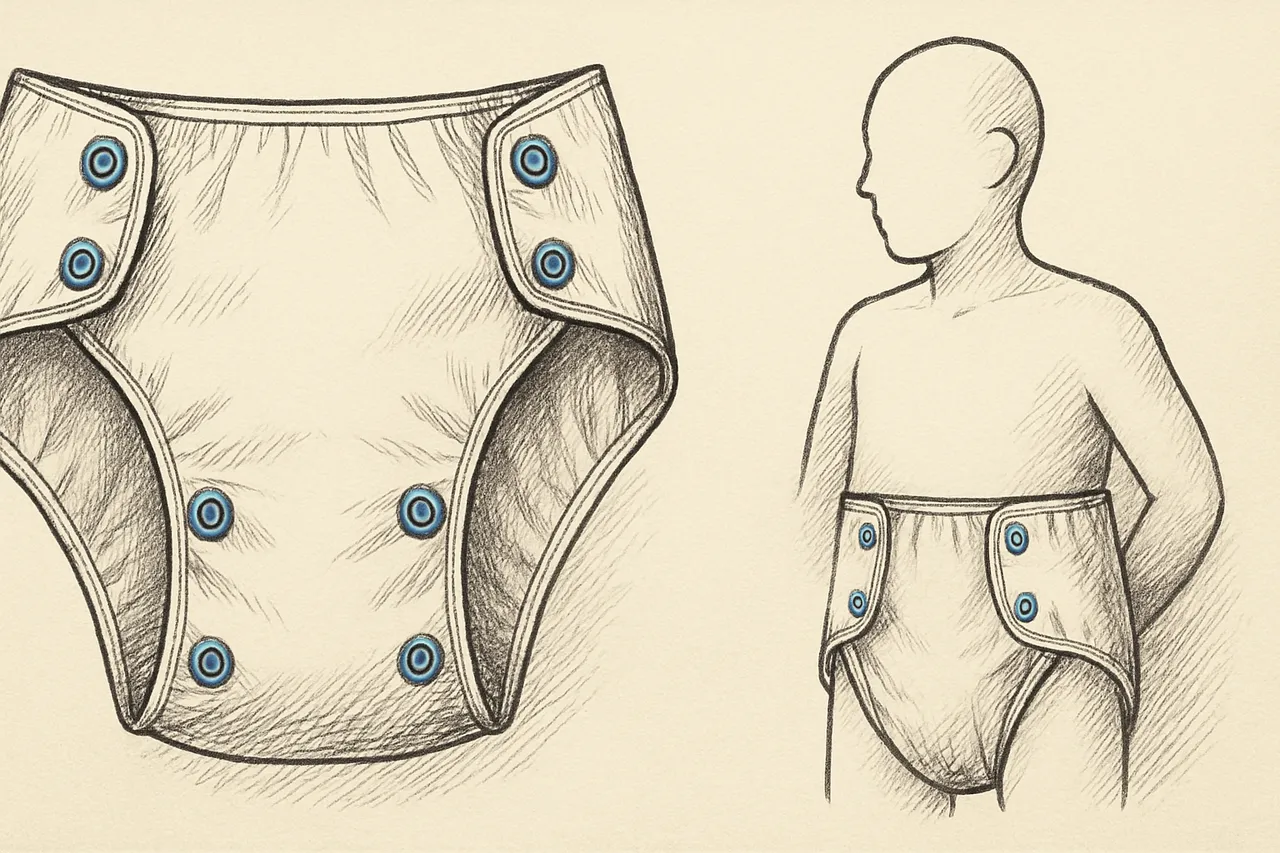
Marion Donovan Invented the Disposable Diaper. Every Manufacturer Turned Her Down.
A young mother cut up a shower curtain to make a leak-proof diaper cover. It worked. When she took the next step — a fully disposable diaper — the industry told her there was no demand. They were wrong by about a decade.
Read the story →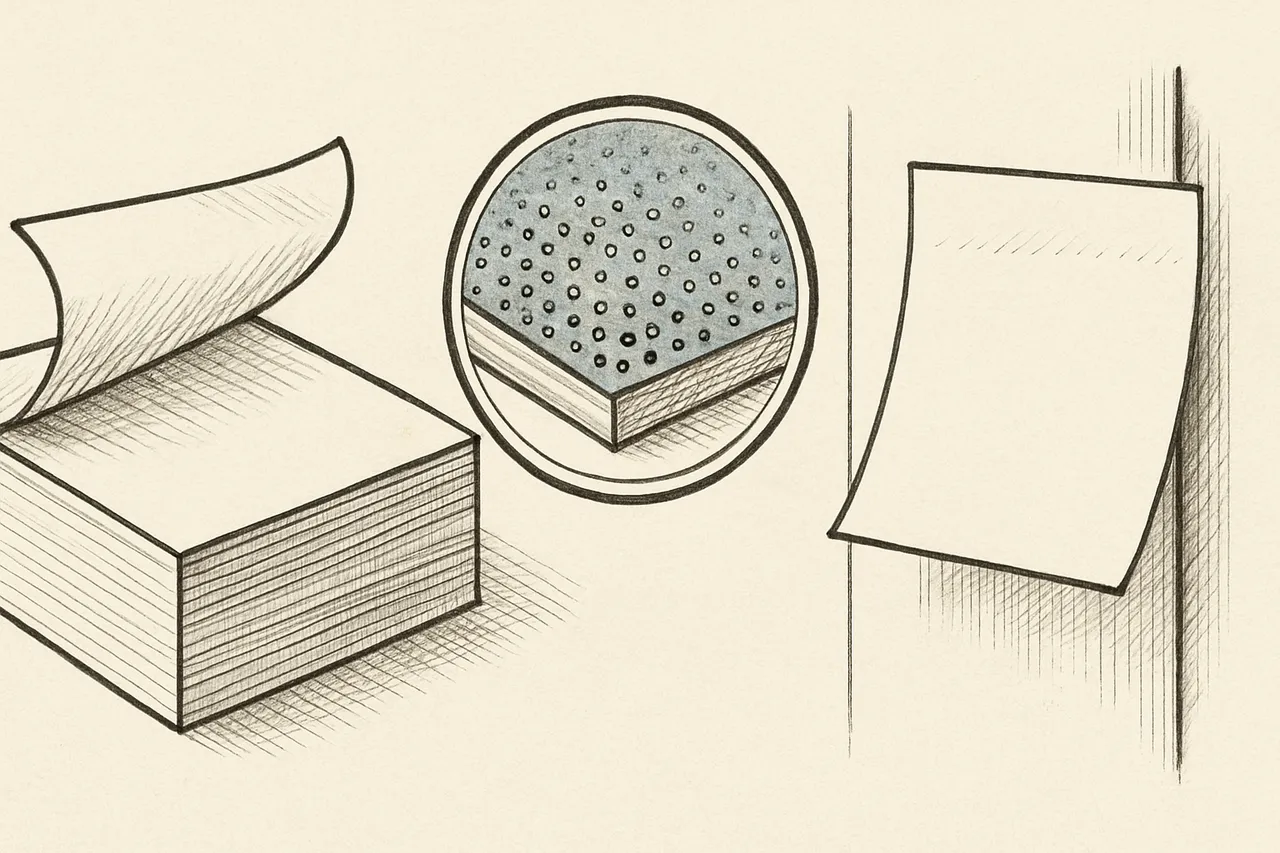
Spencer Silver Invented an Adhesive No One Wanted for Twelve Years
In 1968, a 3M chemist named Spencer Silver was trying to make a stronger adhesive. He accidentally made a weaker one that didn't stick permanently. The product it eventually became — Post-it Notes — did not ship for another twelve years.
Read the story →