A Melted Candy Bar in His Pocket Led to the Microwave Oven
An engineer testing radar equipment noticed the chocolate bar in his pocket had turned to goo. Instead of shrugging, he aimed the magnetron at some popcorn kernels. They popped. The kitchen was never the same.
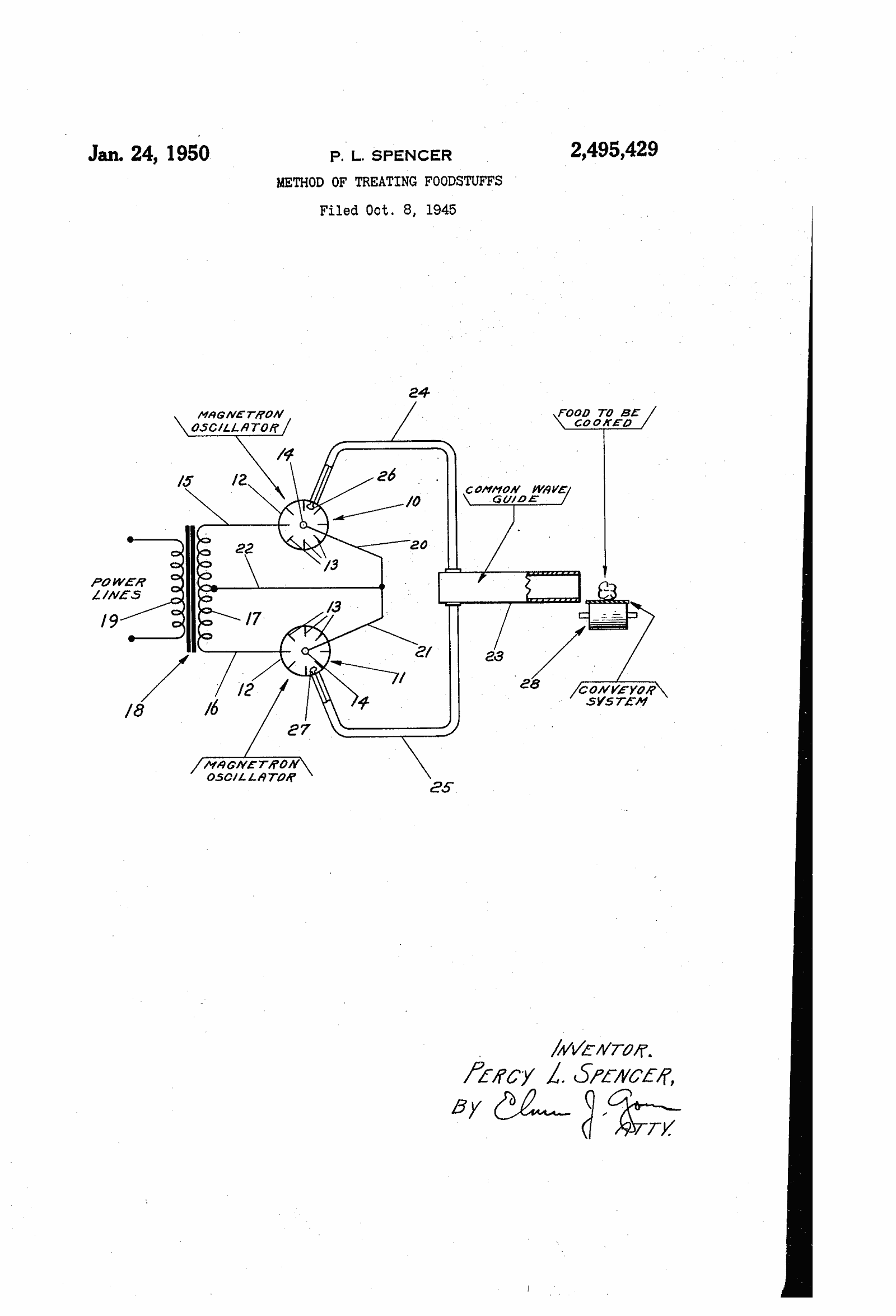
US2495429 was filed on October 8, 1945, and granted on January 24, 1950, to Percy L. Spencer, assigned to the Raytheon Manufacturing Company. The title is "Method of Treating Foodstuffs." Behind that bland phrasing is one of the most famous accidental discoveries in the history of invention: the microwave oven.
Spencer was a largely self-taught engineer — he had left school in the fourth grade and learned electronics in the Navy and on the job — and by the Second World War he was one of Raytheon's most valued experts on radar, specifically on the magnetron, the vacuum tube that generates the microwaves radar depends on. Raytheon was manufacturing magnetrons by the thousands for the war effort, and Spencer spent his days around equipment that pumped out microwave radiation at high power.
The candy bar
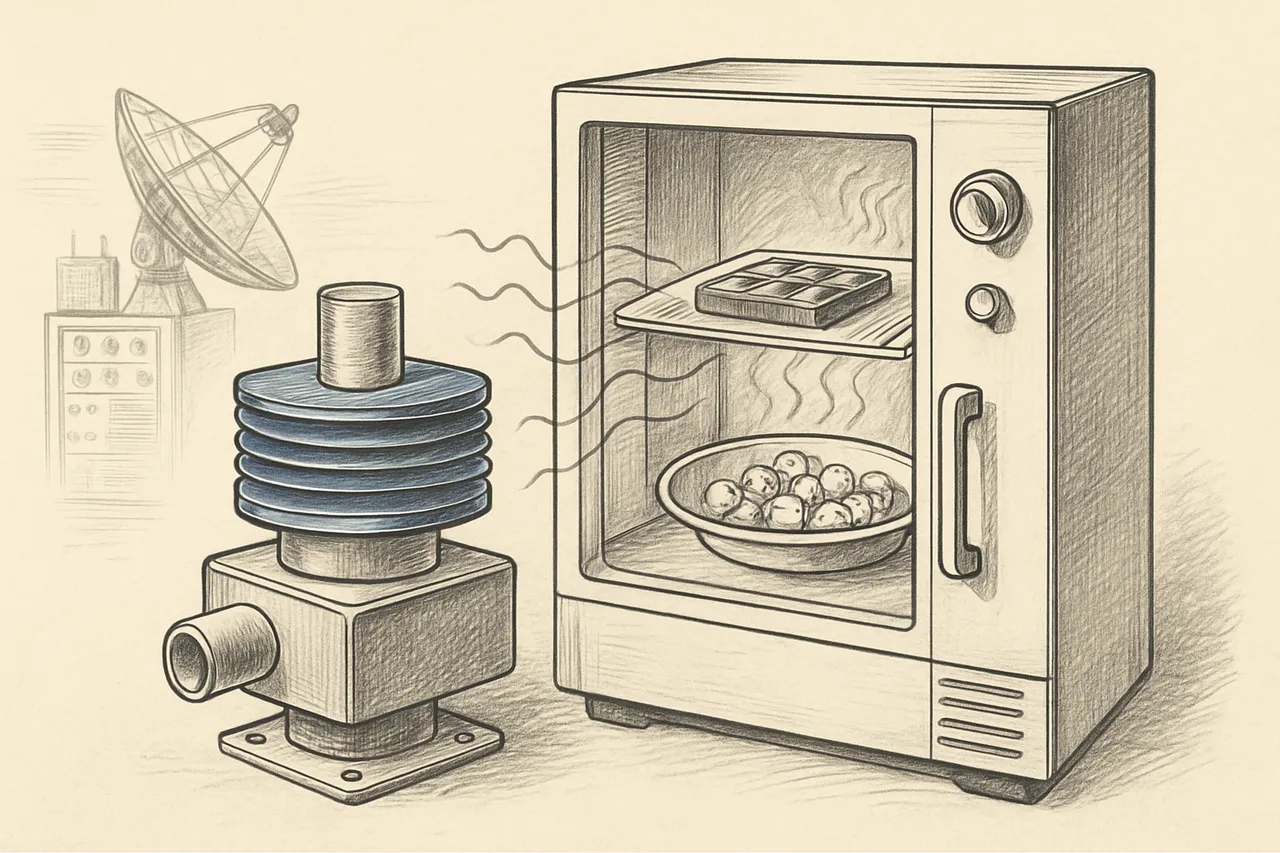
One day in 1945, standing near an active magnetron, Spencer noticed that a chocolate bar (some accounts say a peanut cluster bar) in his pocket had melted into a sticky mess. He had felt no heat. Most people would have been annoyed and moved on. Spencer, whose defining trait by every account was relentless curiosity, wondered whether the microwaves were doing it.
He sent out for popcorn kernels and held them near the magnetron. They popped, scattering across the lab. The next morning he tried an egg, which — as the story is usually told — heated so fast that it burst, spattering a skeptical colleague. Spencer had realized that microwaves could cook food directly, from the inside out, by agitating its water molecules, and could do it astonishingly fast.
From radar to the kitchen
Raytheon patented the idea and built the first commercial microwave oven, the "Radarange," in the late 1940s. It was not a consumer product in any recognizable sense: it stood nearly six feet tall, weighed about 750 pounds, and cost around $5,000 — the price of a house. It went into restaurants, railroad dining cars, and ocean liners.
The countertop microwave that would end up in nearly every kitchen took another two decades of miniaturization, as magnetrons got smaller and cheaper. Raytheon's 1967 "Radarange" home model, sold through a subsidiary, was the first that a household could plausibly buy, and through the 1970s and 80s the price collapsed and adoption exploded. By the 1990s the microwave oven was in the large majority of homes in the developed world, having quietly reorganized how people cook, reheat, and think about the time a meal is allowed to take.
Percy Spencer received a modest bonus — the standard Raytheon inventor's award of two dollars, by the most-repeated account — for a patent that founded a global appliance category. He rose to senior vice president and a seat on Raytheon's board, held around 300 patents in total, and is commemorated in the building names and lore of the company. The candy bar, as far as anyone knows, was not recovered.
See the original
The full text and figures of US2495429 are on Google Patents.
Related stories
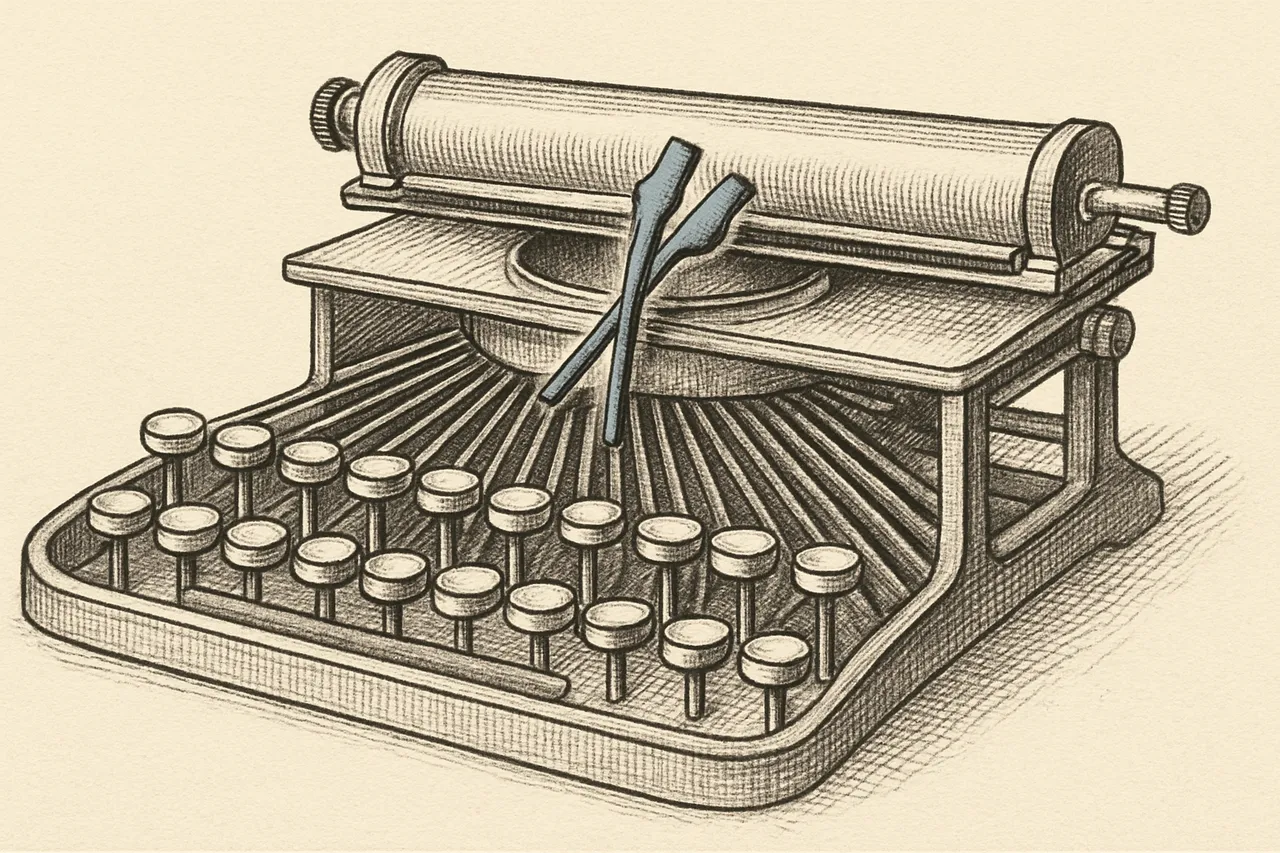
The 1868 Patent Behind the First Successful Typewriter Had Its Keys in Alphabetical Order. QWERTY Came Later, and Nobody Fully Agrees Why.
Christopher Latham Sholes and two partners patented a typewriter in Milwaukee in 1868 with keys arranged like a piano, roughly in alphabetical order. Over the next several years the letters were shuffled into QWERTY. The popular explanation for that is a distortion of a better one.
Read the story →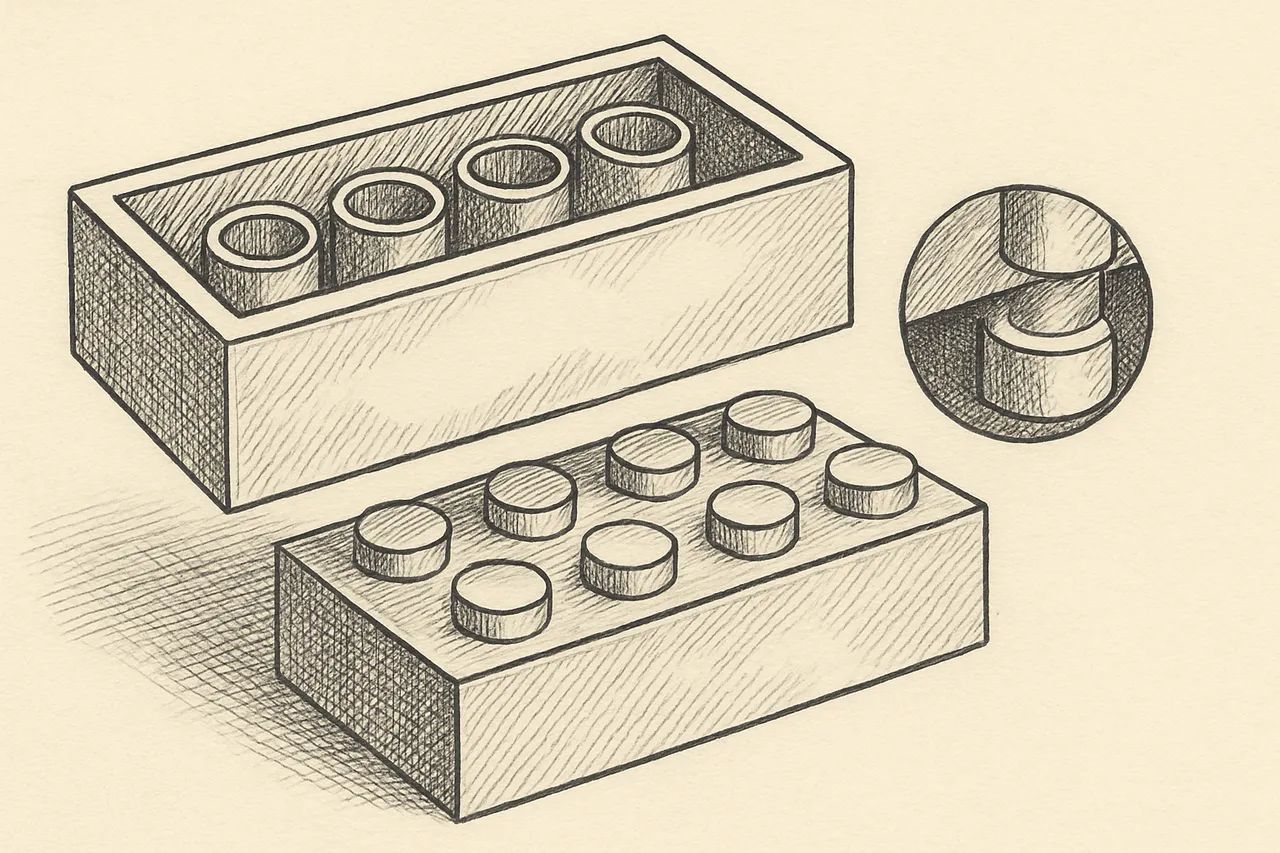
LEGO Bricks Were on Sale for Nine Years Before They Held Together Properly. The Fix Was a Row of Hollow Tubes.
The first LEGO bricks had studs on top and an empty space underneath, so models tended to come apart when you picked them up. Godtfred Kirk Christiansen's 1958 design put tubes inside the brick, and a brick molded that year still fits one molded today.
Read the story →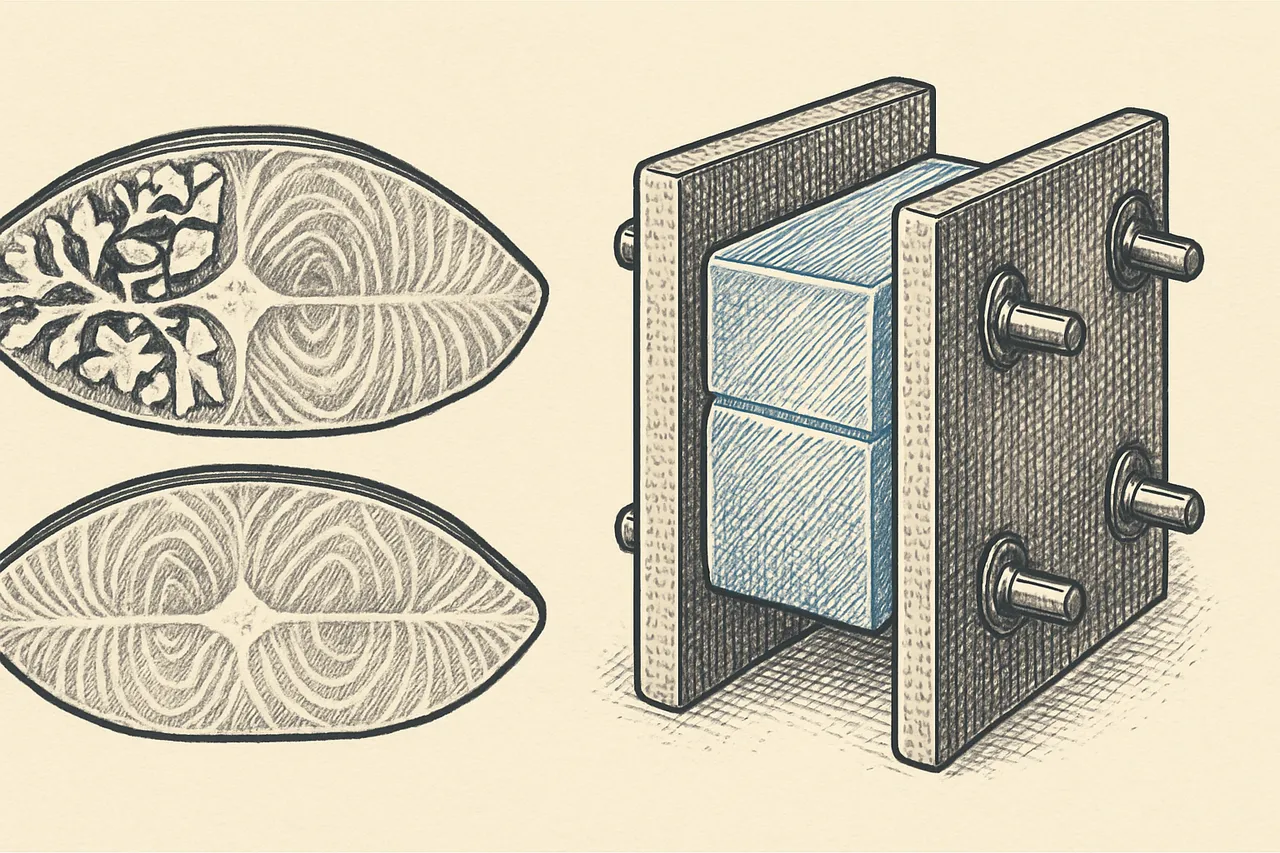
Clarence Birdseye Watched Inuit Fishermen Pull Fish From a Hole in the Ice and Worked Out Why Frozen Food Tasted Bad
Frozen food existed long before Birdseye and it was considered close to inedible. What he figured out in Labrador is that the problem was never freezing. It was freezing slowly, and the difference comes down to the size of the ice crystals.
Read the story →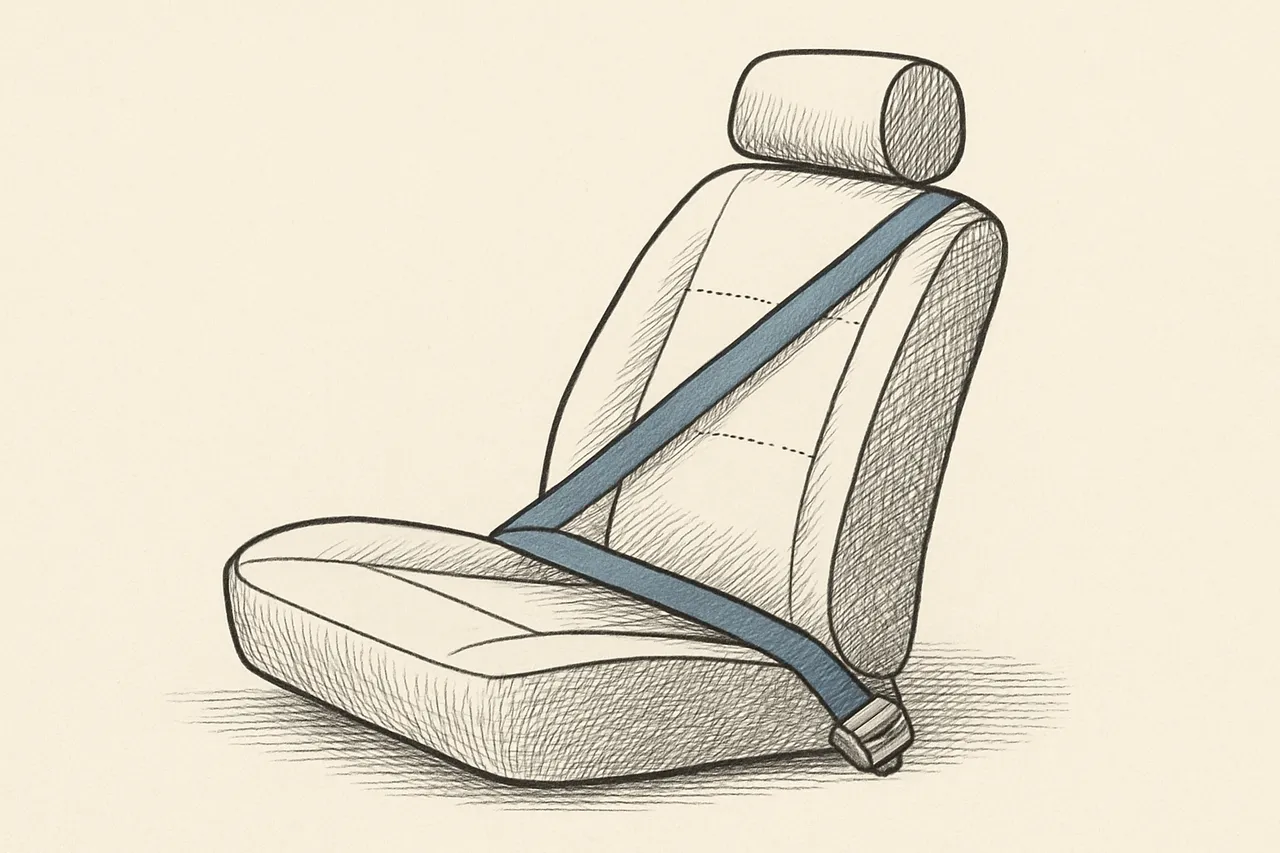
Volvo Patented the Three-Point Seat Belt in 1959, Then Opened the Patent to Every Rival It Had
Nils Bohlin came from building ejection seats for fighter aircraft, and he solved the seat belt in about a year. Volvo then did the thing companies almost never do with a patent that valuable: it made the design free to use, on the grounds that keeping it would cost lives.
Read the story →