Katharine Blodgett Made Glass Disappear
The first woman scientist ever hired by General Electric figured out how to coat glass so it reflects almost no light — making it, in effect, invisible. It's on your eyeglasses, your camera lens, and nearly every screen you look at.
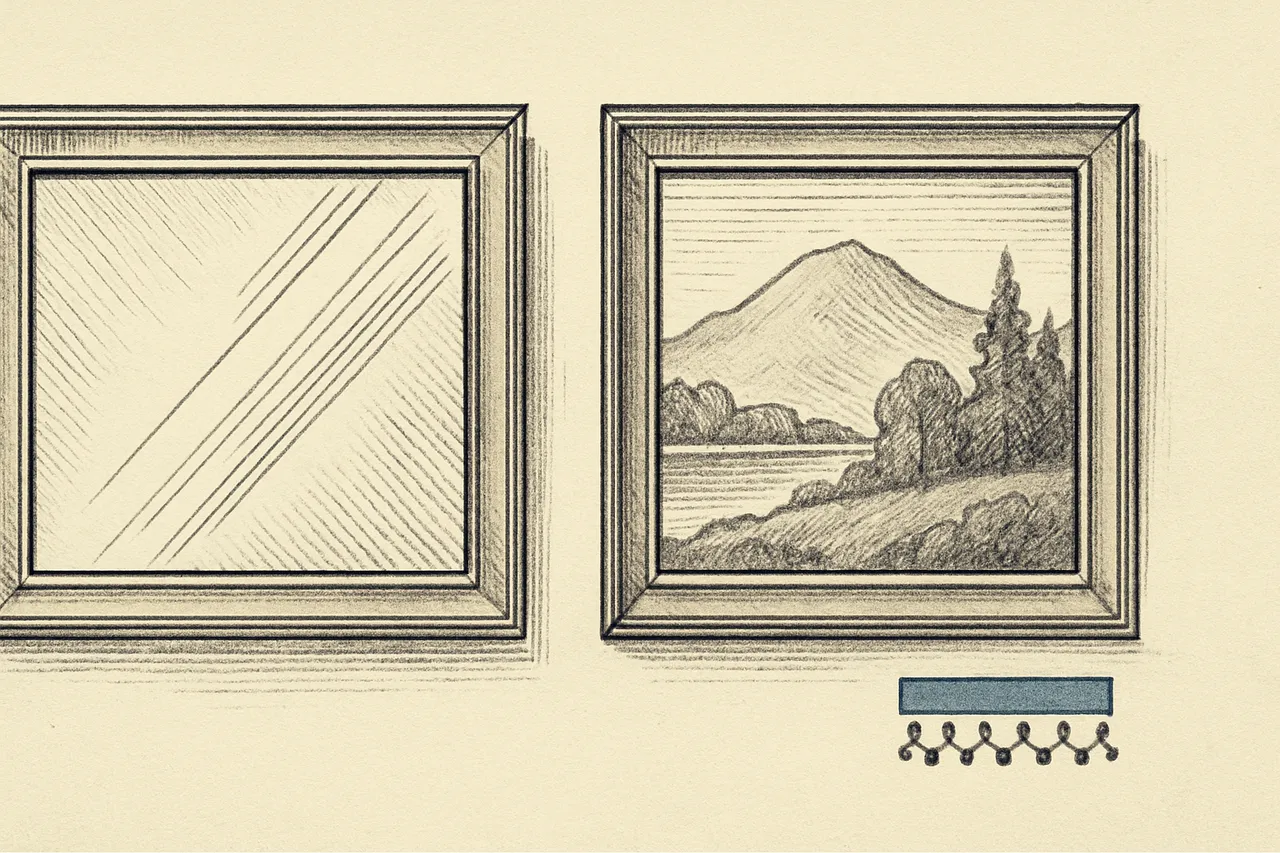
US2220860 was granted to Katharine B. Blodgett on November 5, 1940. The title is "Reduction of Surface Reflection." It describes a way to coat glass with an astonishingly thin layer — a film literally one molecule thick, built up in precisely controlled layers — that cancels the glass's natural surface reflection, rendering the glass almost perfectly transparent. Non-reflective, "invisible" glass.
Blodgett's path to the patent was itself a series of firsts. She was the first woman to earn a doctorate in physics from the University of Cambridge, in 1926, and the first woman ever hired as a scientist by the General Electric research laboratory, where she worked with the Nobel laureate Irving Langmuir. Together they had studied the behavior of oily films floating on water — how certain molecules arrange themselves into layers exactly one molecule thick on a surface.
One molecule at a time
Blodgett's insight was to use those single-molecule layers deliberately, as a coating. By repeatedly dipping a plate of glass through a film of a soapy compound floating on water, she could deposit the molecules onto the glass one perfectly uniform layer at a time — and count the layers, because each one changed the color of light reflecting off the surface in a predictable way. This gave her control over the coating's thickness down to the scale of individual molecules, a level of precision essentially unheard of at the time.
The optics of why this makes glass non-reflective are elegant. Ordinary glass reflects about eight percent of the light hitting it, from the front and back surfaces. Blodgett's coating, tuned to exactly the right thickness — a quarter of the wavelength of visible light — causes the light reflecting off the top of the coating and the light reflecting off the glass beneath it to cancel each other out through wave interference. With the reflections canceled, essentially all the light passes through. The glass becomes, to the eye, nearly invisible.
Everywhere you look
The 1940 patent was demonstrated to the press with a photograph that became famous: two picture frames, one with ordinary glass showing a bright reflected glare that obscured the image behind it, and one with Blodgett's coated glass, through which the image was perfectly clear as though no glass were there at all.
Anti-reflective coating, refined and industrialized in the decades since, is now ubiquitous. It is on camera lenses, where it dramatically improved photographic clarity and made complex multi-element lenses practical. It is on eyeglasses, telescopes, microscopes, periscopes (Blodgett's coatings were used in optical equipment during the Second World War), projector lenses, and the screens of phones, monitors, and televisions. Almost any time you look through a piece of precision glass without noticing the glass is there, you are benefiting from the principle Blodgett patented.
She held eight patents over her career and received numerous honors, though — as with many women scientists of her generation — the broad public recognition came slowly and largely late. She retired from GE in 1963 and died in 1979. The glass she taught how to disappear is now in front of nearly everyone's eyes, unnoticed, which is exactly the point.
See the original
The full text and figures of US2220860 are on patents.us.
Related stories
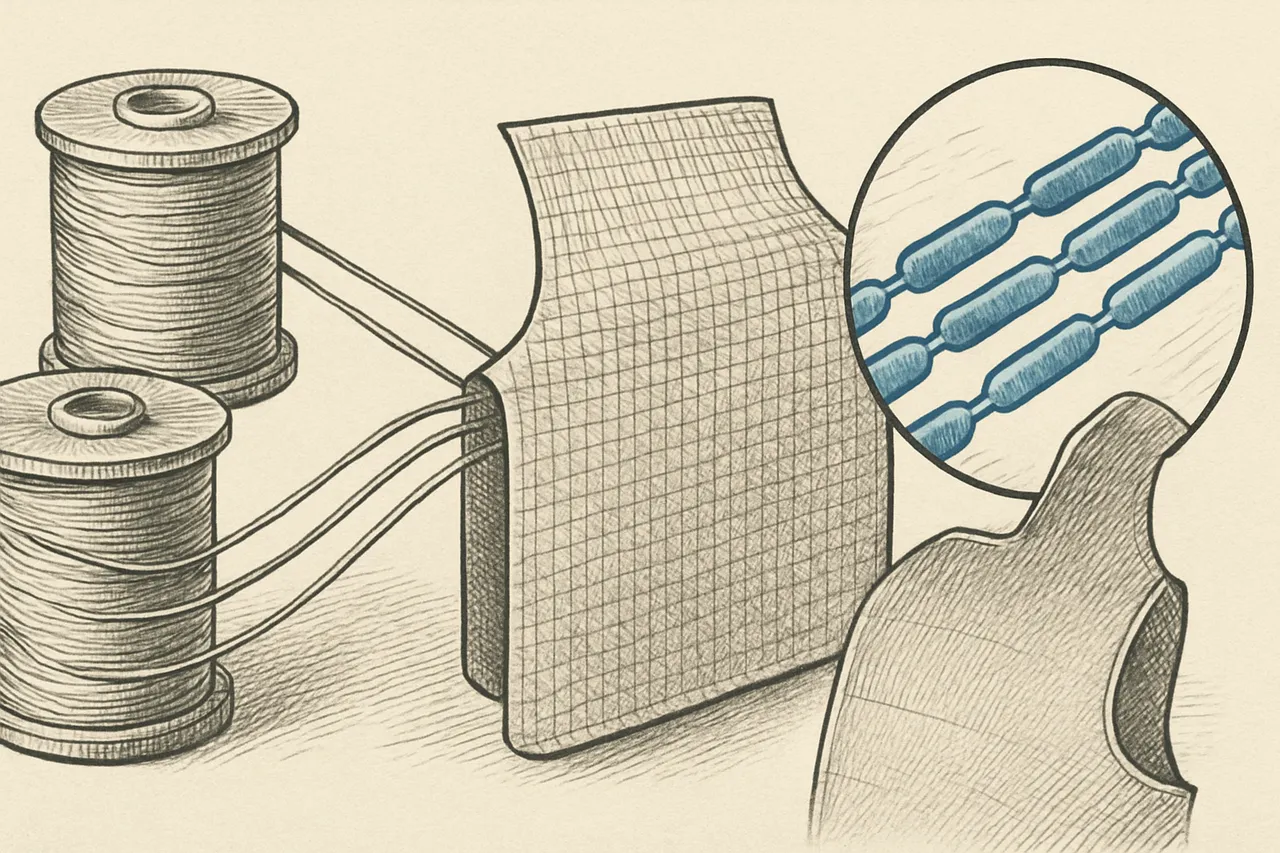
Stephanie Kwolek Invented a Fiber Stronger Than Steel — and It Has Stopped Countless Bullets Since
In 1965, a DuPont chemist was working with a cloudy solution that her colleagues assumed was a mistake and wanted to throw out. She insisted on spinning it into fiber anyway. The result was Kevlar.
Read the story →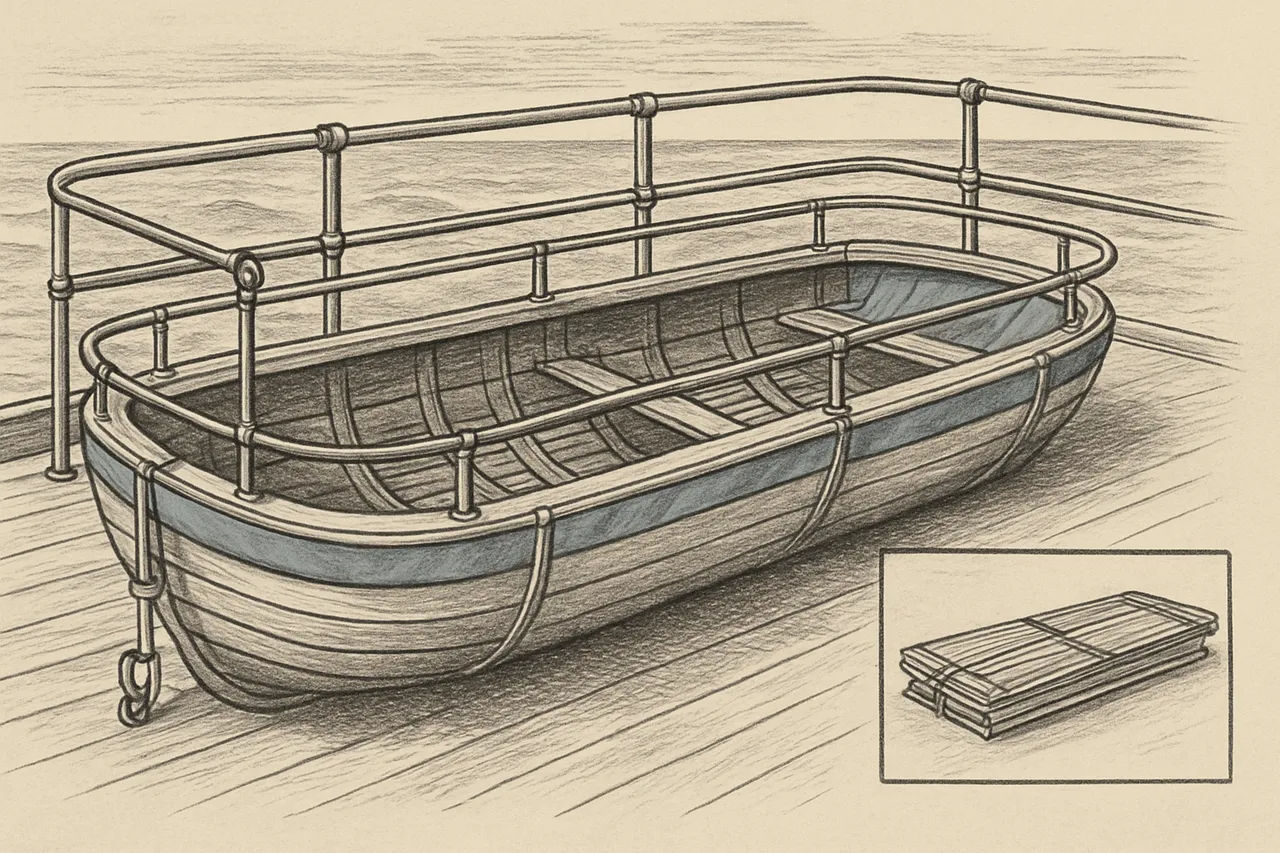
Maria Beasley Earned Twenty Thousand a Year in Patent Royalties in 1880. Her Life Rafts Were on the Titanic.
Maria Beasley was a thirty-something widow in Philadelphia when she patented a folding, fireproof life raft that could be deployed in seconds. She made roughly twenty thousand dollars a year from it at a time when the average American worker made four hundred.
Read the story →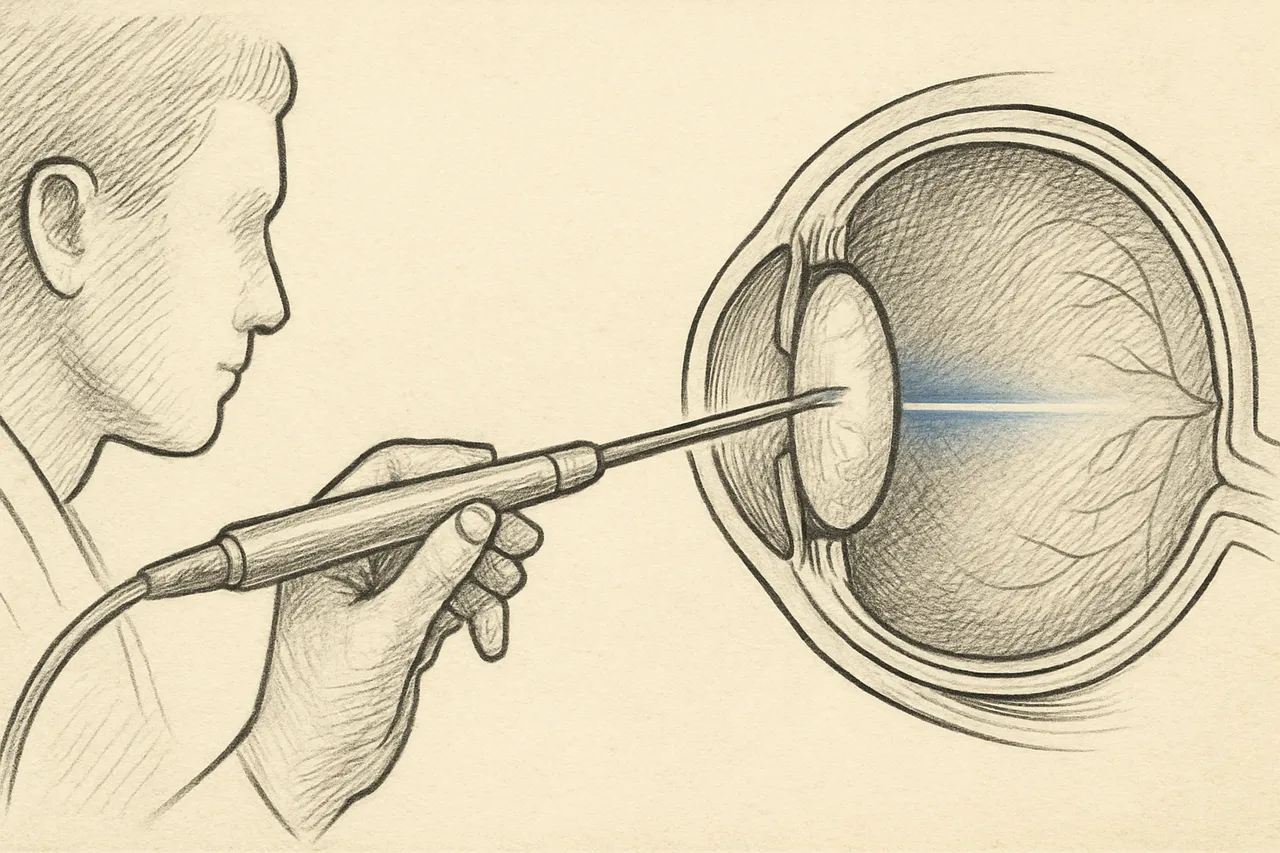
Patricia Bath Patented a Way to Restore Sight
Patricia Bath was the first Black woman in the United States to receive a medical patent. Her laserphaco probe, patented in 1988, restored sight to people who had been blind for thirty years — most of them in clinics overseas, because American hospitals wouldn't let her run trials.
Read the story →
Margaret Knight Sued the Man Who Stole Her Paper-Bag Machine. She Won.
In 1868, Margaret Knight built a machine that automatically folded flat-bottomed paper bags — the kind grocery stores still hand you. A machinist she'd hired to build the prototype tried to patent it first. She took him to court and won.
Read the story →