Patricia Bath Patented a Way to Restore Sight
Patricia Bath was the first Black woman in the United States to receive a medical patent. Her laserphaco probe, patented in 1988, restored sight to people who had been blind for thirty years — most of them in clinics overseas, because American hospitals wouldn't let her run trials.
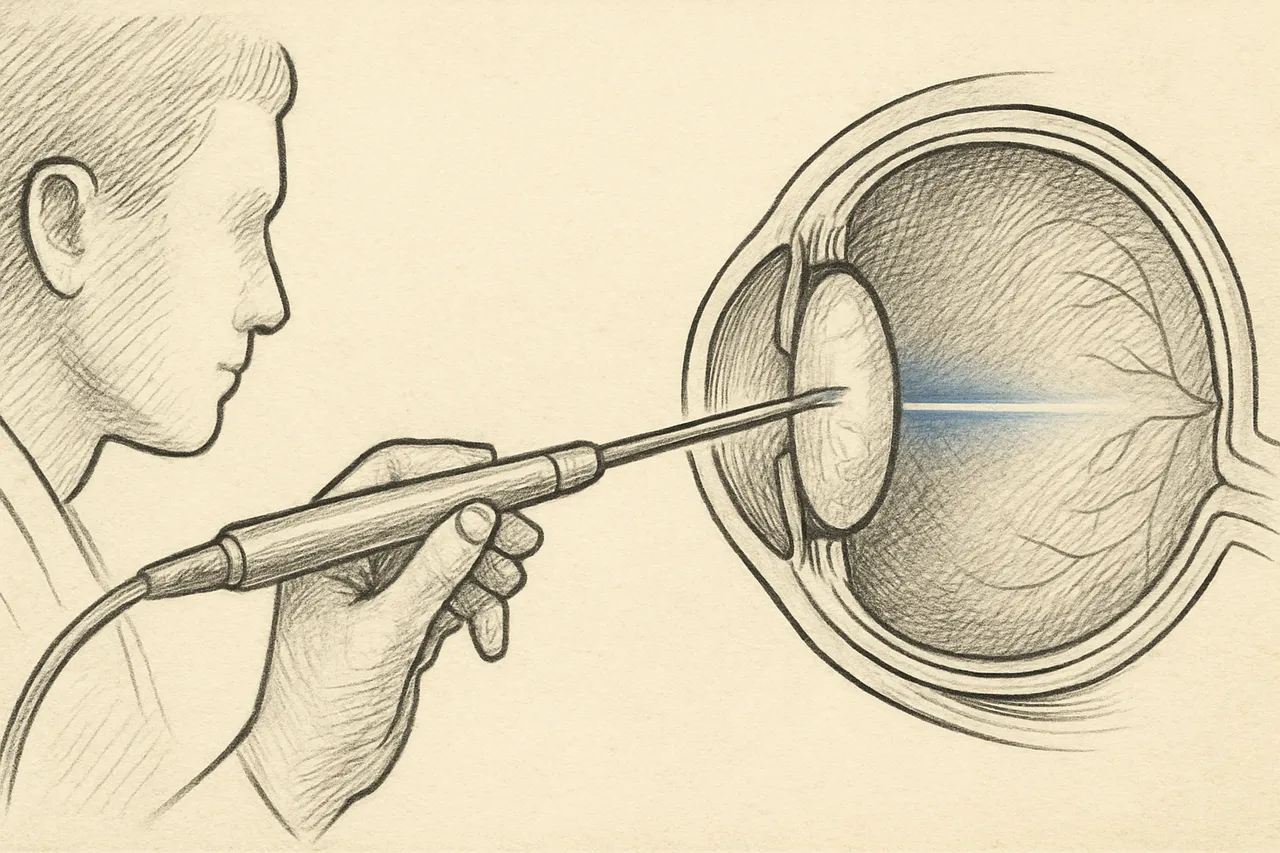
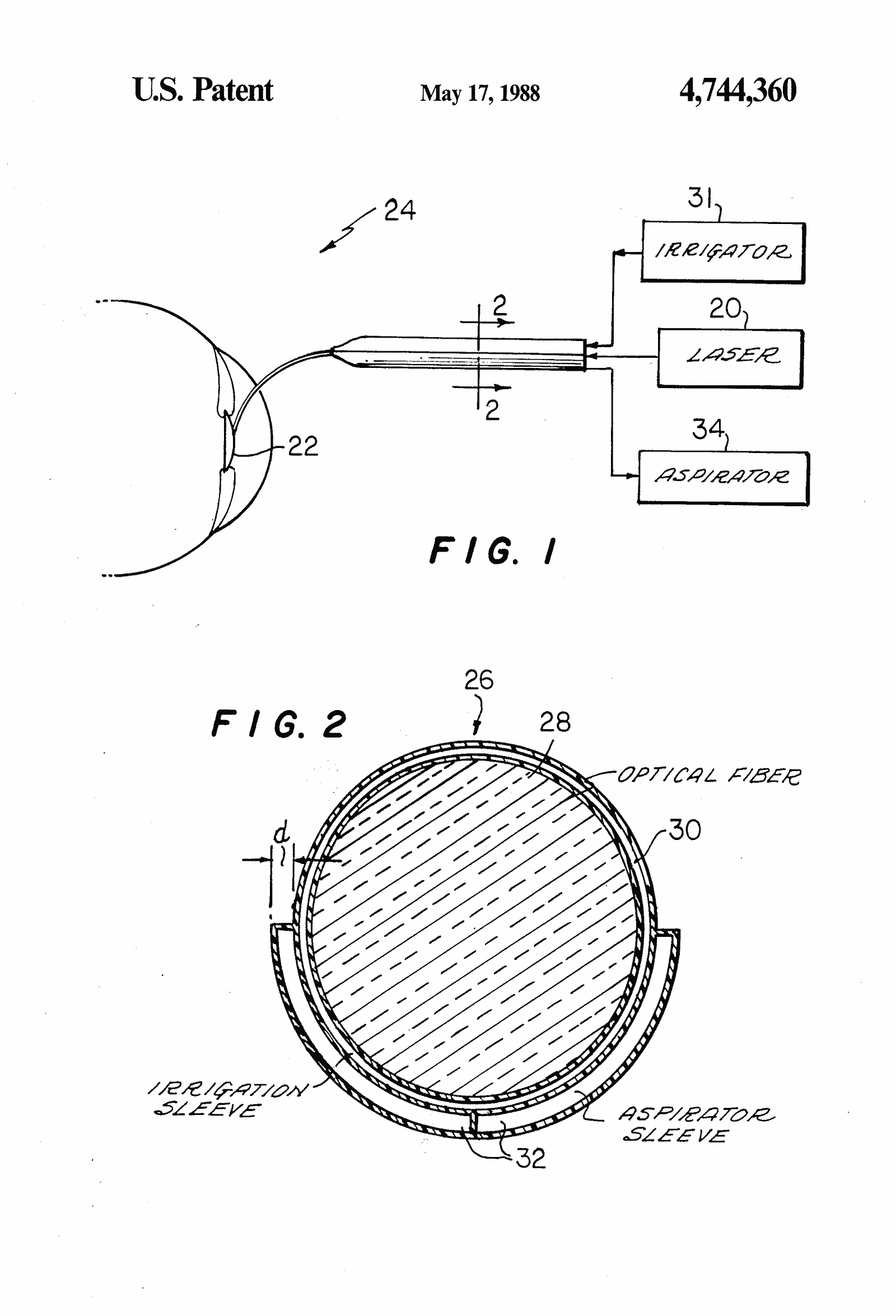
US4744360 was issued on May 17, 1988, to Patricia E. Bath of the UCLA Jules Stein Eye Institute. The title is "Apparatus for Ablating and Removing Cataract Lenses." The device described in the patent — which Bath herself called the "Laserphaco Probe" — used a precisely tuned laser pulse to vaporize the diseased tissue of a cataract-clouded lens, broke the remaining material apart with ultrasonic waves, and suctioned it out through the same hollow probe in a single coordinated motion.
The state of the art before the laserphaco probe was a steel scalpel and a mechanical grinder. Surgery took an hour. Recovery took weeks. Cataracts left untreated were one of the leading causes of blindness in the world.
Five years, and a flight to Berlin
Bath had completed her ophthalmology residency at NYU in 1973, the first Black woman to do so. By the early 1980s she was at UCLA, and she had begun developing the optical system for the Laserphaco Probe in a small lab there. She filed the patent application in 1986 — five years into the project — and continued refining the device while it sat in examination.
She could not get permission to test it on human patients in the United States. UCLA's review process moved slowly. Other American institutions she approached for trial partnerships either declined or never replied. The combination of factors — a relatively new optical technique, a relatively new kind of laser, and an applicant who was a Black woman in a field that was, in the 1980s, very nearly devoid of either — made the prospect of US clinical trials effectively impossible.
So she took the device to Europe. The first human laserphaco surgeries were performed in West Berlin in 1986 and 1987 at clinics that agreed to her trial protocol. Among her early patients were people who had been blind for decades, several of them for thirty years or more. After surgery, many could see well enough to read.
She wrote about the patients later in restrained, almost clinical prose. The most-quoted sentence from those writings is also the most direct: "The ability to restore sight is the ultimate reward."
What it became
The Laserphaco principle — laser ablation, ultrasonic fragmentation, and aspiration in a single coordinated probe — became the foundation of modern cataract surgery. The procedure today, in any developed country, takes about fifteen minutes. The patient goes home the same afternoon. Roughly thirty million cataract surgeries are performed every year worldwide. The technology Bath patented in 1988 is, in one form or another, in most of them.
Bath went on to hold five patents over her career. She co-founded the American Institute for the Prevention of Blindness in 1976. She was the first Black woman to serve on the staff of the Jules Stein Eye Institute, the first woman to chair an ophthalmology residency program in the United States, and the first Black female physician to receive a medical patent. She died in 2019. The National Inventors Hall of Fame inducted her posthumously in 2022.
See the original
The full text and figures of US4744360 are on Google Patents.
Related stories
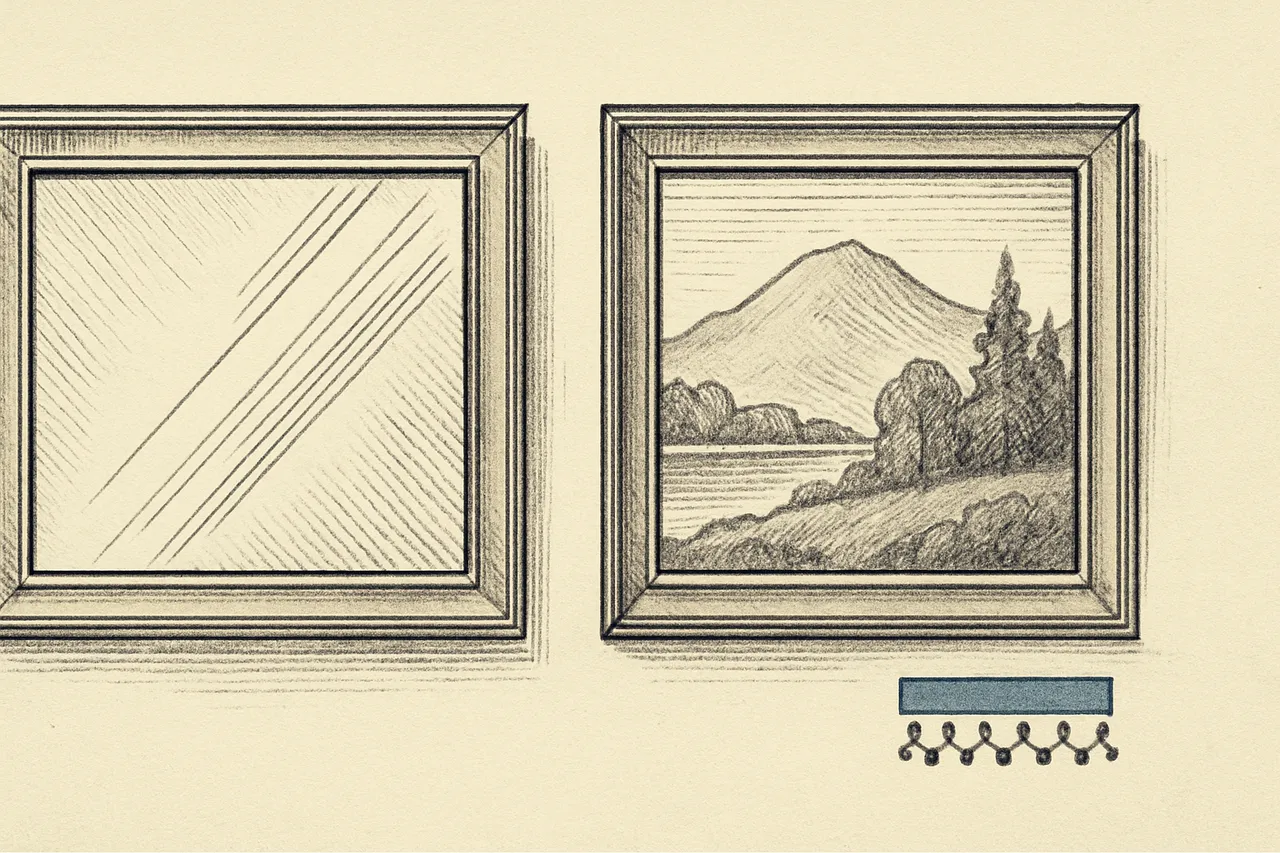
Katharine Blodgett Made Glass Disappear
The first woman scientist ever hired by General Electric figured out how to coat glass so it reflects almost no light — making it, in effect, invisible. It's on your eyeglasses, your camera lens, and nearly every screen you look at.
Read the story →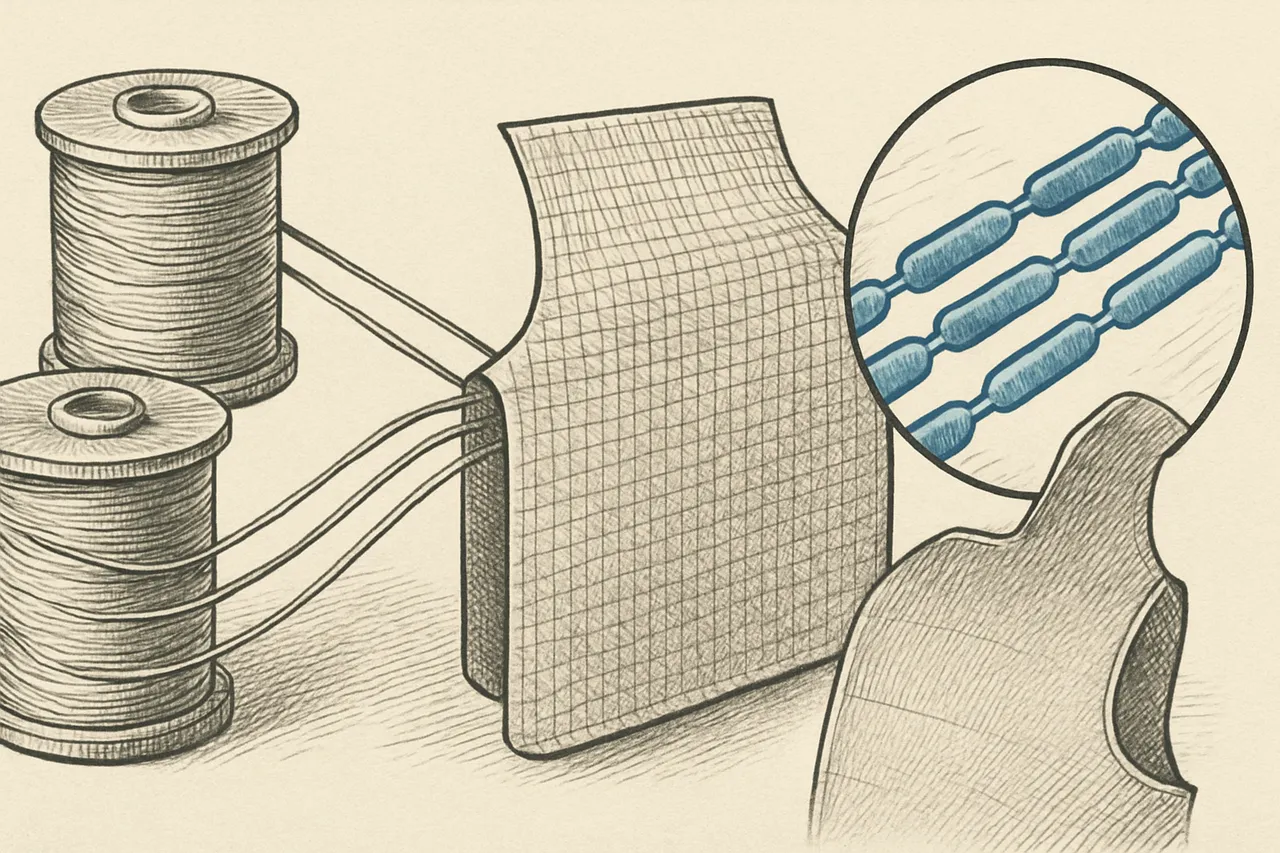
Stephanie Kwolek Invented a Fiber Stronger Than Steel — and It Has Stopped Countless Bullets Since
In 1965, a DuPont chemist was working with a cloudy solution that her colleagues assumed was a mistake and wanted to throw out. She insisted on spinning it into fiber anyway. The result was Kevlar.
Read the story →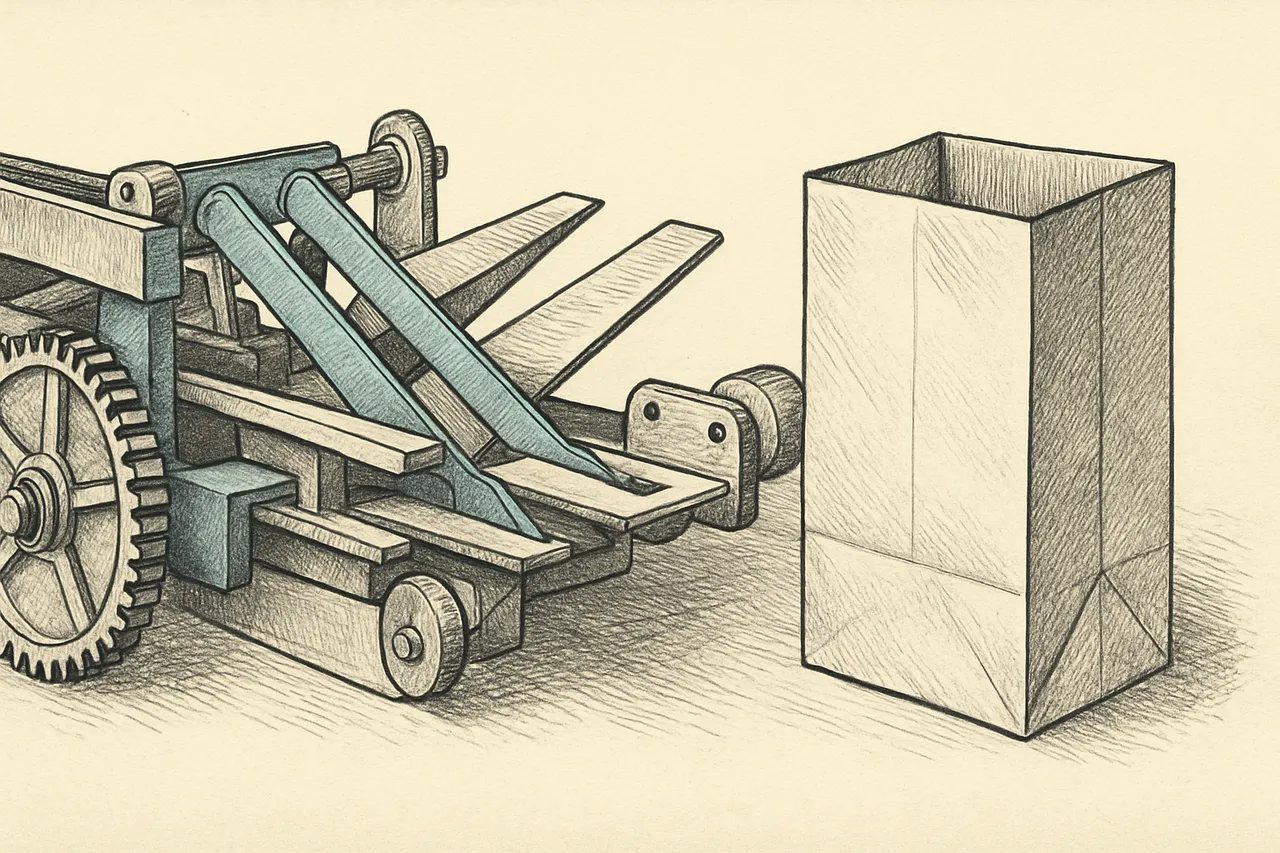
Margaret Knight Sued the Man Who Stole Her Paper-Bag Machine. She Won.
In 1868, Margaret Knight built a machine that automatically folded flat-bottomed paper bags — the kind grocery stores still hand you. A machinist she'd hired to build the prototype tried to patent it first. She took him to court and won.
Read the story →
Fermi and Szilard Filed a Patent on the Nuclear Reactor in 1944. It Stayed Secret for More Than Ten Years.
The patent is titled Neutronic Reactor, which is a very flat name for the machine that produced the first controlled nuclear chain reaction. It was filed during the Manhattan Project, buried under a secrecy order, and not published until 1955, six months after Enrico Fermi died.
Read the story →