Josephine Cochrane Built the Dishwasher Because Servants Kept Chipping Her China
A wealthy Illinois socialite was tired of her heirloom porcelain being chipped by careless hand-washing. When her husband died and left her in debt, the machine she'd built to protect her dishes became the thing that saved her.
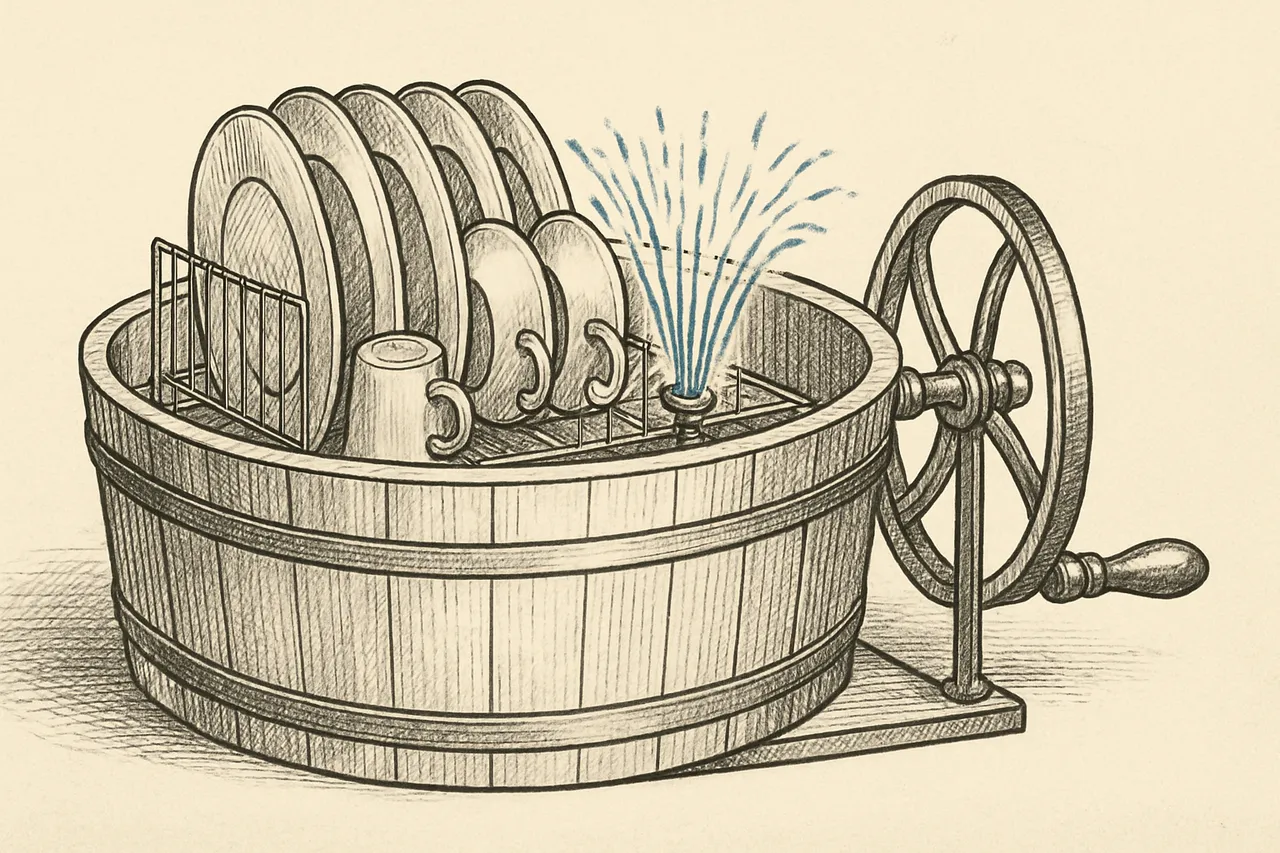
US355139 was granted to Josephine G. Cochran of Shelbyville, Illinois, on December 28, 1886. The title is "Dish Washing Machine." It is the first patent for a dishwasher that actually worked — that used water pressure, rather than scrubbers, to clean dishes held in a wire rack, which is the fundamental principle of every dishwasher built since.
Cochran (the "e" was added to her name in some later accounts) was, by the standards of 1880s Shelbyville, wealthy and socially prominent. She entertained frequently, and she owned a set of heirloom china said to have been in her family since the seventeenth century. Her complaint was specific and, to her, serious: her servants, washing the delicate porcelain by hand, kept chipping it. She reportedly declared that if no one else would invent a machine to wash dishes without breaking them, she would do it herself.
The design
Cochran's insight was mechanical and correct. Earlier attempts at dishwashing machines had used scrubbing mechanisms — brushes or agitators that physically rubbed the dishes, which is exactly what chips china. Cochran instead designed a system where dishes were held stationary in compartments of a wire rack, sized to fit plates, saucers, and cups. A motor turned the rack while jets of hot soapy water were sprayed up from the bottom. The water did the cleaning; nothing touched the dishes but the spray.
She built the first working prototype in the shed behind her house, with the help of a mechanic named George Butters. The wire-rack-and-water-jet design she patented in 1886 is, in its essentials, how your dishwasher works right now.
From necessity to business
The invention became a livelihood rather than a hobby because of a change in circumstances. Cochran's husband, William, died in 1883 — before the patent was granted — and left her with significant debts. The comfortable socialite who had wanted to protect her china now needed income. She turned the dishwasher into a business.
Her first customers were not households. The hand-cranked and early motorized versions were too large and expensive for home kitchens, and most homes of the era did not have the reliable hot water supply the machine needed. Instead, Cochran sold to hotels and restaurants, which washed dishes in enormous volumes and could justify the cost. Her machines appeared at the 1893 World's Columbian Exposition in Chicago, where they won an award and orders from restaurants across the region.
She founded a company to manufacture them, running it herself until her death in 1913. That company went through a series of acquisitions and mergers over the following decades and eventually became part of KitchenAid, which became part of Whirlpool — today one of the largest appliance manufacturers in the world. The domestic dishwasher, the kind now in a majority of American kitchens, descends directly from the machine a widow built to keep her china from being chipped.
See the original
The full text and figures of US355139 are on patents.us.
Related stories
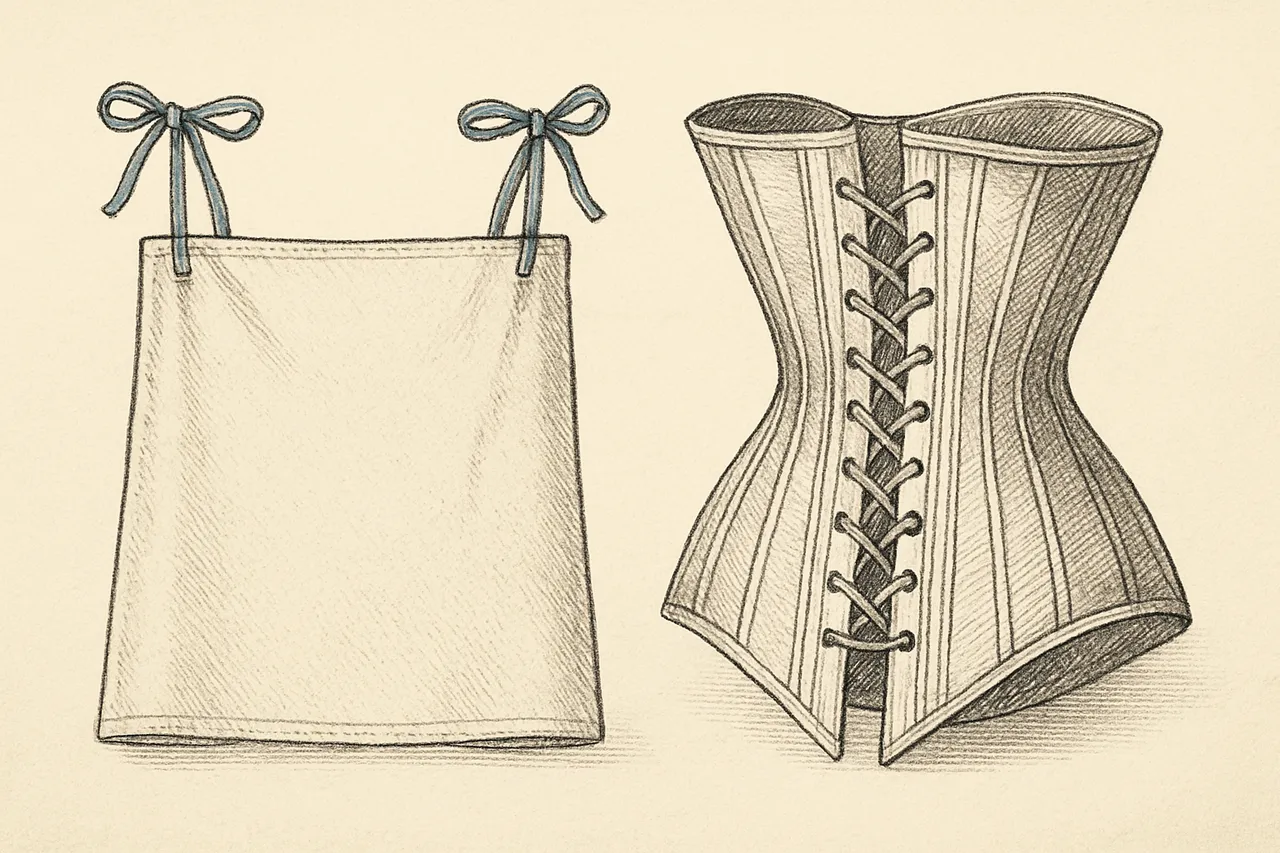
The First Modern Bra Was Two Handkerchiefs and a Ribbon, Improvised Before a Party
Mary Phelps Jacob was nineteen, dressing for a debutante ball, and the corset under her gown was ruining it. She had her maid bring two handkerchiefs and some ribbon. Four years later she held a US patent, and not long after that she sold it for $1,500.
Read the story →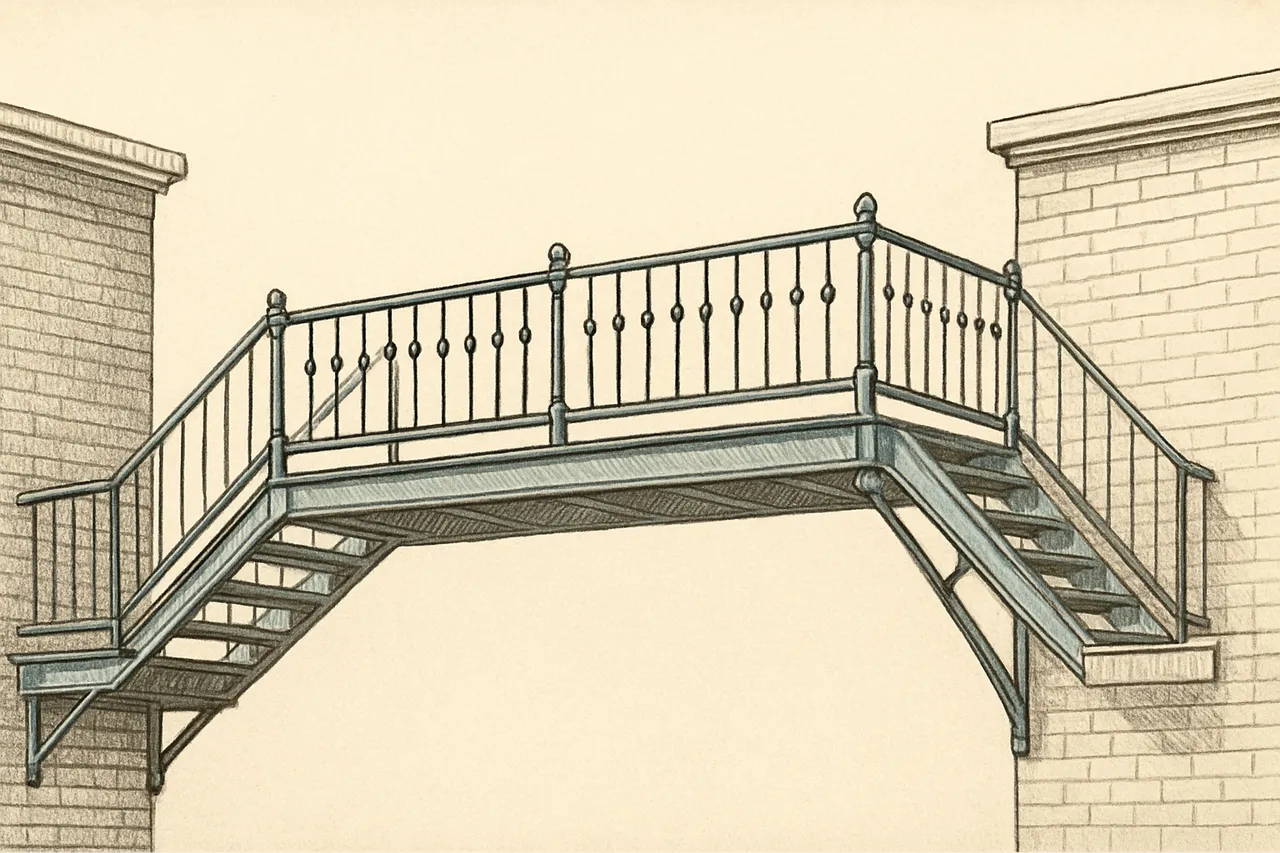
Anna Connelly Patented the Fire Escape in 1887, and Cities Started Requiring Them
American cities were building upward faster than they could evacuate. Anna Connelly, one of the earliest women to hold a US patent, proposed an external bridge between rooftops with railings — an escape route that did not depend on the burning stairwell.
Read the story →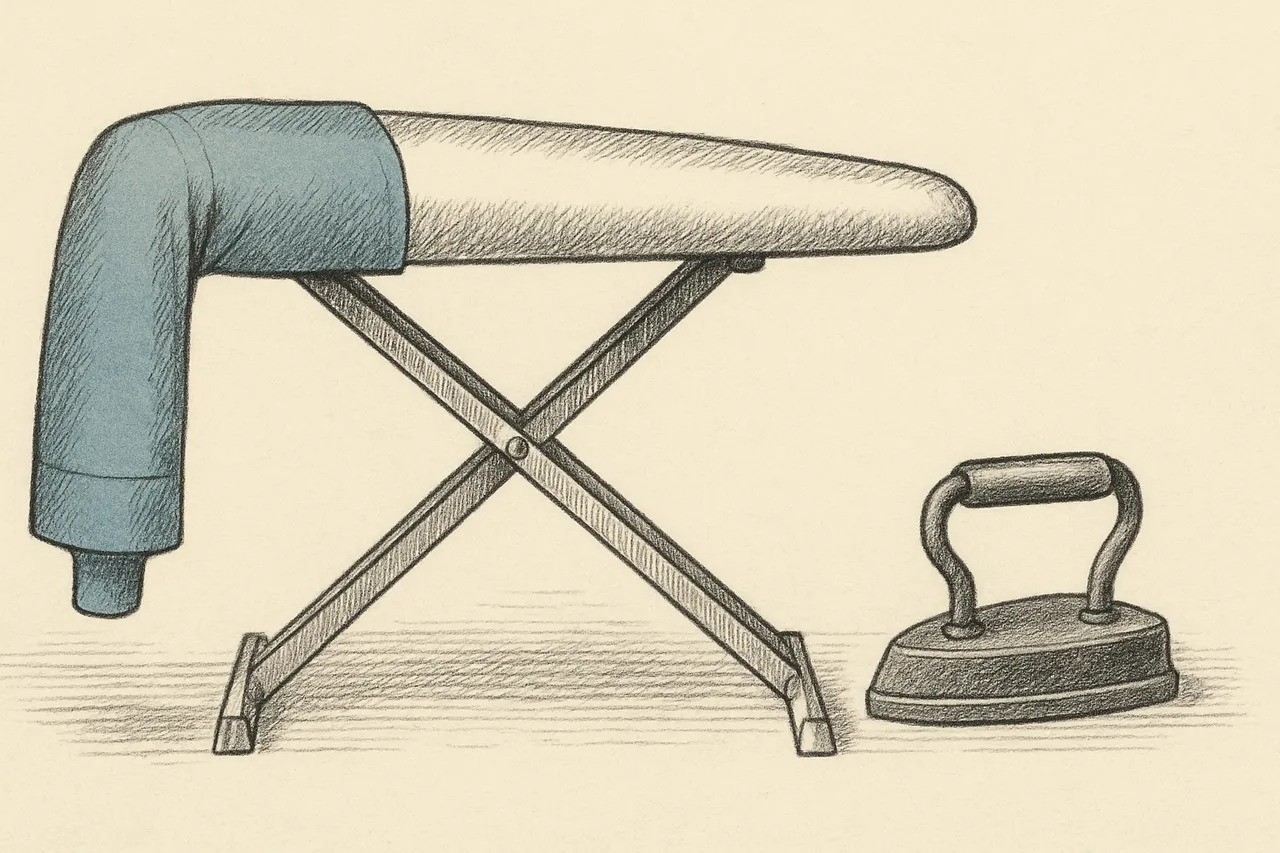
Sarah Boone Was Born Enslaved. In 1892 She Patented the Ironing Board You Still Use.
Flat boards laid across chairs could not press a fitted sleeve or a curved bodice without creasing everything else. Sarah Boone, one of the first Black women in America to receive a patent, gave the board a narrow padded shape that fit the garment.
Read the story →
Tupperware Sat on Shelves for Years. A Single Mother Selling It at Parties Saved the Company.
Earl Tupper's airtight burping seal was a genuine breakthrough that nobody could figure out how to use. Brownie Wise, a divorced single mother with no formal business training, outsold every store in the country from her living room.
Read the story →