Margaret Knight Sued the Man Who Stole Her Paper-Bag Machine. She Won.
In 1868, Margaret Knight built a machine that automatically folded flat-bottomed paper bags — the kind grocery stores still hand you. A machinist she'd hired to build the prototype tried to patent it first. She took him to court and won.
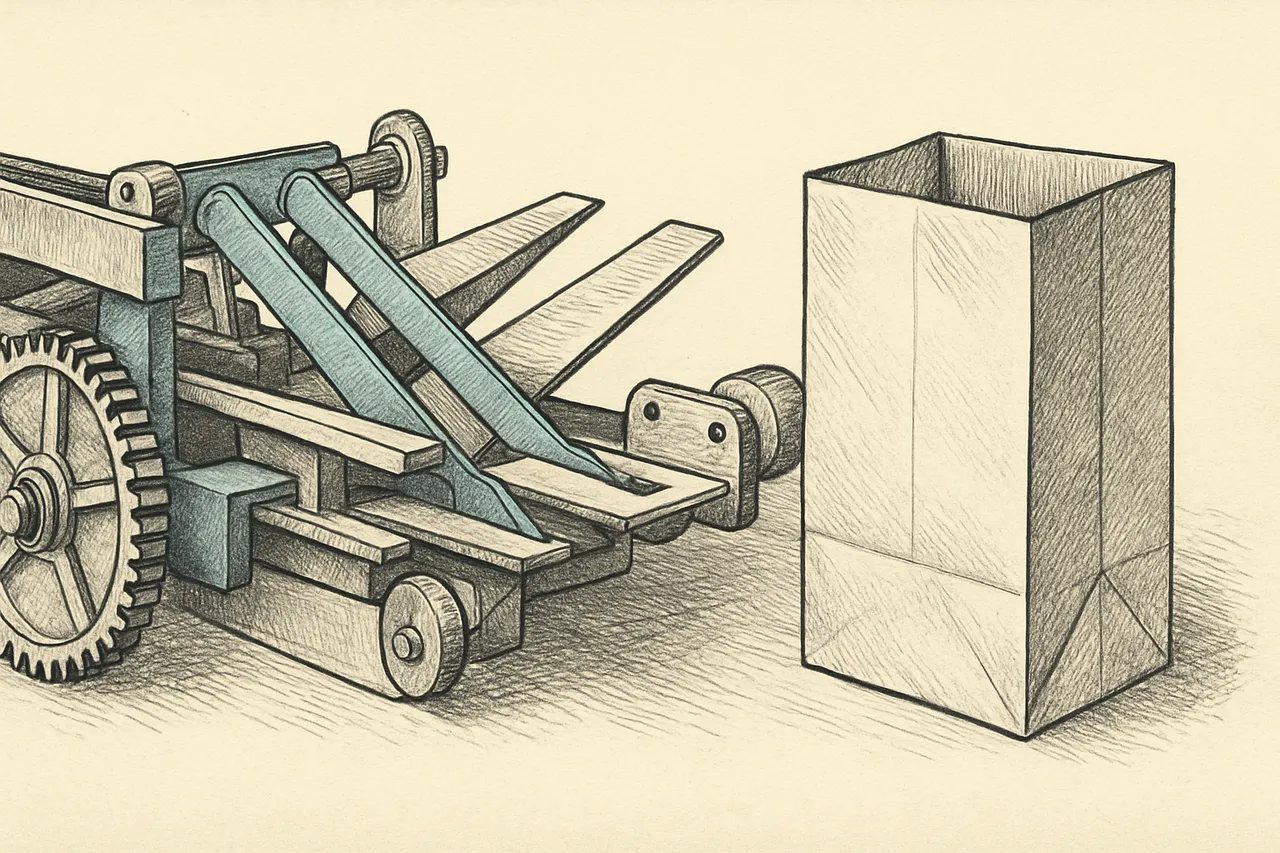
In 1868, Margaret Knight was a foreman at the Columbia Paper Bag Company in Springfield, Massachusetts. She was thirty. She had been working in mills since she was twelve, since the Civil War, since long before there was much pretense that women in mills were expected to do anything but follow instructions.
The bags her factory made were V-shaped — pointed at the bottom, like an envelope. Flat- bottom bags, the kind that could stand upright and hold groceries, had to be folded by hand, slowly, expensively. Knight watched workers do it for months and then went home and built a machine that did it automatically: cut the paper, folded the bottom, glued it, and produced a finished flat-bottom bag at speed.
She took the prototype to a Boston machine shop and hired a craftsman named Charles Annan to build a finished iron version. While Annan worked on the build, Knight worked on her patent application.
Annan filed first. With her design.
The trial
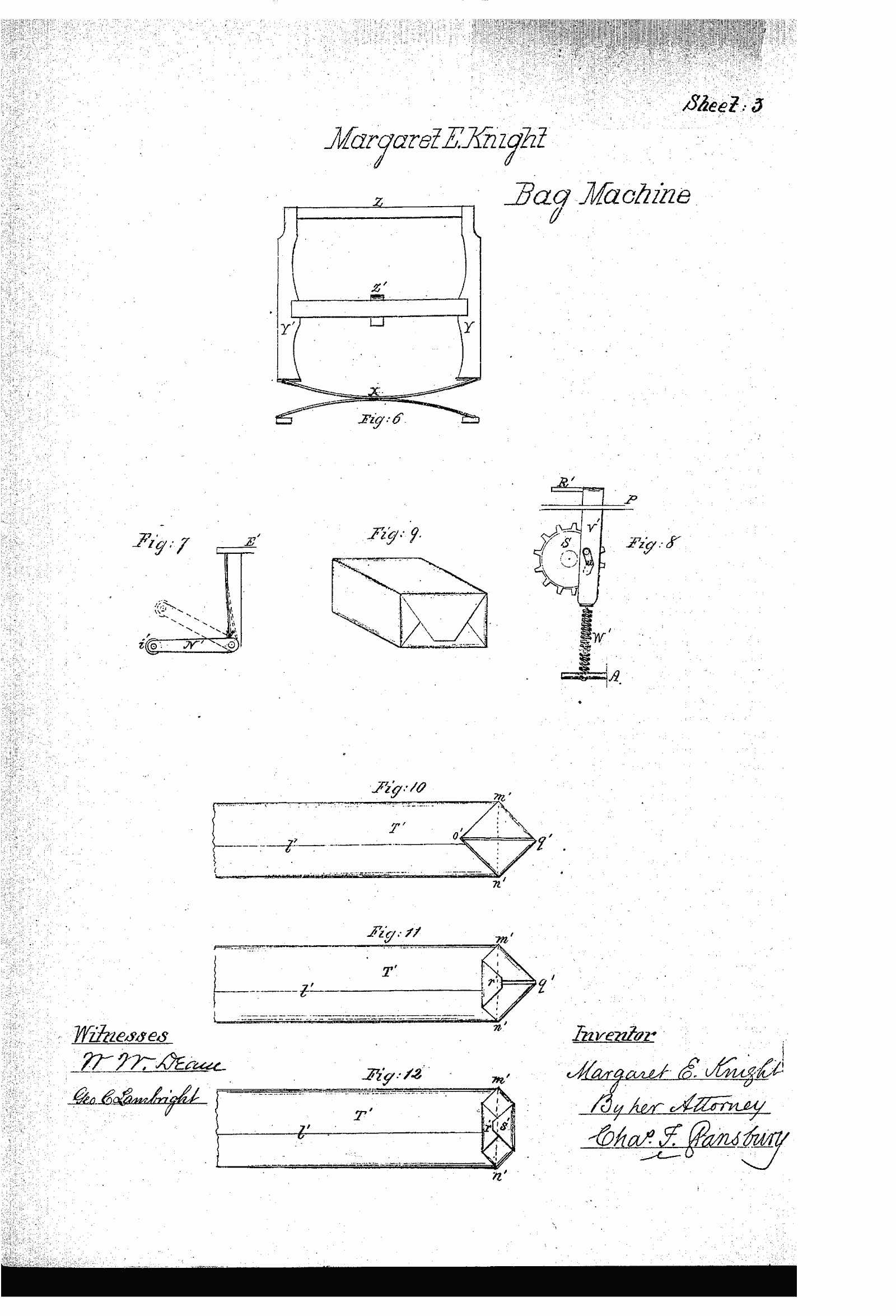
The case went to court in 1870. Annan claimed he'd come up with the design independently; Knight produced her dated workshop diaries, her wooden prototypes, her hand-cut paper bags from 1868, and the testimony of mill workers who had watched her build the original. The patent office found, plainly, in her favor. US116842 was granted to Margaret E. Knight on July 11, 1871: "Improvement in Paper-Bag Machines."
Knight was, depending on which historian you ask, either the first American woman to win a major patent-priority dispute or the first to do so by such a wide margin that it established the principle. Either way: a foreman in a paper mill in 1870 had walked into court with her sketchbooks and walked out owning the design.
What it became
The flat-bottom paper bag the United States still uses today — the kind a grocery store hands you, the kind that stands upright and holds three pounds of apples — is, in mechanical principle, made by descendants of Knight's 1871 machine. The folding sequence is the same. The bottom-flap geometry is the same. Modern industrial bag machines have faster motors and better servos and digital controls, but the core mechanism Knight patented in 1871 is what's still inside them.
Knight went on to file something between 27 and 90 patents over her lifetime, depending on which ones you count and which ones were filed in her husband's name to avoid the indignity of explaining herself to skeptical examiners. Among them: shoe-making machinery, sewing machines, and several internal-combustion engine improvements. She worked steadily, by herself, until she died in 1914 in genteel poverty. The paper-bag machine was making someone, somewhere, a great deal of money. It was not making her one.
See the original
The full text and drawings of US116842 are on Google Patents.
Related stories
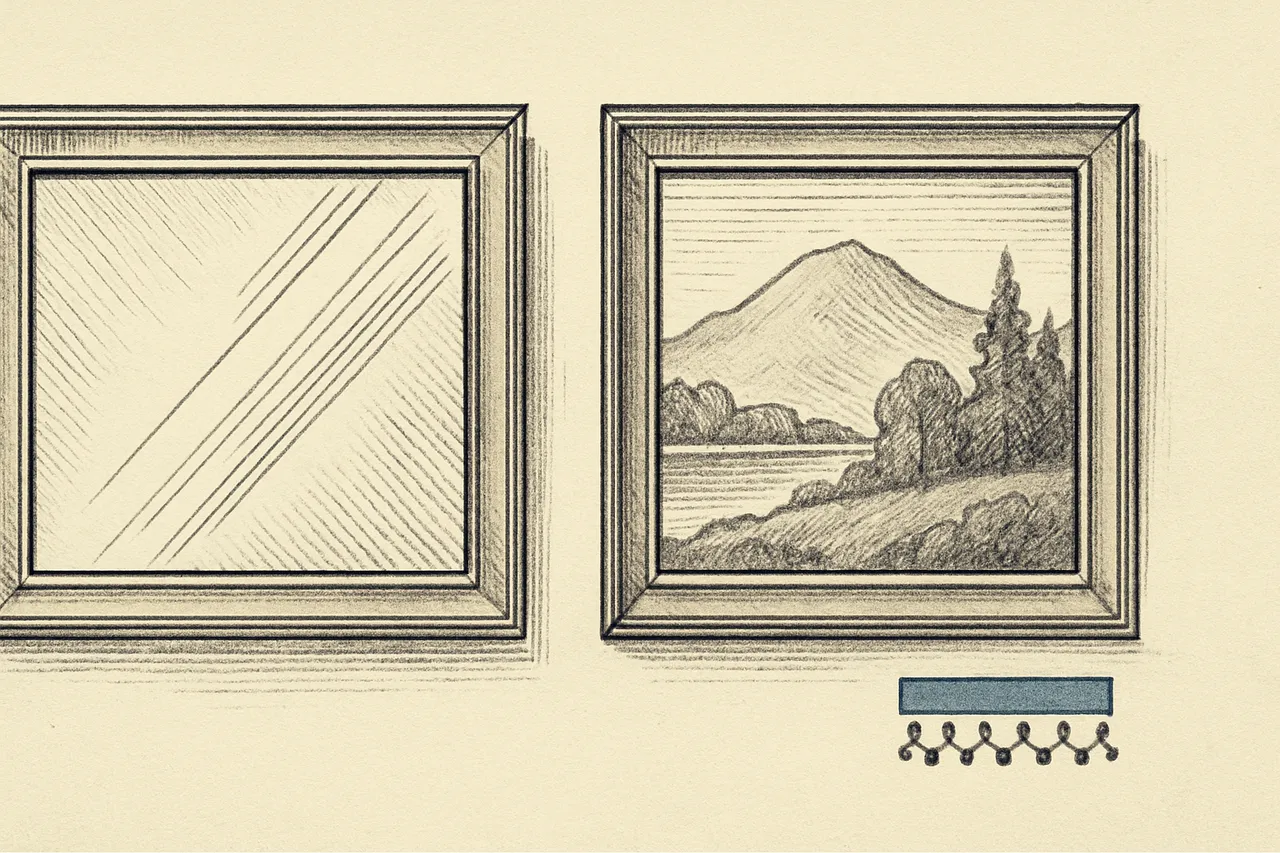
Katharine Blodgett Made Glass Disappear
The first woman scientist ever hired by General Electric figured out how to coat glass so it reflects almost no light — making it, in effect, invisible. It's on your eyeglasses, your camera lens, and nearly every screen you look at.
Read the story →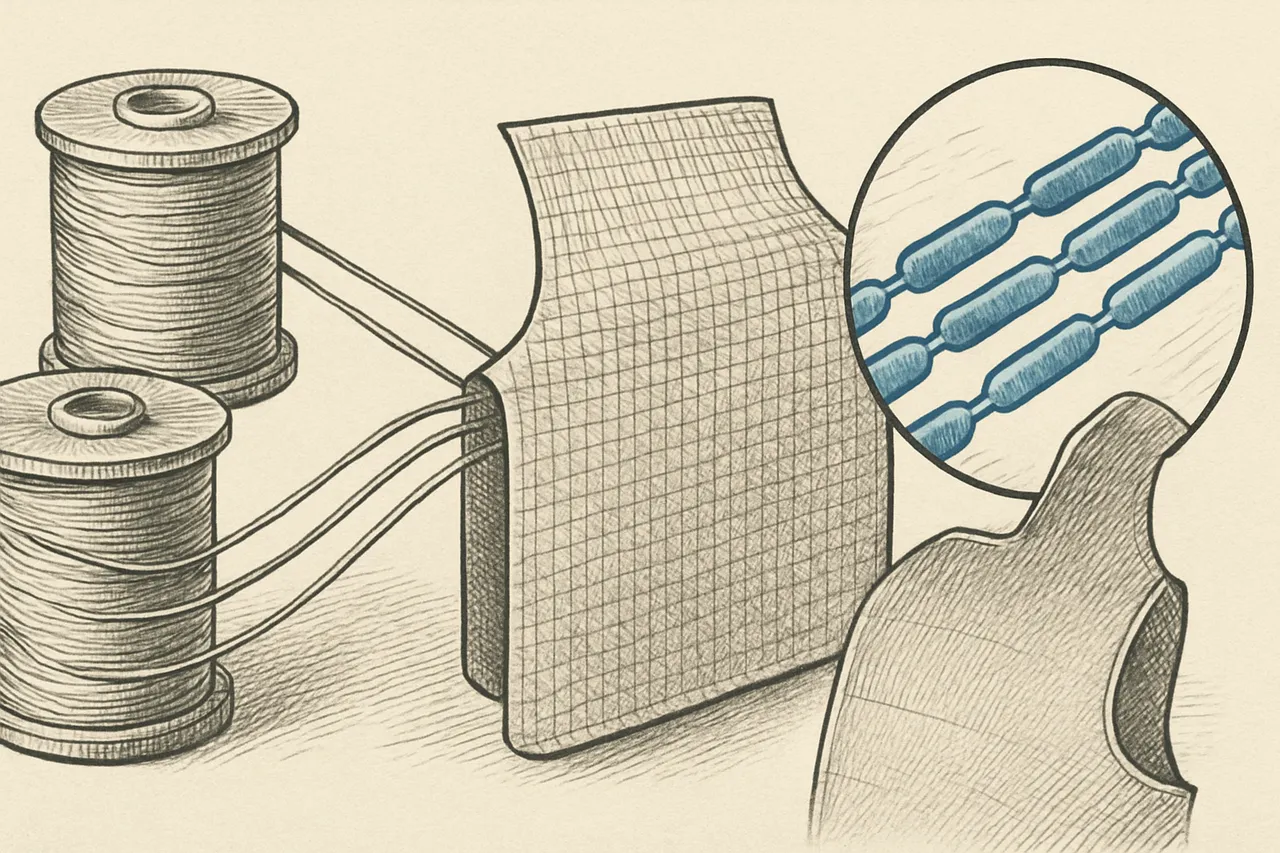
Stephanie Kwolek Invented a Fiber Stronger Than Steel — and It Has Stopped Countless Bullets Since
In 1965, a DuPont chemist was working with a cloudy solution that her colleagues assumed was a mistake and wanted to throw out. She insisted on spinning it into fiber anyway. The result was Kevlar.
Read the story →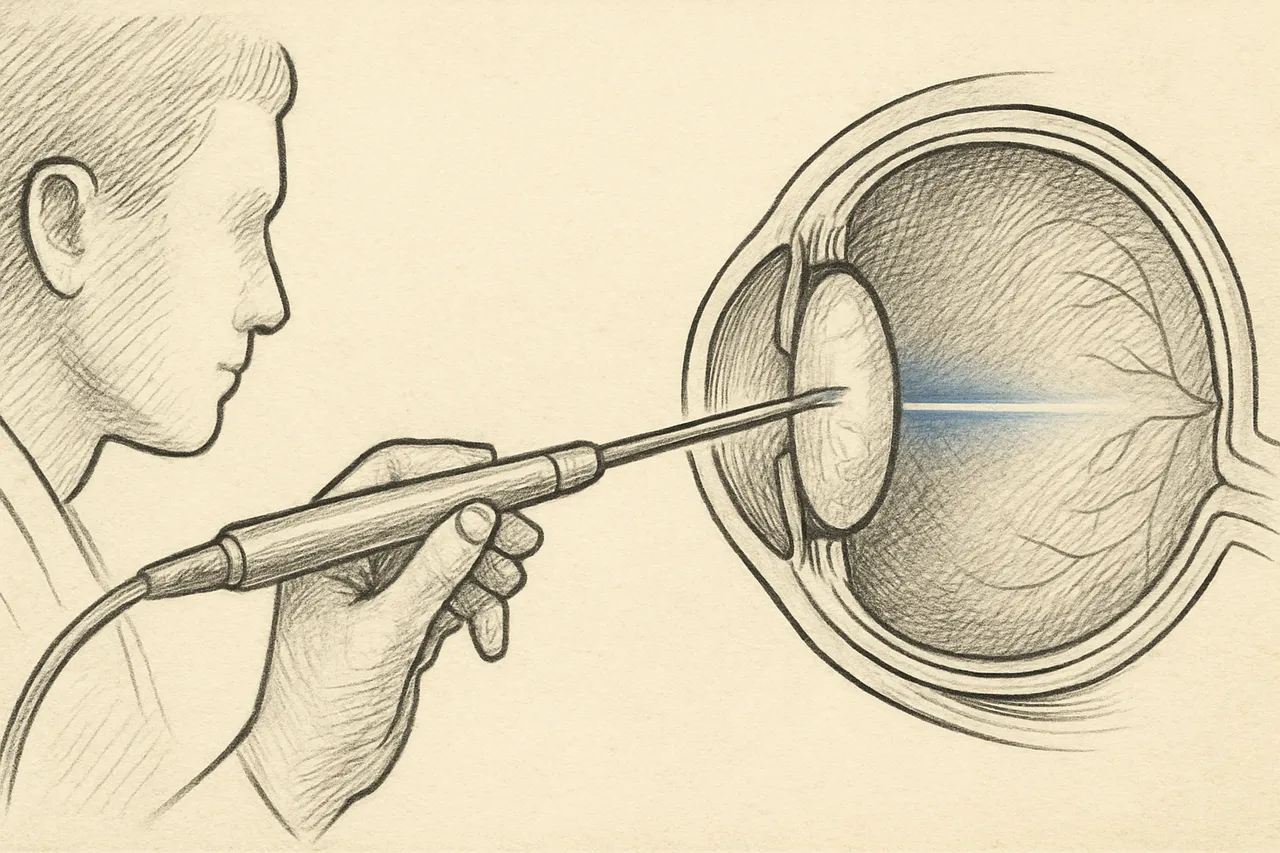
Patricia Bath Patented a Way to Restore Sight
Patricia Bath was the first Black woman in the United States to receive a medical patent. Her laserphaco probe, patented in 1988, restored sight to people who had been blind for thirty years — most of them in clinics overseas, because American hospitals wouldn't let her run trials.
Read the story →
Fermi and Szilard Filed a Patent on the Nuclear Reactor in 1944. It Stayed Secret for More Than Ten Years.
The patent is titled Neutronic Reactor, which is a very flat name for the machine that produced the first controlled nuclear chain reaction. It was filed during the Manhattan Project, buried under a secrecy order, and not published until 1955, six months after Enrico Fermi died.
Read the story →