Stephanie Kwolek Invented a Fiber Stronger Than Steel — and It Has Stopped Countless Bullets Since
In 1965, a DuPont chemist was working with a cloudy solution that her colleagues assumed was a mistake and wanted to throw out. She insisted on spinning it into fiber anyway. The result was Kevlar.
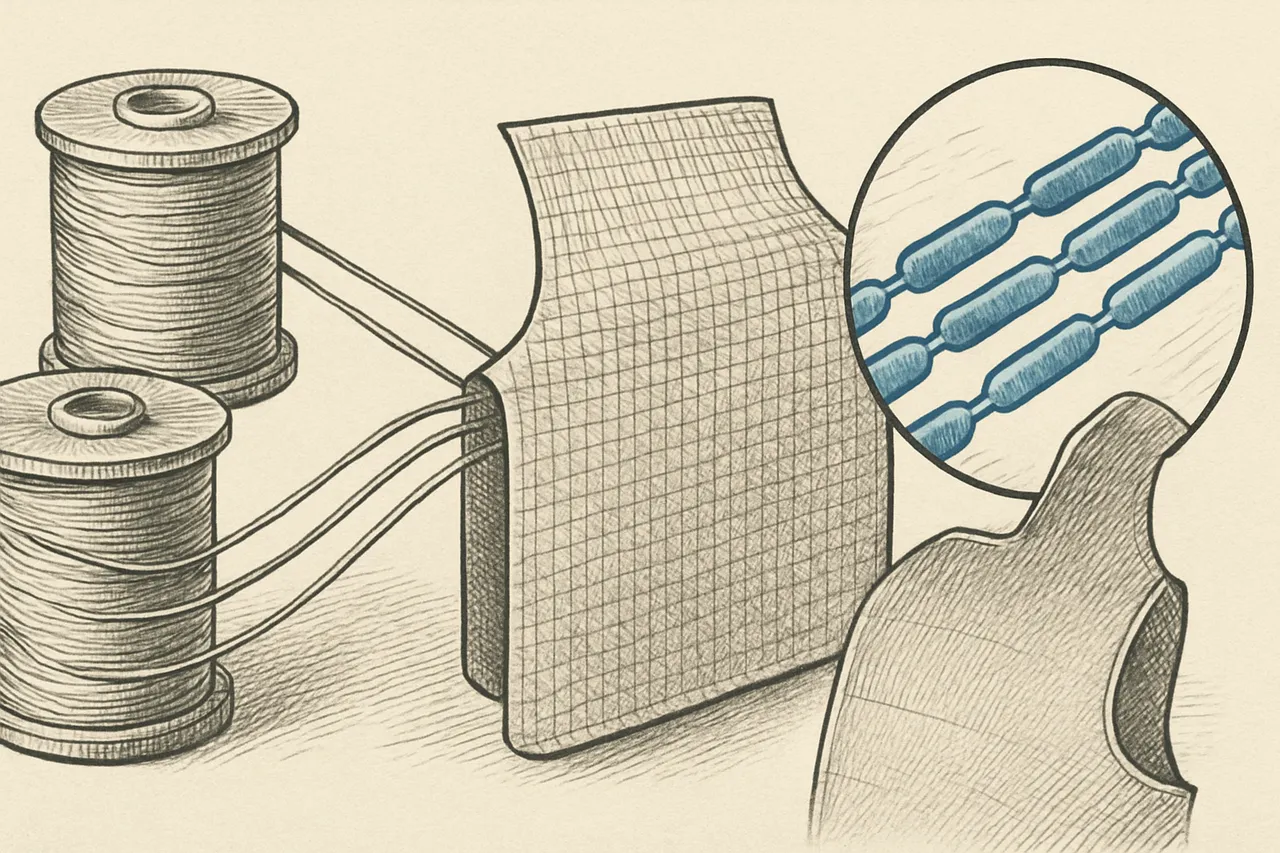
US3819587 was filed in 1969 and granted on June 25, 1974, to Stephanie L. Kwolek, assigned to E.I. du Pont de Nemours. It is one of the core patents covering the aramid fiber the world knows as Kevlar — "wholly aromatic carbocyclic polycarbonamide fiber having orientation angle of less than about 45°." The dense technical title conceals one of the most consequential materials discoveries of the twentieth century.
Kwolek had joined DuPont in 1946, intending the chemistry job to be temporary — she wanted to save money for medical school. She never left. By the mid-1960s she was working in DuPont's pioneering research lab on a problem the company considered strategically urgent: finding a new generation of high-performance fibers, because DuPont anticipated a coming shortage of the materials used in tires.
The cloudy solution
In 1965, Kwolek was working with a class of rigid-rod polymers — long, stiff molecules that, in solution, behaved unlike anything in the existing fiber playbook. The solution she produced was thin and cloudy, almost watery, and "opalescent." Conventional polymer solutions for fiber-spinning were thick, clear, and syrupy. By every received assumption of the lab, hers looked wrong — like a solution that had failed, full of undissolved particles.
The technician who operated the spinning equipment — the machine that forces polymer solution through tiny holes to draw it into fiber — initially refused to run her cloudy solution through it, worried it would clog or damage the machine. Kwolek persisted. She was confident the cloudiness was not contamination but a sign of something genuinely new: the rod-like molecules lining up in the liquid, a liquid crystalline state.
When the solution was finally spun, the resulting fiber was extraordinary. It was, by weight, several times stronger than steel, stiff, and remarkably heat-resistant. Kwolek later said that her first reaction was not triumph but disbelief — she had the fiber tested repeatedly because she assumed there had been an error in the measurement.
What it became
There was no error. The molecules in Kwolek's cloudy solution aligned during spinning into nearly perfect parallel order, producing a fiber with a strength-to-weight ratio that no one had achieved before. DuPont commercialized it under the trademark Kevlar in the early 1970s.
The applications multiplied for decades. Kevlar is the core material in modern ballistic body armor — the bulletproof vest worn by police officers and soldiers worldwide — and is widely credited with saving thousands of lives. It also appears in helmets, cut-resistant gloves, brake pads, tires, fiber-optic cable, suspension bridges, boat hulls, spacecraft components, and the protective gear of firefighters.
Kwolek herself received the patent and, under DuPont's standard inventor arrangement, a modest share of the value of an invention that generated billions for the company. She did not appear to regard this as a grievance; in interviews she returned again and again to the satisfaction of the discovery and to the lives the material had protected. She won the National Medal of Technology in 1996 and was inducted into the National Inventors Hall of Fame in 1995 — one of very few women so honored at the time. She continued mentoring young scientists, especially girls, until her death in 2014 at age ninety.
She had walked into DuPont planning to leave for medical school. She stayed forty years and invented a fiber that has been stopping bullets ever since.
See the original
The full text of US3819587 is on patents.us.
Related stories

Katharine Blodgett Made Glass Disappear
The first woman scientist ever hired by General Electric figured out how to coat glass so it reflects almost no light — making it, in effect, invisible. It's on your eyeglasses, your camera lens, and nearly every screen you look at.
Read the story →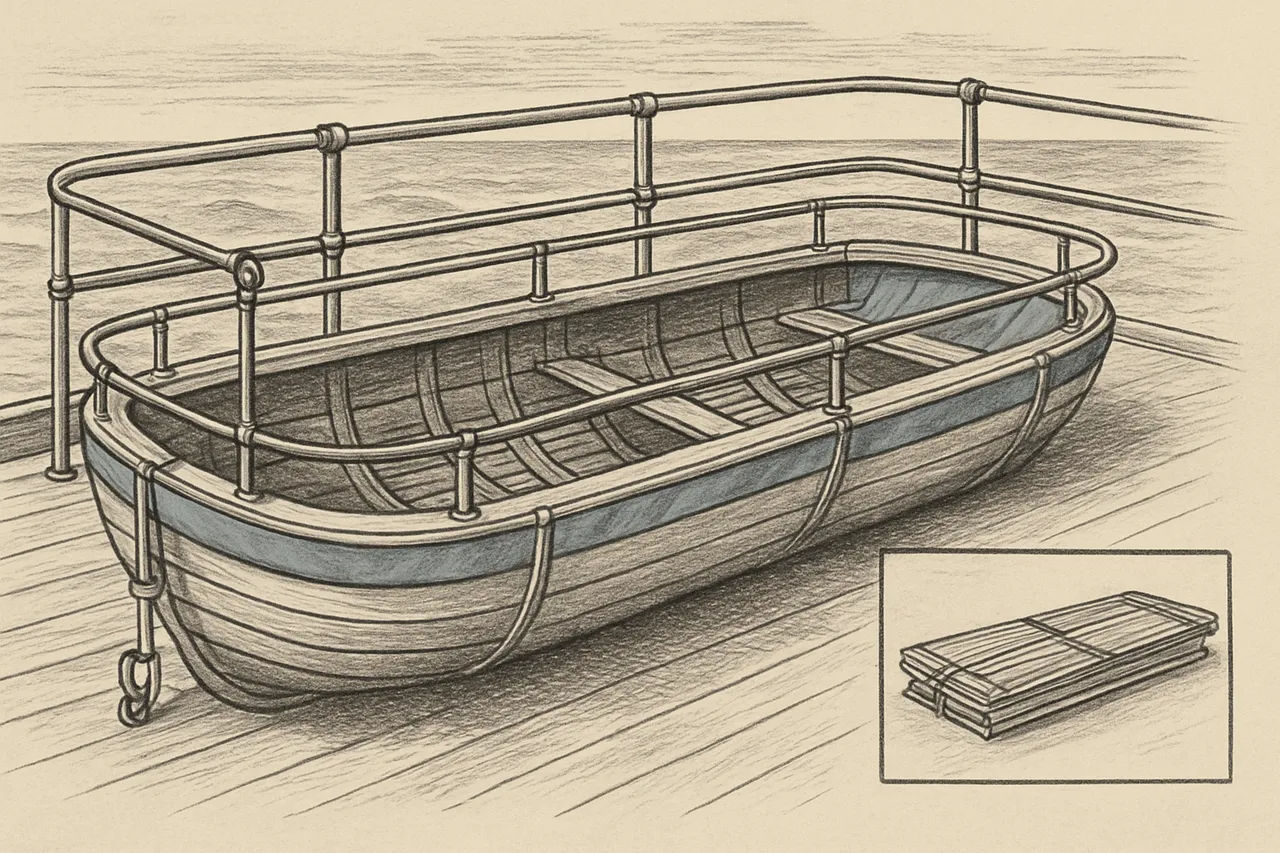
Maria Beasley Earned Twenty Thousand a Year in Patent Royalties in 1880. Her Life Rafts Were on the Titanic.
Maria Beasley was a thirty-something widow in Philadelphia when she patented a folding, fireproof life raft that could be deployed in seconds. She made roughly twenty thousand dollars a year from it at a time when the average American worker made four hundred.
Read the story →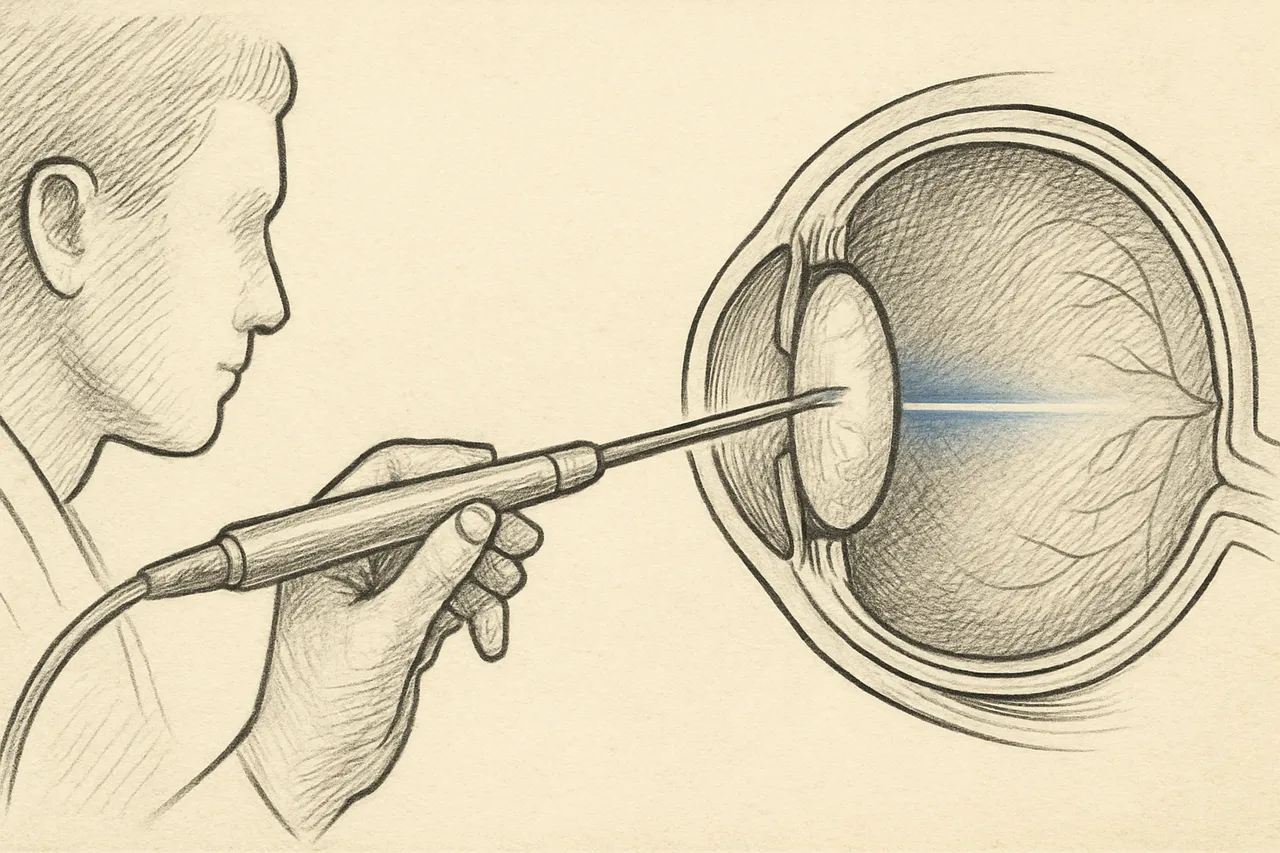
Patricia Bath Patented a Way to Restore Sight
Patricia Bath was the first Black woman in the United States to receive a medical patent. Her laserphaco probe, patented in 1988, restored sight to people who had been blind for thirty years — most of them in clinics overseas, because American hospitals wouldn't let her run trials.
Read the story →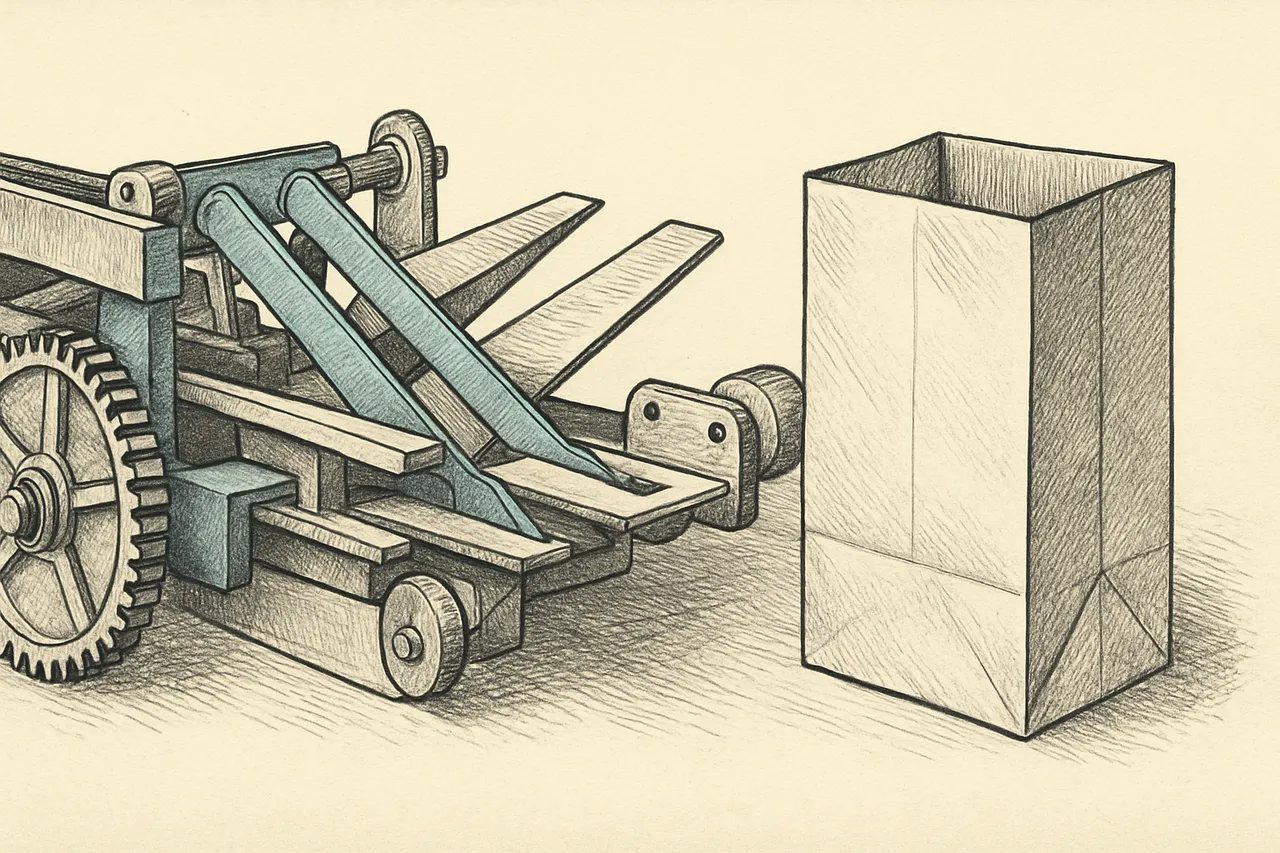
Margaret Knight Sued the Man Who Stole Her Paper-Bag Machine. She Won.
In 1868, Margaret Knight built a machine that automatically folded flat-bottomed paper bags — the kind grocery stores still hand you. A machinist she'd hired to build the prototype tried to patent it first. She took him to court and won.
Read the story →