Women's Inventions
Patents granted to women — historically undercounted, often uncredited, and quietly transformative.
For most of US patent history, women filed in dramatically smaller numbers than men — sometimes by choice, more often by exclusion. The ones who did file often shaped industries quietly: domestic technology, medical devices, programming languages, signal processing. This tag collects their stories, identified by patent number rather than name matching, to surface the record that institutional history often overlooks.
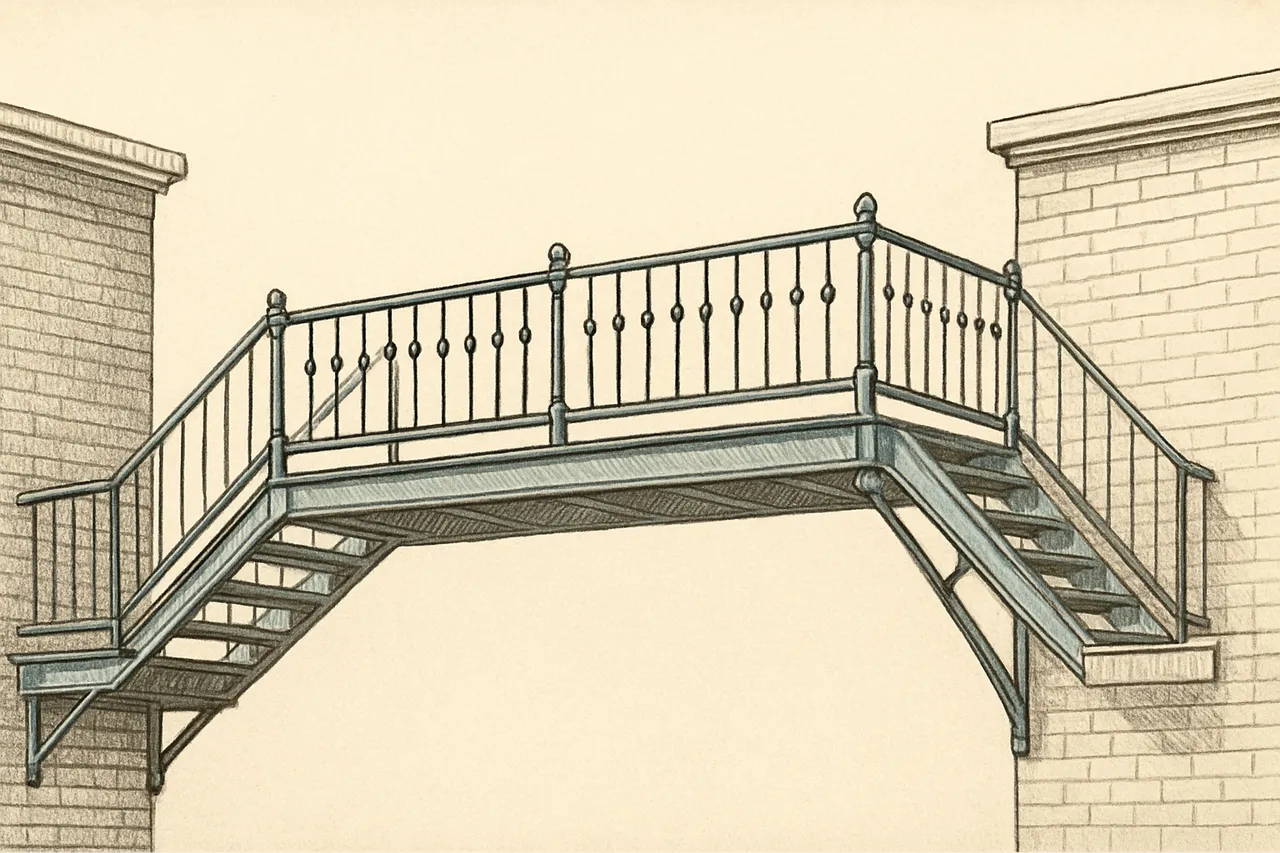
Anna Connelly Patented the Fire Escape in 1887, and Cities Started Requiring Them
American cities were building upward faster than they could evacuate. Anna Connelly, one of the earliest women to hold a US patent, proposed an external bridge between rooftops with railings — an escape route that did not depend on the burning stairwell.
Read the story →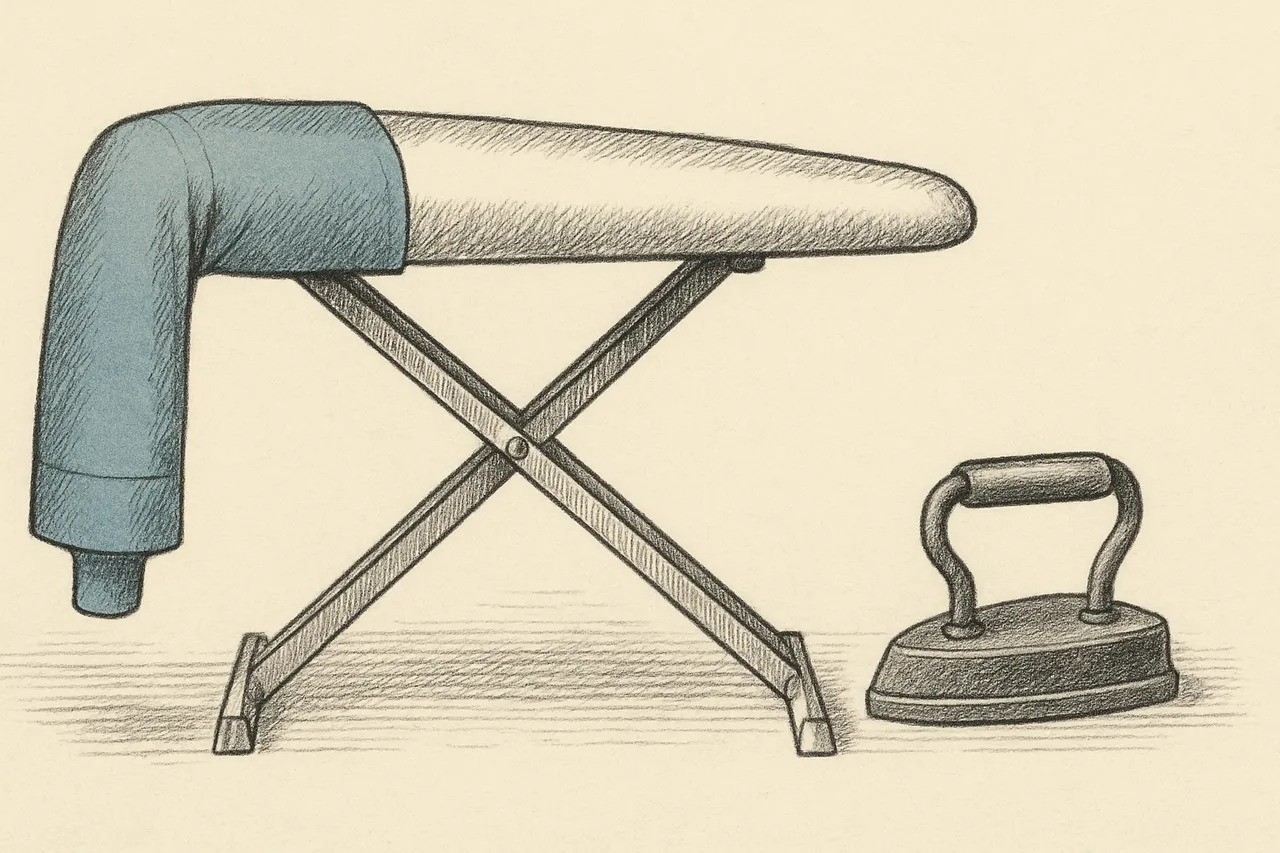
Sarah Boone Was Born Enslaved. In 1892 She Patented the Ironing Board You Still Use.
Flat boards laid across chairs could not press a fitted sleeve or a curved bodice without creasing everything else. Sarah Boone, one of the first Black women in America to receive a patent, gave the board a narrow padded shape that fit the garment.
Read the story →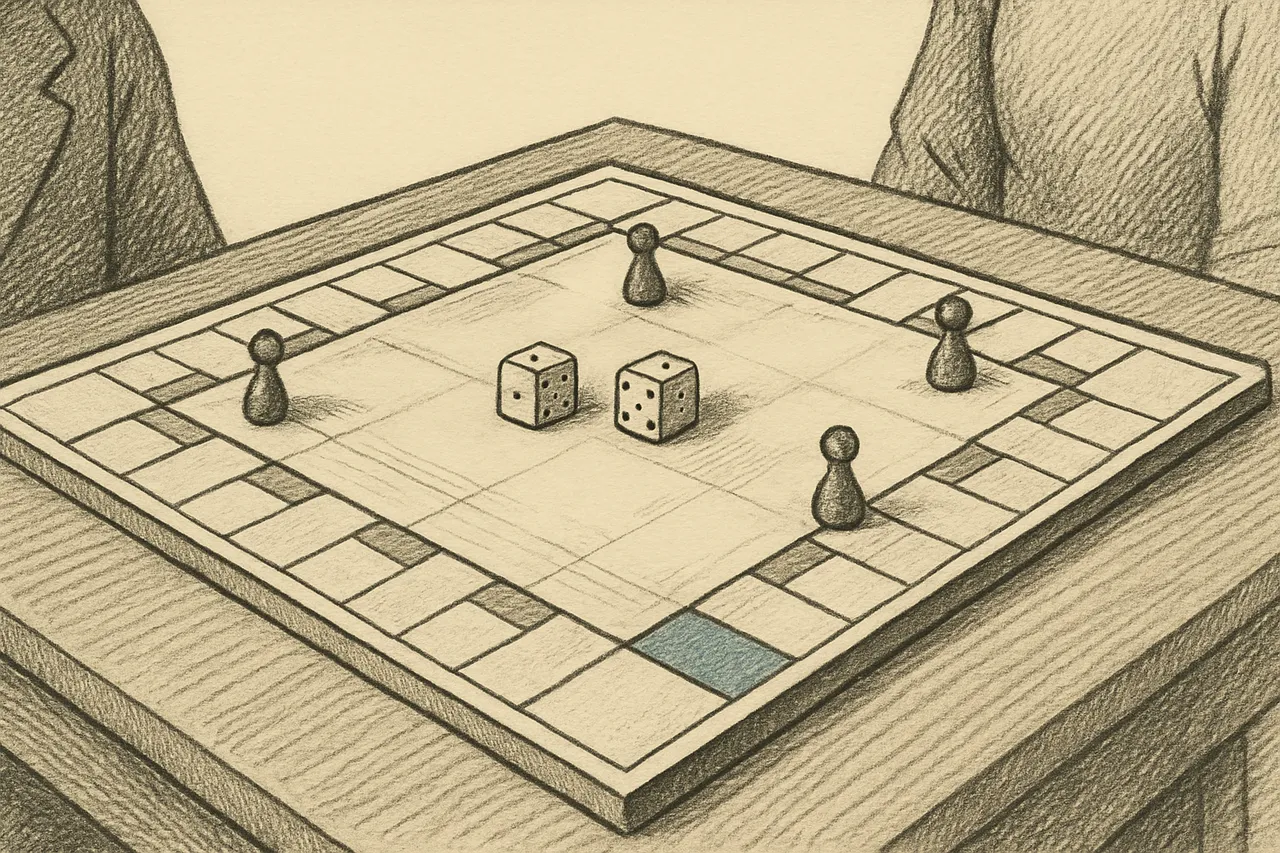
A Woman Invented Monopoly to Warn People About Landlords. Parker Brothers Gave the Credit to a Man.
Lizzie Magie patented The Landlord's Game in 1904 as a teaching tool about the evils of land monopoly. Thirty years later Parker Brothers bought her patent for five hundred dollars and sold the game as the invention of an unemployed salesman named Charles Darrow.
Read the story →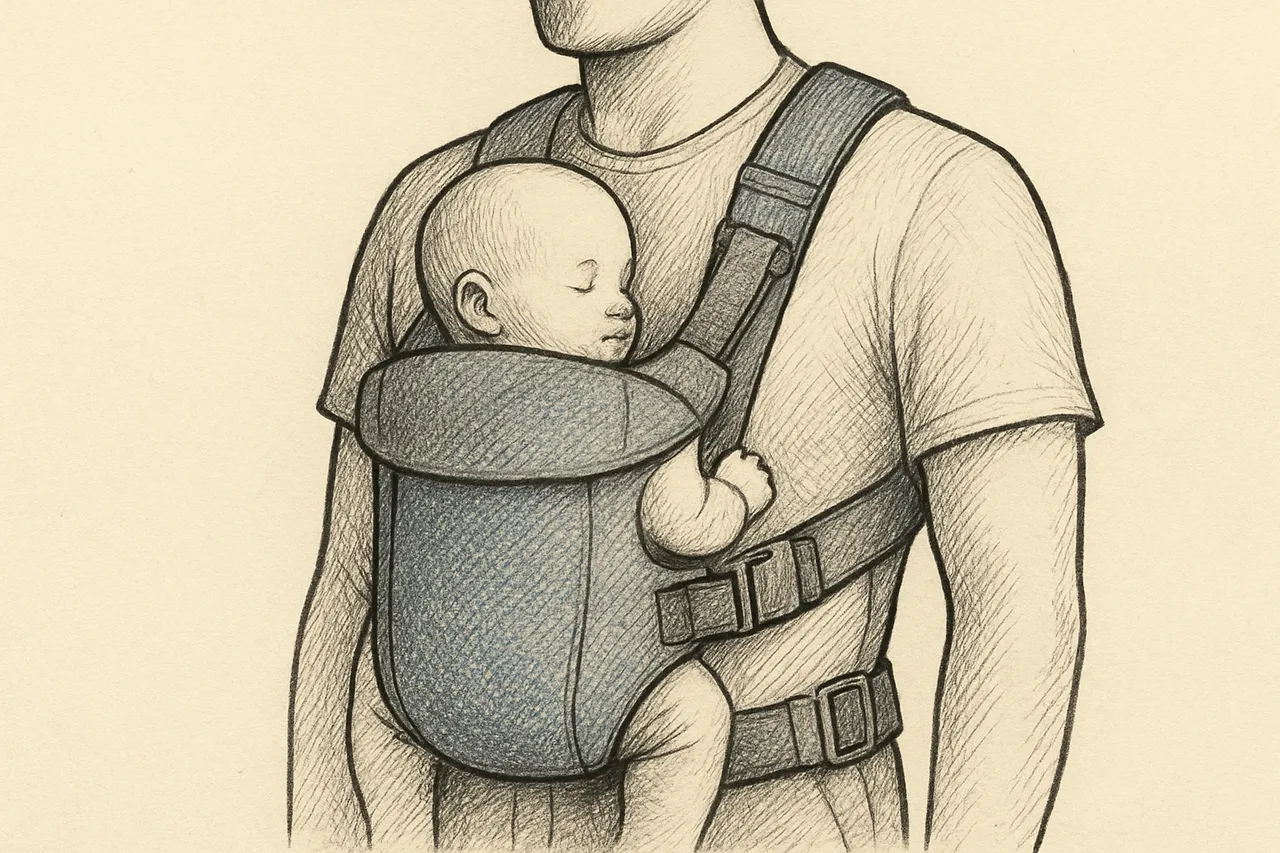
A Peace Corps Volunteer Watched How African Mothers Carried Their Babies — and Patented It
In West Africa, Ann Moore saw mothers keeping their babies calm and close, tied snugly to their backs in fabric. Back home, she and her own mother sewed a structured version. The Snugli turned 'babywearing' into an American mainstream and reshaped ideas about infant care.
Read the story →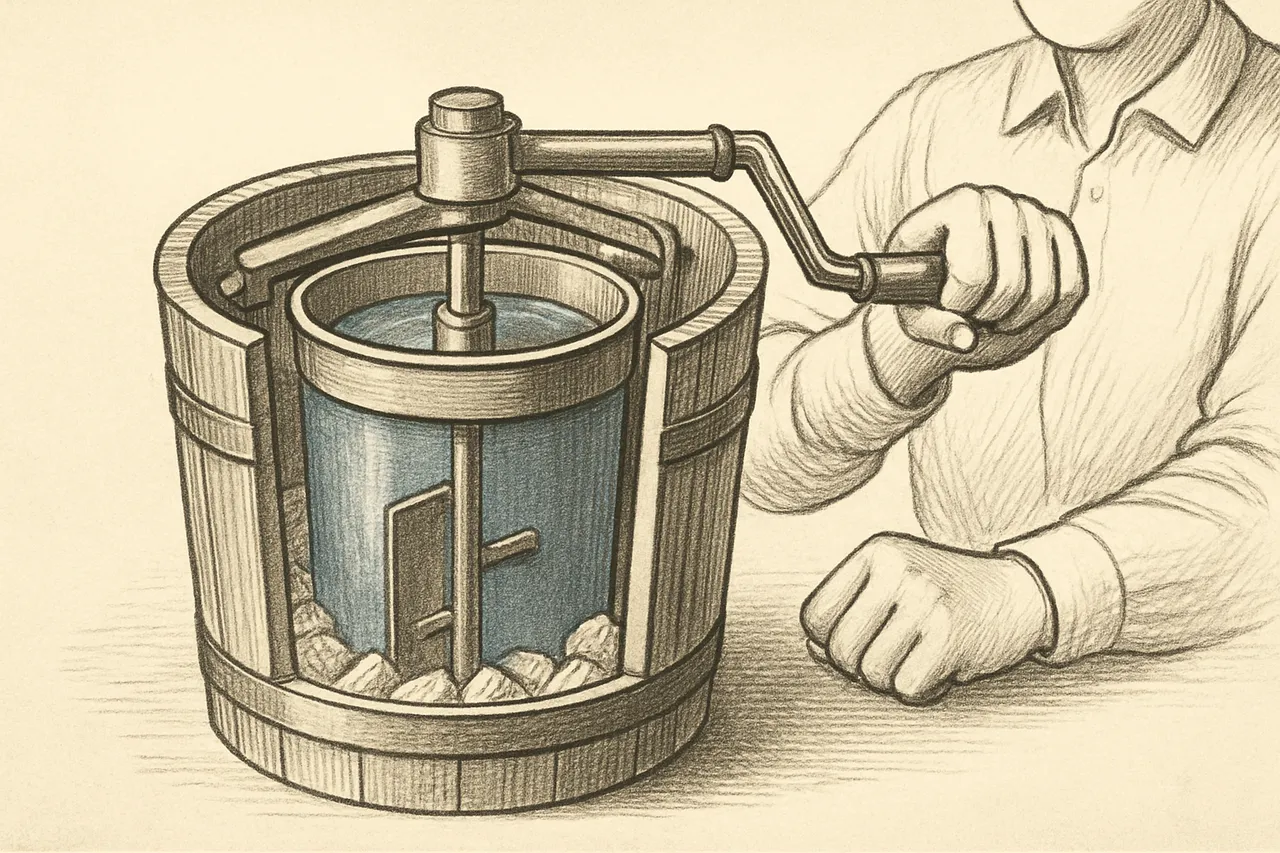
Nancy Johnson Invented the Ice Cream Freezer — and Then Vanished From the Story
The hand-cranked ice cream freezer that made the dessert a household treat was patented by a woman in 1843. The design is still, essentially, how home ice cream machines work today. Almost nothing else about her survives.
Read the story →
Katharine Blodgett Made Glass Disappear
The first woman scientist ever hired by General Electric figured out how to coat glass so it reflects almost no light — making it, in effect, invisible. It's on your eyeglasses, your camera lens, and nearly every screen you look at.
Read the story →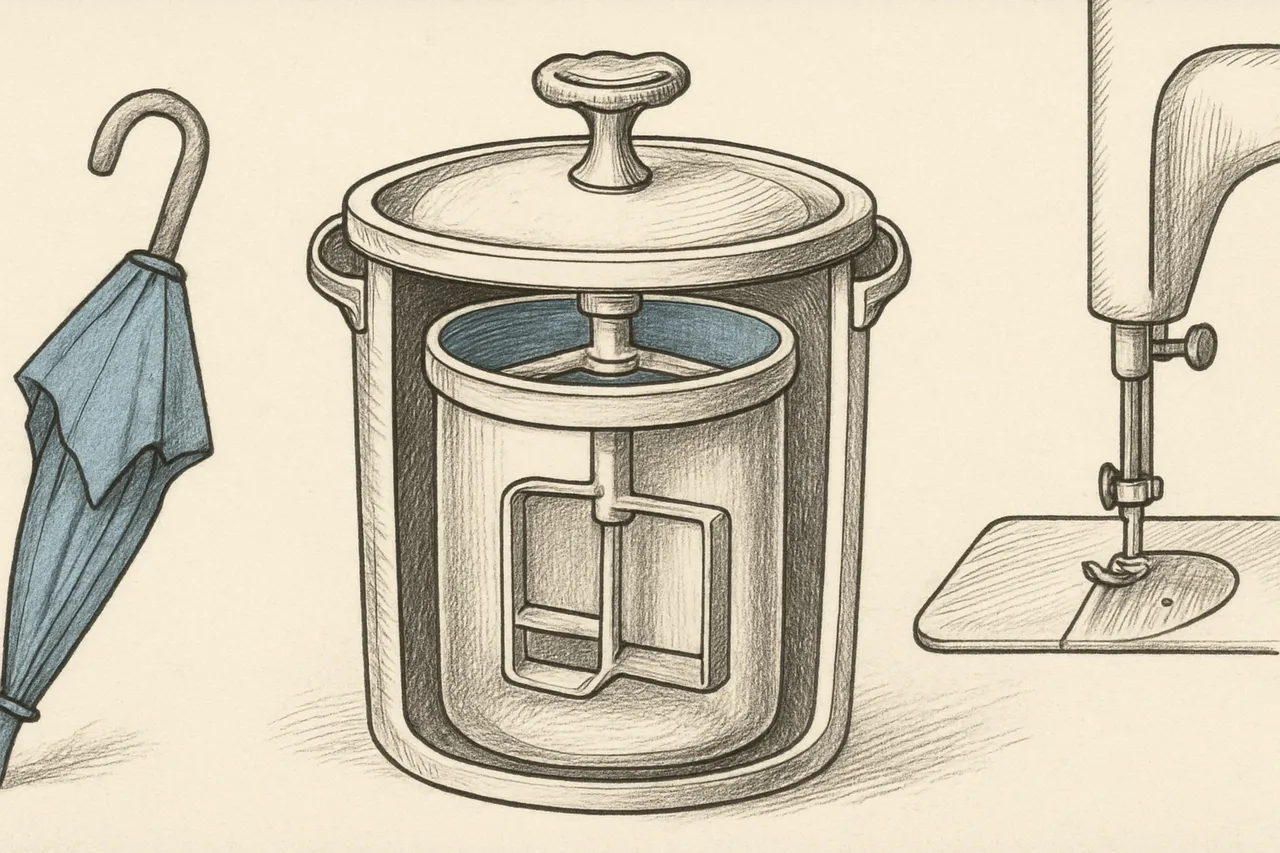
'Lady Edison' Held 49 Patents and Couldn't Read a Blueprint
Beulah Louise Henry invented so prolifically that the press called her Lady Edison. She had no engineering training, couldn't read a technical drawing, and described her inventions as arriving fully formed in her mind — then hired machinists to build what she saw.
Read the story →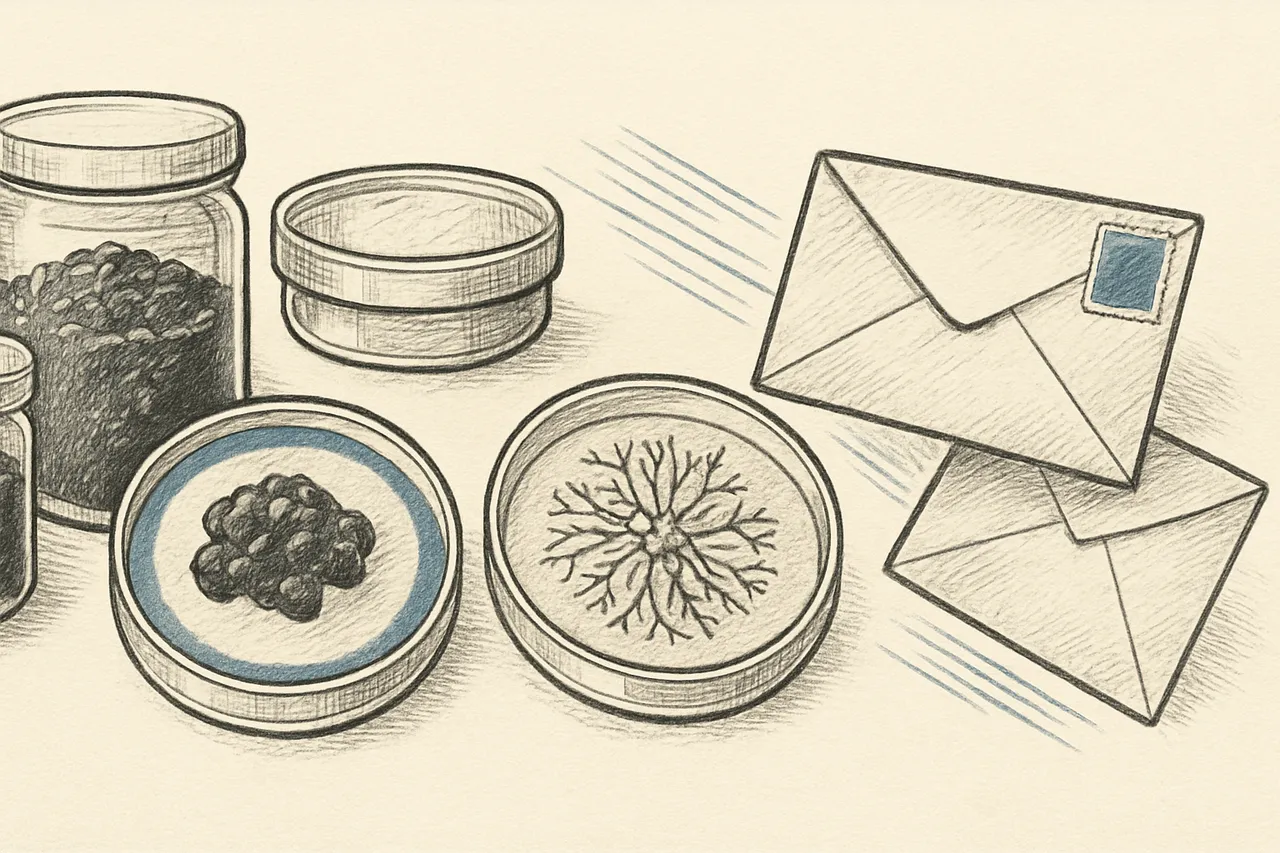
Two Women Invented the First Real Antifungal Drug — and Gave Away $13 Million in Royalties
Working by mail between two labs, a chemist and a microbiologist discovered the first antifungal antibiotic safe for humans. They shipped soil samples back and forth in the post, found their answer in a friend's cow pasture, and donated every dollar of the proceeds to science.
Read the story →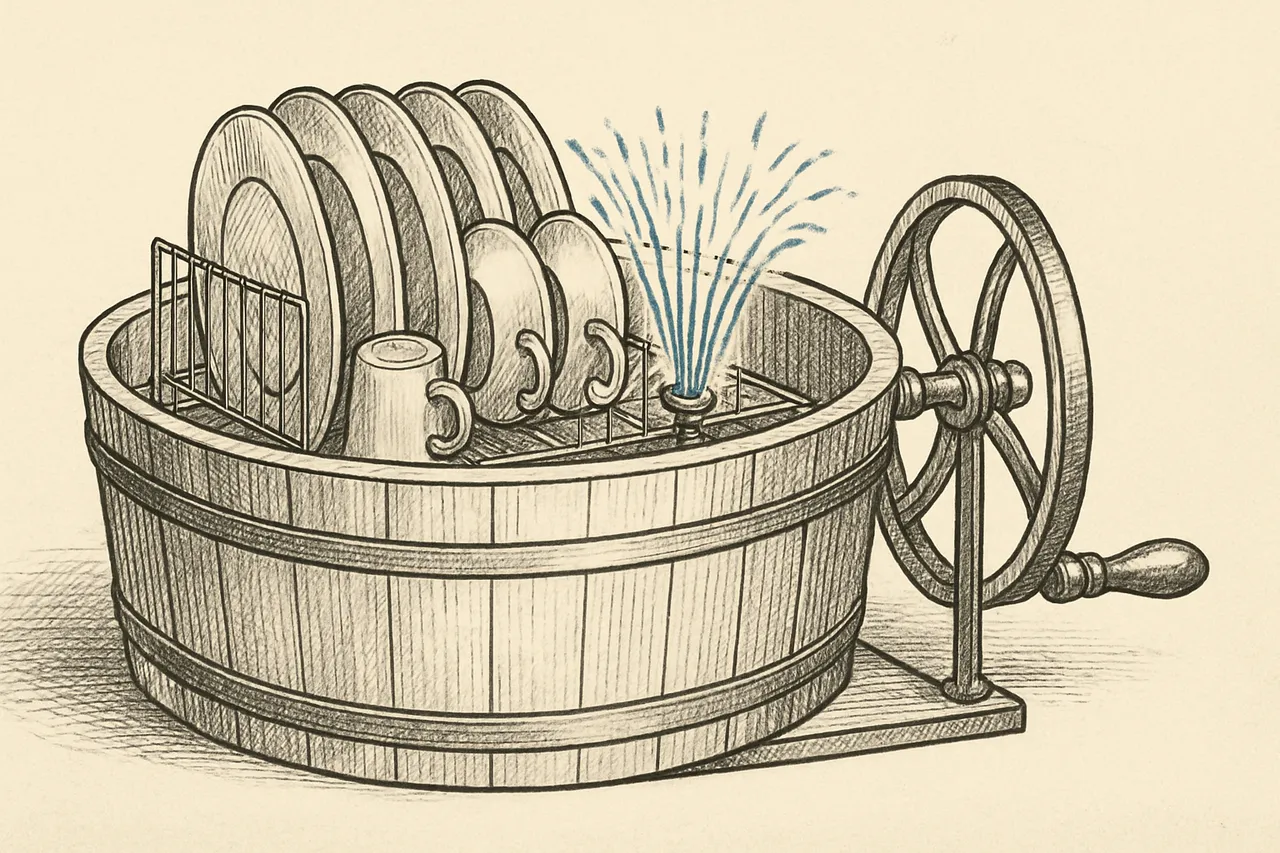
Josephine Cochrane Built the Dishwasher Because Servants Kept Chipping Her China
A wealthy Illinois socialite was tired of her heirloom porcelain being chipped by careless hand-washing. When her husband died and left her in debt, the machine she'd built to protect her dishes became the thing that saved her.
Read the story →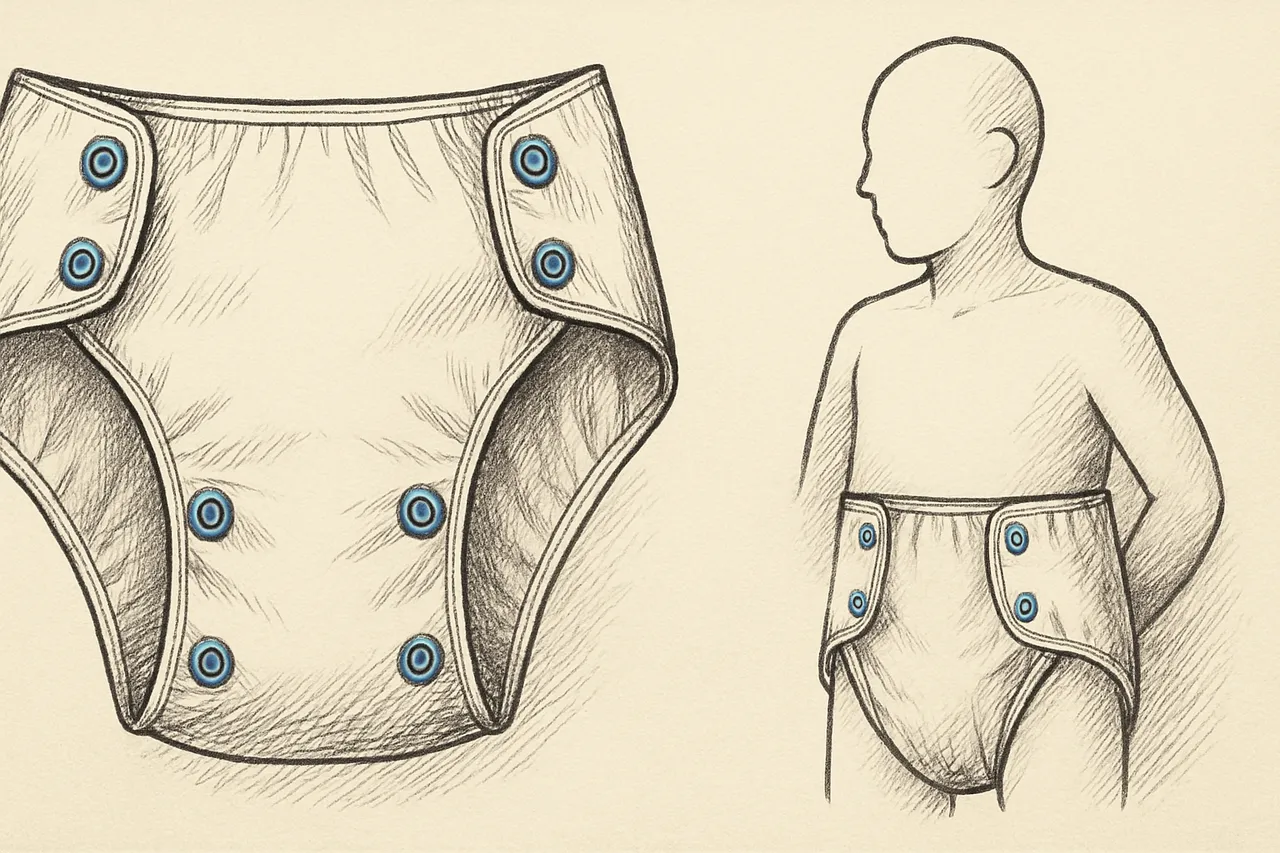
Marion Donovan Invented the Disposable Diaper. Every Manufacturer Turned Her Down.
A young mother cut up a shower curtain to make a leak-proof diaper cover. It worked. When she took the next step — a fully disposable diaper — the industry told her there was no demand. They were wrong by about a decade.
Read the story →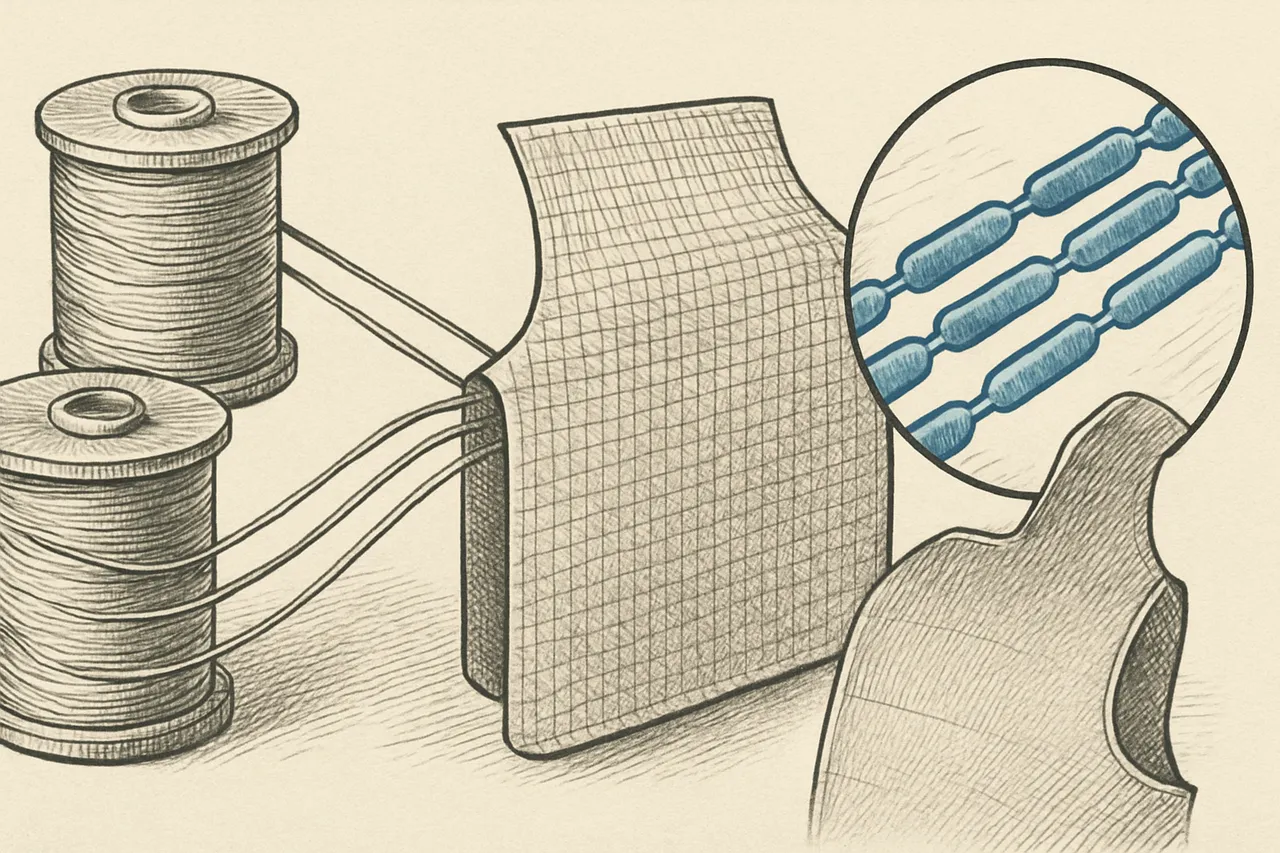
Stephanie Kwolek Invented a Fiber Stronger Than Steel — and It Has Stopped Countless Bullets Since
In 1965, a DuPont chemist was working with a cloudy solution that her colleagues assumed was a mistake and wanted to throw out. She insisted on spinning it into fiber anyway. The result was Kevlar.
Read the story →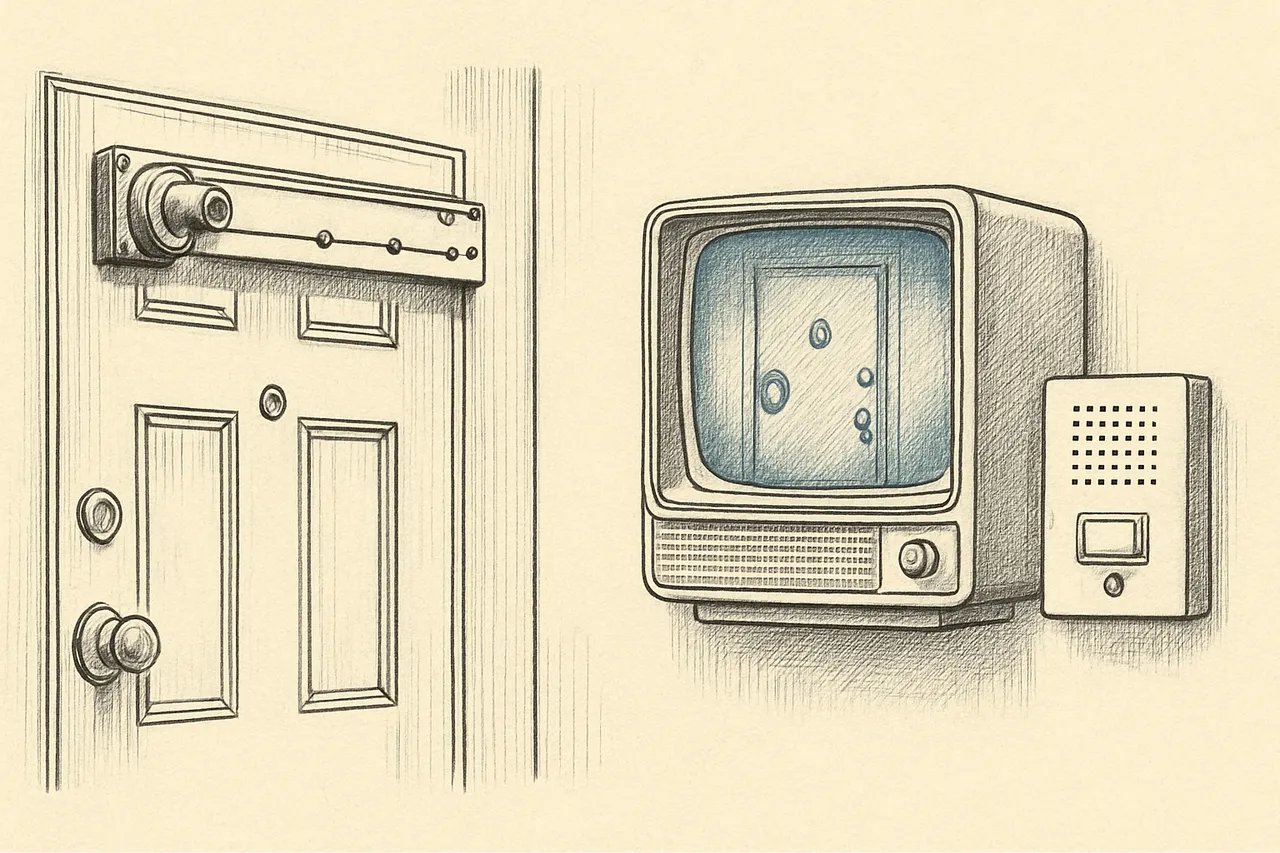
A Nurse in Queens Invented Home Security in 1966
Marie Van Brittan Brown worked irregular nursing shifts in a high-crime neighborhood and didn't feel safe answering her door. So she and her husband designed — and patented — the first home security system with closed-circuit cameras, a remote door release, two-way audio, and a panic button. Decades before any of it was commercial.
Read the story →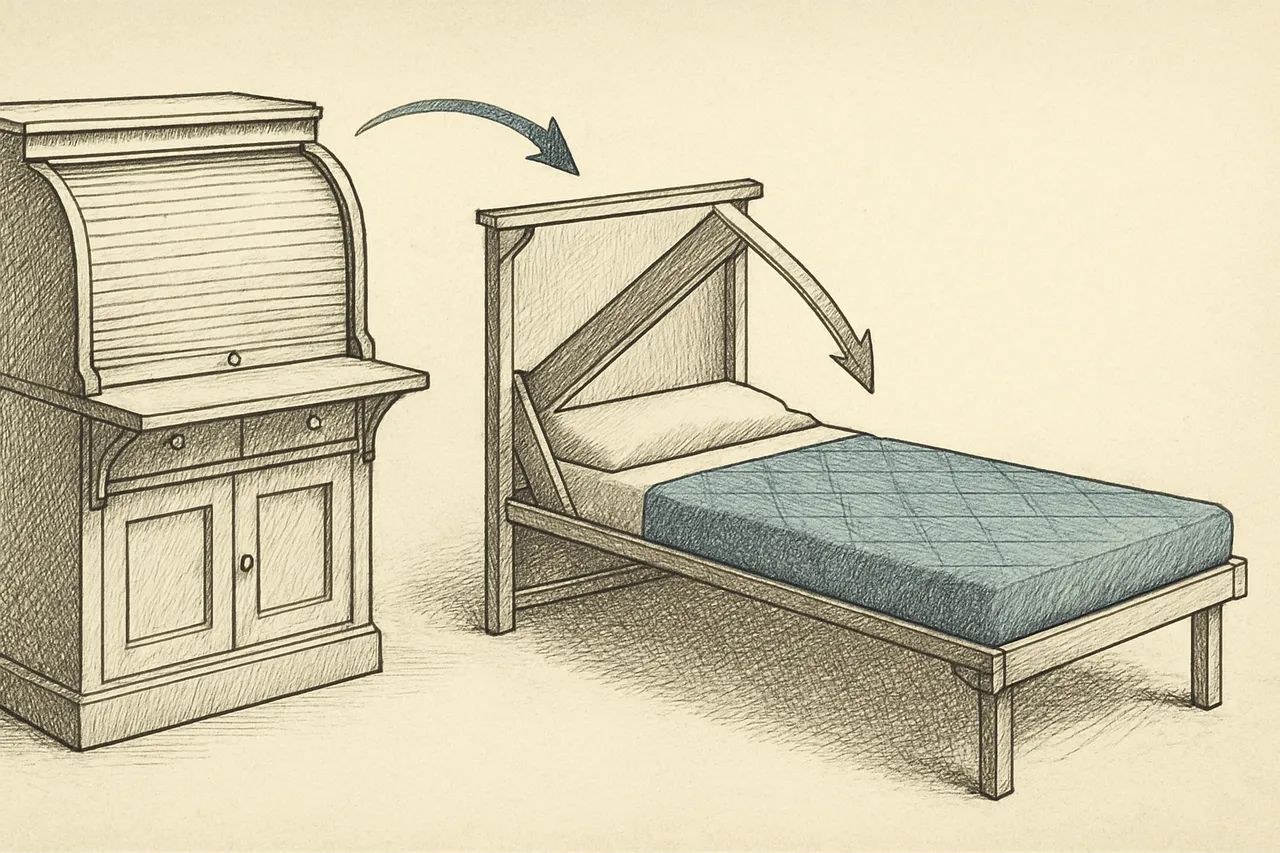
Sarah Goode Patented a Bed That Hid Inside a Desk
Sarah E. Goode was born in slavery in 1855. By 1885 she owned a furniture store on Chicago's South Side and held the first US patent ever granted to an African-American woman — for a folding cabinet bed designed to make tenement apartments livable.
Read the story →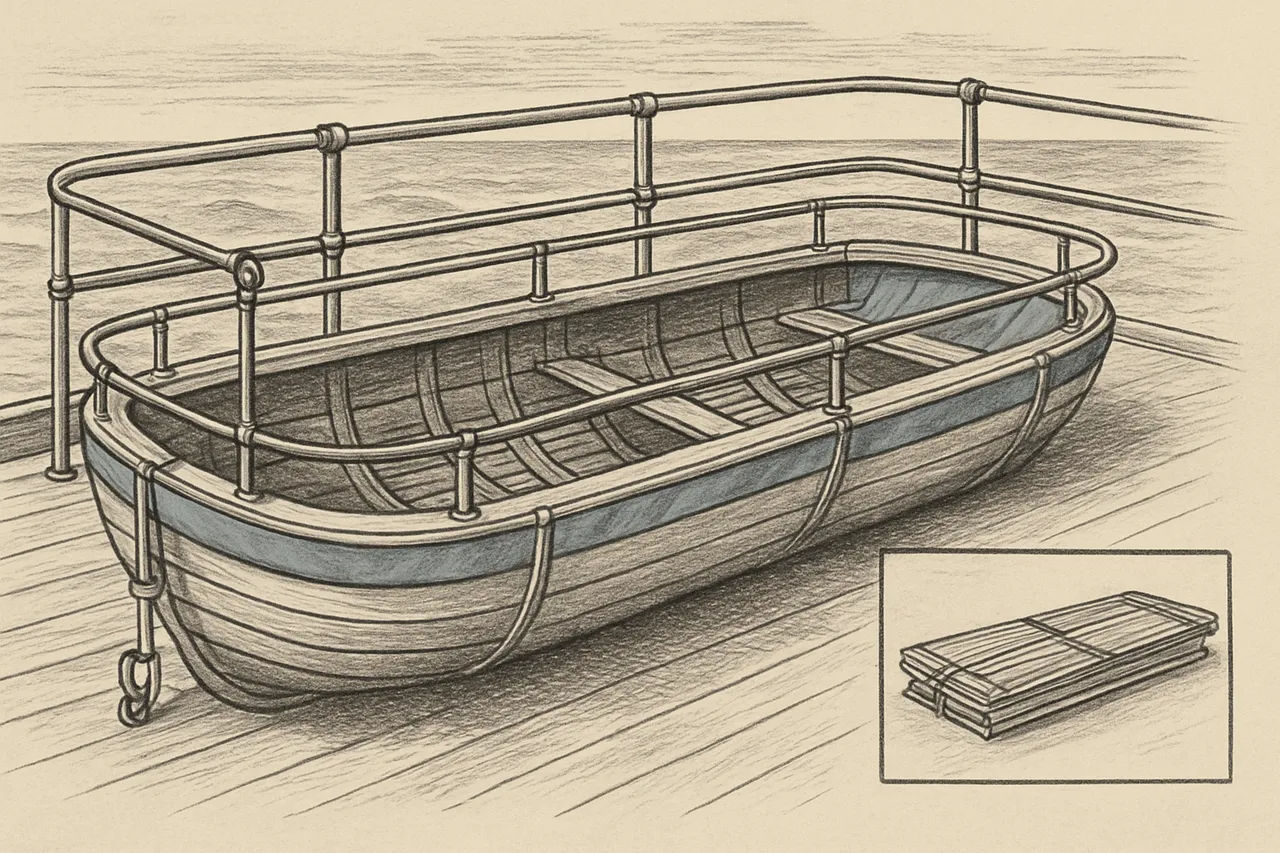
Maria Beasley Patented a Fireproof Folding Life Raft in 1880. The Story That It Was on the Titanic Doesn't Hold Up.
Maria Beasley's 1880 life raft folded flat out of hinged metal floats and was built not to burn. It is often said to have saved Titanic passengers. It did not, and her real fortune came from machines for making barrels.
Read the story →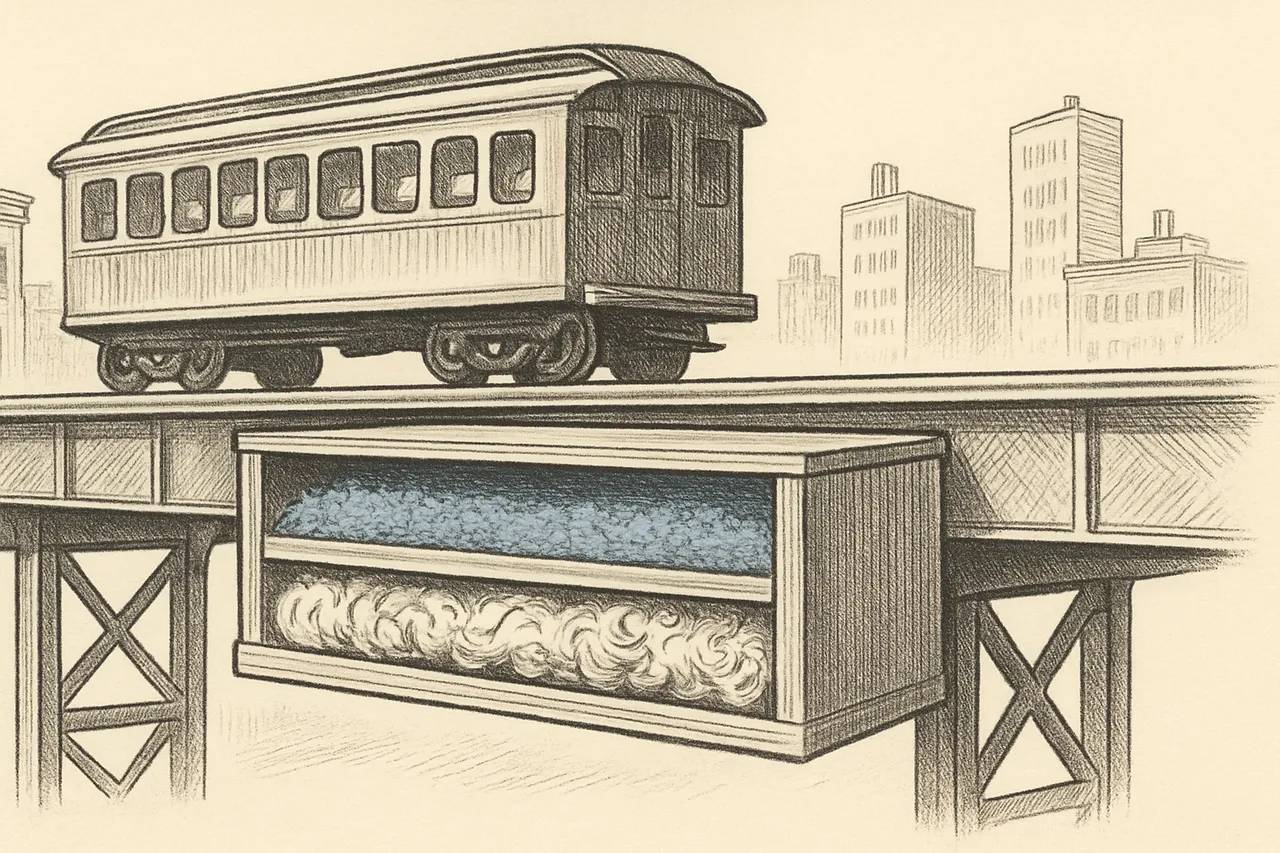
Mary Walton Made New York Quieter
By 1881, the elevated trains running through Manhattan had made the city deafening. Mary Walton — an inventor in her sixties — patented a system that absorbed the vibration before it could resonate through the iron structure. She sold the rights to the railway for ten thousand dollars.
Read the story →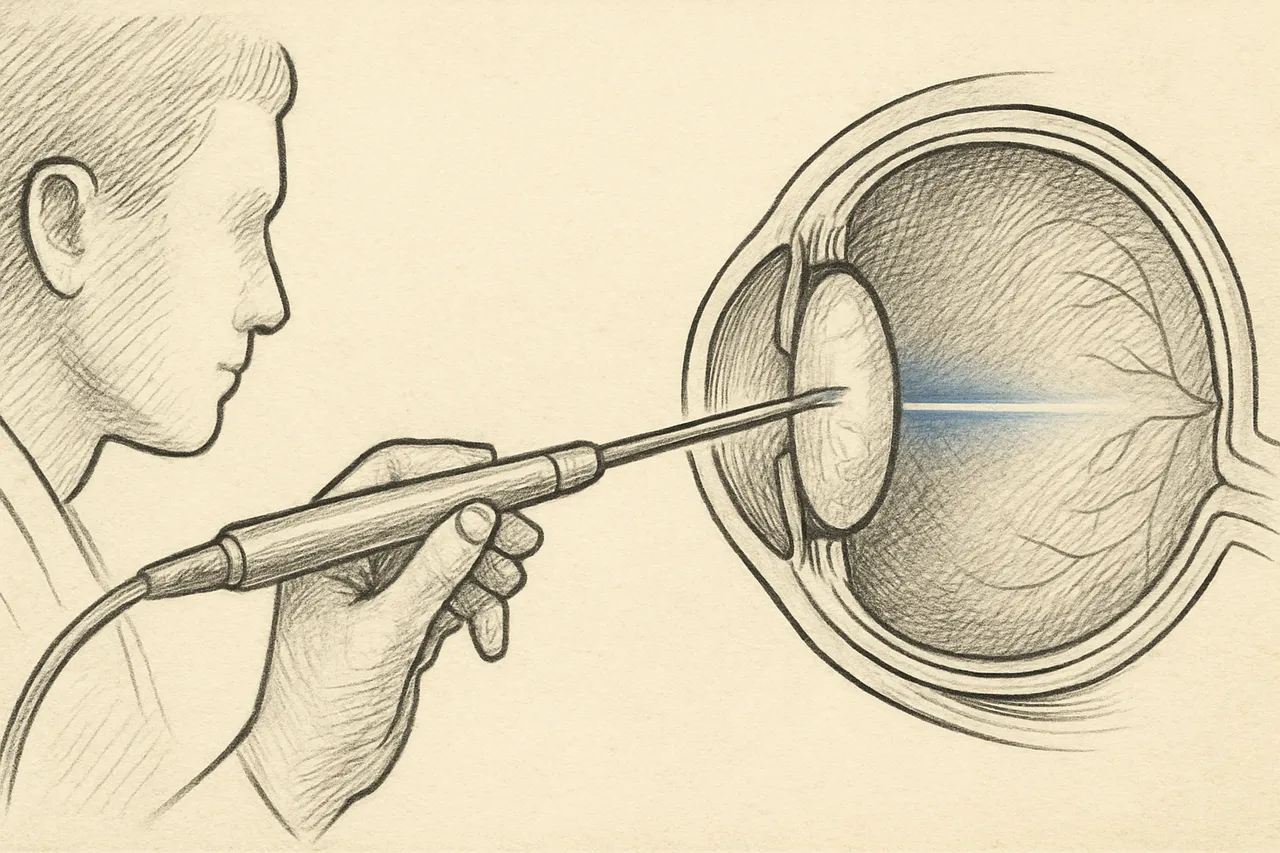
Patricia Bath Patented a Way to Restore Sight
Patricia Bath was the first Black woman in the United States to receive a medical patent. Her laserphaco probe, patented in 1988, restored sight to people who had been blind for thirty years — most of them in clinics overseas, because American hospitals wouldn't let her run trials.
Read the story →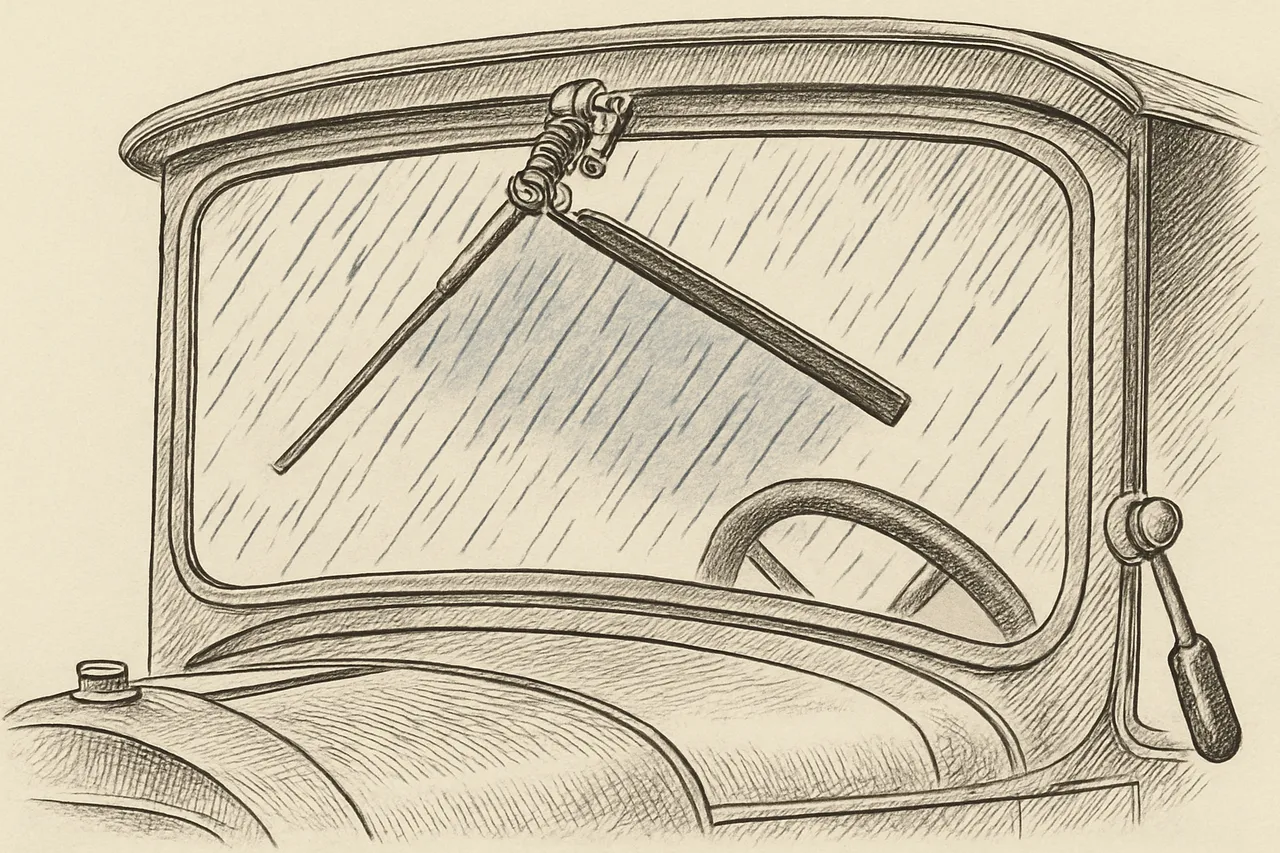
Mary Anderson Patented the Windshield Wiper. No One Bought It.
Mary Anderson was riding a streetcar through New York in a winter sleet storm in 1902 when she watched the driver lean out the window every few seconds to wipe the glass by hand. She went home and patented the windshield wiper. No automaker would license it.
Read the story →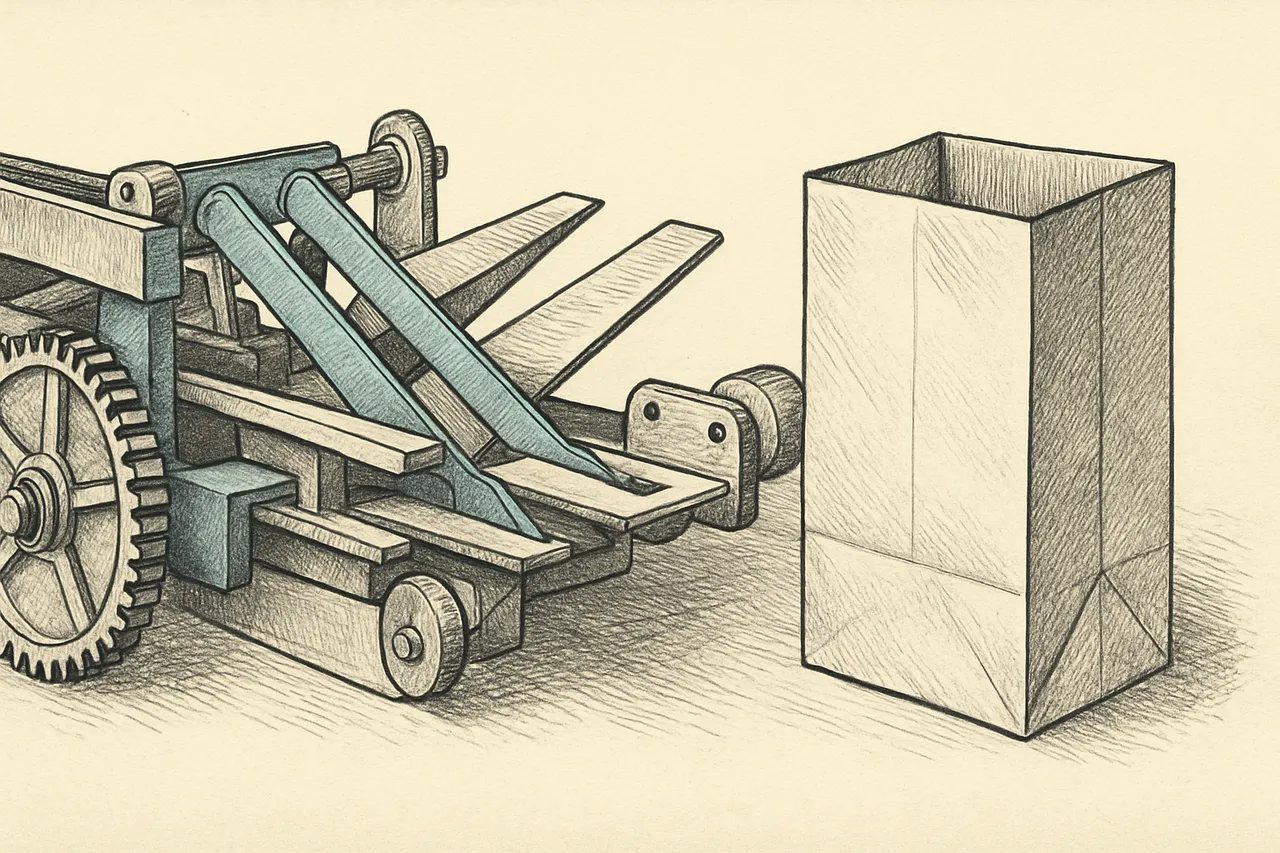
Margaret Knight Sued the Man Who Stole Her Paper-Bag Machine. She Won.
In 1868, Margaret Knight built a machine that automatically folded flat-bottomed paper bags — the kind grocery stores still hand you. A machinist she'd hired to build the prototype tried to patent it first. She took him to court and won.
Read the story →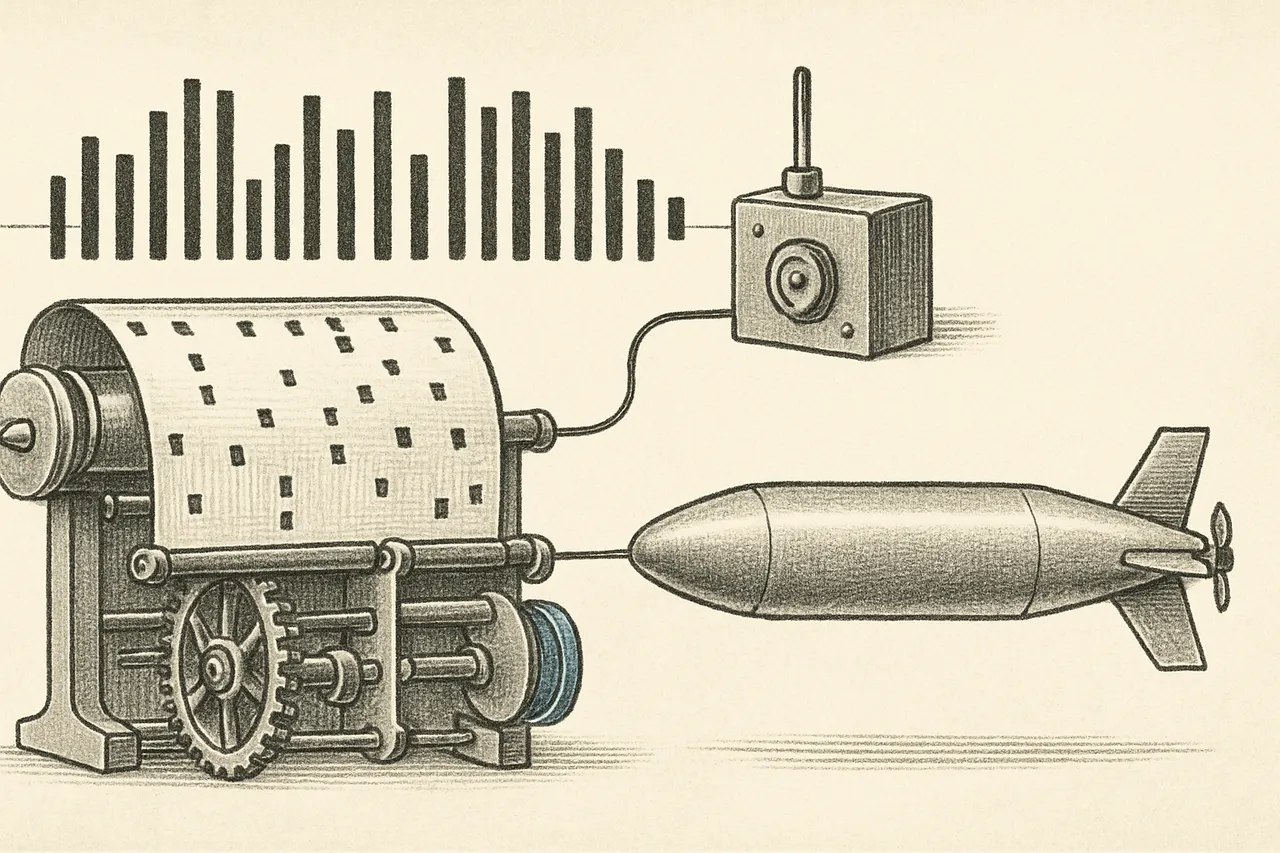
The Hollywood Actress Who Invented Wi-Fi
In 1942, Hedy Lamarr — at the time MGM's most photographed actress — co-patented a frequency-hopping radio system designed to guide torpedoes. The Navy filed it away. Fifty years later, every cellphone on Earth was using the same idea.
Read the story →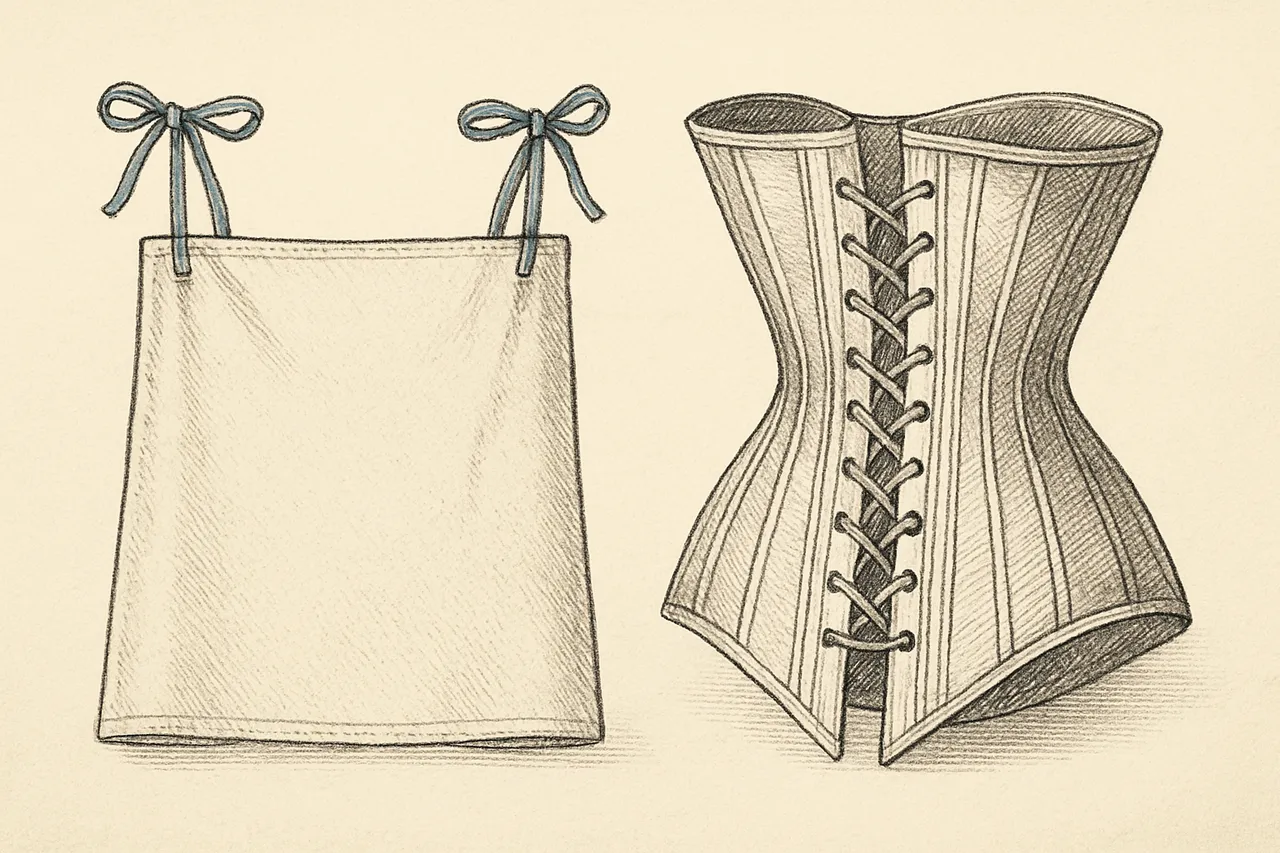
The First Modern Bra Was Two Handkerchiefs and a Ribbon, Improvised Before a Party
Mary Phelps Jacob was nineteen, dressing for a debutante ball, and the corset under her gown was ruining it. She had her maid bring two handkerchiefs and some ribbon. Four years later she held a US patent, and not long after that she sold it for $1,500.
Read the story →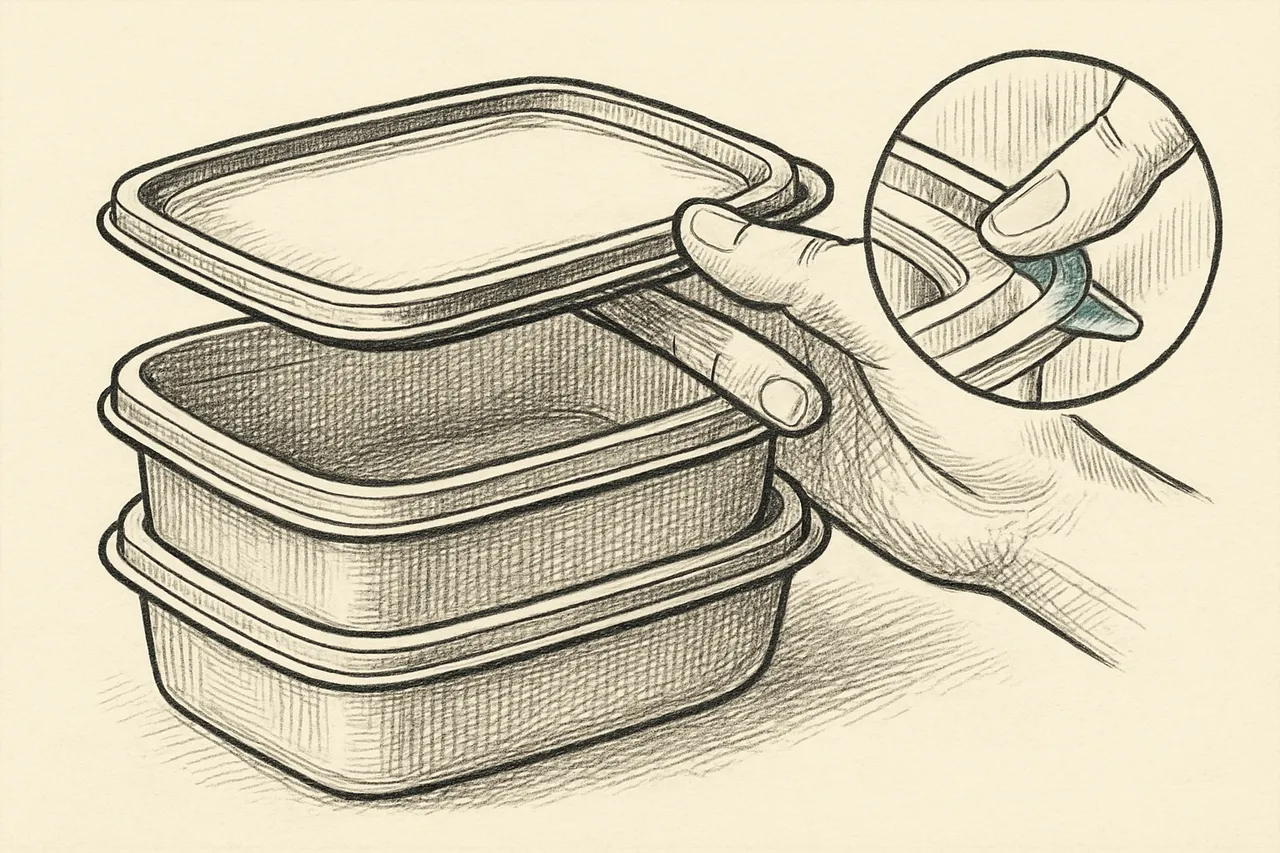
Tupperware Sat on Shelves for Years. A Single Mother Selling It at Parties Saved the Company.
Earl Tupper's airtight burping seal was a genuine breakthrough that nobody could figure out how to use. Brownie Wise, a divorced single mother with no formal business training, outsold every store in the country from her living room.
Read the story →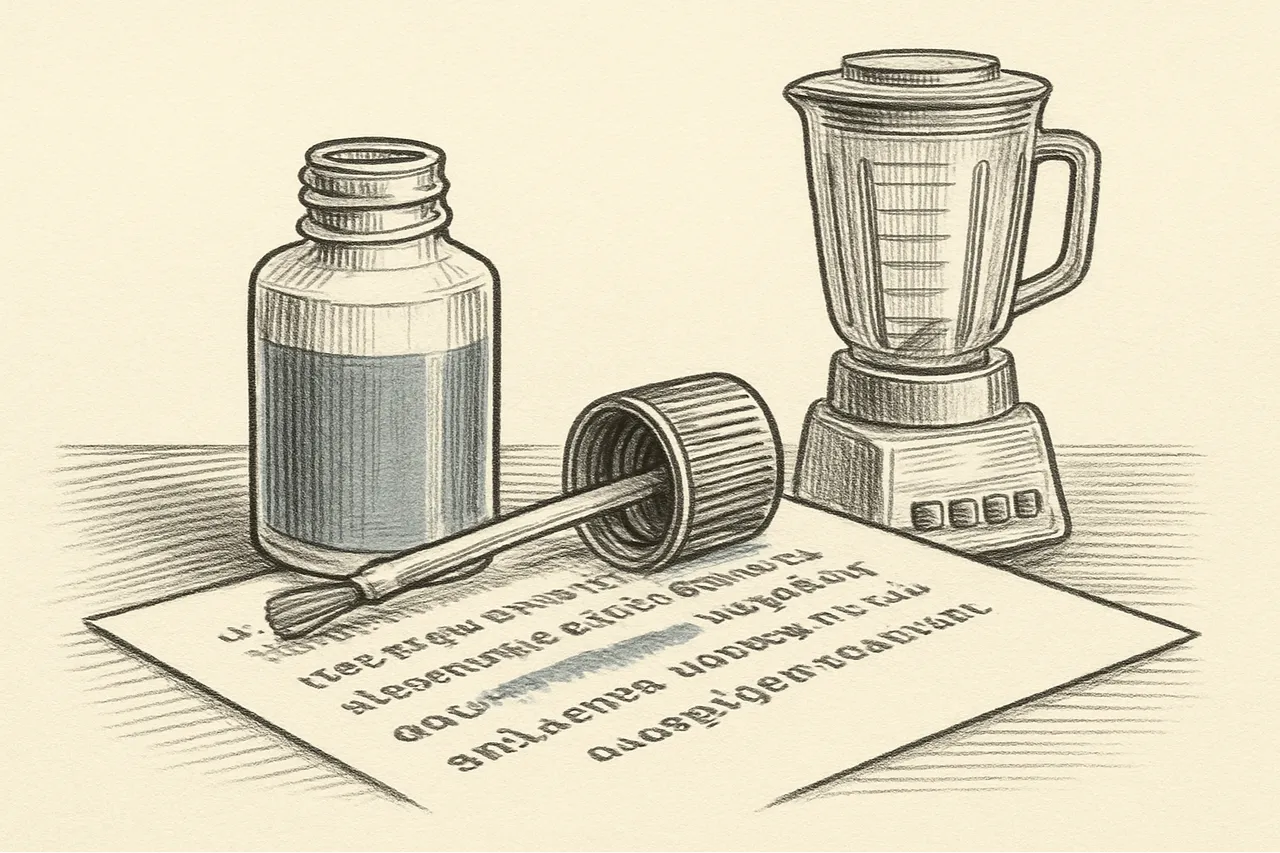
A Secretary Mixed White Paint in Her Kitchen Blender and Sold the Result for $47.5 Million
Bette Nesmith Graham was a divorced single mother typing at a Dallas bank, and the new electric typewriters smudged badly when she erased. She remembered that painters paint over mistakes rather than scraping them off.
Read the story →