Sarah Goode Patented a Bed That Hid Inside a Desk
Sarah E. Goode was born in slavery in 1855. By 1885 she owned a furniture store on Chicago's South Side and held the first US patent ever granted to an African-American woman — for a folding cabinet bed designed to make tenement apartments livable.
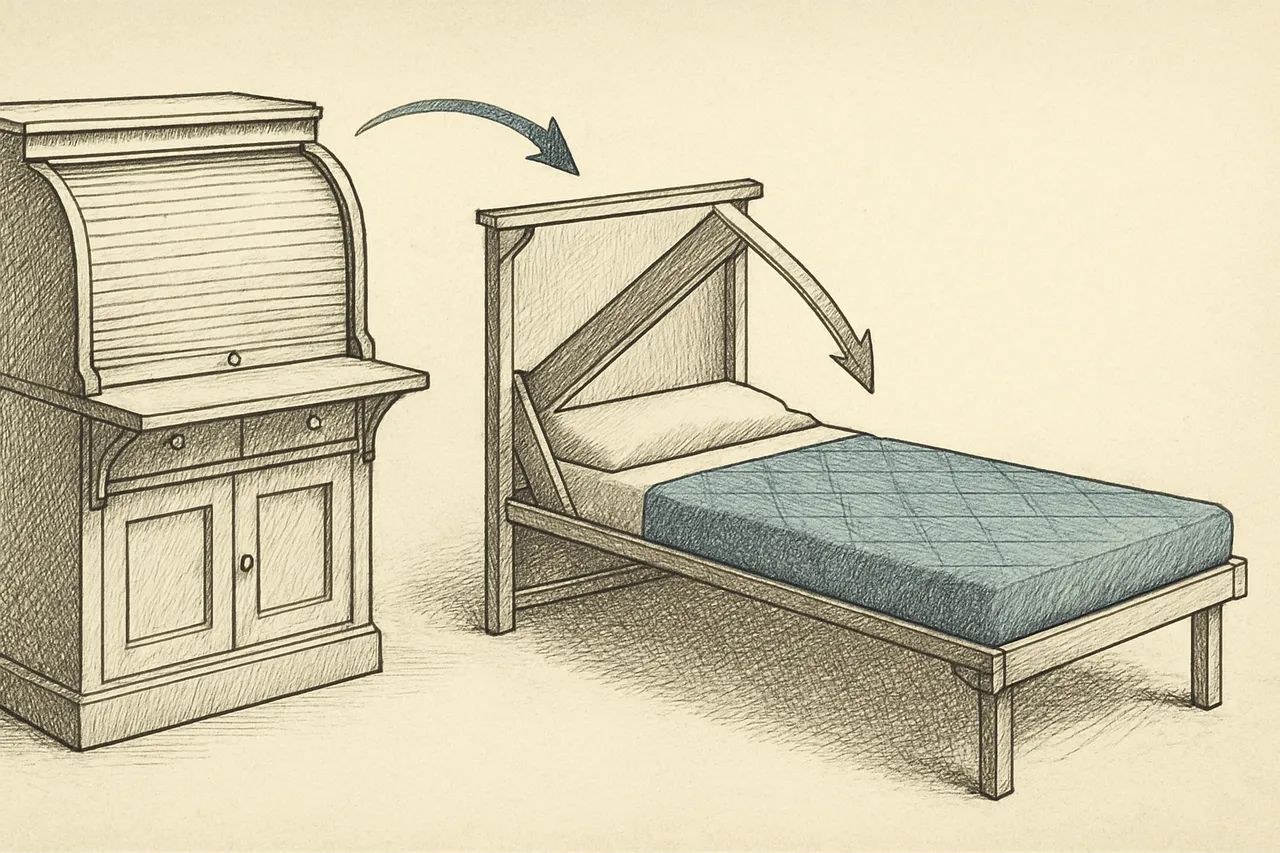
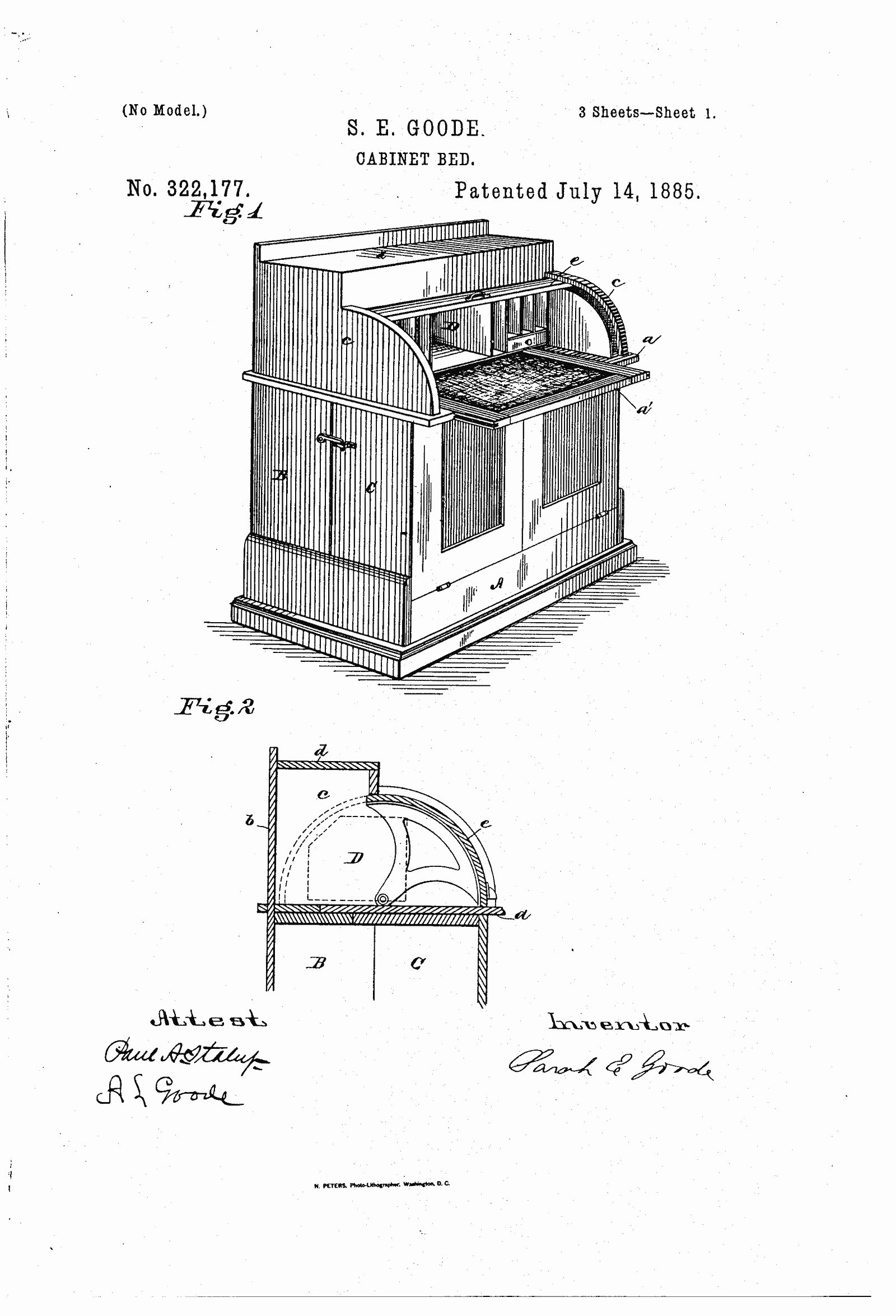
US322177 was issued on July 14, 1885, to Sarah E. Goode of Chicago. The title is "Folding Cabinet-Bed." The drawings show what appears at first glance to be a roll-top writing desk — substantial, attractive, with drawers and a flat upper surface for correspondence or accounts. When the user pulls a release lever, the desk pivots forward on hinges, the rolling top retracts, and a full-size bed unfolds from where the desk had been standing. The bed is supported on its own legs and includes integrated storage compartments beneath.
It was, in effect, the first piece of dual-purpose space-saving furniture designed for the American tenement.
Who built it
Goode was born Sarah Elizabeth Jacobs in 1855. She was, by the most reliable historical accounts, born into slavery in either Toledo, Ohio, or somewhere in the upper South; the exact origin is contested in surviving records. She was either freed with the Thirteenth Amendment in 1865 or had been freed earlier through manumission. In either case, she was twenty-one when she married Archibald Goode, a carpenter, in 1876, and the couple moved to Chicago shortly afterward.
By the early 1880s, Sarah Goode was operating a furniture store on Chicago's South Side. Her customers were, in many cases, working-class tenants in single-room apartments — the kind of housing that had become standard for both immigrant and Black workers in industrial Chicago. Bedroom furniture, in particular, was a problem: a full bed simply did not fit in most of the units her customers lived in.
She sketched a piece of furniture that would.
What she got
US322177 is, by every reasonable historical accounting, the first United States patent granted to an African-American woman. The patent office did not record race at the time of filing, so the claim rests on archival cross-referencing of patent records with census, business directory, and city records of the period. The work establishing Goode's priority was done by historians beginning in the 1960s; the National Women's Hall of Fame inducted her in 2012.
The Cabinet-Bed itself was successful in Chicago and was sold through Goode's furniture store for the next two decades. It does not appear to have been licensed nationally — Goode was an independent businesswoman without the legal or financial infrastructure to press licensing claims against larger furniture manufacturers, and there is no record that she earned significant royalty income from the patent.
The Murphy bed, patented in 1911 by William L. Murphy (US1058248), is mechanically distinct from Goode's design but addresses the same problem and is sometimes described as a direct descendant. Murphy himself did not credit Goode in his patent application, and there is no evidence either way as to whether he had encountered her invention. The two designs are, in any case, almost exactly contemporary in concept — the practical problem of small American urban apartments having generated similar mechanical responses on opposite sides of the country.
Goode died in 1905, twenty years after the patent issued. The patent itself had expired in 1902.
See the original
The full text and figures of US322177 are on Google Patents.
Related stories
The First Modern Bra Was Two Handkerchiefs and a Ribbon, Improvised Before a Party
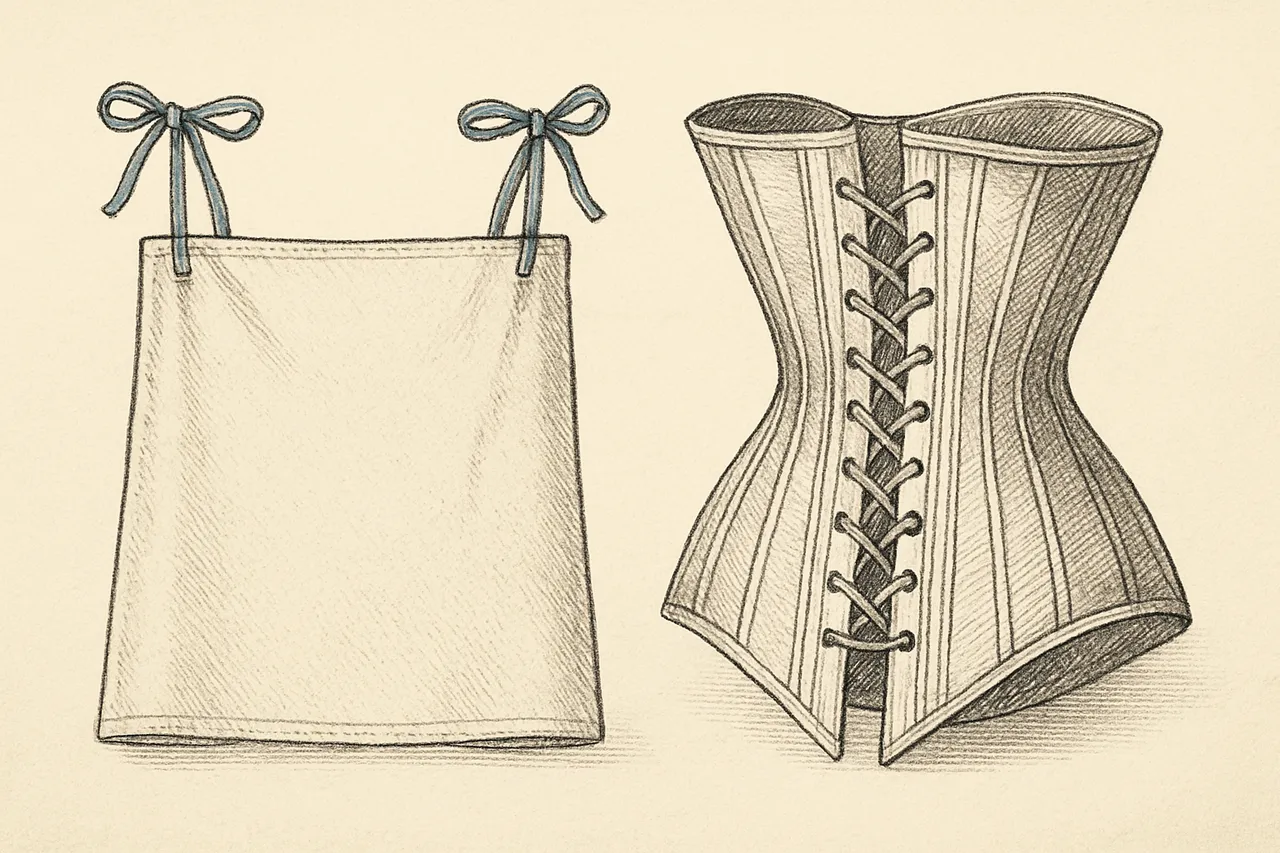
Mary Phelps Jacob was nineteen, dressing for a debutante ball, and the corset under her gown was ruining it. She had her maid bring two handkerchiefs and some ribbon. Four years later she held a US patent, and not long after that she sold it for $1,500.
Read the story →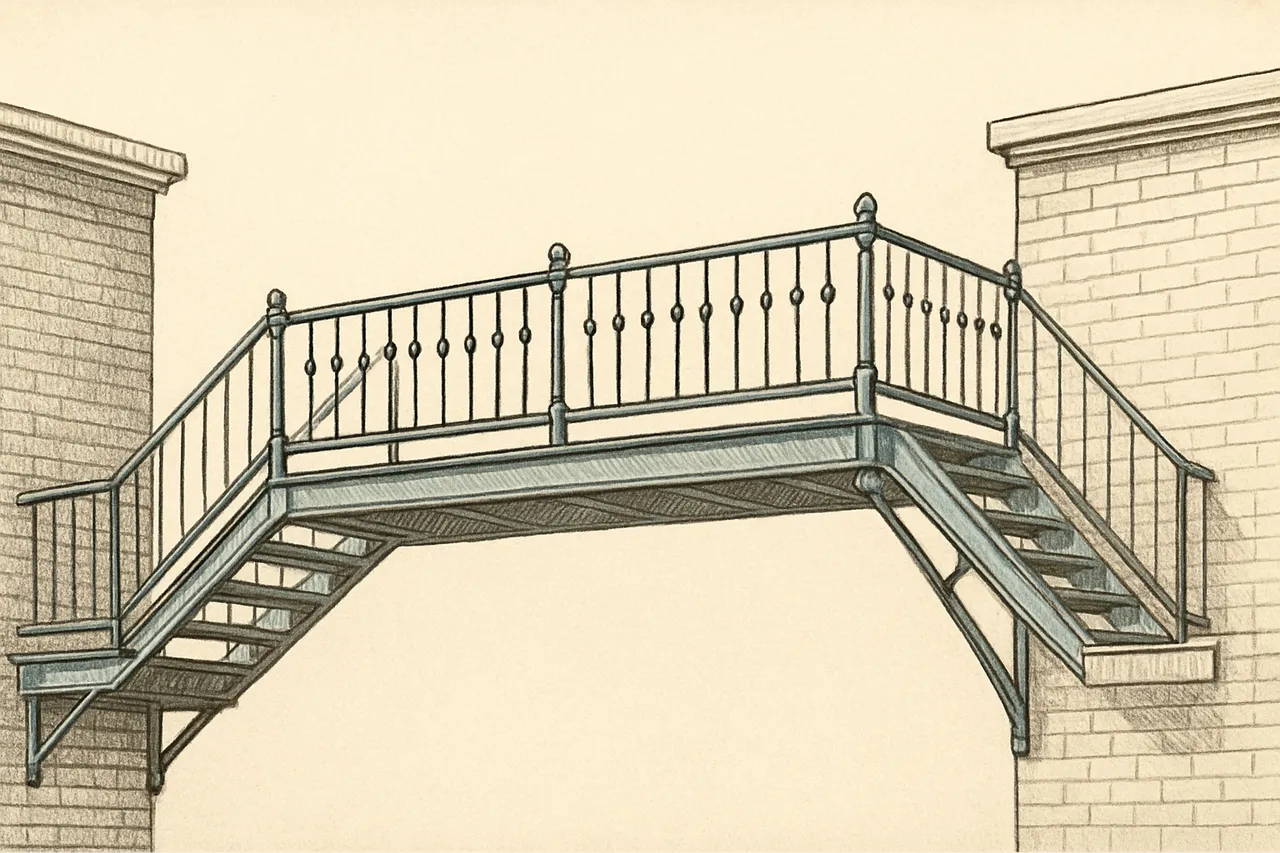
Anna Connelly Patented the Fire Escape in 1887, and Cities Started Requiring Them
American cities were building upward faster than they could evacuate. Anna Connelly, one of the earliest women to hold a US patent, proposed an external bridge between rooftops with railings — an escape route that did not depend on the burning stairwell.
Read the story →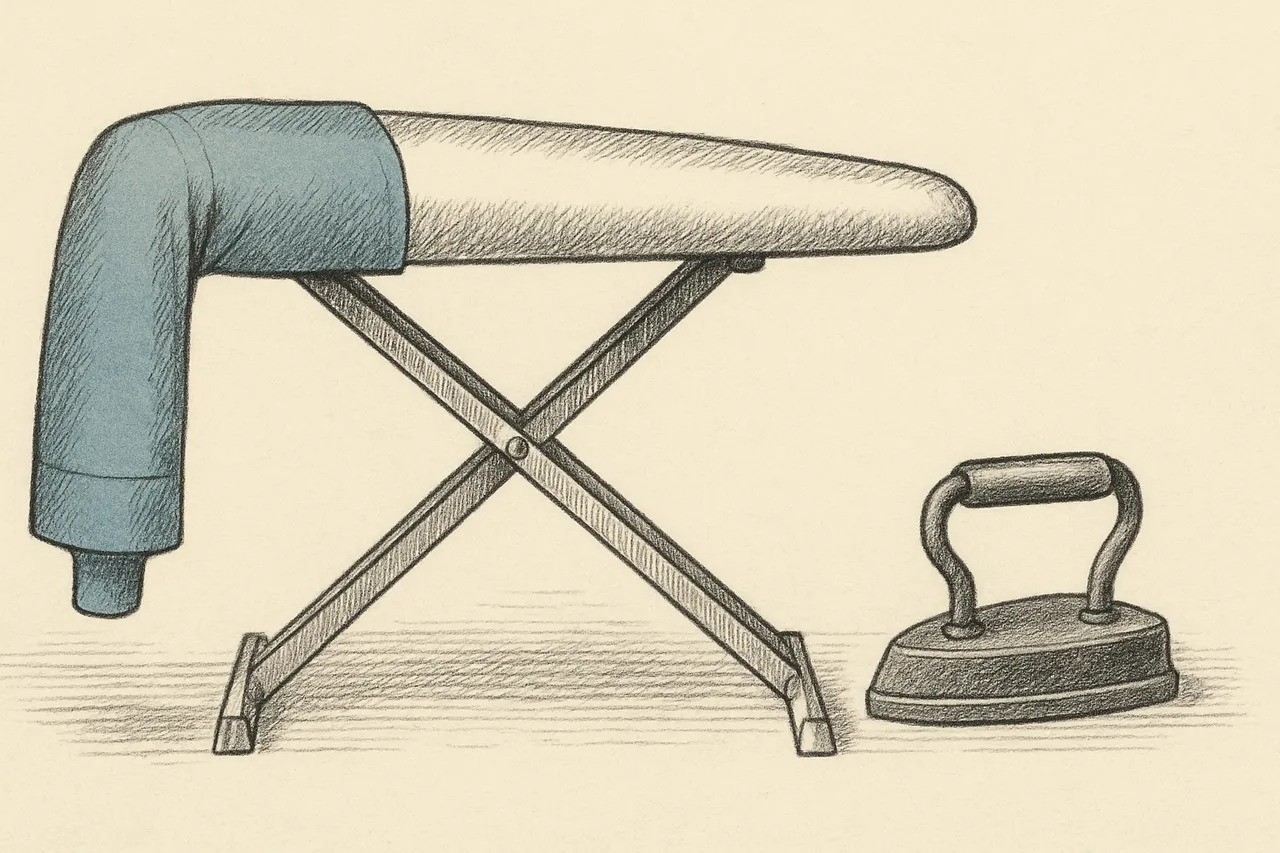
Sarah Boone Was Born Enslaved. In 1892 She Patented the Ironing Board You Still Use.
Flat boards laid across chairs could not press a fitted sleeve or a curved bodice without creasing everything else. Sarah Boone, one of the first Black women in America to receive a patent, gave the board a narrow padded shape that fit the garment.
Read the story →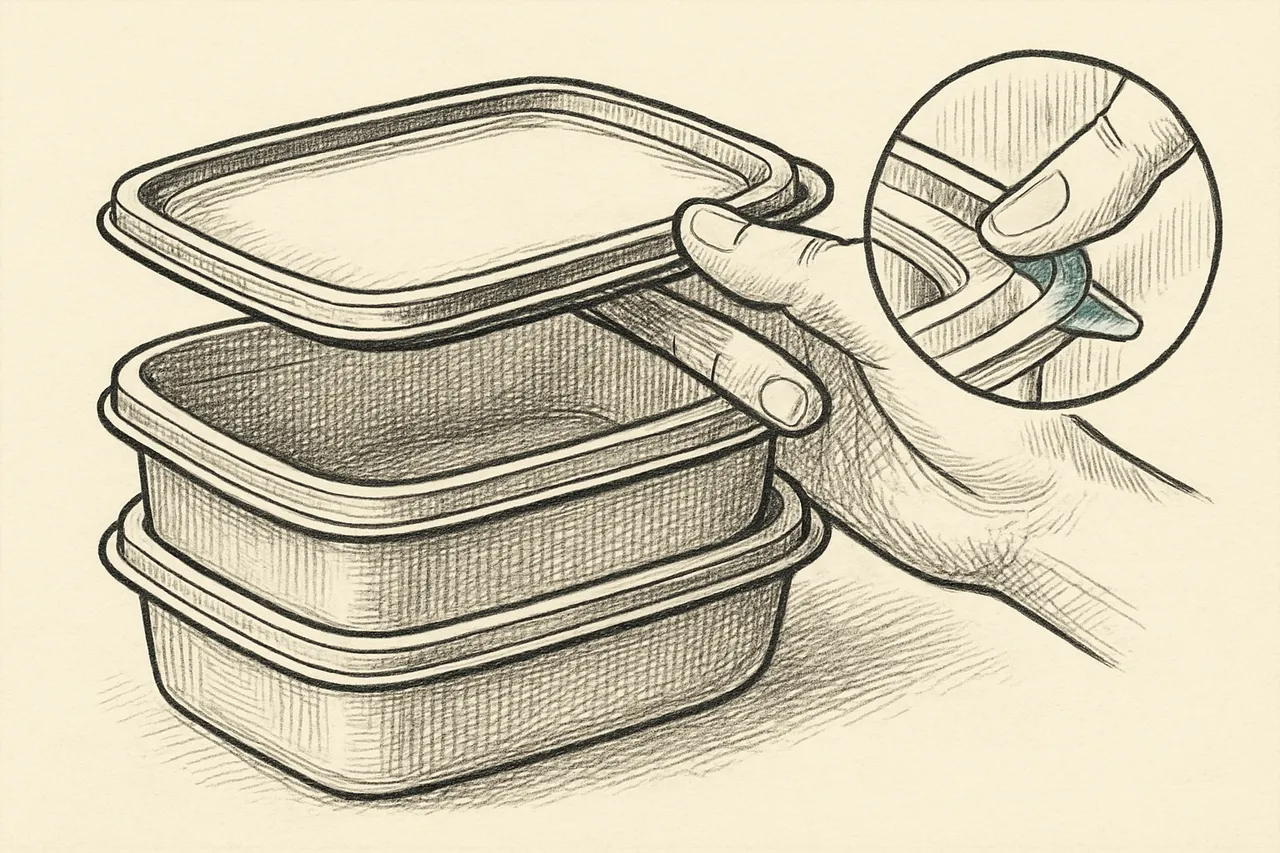
Tupperware Sat on Shelves for Years. A Single Mother Selling It at Parties Saved the Company.
Earl Tupper's airtight burping seal was a genuine breakthrough that nobody could figure out how to use. Brownie Wise, a divorced single mother with no formal business training, outsold every store in the country from her living room.
Read the story →