'Lady Edison' Held 49 Patents and Couldn't Read a Blueprint
Beulah Louise Henry invented so prolifically that the press called her Lady Edison. She had no engineering training, couldn't read a technical drawing, and described her inventions as arriving fully formed in her mind — then hired machinists to build what she saw.
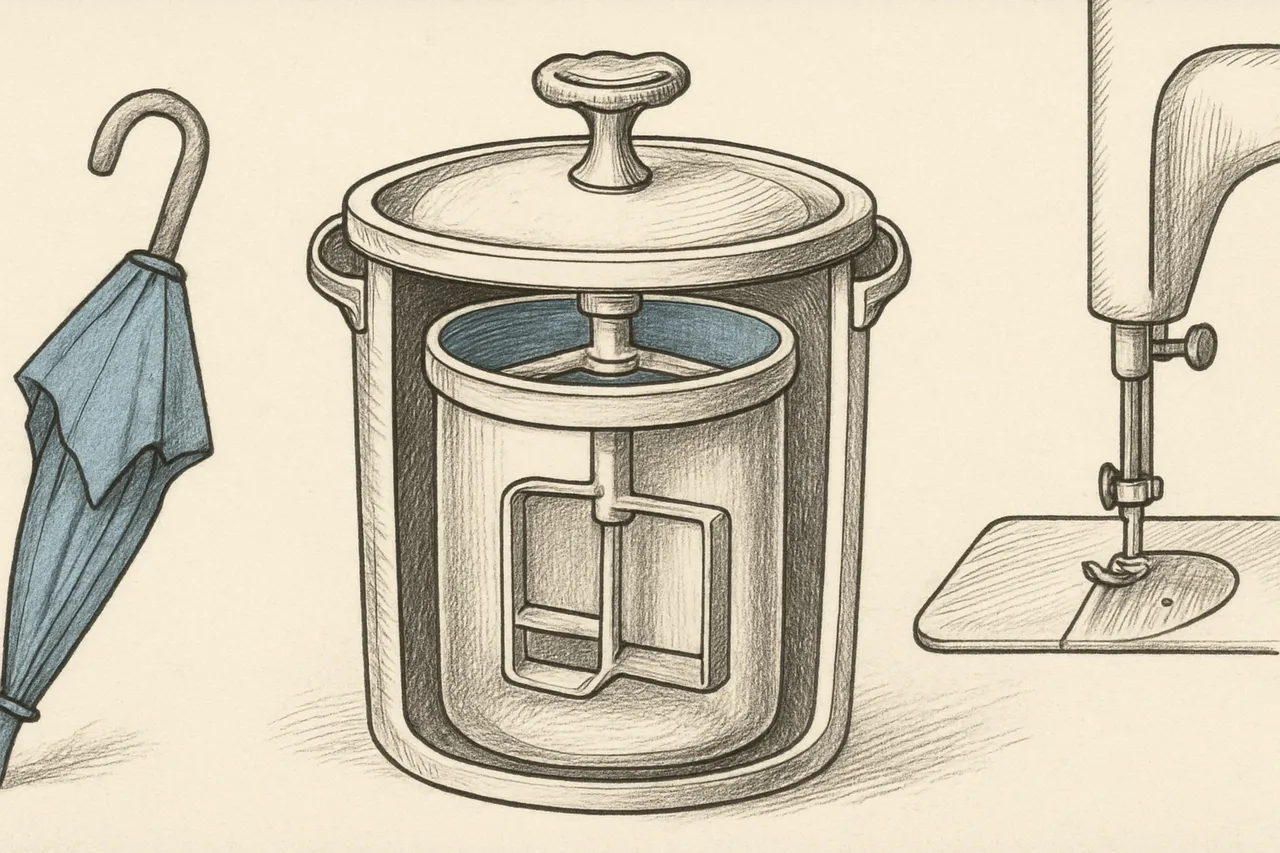
US1492725 was granted to Beulah Louise Henry on May 6, 1924. The title is "Ice Cream Freezer" — specifically, a vacuum-sealed freezer that made ice cream faster and with less ice than the hand-cranked, salt-and-ice models of the era. It was one of the first of what would eventually be around 49 patents and more than 100 inventions, filed across five decades by a woman the press of the 1920s and 30s dubbed "Lady Edison."
Henry was not an engineer. She had no technical training of any kind. She had studied art and music at college in North Carolina, and by her own repeated description, she did not think in equations or mechanisms at all. She thought in pictures. An invention, she said, would appear in her mind essentially complete — she could see the finished device, turn it around, examine it — and her task was then to communicate that mental image to the machinists and draftsmen she hired, so they could render it into the technical drawings and prototypes that she herself could not produce and, in many cases, could not even read.
What she made
Henry's inventions were overwhelmingly practical, domestic, and clever. Among the best-known:
- The "Protograph," a device that let a manual typewriter produce up to four copies of a document at once without carbon paper.
- A bobbin-free sewing machine that formed a lockstitch without the fussy under-thread bobbin, which she considered her most difficult invention.
- The "Dolly Dip" and a line of children's toys, including a doll with a radio inside and a doll with movable eyes whose color could be changed.
- A snap-on umbrella cover system that let a woman swap colored covers to match different outfits on a single umbrella frame — a small idea that sold well.
- Various improvements to cans, valves, mannequins, and household mechanisms.
She founded companies to manufacture and license her inventions and, unusually for a woman inventor of her era, made a comfortable living from them. She served as a paid inventor and consultant to manufacturers who valued exactly the thing her lack of training might have suggested she couldn't provide: a reliable stream of novel, buildable, marketable ideas.
The mind's eye
What makes Henry historically interesting is not just the volume of her output but her account of how she invented. She insisted, throughout her life, that she had no idea where the ideas came from and did not understand the mechanical principles behind many of her own devices. She saw the finished object, complete and working, and worked backward from the vision to the mechanism — the reverse of the trained engineer's process. When skeptics doubted that someone who couldn't read a blueprint could hold dozens of patents, she pointed at the patents.
She kept inventing into the 1950s and died in 1973. The ice-cream freezer of 1924 was near the beginning; the "Lady Edison" nickname, which she earned and outlasted, was the period's slightly backhanded way of expressing genuine astonishment that the inventions kept coming, and kept working, from a woman who saw machines instead of calculating them.
See the original
The full text and figures of US1492725 are on patents.us.
Related stories
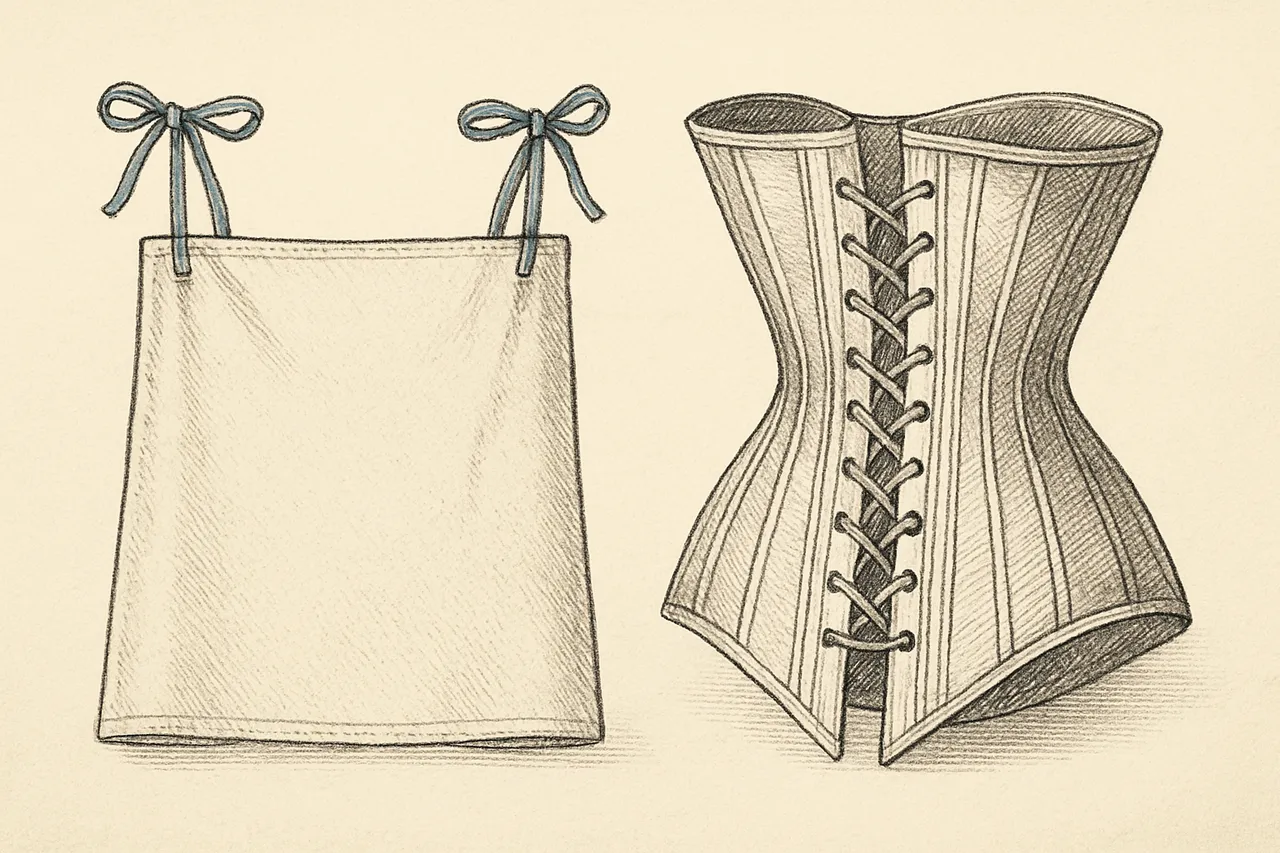
The First Modern Bra Was Two Handkerchiefs and a Ribbon, Improvised Before a Party
Mary Phelps Jacob was nineteen, dressing for a debutante ball, and the corset under her gown was ruining it. She had her maid bring two handkerchiefs and some ribbon. Four years later she held a US patent, and not long after that she sold it for $1,500.
Read the story →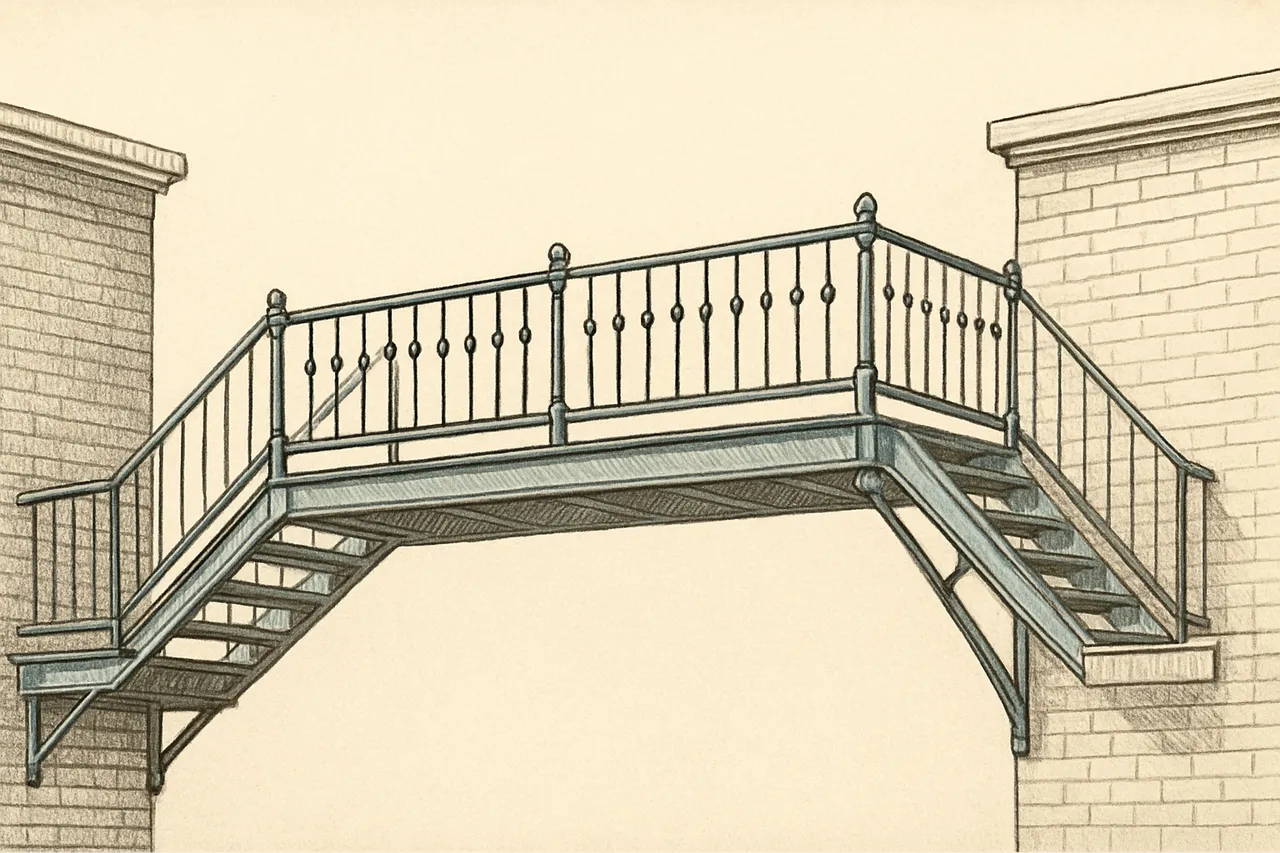
Anna Connelly Patented the Fire Escape in 1887, and Cities Started Requiring Them
American cities were building upward faster than they could evacuate. Anna Connelly, one of the earliest women to hold a US patent, proposed an external bridge between rooftops with railings — an escape route that did not depend on the burning stairwell.
Read the story →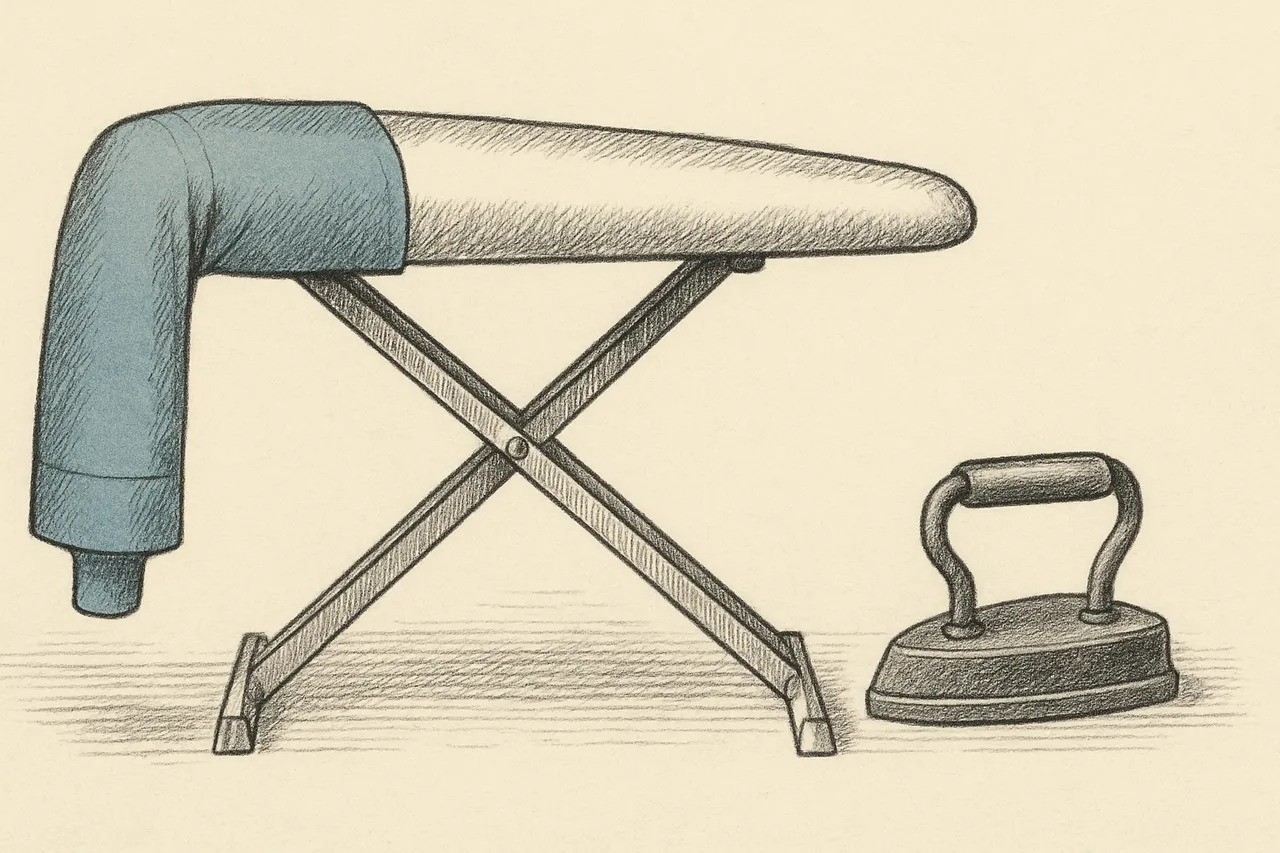
Sarah Boone Was Born Enslaved. In 1892 She Patented the Ironing Board You Still Use.
Flat boards laid across chairs could not press a fitted sleeve or a curved bodice without creasing everything else. Sarah Boone, one of the first Black women in America to receive a patent, gave the board a narrow padded shape that fit the garment.
Read the story →
Tupperware Sat on Shelves for Years. A Single Mother Selling It at Parties Saved the Company.
Earl Tupper's airtight burping seal was a genuine breakthrough that nobody could figure out how to use. Brownie Wise, a divorced single mother with no formal business training, outsold every store in the country from her living room.
Read the story →