Marion Donovan Invented the Disposable Diaper. Every Manufacturer Turned Her Down.
A young mother cut up a shower curtain to make a leak-proof diaper cover. It worked. When she took the next step — a fully disposable diaper — the industry told her there was no demand. They were wrong by about a decade.
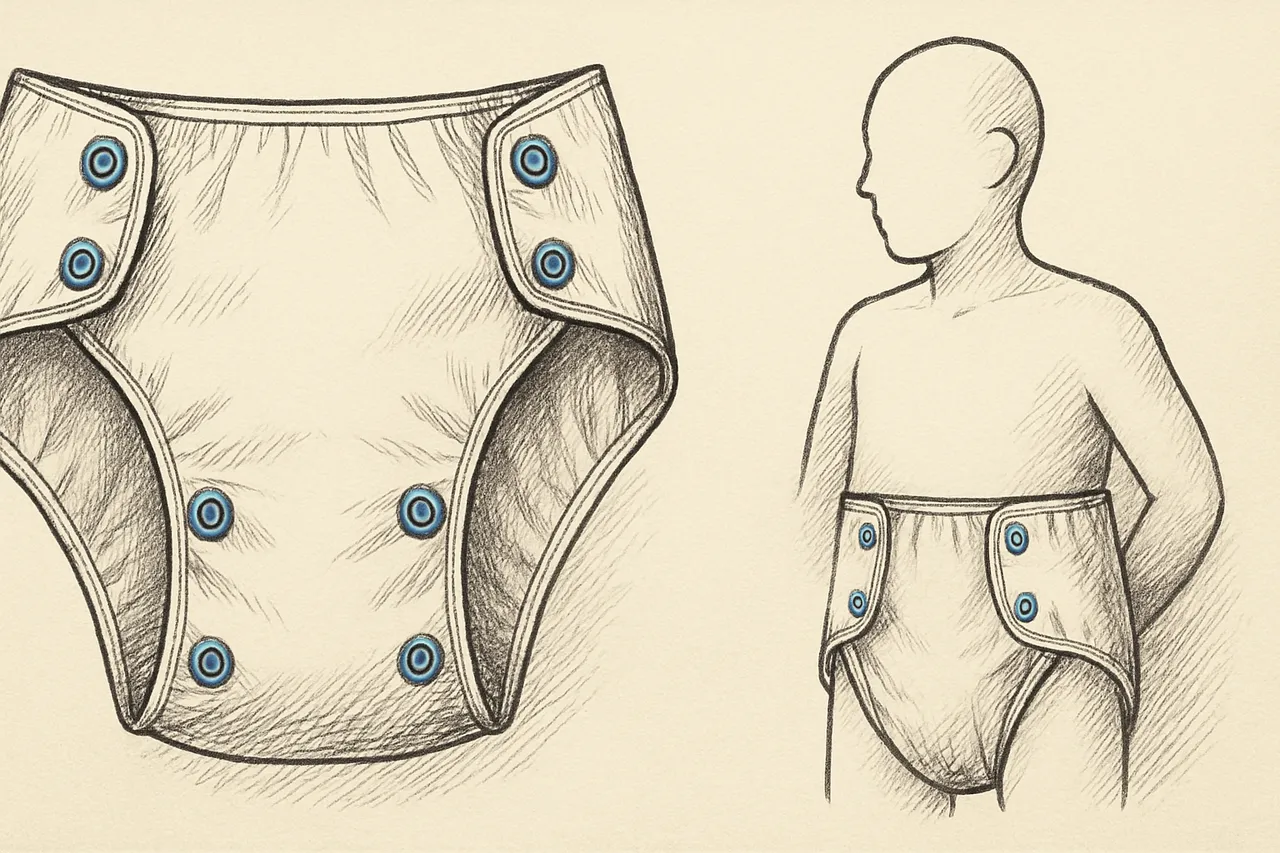
US2556800 was granted to Marion Donovan on June 12, 1951. The title is "Diaper." It covers a waterproof, reusable diaper cover — Donovan called it the "Boater," because it kept the baby afloat above the leaks — made from a repurposed shower curtain and fastened with snaps instead of the safety pins that had a habit of pricking both baby and parent.
Donovan was a young mother in Westport, Connecticut, in the mid-1940s. Like every parent of the era, she was contending with cloth diapers that leaked through to clothing, bedding, and everything else, requiring constant changes and endless laundry. The existing "solution" — rubber pants worn over the cloth diaper — trapped moisture against the skin and caused severe diaper rash. Donovan wanted something that was waterproof on the outside but breathable enough not to blister the baby.
She took a shower curtain down from her bathroom, cut it up, and sewed it on her sewing machine into a diaper cover. She iterated through several versions, eventually using parachute nylon, and replaced the dangerous safety pins with plastic snap fasteners — themselves a small invention she also patented.
The Boater succeeds
The Boater went on sale at Saks Fifth Avenue in 1949 and was an immediate commercial success. Donovan received her patents in 1951 and sold the rights to the design a few years later for one million dollars — a genuinely enormous sum, and a rare case of a mid-century woman inventor being properly paid.
But Donovan had already seen the next step, and it was bigger.
The step the industry refused
The waterproof cover solved the leaking. It did not solve the laundry. Donovan's next idea was to eliminate the cloth diaper entirely: a fully disposable diaper, using a special absorbent paper that would pull moisture away from the baby's skin and then be thrown away. She developed the concept and approached the major paper and consumer-goods manufacturers of the early 1950s.
They turned her down. Uniformly. The executives — by the accounts Donovan gave later, all men — considered the idea impractical, unnecessary, and commercially hopeless. There was, they told her, simply no demand for a disposable diaper. Mothers had always used cloth. They always would.
The disposable diaper Donovan had described sat unbuilt for roughly a decade. In 1961, a Procter & Gamble engineer named Victor Mills — working on essentially the same idea Donovan had pitched and been rejected on — led the development of Pampers. Disposable diapers went on to become a multi-billion-dollar global industry and one of the defining consumer products of the twentieth century.
Donovan held twenty patents over her life, including designs for an improved dental floss product and a compact closet-organizing system. She earned an architecture degree from Yale in 1958, one of the few women in her class. She was inducted into the National Inventors Hall of Fame in 2015, sixteen years after her death. The disposable diaper she could not get anyone to build is now used, by the billion, every single day.
See the original
The full text and figures of US2556800 are on patents.us.
Related stories
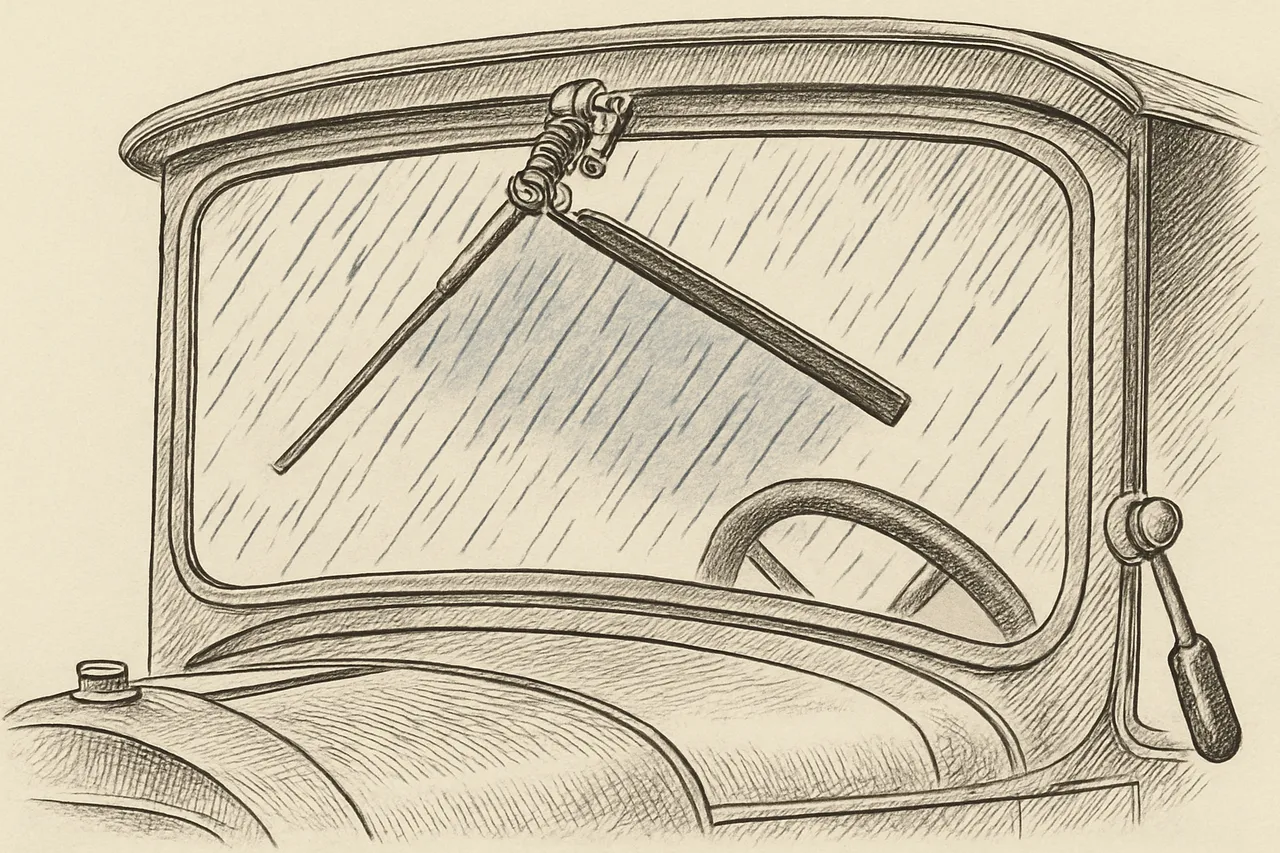
Mary Anderson Patented the Windshield Wiper. No One Bought It.
Mary Anderson was riding a streetcar through New York in a winter sleet storm in 1902 when she watched the driver lean out the window every few seconds to wipe the glass by hand. She went home and patented the windshield wiper. No automaker would license it.
Read the story →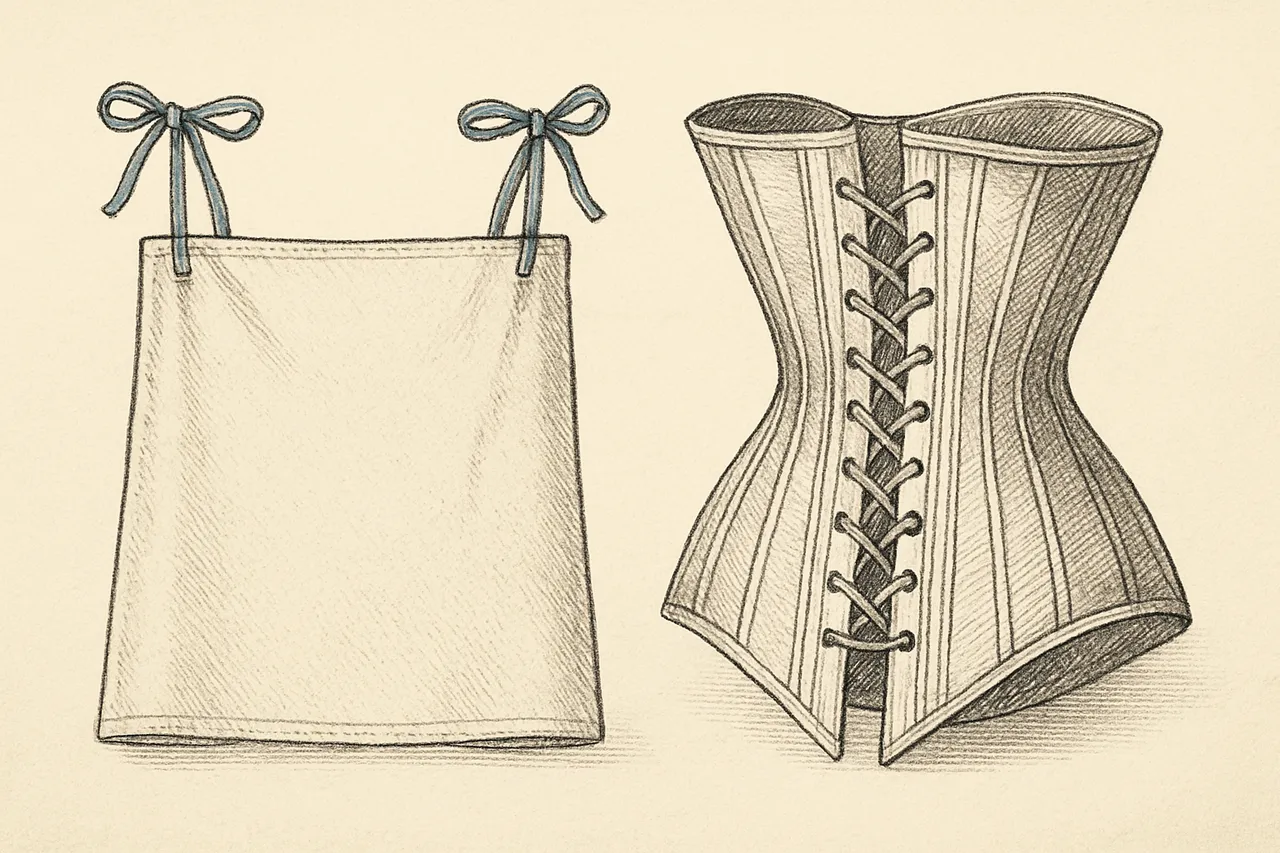
The First Modern Bra Was Two Handkerchiefs and a Ribbon, Improvised Before a Party
Mary Phelps Jacob was nineteen, dressing for a debutante ball, and the corset under her gown was ruining it. She had her maid bring two handkerchiefs and some ribbon. Four years later she held a US patent, and not long after that she sold it for $1,500.
Read the story →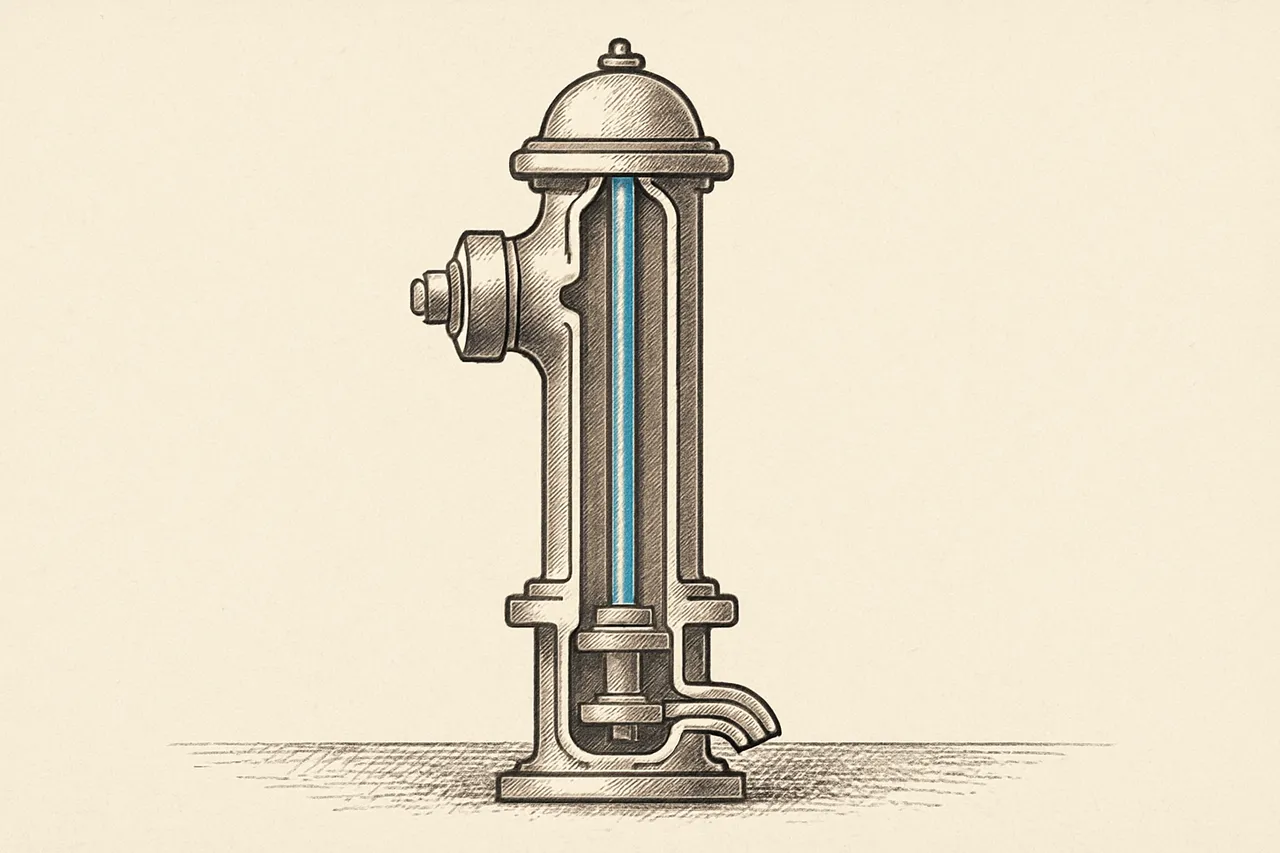
The Fire Hydrant Patent Was Destroyed in a Fire
Frederick Graff is usually credited with the post hydrant around 1801. Nobody can check, because the Patent Office burned to the ground in 1836 and took roughly ten thousand patents with it, including his.
Read the story →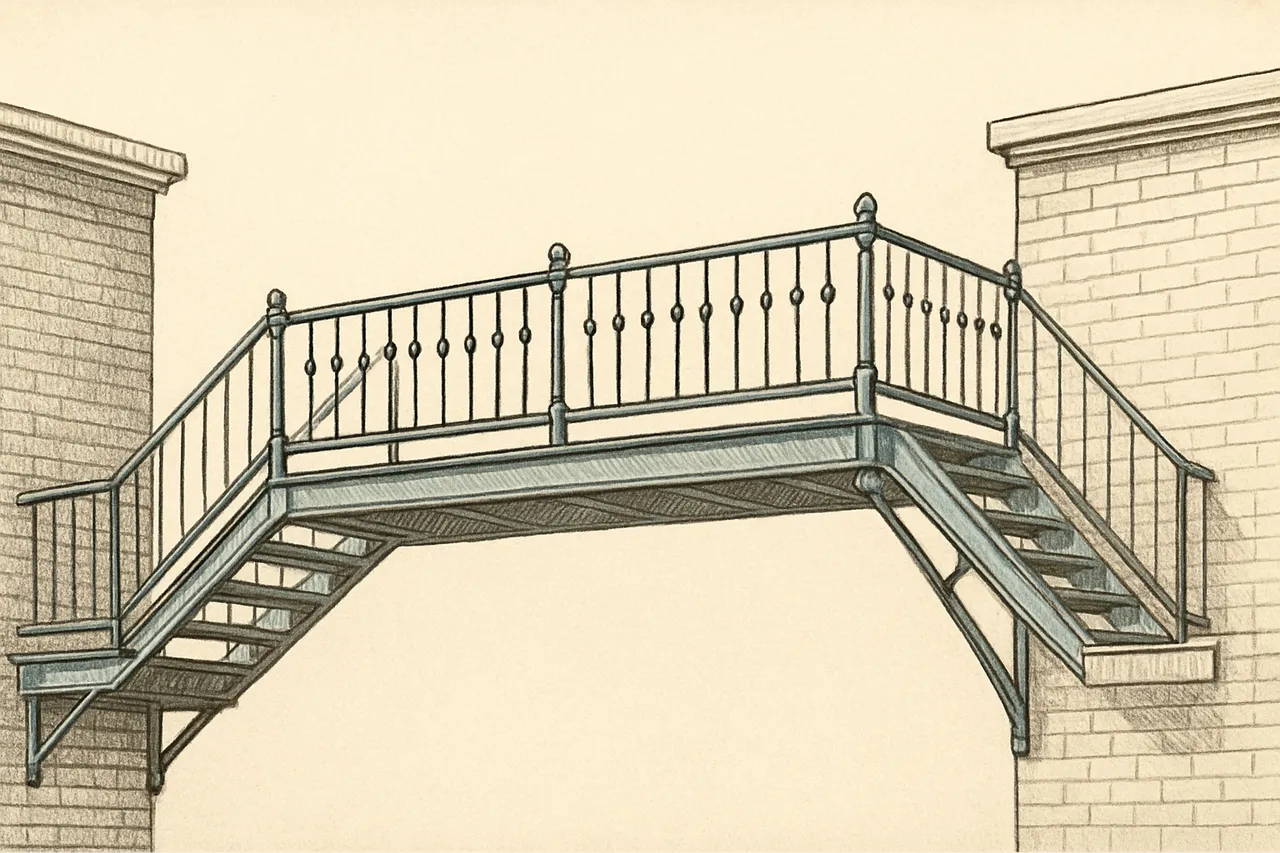
Anna Connelly Patented the Fire Escape in 1887, and Cities Started Requiring Them
American cities were building upward faster than they could evacuate. Anna Connelly, one of the earliest women to hold a US patent, proposed an external bridge between rooftops with railings — an escape route that did not depend on the burning stairwell.
Read the story →