Never Built
Patents that were granted but never commercialized — visionary, premature, impractical, or simply forgotten.
Every patent describes something the inventor could have built. Most never were. Sometimes the technology wasn't ready, sometimes the market wasn't, sometimes the inventor moved on. This tag explores the inventions that exist on paper only — and what they tell us about how futures get imagined and abandoned.
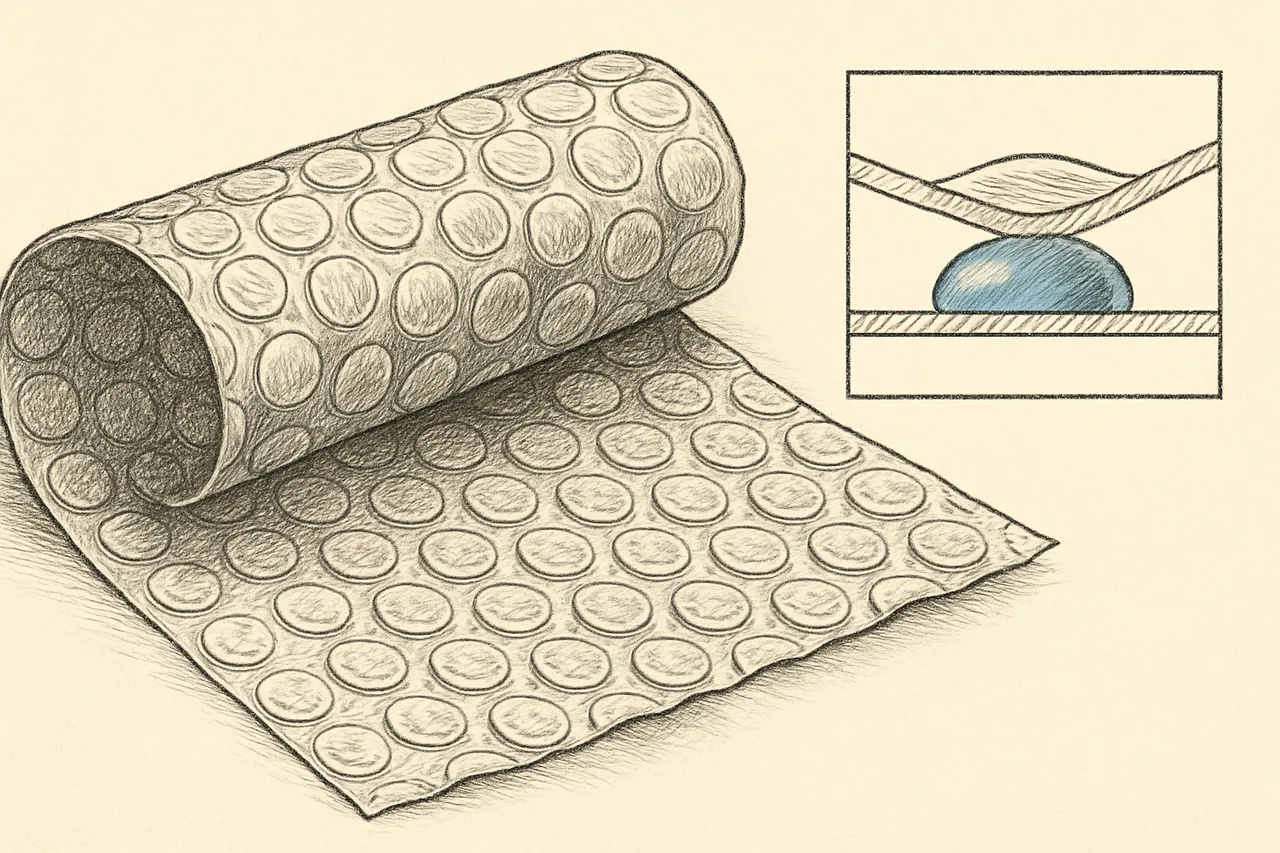
Bubble Wrap Was Invented as Wallpaper. Nobody Bought It.
Two engineers sealed two shower curtains together and trapped air bubbles between them. They were trying to make textured wallpaper. That failed. So did their second idea, greenhouse insulation. Then IBM shipped a computer.
Read the story →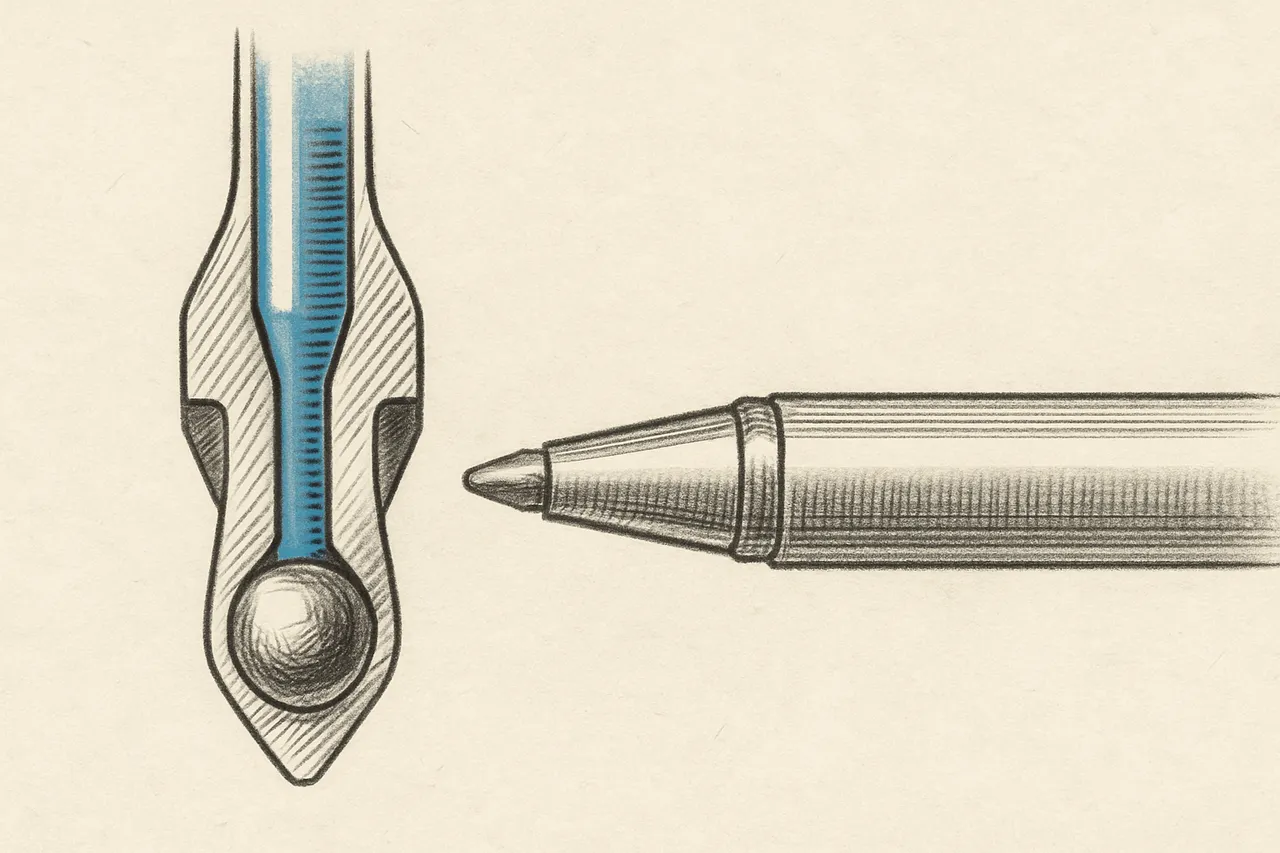
The Ballpoint Pen Took Decades and a World War to Get Right
A Hungarian newspaper editor was tired of fountain pens smudging his proofs. His fix — a tiny rotating ball fed by quick-drying ink — had been patented before and had always failed. It took him years, an escape from fascism, and an air force to make it work.
Read the story →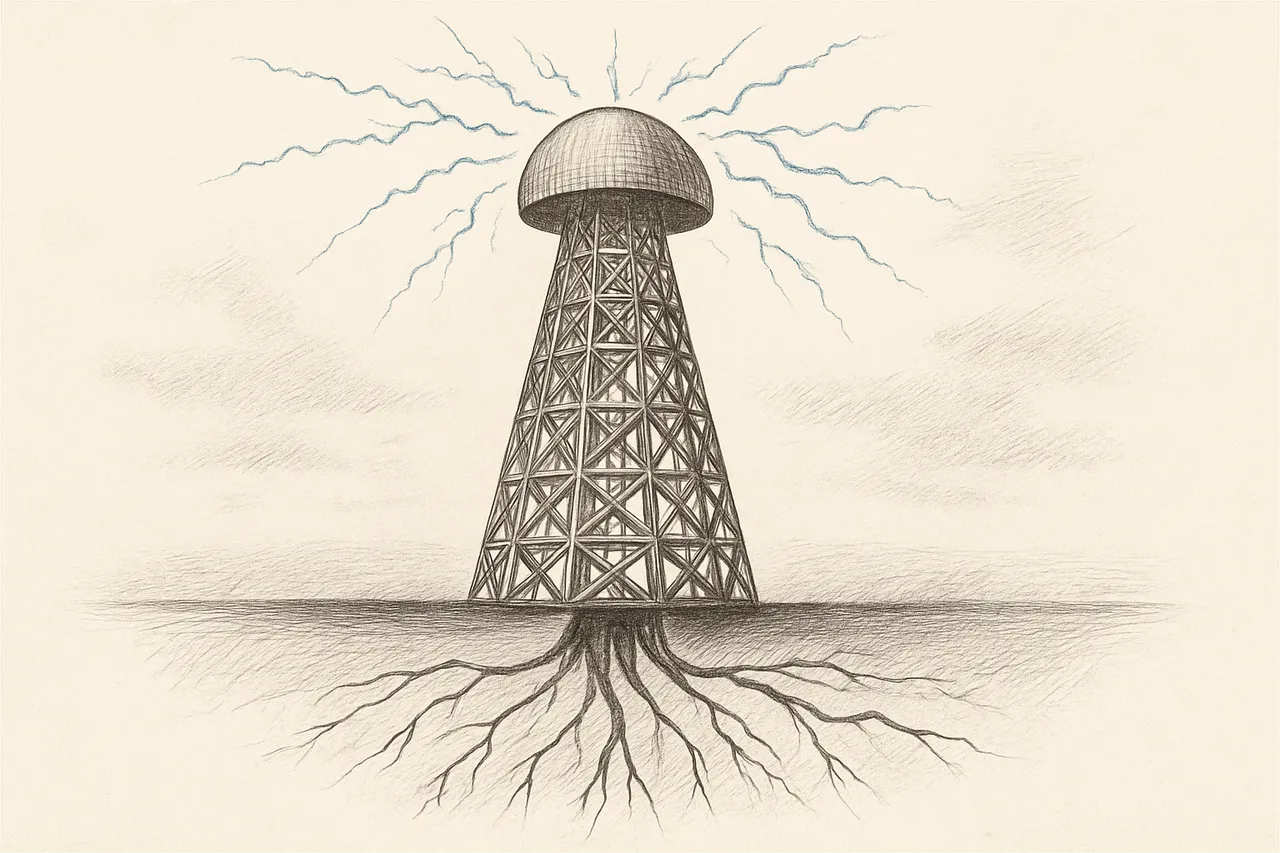
Tesla Patented a Way to Beam Power Through the Earth. Then the Money Ran Out.
Nikola Tesla believed he could transmit electricity wirelessly to anywhere on Earth, using the planet itself as a conductor. He built a 187-foot tower on Long Island to prove it. The patent was granted the same year the tower's funding collapsed for good.
Read the story →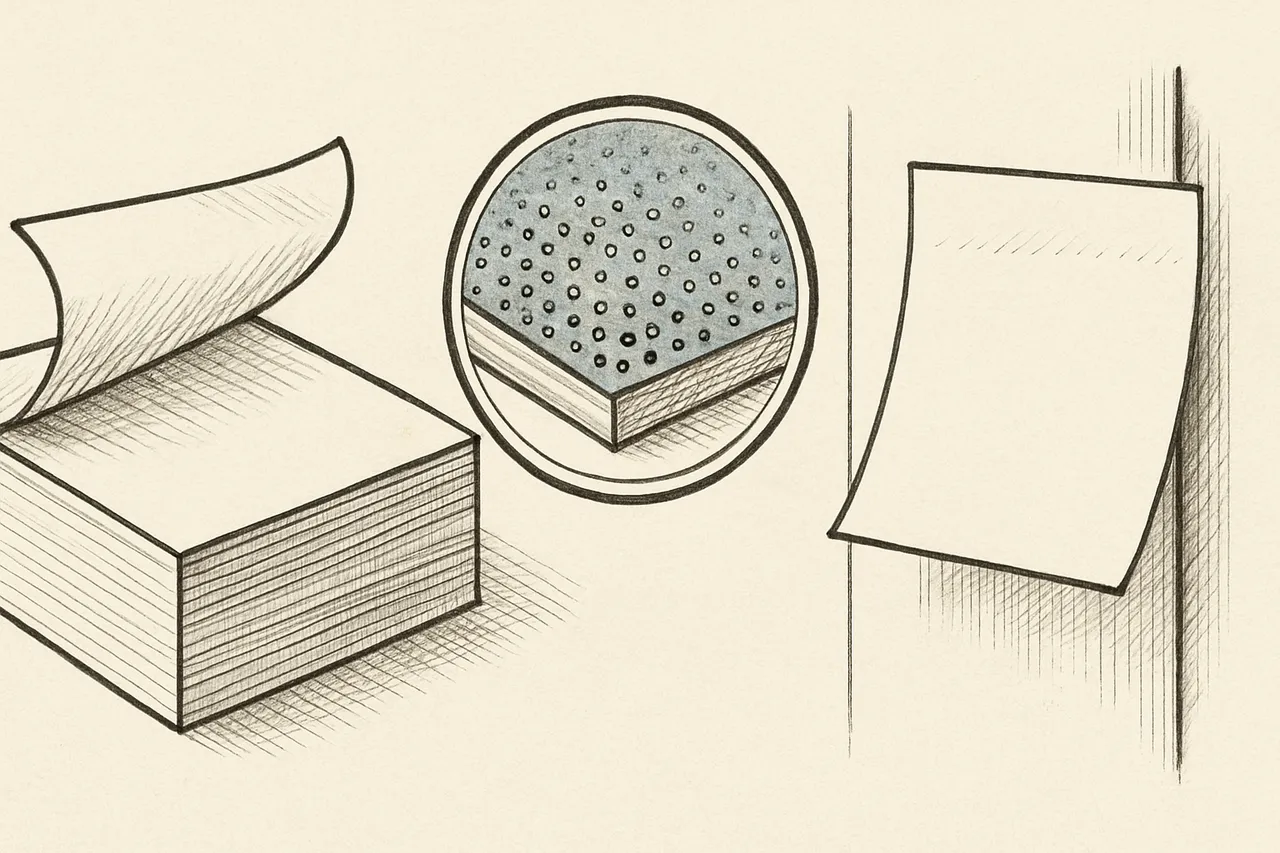
Spencer Silver Invented an Adhesive No One Wanted for Twelve Years
In 1968, a 3M chemist named Spencer Silver was trying to make a stronger adhesive. He accidentally made a weaker one that didn't stick permanently. The product it eventually became — Post-it Notes — did not ship for another twelve years.
Read the story →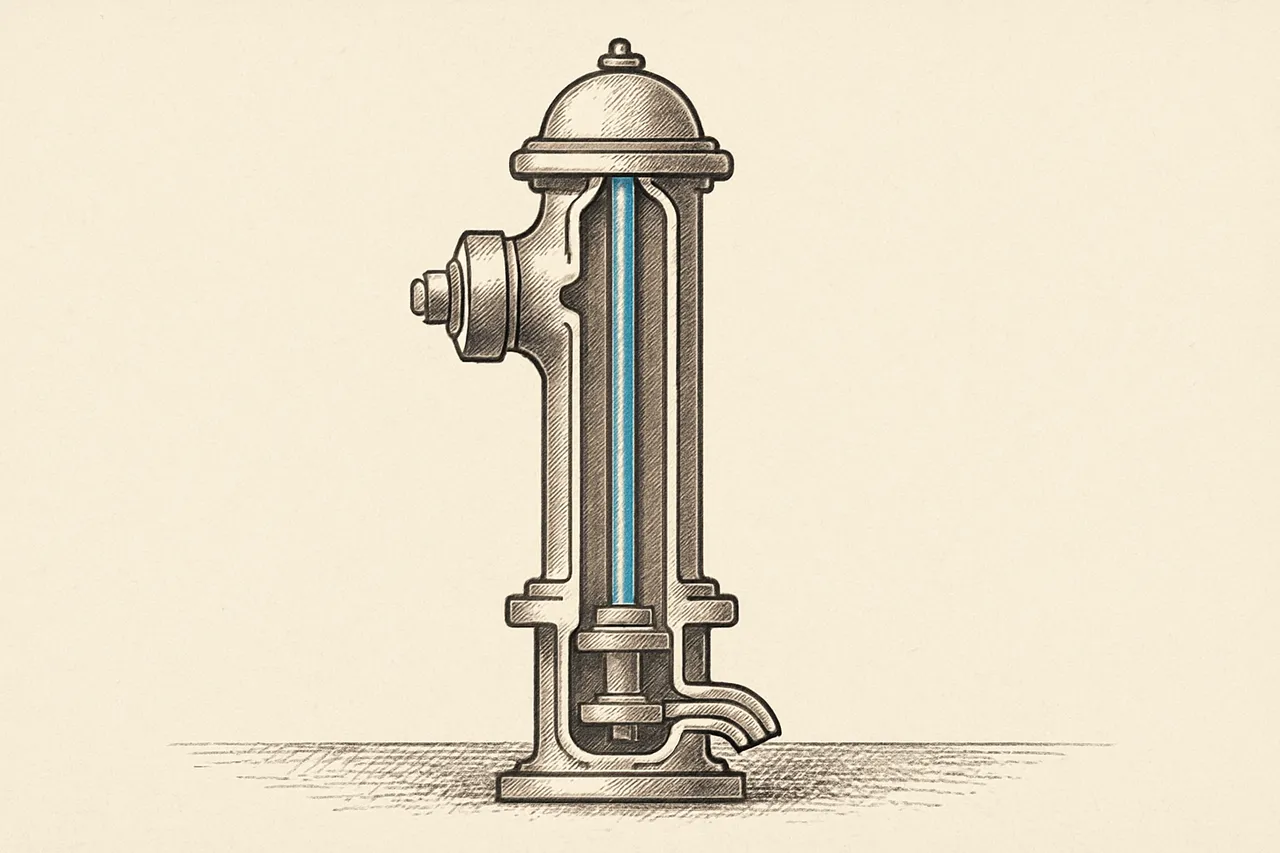
The Fire Hydrant Patent Was Destroyed in a Fire
Frederick Graff is usually credited with the post hydrant around 1801. Nobody can check, because the Patent Office burned to the ground in 1836 and took roughly ten thousand patents with it, including his.
Read the story →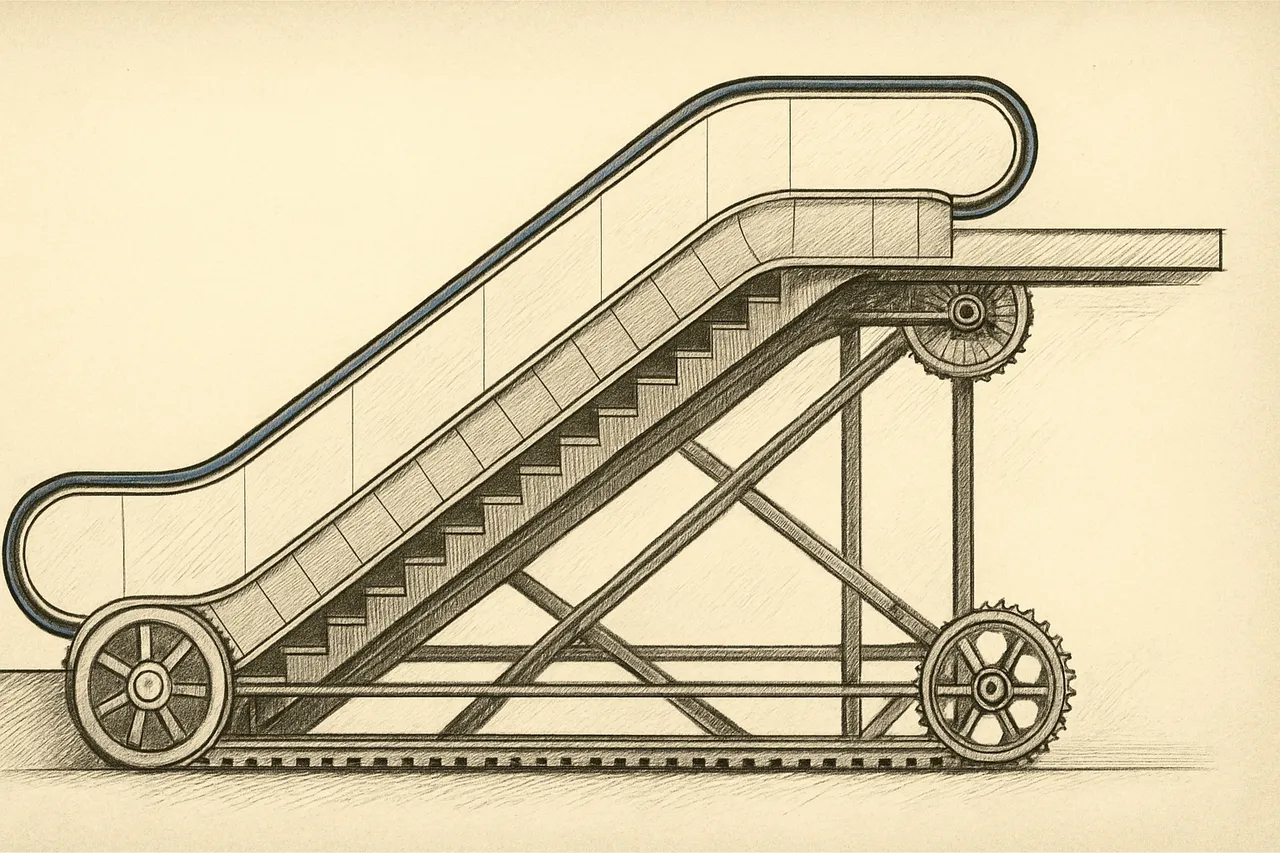
The Escalator Was Patented in 1859. Nobody Built One for Thirty Years.
Nathan Ames patented 'revolving stairs' before the Civil War. He admitted he wasn't sure what would power them, never built one, and died four years later at thirty-nine. The moving staircase arrived a generation after he did.
Read the story →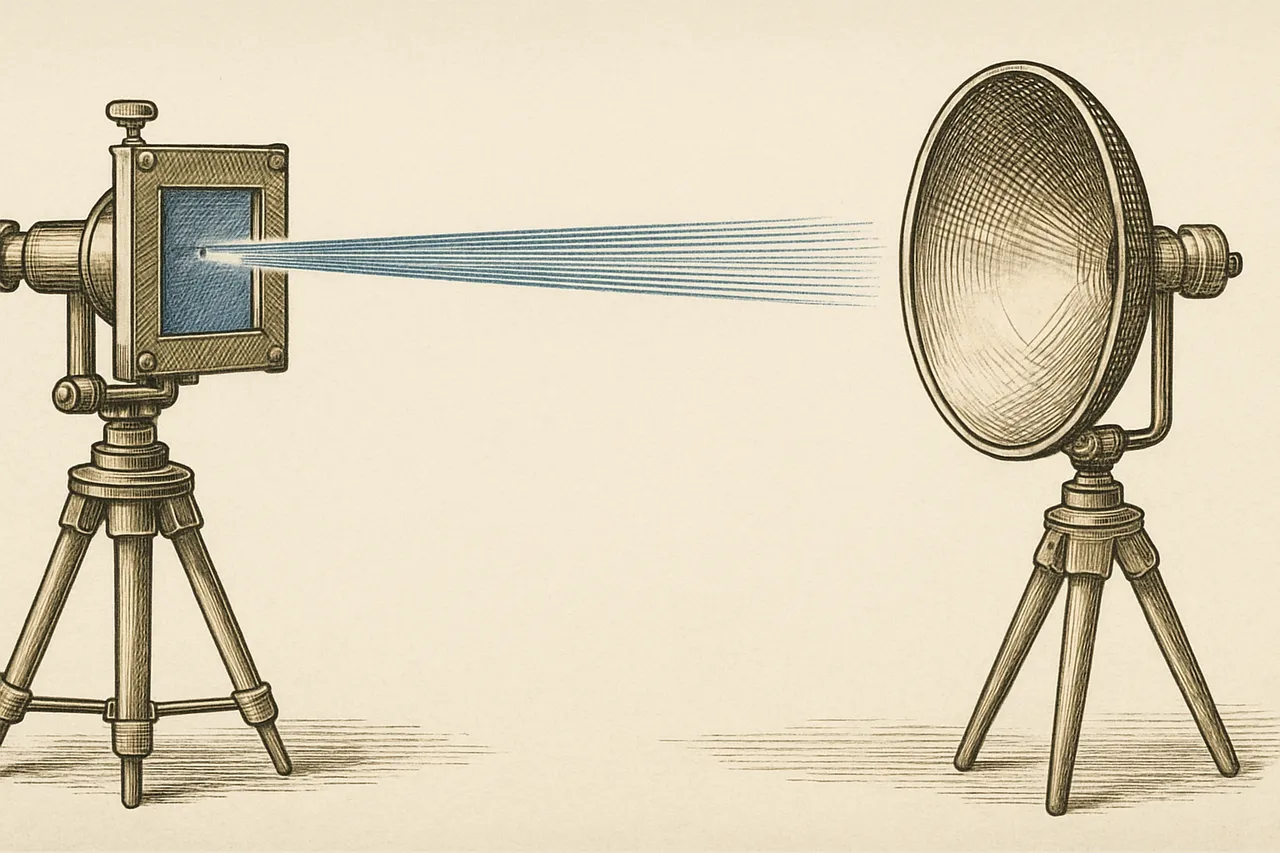
Bell Called It His Greatest Invention. It Sent Speech on a Beam of Light — in 1880.
Alexander Graham Bell thought the photophone, not the telephone, was his finest work. It transmitted the human voice on a beam of sunlight, with no wires at all. It was also a century early: the world had no use for it until fiber optics arrived.
Read the story →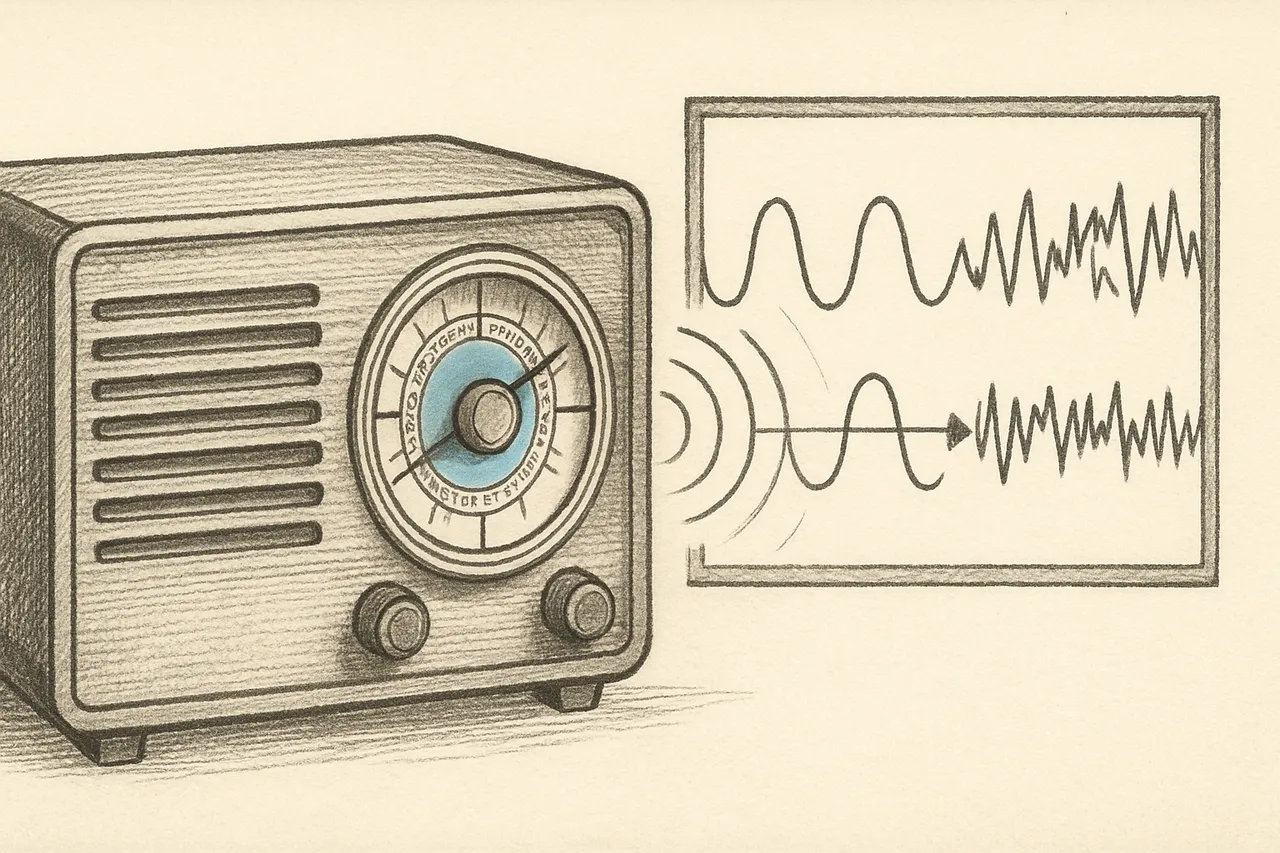
Edwin Armstrong Invented Static-Free Radio. Then the Industry He Threatened Destroyed Him.
FM radio was better than AM in every way — no static, higher fidelity, less power. That was exactly the problem. The company that dominated AM spent two decades in court to bury it, and the inventor spent his fortune fighting back before jumping from his apartment window.
Read the story →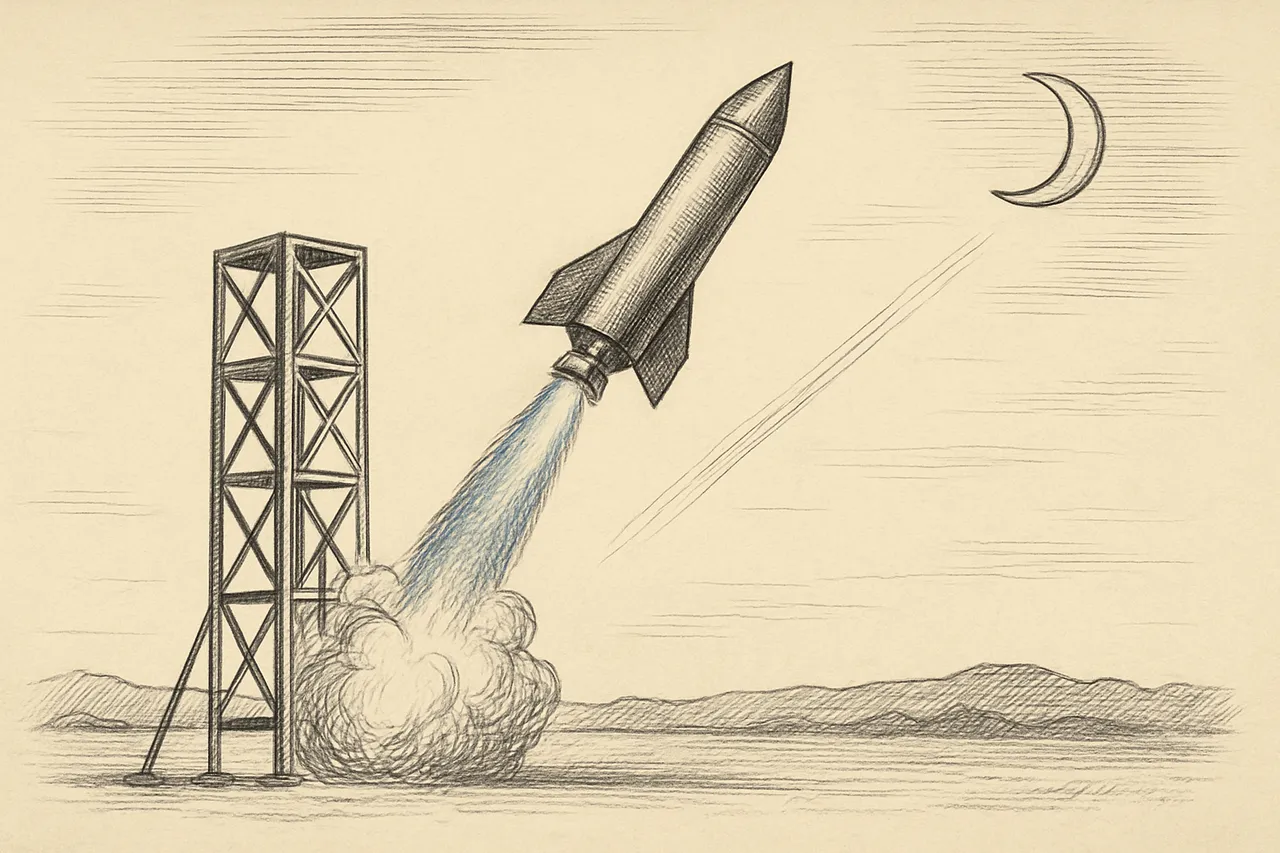
The New York Times Mocked Goddard's Rocket. It Apologized 49 Years Later — Mid-Flight to the Moon.
Robert Goddard patented the fundamentals of the liquid-fuel rocket in 1914. When he suggested a rocket could reach the Moon, a newspaper editorial declared he lacked 'the knowledge ladled out daily in high schools.' The correction ran during Apollo 11.
Read the story →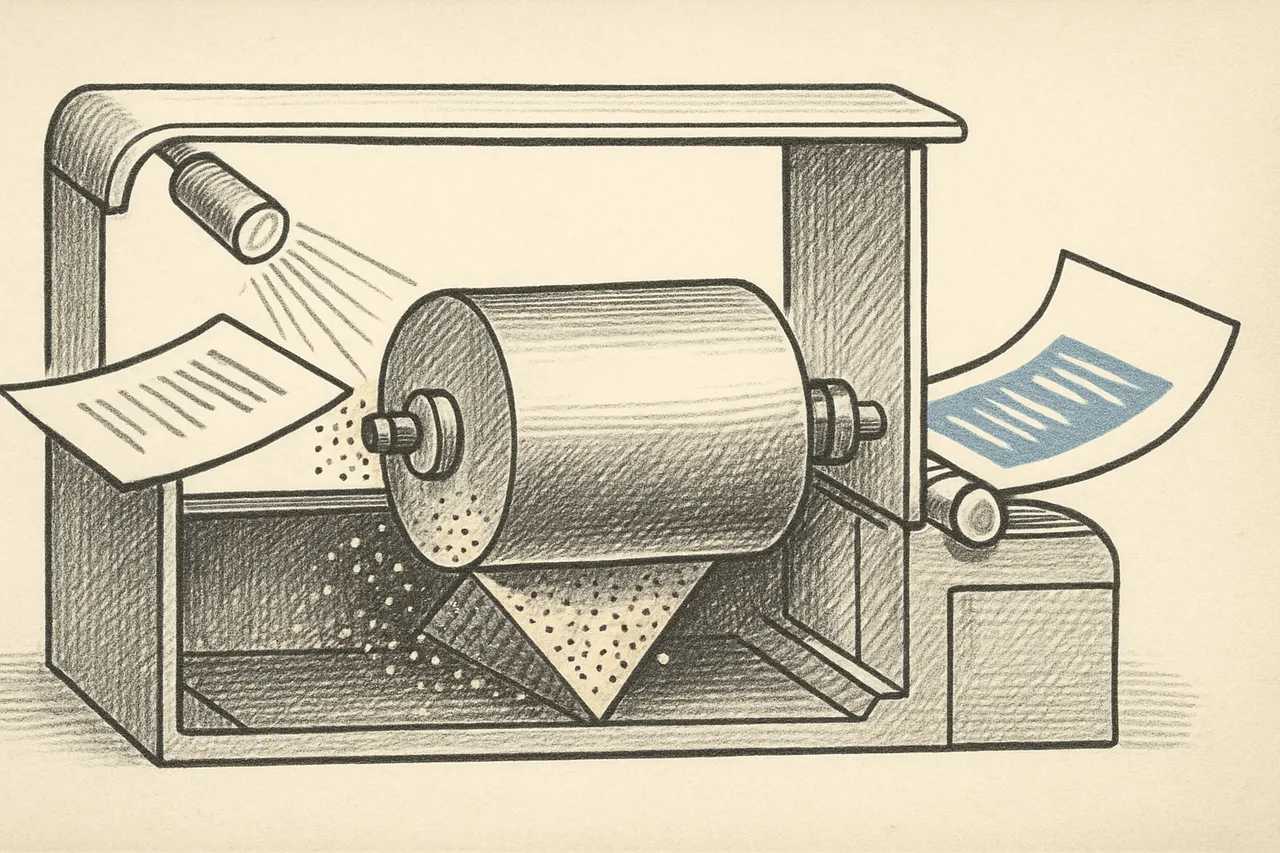
Chester Carlson Invented the Photocopier. Twenty Companies Said No.
A patent attorney tired of copying documents by hand invented dry photocopying in his kitchen in 1938. IBM, Kodak, GE, RCA, and the US Navy all turned it down. The company that finally said yes became Xerox.
Read the story →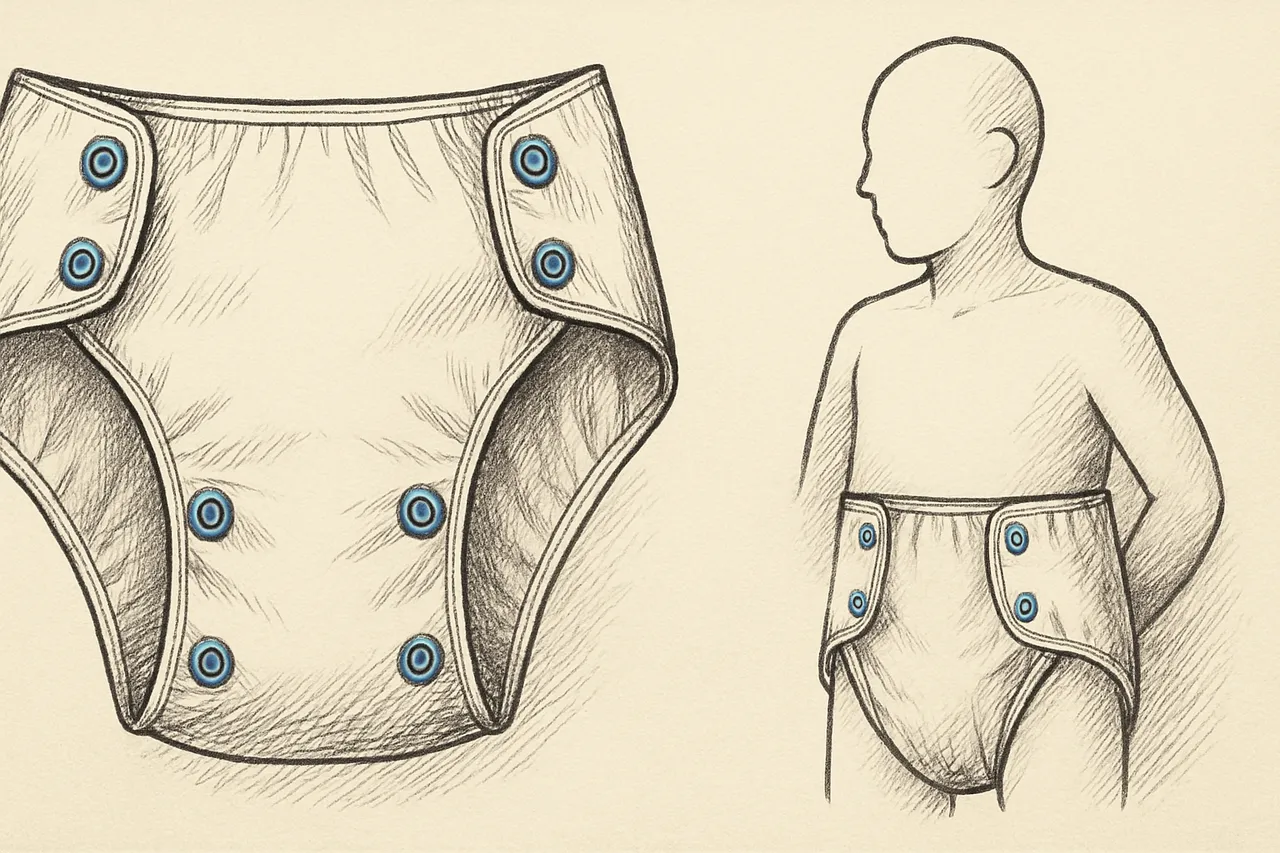
Marion Donovan Invented the Disposable Diaper. Every Manufacturer Turned Her Down.
A young mother cut up a shower curtain to make a leak-proof diaper cover. It worked. When she took the next step — a fully disposable diaper — the industry told her there was no demand. They were wrong by about a decade.
Read the story →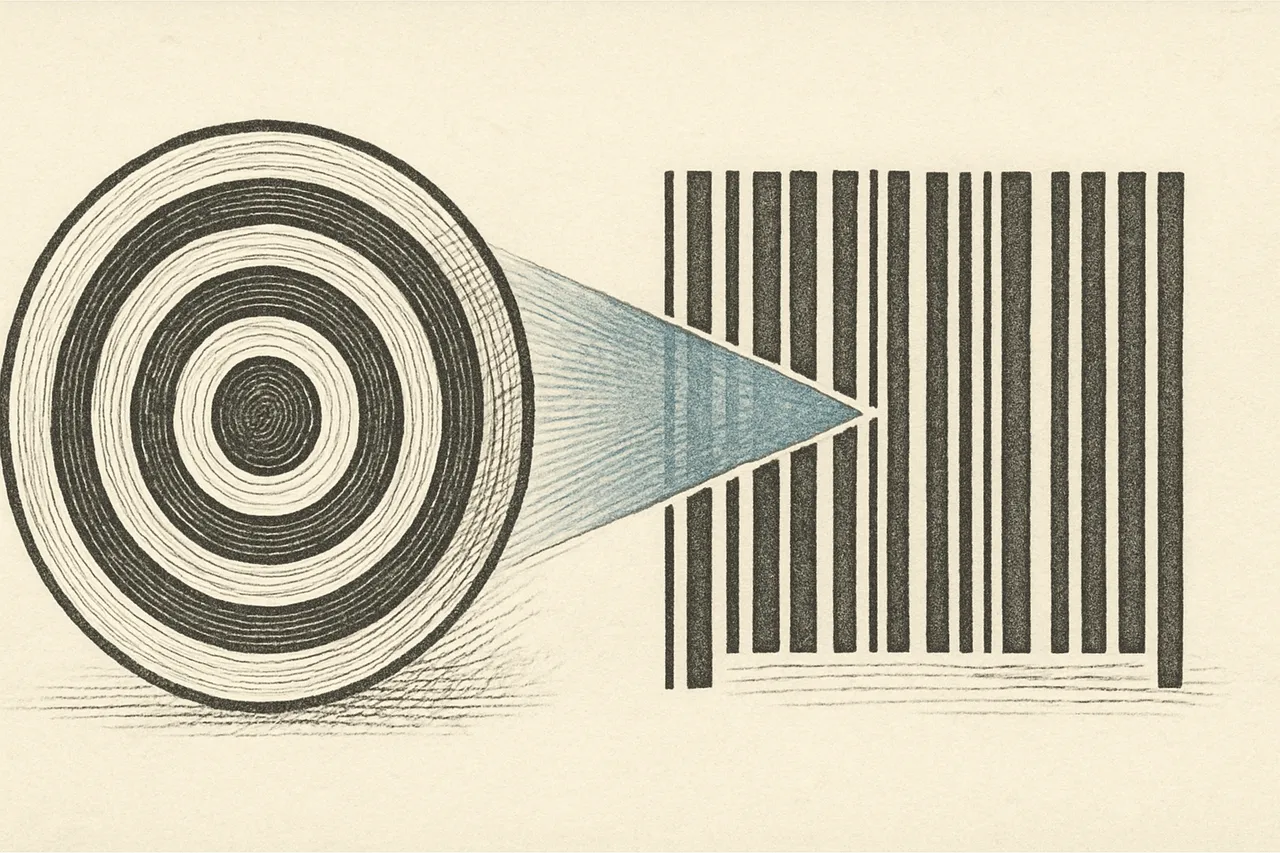
They Patented the Barcode and Sold It for Fifteen Thousand Dollars
In 1949, two graduate students at Drexel filed a patent for a 'classifying apparatus' that used printed concentric circles to identify items at a checkout counter. The patent expired in 1969 — five years before the first barcode was ever scanned in a grocery store.
Read the story →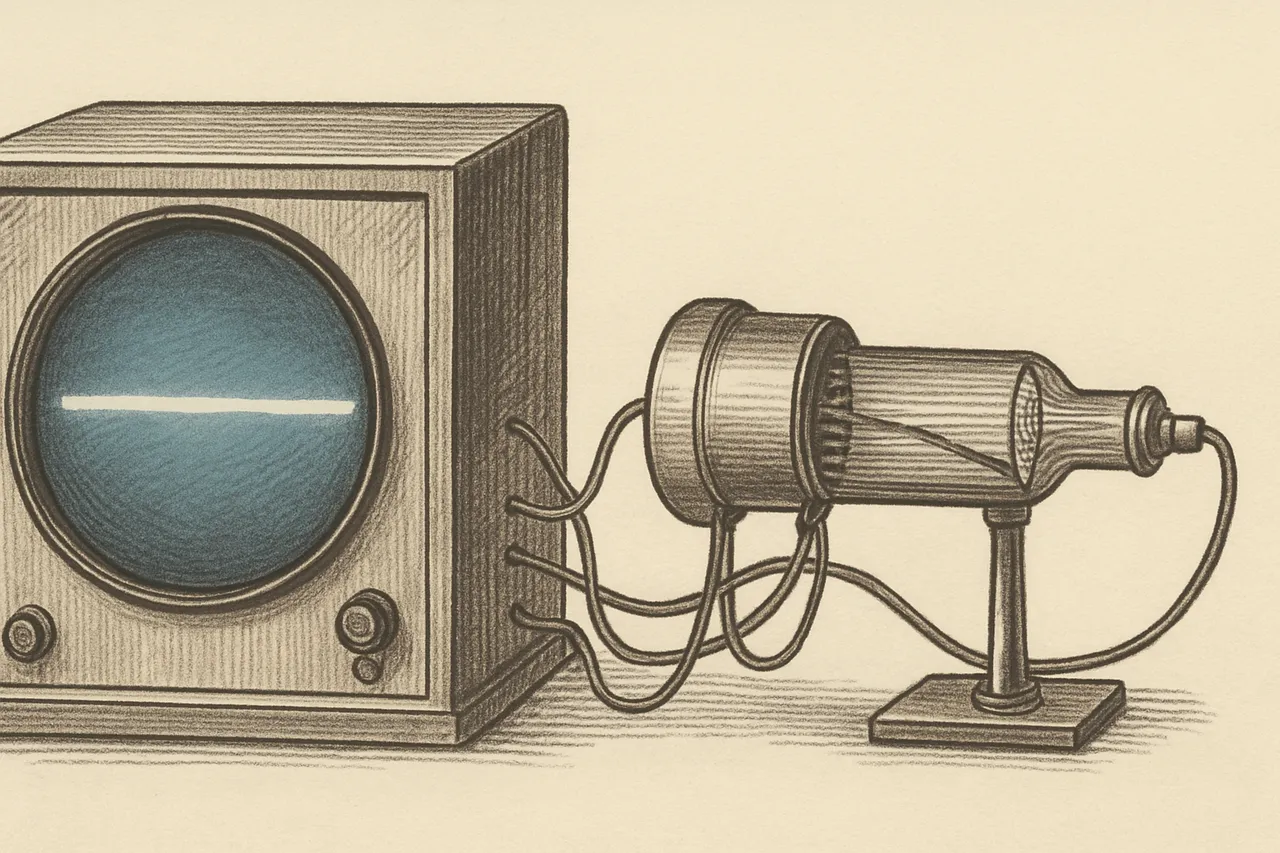
Philo Farnsworth Sketched Television in a Potato Field at Fourteen
A Mormon farm boy in Idaho realized in 1921 that an electron beam could scan an image one row at a time, just like the rows under his plow. Six years later, at age twenty, he filed the patent. The fight to keep it from RCA consumed the rest of his life.
Read the story →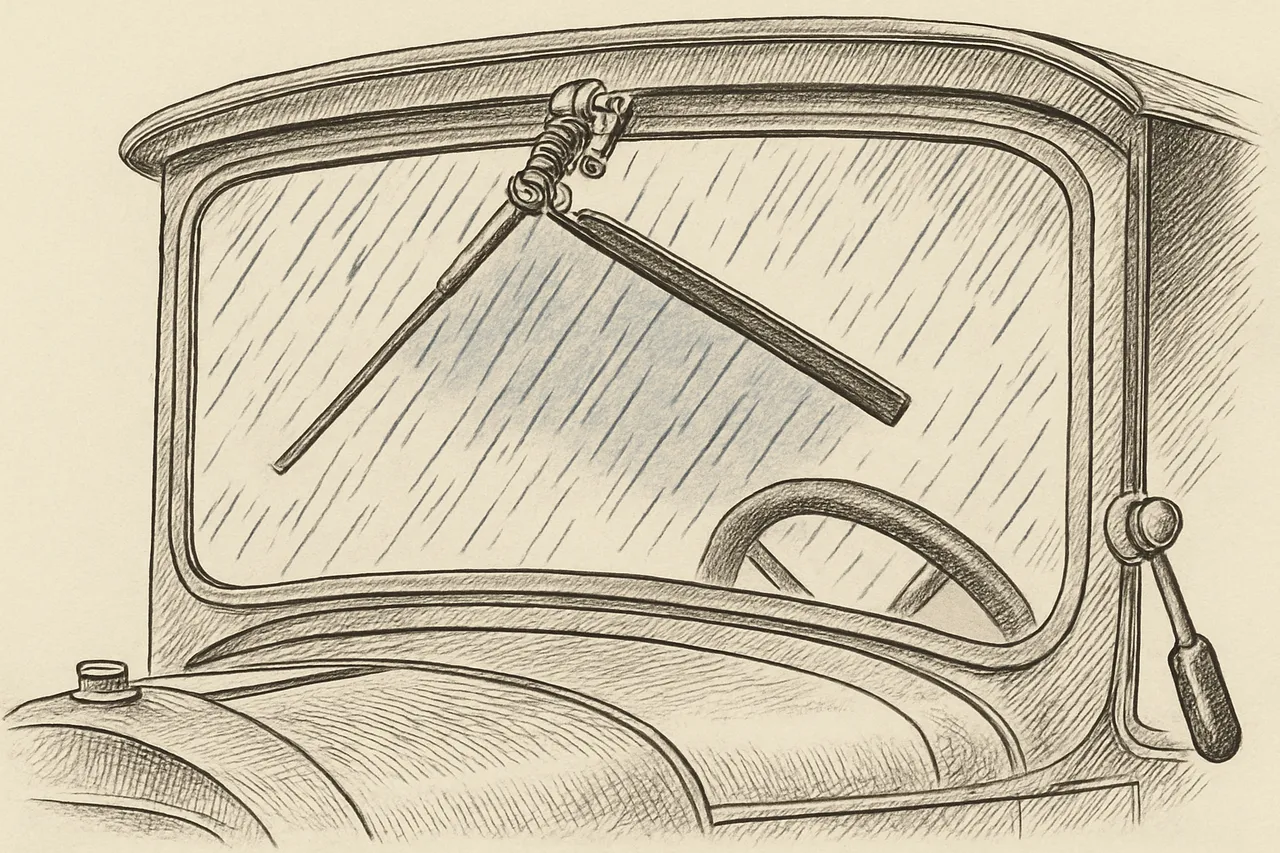
Mary Anderson Patented the Windshield Wiper. No One Bought It.
Mary Anderson was riding a streetcar through New York in a winter sleet storm in 1902 when she watched the driver lean out the window every few seconds to wipe the glass by hand. She went home and patented the windshield wiper. No automaker would license it.
Read the story →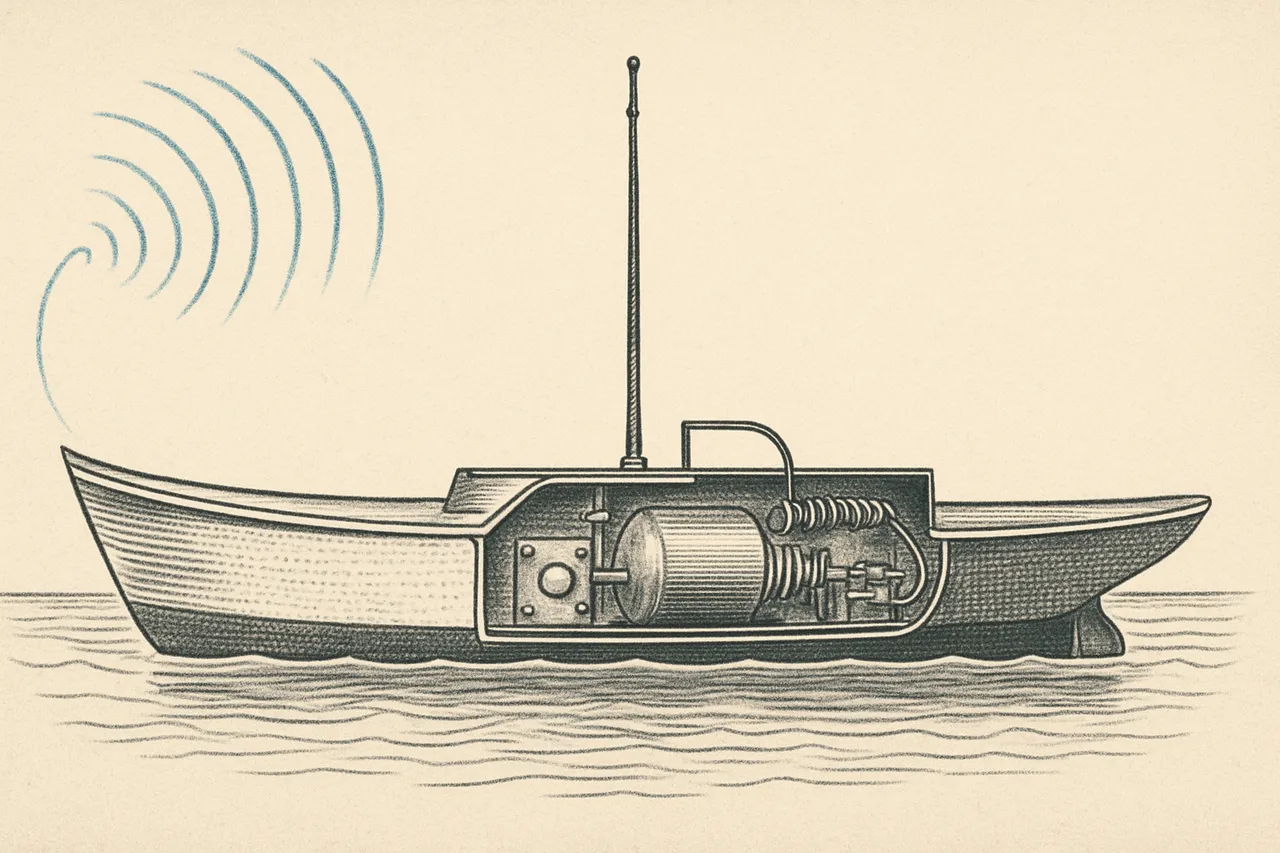
Tesla Built a Drone in 1898. The Navy Said No.
Nikola Tesla's 1898 patent describes a radio-controlled boat with multi-frequency channel hopping to defeat jamming. He demonstrated it at Madison Square Garden. The military passed. Drones would not become real for another century.
Read the story →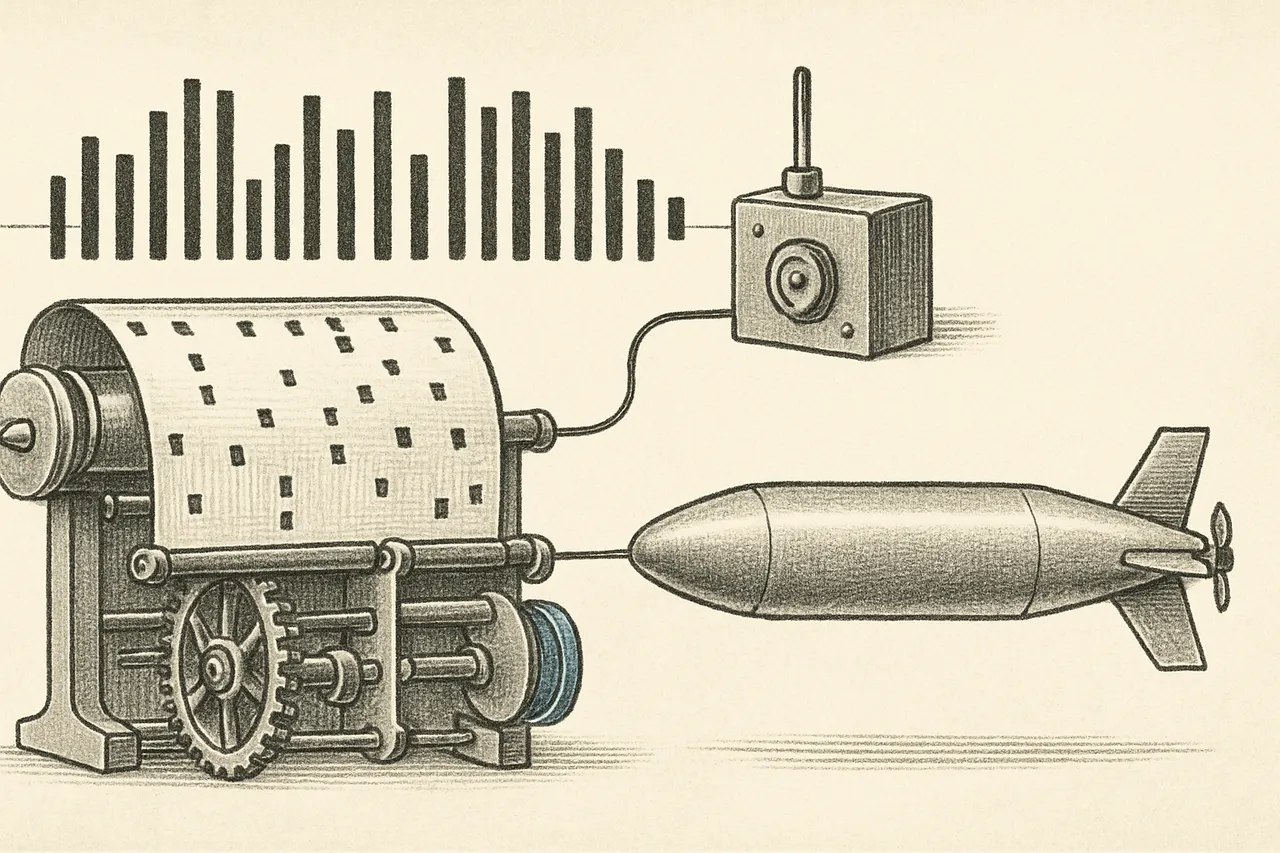
The Hollywood Actress Who Invented Wi-Fi
In 1942, Hedy Lamarr — at the time MGM's most photographed actress — co-patented a frequency-hopping radio system designed to guide torpedoes. The Navy filed it away. Fifty years later, every cellphone on Earth was using the same idea.
Read the story →