Weird Patents
Absurd, funny, and unexpectedly specific inventions that somehow made it through the USPTO.
The patent record is full of the absurd. Patent examiners are required to evaluate novelty and non-obviousness, but not good taste — which is why the USPTO has granted patents on self-venting toilet seats, motorized ice cream cones, and a method for swinging on a swing. This collection digs into the weirdest of the weird.
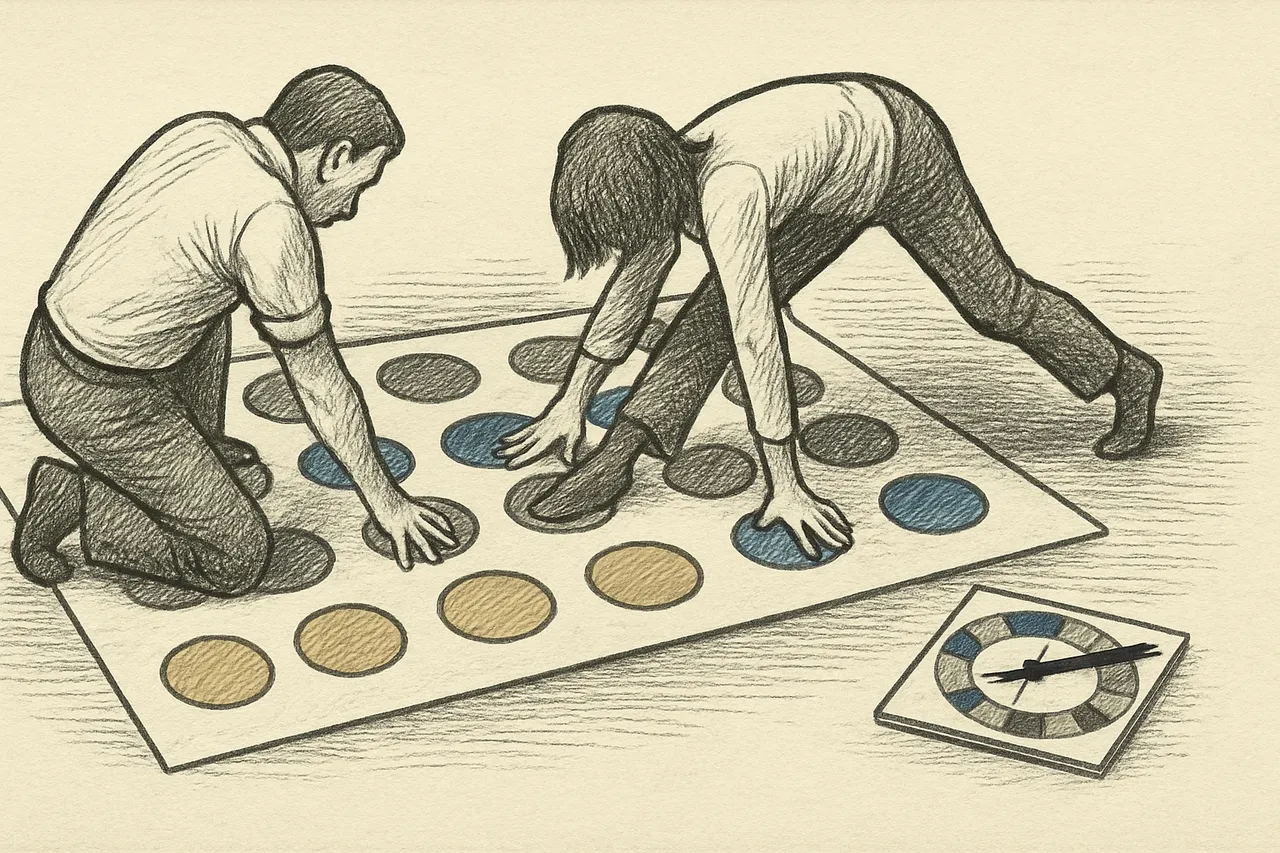
Twister's Patent Is Titled 'Apparatus for Playing a Game Wherein the Players Constitute the Game Pieces'
The patent title is the whole idea: the people are the pieces. Milton Bradley released the game in 1966, some retailers were wary of it, and critics found it a little too intimate. Then Johnny Carson played it on television with Eva Gabor, and the orders poured in.
Read the story →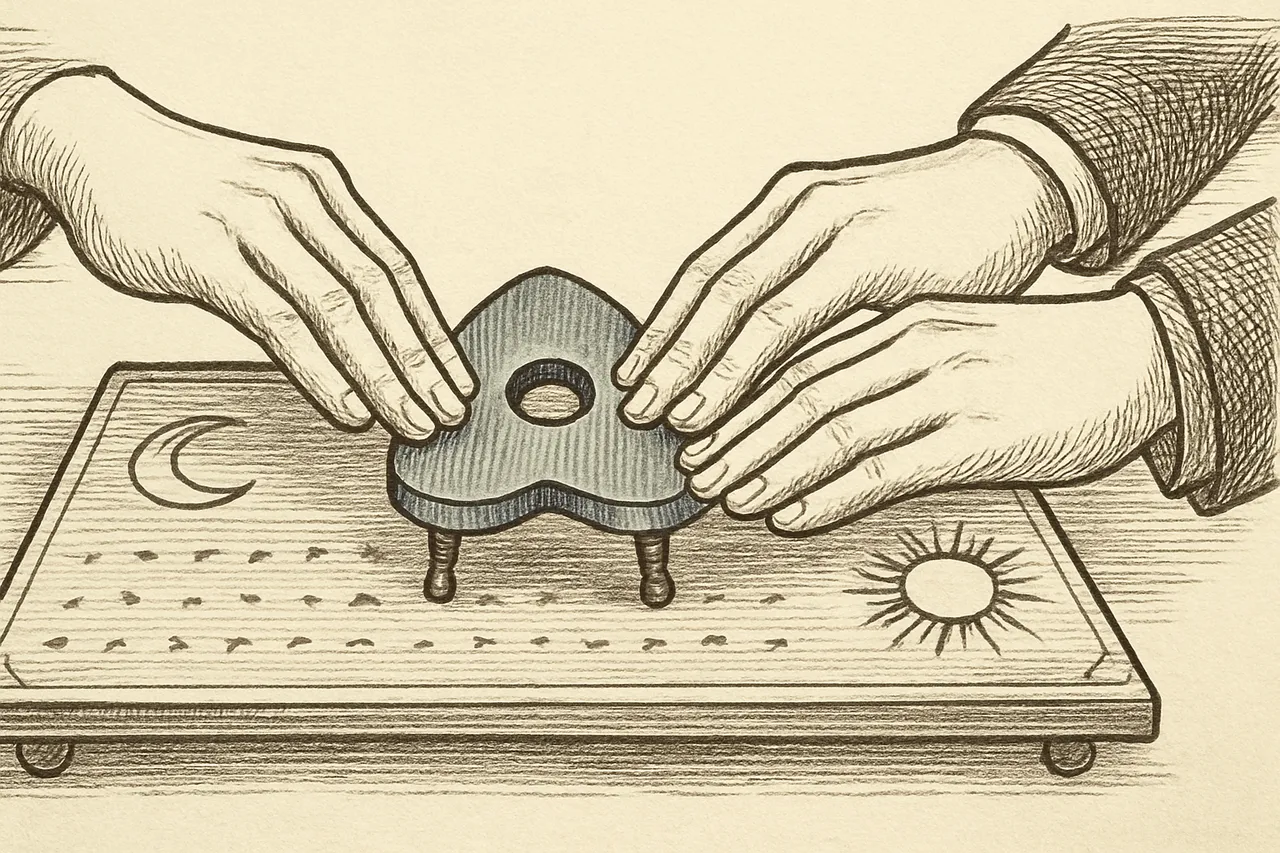
The Ouija Board's 1891 Patent Calls It an 'Egyptian Luck-Board' and Never Says How It Works
Elijah Bond's patent describes a board and a small pointer on legs, and makes no claim about what moves the pointer. The popular legend says the patent examiner demanded a demonstration first. The science, worked out decades before the patent, says the players are moving it themselves without realizing it.
Read the story →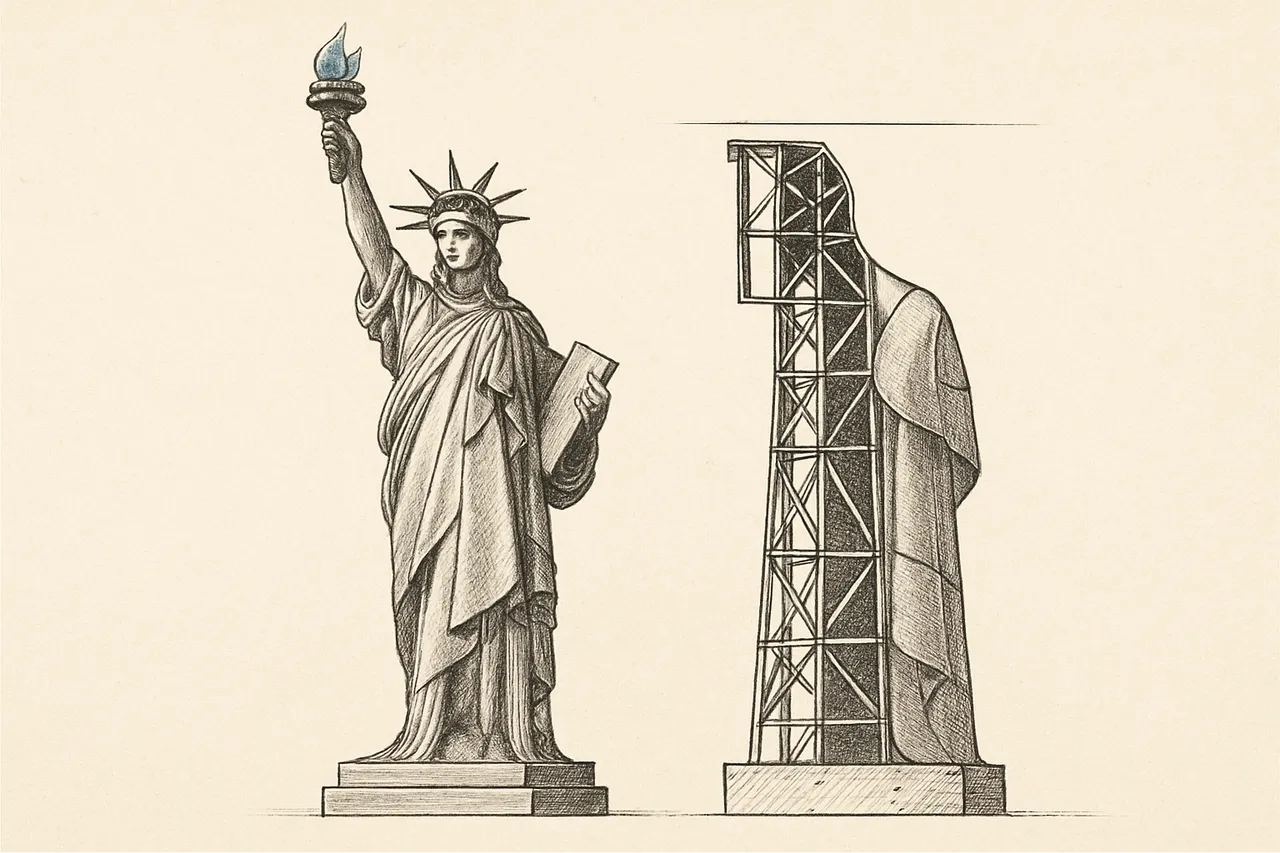
The Statue of Liberty Was Patented in 1879, Seven Years Before It Was Dedicated
Auguste Bartholdi received US Design Patent 11,023 in February 1879 for a statue that would not stand in New York Harbor until 1886. Replicas were a fundraising tool for a project that was chronically short of money, and a design patent gave control over who could legally make them.
Read the story →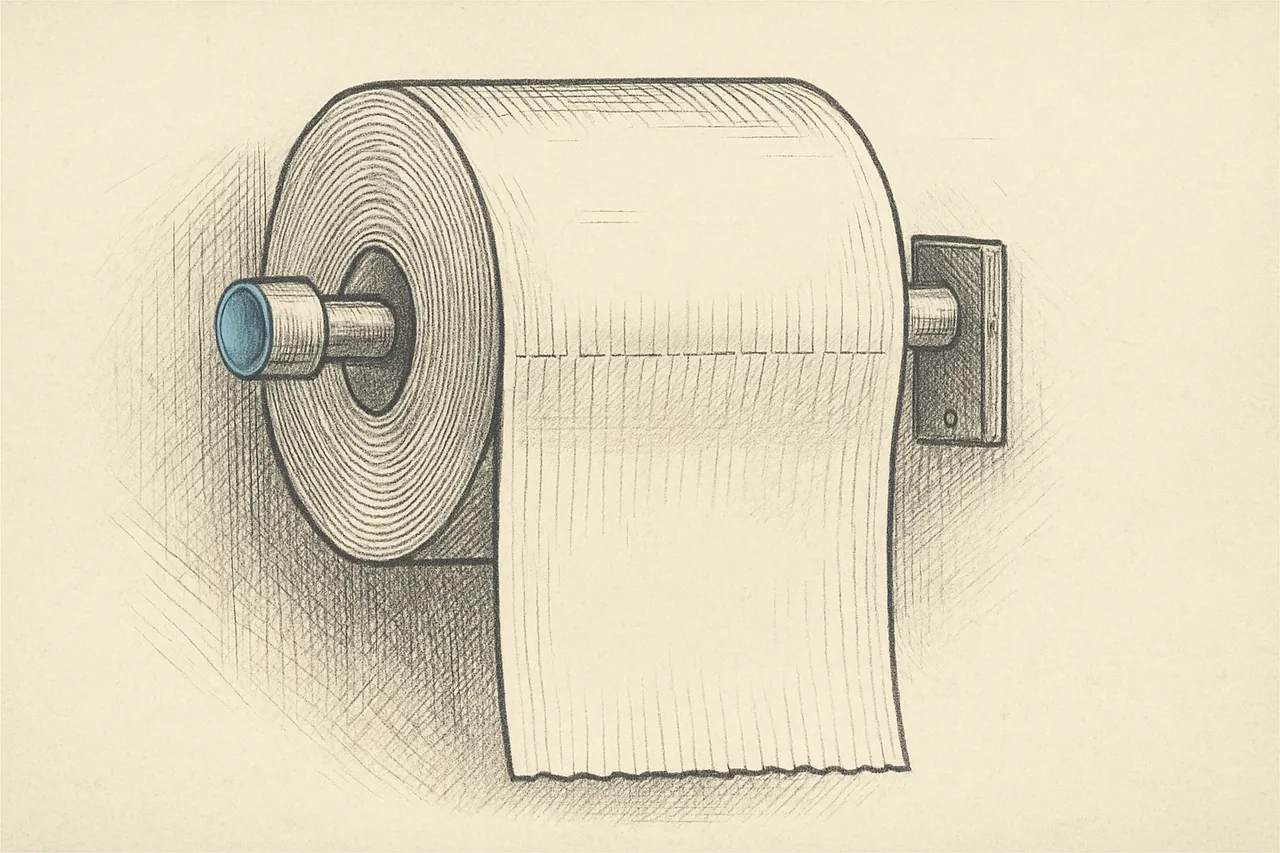
The 1891 Patent That Settles the Toilet Paper Argument: It's Over
Households have argued about whether the roll should hang over or under for more than a century. The original patent drawing, filed by Seth Wheeler in 1891, shows the paper coming over the top. The inventor's own diagram is not ambiguous.
Read the story →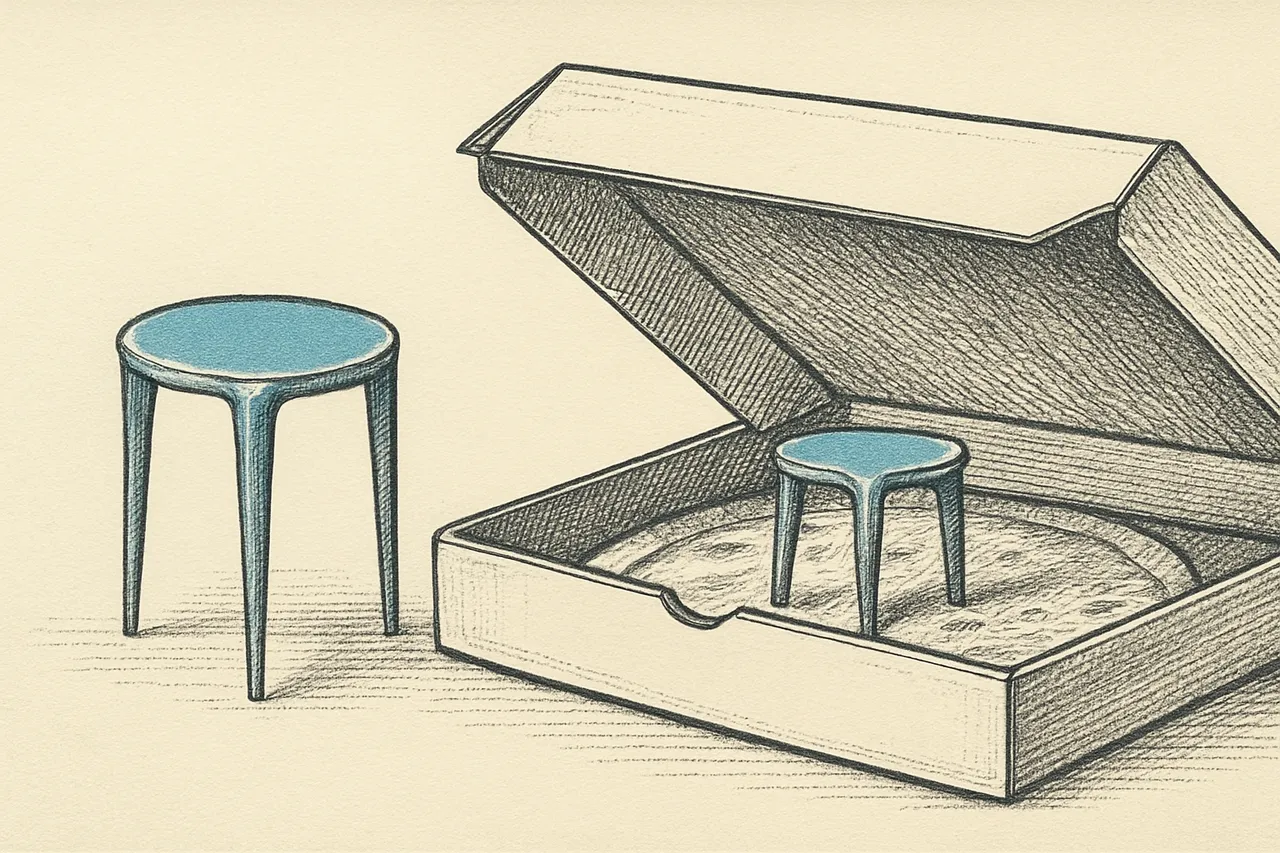
Someone Patented the Little Plastic Table in Your Pizza Box
The three-legged plastic stool in the middle of a delivered pizza has a name, a purpose, and a 1985 United States patent. It exists because a hot cardboard lid sags, and a sagging lid ruins the cheese.
Read the story →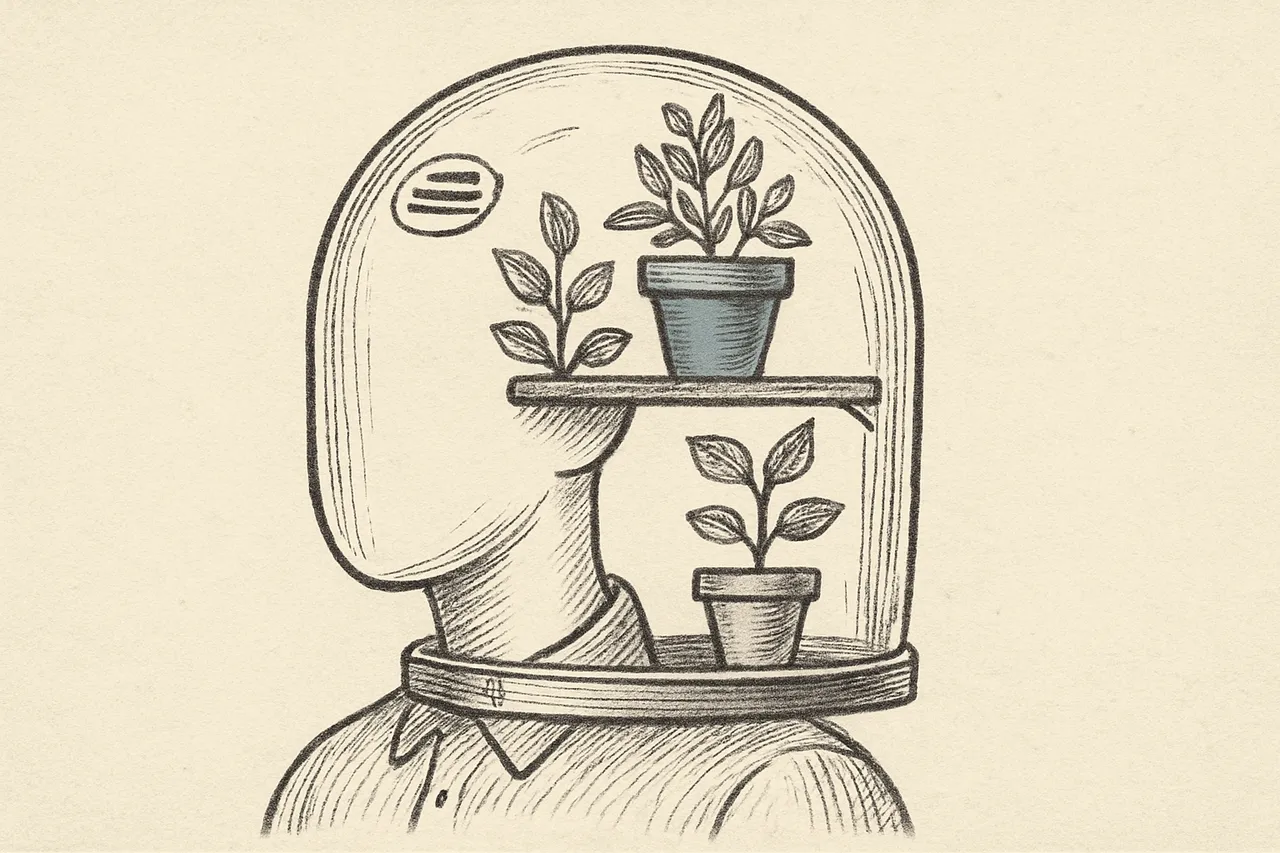
The Greenhouse Helmet: A Patent to Grow Plants on Your Own Head
In 1986, the USPTO granted a patent for a clear domed helmet, worn over the head, containing live plants — so the wearer could breathe air freshened by their own personal, portable garden. It is exactly as wonderful and impractical as it sounds.
Read the story →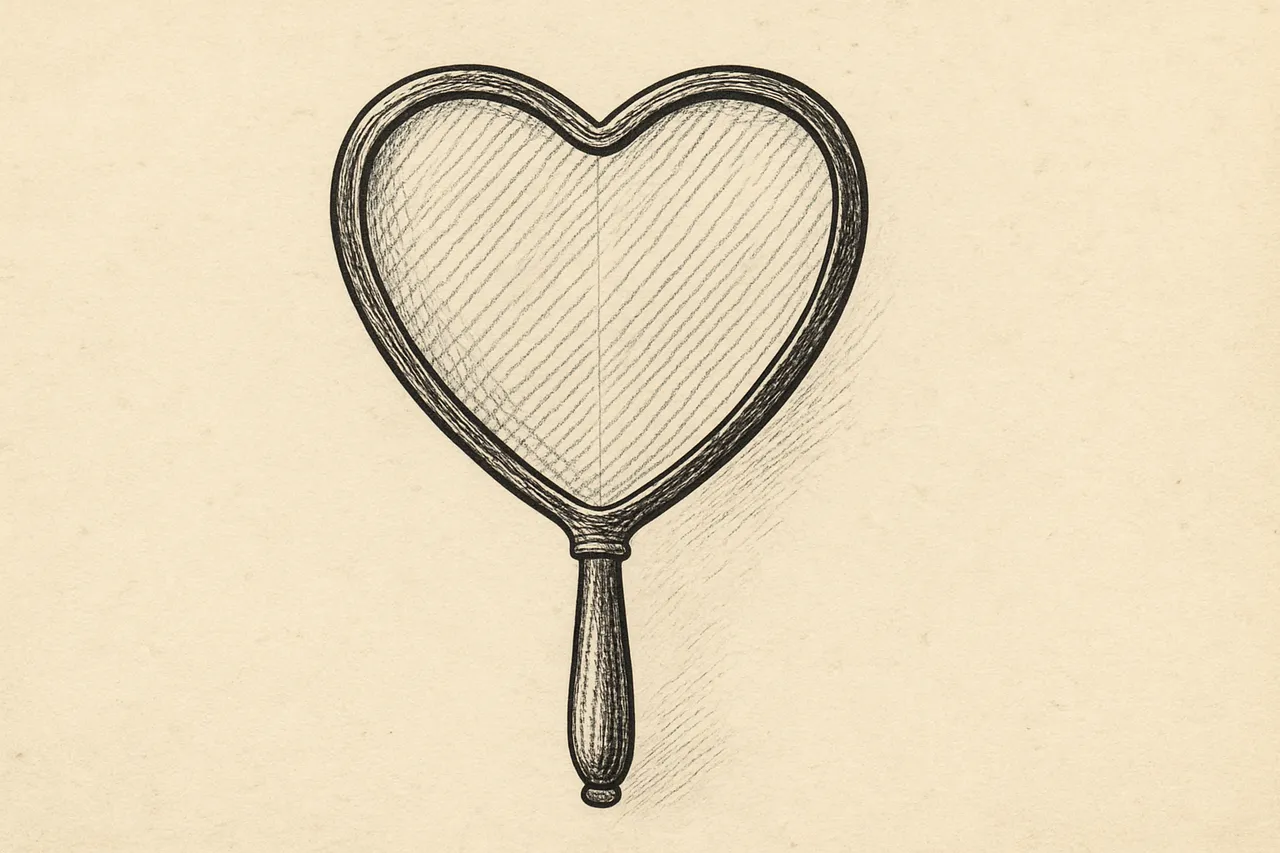
The Kissing Shield: A Patented Membrane for Germ-Free Affection
In 1998, the USPTO granted a patent for a thin membrane stretched across a heart-shaped handle, held between two people so they could kiss without exchanging germs. It won an Ig Nobel Prize. It was also, its inventor insisted, entirely serious.
Read the story →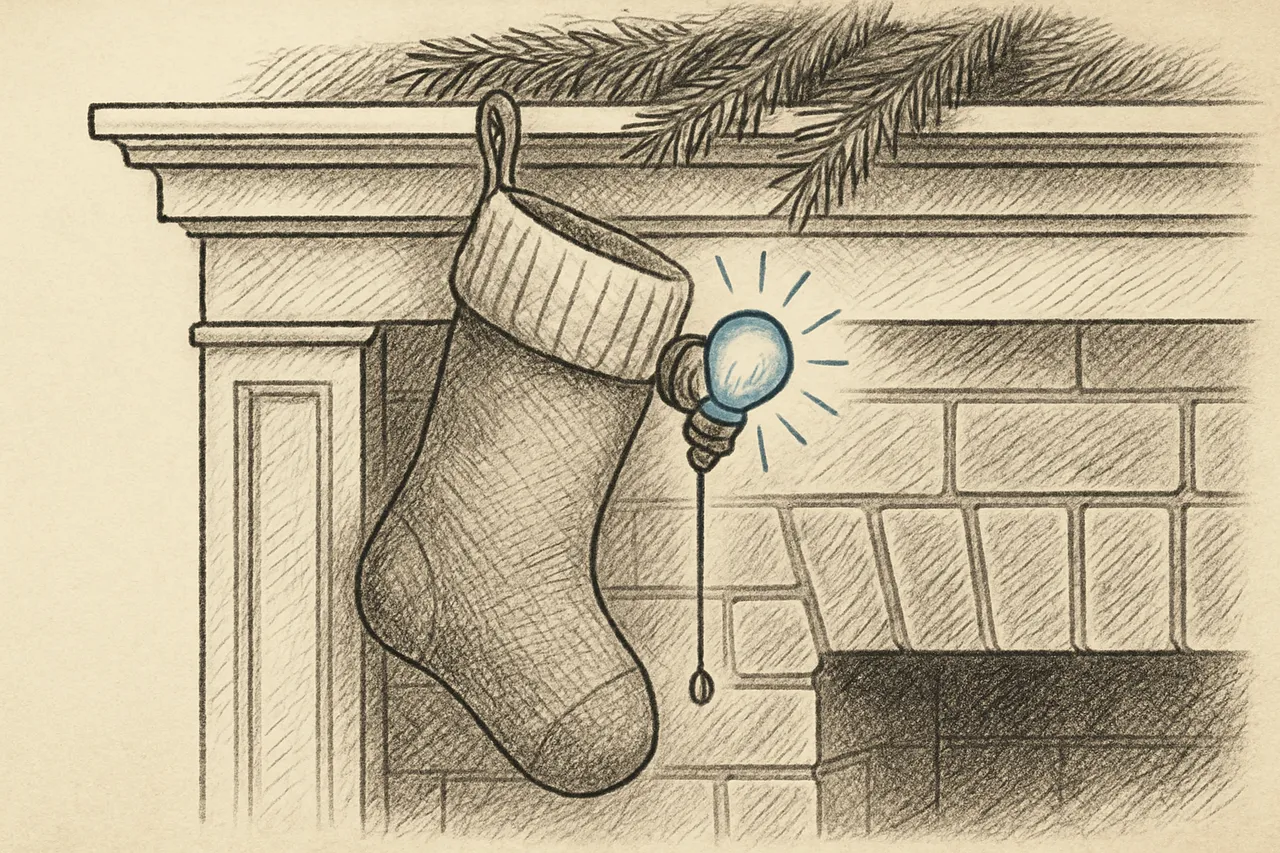
The Santa Claus Detector
In 1996, the USPTO granted a patent for a Christmas stocking rigged with a light that switches on when Santa arrives. The patent's stated purpose is to give children 'a visual indication' of Santa's visit — filed, apparently, in complete earnest.
Read the story →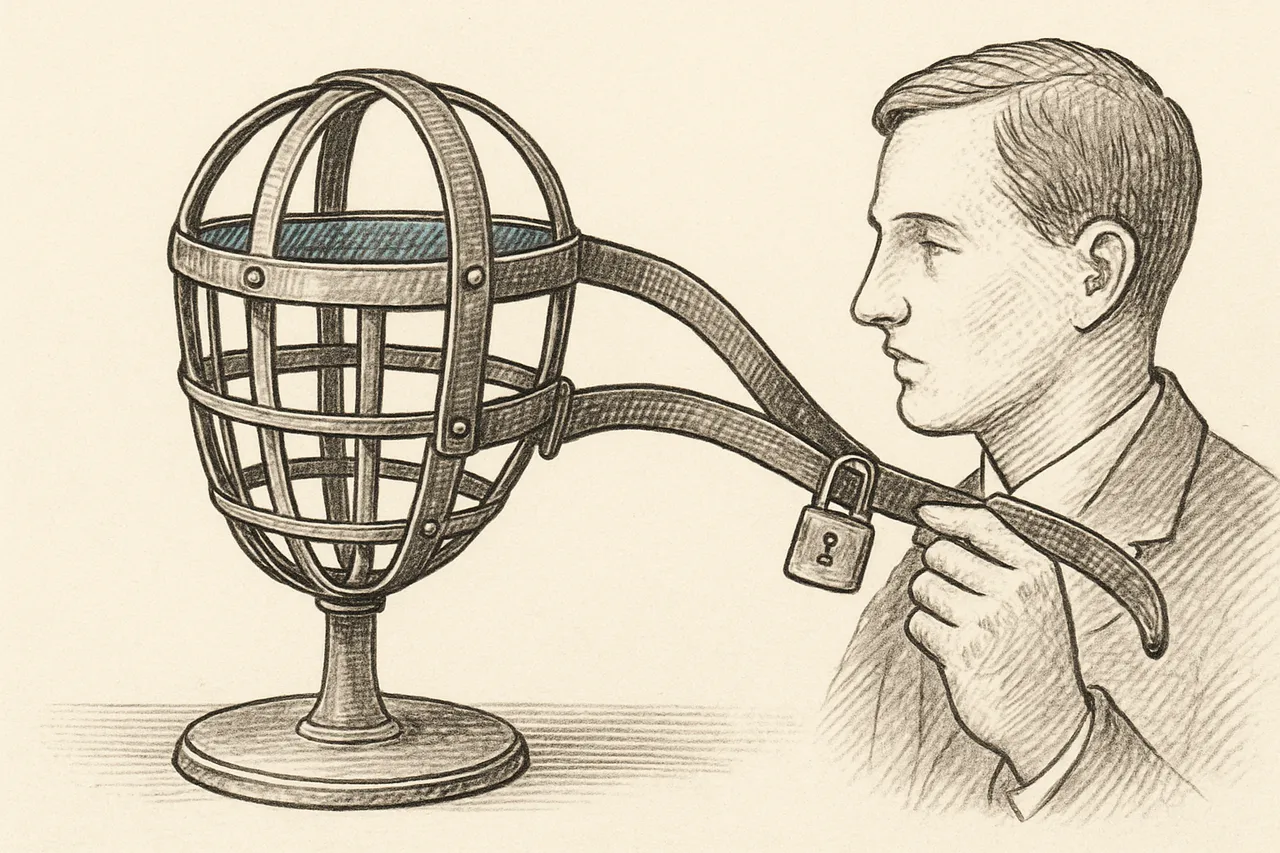
The Patent for a Mask That Physically Stops You From Eating
In 1982, a patent was granted for an 'anti-eating face mask' — a cup-shaped cage strapped over the mouth and locked, intended to prevent the wearer from eating between meals. It is one part diet aid, one part muzzle, and entirely real.
Read the story →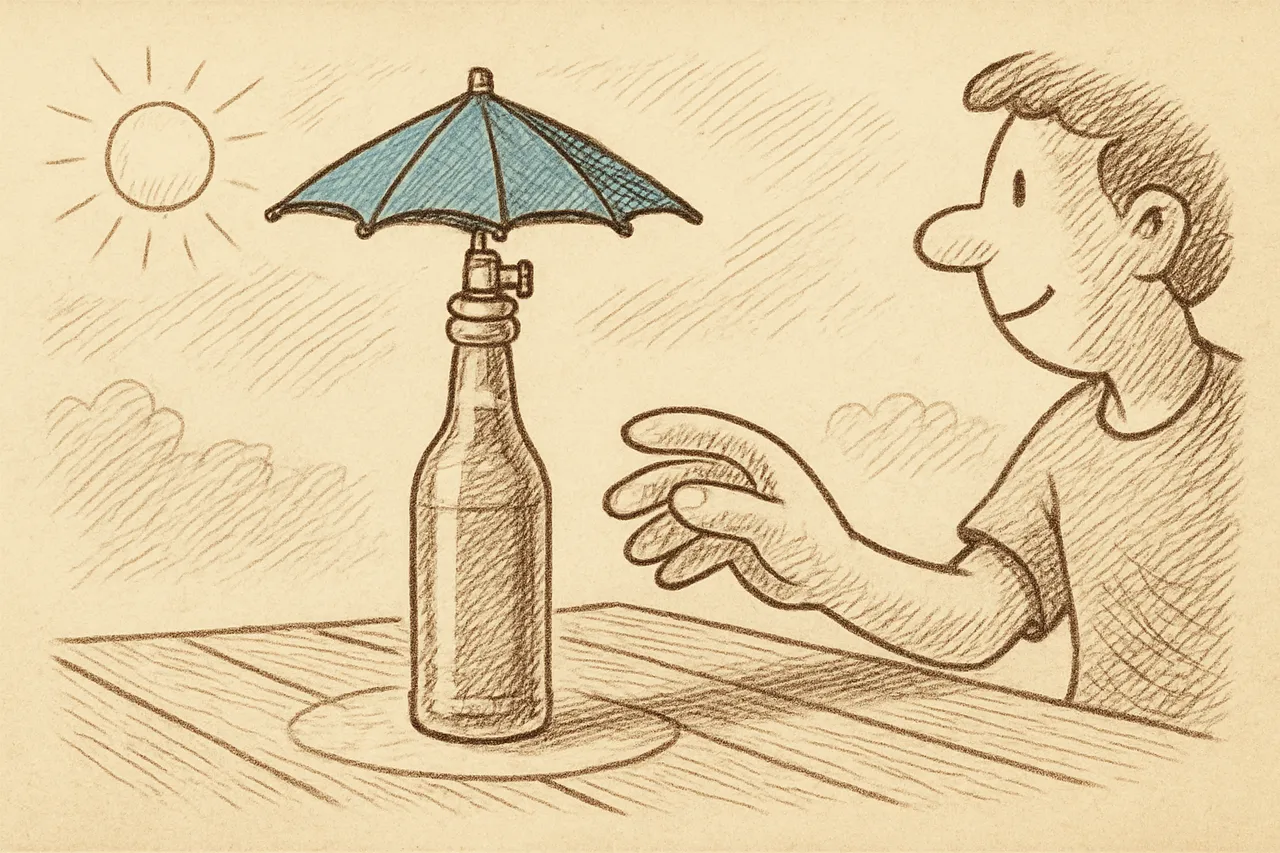
The Beerbrella: A Tiny Umbrella Whose Only Job Is to Shade Your Beer
In 2003, the USPTO granted a patent for a miniature umbrella, roughly the size of a saucer, that clamps onto a beer bottle to keep the sun off it. The name in the official patent title is, in full legal seriousness, the 'Beerbrella.'
Read the story →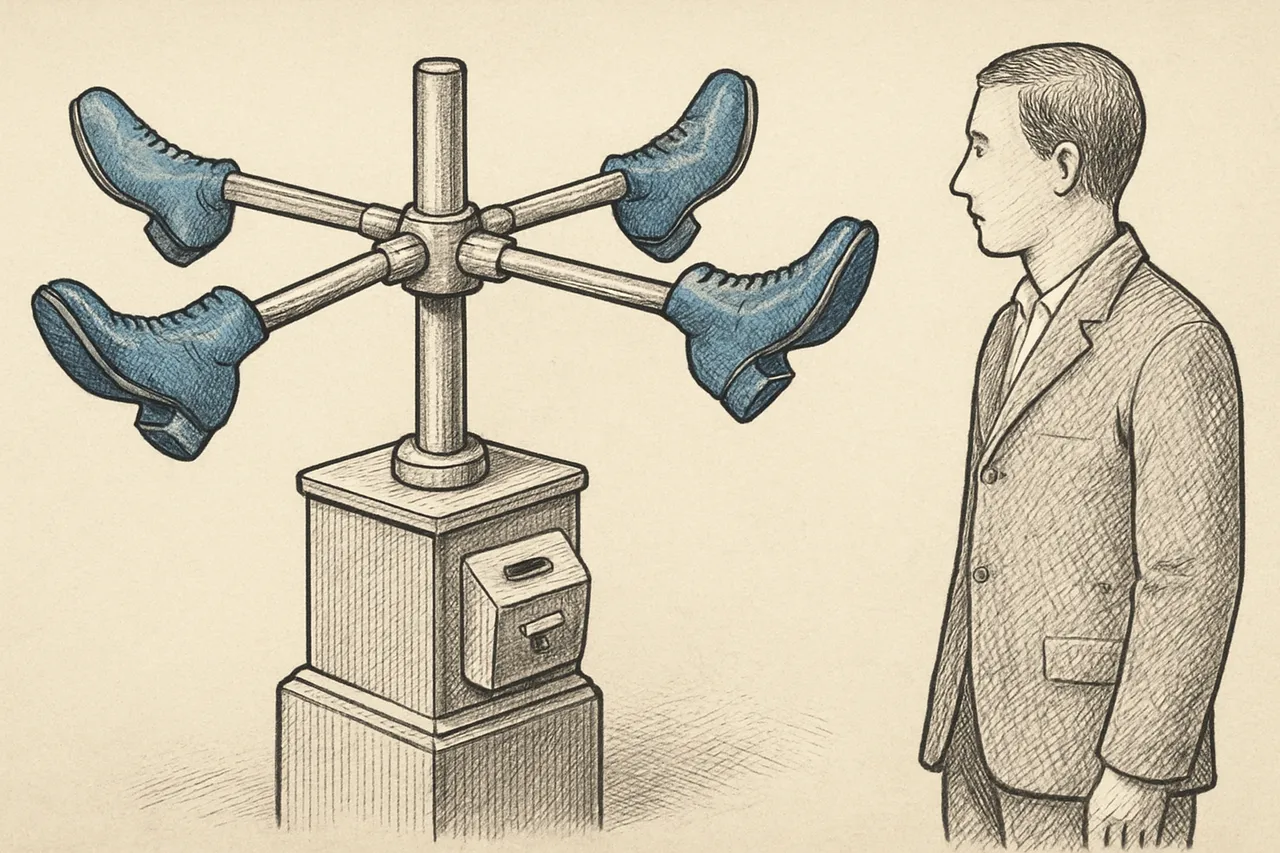
The Patent for a Machine That Kicks You in the Rear
In 2001, the USPTO granted a patent for a coin-operated amusement device whose entire function is to let a user pay to have a rotating boot kick them in the buttocks. It is real, it is fully illustrated, and it is exactly what it sounds like.
Read the story →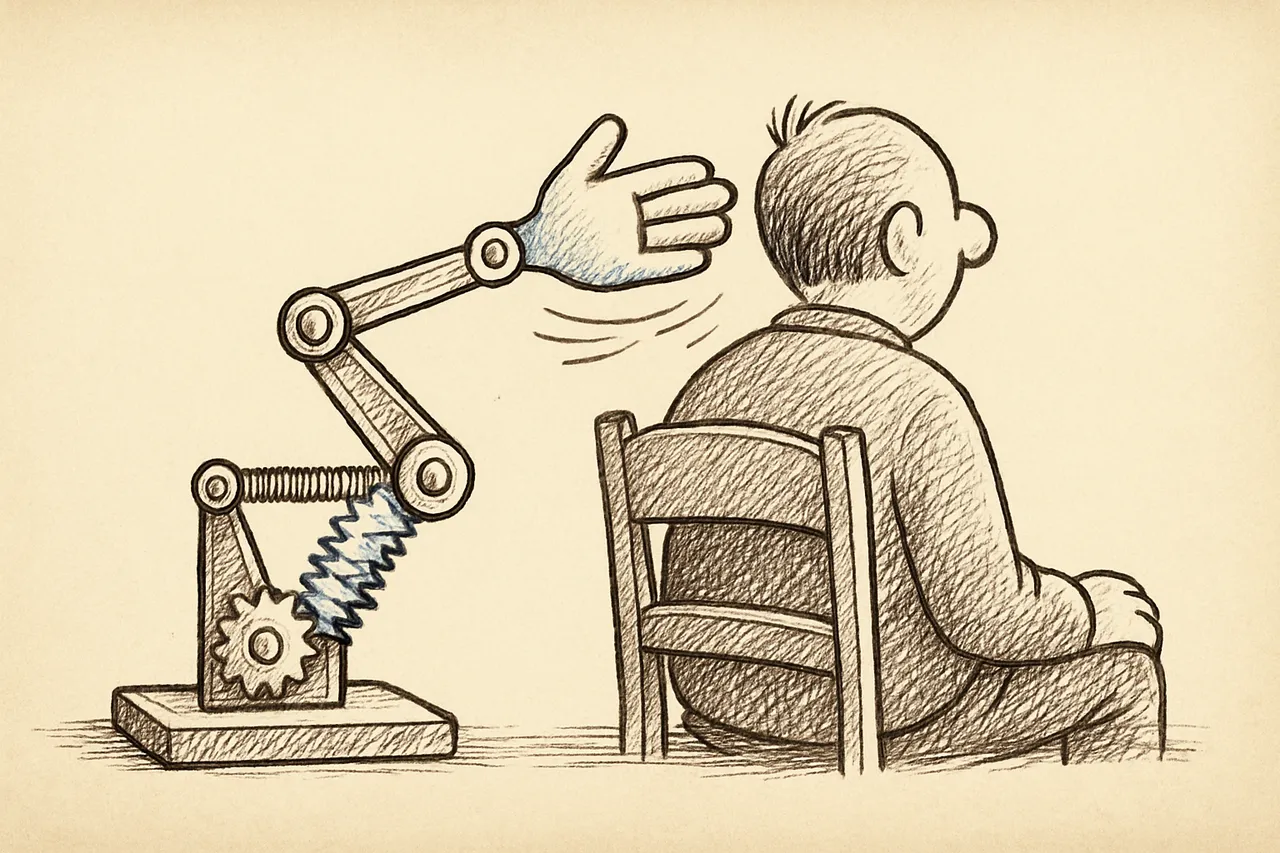
The Patent for Patting Yourself on the Back
In 1986, the USPTO granted a patent for a device consisting of a simulated human hand on a spring-loaded arm, mounted so that a person could reach up, pull it down, and administer a congratulatory pat to their own back.
Read the story →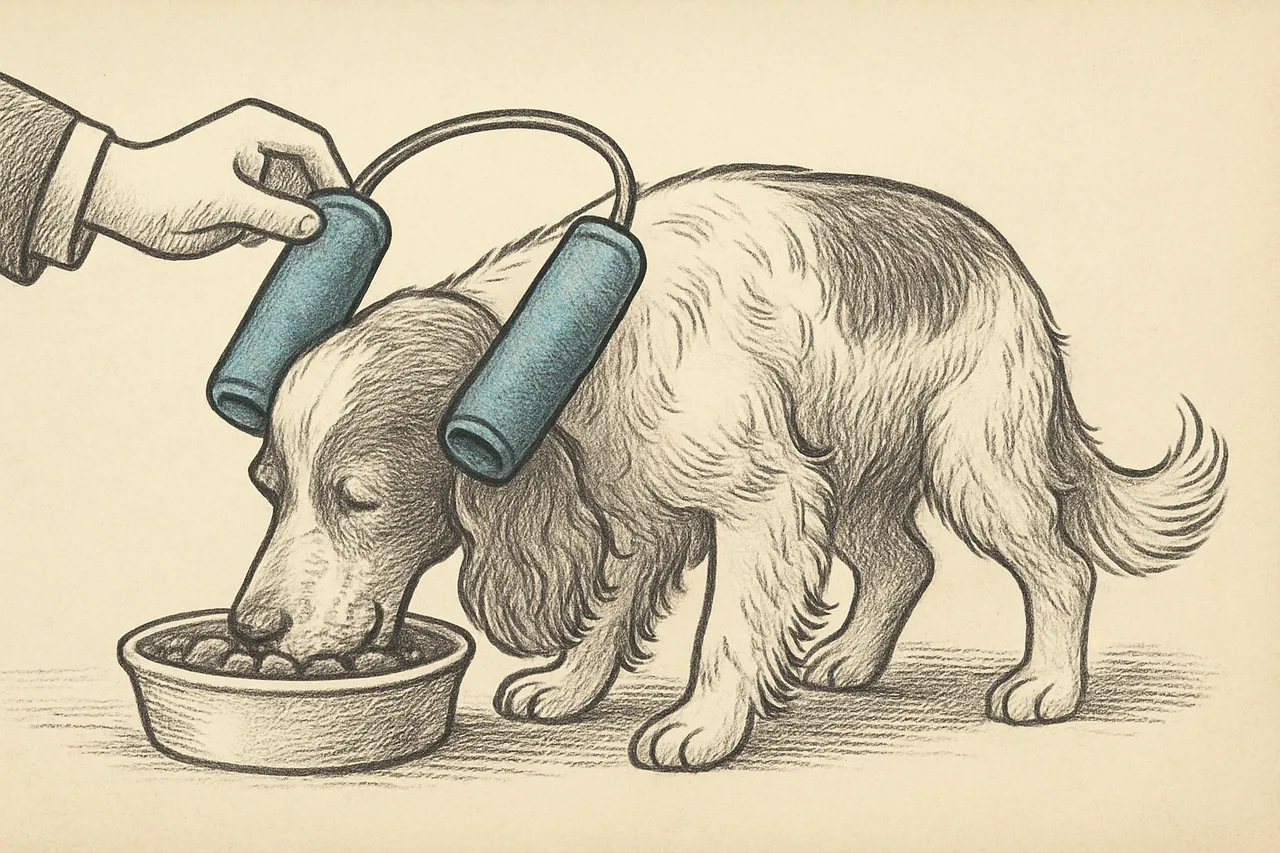
The Patent for Keeping a Dog's Ears Out of Its Food
In 1980, a patent was granted for a set of tubes that slip over the long ears of breeds like spaniels and setters, holding them up and back so they don't drag through the food bowl. It is deeply silly and, if you own such a dog, deeply reasonable.
Read the story →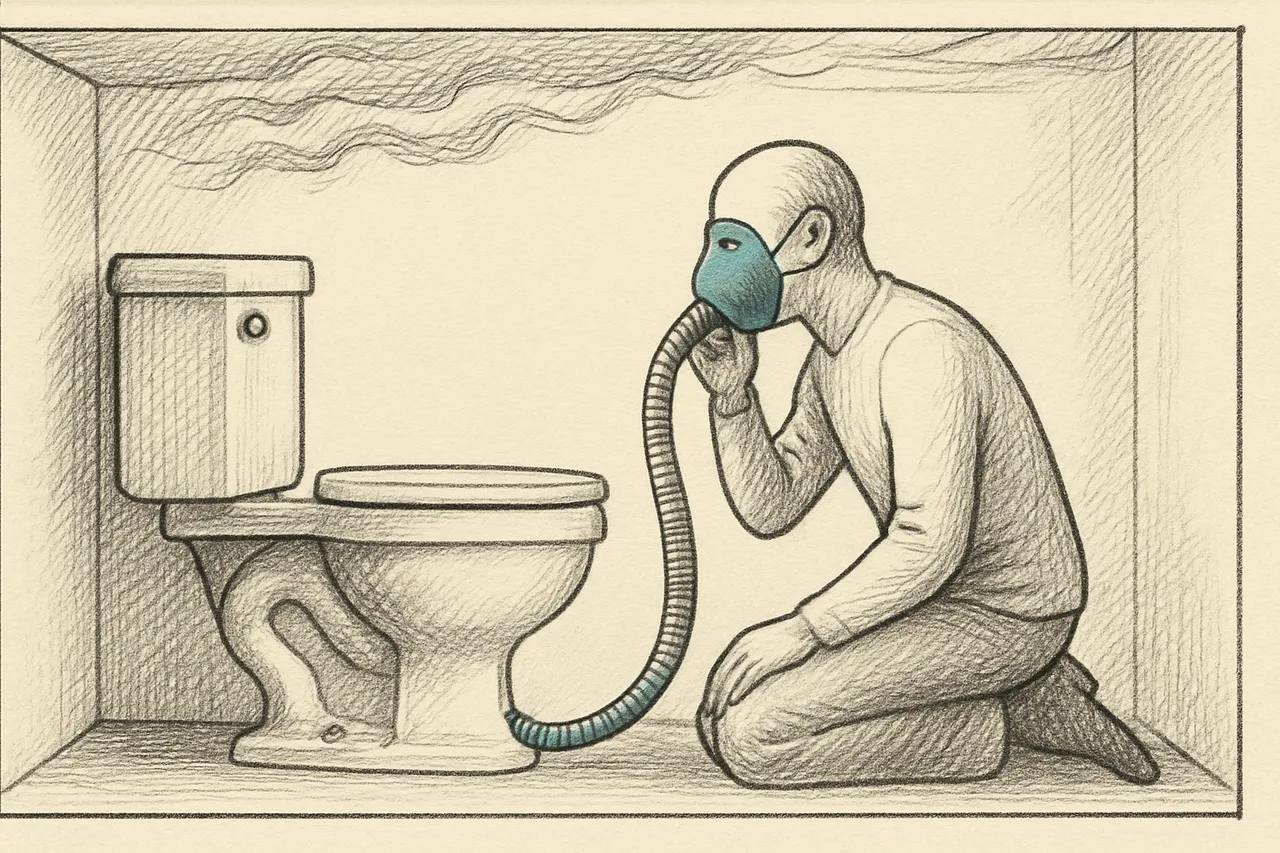
The Patent for Surviving a Fire by Breathing Through the Toilet
In 1982, an inventor received a US patent for a fresh-air breathing device intended for high-rise fires. The device was a snorkel. You inserted it past the water in the toilet bowl and breathed the fresh air drawn down the plumbing's vent stack.
Read the story →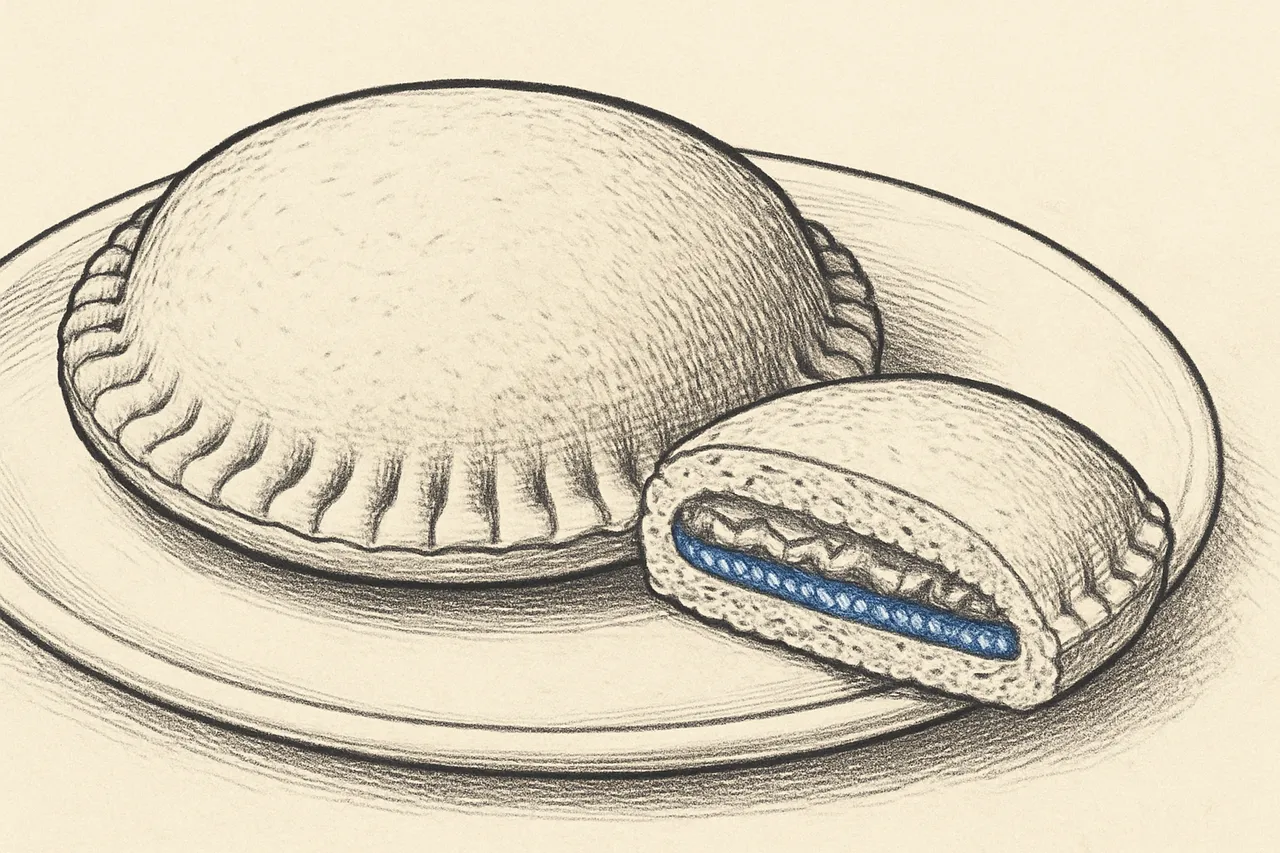
Smucker's Patented the Peanut Butter and Jelly Sandwich
In 1999, the J.M. Smucker Company received a US patent on a 'Sealed Crustless Sandwich.' For seven years, the company sent cease-and-desist letters to small-town caterers, school lunch programs, and competing sandwich makers, before the patent was finally pulled apart on reexamination.
Read the story →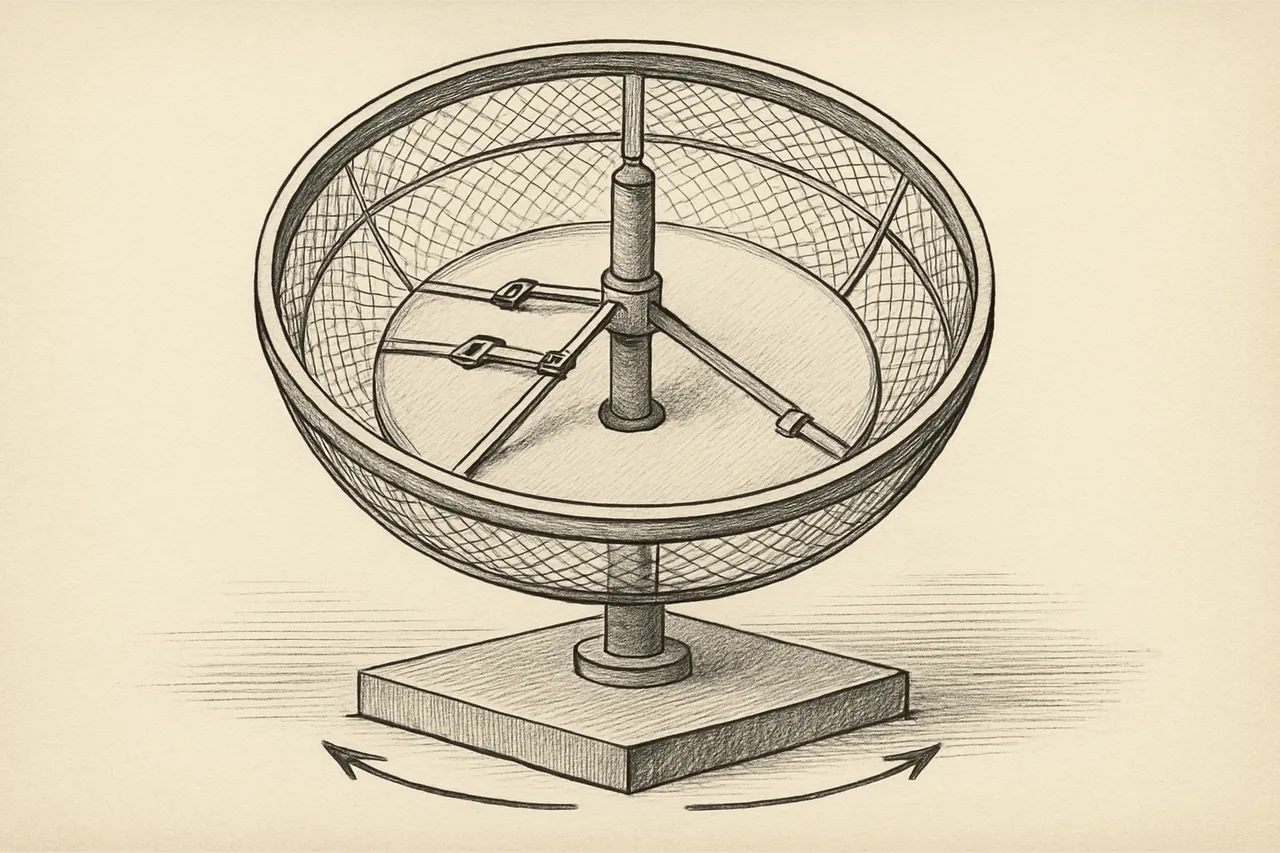
The Patent for Birthing a Baby by Centrifugal Force
In 1965, a New York couple named George and Charlotte Blonsky received a US patent for a machine that spun a woman in labor on a rotating turntable, using centrifugal force to deliver the child. They were entirely sincere. They had detailed engineering drawings.
Read the story →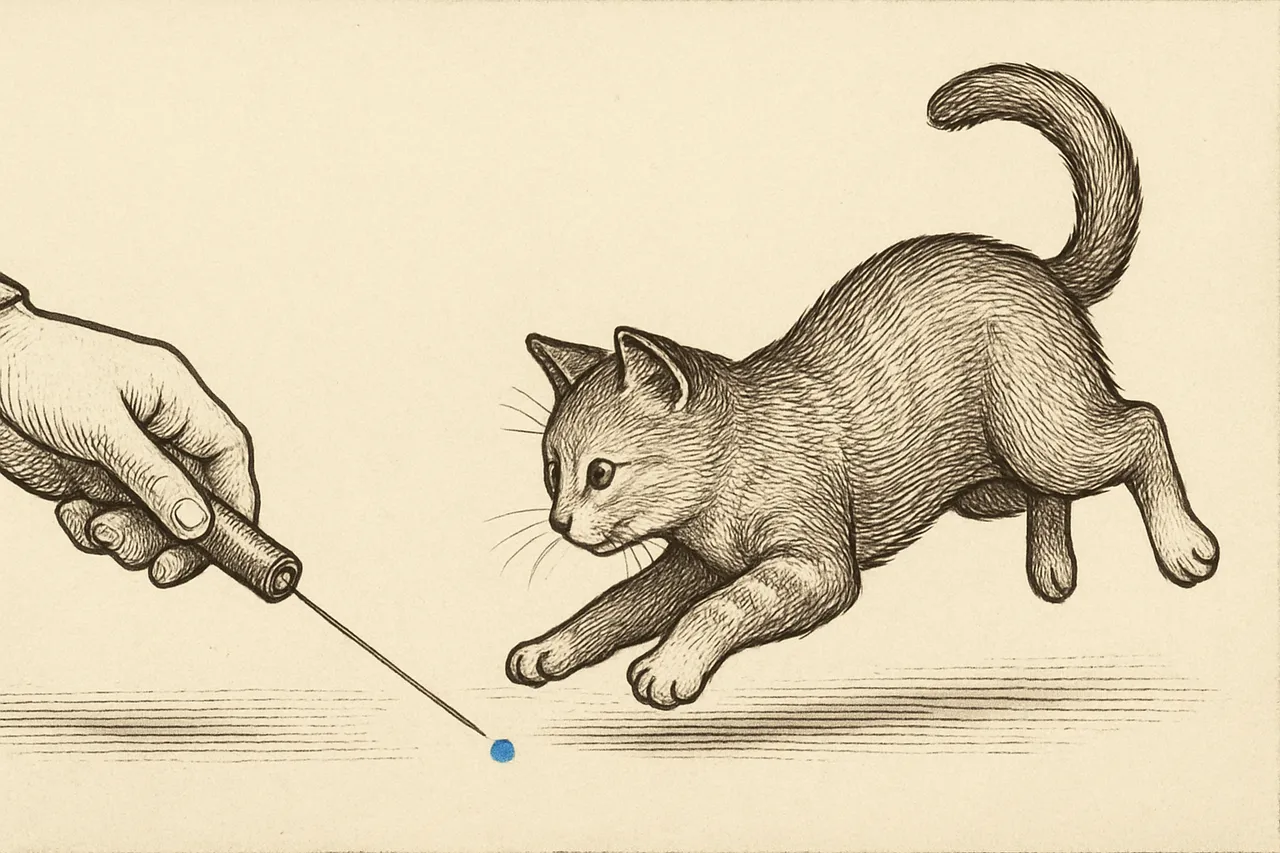
The Patent on Pointing a Laser at a Cat
In 1995, the USPTO granted Kevin Amiss and Martin Greenstein a patent on the act of exercising a cat by getting it to chase a moving spot of light. The patent was real. The cats did not pay royalties.
Read the story →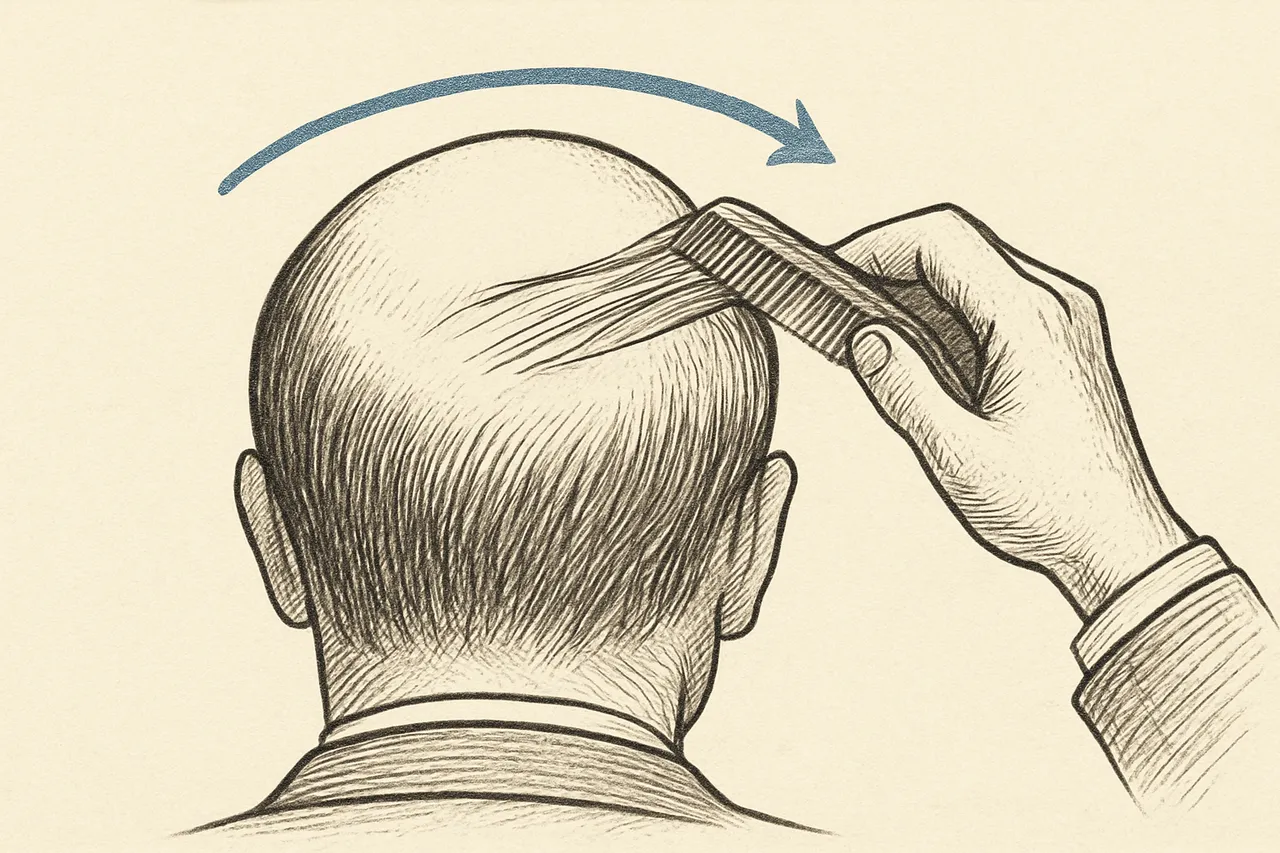
The Comb-Over Patent
In 1977, two brothers in Orlando, Florida received a US patent for a method of combing one's hair to disguise baldness. It is among the most-cited examples of why the patent system needed reform — and a winner of the 2004 Ig Nobel Prize.
Read the story →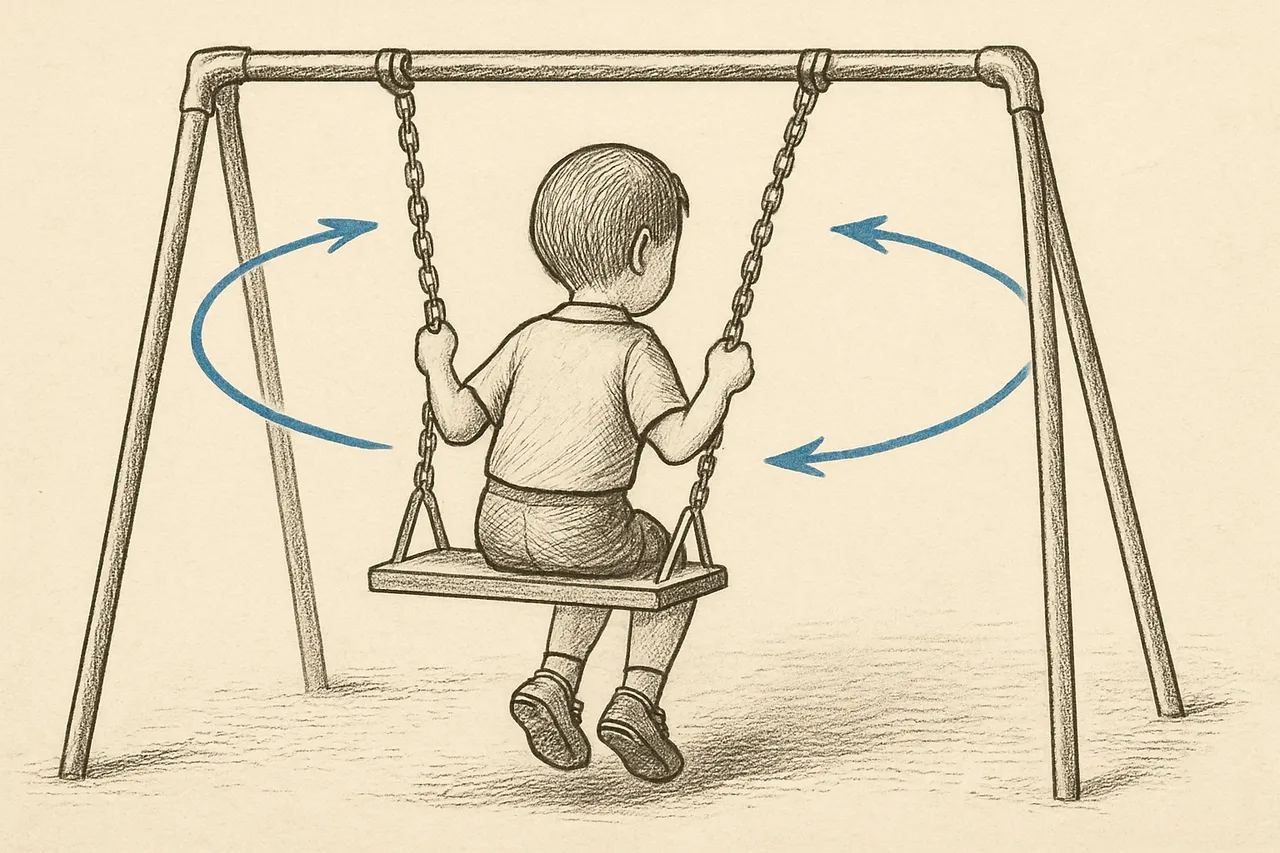
The Five-Year-Old Who Patented Swinging on a Swing
In 2002, the USPTO granted Steven Olson, age five, a patent for a 'method of swinging on a swing.' His patent-attorney father had been making a point. The point landed.
Read the story →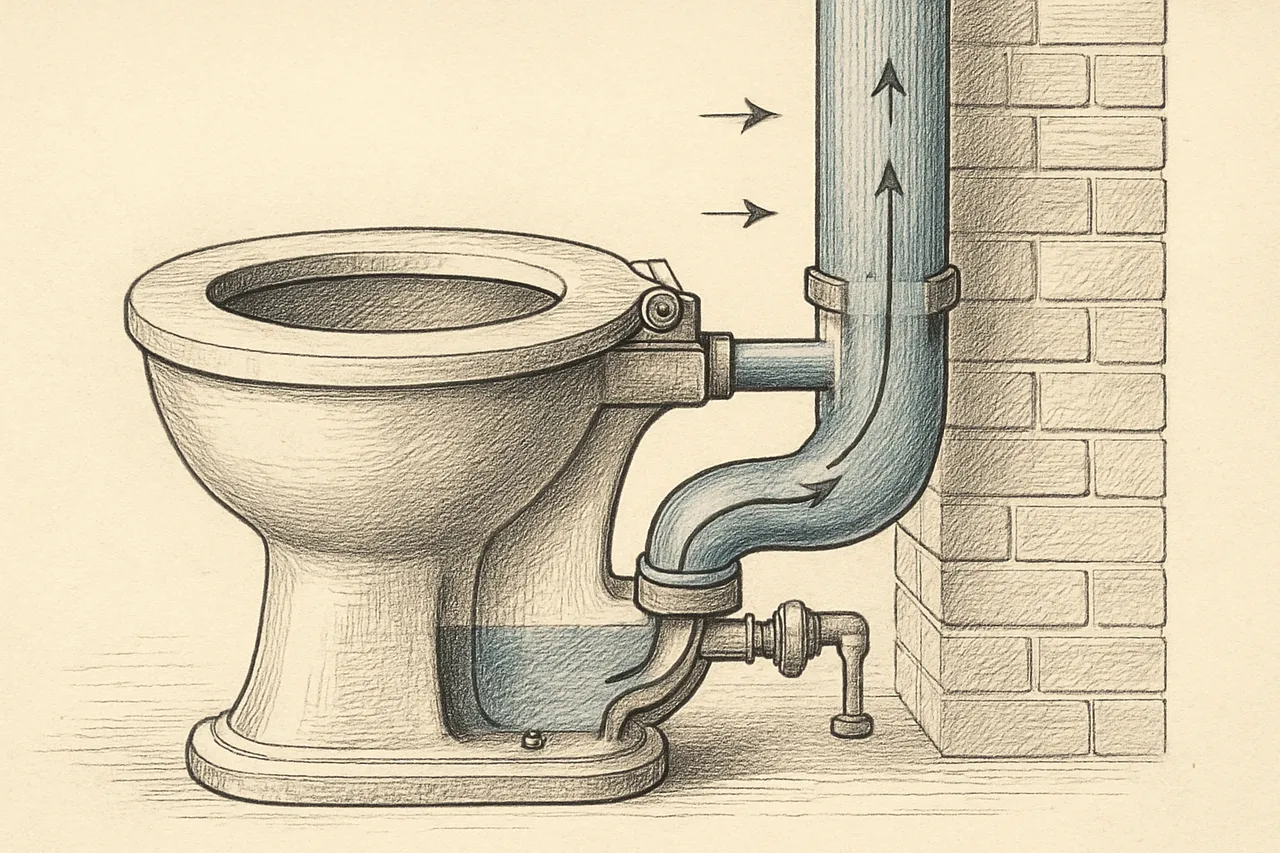
A Toilet for Automatically Exhausting Odious Air
Nat Thompson's 2002 patent hides a fan inside the toilet bowl. It switches on when you sit down and sends the smell down the drain with everything else, instead of into the room.
Read the story →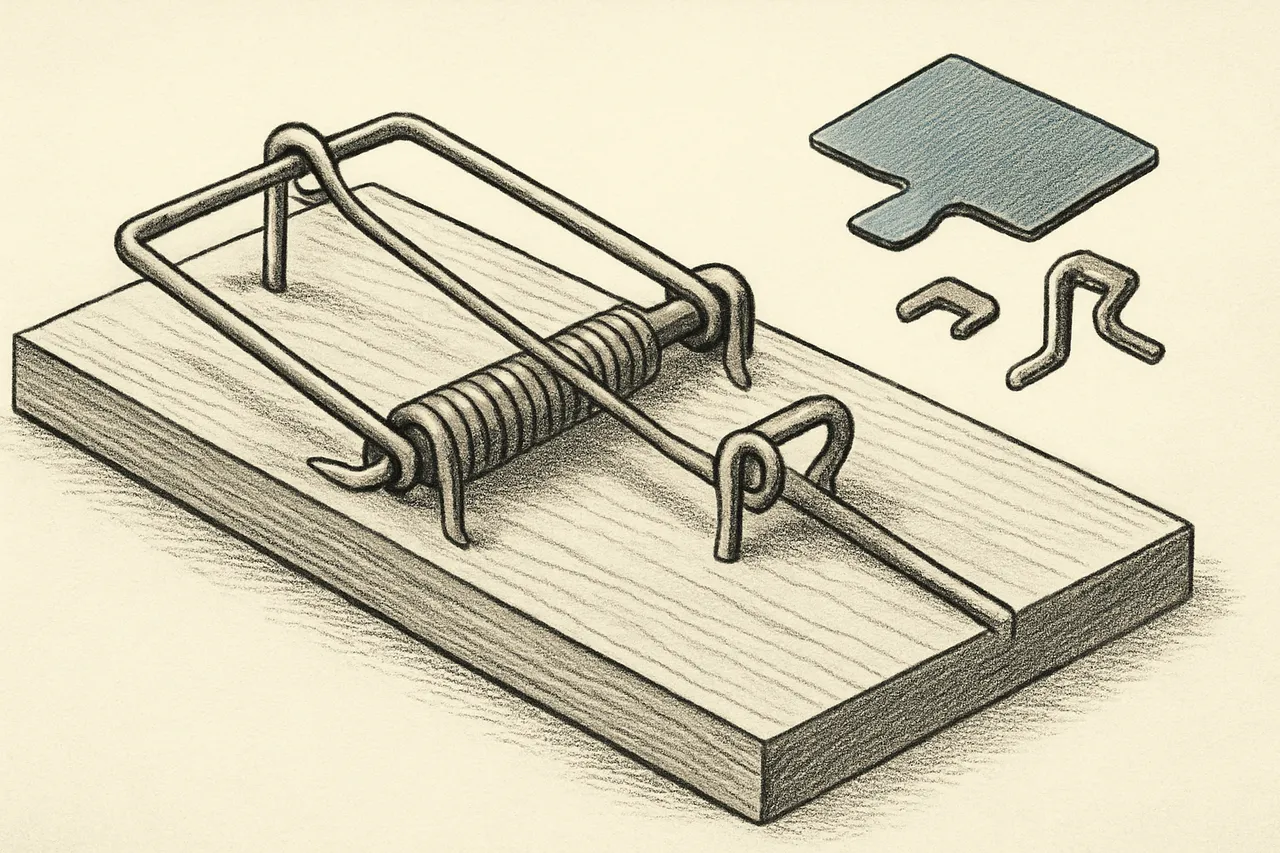
The Mousetrap Is the Most-Patented Device in American History. Almost None of Them Work.
More than four thousand mousetrap patents have been granted in the United States, and thousands more rejected. Roughly twenty have ever made money. The one that won was patented in 1894 and costs about a quarter.
Read the story →