The Five-Year-Old Who Patented Swinging on a Swing
In 2002, the USPTO granted Steven Olson, age five, a patent for a 'method of swinging on a swing.' His patent-attorney father had been making a point. The point landed.
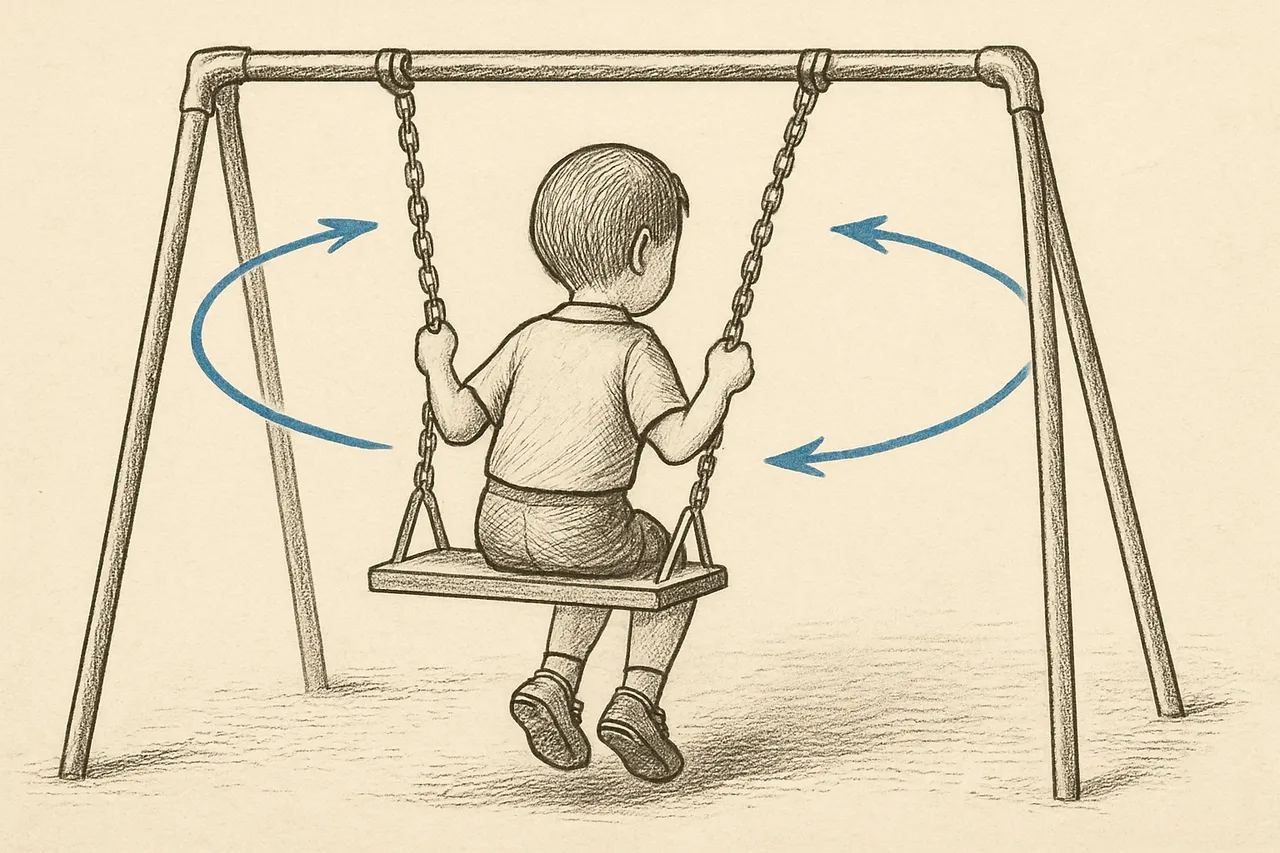
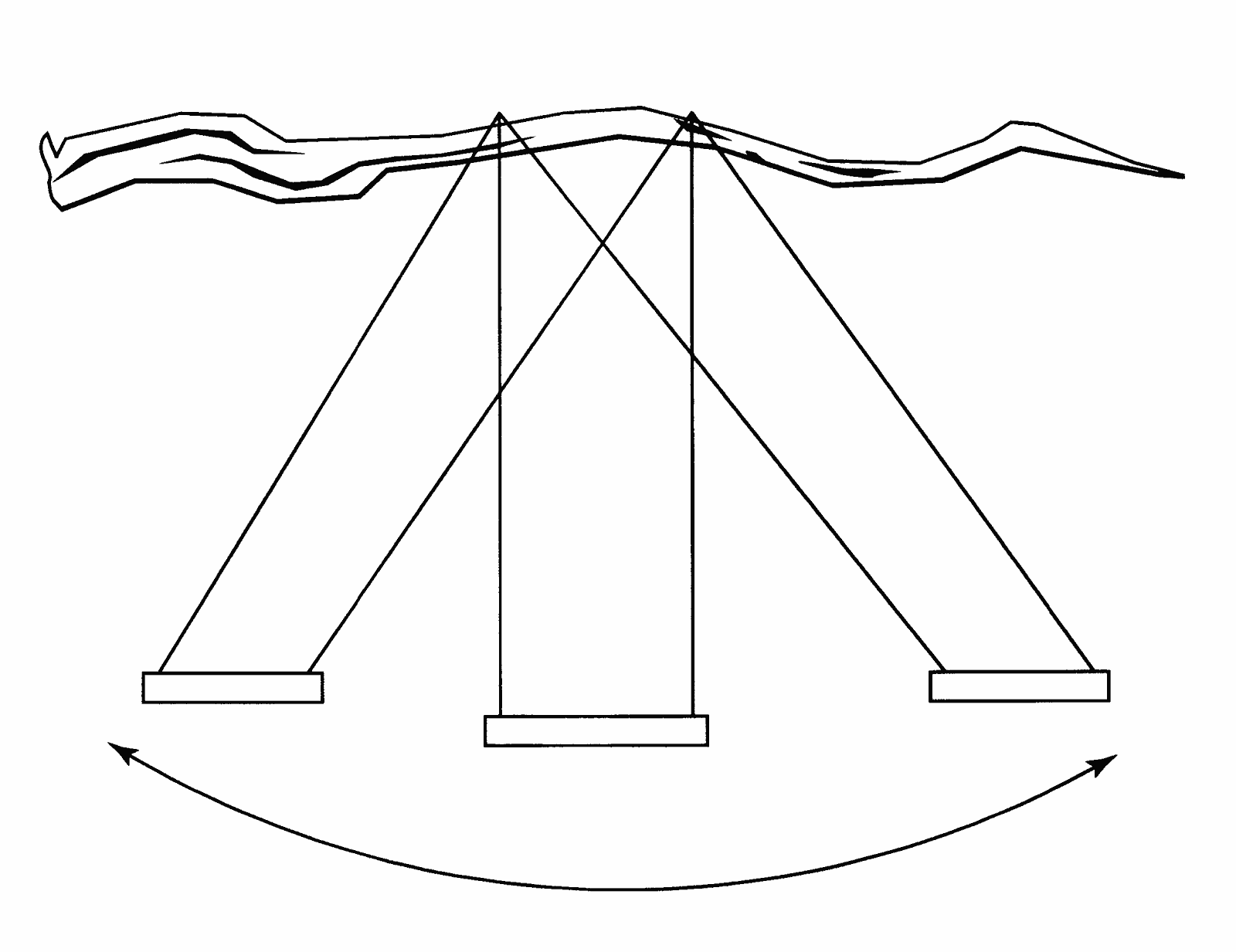
US6368227 was granted on April 9, 2002, to Steven Olson of St. Paul, Minnesota. The title is "Method of Swinging on a Swing." The patent describes, in formal patent language, the act of pulling alternately on the left and right chains of a playground swing in order to induce a sideways oscillation rather than the conventional front-and- back motion. The applicant, Steven Olson, was five years old at the time the application was filed.
The applicant's father, Peter Olson, was a patent attorney at Faegre & Benson in Minneapolis. He has since explained, in multiple interviews, that the filing was a demonstration. He wanted to show his son — and, he hoped, anyone else paying attention — "the absurd ease with which trivial patents can be obtained."
The USPTO granted it.
The reaction
Within a month of issue, the patent had become a minor international news story. The USPTO took the unusual step of issuing a public statement acknowledging that the grant had been a mistake and that the patent would be reexamined. The reexamination concluded in July of 2003. The patent was officially canceled.
The case became one of the most-cited examples in the long-running argument that the US patent system, particularly in the years after the 1990s software-patent expansion, had become structurally incapable of distinguishing genuine inventions from things every five-year-old already knows how to do. Patent examiners were given an average of something like 19 hours to evaluate each application. Prior art searches missed obvious prior art. Applications that should have been rejected were granted as a matter of overwhelmed routine.
What it actually proved
Critics of the swing patent often note that it was, in the end, revoked — that the system worked, however slowly. Peter Olson's reply was that this missed the point. The system had granted the patent in the first place. Every patent that gets granted erroneously is an enforceable legal weapon for the eighteen months or so before someone notices. Most trivial patents are not noticed. Most are not, like this one, filed deliberately to be absurd. Most are filed by companies, against competitors, in earnest.
The five-year-old's patent was the cheapest, most efficient critique of the modern US patent system anyone had ever filed.
See the original
The text of US6368227, including the figures of the swing in lateral motion, is still on the public record at Google Patents.
Related stories
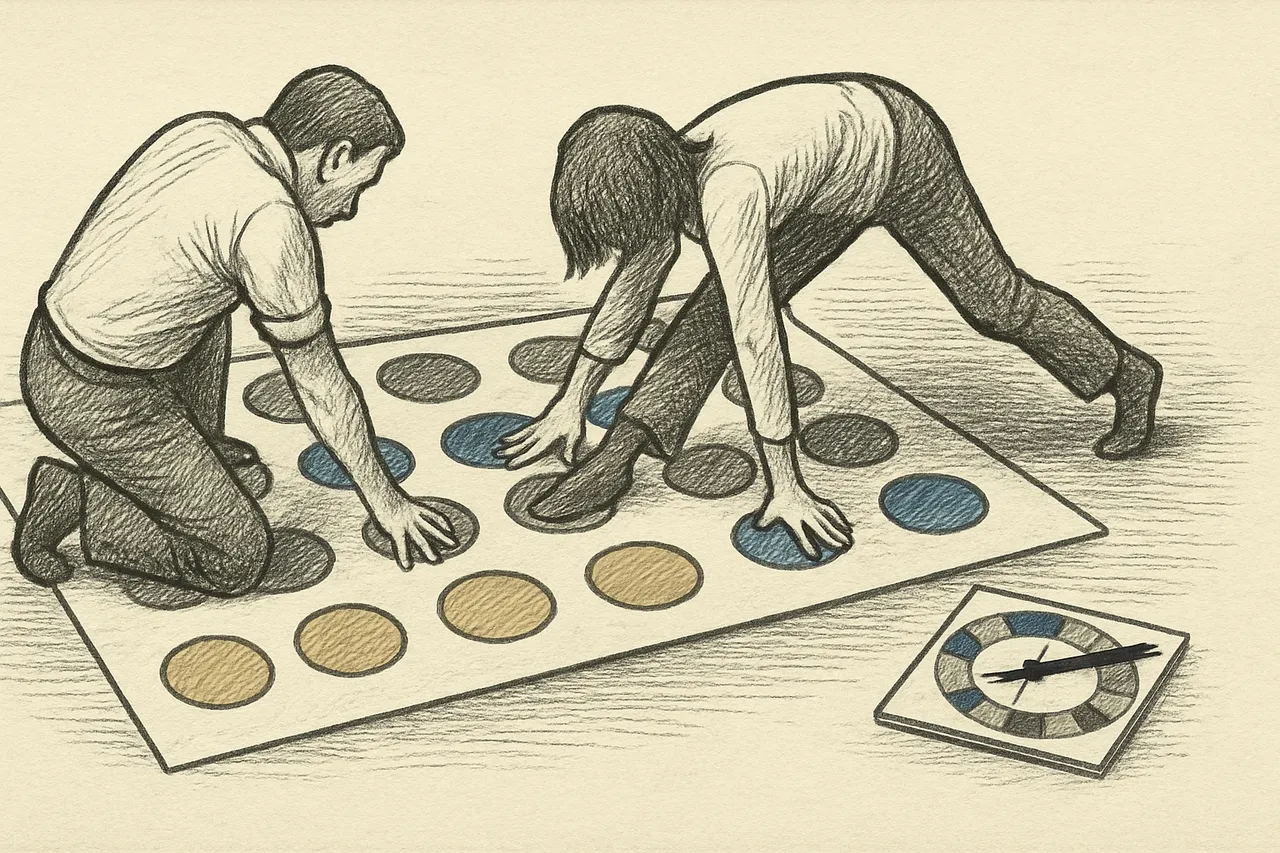
Twister's Patent Is Titled 'Apparatus for Playing a Game Wherein the Players Constitute the Game Pieces'
The patent title is the whole idea: the people are the pieces. Milton Bradley released the game in 1966, some retailers were wary of it, and critics found it a little too intimate. Then Johnny Carson played it on television with Eva Gabor, and the orders poured in.
Read the story →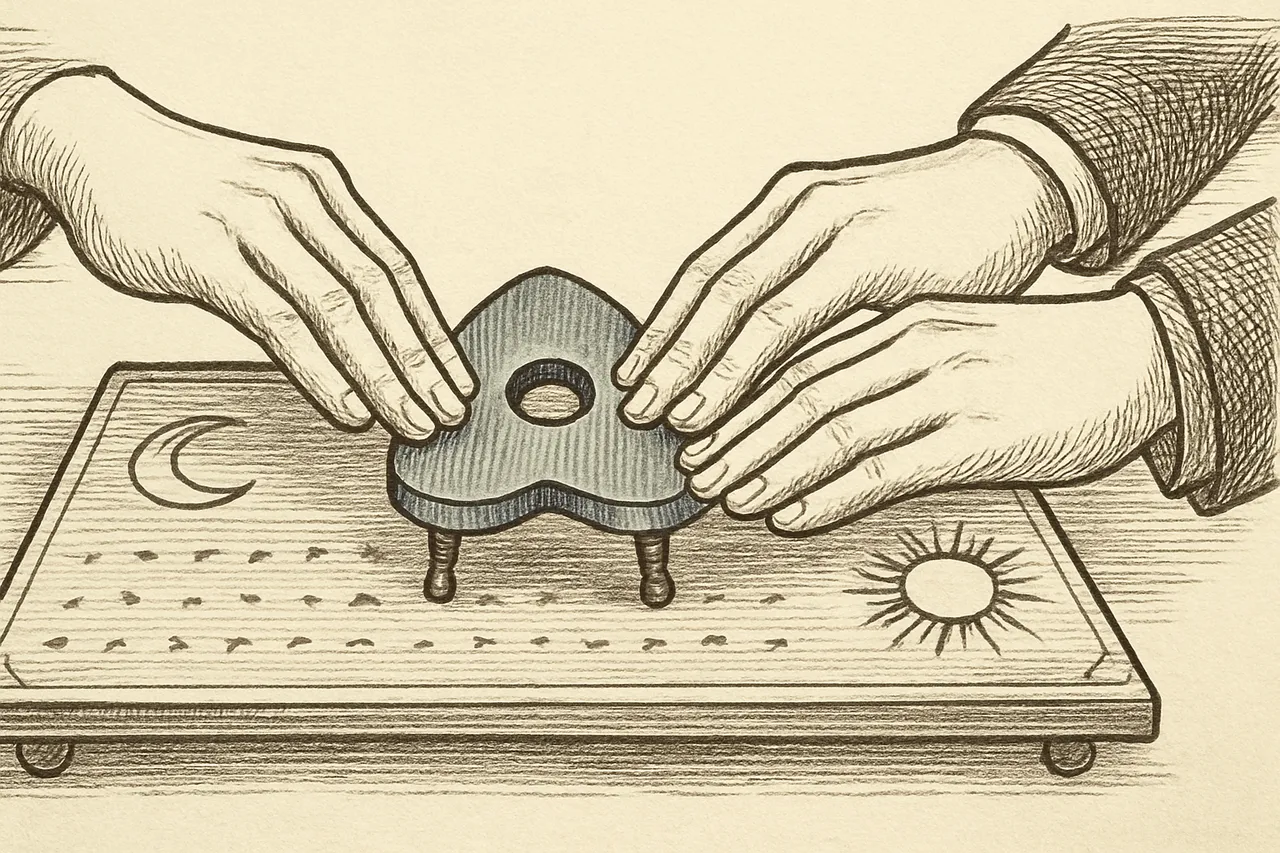
The Ouija Board's 1891 Patent Calls It an 'Egyptian Luck-Board' and Never Says How It Works
Elijah Bond's patent describes a board and a small pointer on legs, and makes no claim about what moves the pointer. The popular legend says the patent examiner demanded a demonstration first. The science, worked out decades before the patent, says the players are moving it themselves without realizing it.
Read the story →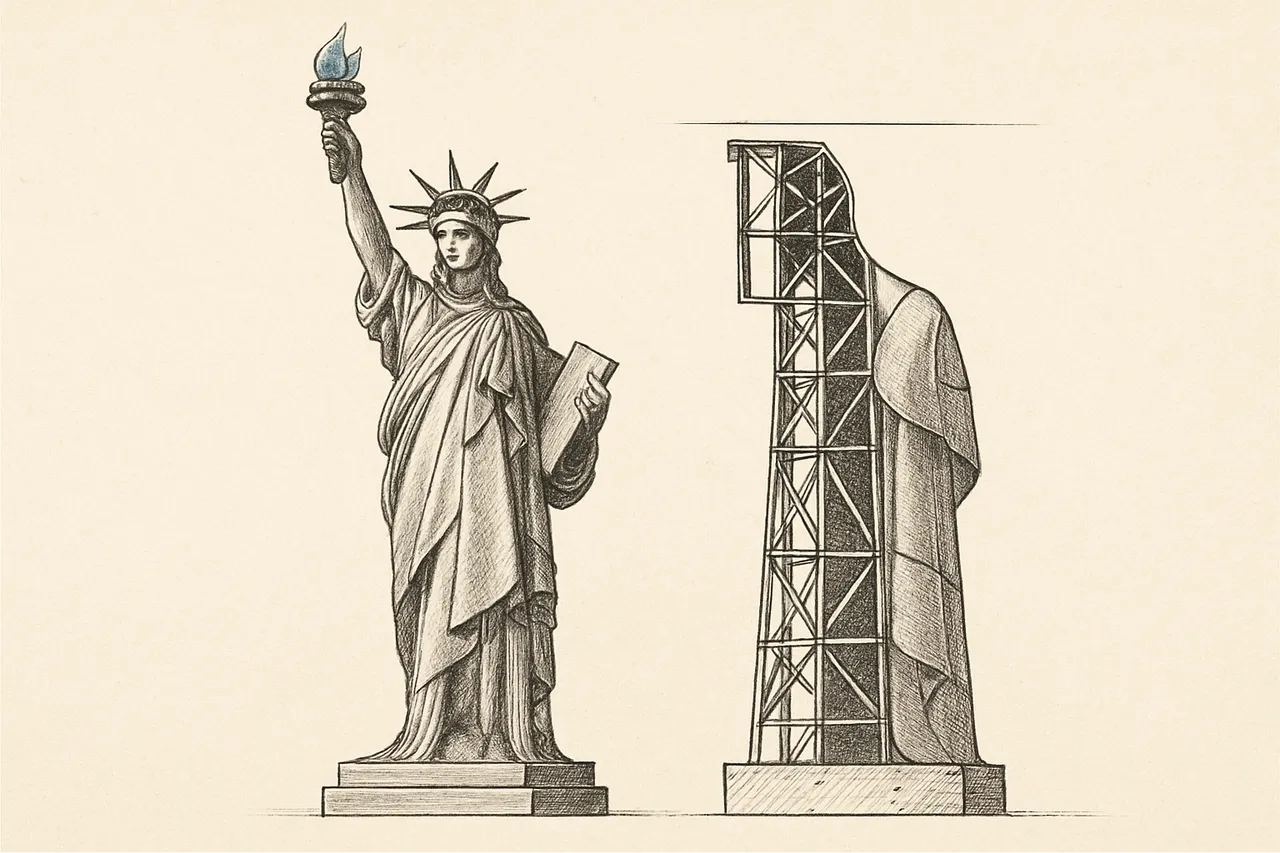
The Statue of Liberty Was Patented in 1879, Seven Years Before It Was Dedicated
Auguste Bartholdi received US Design Patent 11,023 in February 1879 for a statue that would not stand in New York Harbor until 1886. Replicas were a fundraising tool for a project that was chronically short of money, and a design patent gave control over who could legally make them.
Read the story →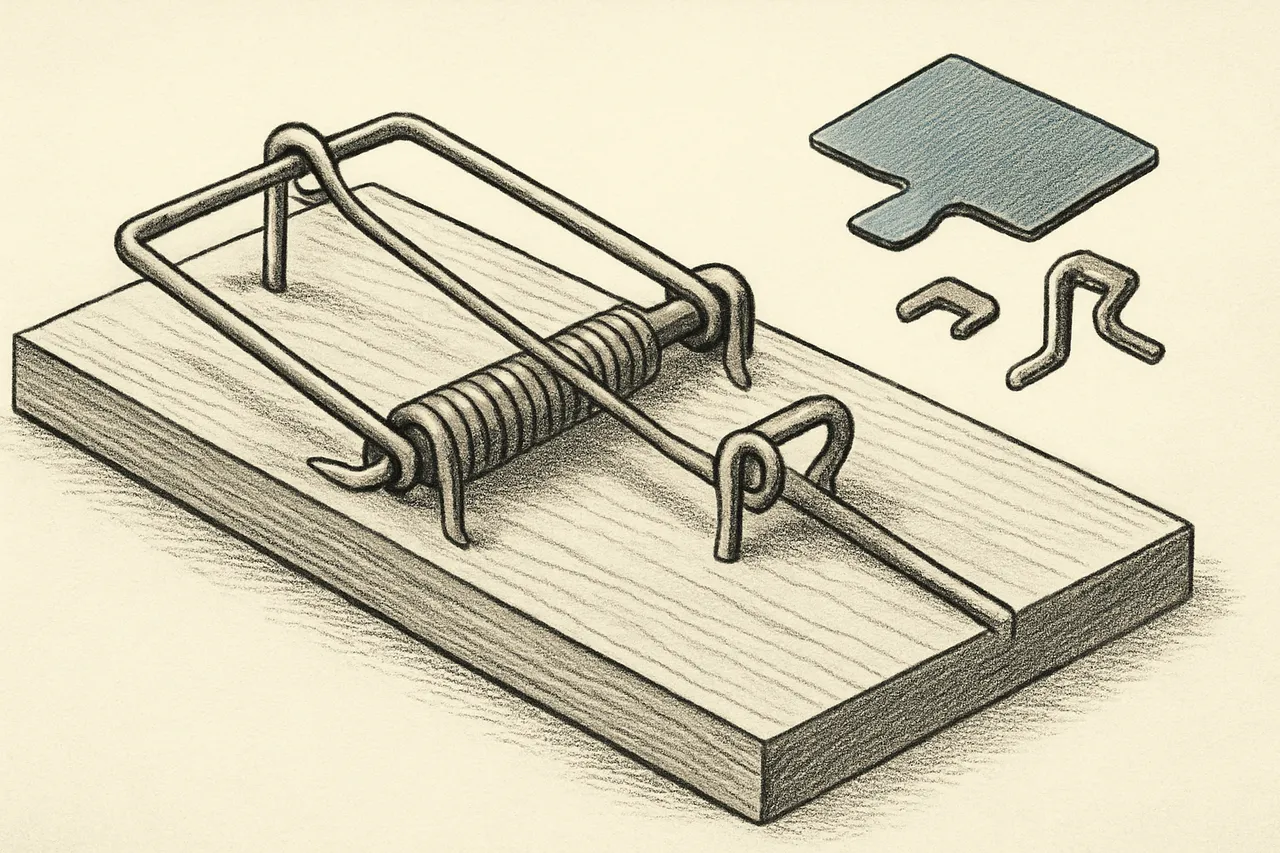
The Mousetrap Is the Most-Patented Device in American History. Almost None of Them Work.
More than four thousand mousetrap patents have been granted in the United States, and thousands more rejected. Roughly twenty have ever made money. The one that won was patented in 1894 and costs about a quarter.
Read the story →