The Patent for a Machine That Kicks You in the Rear
In 2001, the USPTO granted a patent for a coin-operated amusement device whose entire function is to let a user pay to have a rotating boot kick them in the buttocks. It is real, it is fully illustrated, and it is exactly what it sounds like.
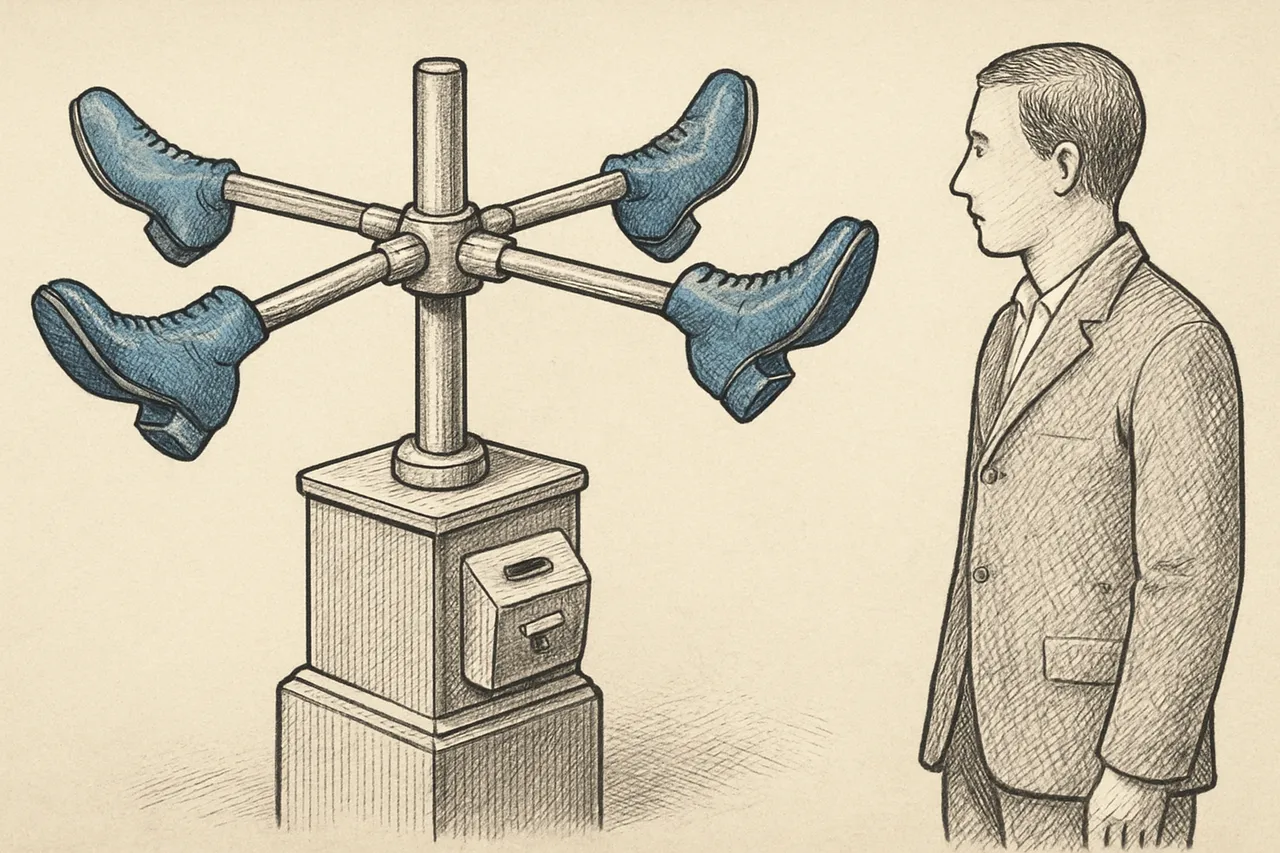
US6293874 was filed on May 8, 2000, and granted on September 25, 2001, to Joe W. Armstrong. The title is "User-Operated Amusement Apparatus for Kicking the User's Buttocks." There is no euphemism in that title and no hidden technical meaning. The patent describes, in full and earnest detail, a machine that kicks the person operating it in the rear end.
The drawings show the apparatus clearly: a vertical column supporting a rotating assembly, around which a series of "kicking shoes" — described in the patent as resembling boots — are mounted on hinged arms. The user positions themselves in front of the device. When activated, the column rotates, swinging the shoes around so that they strike the user's posterior in succession. The patent specifies that the device can be configured as a coin-operated amusement machine.
The claims
The patent's language is a small masterpiece of formal seriousness applied to an absurd object. It explains that the apparatus is intended "for the purpose of self-discipline" or amusement, and describes the mechanism with the same rigor a patent attorney would apply to a turbine. The independent claim describes "a plurality of flexible arms each having a shoe positioned thereon" arranged on "a rotatable hub" such that rotation "causes the shoes to strike the buttocks of a user." There are dependent claims covering variations: the speed of rotation, the number of shoes, the option for the user to control the rotation themselves.
The patent even anticipates the obvious question of why a person would want this, gesturing toward self-punishment, exercise, and entertainment as possible motivations without committing firmly to any of them.
How it gets onto the lists
The buttock-kicking machine is a permanent resident of "strangest patents ever granted" compilations, and it earns its place differently from most entries. It is not a method patent of dubious obviousness, like the comb-over or the cat-laser. It is not an earnest solution to a real problem that happens to look absurd, like the toilet-snorkel fire device. It is a fully mechanical apparatus — a real machine, properly engineered and illustrated — whose entire purpose is silly. The seriousness of the engineering is precisely what makes it funny. Someone drew careful figures of the hinged kicking-shoe assembly. Someone calculated the geometry of the rotating hub. Someone paid the filing fees and prosecuted the application to grant.
There is no evidence the machine was ever manufactured or sold commercially, which places it in the large category of patents that exist purely as documents — granted, recorded, and never built. But unlike most never-built patents, no one particularly laments this one's failure to reach the market.
The patent stands as a reminder of one of the quiet truths of the patent system: novelty and non-obviousness are the legal tests, not usefulness in any sensible sense and certainly not dignity. If a thing is new, and not obvious, and you describe it clearly enough, the office will grant you a patent on it — even if the thing is a machine for kicking yourself in the rear.
See the original
The full text and figures of US6293874 are on patents.us.
Related stories
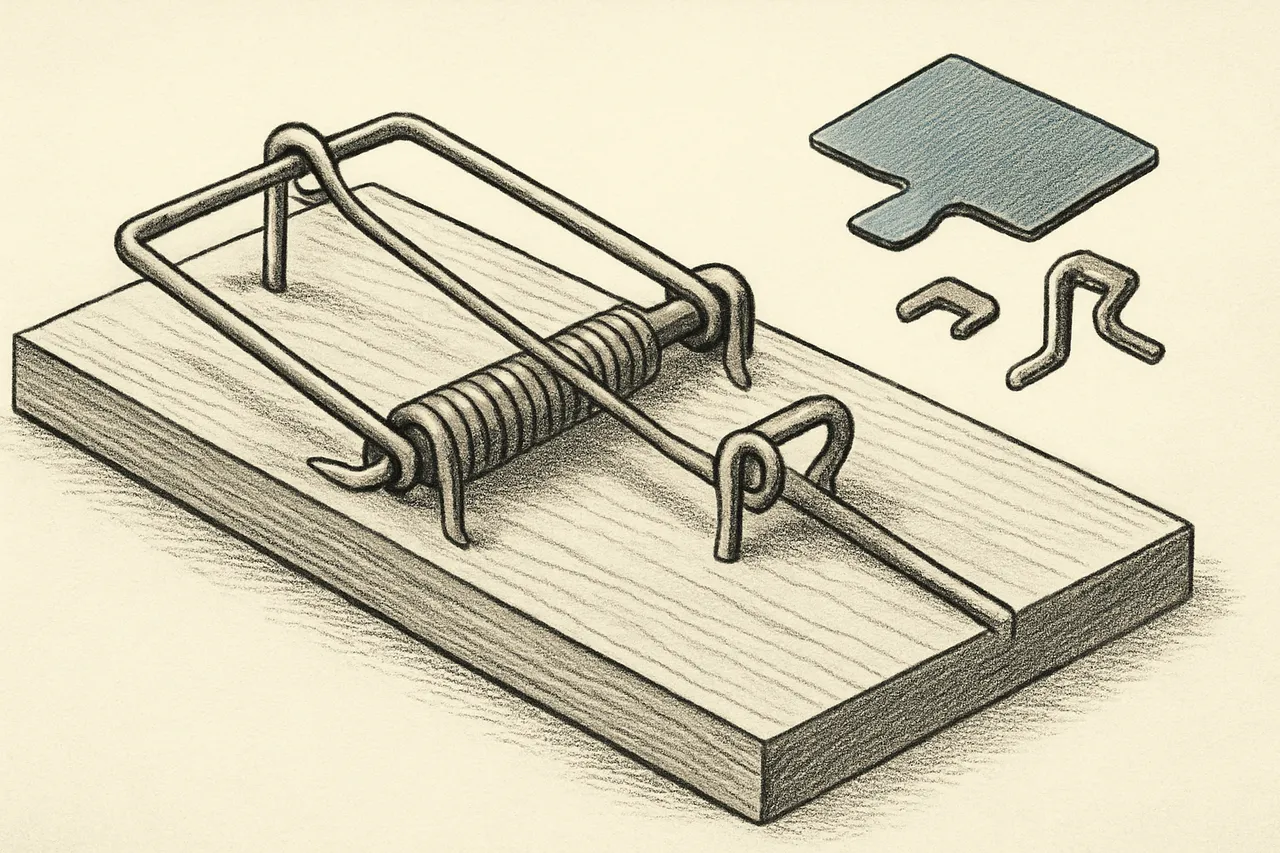
The Mousetrap Is the Most-Patented Device in American History. Almost None of Them Work.
More than four thousand mousetrap patents have been granted in the United States, and thousands more rejected. Roughly twenty have ever made money. The one that won was patented in 1894 and costs about a quarter.
Read the story →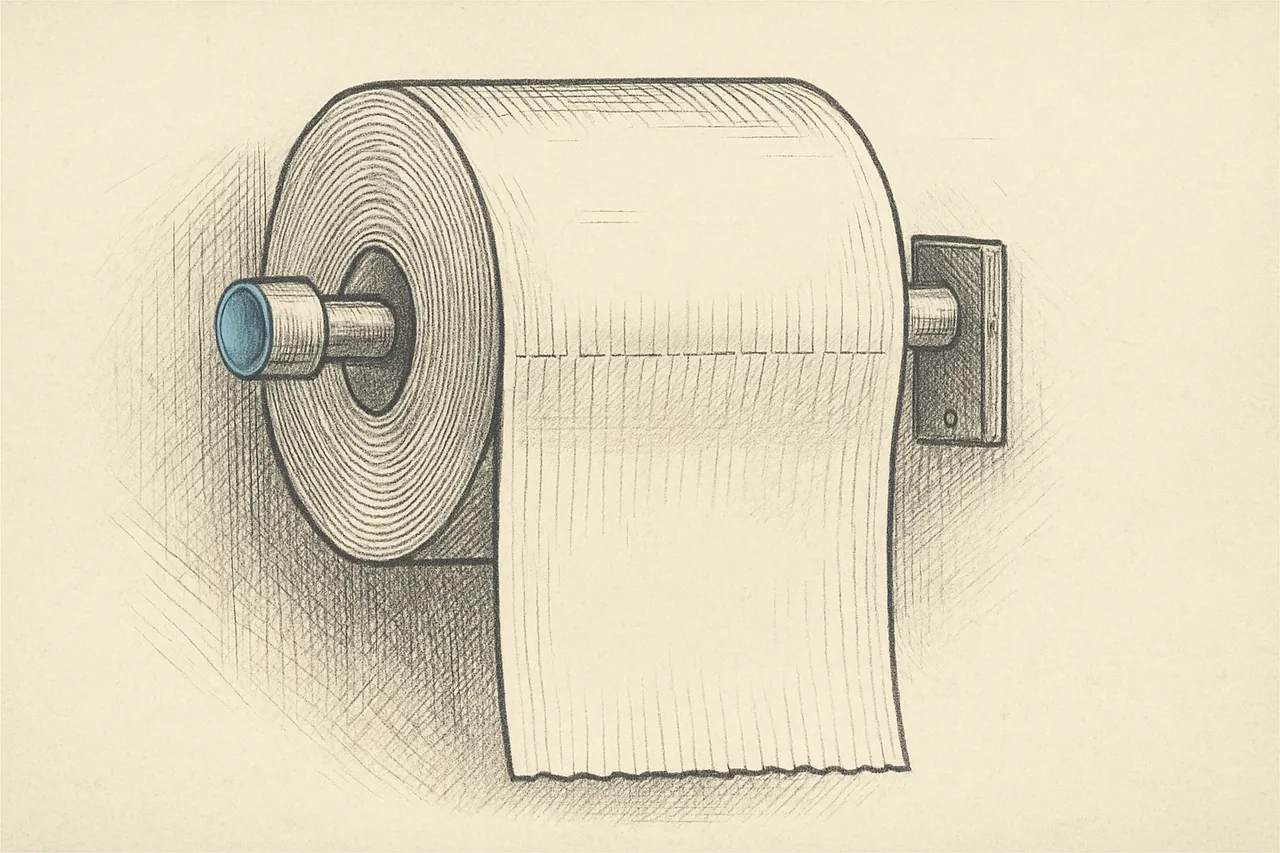
The 1891 Patent That Settles the Toilet Paper Argument: It's Over
Households have argued about whether the roll should hang over or under for more than a century. The original patent drawing, filed by Seth Wheeler in 1891, shows the paper coming over the top. The inventor's own diagram is not ambiguous.
Read the story →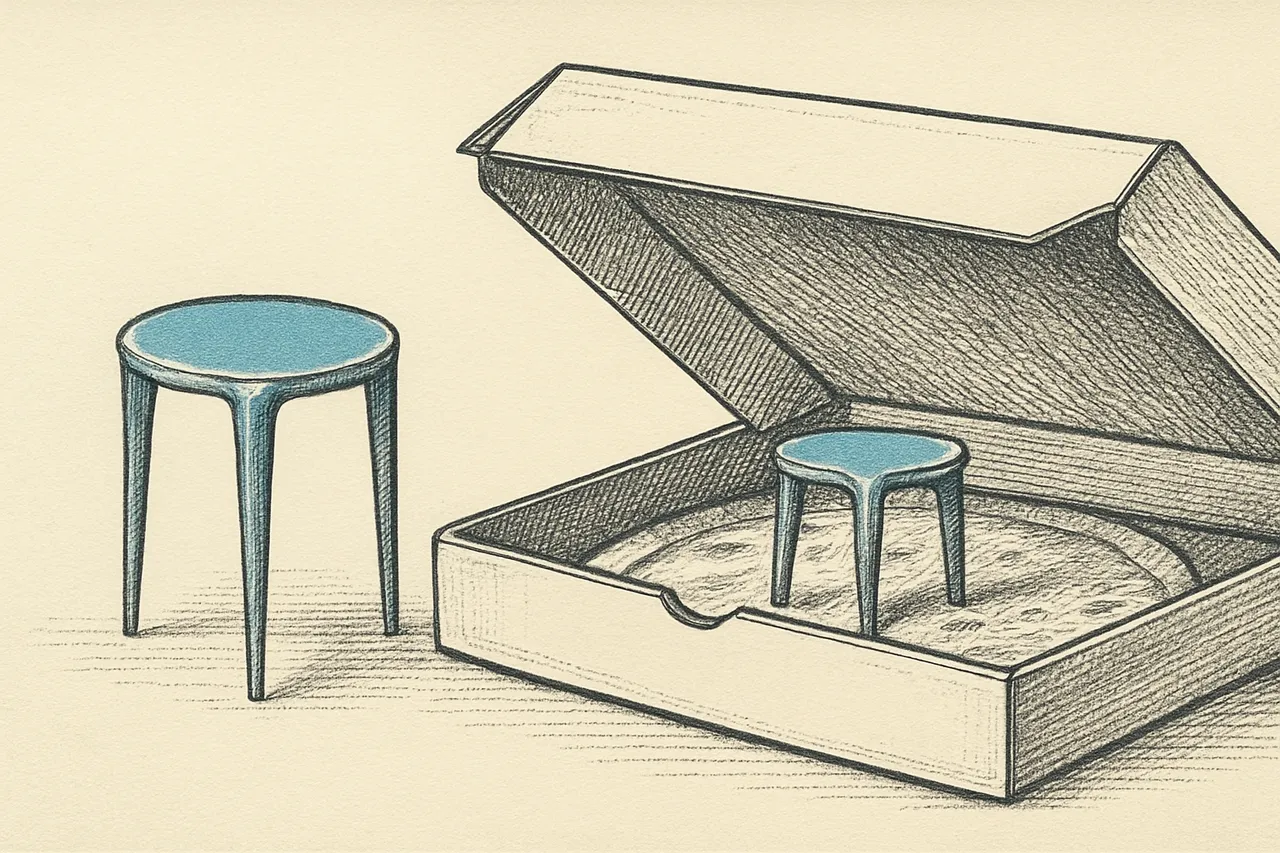
Someone Patented the Little Plastic Table in Your Pizza Box
The three-legged plastic stool in the middle of a delivered pizza has a name, a purpose, and a 1985 United States patent. It exists because a hot cardboard lid sags, and a sagging lid ruins the cheese.
Read the story →
The Greenhouse Helmet: A Patent to Grow Plants on Your Own Head
In 1979, the USPTO granted a patent for a clear domed helmet, worn over the head, containing live plants — so the wearer could breathe air freshened by their own personal, portable garden. It is exactly as wonderful and impractical as it sounds.
Read the story →