The Santa Claus Detector
In 1996, the USPTO granted a patent for a Christmas stocking rigged with a light that switches on when Santa arrives. The patent's stated purpose is to give children 'a visual indication' of Santa's visit — filed, apparently, in complete earnest.
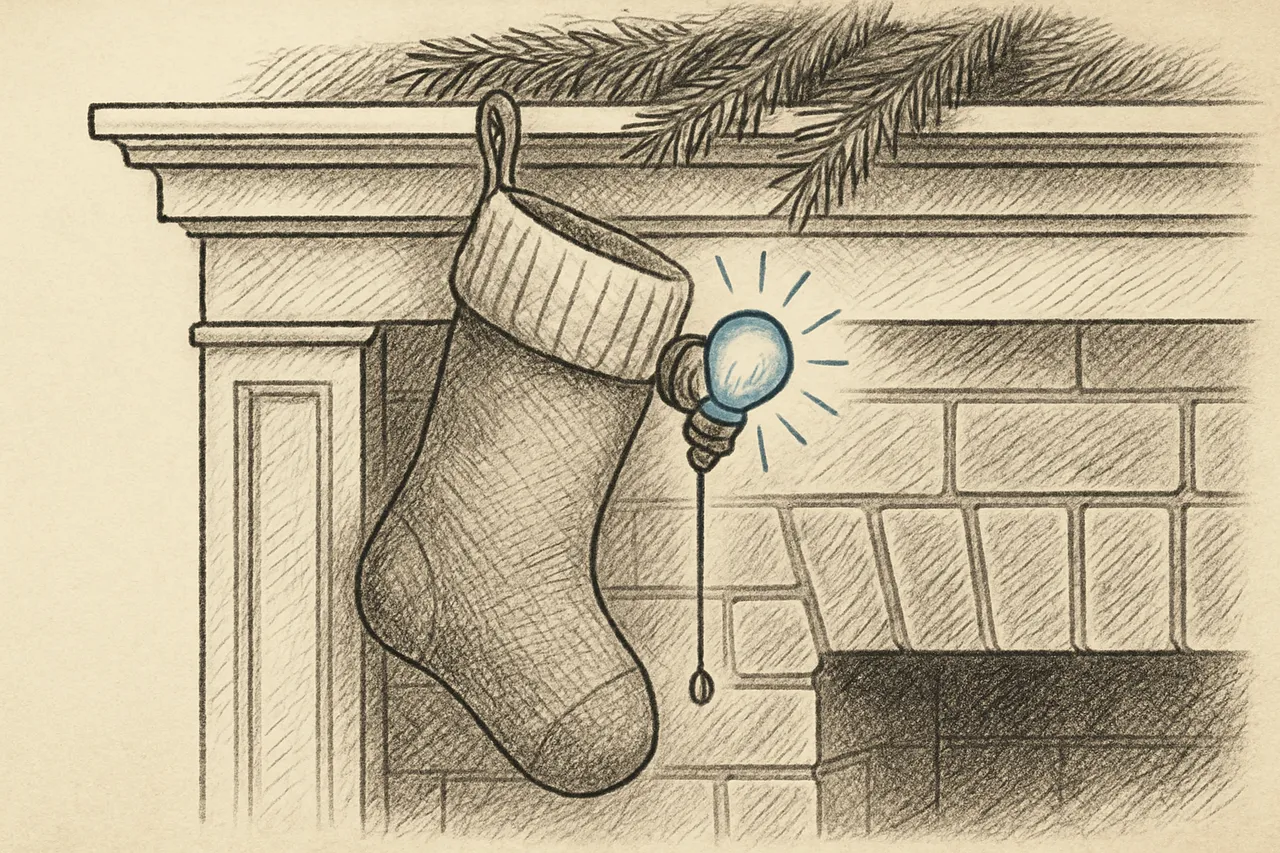
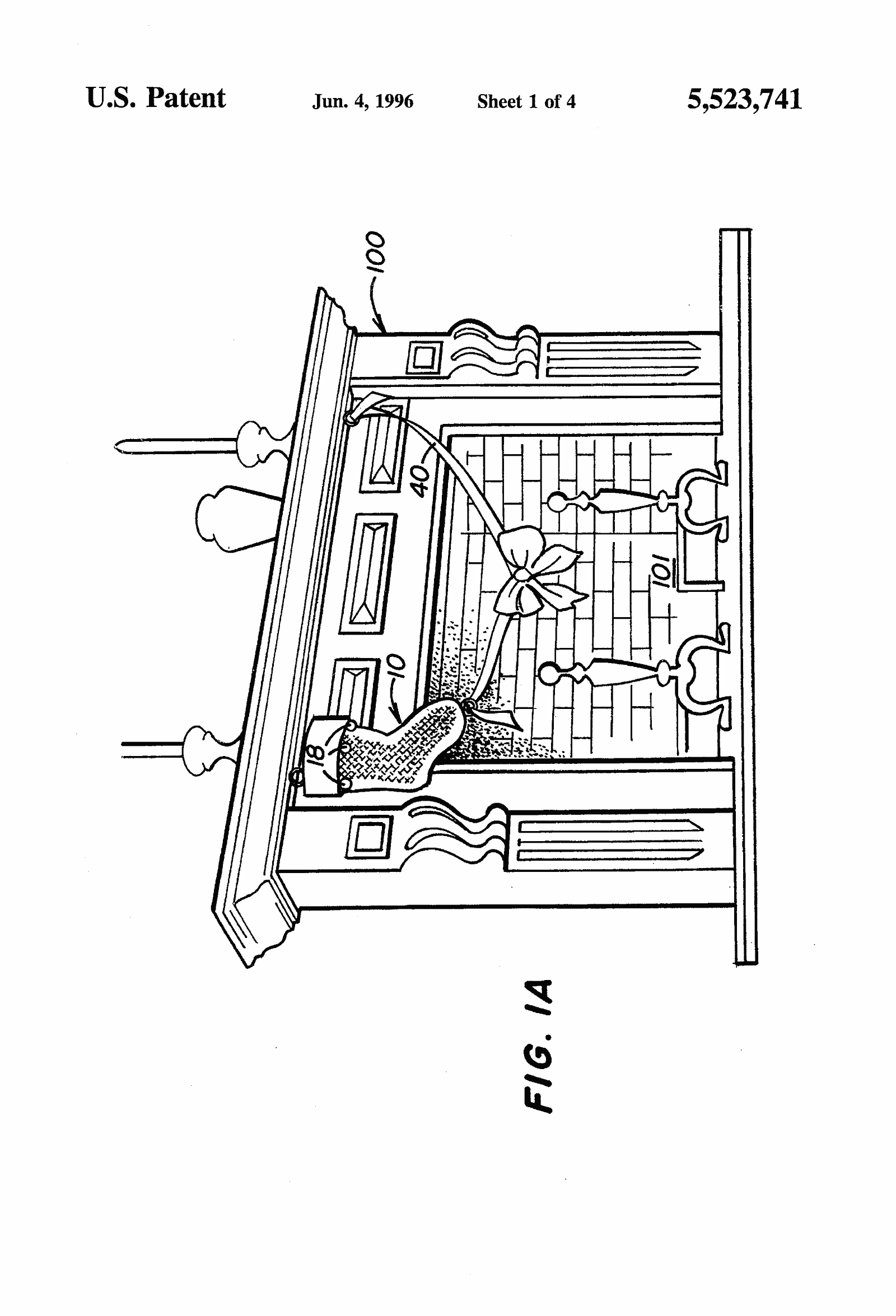
US5523741 was granted on June 4, 1996, to Thomas J. Cane. The title is "Santa Claus Detector." The patent describes a Christmas stocking fitted with a signaling device — a light — that is triggered when Santa Claus arrives, giving a child a clear, visible indication that the annual visit has occurred.
The mechanism, stripped of its festive framing, is a simple pull-activated switch. The stocking hangs by the fireplace with a cord or clip arrangement. When the stocking is disturbed or filled — that is, when Santa deposits presents — the motion pulls a cord that completes a circuit and illuminates a light on the stocking, which the child can see in the morning (or, one imagines, sneak downstairs to check). The patent describes the stocking, the switch, the light, and the circuit in the measured, diagram-laden language of any other utility patent.
Filed in earnest
What elevates the Santa Claus detector above a simple novelty is the deadpan sincerity of the document. It does not wink. It describes, as its genuine field of invention, the detection of Santa Claus, and it proposes a mechanical solution to the problem of a child being unable to confirm his visit. The patent examiner processed it, evaluated it for novelty and non-obviousness like any other application, and granted it. Somewhere in the official records of the United States government is a formally issued patent whose subject is verifying the existence of Father Christmas.
The design is real and buildable — it is, functionally, a motion- or tension-triggered light on a stocking, which is a perfectly legitimate little gadget. The charm is entirely in the framing: the same device could have been described as a "gift-delivery indicator" or a "stocking-activated novelty light," and it would have vanished into obscurity. Instead its inventor named the true purpose, and in doing so earned it a permanent place in the canon of delightful patents.
The canon of the sincere
The Santa Claus detector belongs to the same warm category as the pat-on-the-back machine and the Beerbrella: the sincere whimsy patent. These are not cynical land-grabs or obvious ideas dressed up in legalese. They are real, functional, buildable inventions whose reason for existing is small, human, and a little bit lovely — in this case, to preserve and gently mechanize a piece of childhood magic. The patent system, which tests only for novelty and non-obviousness, has no field on the form for "wonder," and so it granted a patent on Santa detection with the same straight face it brings to turbine blades.
It remains, unsurprisingly, a favorite of holiday-season "strangest patents" roundups — proof that the archive of American invention has room not just for the world-changing and the absurd, but for the tender.
See the original
The full text and figures of US5523741 are on Google Patents.
Related stories
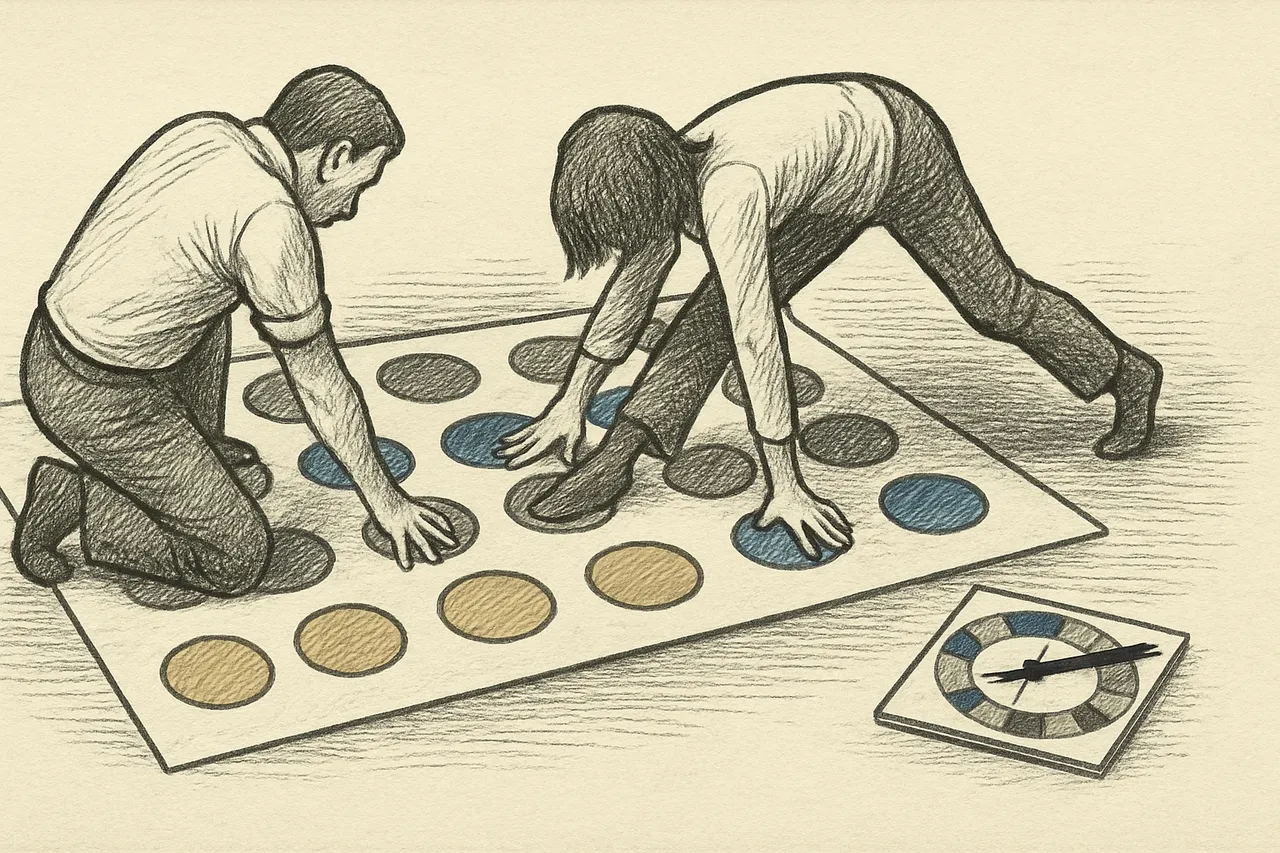
Twister's Patent Is Titled 'Apparatus for Playing a Game Wherein the Players Constitute the Game Pieces'
The patent title is the whole idea: the people are the pieces. Milton Bradley released the game in 1966, some retailers were wary of it, and critics found it a little too intimate. Then Johnny Carson played it on television with Eva Gabor, and the orders poured in.
Read the story →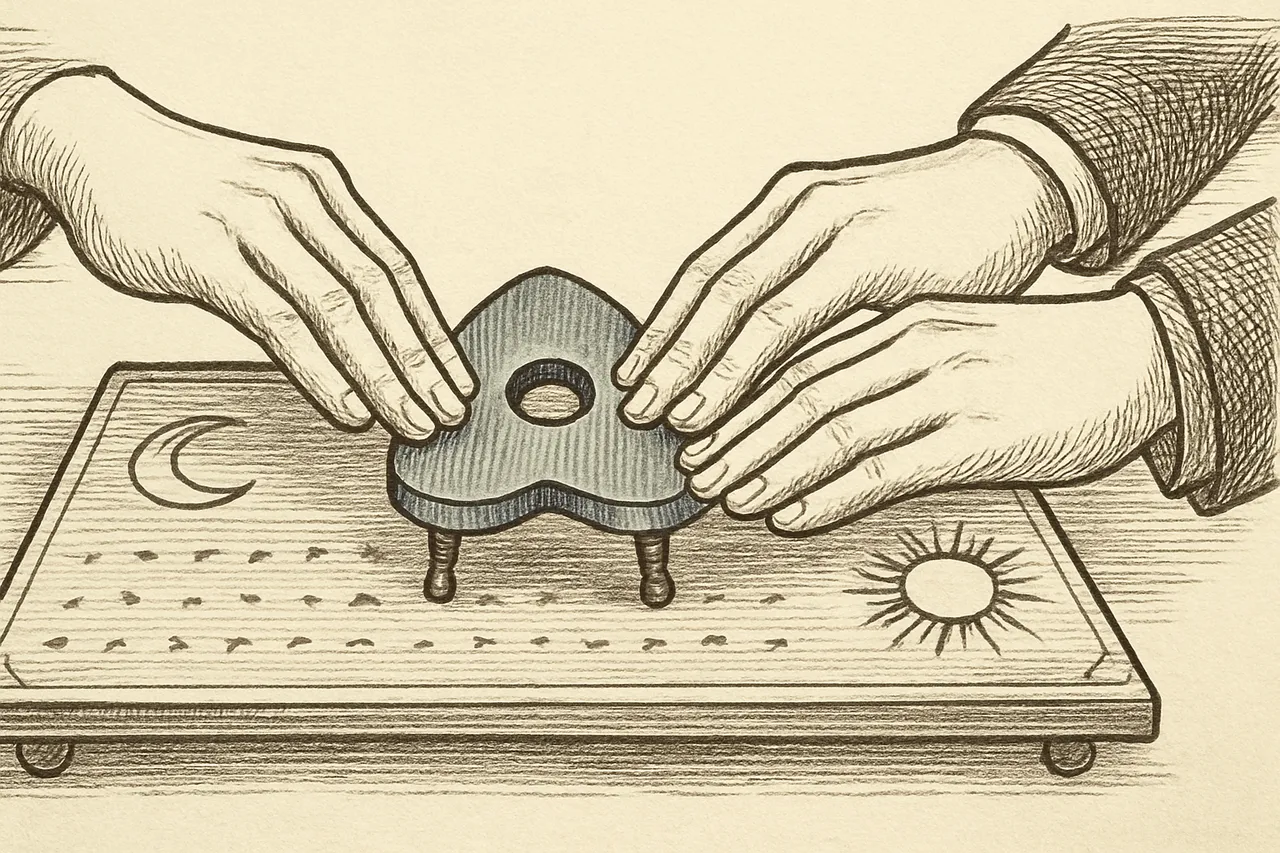
The Ouija Board's 1891 Patent Calls It an 'Egyptian Luck-Board' and Never Says How It Works
Elijah Bond's patent describes a board and a small pointer on legs, and makes no claim about what moves the pointer. The popular legend says the patent examiner demanded a demonstration first. The science, worked out decades before the patent, says the players are moving it themselves without realizing it.
Read the story →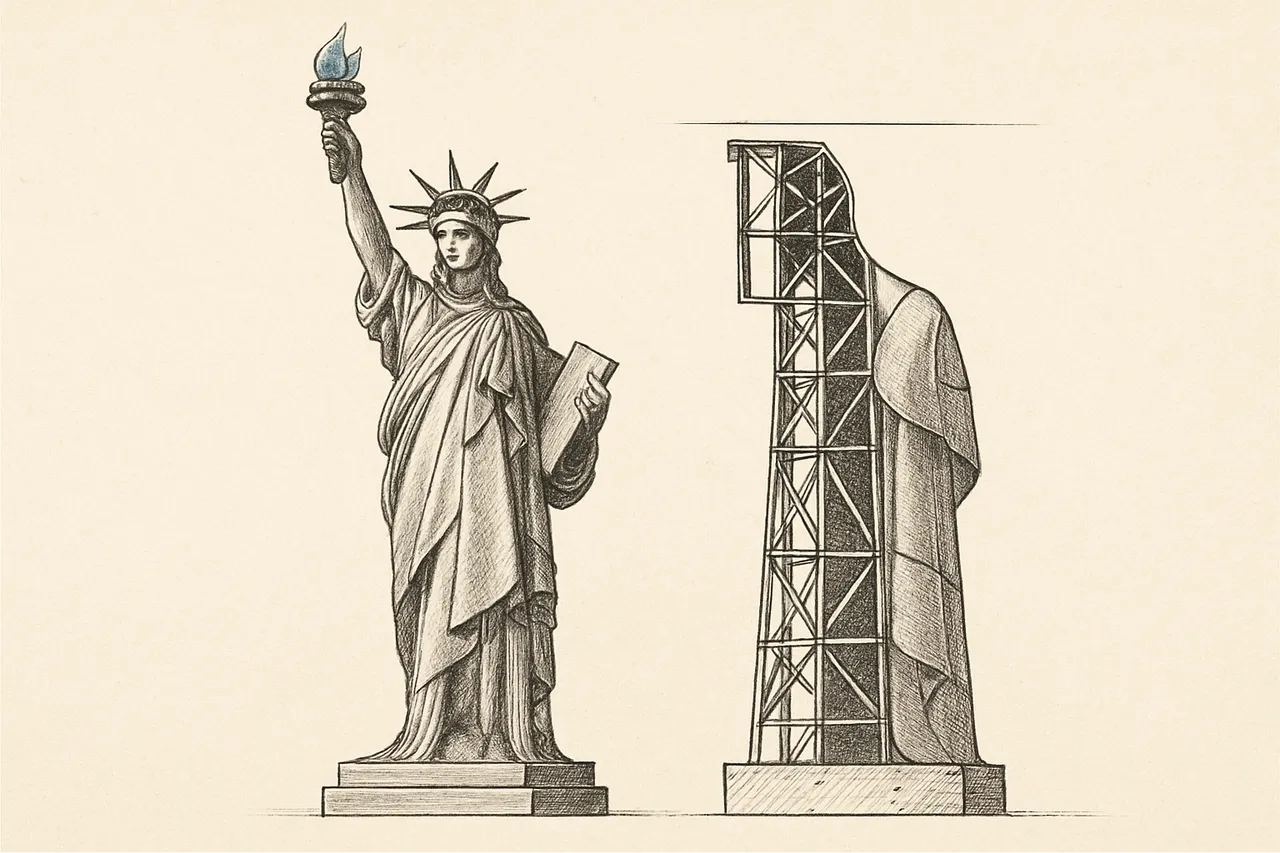
The Statue of Liberty Was Patented in 1879, Seven Years Before It Was Dedicated
Auguste Bartholdi received US Design Patent 11,023 in February 1879 for a statue that would not stand in New York Harbor until 1886. Replicas were a fundraising tool for a project that was chronically short of money, and a design patent gave control over who could legally make them.
Read the story →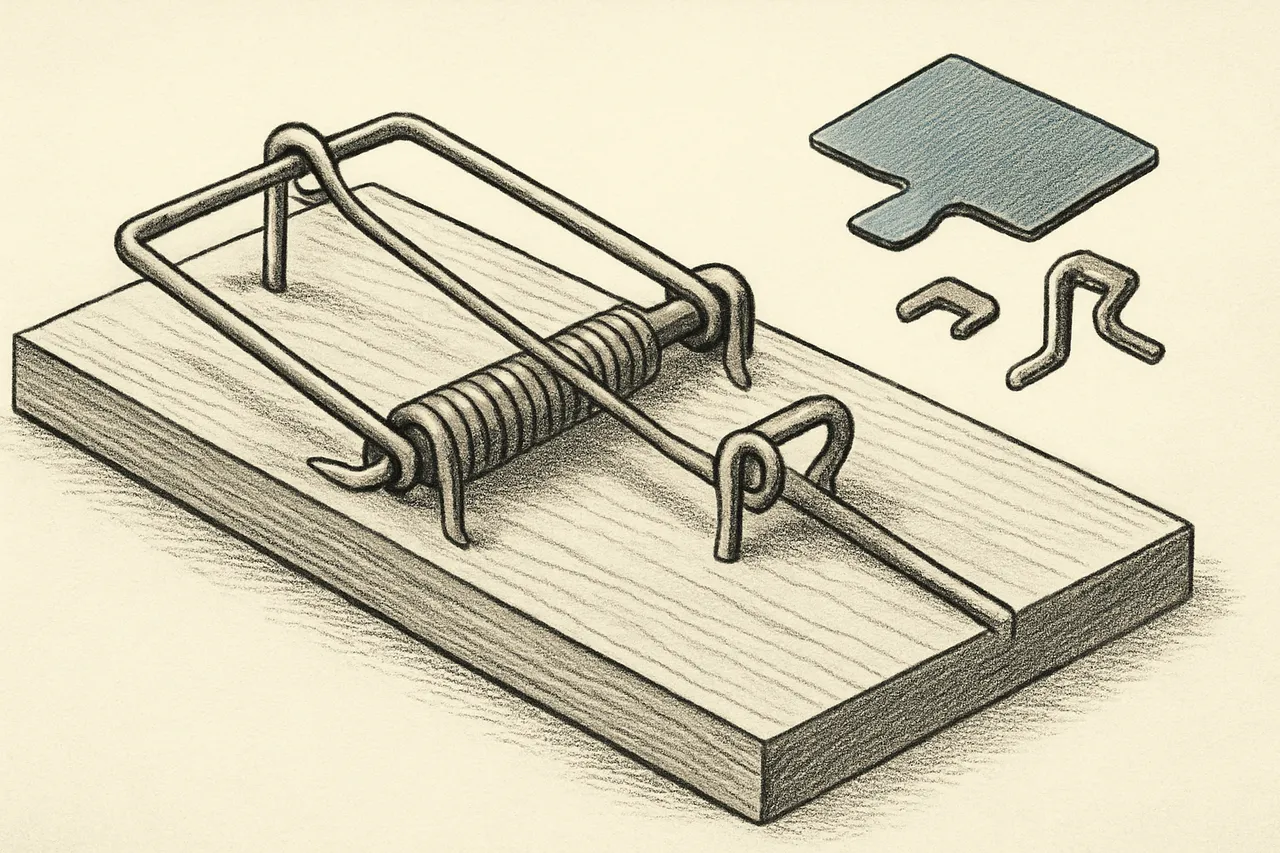
The Mousetrap Is the Most-Patented Device in American History. Almost None of Them Work.
More than four thousand mousetrap patents have been granted in the United States, and thousands more rejected. Roughly twenty have ever made money. The one that won was patented in 1894 and costs about a quarter.
Read the story →