The Patent for a Mask That Physically Stops You From Eating
In 1982, a patent was granted for an 'anti-eating face mask' — a cup-shaped cage strapped over the mouth and locked, intended to prevent the wearer from eating between meals. It is one part diet aid, one part muzzle, and entirely real.
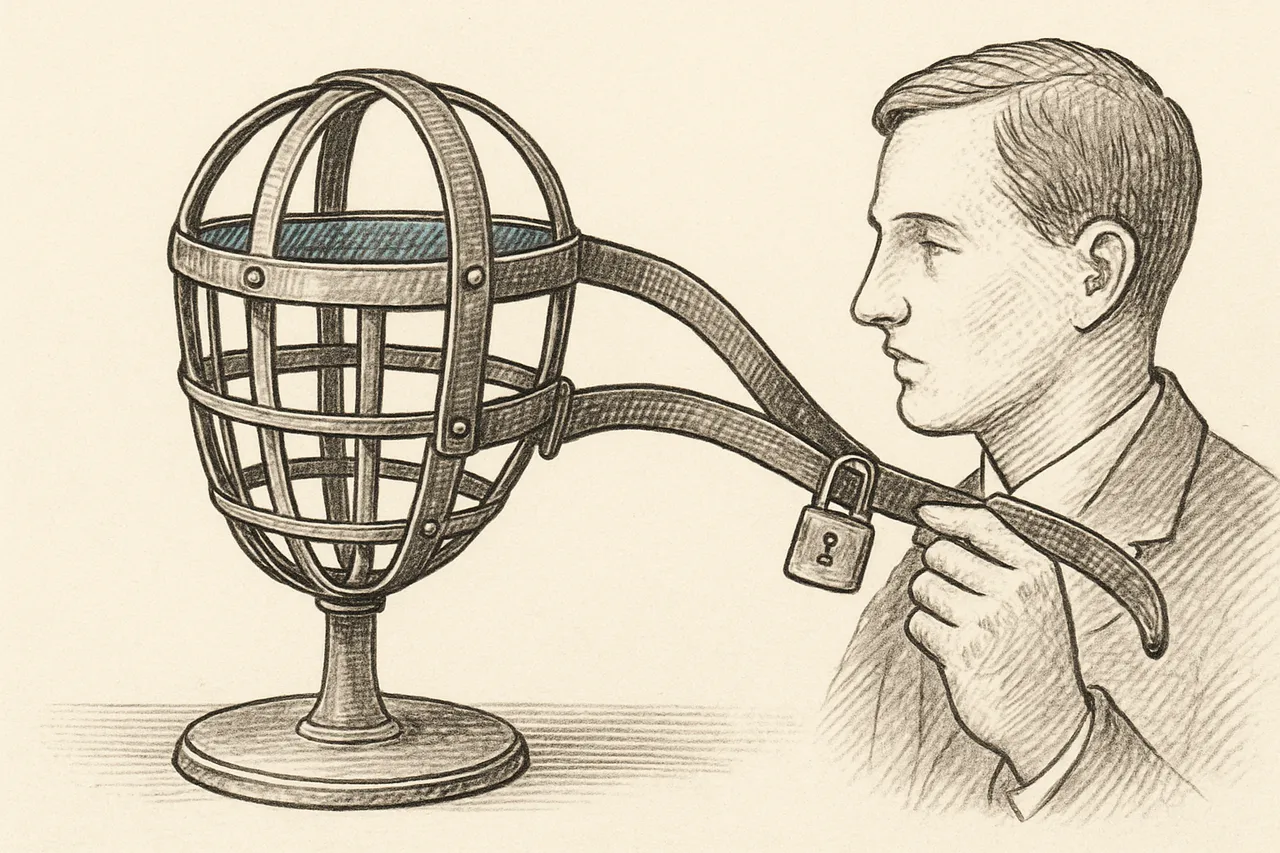
US4344424 was granted on August 17, 1982, to Lucy Barmby. The title is "Anti-Eating Face Mask." The invention is a device intended to help people lose weight through the direct and uncompromising method of making it physically impossible for them to put food in their mouths.
The mask is described as a cup-like cover that fits over the nose and mouth, held in place by straps passing around the head, and secured with a lock. Air holes allow the wearer to breathe. The opening is too small, and the structure too rigid, to admit food or drink of any substance. The patent explains that the device is intended to be worn between meals, and specifically to defeat the impulse to snack — the wearer, confronted with the desire to eat something they shouldn't, is simply unable to.
The logic, such as it is
The patent's reasoning is stated plainly and is internally consistent, which is part of what makes it unsettling as well as funny. Overeating and snacking, it observes, are matters of impulse and habit; willpower frequently fails; therefore a device that removes the physical possibility of eating would succeed where willpower does not. It is the diet equivalent of throwing your alarm clock across the room so you can't hit snooze — except strapped to your face and locked.
The obvious objections write themselves. The mask does nothing about the meals themselves. It raises immediate and serious safety questions — a locked mask over the mouth is a genuine hazard in the event of nausea or a coughing fit, which the patent addresses only glancingly. And there is something undeniably grim about a weight-loss device whose mechanism is indistinguishable from a muzzle.
Why it's remembered
The anti-eating mask endures on "strangest patents" lists because it sits at an uncomfortable intersection the more whimsical novelty patents avoid. The pat-on-the-back machine and the dog-ear protector are gentle and a little sweet. This one is not. It is a sincere, functional, buildable device that treats the human body as a problem to be mechanically restrained, and it was granted a United States patent on exactly the same terms as an insulin pump or a pacemaker: novel, non-obvious, adequately described.
It is a useful reminder that the patent system is a filter for originality, not for wisdom, kindness, or good judgment. The office does not ask whether an invention should exist. US4344424 is what that gap looks like when someone builds into it, in earnest, with careful drawings and a locking strap.
See the original
The full text and figures of US4344424 are on patents.us.
Related stories
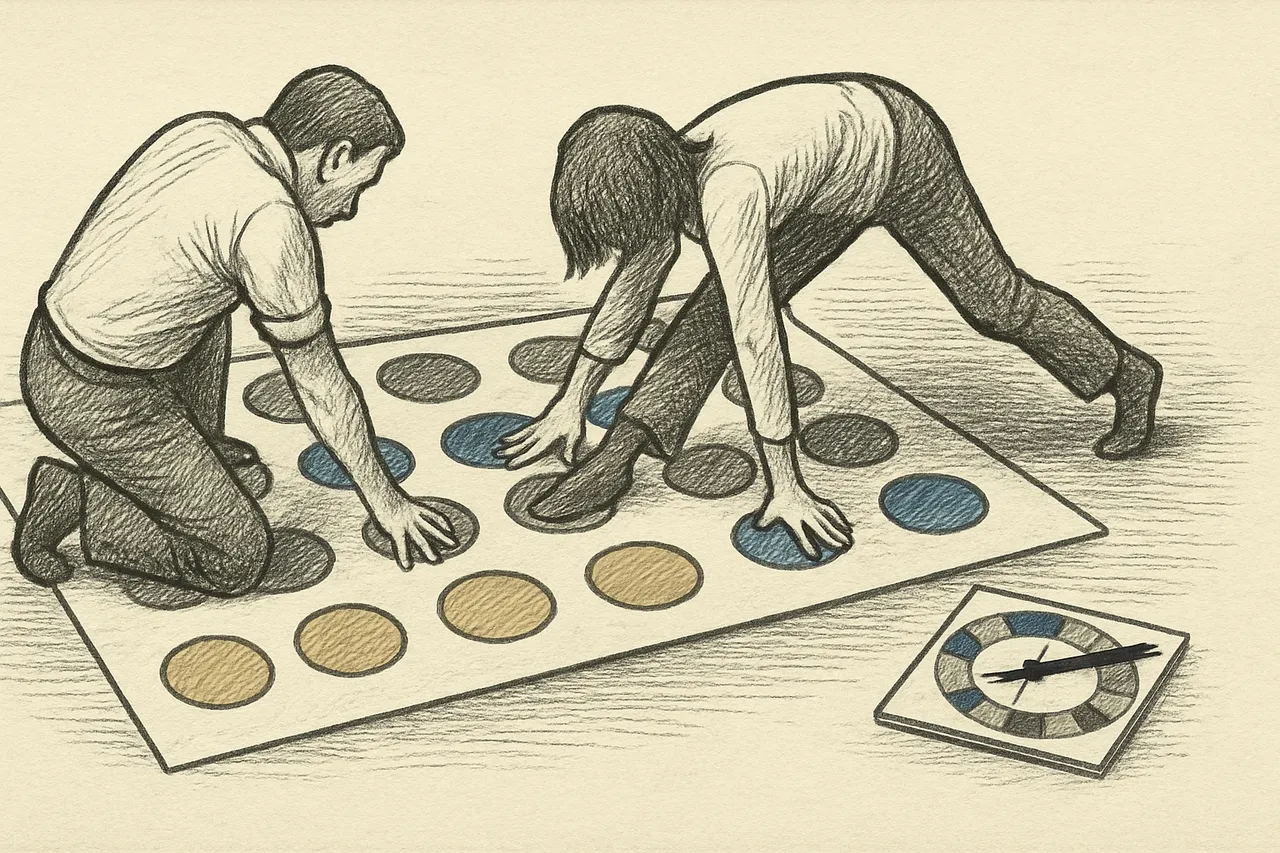
Twister's Patent Is Titled 'Apparatus for Playing a Game Wherein the Players Constitute the Game Pieces'
The patent title is the whole idea: the people are the pieces. Milton Bradley released the game in 1966, some retailers were wary of it, and critics found it a little too intimate. Then Johnny Carson played it on television with Eva Gabor, and the orders poured in.
Read the story →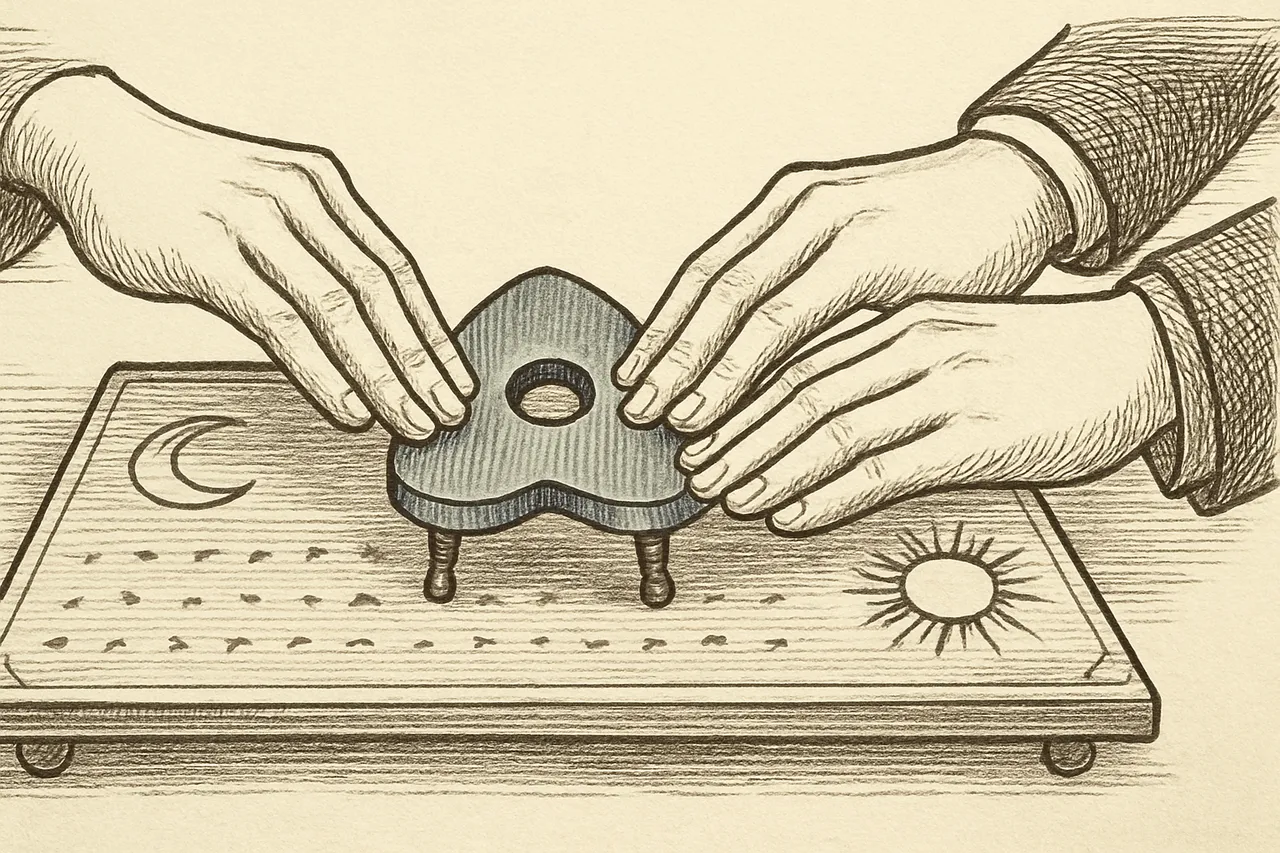
The Ouija Board's 1891 Patent Calls It an 'Egyptian Luck-Board' and Never Says How It Works
Elijah Bond's patent describes a board and a small pointer on legs, and makes no claim about what moves the pointer. The popular legend says the patent examiner demanded a demonstration first. The science, worked out decades before the patent, says the players are moving it themselves without realizing it.
Read the story →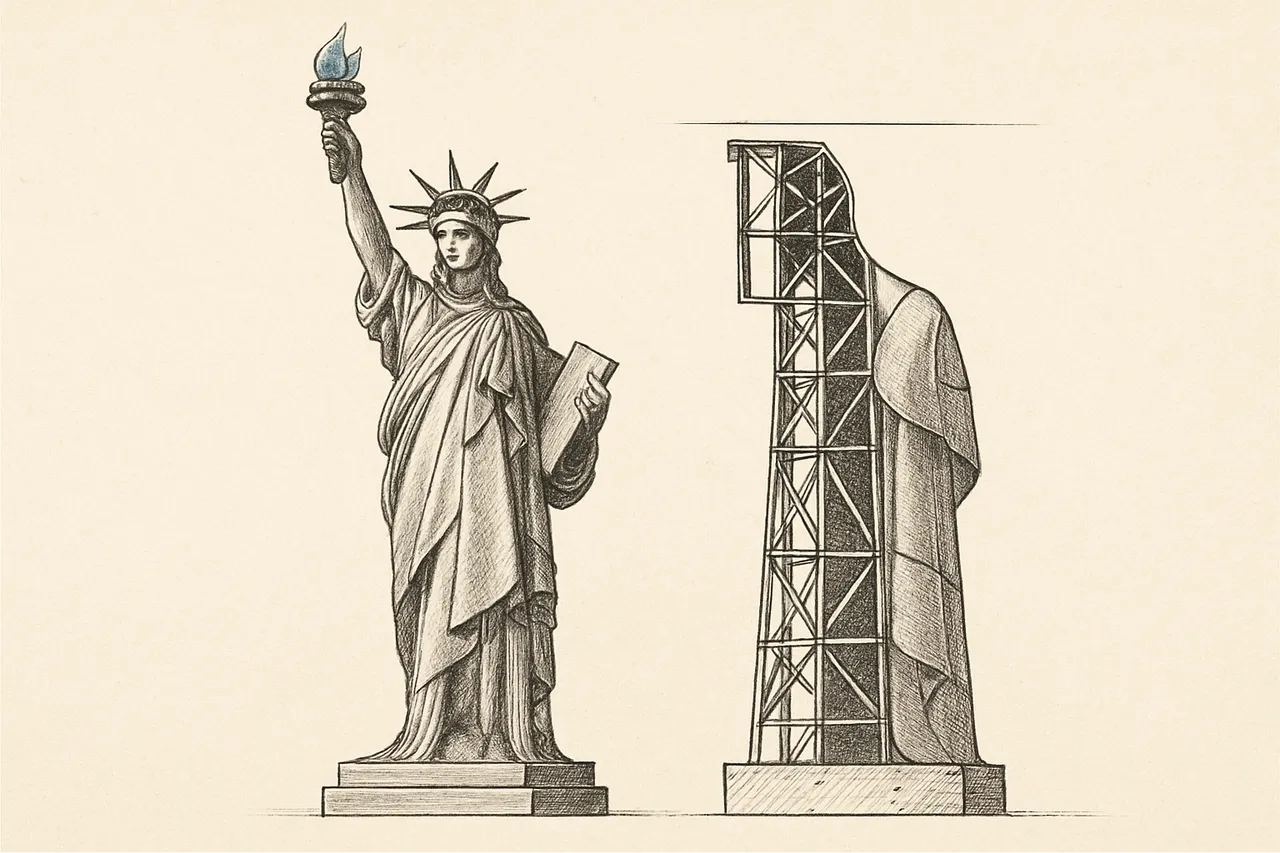
The Statue of Liberty Was Patented in 1879, Seven Years Before It Was Dedicated
Auguste Bartholdi received US Design Patent 11,023 in February 1879 for a statue that would not stand in New York Harbor until 1886. Replicas were a fundraising tool for a project that was chronically short of money, and a design patent gave control over who could legally make them.
Read the story →
The Mousetrap Is the Most-Patented Device in American History. Almost None of Them Work.
More than four thousand mousetrap patents have been granted in the United States, and thousands more rejected. Roughly twenty have ever made money. The one that won was patented in 1894 and costs about a quarter.
Read the story →