The Patent for Keeping a Dog's Ears Out of Its Food
In 2002, a patent was granted for a set of tubes that slip over the long ears of breeds like spaniels and setters, holding them up and back so they don't drag through the food bowl. It is deeply silly and, if you own such a dog, deeply reasonable.
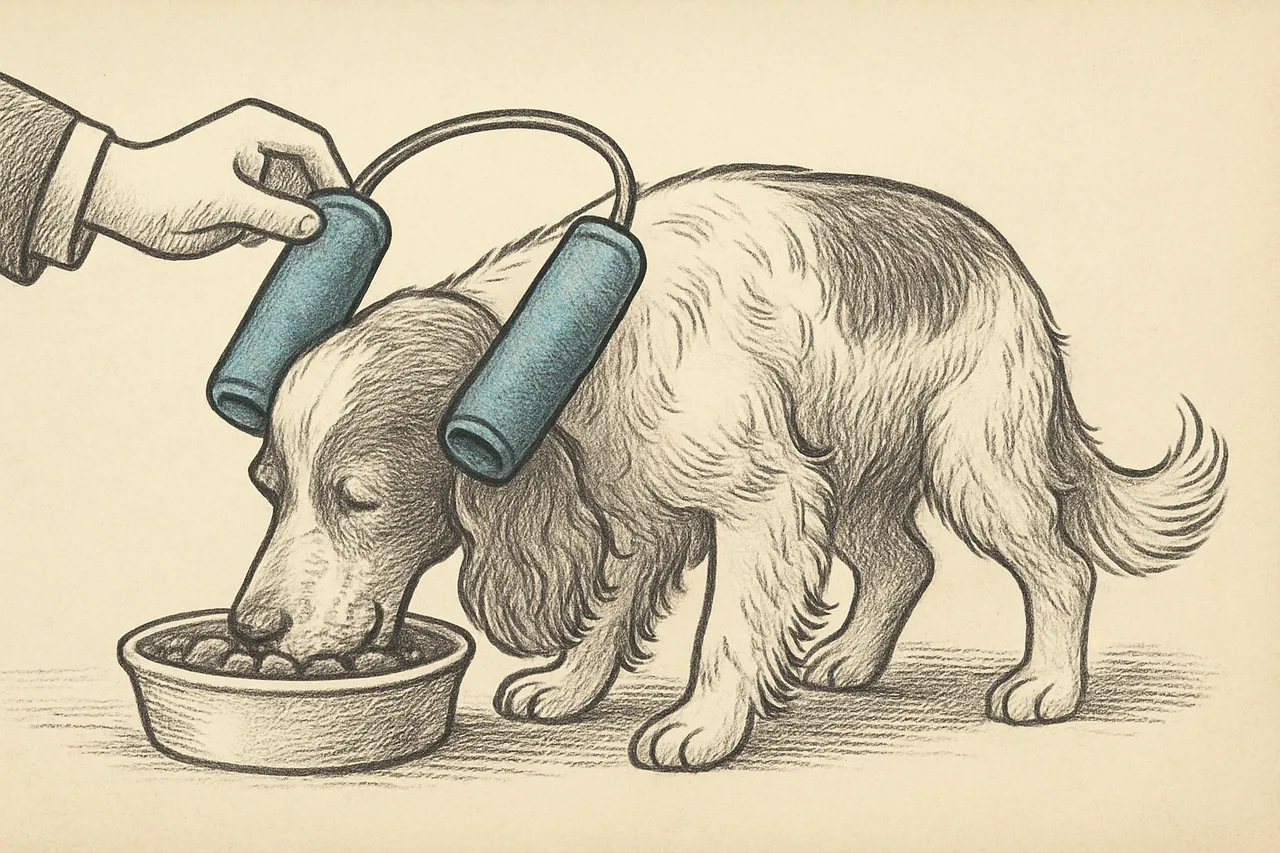
US6360693 was granted on March 26, 2002. The title is "Animal Ear Protector." The invention addresses a problem that is genuinely familiar to owners of long-eared dog breeds — cocker spaniels, basset hounds, Irish setters, and the like — and genuinely absurd to everyone else: the dog's ears, which hang down past its jaw, trail directly through its food and water as it eats and drinks, ending up soiled, matted, and unpleasant.
The device is a pair of lightweight tubes, open along one side, that slip over each ear and are held together over the top of the dog's head by an adjustable connector. With the ears gathered up into the tubes and secured back out of the way, the dog can eat without dipping its ears into the bowl. The patent describes the materials (soft, flexible, washable), the sizing adjustments for different breeds, and the method of attachment.
Real problem, real solution, ridiculous premise
What makes the ear-protector patent a permanent resident of "strangest patents" lists is not that it doesn't work — it plainly does — but the sheer specificity of the problem it solves and the earnestness with which it solves it. There is a certain kind of patent that is funny precisely because it is correct: someone identified a small, real, irritating problem, engineered a sensible solution, drafted careful claims, paid the fees, and received a United States patent for dog-ear tubes.
It sits alongside the toilet-fire snorkel and the pat-on-the-back machine in the "sincere and slightly ridiculous" category — inventions that are neither cynical nor obvious, just narrow. The USPTO's tests are novelty and non-obviousness, not importance. A thing can be genuinely novel, genuinely non-obvious, genuinely useful to a small number of people with muddy-eared dogs, and still be genuinely funny. All of those are true at once here.
The larger pattern
The patent record is full of these. For every telephone or integrated circuit there are thousands of ear protectors, gravy boats with anti-drip lips, improved mousetraps, and novelty hats — small solutions to small problems, filed by people who noticed something annoying and decided to fix it properly. Most are never manufactured. A few, like this one, actually are: variations on the dog-ear protector are sold today, to the modest but real market of people whose spaniels keep dunking their ears in the water dish.
It is not a patent that changed the world. It is a patent that made one specific corner of the world slightly less soggy, and got a government-issued monopoly for doing so.
See the original
The full text and figures of US6360693 are on patents.us.
Related stories
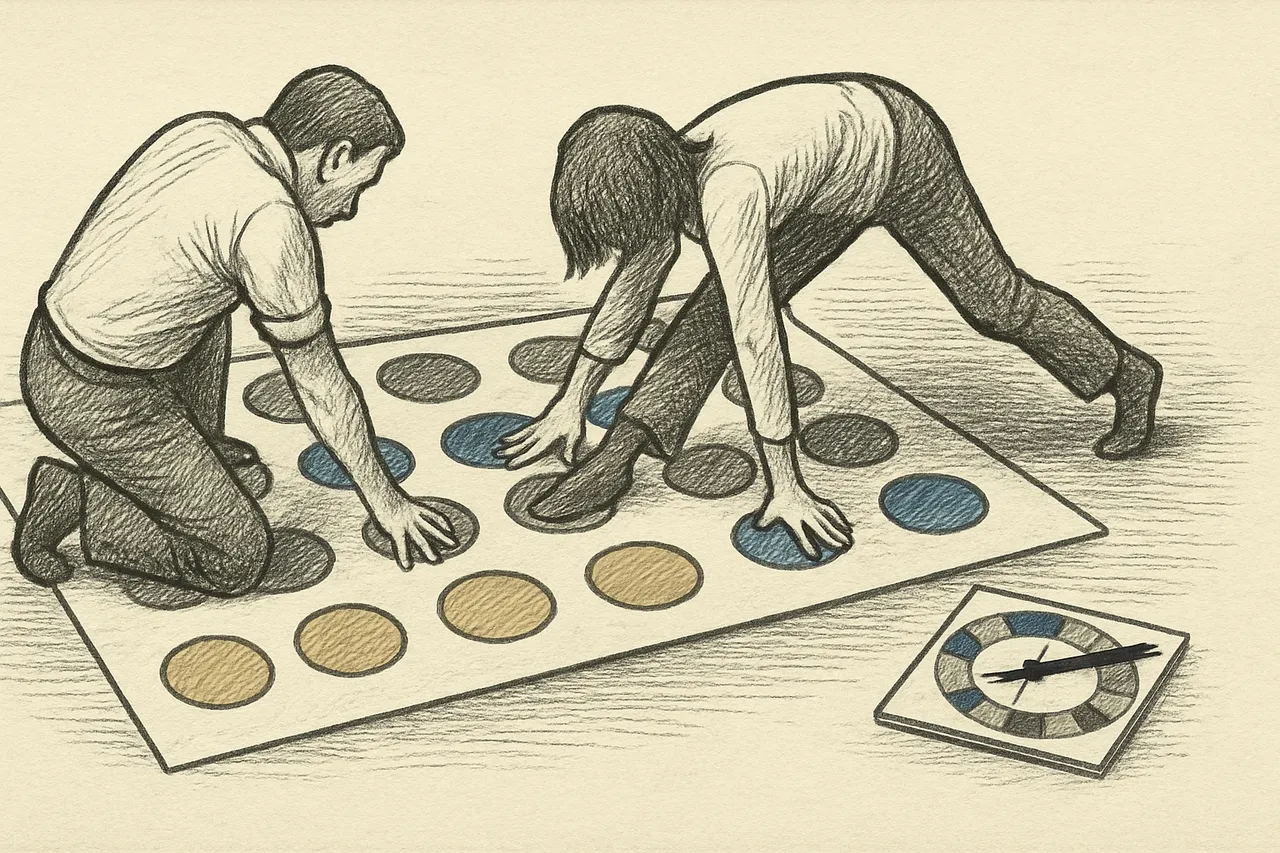
Twister's Patent Is Titled 'Apparatus for Playing a Game Wherein the Players Constitute the Game Pieces'
The patent title is the whole idea: the people are the pieces. Milton Bradley released the game in 1966, some retailers were wary of it, and critics found it a little too intimate. Then Johnny Carson played it on television with Eva Gabor, and the orders poured in.
Read the story →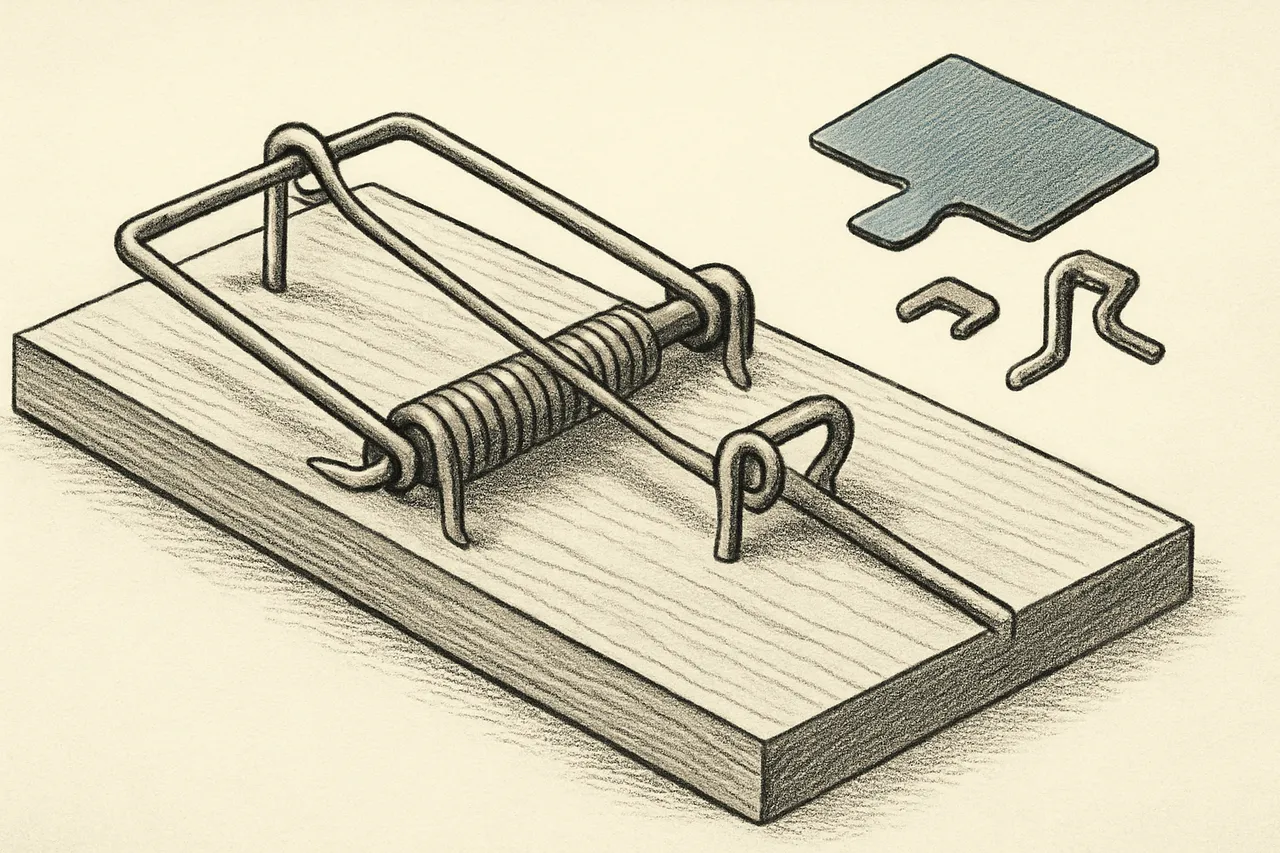
The Mousetrap Is the Most-Patented Device in American History. Almost None of Them Work.
More than four thousand mousetrap patents have been granted in the United States, and thousands more rejected. Roughly twenty have ever made money. The one that won was patented in 1894 and costs about a quarter.
Read the story →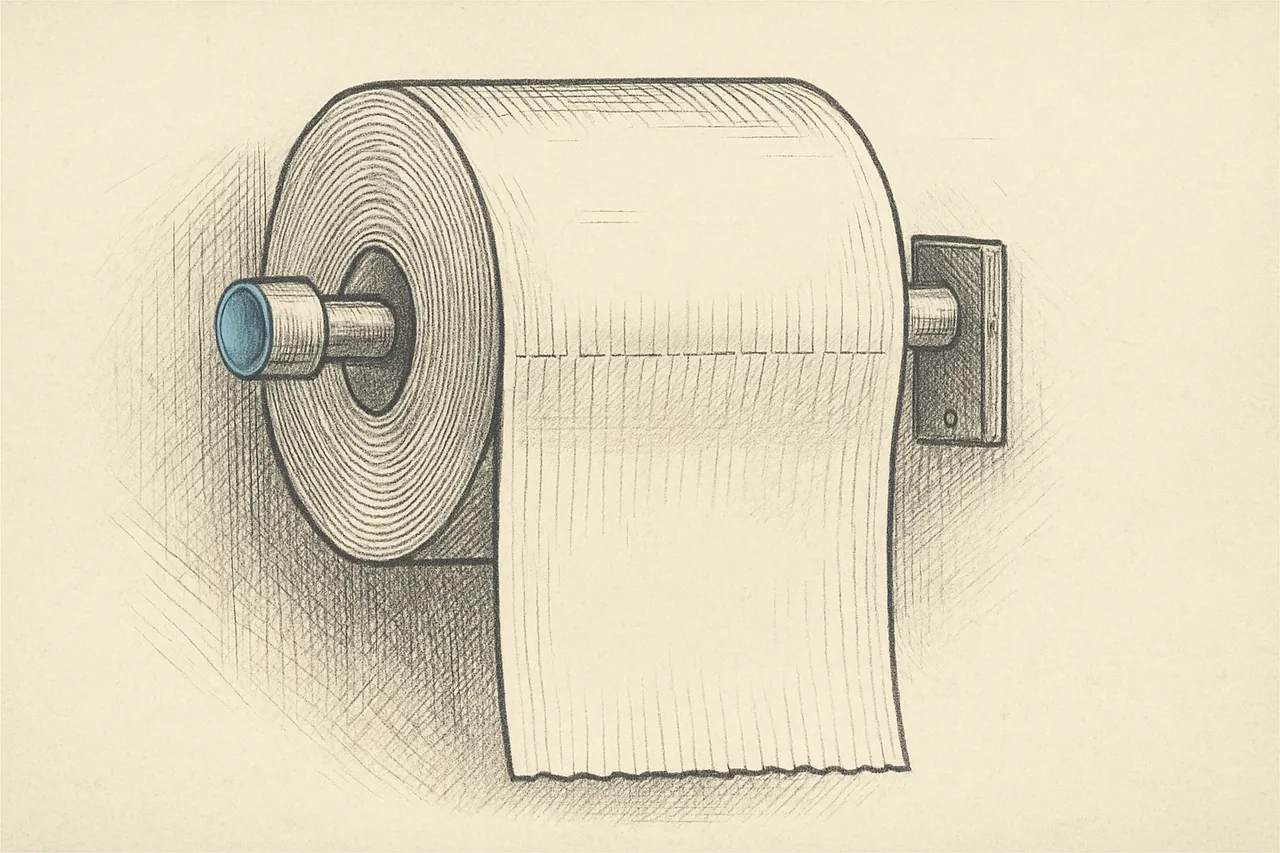
The 1891 Patent That Settles the Toilet Paper Argument: It's Over
Households have argued about whether the roll should hang over or under for more than a century. The original patent drawing, filed by Seth Wheeler in 1891, shows the paper coming over the top. The inventor's own diagram is not ambiguous.
Read the story →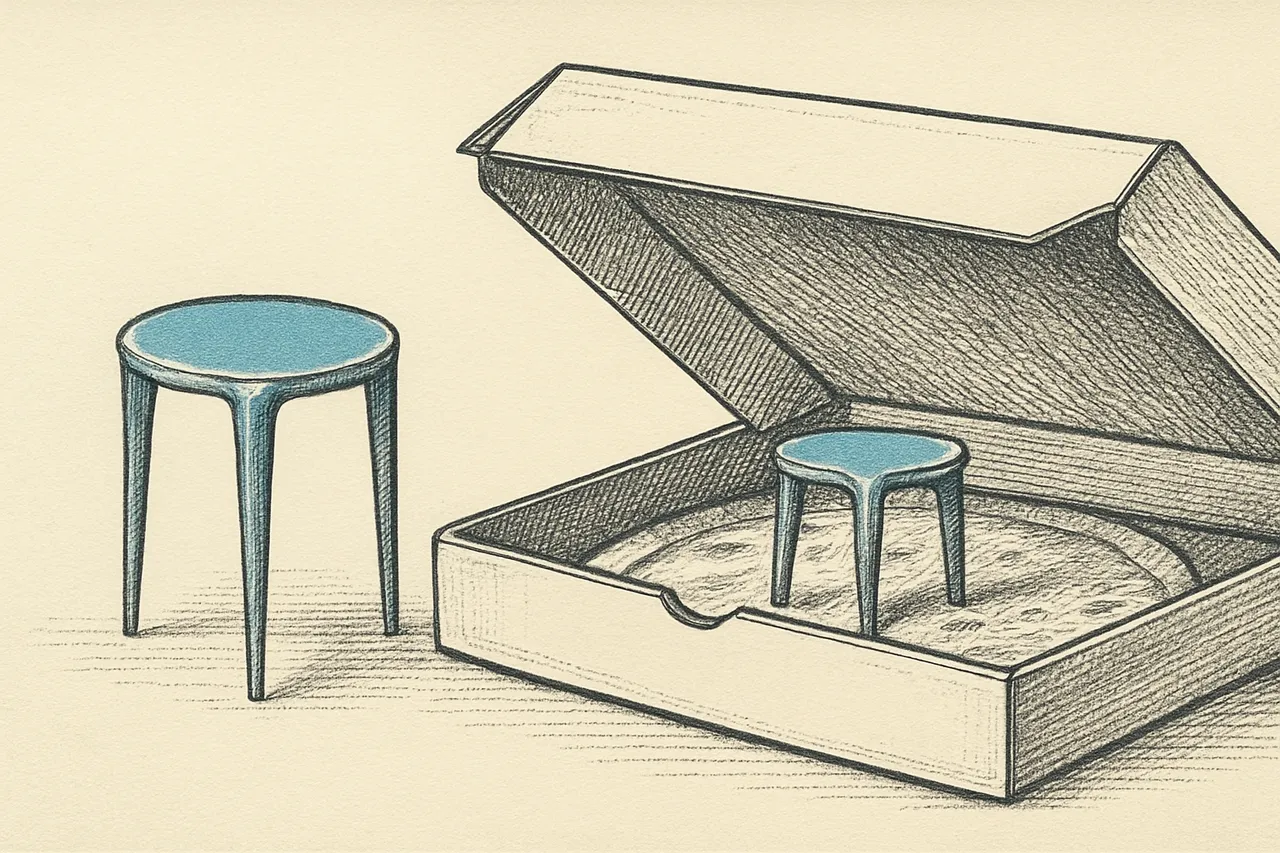
Someone Patented the Little Plastic Table in Your Pizza Box
The three-legged plastic stool in the middle of a delivered pizza has a name, a purpose, and a 1985 United States patent. It exists because a hot cardboard lid sags, and a sagging lid ruins the cheese.
Read the story →