The Greenhouse Helmet: A Patent to Grow Plants on Your Own Head
In 1979, the USPTO granted a patent for a clear domed helmet, worn over the head, containing live plants — so the wearer could breathe air freshened by their own personal, portable garden. It is exactly as wonderful and impractical as it sounds.

US4172455 was granted on October 30, 1979, to Waldemar Anguita. The title is "Greenhouse Helmet." The invention is a transparent domed helmet, worn over the head like a diving bell or a space helmet, containing small live plants. The stated purpose is to surround the wearer's head with a personal, portable greenhouse whose plants supply fresh, oxygen- enriched air.
The reasoning is drawn straight from grade-school biology. Plants take in carbon dioxide and release oxygen through photosynthesis. A person, breathing inside the sealed helmet, exhales carbon dioxide, which the plants consume; the plants in turn release oxygen, which the person breathes. In principle, the patent suggests, the wearer and the plants form a closed, mutually sustaining little ecosystem, and the wearer enjoys a continuous supply of clean, fragrant, plant-freshened air wherever they go.
The trouble with the idea
The greenhouse helmet is a masterpiece of the sincere-but-hopeless patent, because the biology it invokes is real and the execution is preposterous. A few small potted plants do not produce anywhere near enough oxygen to sustain an adult human's breathing — you would need something on the order of hundreds of plants, and bright light, to keep pace with a single person's respiration. Sealed inside a small transparent dome, the wearer would grow lightheaded from carbon dioxide long before the geraniums made any meaningful difference. The plants, for their part, would not do well in the warm, humid, low-light environment of a helmet, and would need soil, water, and drainage, all balanced on the wearer's head.
There is also the matter of simply walking around with a dome full of plants on your head, which the patent's drawings depict with total seriousness.
Why we love it
The greenhouse helmet endures on "strangest patents" lists because it is so purely, optimistically absurd. It is not cynical. It is not a trivial method patent dressed up in legalese. It is a genuine, buildable, carefully illustrated device built on a real scientific principle, aimed at a lovely idea — carrying your own little garden with you, breathing clean green air in a polluted world — that collapses the instant it meets the actual numbers of human respiration.
It belongs to the same warm family as the other sincere-whimsy patents in this archive: inventions that the world did not need, that were never going to work, and that make you like their inventors more, not less, for having tried. Somewhere there is a formal United States patent for wearing a terrarium as a hat, and the world is slightly better for it.
See the original
The full text and figures of US4172455 are on patents.us.
Related stories
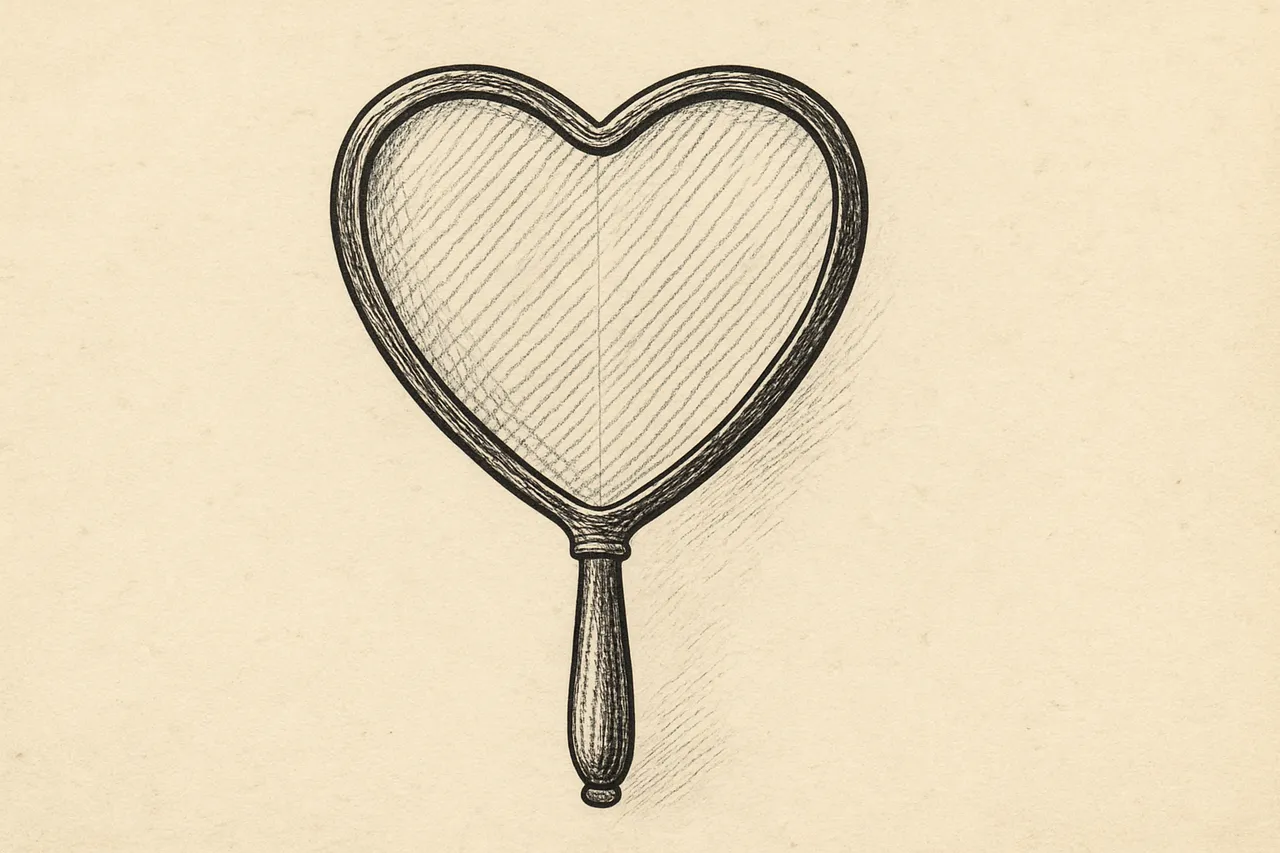
The Kissing Shield: A Patented Membrane for Germ-Free Affection
In 1998, the USPTO granted a patent for a thin membrane stretched across a heart-shaped handle, held between two people so they could kiss without exchanging germs. It won an Ig Nobel Prize. It was also, its inventor insisted, entirely serious.
Read the story →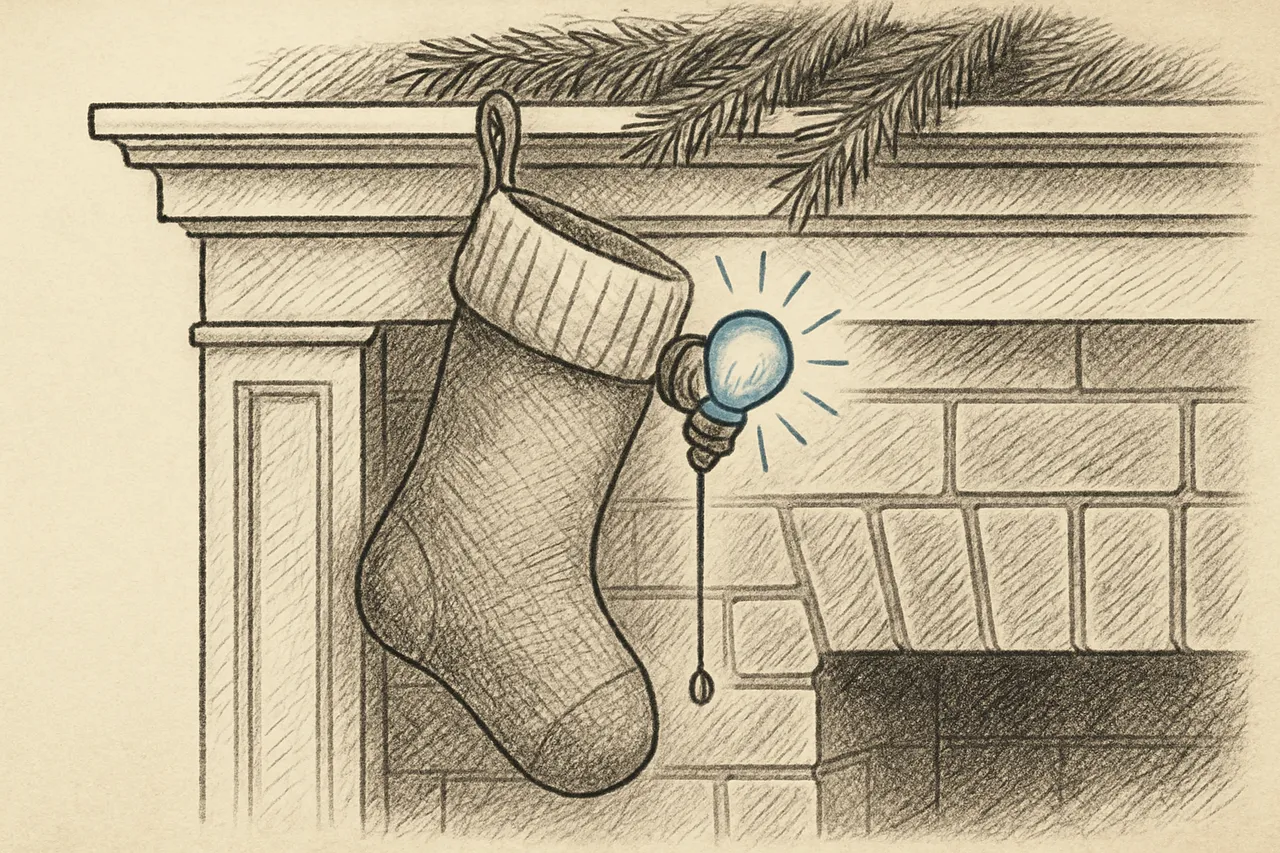
The Santa Claus Detector
In 1996, the USPTO granted a patent for a Christmas stocking rigged with a light that switches on when Santa arrives. The patent's stated purpose is to give children 'a visual indication' of Santa's visit — filed, apparently, in complete earnest.
Read the story →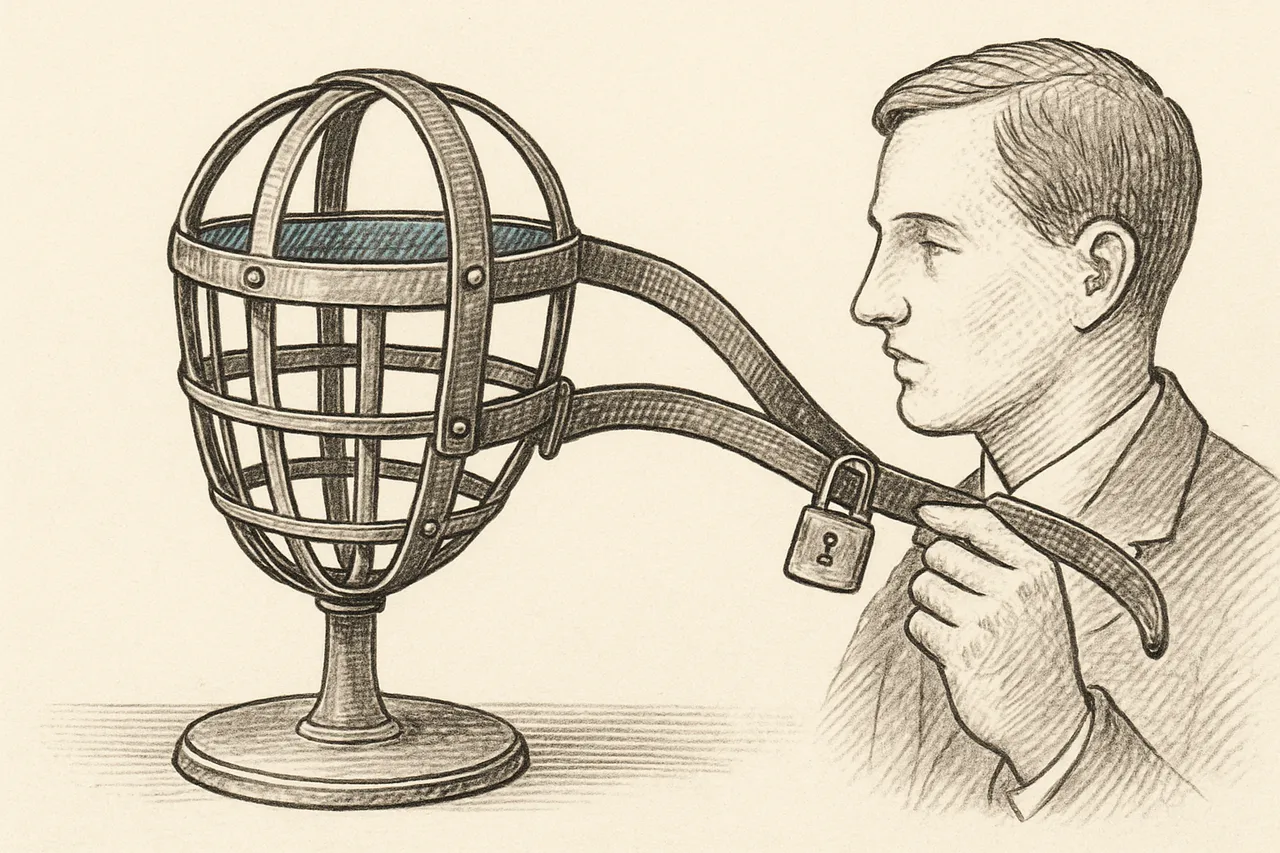
The Patent for a Mask That Physically Stops You From Eating
In 1982, a patent was granted for an 'anti-eating face mask' — a cup-shaped cage strapped over the mouth and locked, intended to prevent the wearer from eating between meals. It is one part diet aid, one part muzzle, and entirely real.
Read the story →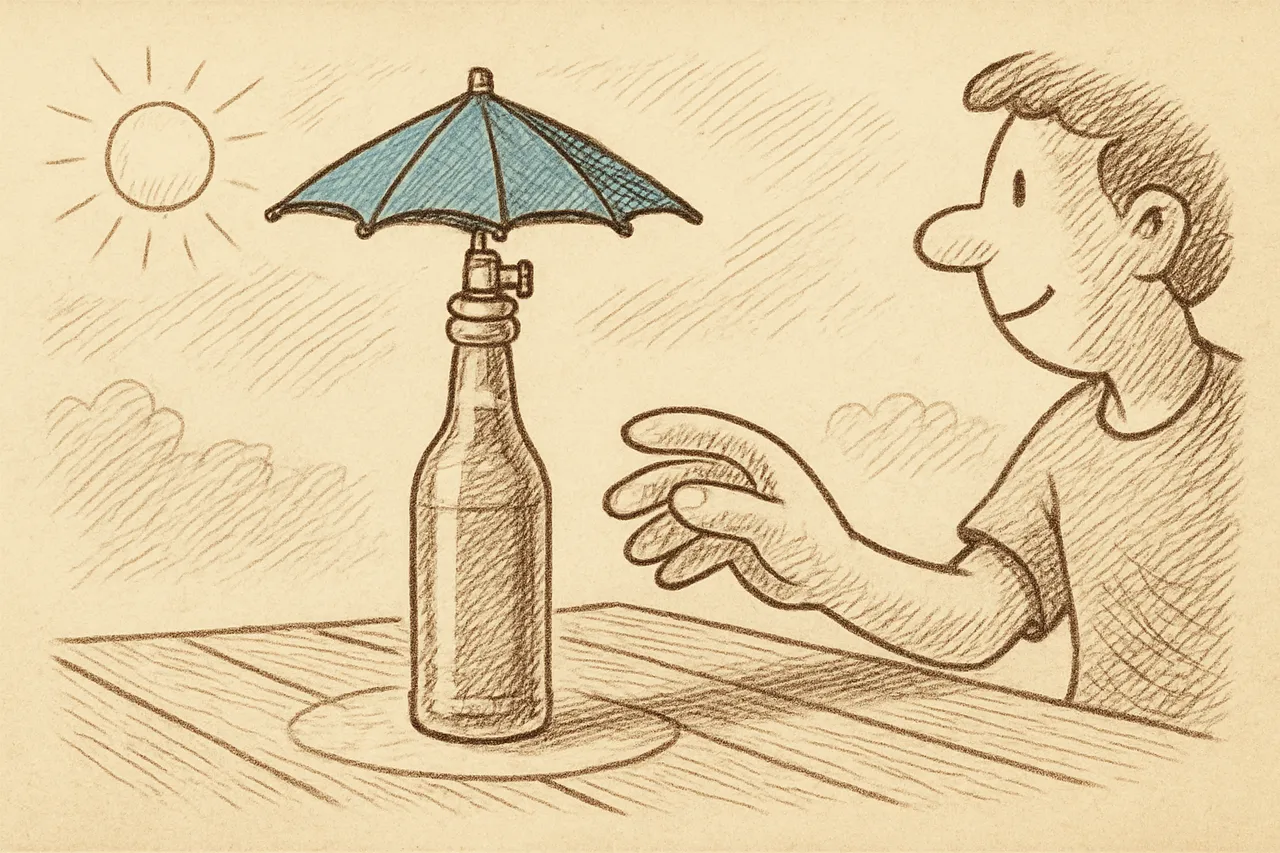
The Beerbrella: A Tiny Umbrella Whose Only Job Is to Shade Your Beer
In 2003, the USPTO granted a patent for a miniature umbrella, roughly the size of a saucer, that clamps onto a beer bottle to keep the sun off it. The name in the official patent title is, in full legal seriousness, the 'Beerbrella.'
Read the story →