The Ouija Board's 1891 Patent Calls It an 'Egyptian Luck-Board' and Never Says How It Works
Elijah Bond's patent describes a board and a small pointer on legs, and makes no claim about what moves the pointer. The popular legend says the patent examiner demanded a demonstration first. The science, worked out decades before the patent, says the players are moving it themselves without realizing it.
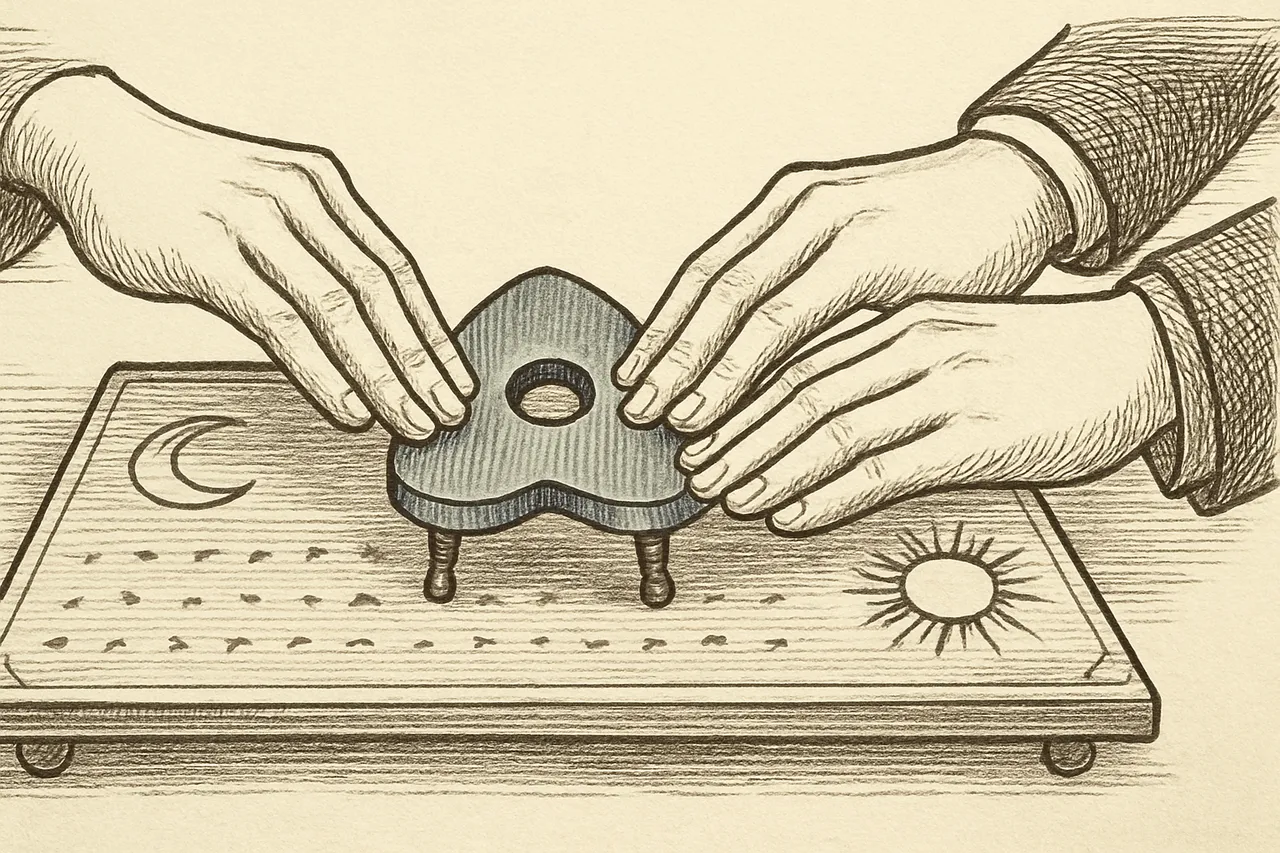
US446054 was granted to Elijah J. Bond of Baltimore, Maryland, on February 10, 1891. The Patent Office title is Toy or Game. The specification describes the invention, in its own words, as "an Ouija or Egyptian luck-board."
That is a toy patent, and it reads like one. It describes the construction of a board and a pointer. It says nothing about spirits, and nothing about what makes the pointer move.
Spiritualism
The Ouija board did not come from nowhere. It arrived at the end of several decades of intense public interest in contacting the dead.
Spiritualism grew rapidly in the United States from the late 1840s, and the Civil War gave it an enormous audience. Hundreds of thousands of families had lost someone, often far from home and without a body to bury. Séances, table-tipping, and messages rapped out on furniture were common entertainments and, for many people, sincere attempts at consolation.
Mediums had already been using devices to spell out messages. The planchette, a small board on casters with a pencil through it, became popular in the 1850s and 1860s. Participants rested their hands on it and it wrote, or appeared to. Homemade talking boards with printed alphabets were in use before Bond's patent.
What the patent describes
The product that came out of the patent is the familiar one: a flat board printed with the alphabet, the numbers, and the words yes and no, along with a small pointer standing on short legs. Two players rest their fingertips on the pointer, ask a question, and the pointer glides from letter to letter.
Bond and his business partners formed a company to make and sell it, and the board sold well from the start.
The examiner story
The most repeated story about this patent is that the examiner in Washington refused to grant it until the inventors proved the board worked, and that when they sat down with it in the Patent Office, it correctly spelled out the examiner's name, which none of them were supposed to know. The patent was then granted.
It is a wonderful story. It comes from the company's own lore, and nobody has found a document that supports it. Treat it as part of the product's marketing, which is what it most likely was.
The name has a similar history. According to the founders, they asked the board what it wanted to be called, and it spelled out Ouija, which it said meant good luck. That is where the patent's "Egyptian luck-board" comes from. The more familiar explanation, that the word combines the French and German words for yes, appeared later.
The ideomotor effect
The actual mechanism was understood before the board existed.
In 1852 the physiologist William B. Carpenter described what he called the ideomotor effect: people can make small physical movements in response to an idea or an expectation without being aware that they are moving at all. The following year Michael Faraday tested table-turning directly. He built a simple apparatus of layered cards under the sitters' hands that revealed which way their hands were pushing, and showed that the table moved because the sitters were pushing it, unconsciously.
A Ouija pointer is ideal for this. It is light, it slides easily, and two people share control of it, so each can sincerely believe the other is not pushing. Nobody feels themselves steering. When the players cannot see the board, the messages tend to stop making sense, which is about as clean a demonstration of the mechanism as anyone could want.
Afterward
The rights passed through several hands and eventually to William Fuld, who ran the business for years and became closely identified with it. Parker Brothers bought the board in 1966, and it reportedly sold in huge numbers the following year, putting it briefly in the company of Parker Brothers' own biggest seller, the game whose origins are covered in our story on the woman who invented Monopoly.
The patent itself has a certain honesty about it. It does not claim to have invented a way to reach the dead. It claims a toy or game, and on that point, at least, it is exactly accurate.
See the original
The full text and figures of US446054 are on patents.us.
Related stories
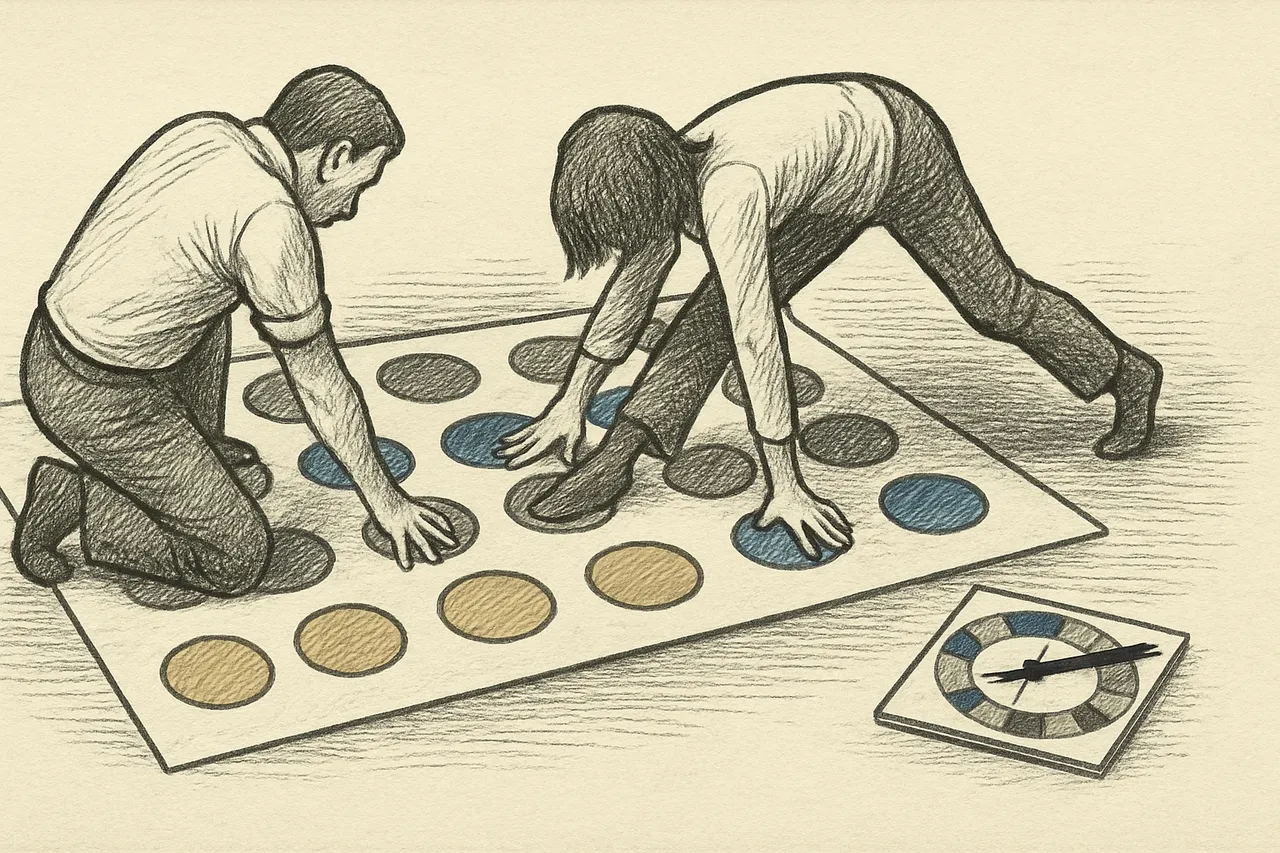
Twister's Patent Is Titled 'Apparatus for Playing a Game Wherein the Players Constitute the Game Pieces'
The patent title is the whole idea: the people are the pieces. Milton Bradley released the game in 1966, some retailers were wary of it, and critics found it a little too intimate. Then Johnny Carson played it on television with Eva Gabor, and the orders poured in.
Read the story →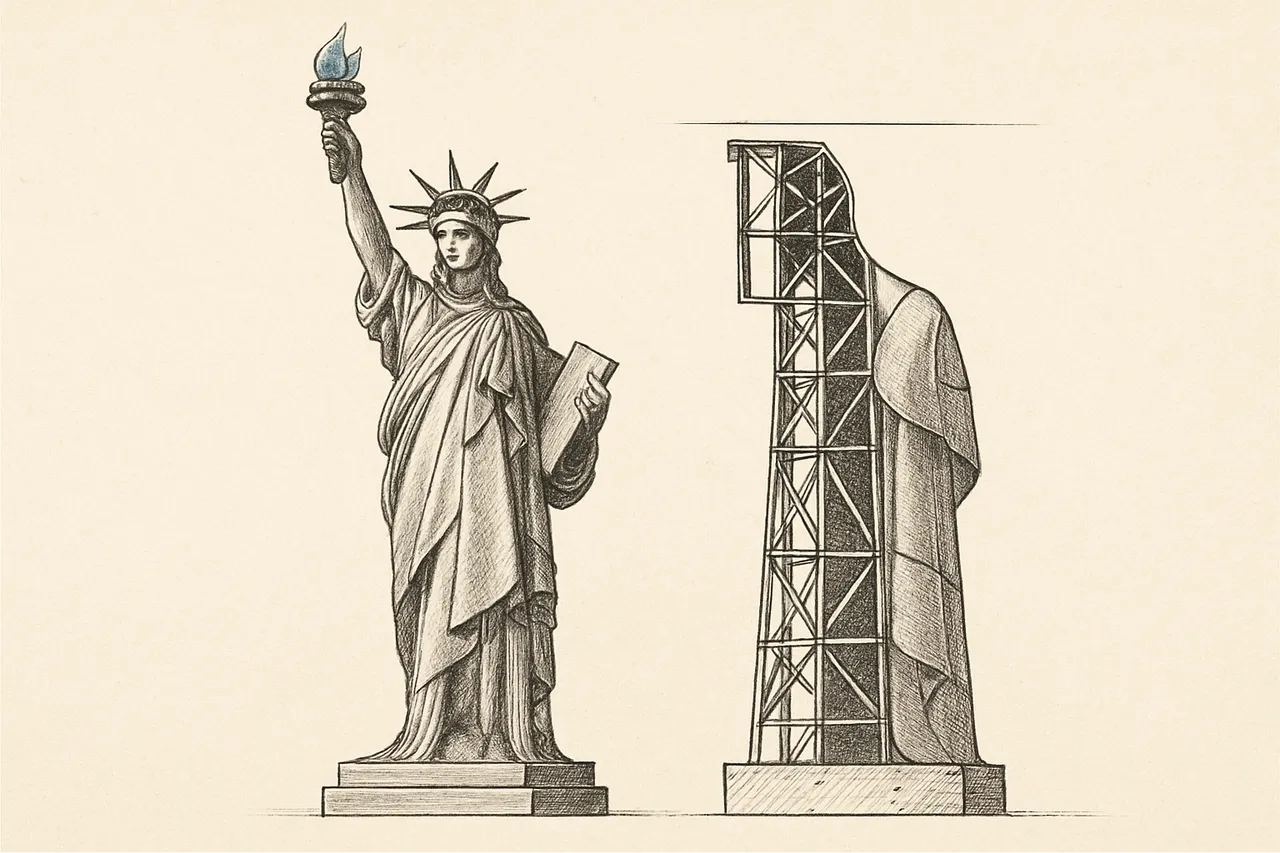
The Statue of Liberty Was Patented in 1879, Seven Years Before It Was Dedicated
Auguste Bartholdi received US Design Patent 11,023 in February 1879 for a statue that would not stand in New York Harbor until 1886. Replicas were a fundraising tool for a project that was chronically short of money, and a design patent gave control over who could legally make them.
Read the story →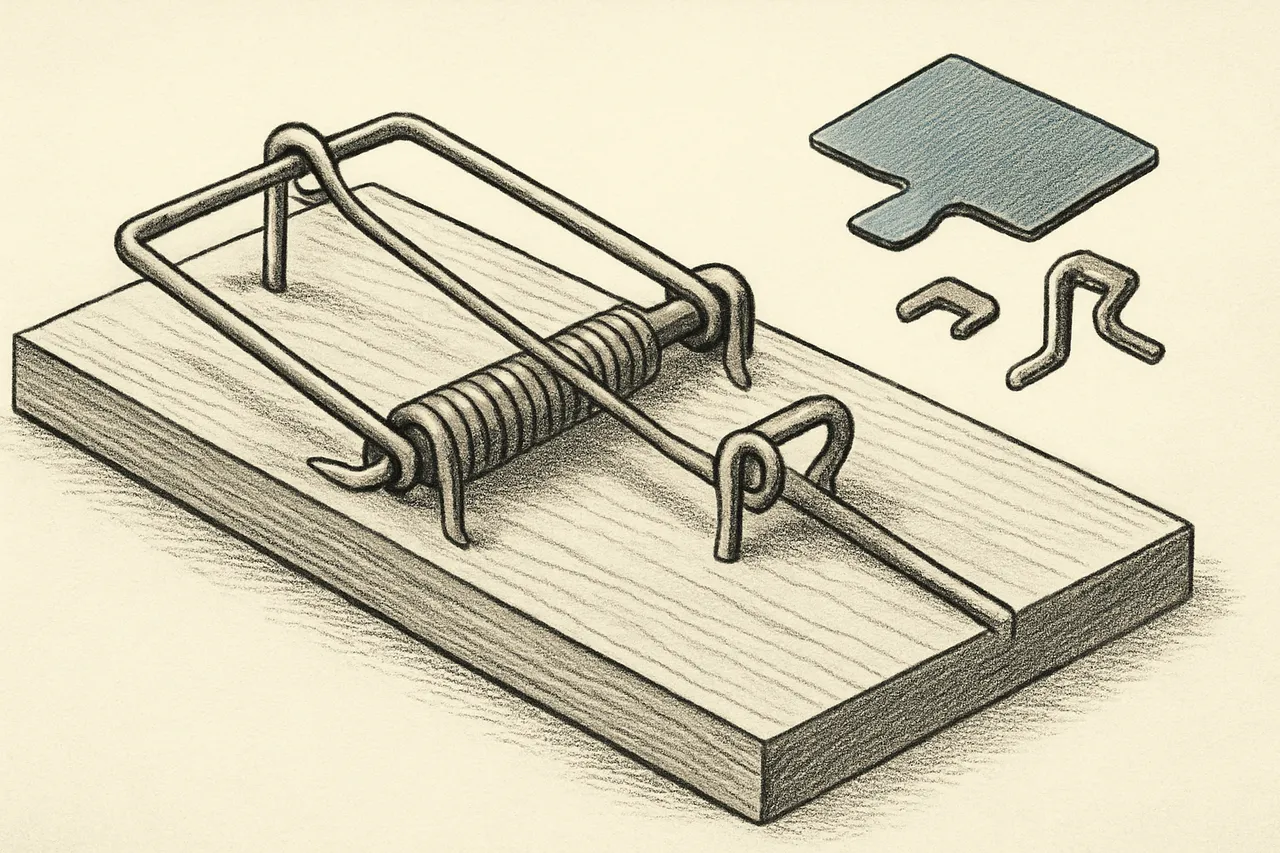
The Mousetrap Is the Most-Patented Device in American History. Almost None of Them Work.
More than four thousand mousetrap patents have been granted in the United States, and thousands more rejected. Roughly twenty have ever made money. The one that won was patented in 1894 and costs about a quarter.
Read the story →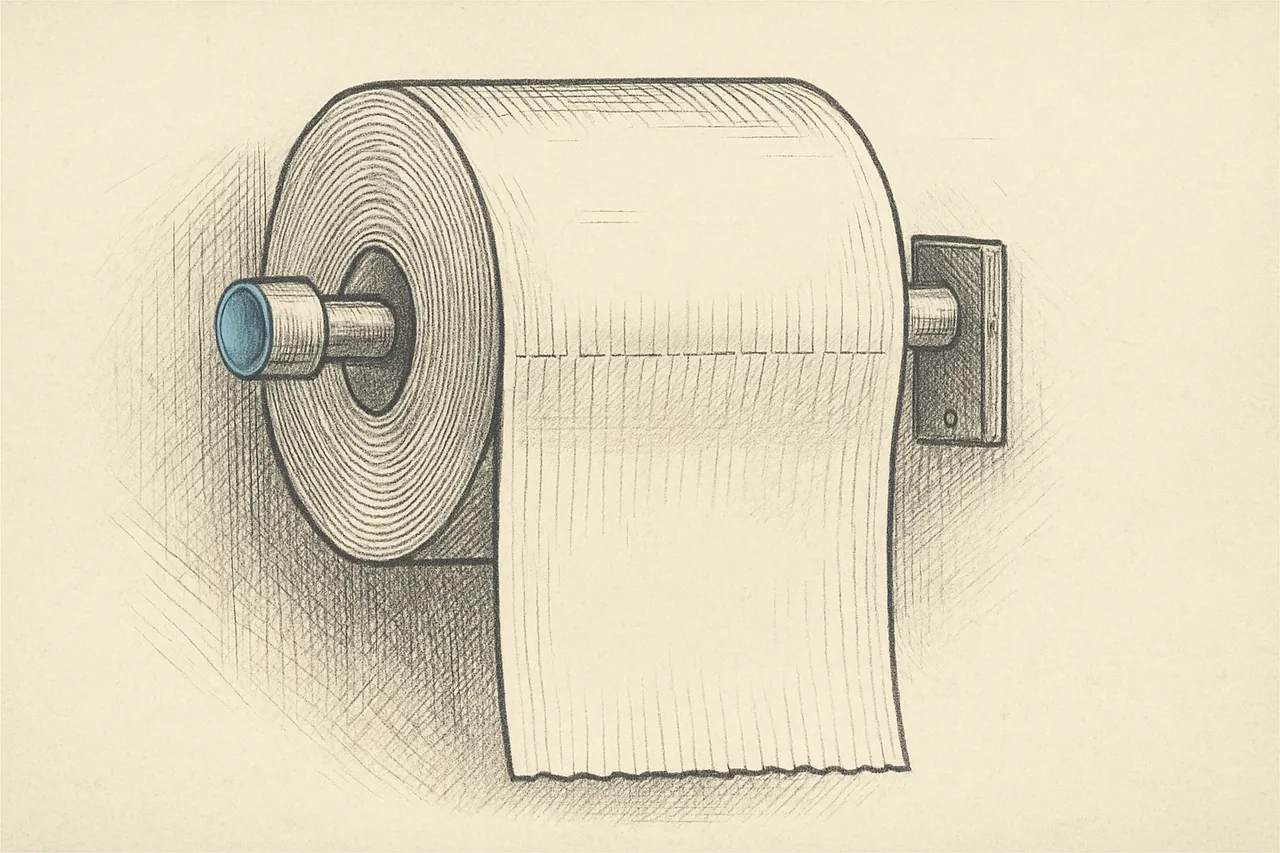
The 1891 Patent That Settles the Toilet Paper Argument: It's Over
Households have argued about whether the roll should hang over or under for more than a century. The original patent drawing, filed by Seth Wheeler in 1891, shows the paper coming over the top. The inventor's own diagram is not ambiguous.
Read the story →