A Woman Invented Monopoly to Warn People About Landlords. Parker Brothers Gave the Credit to a Man.
Lizzie Magie patented The Landlord's Game in 1904 as a teaching tool about the evils of land monopoly. Thirty years later Parker Brothers bought her patent for five hundred dollars and sold the game as the invention of an unemployed salesman named Charles Darrow.
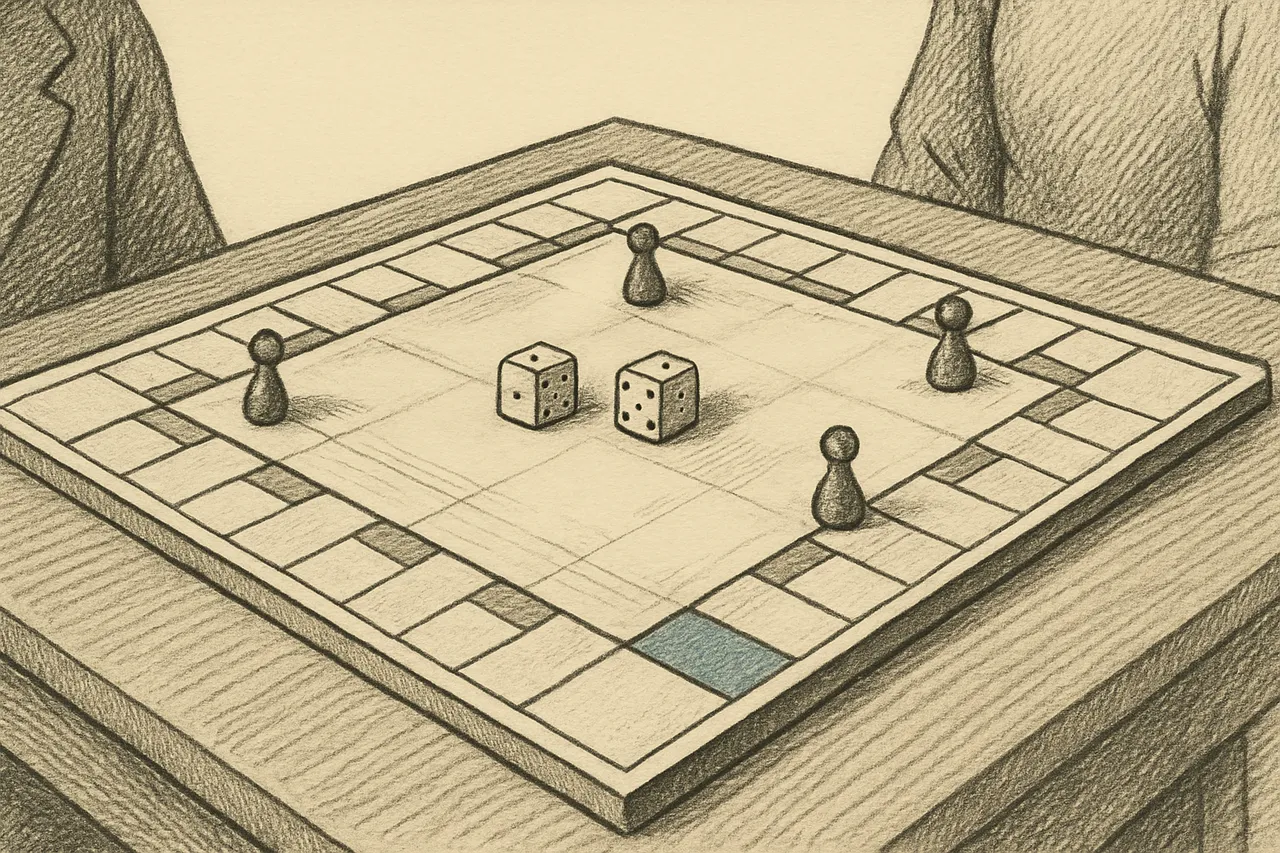
US748626 was granted to Lizzie J. Magie of Brentwood, Maryland, on January 5, 1904. The title is "Game Board." The board is square. Properties run around the perimeter. There are four corner spaces, one of which sends you to jail. Players circle the board buying property and charging each other rent until one of them has everything and the rest are ruined.
It is Monopoly, three decades before Monopoly, and the woman who designed it meant it as a warning.
The point of the game
Magie was a stenographer, writer, and committed Georgist — a follower of the economist Henry George, who argued that land monopoly was the root cause of poverty and that the value of land should be taxed for the common benefit rather than captured by private owners. She wanted a way to make that argument at the kitchen table rather than in a pamphlet.
Her Landlord's Game had two sets of rules, and this is the part almost everyone has forgotten. Under the first, "monopolist," rule set, players competed to acquire property and bankrupt one another — the game we know. Under the second, "prosperity," rule set, land value was shared, and every player was rewarded when wealth was created, with the game ending when the player who had started with the least had doubled their money.
The design was a demonstration: play it both ways, and see which one is miserable. Magie wrote that it should show children "in a practical way" what land-grabbing does and where it leads.
What happened instead
The game spread, mostly by copying. Through the 1910s and 1920s, hand-made variants circulated among Quaker communities, college campuses, and Georgist circles in the northeastern United States, with players customizing the property names to their own towns. A Quaker set in Atlantic City used local street names — Baltic Avenue, Marven Gardens (later misspelled Marvin), Boardwalk.
An unemployed salesman named Charles Darrow learned the game from friends in Atlantic City in the early 1930s, produced his own version, and sold it to Parker Brothers in 1935 as his own creation. He became, by the usual telling, the first millionaire game designer, and Parker Brothers promoted a Depression-era fable about a jobless man who invented a hit game at his kitchen table.
Parker Brothers, discovering that Magie held the actual patent, bought it from her in 1935 for five hundred dollars and no royalties. She was, by her own later statements to the press, willing to sell mainly because she believed the company would publish her educational version too. They printed a small run of The Landlord's Game and then let it disappear.
Magie died in 1948 in relative obscurity, her occupation listed on some records as simply "maker of games."
The correction
The truth surfaced through litigation. In the 1970s an economics professor named Ralph Anspach was sued by Parker Brothers over his own game, "Anti-Monopoly," and in defending himself spent years excavating the game's real history. The discovery of Magie's patents and the pre-Darrow folk versions became central to the case, and the resulting research put her back into the record.
Monopoly is now among the best-selling board games ever made, in more than a hundred countries. The version the world plays is the one Magie designed to demonstrate that monopoly makes everyone but the winner miserable — sold, for ninety years, as entertainment.
See the original
The full text and figures of US748626 are on patents.us.
Related stories
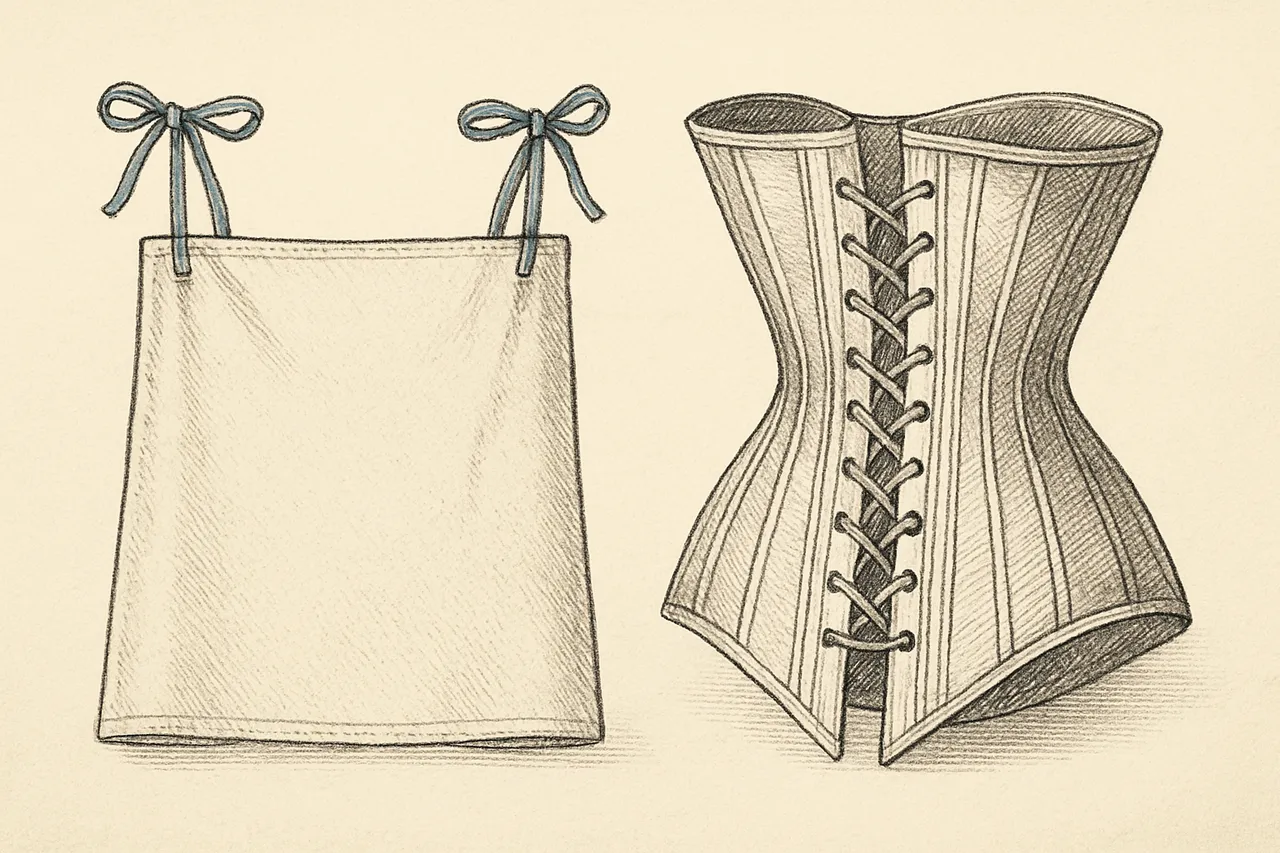
The First Modern Bra Was Two Handkerchiefs and a Ribbon, Improvised Before a Party
Mary Phelps Jacob was nineteen, dressing for a debutante ball, and the corset under her gown was ruining it. She had her maid bring two handkerchiefs and some ribbon. Four years later she held a US patent, and not long after that she sold it for $1,500.
Read the story →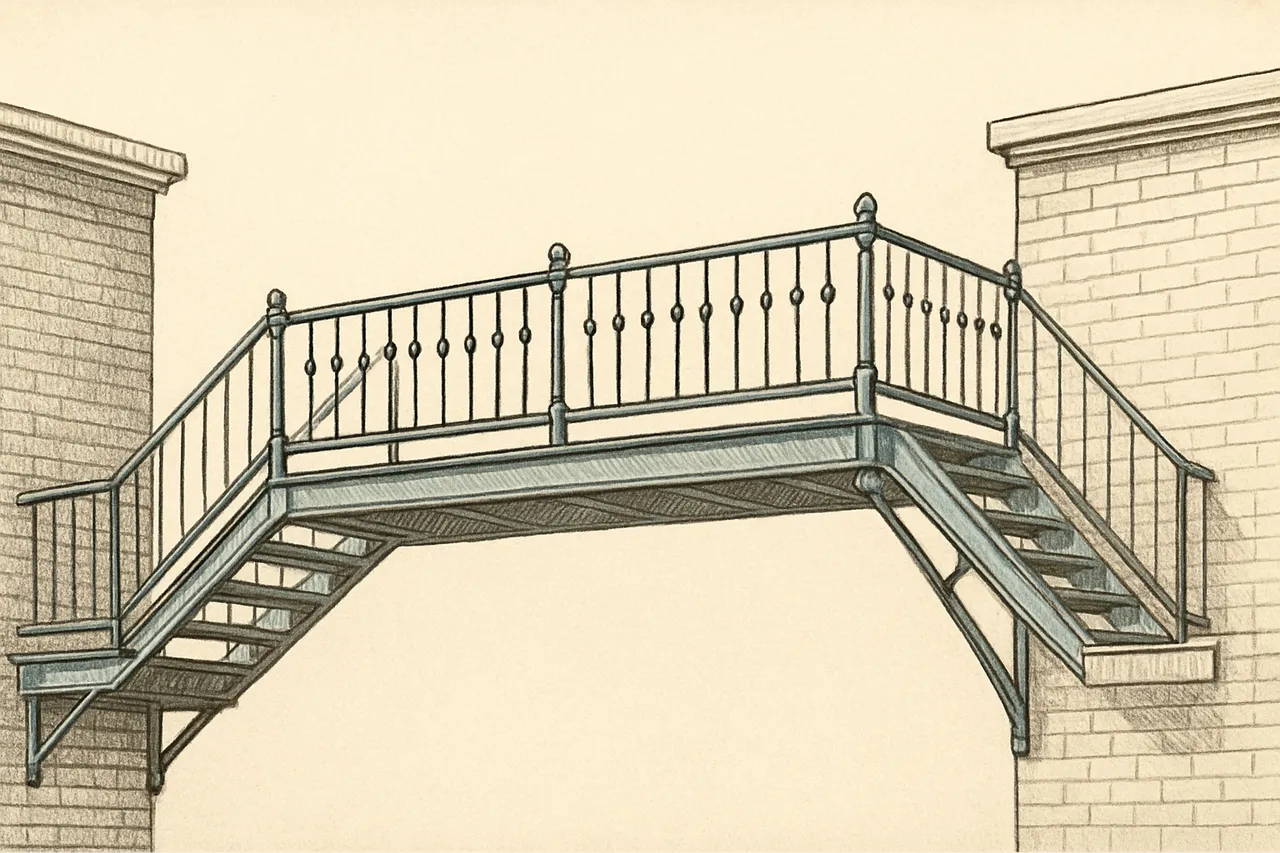
Anna Connelly Patented the Fire Escape in 1887, and Cities Started Requiring Them
American cities were building upward faster than they could evacuate. Anna Connelly, one of the earliest women to hold a US patent, proposed an external bridge between rooftops with railings — an escape route that did not depend on the burning stairwell.
Read the story →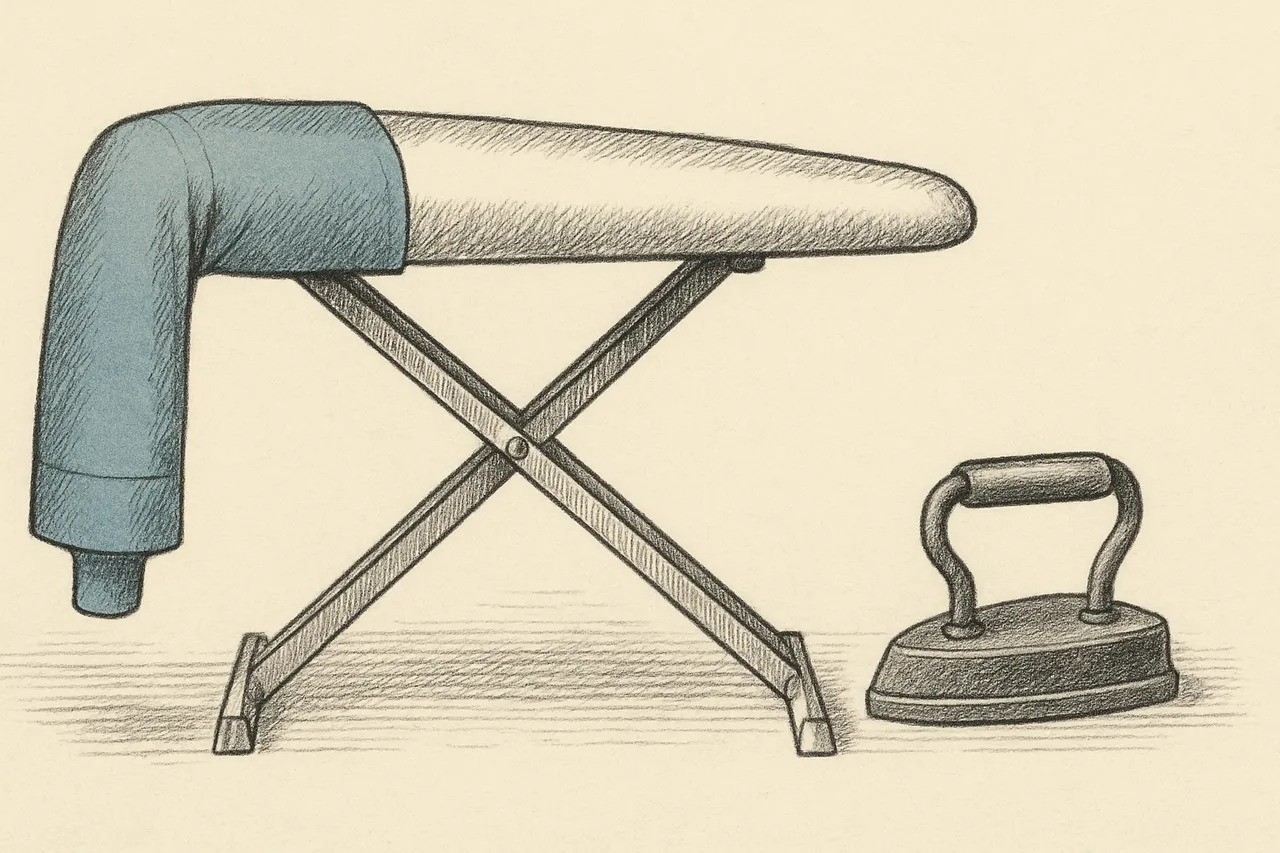
Sarah Boone Was Born Enslaved. In 1892 She Patented the Ironing Board You Still Use.
Flat boards laid across chairs could not press a fitted sleeve or a curved bodice without creasing everything else. Sarah Boone, one of the first Black women in America to receive a patent, gave the board a narrow padded shape that fit the garment.
Read the story →
Tupperware Sat on Shelves for Years. A Single Mother Selling It at Parties Saved the Company.
Earl Tupper's airtight burping seal was a genuine breakthrough that nobody could figure out how to use. Brownie Wise, a divorced single mother with no formal business training, outsold every store in the country from her living room.
Read the story →