Anna Connelly Patented the Fire Escape in 1887, and Cities Started Requiring Them
American cities were building upward faster than they could evacuate. Anna Connelly, one of the earliest women to hold a US patent, proposed an external bridge between rooftops with railings — an escape route that did not depend on the burning stairwell.
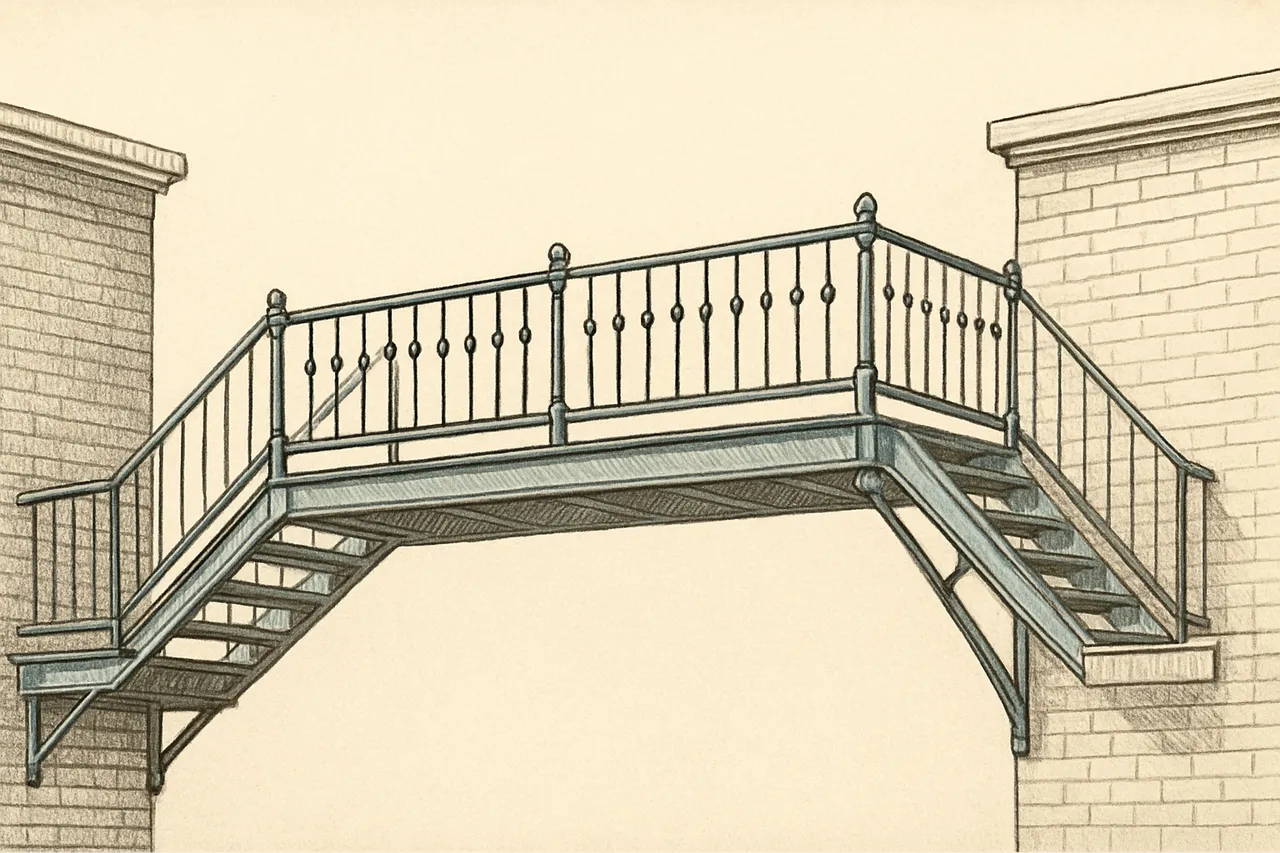
US368816 was granted to Anna Connelly of Philadelphia on August 23, 1887. It describes an external fire escape: a railed bridge connecting the roof of one building to the roof of the adjacent one, with steps at each end. Connelly is among the earliest women to be granted a United States patent, and the problem she was addressing was killing people in large numbers.
American cities in the 1870s and 1880s were building upward faster than they were thinking about getting people back down. Tenements, factories, and workshops rose four, five, six stories, built largely of wood and lit by open flame, with a single interior staircase — which in a fire acts as a chimney. Once the stairwell filled with smoke, everyone above it was trapped.
Newspapers of the period carry a steady drumbeat of fires where the dead were found at windows.
The insight
Connelly's design does something specific and clever: it refuses to rely on the building's own interior at all.
The escape route is on the outside, and it goes sideways rather than down. Occupants climb to the roof, cross the railed bridge to the neighboring building, and descend through a structure that is not on fire. In a dense city block of adjoining buildings — exactly the environment where these fires happened — that is often a far more survivable path than trying to descend inside a burning structure.
The railings matter more than they sound. Rooftop escape was already something people attempted in desperation; what killed them was falling in the dark and smoke. A railed, defined path converts a panicked scramble into a walkable route.
What followed
The late nineteenth and early twentieth centuries saw a wave of municipal fire codes requiring external escapes on multi-story buildings, and the iron fire escape became the defining feature of the American urban facade — the zigzag of ladders and landings on the front of every tenement in New York and Philadelphia.
The push for those codes accelerated brutally after the Triangle Shirtwaist Factory fire in 1911, in which 146 workers died, many because the single exterior fire escape was inadequate and collapsed, and because doors had been locked. That disaster reshaped American workplace safety law.
Connelly's specific bridge design was not the version that cities standardized on; the descending iron stair-and-landing escape came from a different lineage. What her patent represents is the moment the underlying principle was formally articulated: the way out must not run through the fire.
The historical record on Connelly herself is nearly empty — a name, a city, a patent date. She is one of a number of nineteenth-century women whose patents survive and whose biographies do not.
See the original
The full text and figures of US368816 are on patents.us.
Related stories
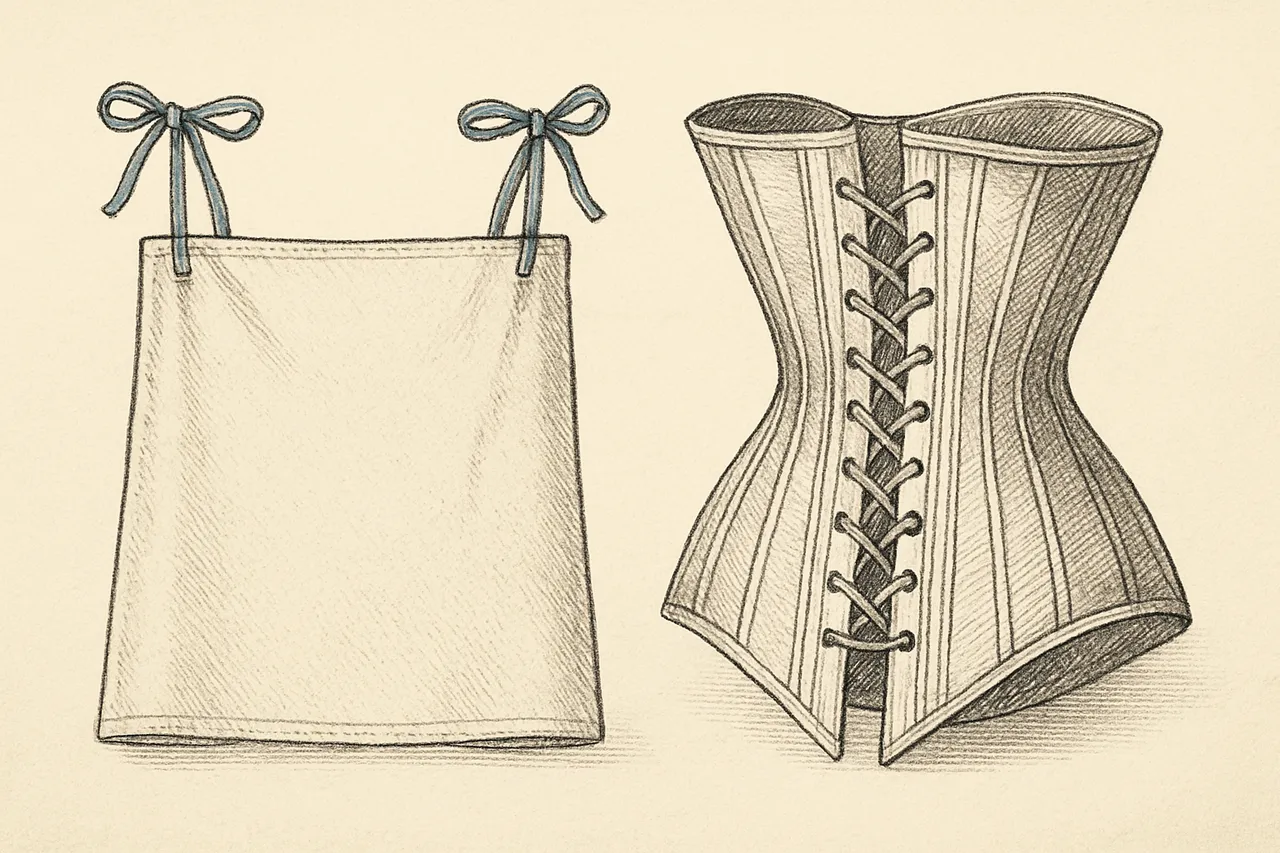
The First Modern Bra Was Two Handkerchiefs and a Ribbon, Improvised Before a Party
Mary Phelps Jacob was nineteen, dressing for a debutante ball, and the corset under her gown was ruining it. She had her maid bring two handkerchiefs and some ribbon. Four years later she held a US patent, and not long after that she sold it for $1,500.
Read the story →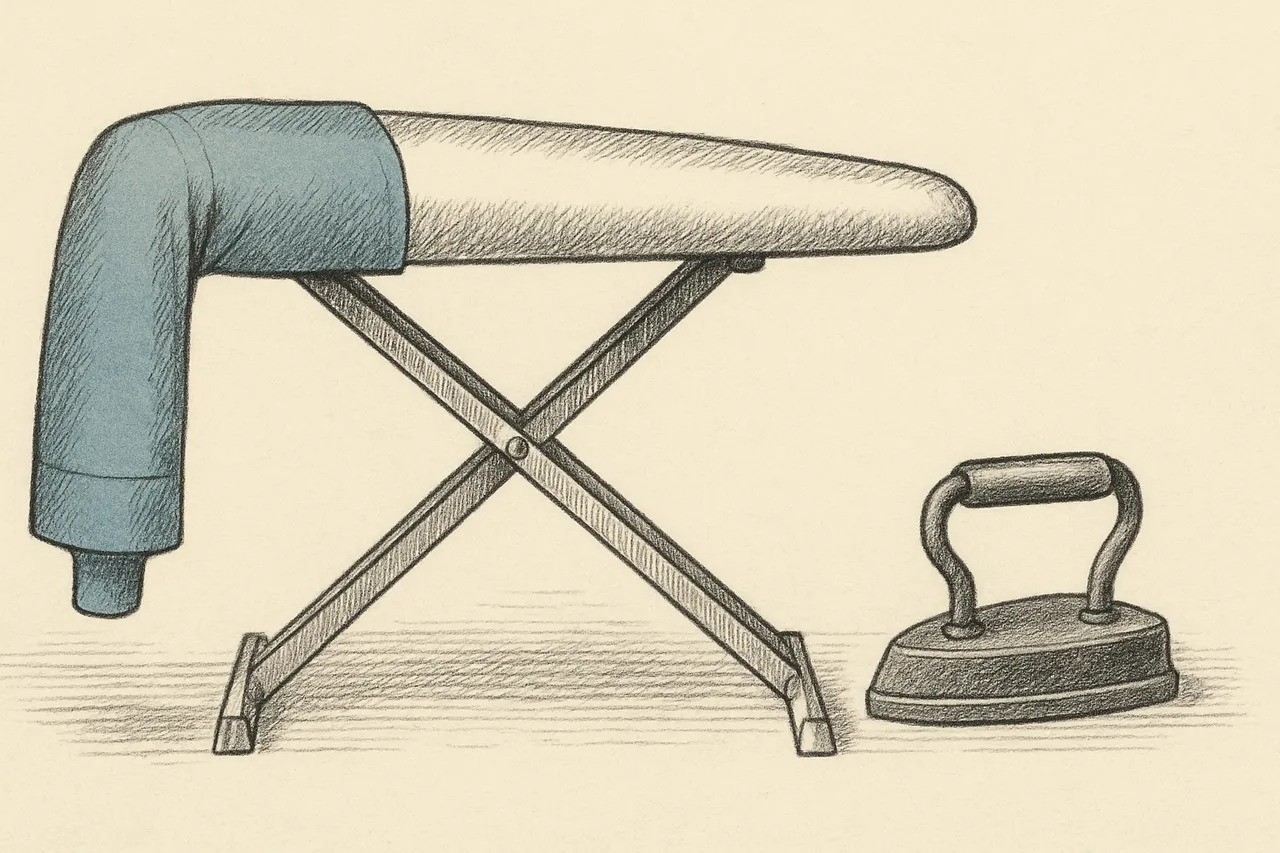
Sarah Boone Was Born Enslaved. In 1892 She Patented the Ironing Board You Still Use.
Flat boards laid across chairs could not press a fitted sleeve or a curved bodice without creasing everything else. Sarah Boone, one of the first Black women in America to receive a patent, gave the board a narrow padded shape that fit the garment.
Read the story →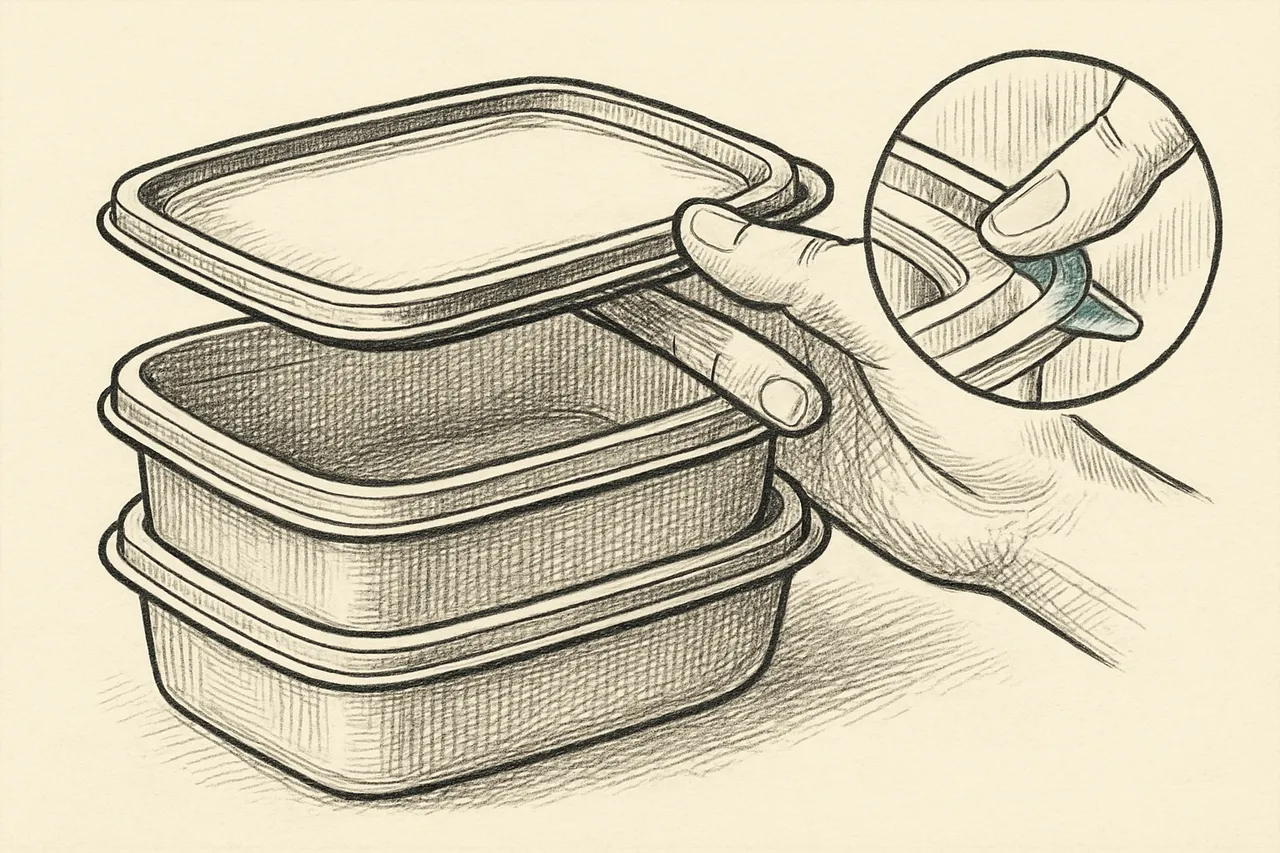
Tupperware Sat on Shelves for Years. A Single Mother Selling It at Parties Saved the Company.
Earl Tupper's airtight burping seal was a genuine breakthrough that nobody could figure out how to use. Brownie Wise, a divorced single mother with no formal business training, outsold every store in the country from her living room.
Read the story →
A Secretary Mixed White Paint in Her Kitchen Blender and Sold the Result for $47.5 Million
Bette Nesmith Graham was a divorced single mother typing at a Dallas bank, and the new electric typewriters smudged badly when she erased. She remembered that painters paint over mistakes rather than scraping them off.
Read the story →