The First Modern Bra Was Two Handkerchiefs and a Ribbon, Improvised Before a Party
Mary Phelps Jacob was nineteen, dressing for a debutante ball, and the corset under her gown was ruining it. She had her maid bring two handkerchiefs and some ribbon. Four years later she held a US patent, and not long after that she sold it for $1,500.
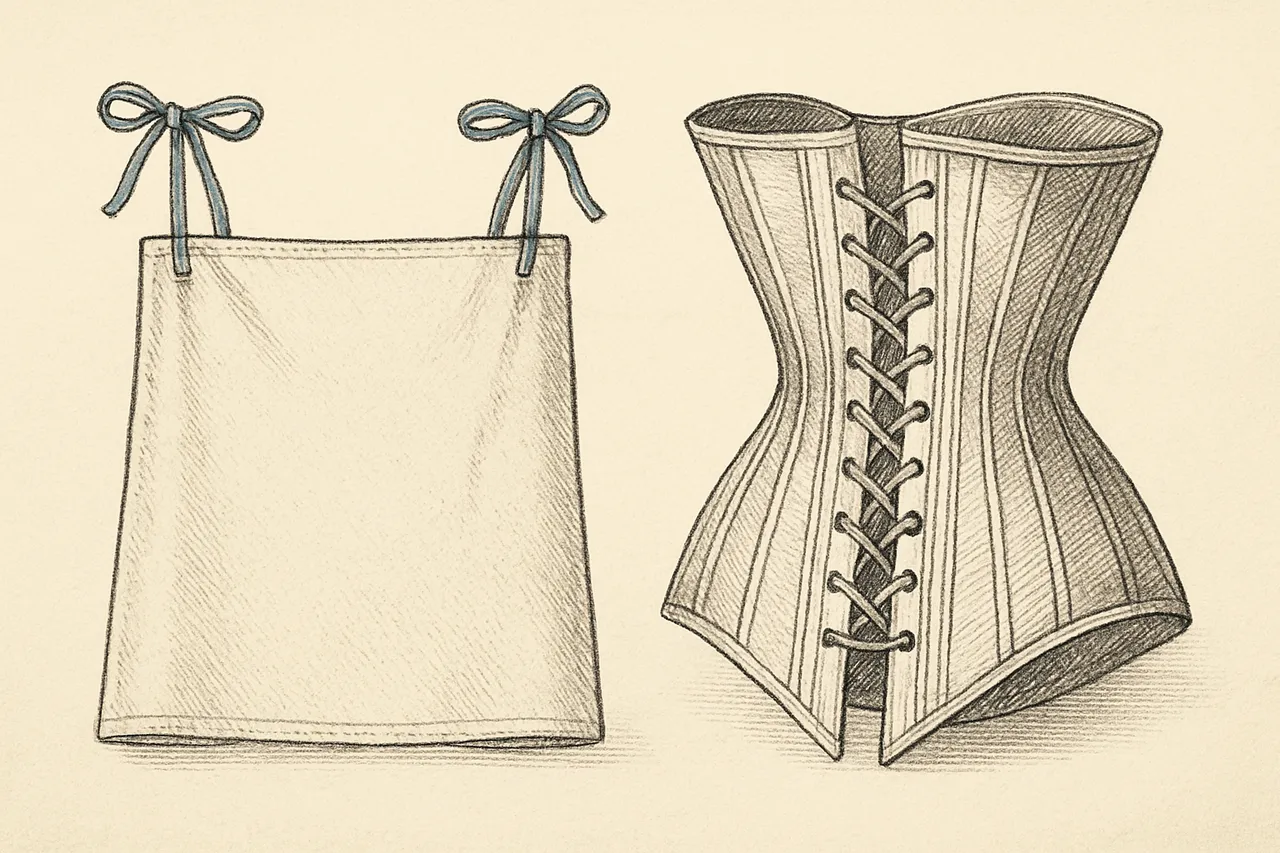
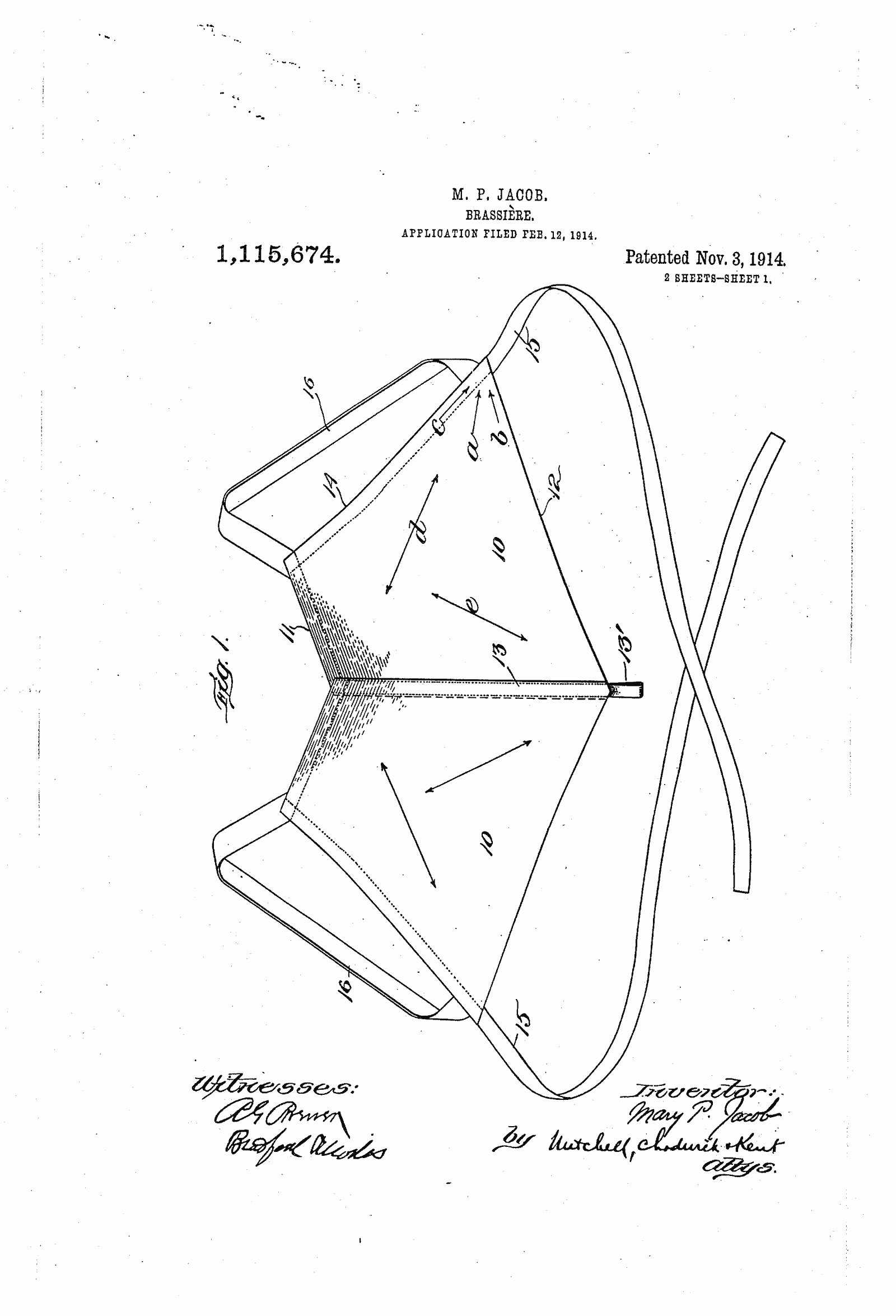
US1115674 was filed on February 12, 1914, by Mary Phelps Jacob. The Patent Office recorded the title in a single word: Brassiere. It is not the first garment anyone ever wore for that purpose, and the story that it was should be set aside early. What it is, fairly, is the first US patent for a soft, lightweight, backless design recognizably related to the thing people wear now.
The evening it came from
Jacob was nineteen years old and getting ready for a debutante ball. The gown was sheer and close-fitting. The corset available to wear under it was the standard of the period, meaning a stiff structure of whalebone and lacing, and the whalebone was visible through the fabric and pushing up above the neckline.
Her account of what happened next is plain. She called for her maid, asked for two pocket handkerchiefs and some narrow pink ribbon, along with a needle, thread, and pins, and the two of them assembled something on the spot.
The result was two pieces of soft fabric held by ribbon over the shoulders and tied at the back. It weighed almost nothing, it did not show through the gown, and she could move in it.
She wore it. Other women at the party asked what she had on. She made more for friends, then for friends of friends, and at some point a stranger sent her a dollar in the mail asking for one, which is the moment the thing stopped being a favor and became a business.
What the patent claims
The patent is worth reading because of what it emphasizes, which is not shape but the absence of structure.
Jacob's claims describe a garment that is soft and pliable, that leaves the back open, and that supports by distributing weight to the shoulders through straps rather than by compressing the torso from below. She notes that it is comfortable, that it can be made inexpensively, and that it is well suited to being worn under a low-cut or sheer dress.
The corset did its work by encircling and squeezing. This does its work by hanging. That reversal is the actual invention, and it is why the patent matters more than the handkerchief anecdote does.
She patented it under the name Caresse Crosby, which she adopted around this period and used for most of her public life.
The sale
Jacob formed a small company to manufacture the design. It did not do well. She had no experience running a factory or selling to retailers, and the venture ran out of momentum fairly quickly.
She sold the patent to the Warner Brothers Corset Company of Bridgeport, Connecticut, for $1,500. Reporting on what the patent went on to earn Warner varies, and the figures repeated most often are estimates rather than audited numbers, so the honest version is that the company made a very large amount of money from it over the following decades and Jacob did not.
There is a detail of timing that is usually left out and probably should not be. The First World War pushed the US government to discourage the use of metal in corsetry to free up steel, and that restriction did more to end the corset than any single garment could have. Jacob's design was well positioned when the change came. She had already sold it.
Afterward
She did not spend her life in the garment trade. As Caresse Crosby she moved to Paris, co-founded the Black Sun Press with her husband Harry Crosby, and published early work by writers including Hemingway, Joyce, and D. H. Lawrence. She was a publisher, a poet, and by most accounts a formidable person.
The patent is a footnote in her own telling of her life. It is the reason most people have heard of her.
See the original
The full text and figures of US1115674 are on Google Patents.
Related stories
Anna Connelly Patented the Fire Escape in 1887, and Cities Started Requiring Them
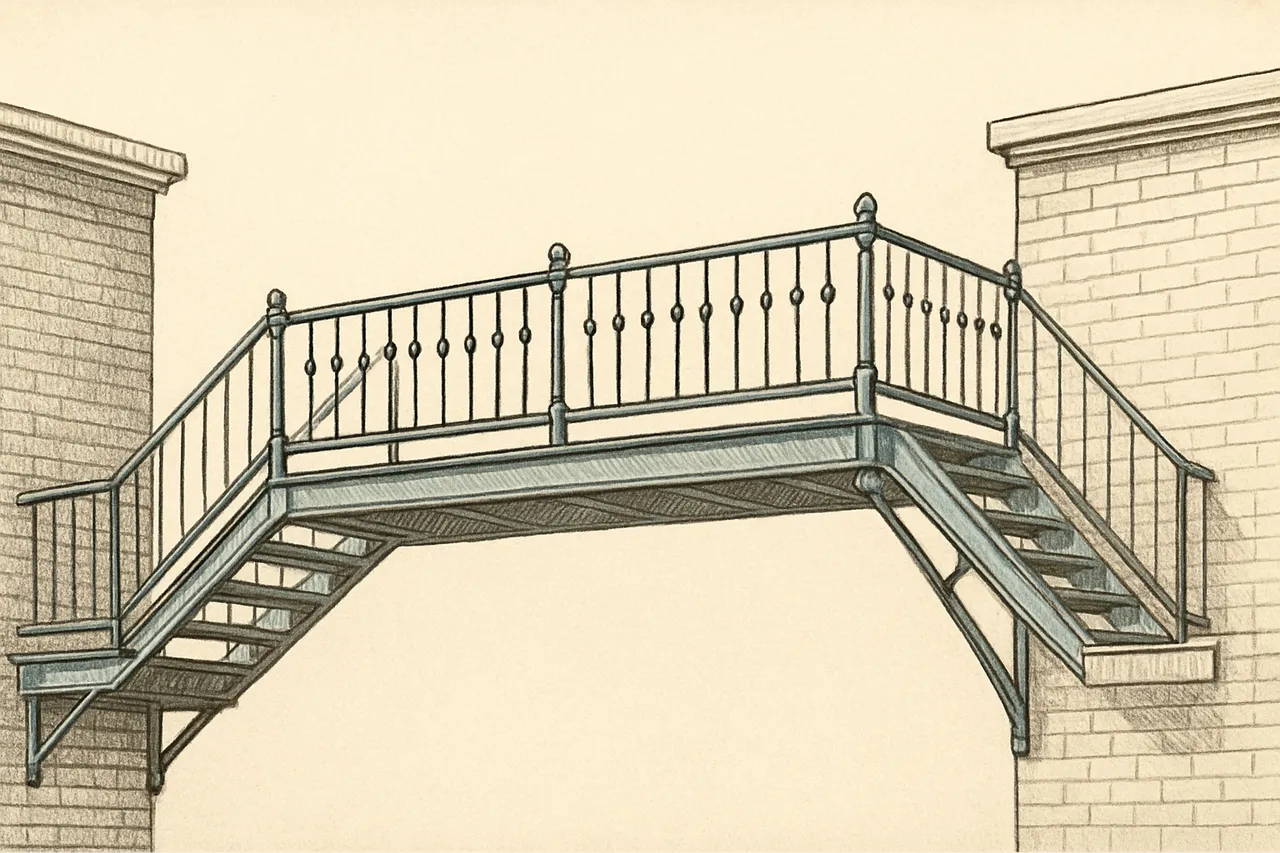
American cities were building upward faster than they could evacuate. Anna Connelly, one of the earliest women to hold a US patent, proposed an external bridge between rooftops with railings — an escape route that did not depend on the burning stairwell.
Read the story →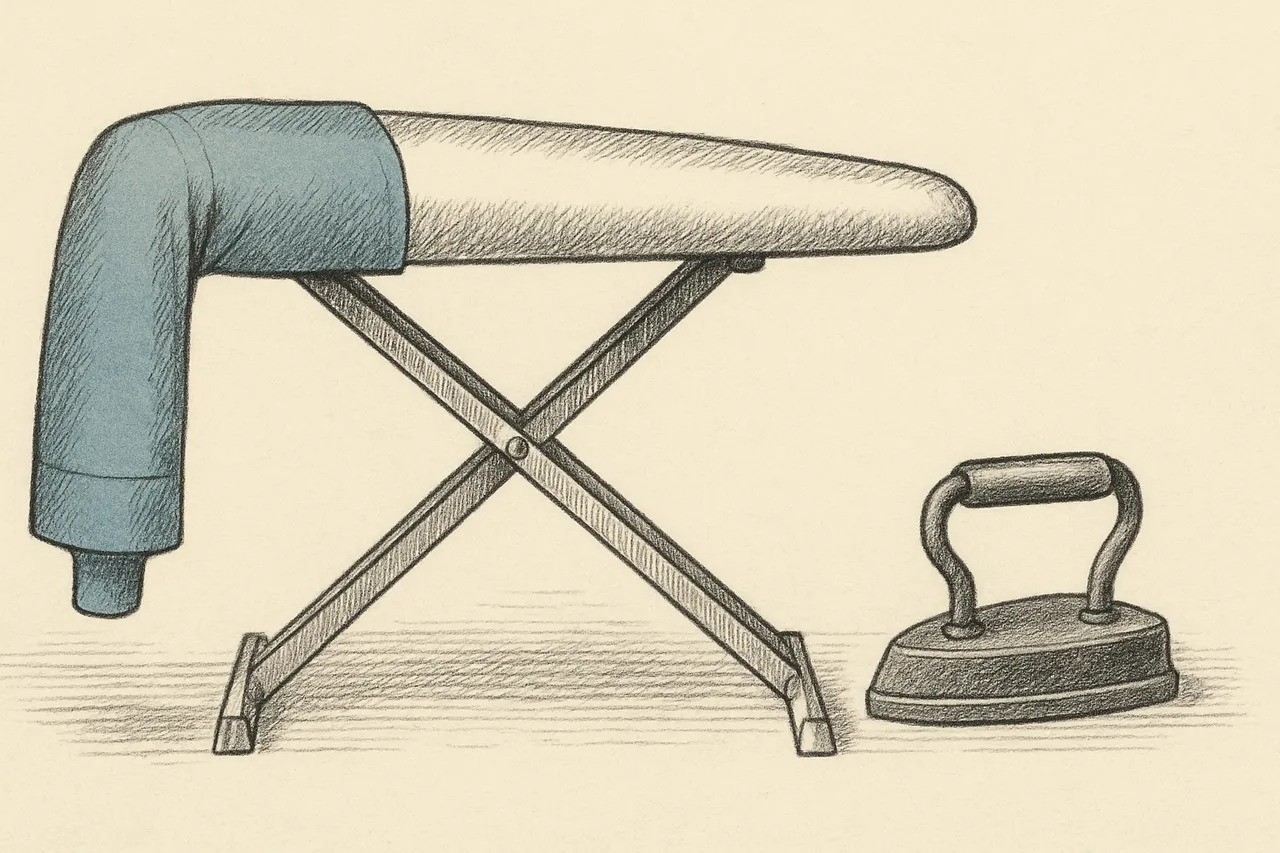
Sarah Boone Was Born Enslaved. In 1892 She Patented the Ironing Board You Still Use.
Flat boards laid across chairs could not press a fitted sleeve or a curved bodice without creasing everything else. Sarah Boone, one of the first Black women in America to receive a patent, gave the board a narrow padded shape that fit the garment.
Read the story →
Tupperware Sat on Shelves for Years. A Single Mother Selling It at Parties Saved the Company.
Earl Tupper's airtight burping seal was a genuine breakthrough that nobody could figure out how to use. Brownie Wise, a divorced single mother with no formal business training, outsold every store in the country from her living room.
Read the story →
A Secretary Mixed White Paint in Her Kitchen Blender and Sold the Result for $47.5 Million
Bette Nesmith Graham was a divorced single mother typing at a Dallas bank, and the new electric typewriters smudged badly when she erased. She remembered that painters paint over mistakes rather than scraping them off.
Read the story →