Tupperware Sat on Shelves for Years. A Single Mother Selling It at Parties Saved the Company.
Earl Tupper's airtight burping seal was a genuine breakthrough that nobody could figure out how to use. Brownie Wise, a divorced single mother with no formal business training, outsold every store in the country from her living room.
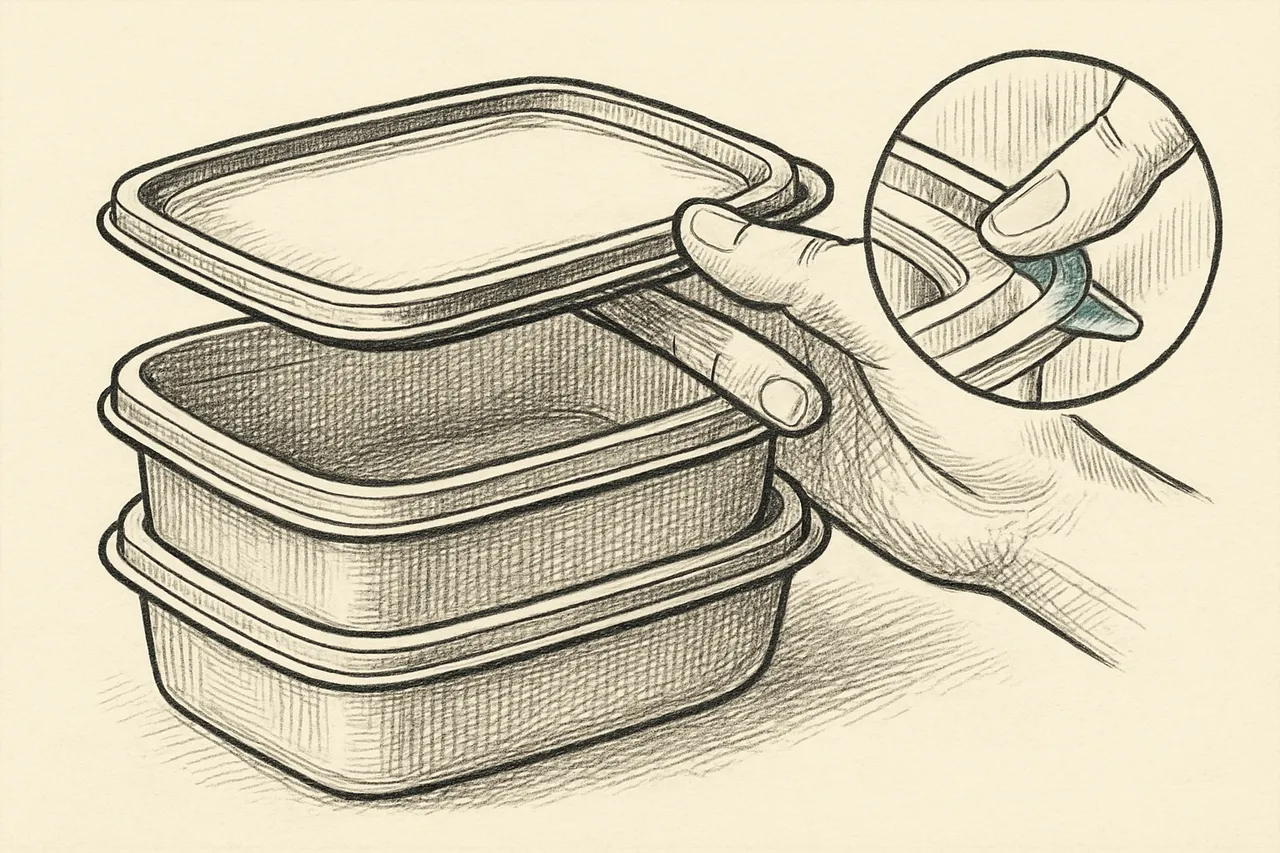
US2487400 was granted to Earl S. Tupper on November 8, 1949. The title is "Open Mouth Container and Nonsnap Type of Closure Therefor." It describes the Tupperware seal: a flexible lid with a rim that inverts over the container's edge, so that pressing the center forces air out and creates a partial vacuum. Lift the edge and it releases with an audible sigh — the "burp" that became the product's signature.
The engineering behind it was real. Tupper had worked at DuPont and had figured out how to purify polyethylene slag — a black, greasy, foul-smelling industrial waste product — into a material that was translucent, flexible, odorless, and durable. He called it Poly-T. In 1946 he began molding it into food containers with his airtight seal.
It was, objectively, a very good product. Food stayed fresh dramatically longer. The containers did not shatter, leak, or corrode.
Almost nobody bought it.
The problem with the shelf
The failure was one of explanation. A Tupperware container sitting in a hardware store looked like a slightly odd plastic bowl. The whole value was in the seal, and the seal required a demonstration — you had to see someone press the lid, burp the air out, and then turn the container upside down full of liquid without a drop escaping.
Nobody at a store counter was going to do that. Sales through conventional retail were weak for years.
Brownie Wise
Brownie Wise was a divorced single mother in Detroit, supporting herself and her son and her own mother, selling household goods through home demonstration parties for a company called Stanley Home Products. She discovered Tupperware, recognized instantly that it was a demonstration product, and began selling it at parties in living rooms.
Her volume became conspicuous. She was, from a single suburban living-room circuit, outselling entire department stores. When she called Tupper's company to complain about a supply problem, the resulting conversation led to Tupper meeting her — and, in 1951, to a decision that was radical for the era: he pulled Tupperware out of retail stores entirely and sold it exclusively through the home-party system, with Wise running the sales organization as vice president.
Sales exploded. The Tupperware party became one of the defining social and commercial institutions of 1950s America, and it worked on a principle Wise understood better than Tupper did: the demonstration was not really about the plastic. It was a way for women who had no access to conventional careers to earn real money, build a business, and be recognized for it — inside a social form, the ladies' afternoon gathering, that was already permitted to them.
Wise built a national sales force of tens of thousands, almost entirely women, and became, in 1954, the first woman ever to appear on the cover of Business Week.
The ending
In 1958, Tupper fired her. The reasons have been variously reported as a clash of egos, his discomfort with how thoroughly she had become the public face of the company, and his plan to sell the business — which he did that same year, to Rexall, for about sixteen million dollars. He divorced his wife, renounced his US citizenship to avoid taxes, bought an island, and largely disappeared from public life.
Wise received roughly a year's salary. Her subsequent business ventures never approached the same scale, and her name was for decades almost entirely absent from the company's own telling of its history.
The patent was Tupper's. The company was Wise's.
See the original
The full text and figures of US2487400 are on patents.us.
Related stories
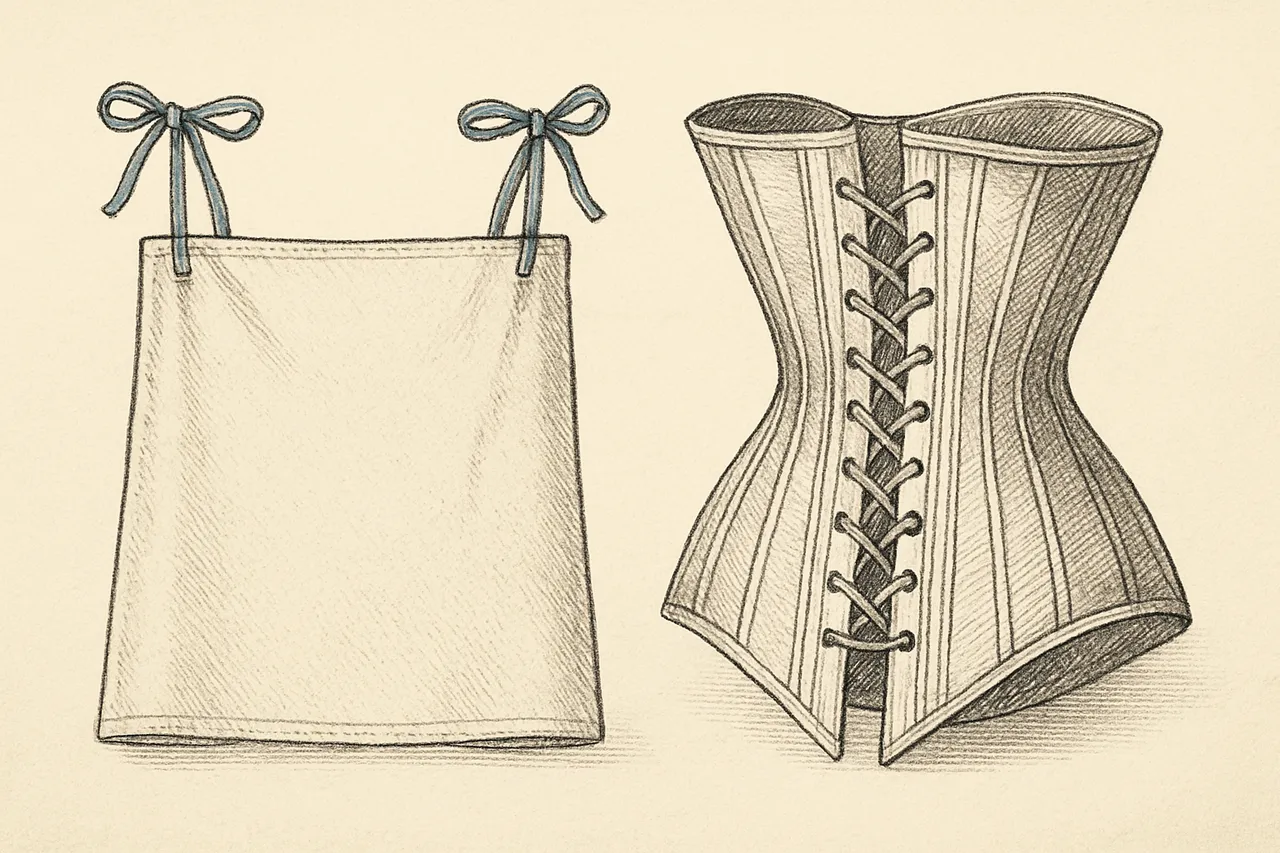
The First Modern Bra Was Two Handkerchiefs and a Ribbon, Improvised Before a Party
Mary Phelps Jacob was nineteen, dressing for a debutante ball, and the corset under her gown was ruining it. She had her maid bring two handkerchiefs and some ribbon. Four years later she held a US patent, and not long after that she sold it for $1,500.
Read the story →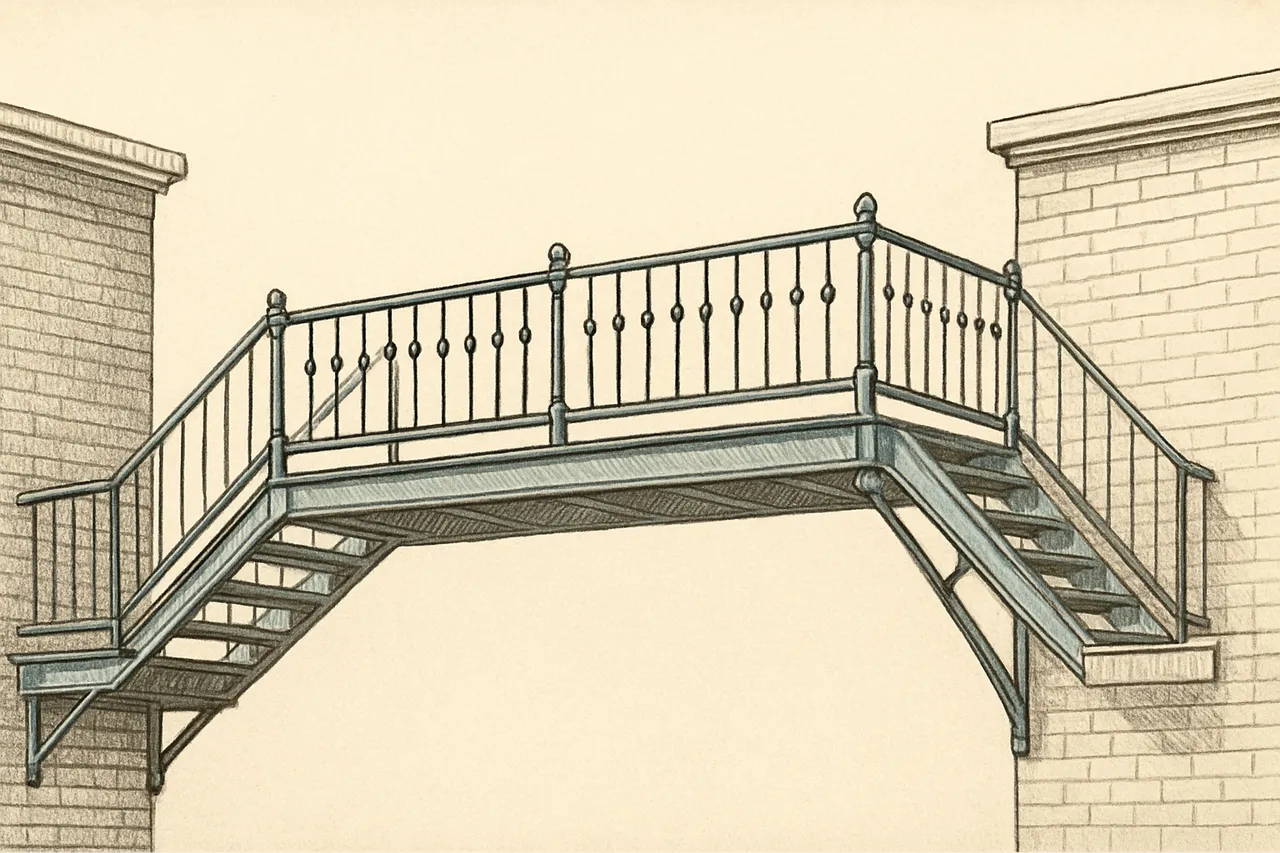
Anna Connelly Patented the Fire Escape in 1887, and Cities Started Requiring Them
American cities were building upward faster than they could evacuate. Anna Connelly, one of the earliest women to hold a US patent, proposed an external bridge between rooftops with railings — an escape route that did not depend on the burning stairwell.
Read the story →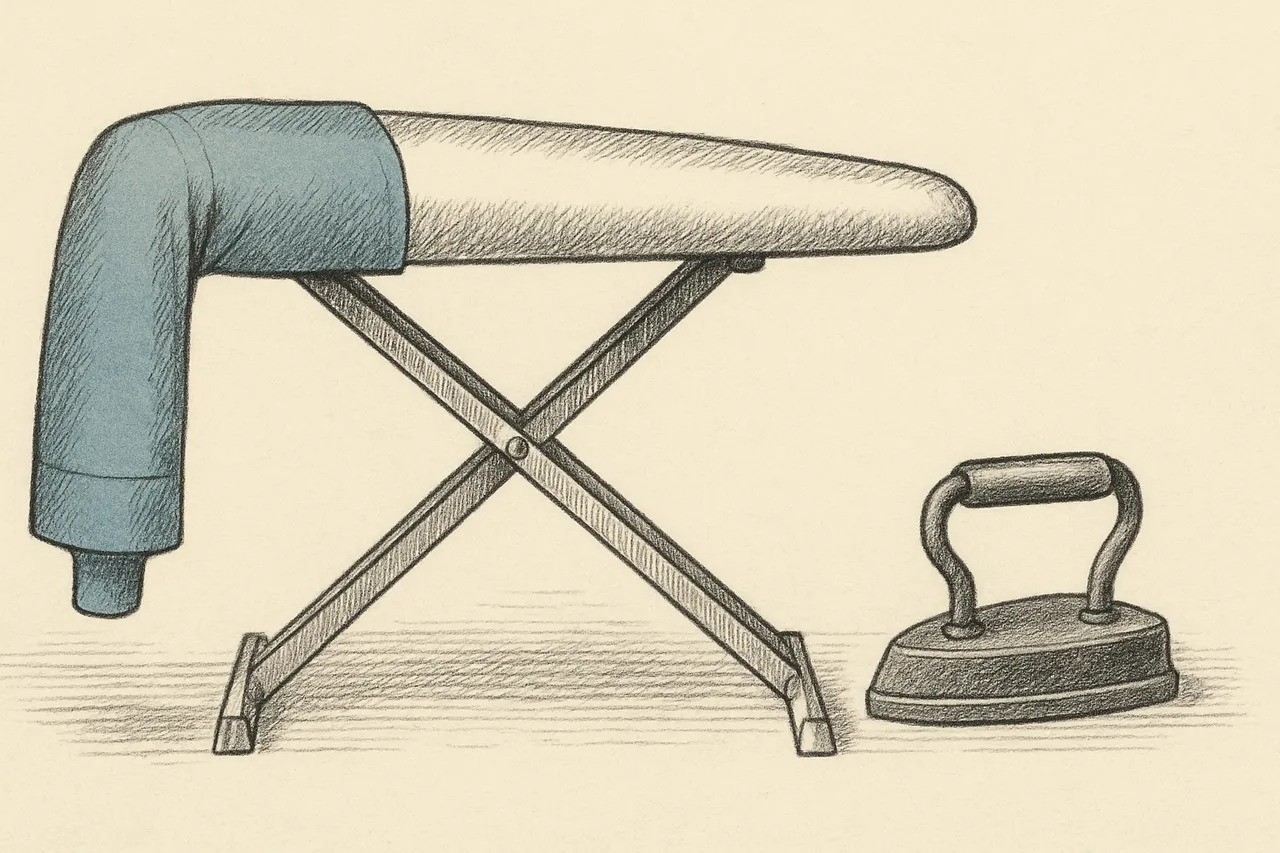
Sarah Boone Was Born Enslaved. In 1892 She Patented the Ironing Board You Still Use.
Flat boards laid across chairs could not press a fitted sleeve or a curved bodice without creasing everything else. Sarah Boone, one of the first Black women in America to receive a patent, gave the board a narrow padded shape that fit the garment.
Read the story →
A Secretary Mixed White Paint in Her Kitchen Blender and Sold the Result for $47.5 Million
Bette Nesmith Graham was a divorced single mother typing at a Dallas bank, and the new electric typewriters smudged badly when she erased. She remembered that painters paint over mistakes rather than scraping them off.
Read the story →