Sarah Boone Was Born Enslaved. In 1892 She Patented the Ironing Board You Still Use.
Flat boards laid across chairs could not press a fitted sleeve or a curved bodice without creasing everything else. Sarah Boone, one of the first Black women in America to receive a patent, gave the board a narrow padded shape that fit the garment.
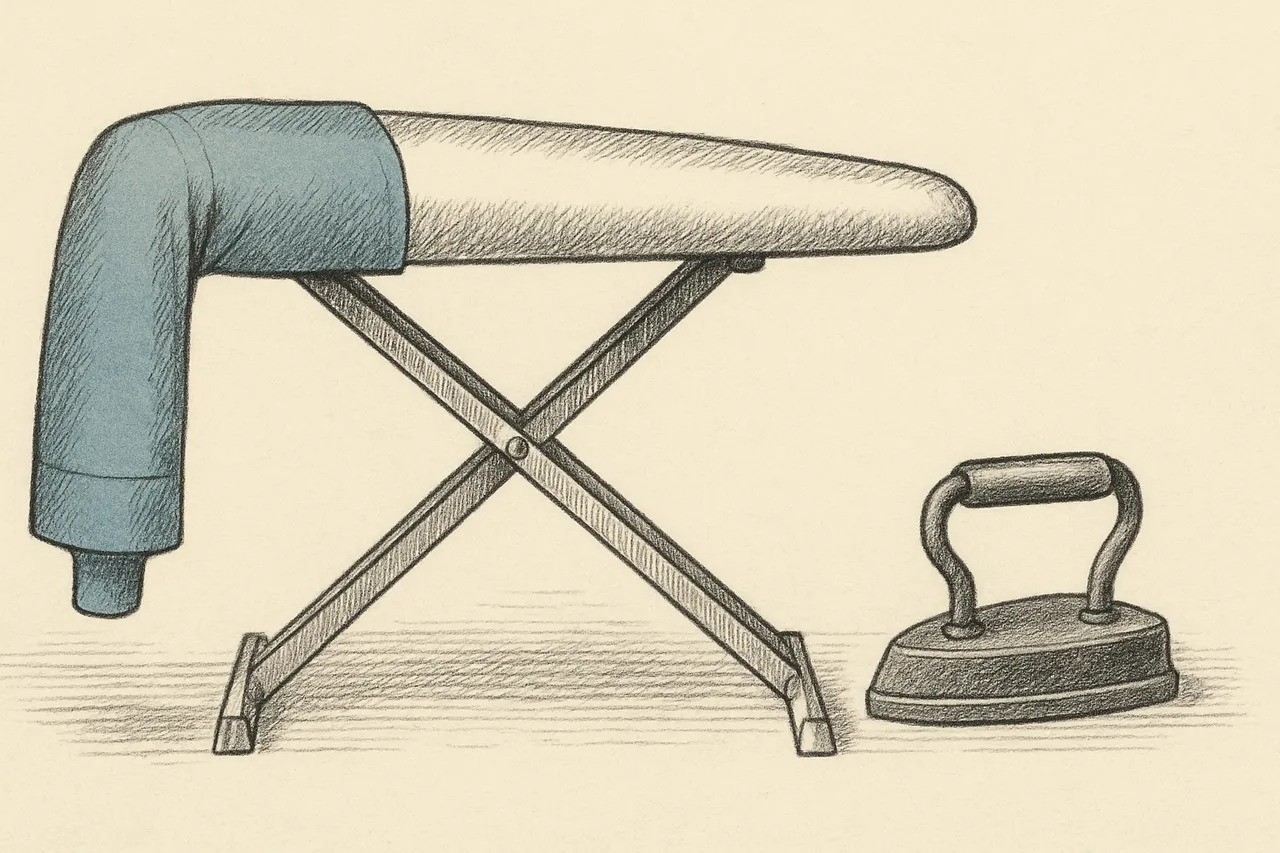
US473653 was granted to Sarah Boone of New Haven, Connecticut, on April 26, 1892. The title is "Ironing Board." She was one of the first Black women in the United States to receive a patent, and the object she designed is close to the one still standing in laundry rooms today.
Boone was born into slavery in Craven County, North Carolina, around 1832. She married Freeborn Boone, a free Black man, and the family moved north to New Haven before the Civil War. She worked there as a dressmaker.
That occupation is the whole key to the invention. Boone was not solving an abstract household problem. She was solving a specific professional one that she encountered every working day.
What was wrong with a plank
Ironing in the nineteenth century was typically done on a flat board laid across two chairs, or on a table padded with cloth. That arrangement is adequate for flat things — sheets, tablecloths, handkerchiefs.
It is close to useless for fitted clothing. Women's garments of the period were elaborately shaped: narrow sleeves, curved bodices, seams that followed the body. Pressing a sleeve flat on a wide board creases the other side of it. Pressing a curved bodice on a flat surface fights the shape the garment is supposed to hold. A dressmaker could ruin hours of work at the pressing stage.
Boone's design
Her patent addresses this directly, and the claims read like someone who has been personally annoyed by the problem for years.
The board is narrow, so a sleeve can be slipped over it and pressed all the way around without creasing the opposite face. It is curved and shaped to match the contours of a fitted garment rather than fighting them. It is padded, and reversible so both sides can be used. It is mounted on a collapsible support so it can be folded and stored, and the whole thing is sized for a woman working alone.
Every one of those features is present in the ironing board sold today.
What is and is not known
The documentary record on Boone herself is thin, as it is for most of the era's Black women inventors — the census and city directory entries survive, the patent survives, and very little else. She died in 1904.
She was not the first person to patent an ironing board; earlier versions exist, and the credit for "the" ironing board is genuinely distributed. What Boone patented was the insight that the board should be shaped like the clothing rather than shaped like a table — which is why hers is the version that lasted.
See the original
The full text and figures of US473653 are on patents.us.
Related stories
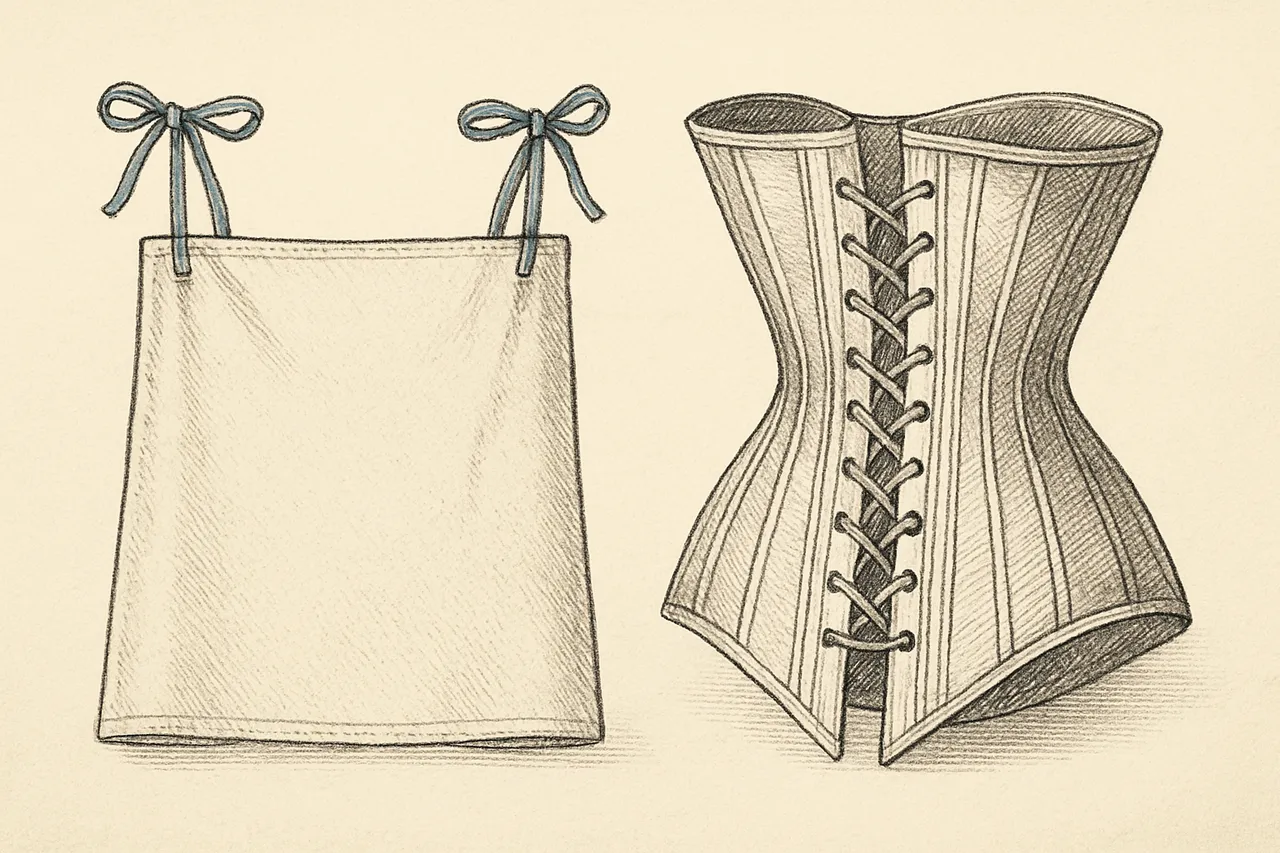
The First Modern Bra Was Two Handkerchiefs and a Ribbon, Improvised Before a Party
Mary Phelps Jacob was nineteen, dressing for a debutante ball, and the corset under her gown was ruining it. She had her maid bring two handkerchiefs and some ribbon. Four years later she held a US patent, and not long after that she sold it for $1,500.
Read the story →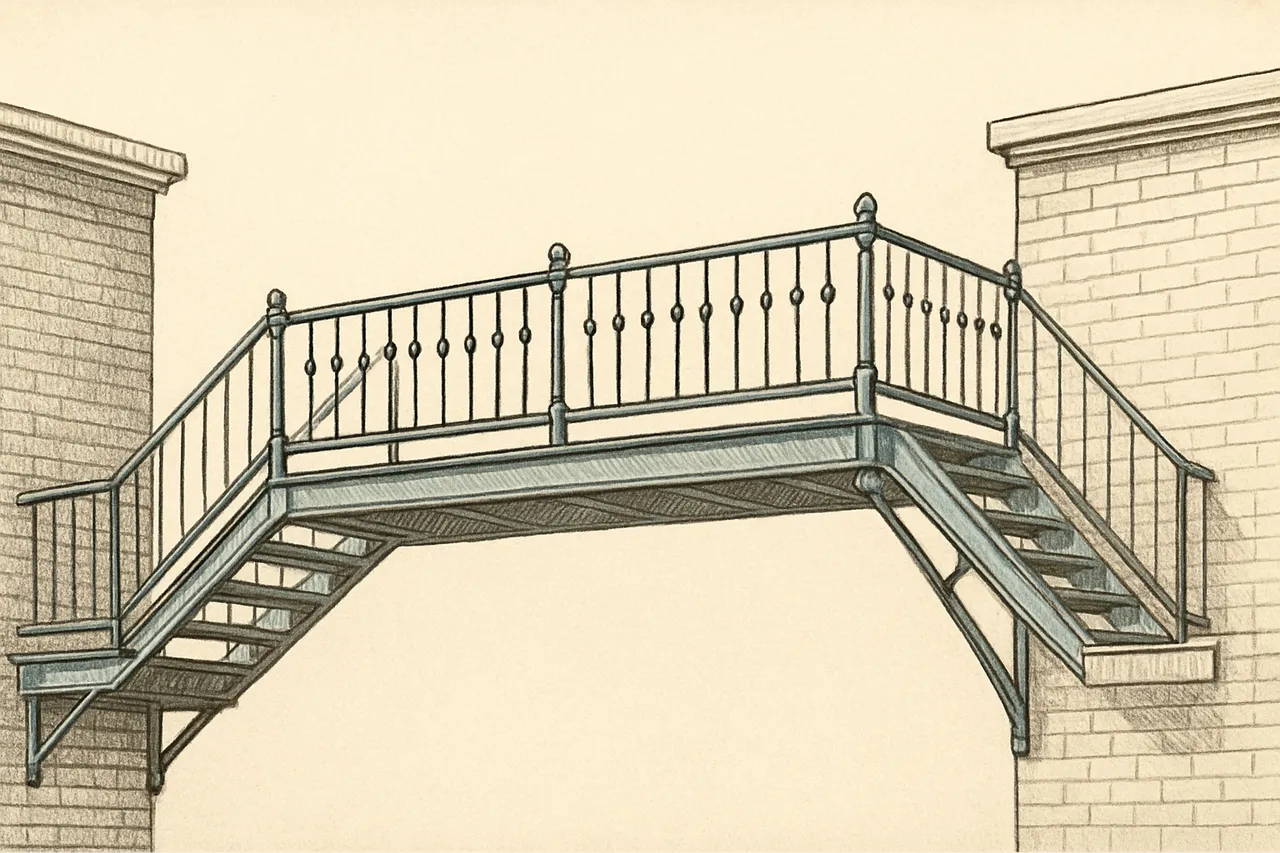
Anna Connelly Patented the Fire Escape in 1887, and Cities Started Requiring Them
American cities were building upward faster than they could evacuate. Anna Connelly, one of the earliest women to hold a US patent, proposed an external bridge between rooftops with railings — an escape route that did not depend on the burning stairwell.
Read the story →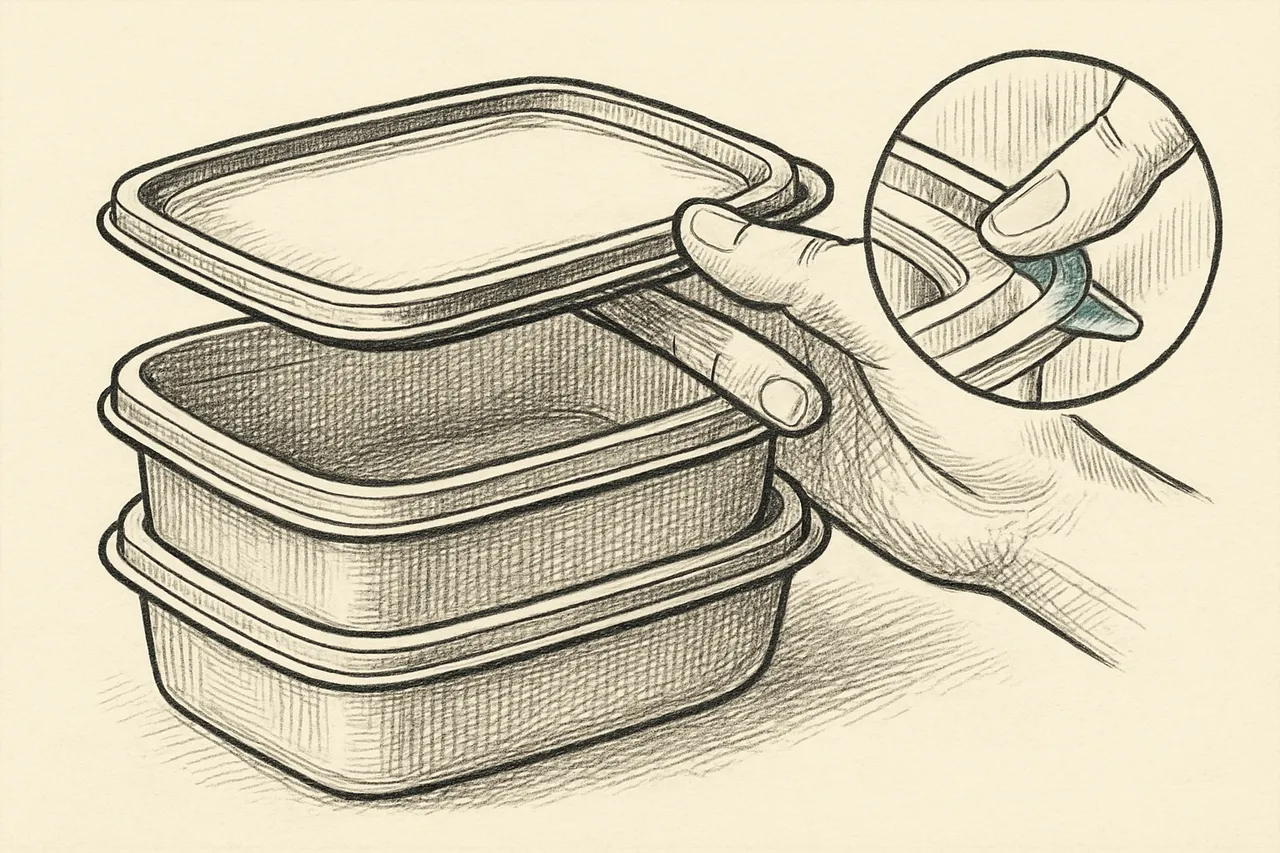
Tupperware Sat on Shelves for Years. A Single Mother Selling It at Parties Saved the Company.
Earl Tupper's airtight burping seal was a genuine breakthrough that nobody could figure out how to use. Brownie Wise, a divorced single mother with no formal business training, outsold every store in the country from her living room.
Read the story →
A Secretary Mixed White Paint in Her Kitchen Blender and Sold the Result for $47.5 Million
Bette Nesmith Graham was a divorced single mother typing at a Dallas bank, and the new electric typewriters smudged badly when she erased. She remembered that painters paint over mistakes rather than scraping them off.
Read the story →