Mary Kenner Designed a Sanitary Belt in the 1920s. A Company Dropped It When It Learned She Was Black.
Mary Beatrice Davidson Kenner came up with an adjustable sanitary belt as a young woman and could not afford to patent it for 30 years. When a company finally showed interest, it walked away on learning she was Black. She went on to earn five patents while working as a florist.

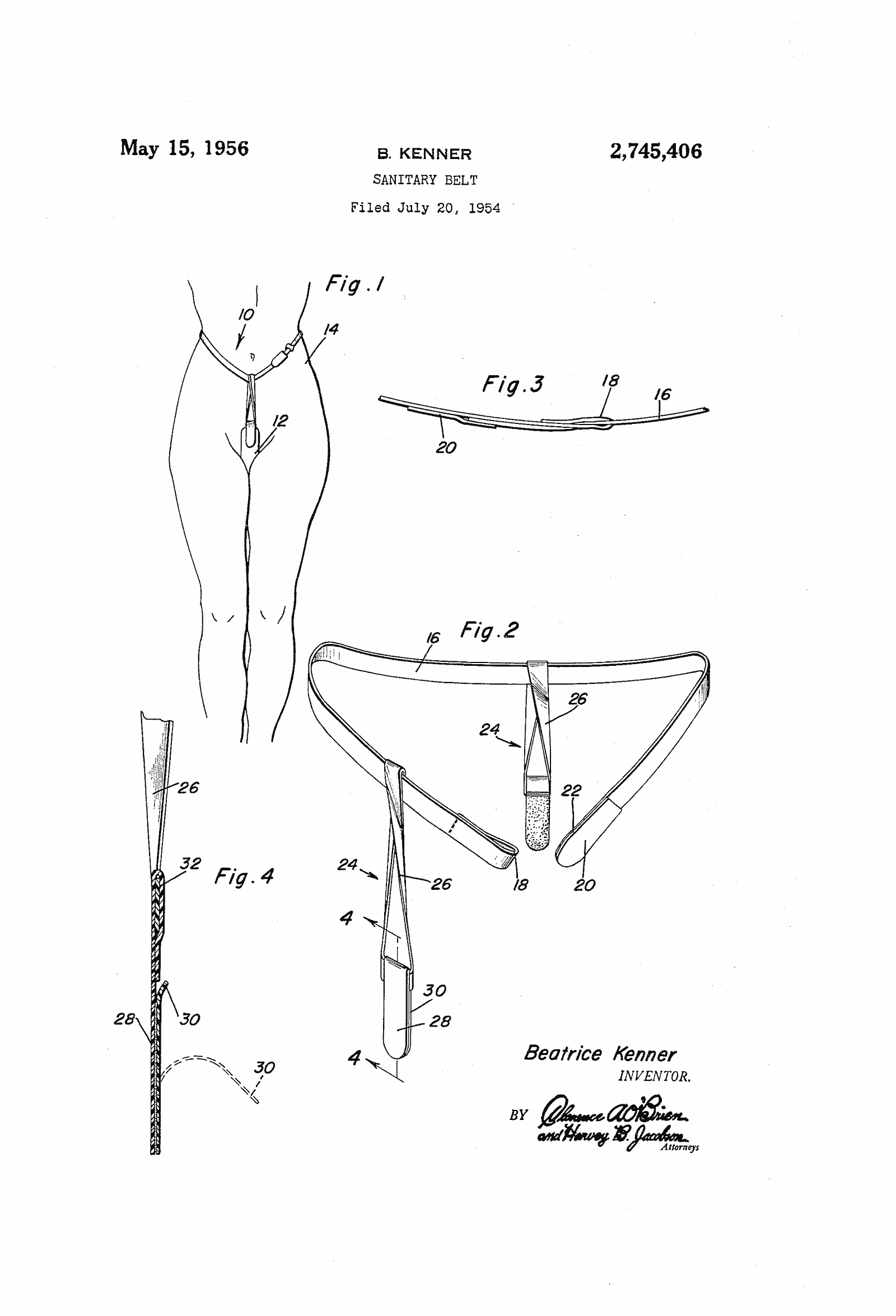
US2745406 was filed in July 1954 and granted on May 15, 1956, to Beatrice Kenner of Washington, D.C. The title is "Sanitary Belt." The name on the patent is the middle name of Mary Beatrice Davidson Kenner, and by then she had been carrying the idea around for about 30 years.
A family that patented things
Kenner was born on May 17, 1912, in Monroe, North Carolina, into a family of inventors. Her father, Sidney Davidson, patented a compact clothes presser in 1914. Her grandfather Robert Phromeberger patented tricolor train signal lights and a wheeled ambulance stretcher. Her sister Mildred would later patent a family board game.
She enrolled at Howard University but left after about 18 months because of the cost, and she never took a degree. She worked in the federal government during the Second World War, and by 1950 she was a professional florist, running flower shops in the Washington area for some 20 years.
She had designed her belt in the 1920s, while she was young. She could not afford a patent.
What the patent does
Kenner's belt is simple. A long strap goes around the body, through a loop, and fastens with an adhesive section, so that it adjusts to any size. Two sliding supports on the strap hold the pad in place with their own adhesive tabs. The stated goals are practical: easy to use, adjustable for various sized persons, free of "unsightly bulges," and cheap.
Her most inventive touch is commercial. The patent suggests that the belt be so inexpensive it could be included with the packages of pads sold from dispensing machines in public places.
The company
The patent should have made her money. A firm called the Sonn-Nap-Pack Company offered to discuss licensing the design, then withdrew. "Sorry to say, when they found out I was Black, their interest dropped," she said later.
The deal ended there. The patent eventually expired and passed into the public domain, and she never profited from it. Adhesive pads later made sanitary belts obsolete, though her 1956 patent was already using adhesive to hold the pad in place.
The later patents
Kenner kept going. In 1976 she patented a tray and soft pocket that attach to a walker or wheelchair, prompted partly by her sister Mildred's multiple sclerosis. In 1982 she and Mildred shared a patent on a bathroom tissue holder. Her last, granted on September 29, 1987, was a back washer mounted on a shower wall.
She held five patents in all, granted between 1956 and 1987, one of the highest totals for an African American woman inventor, and she earned them with no degree and no company behind her while making her living with flowers. She died in Washington on January 13, 2006, at 93.
See the original
The full text and figures of US2745406 are on Google Patents.
Related stories
The First Modern Bra Was Two Handkerchiefs and a Ribbon, Improvised Before a Party
Mary Phelps Jacob was nineteen, dressing for a debutante ball, and the corset under her gown was ruining it. She had her maid bring two handkerchiefs and some ribbon. Four years later she held a US patent, and not long after that she sold it for $1,500.
Read the story →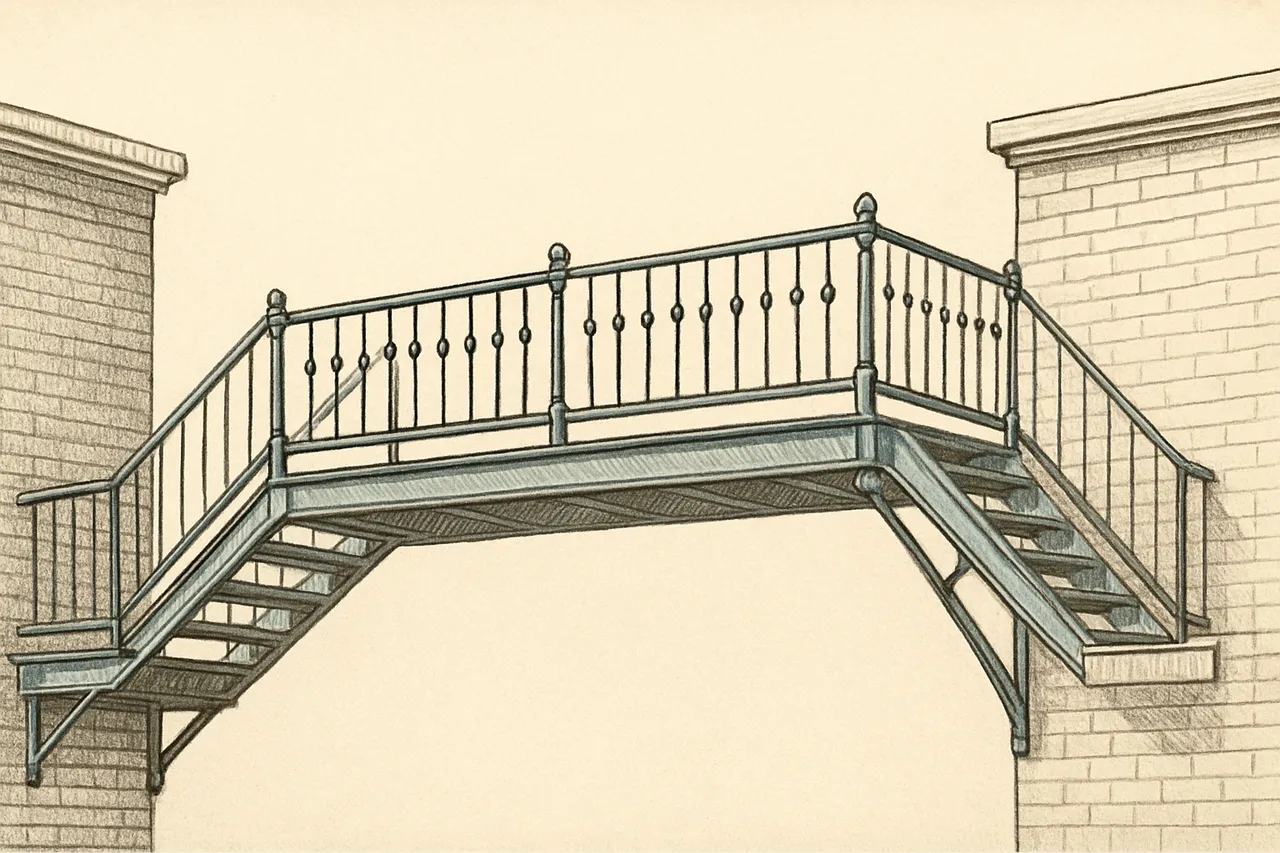
Anna Connelly Patented a Fire Escape Bridge Between Rooftops in 1887
American cities were building upward faster than they could evacuate. Anna Connelly, one of the relatively few women patenting inventions in the 1880s, proposed an external bridge between rooftops with railings — an escape route that did not depend on the burning stairwell.
Read the story →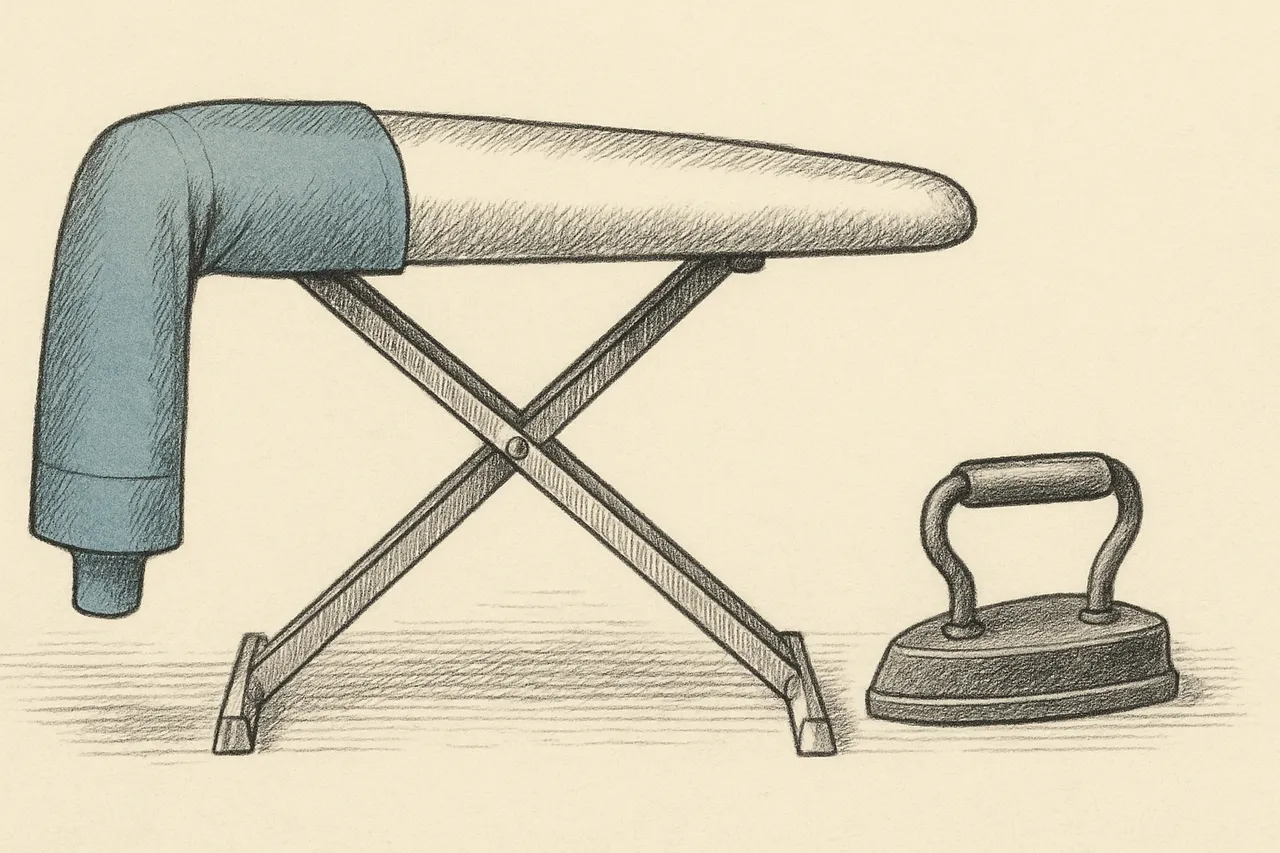
Sarah Boone Was Born Enslaved. In 1892 She Patented an Ironing Board Built for Sleeves.
Flat boards laid across chairs could not press a fitted sleeve or a curved bodice without creasing everything else. Sarah Boone, one of the first Black women in America to receive a patent, gave the board a narrow, curved shape that fit the garment.
Read the story →
Tupperware Sat on Shelves for Years. A Single Mother Selling It at Parties Saved the Company.
Earl Tupper's airtight burping seal was a genuine breakthrough that nobody could figure out how to use. Brownie Wise, a divorced single mother with no formal business training, outsold every store in the country from her living room.
Read the story →