A Secretary Mixed White Paint in Her Kitchen Blender and Sold the Result for $47.5 Million
Bette Nesmith Graham was a divorced single mother typing at a Dallas bank, and the new electric typewriters smudged badly when she erased. She remembered that painters paint over mistakes rather than scraping them off.
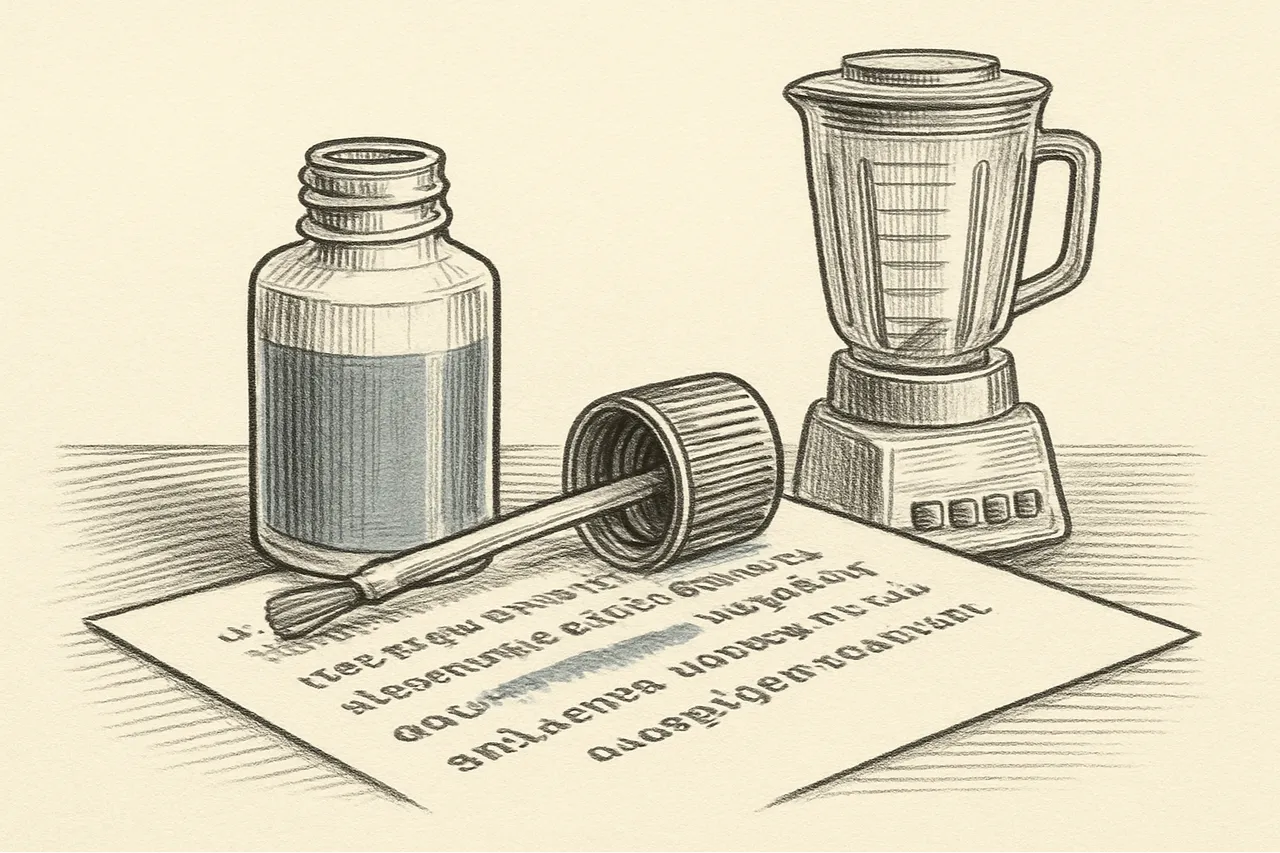
US3252825, covering a correction fluid for typewritten work, belongs to Bette Nesmith Graham — a Dallas secretary who mixed the first batches in her kitchen with a blender and built them into a company she sold for $47.5 million.
Graham was divorced, raising a son alone, and working as an executive secretary at the Texas Bank & Trust in the 1950s. Her problem was a new technology. The bank had adopted the IBM Electric typewriter, which used a carbon-film ribbon. The type was crisp and beautiful — and essentially impossible to erase cleanly. The standard typist's eraser smeared the carbon into a gray mess and often abraded the paper. A single mistake meant retyping the entire page.
Painters don't erase
Graham also earned money on the side as a commercial artist, painting holiday decorations on the bank's windows. Watching that work, she made the connection that produced the product: painters do not erase their errors. They paint over them.
She filled a small bottle with white, water-based tempera paint, took a fine watercolor brush, and began quietly painting over her typing mistakes. The correction dried, she typed over it, and nobody noticed.
Other secretaries noticed her, though. She began mixing batches at home — in her kitchen, using a blender, with her son and his friends helping fill bottles in the garage — and giving them to colleagues. She called it Mistake Out.
She had it chemically refined with help from a chemistry teacher at her son's school and a paint-company employee, working on the two properties that mattered: it had to dry fast, and it had to match the paper.
Fired, then unstoppable
Graham offered the product to IBM. IBM declined.
Then, in 1958, she was fired from the bank — reportedly for a typing error, in one telling because she had absent-mindedly signed a letter with the name of her own company instead of the bank's. Either way, she was suddenly free to sell correction fluid full time.
She renamed the product Liquid Paper, patented and trademarked it, and grew it out of her home. Growth was slow for years and then steep: by the late 1960s the company had its own plant; by the 1970s it was producing tens of millions of bottles a year and employing hundreds of people.
In 1979 she sold Liquid Paper to the Gillette Corporation for $47.5 million plus a royalty on every bottle.
The rest of it
Graham ran her company with a set of convictions unusual for the era — on-site childcare and a library at the plant, employee participation in decisions, and a stated belief that a business should be humane. She established two foundations to help women enter business and the arts, and left much of her fortune to them.
She died in 1980, six months after the sale. Half her estate went to her son, Michael Nesmith — the musician and member of the Monkees — who later became a significant figure in the development of music video.
The product she invented had a lifespan tied to a technology: as word processors replaced typewriters, the reason for correction fluid faded. But for roughly three decades, an office desk without a little white bottle on it was an unusual sight, and every one of them traces back to a fired secretary with a kitchen blender.
See the original
The full text of US3252825 is on patents.us.
Related stories
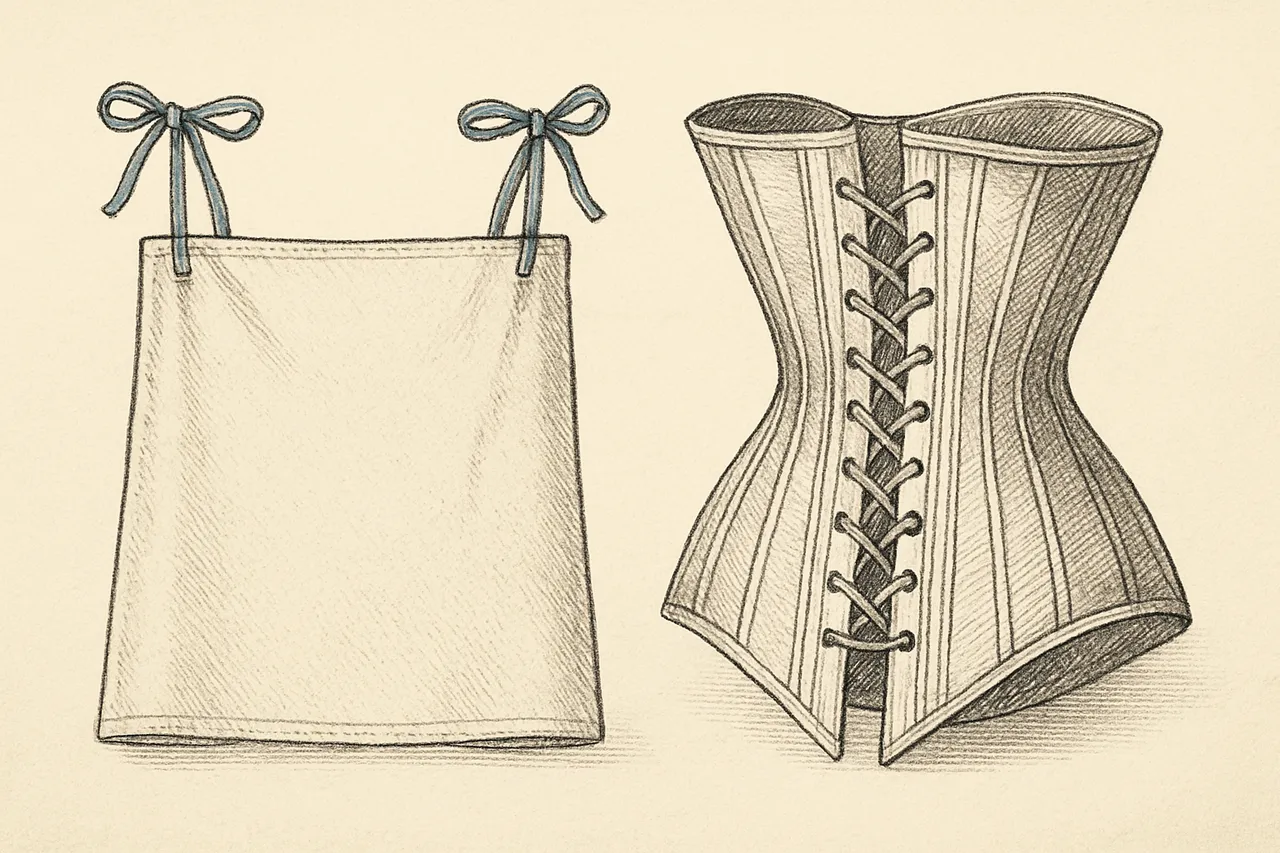
The First Modern Bra Was Two Handkerchiefs and a Ribbon, Improvised Before a Party
Mary Phelps Jacob was nineteen, dressing for a debutante ball, and the corset under her gown was ruining it. She had her maid bring two handkerchiefs and some ribbon. Four years later she held a US patent, and not long after that she sold it for $1,500.
Read the story →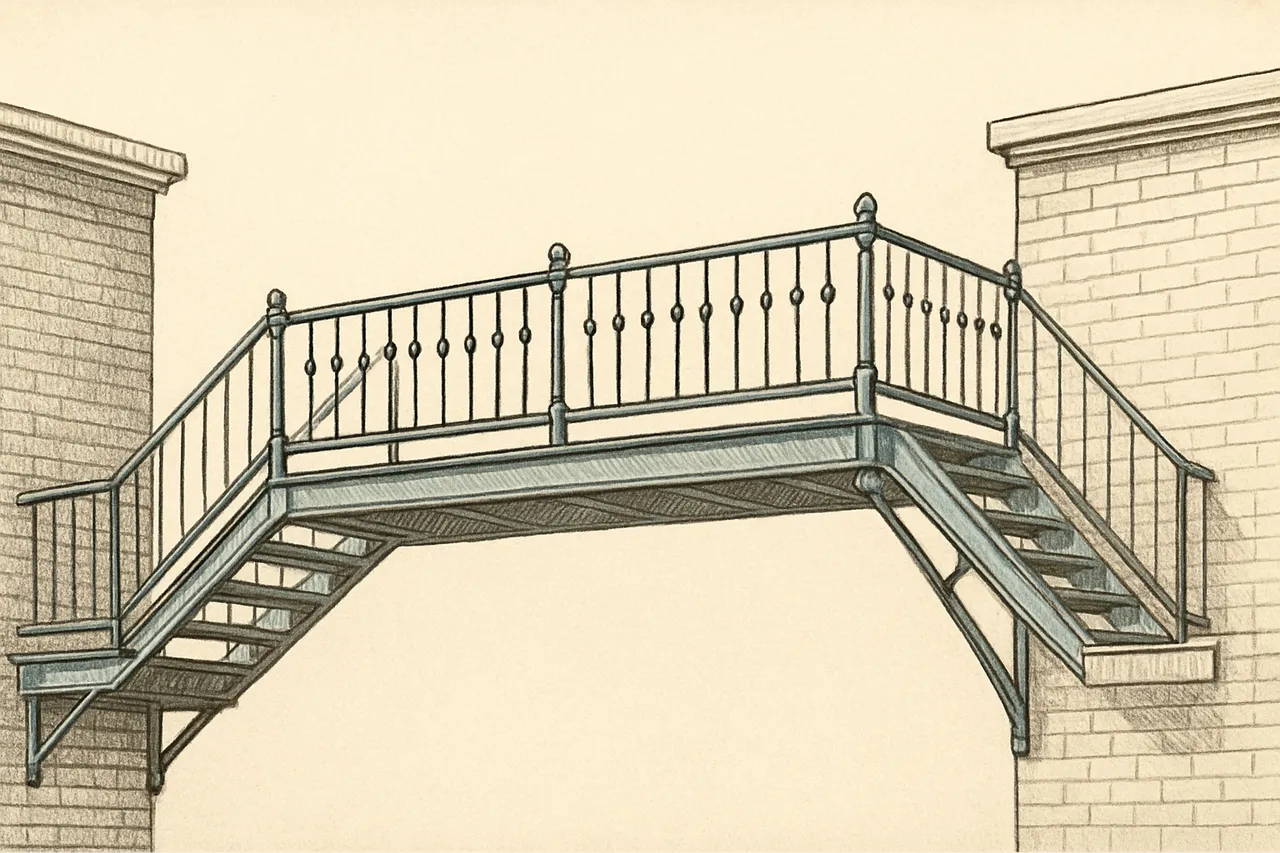
Anna Connelly Patented the Fire Escape in 1887, and Cities Started Requiring Them
American cities were building upward faster than they could evacuate. Anna Connelly, one of the earliest women to hold a US patent, proposed an external bridge between rooftops with railings — an escape route that did not depend on the burning stairwell.
Read the story →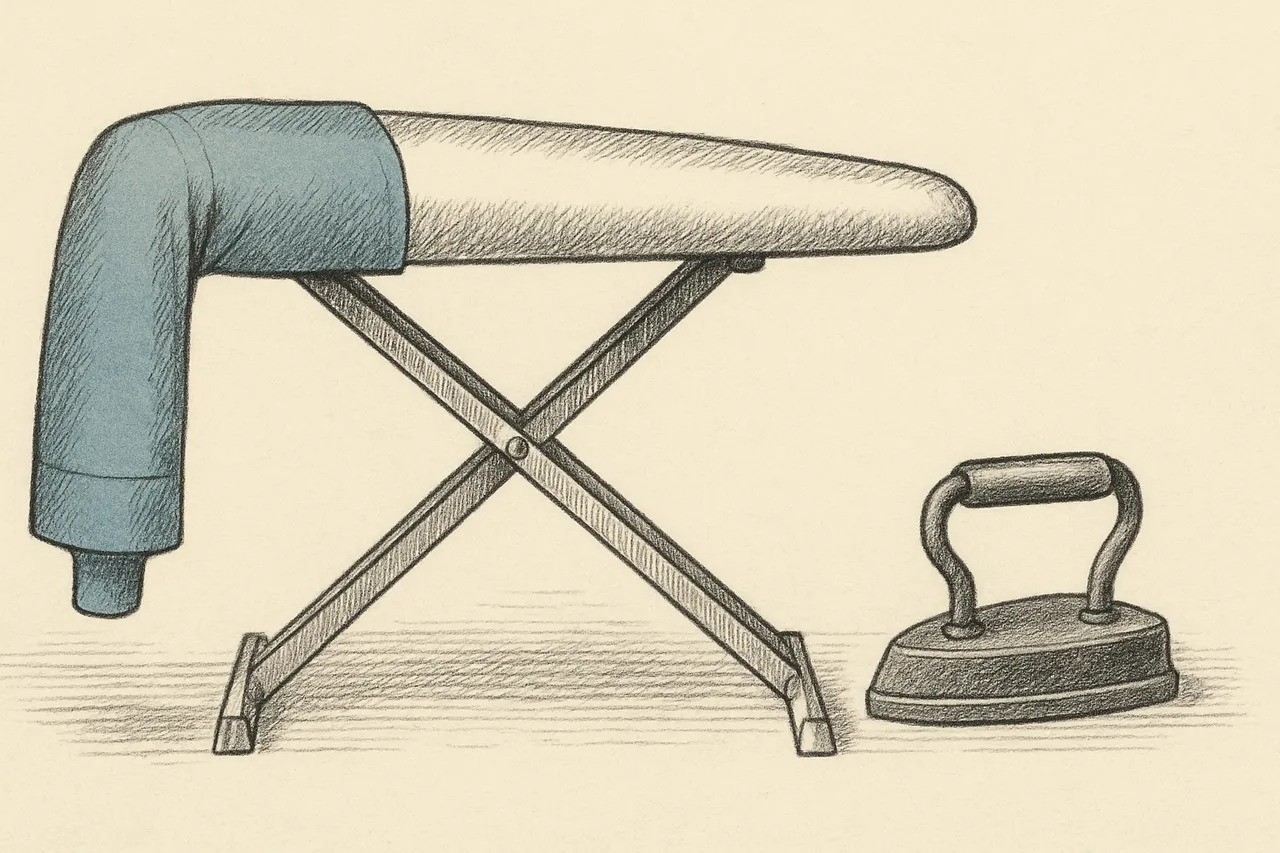
Sarah Boone Was Born Enslaved. In 1892 She Patented the Ironing Board You Still Use.
Flat boards laid across chairs could not press a fitted sleeve or a curved bodice without creasing everything else. Sarah Boone, one of the first Black women in America to receive a patent, gave the board a narrow padded shape that fit the garment.
Read the story →
Tupperware Sat on Shelves for Years. A Single Mother Selling It at Parties Saved the Company.
Earl Tupper's airtight burping seal was a genuine breakthrough that nobody could figure out how to use. Brownie Wise, a divorced single mother with no formal business training, outsold every store in the country from her living room.
Read the story →