The Kissing Shield: A Patented Membrane for Germ-Free Affection
In 1998, the USPTO granted a patent for a thin membrane stretched across a heart-shaped frame on a handle, held between two people so they could kiss without exchanging germs. It was a response to the AIDS era, and it was entirely serious.
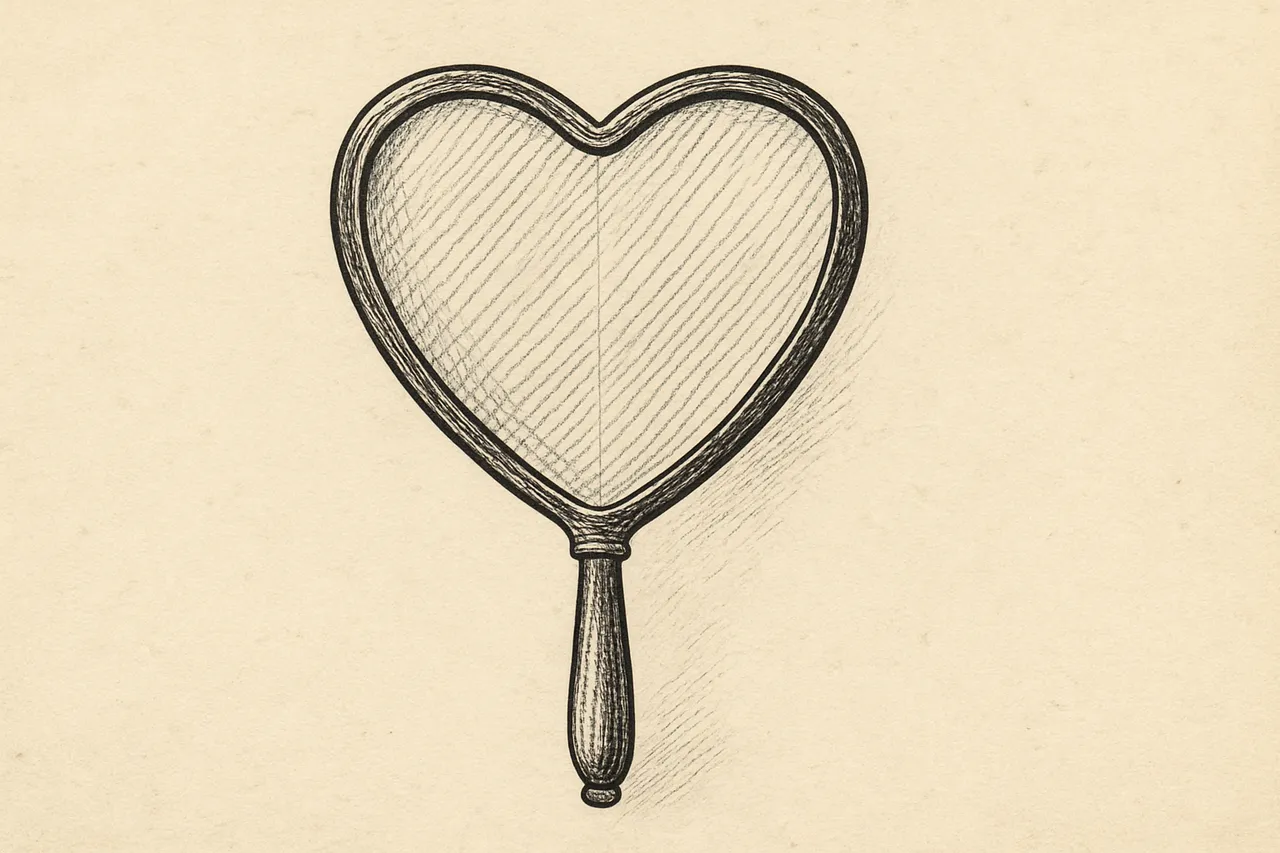
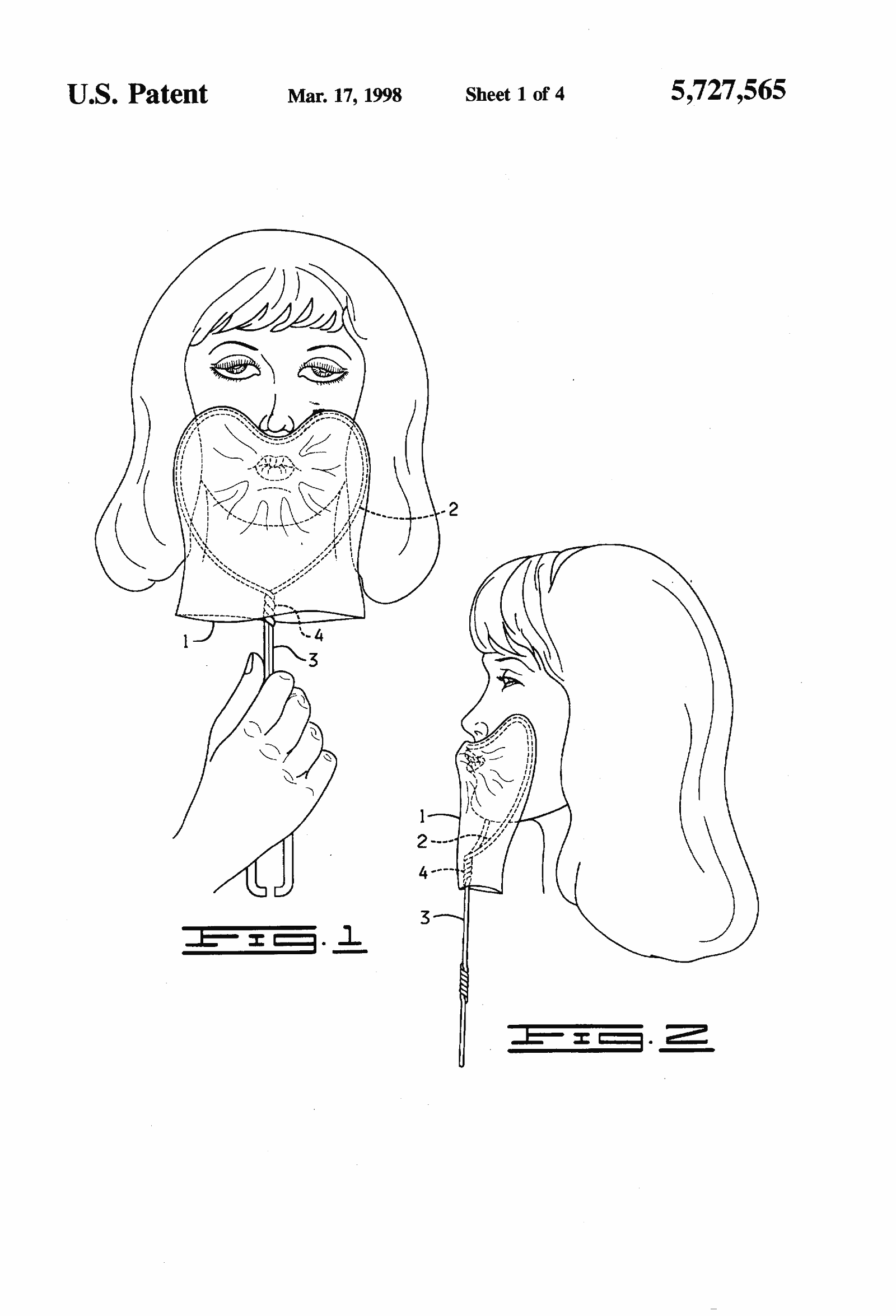
US5727565 was granted on March 17, 1998, to Deloris Gray Wood of Salem, Missouri, from an application whose roots go back to 1990. The title is simply "Kissing Shield." The invention is a thin, flexible membrane stretched across a frame — heart-shaped, in the patent's drawings — with a handle, held up between two people so that they may kiss through it without any actual contact, and therefore without exchanging germs.
The patent lays out the concern plainly. It was written at a time of growing fear about AIDS, and it also names herpes, fever blisters and canker sores among the diseases that saliva can carry from one person to another. Yet kissing is a deeply valued human gesture of affection, greeting, and ceremony that people are understandably reluctant to give up. The kissing shield resolves the tension: the membrane, thin enough that it "facilitates the tactile sensation of kissing," forms a barrier that blocks the germs. The patent even suggests a use beyond romance: it is "for casual kissing," and can be used "especially by a politician who kisses babies."
Serious, apparently
What lifts the kissing shield above simple novelty is that its inventor plainly meant it. She went on to file further kissing shield patents, including one for a kissing shield game. The application is drafted with full professional seriousness, complete with figures, claims, and a genuine articulation of the public-health problem it addresses. In an age increasingly conscious of germ transmission, the underlying worry is not even unreasonable — it is the solution that tips into the absurd, because a heart-shaped membrane on a stick is not a thing most people will ever hold up before kissing someone they love.
The pandemic footnote
There is a coda that the inventor could not have anticipated. Two decades later a global respiratory pandemic arrived, and the entire world became suddenly, intensely concerned with barriers against airborne and contact transmission. The kissing shield remained as impractical as ever. But the instinct behind it, that human closeness and human hygiene are sometimes genuinely at odds and that someone should really invent a way to have both, turned out to be more prescient than anyone laughing at it in 1998 would have guessed.
See the original
The full text and figures of US5727565 are on Google Patents.
Related stories

Michael Jackson Held a Patent on the Smooth Criminal Lean. The Secret Was in the Heel.
In the Smooth Criminal film the famous forward lean was done with wires. Wires could not work on a live stage, so Jackson and two costume designers patented a shoe with a slot in the heel that locks onto a peg rising through the floor.
Read the story →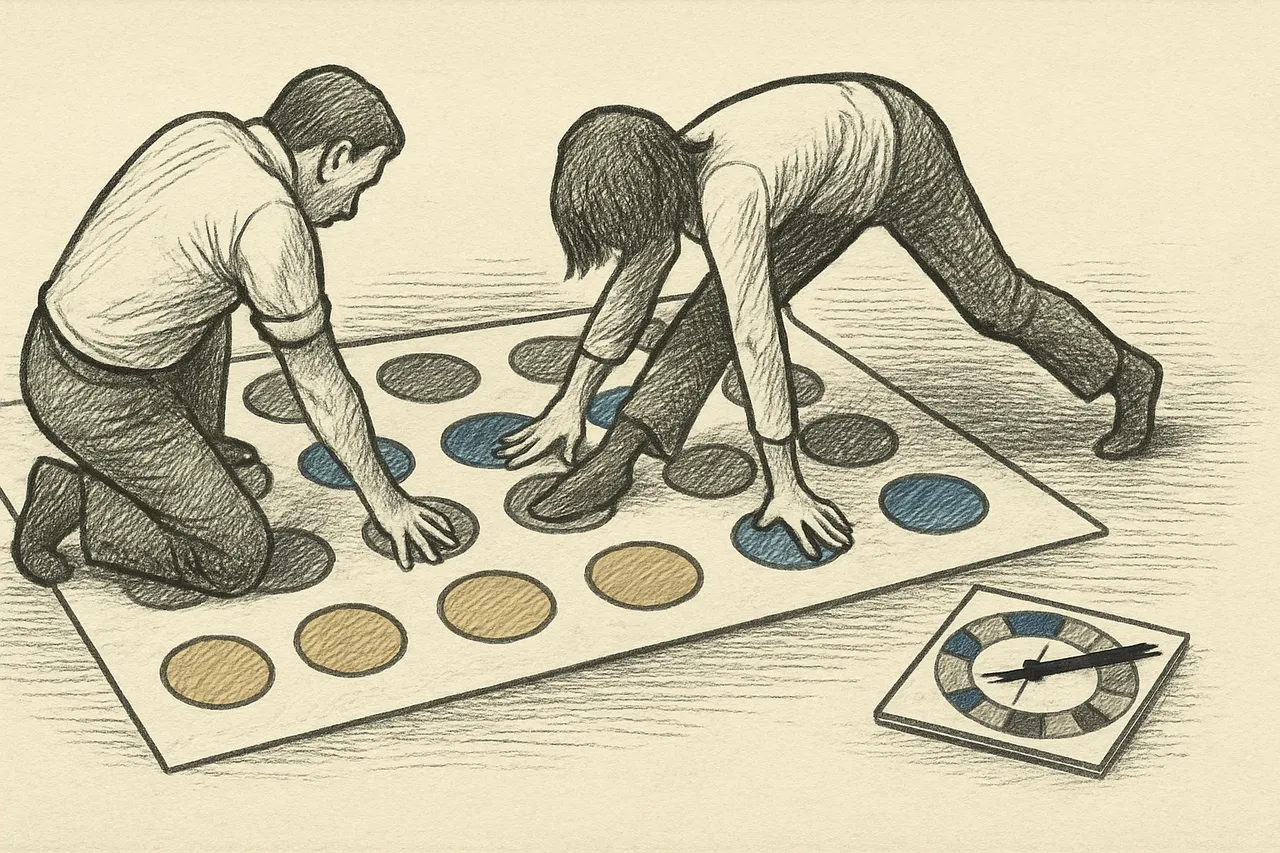
Twister's Patent Is Titled 'Apparatus for Playing a Game Wherein the Players Constitute the Game Pieces'
The patent title is the whole idea: the people are the pieces. Milton Bradley released the game in 1966, some retailers were wary of it, and critics found it a little too intimate. Then Johnny Carson played it on television with Eva Gabor, and the orders poured in.
Read the story →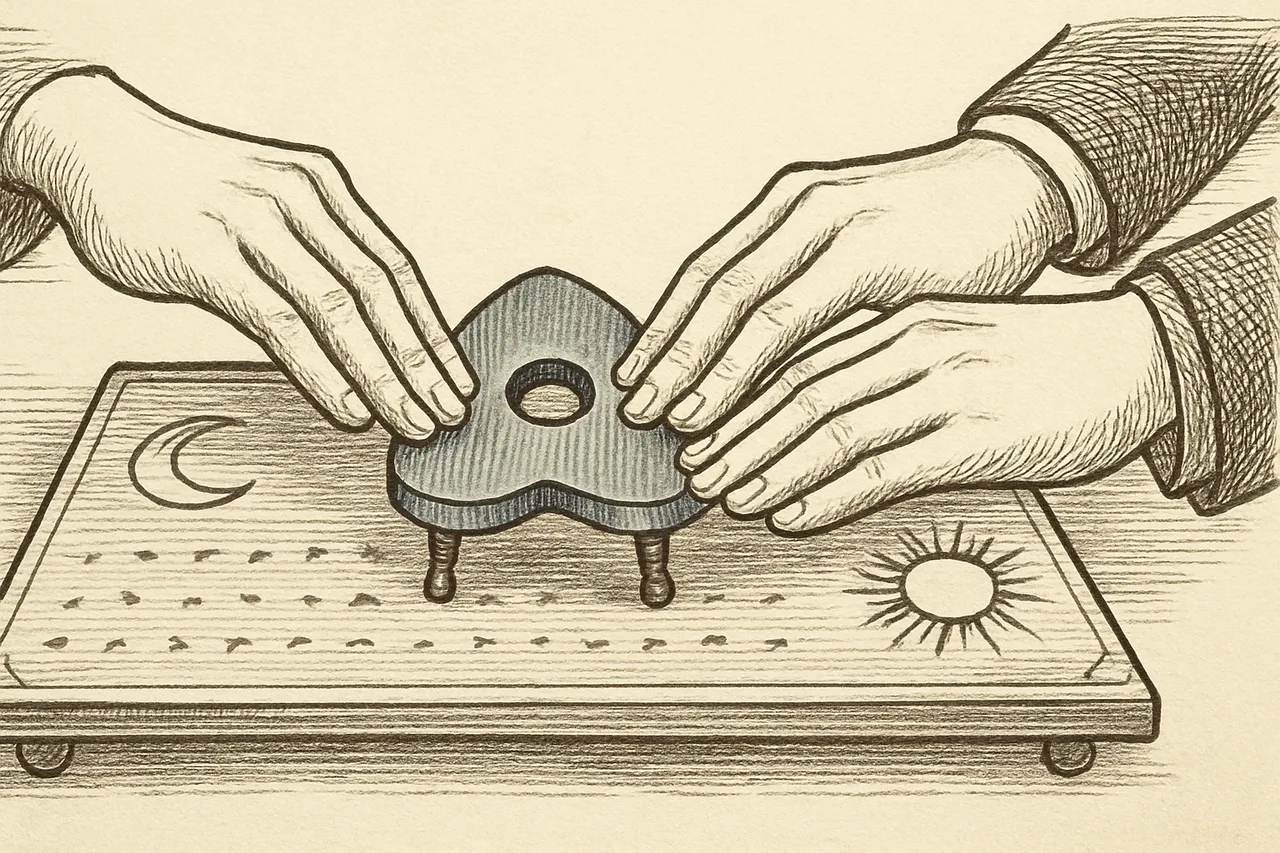
The Ouija Board's 1891 Patent Calls It an 'Egyptian Luck-Board' and Never Says How It Works
Elijah Bond's patent describes a board and a small pointer on legs, and makes no claim about what moves the pointer. The popular legend says the patent examiner demanded a demonstration first. The science, worked out decades before the patent, says the players are moving it themselves without realizing it.
Read the story →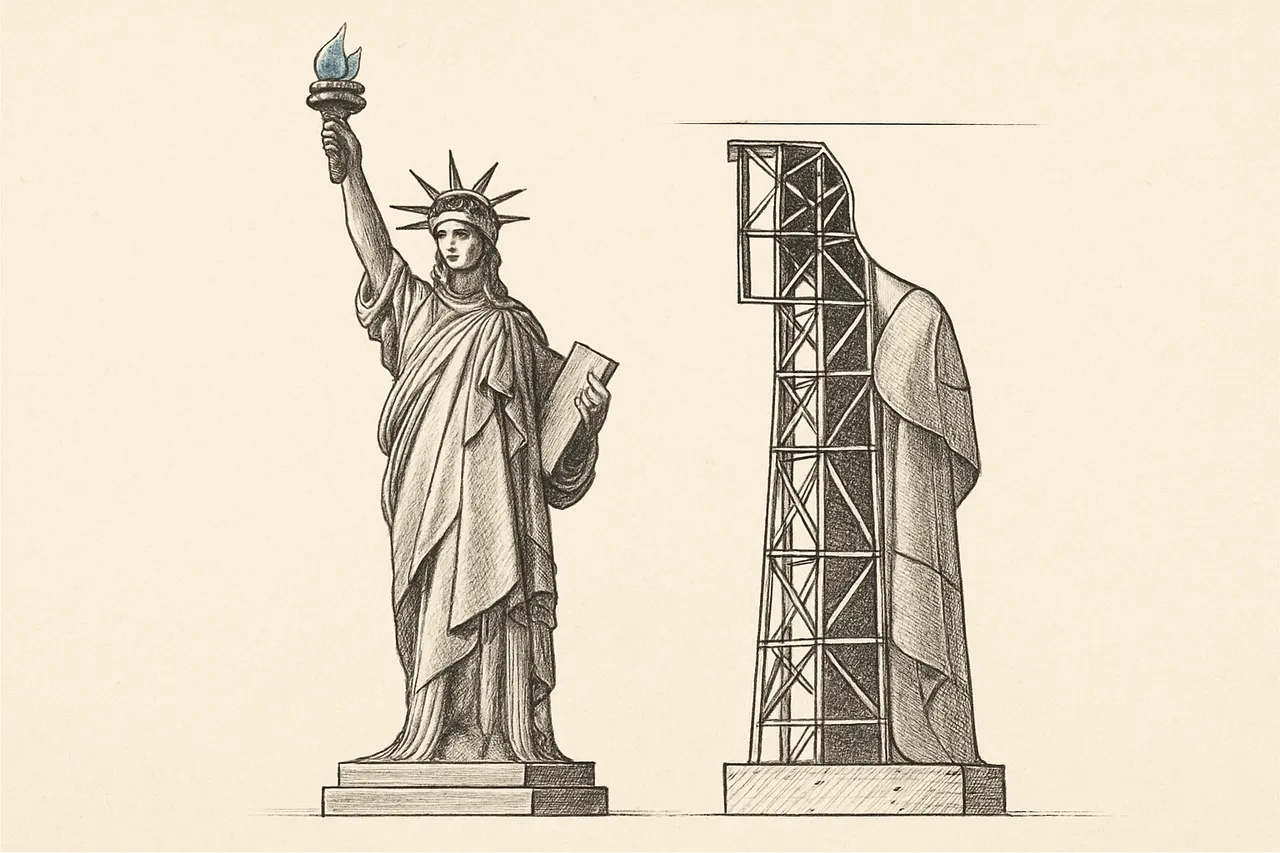
The Statue of Liberty Was Patented in 1879, Seven Years Before It Was Dedicated
Auguste Bartholdi received US Design Patent 11,023 in February 1879 for a statue that would not stand in New York Harbor until 1886. Replicas were a fundraising tool for a project that was chronically short of money, and a design patent gave control over who could legally make them.
Read the story →