A Toilet for Automatically Exhausting Odious Air
Nat Thompson's 2002 patent hides a fan inside the toilet bowl. It switches on when you sit down and sends the smell down the drain with everything else, instead of into the room.
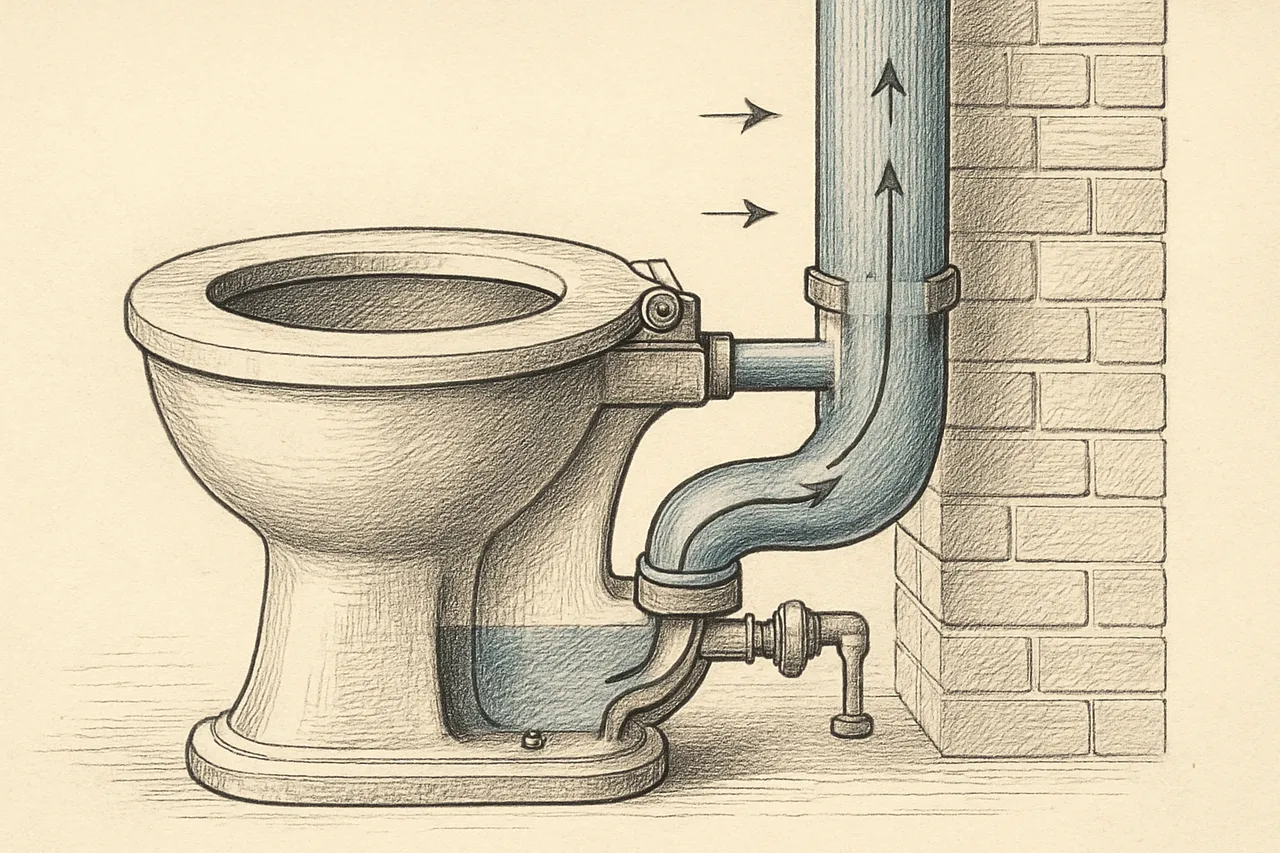
US6499150 was granted to Nat Thompson of Corona, New York, on December 31, 2002. The title, exactly as printed on the patent, is "For a toilet for automatically exhausting odious air therefrom." The stray "For a" at the front is on the official record.
The idea behind it is simple. The smell should leave the bathroom the same way everything else does: down the drain.
How it works
Thompson's toilet has a small fan in a housing built into the bowl itself. The housing connects the inside of the bowl to the waste pipe through a second trap, separate from the main trap that carries the waste away.
The fan switches on when someone sits down. It draws air out of the bowl, pushes it through the housing and the second trap, and into the waste line. The odor goes down with everything else instead of rising into the room. Giving the air its own trap matters, because a trap is what stops sewer gas from coming back up a pipe, and the fan's route into the drain would otherwise be an open path in the wrong direction.
A long line of ventilated toilets
Thompson was not the first person to want this, and the patent says so. It cites toilet ventilation patents going back to 1934, along with a later multifunction toilet whose odor exhaust was wired to a switch so that it ran only while someone was seated.
What Thompson claimed was a particular arrangement: the fan and its housing inside the bowl, with the air sent into the waste pipe through a trap of its own rather than out through a duct or a vent in the wall.
What it tells us
Most buildings settled the bathroom smell problem long ago with an exhaust fan in the ceiling and a vent stack in the plumbing. Patents like this one keep arriving anyway, because a ceiling fan deals with the whole room after the fact, and the person in the room would rather the problem never left the bowl.
It is a small, earnest, slightly comic solution to a universal annoyance, filed under a title that reads like the first line of a sales pitch someone forgot to finish.
See the original
The full patent, with its drawing and claims, is on patents.us.
Related stories
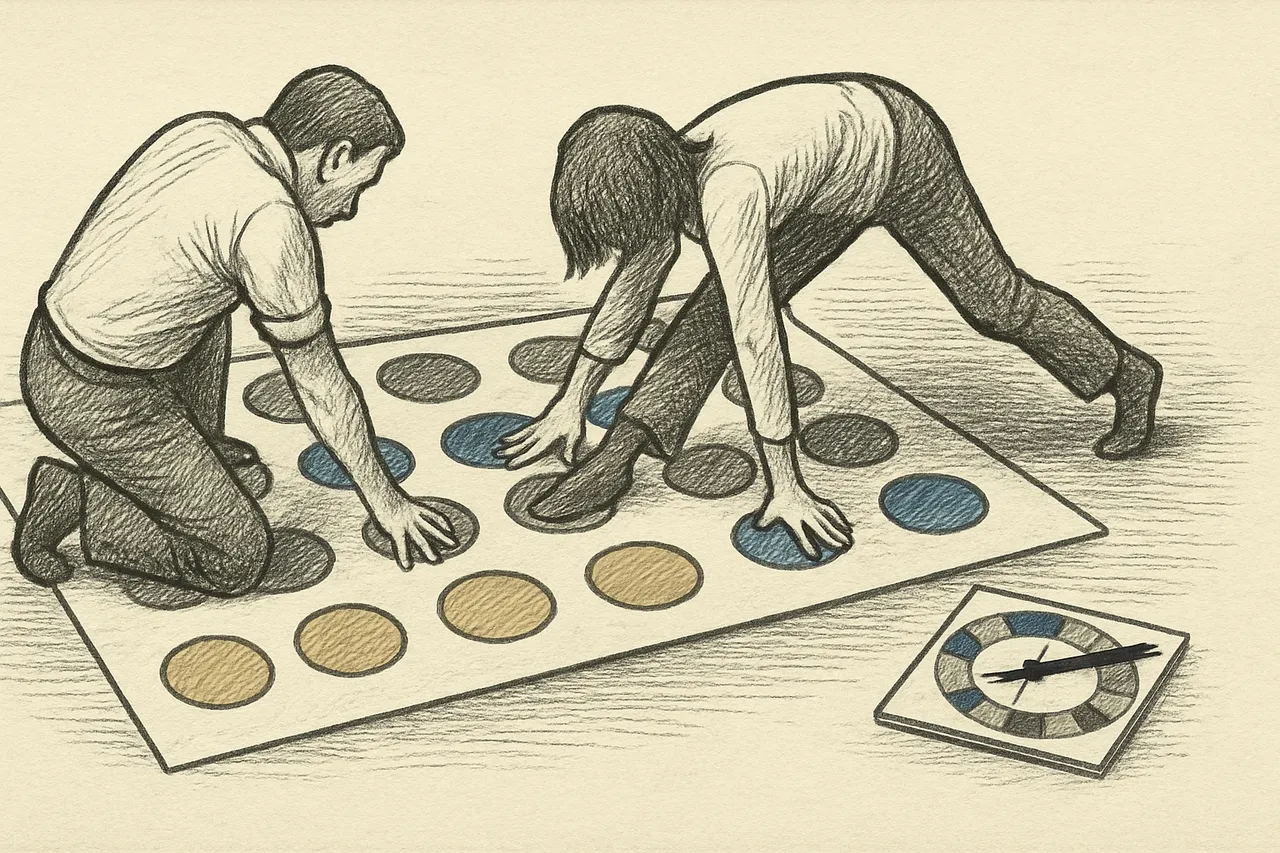
Twister's Patent Is Titled 'Apparatus for Playing a Game Wherein the Players Constitute the Game Pieces'
The patent title is the whole idea: the people are the pieces. Milton Bradley released the game in 1966, some retailers were wary of it, and critics found it a little too intimate. Then Johnny Carson played it on television with Eva Gabor, and the orders poured in.
Read the story →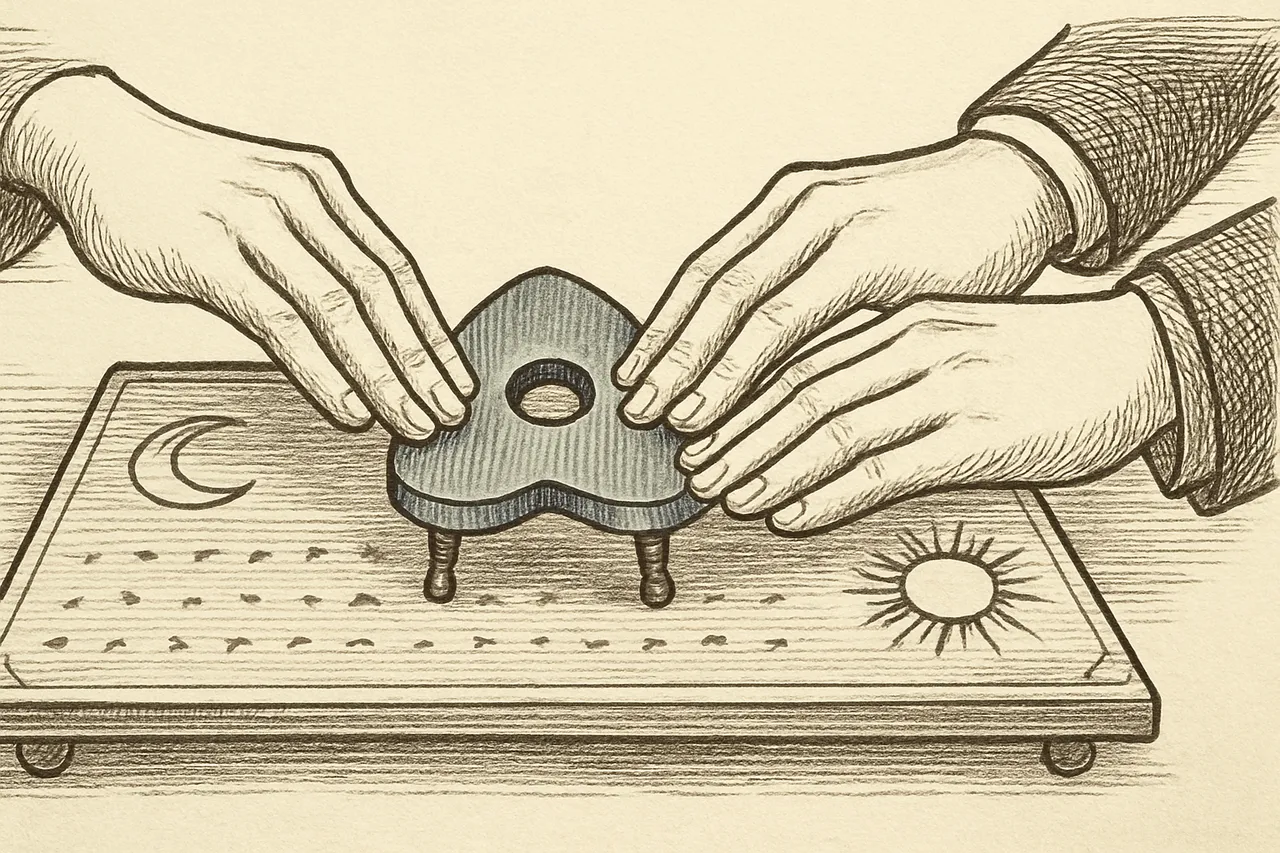
The Ouija Board's 1891 Patent Calls It an 'Egyptian Luck-Board' and Never Says How It Works
Elijah Bond's patent describes a board and a small pointer on legs, and makes no claim about what moves the pointer. The popular legend says the patent examiner demanded a demonstration first. The science, worked out decades before the patent, says the players are moving it themselves without realizing it.
Read the story →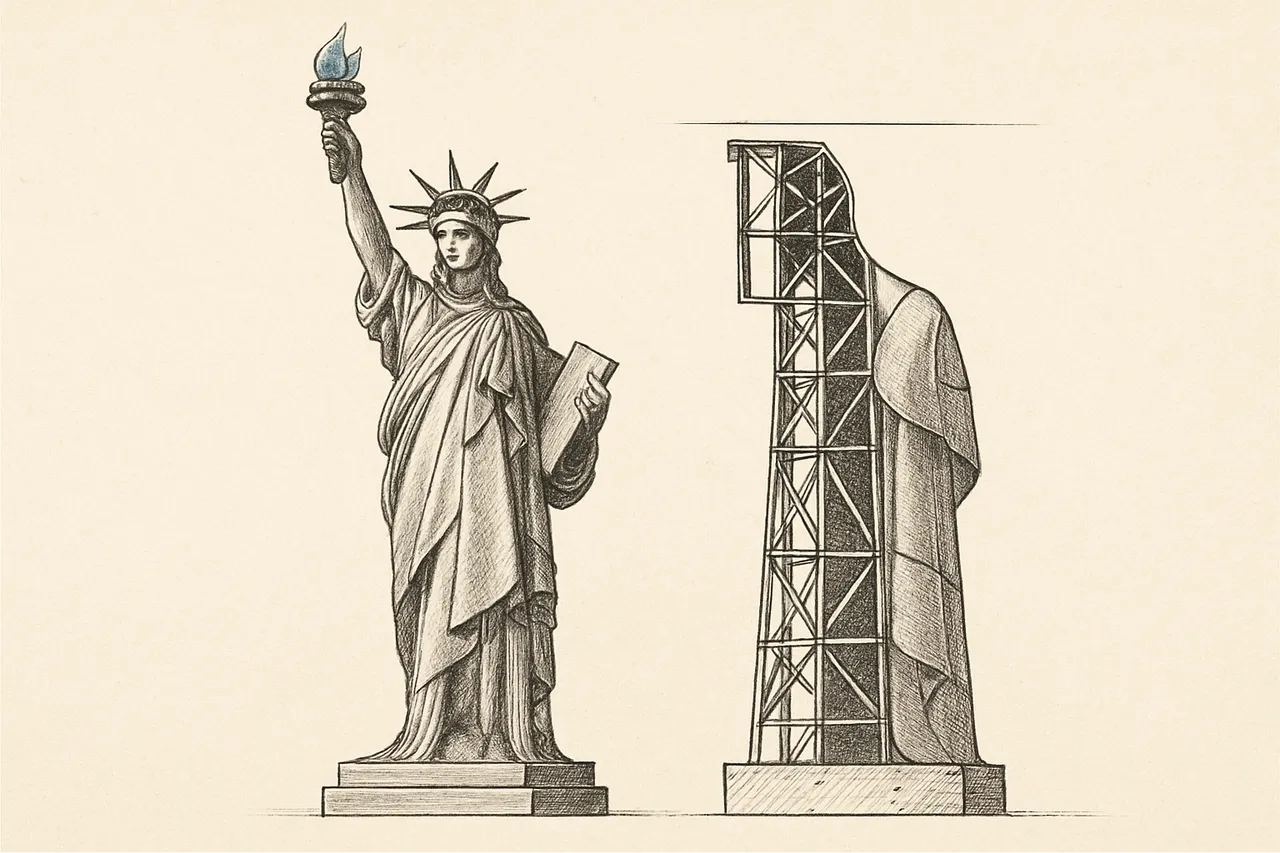
The Statue of Liberty Was Patented in 1879, Seven Years Before It Was Dedicated
Auguste Bartholdi received US Design Patent 11,023 in February 1879 for a statue that would not stand in New York Harbor until 1886. Replicas were a fundraising tool for a project that was chronically short of money, and a design patent gave control over who could legally make them.
Read the story →
The Mousetrap Is the Most-Patented Device in American History. Almost None of Them Work.
More than four thousand mousetrap patents have been granted in the United States, and thousands more rejected. Roughly twenty have ever made money. The one that won was patented in 1894 and costs about a quarter.
Read the story →