Changed Everything
Patents that altered industries, reshaped daily life, or quietly seeded entire technology stacks.
Most patents disappear into the archive without leaving a trace. A few do not. This tag collects the inventions whose downstream effects are still rippling — the foundational patents behind a technology you use every day, the assigned patents that bankrolled an empire, and the quiet filings that turned out to be the seed of a new industry.
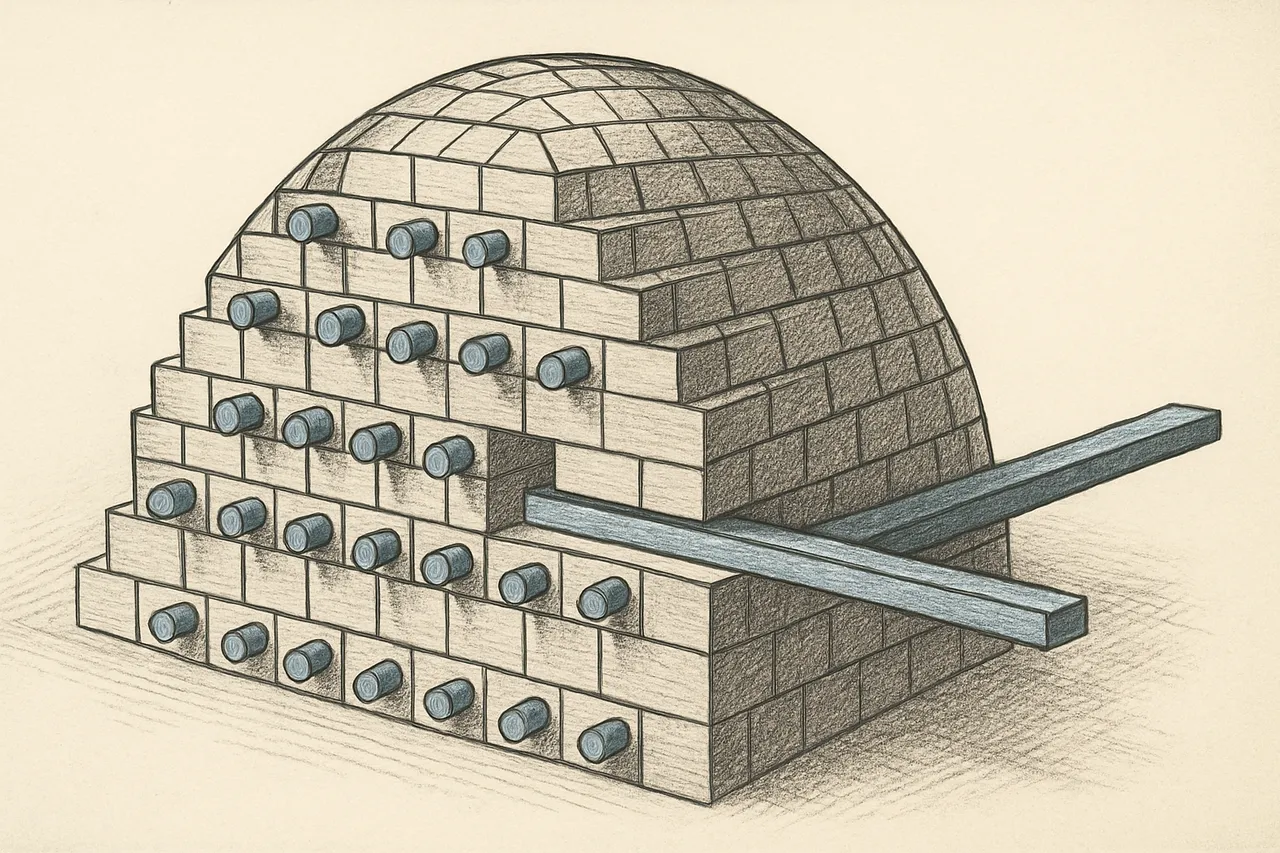
Fermi and Szilard Filed a Patent on the Nuclear Reactor in 1944. It Stayed Secret for More Than Ten Years.
The patent is titled Neutronic Reactor, which is a very flat name for the machine that produced the first controlled nuclear chain reaction. It was filed during the Manhattan Project, buried under a secrecy order, and not published until 1955, six months after Enrico Fermi died.
Read the story →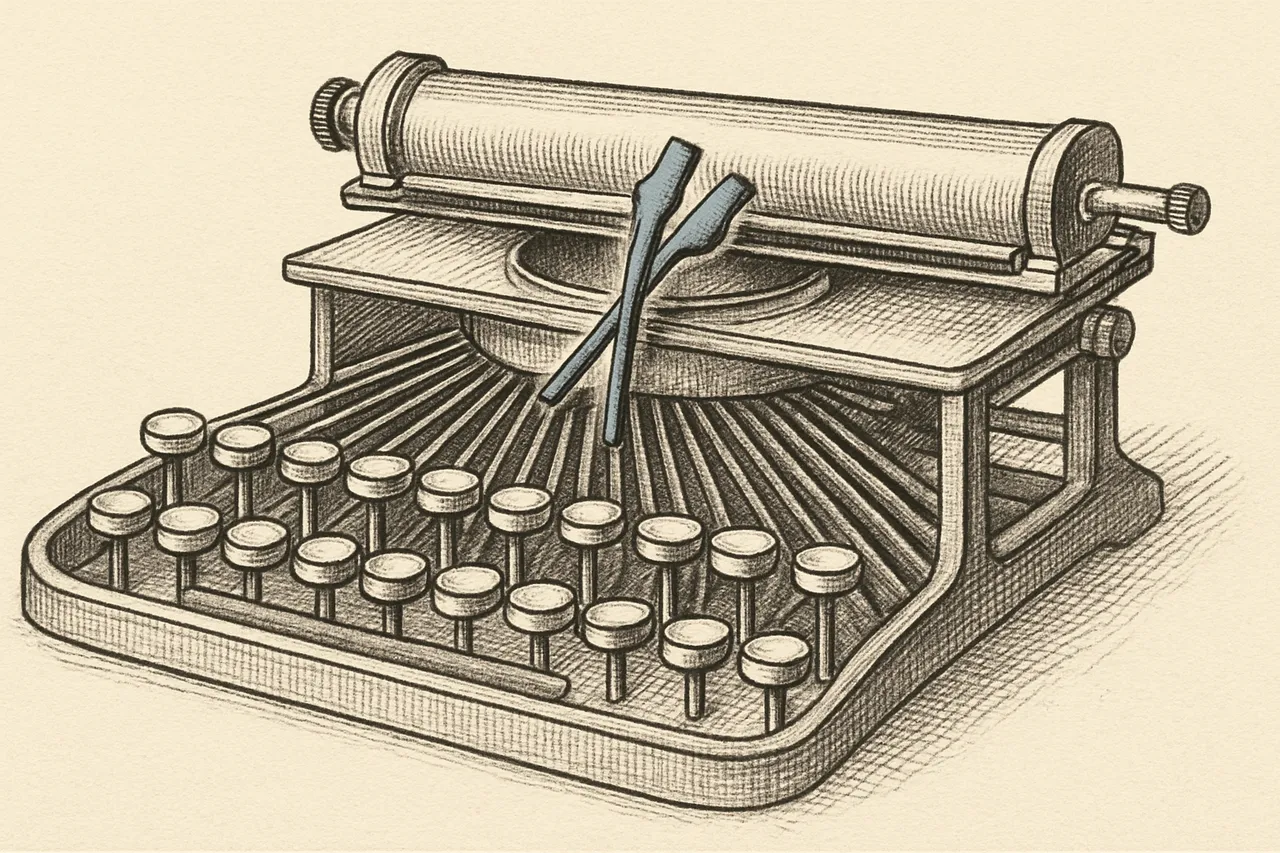
The 1868 Patent Behind the First Successful Typewriter Had Its Keys in Alphabetical Order. QWERTY Came Later, and Nobody Fully Agrees Why.
Christopher Latham Sholes and two partners patented a typewriter in Milwaukee in 1868 with keys arranged like a piano, roughly in alphabetical order. Over the next several years the letters were shuffled into QWERTY. The popular explanation for that is a distortion of a better one.
Read the story →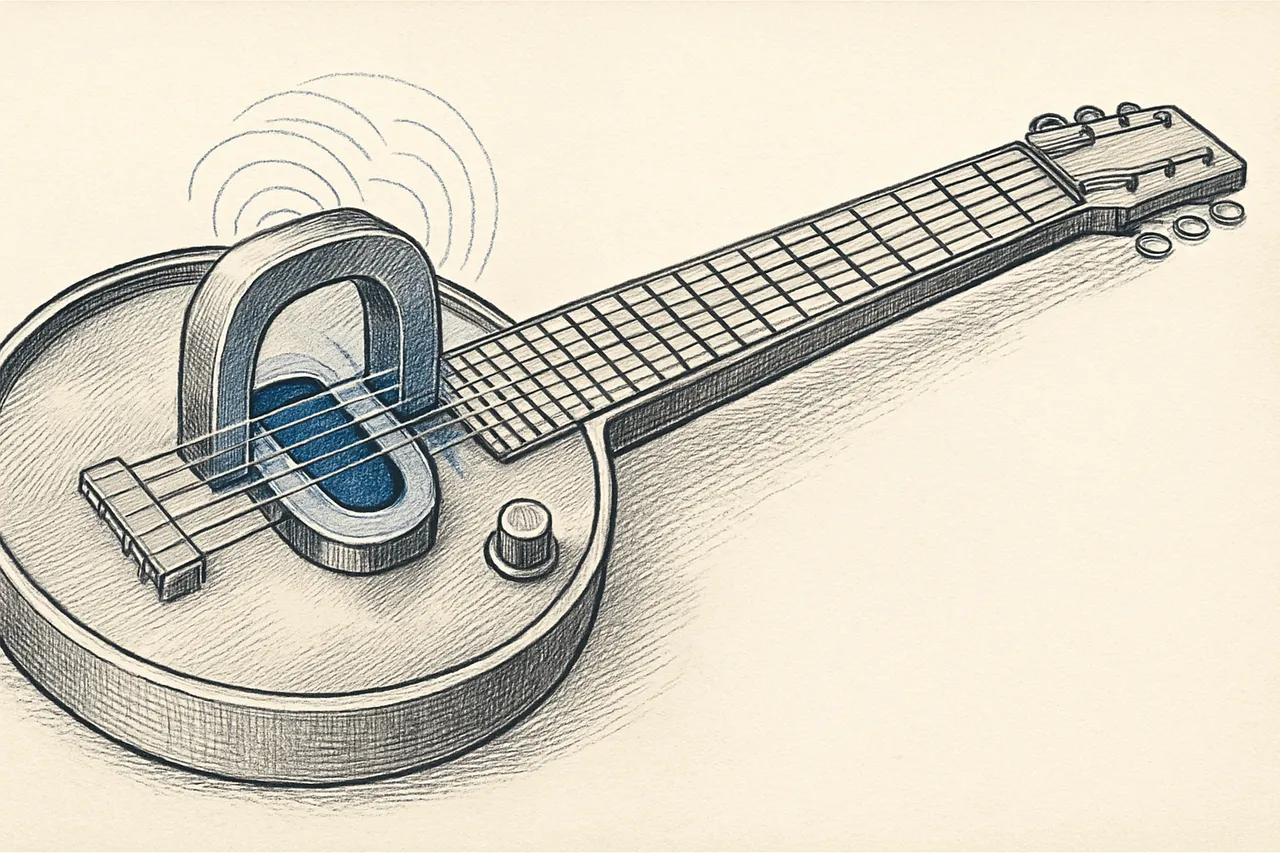
The First Electric Guitar You Could Buy Was Nicknamed the Frying Pan, and Its Patent Took Three Years
In the big band era, guitarists could not be heard over the horns. George Beauchamp set the strings inside a pair of horseshoe magnets, wound a coil beneath them, and mounted it all on a round aluminum body with a long neck. It looked like cookware, and the magnetic pickup it used is still how electric guitars work.
Read the story →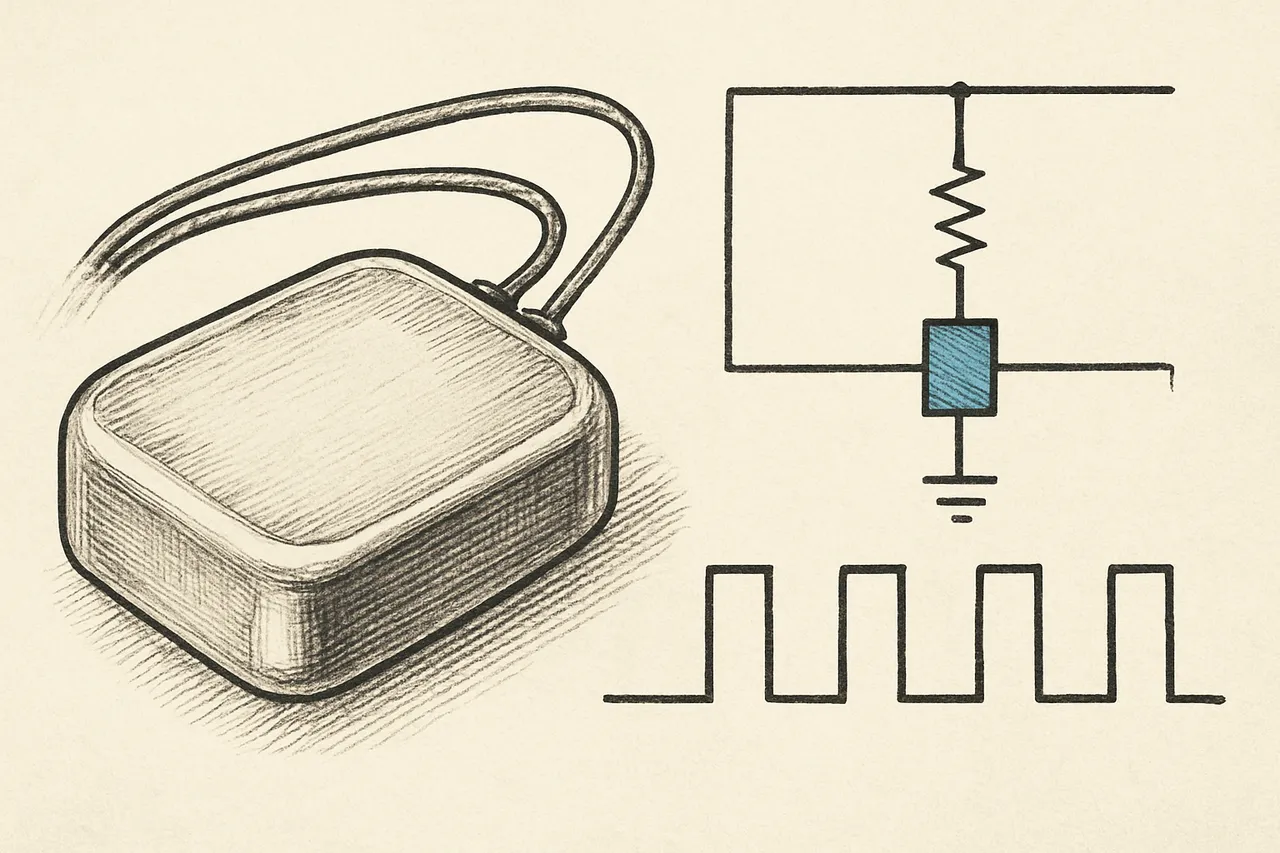
He Reached Into the Wrong Bin, Soldered in the Wrong Resistor, and Built the First Implantable Pacemaker
Wilson Greatbatch was building a device to record heart sounds. He grabbed a resistor of the wrong value, and the circuit started pulsing instead of recording. He recognized the rhythm immediately, because he already knew what problem it solved.
Read the story →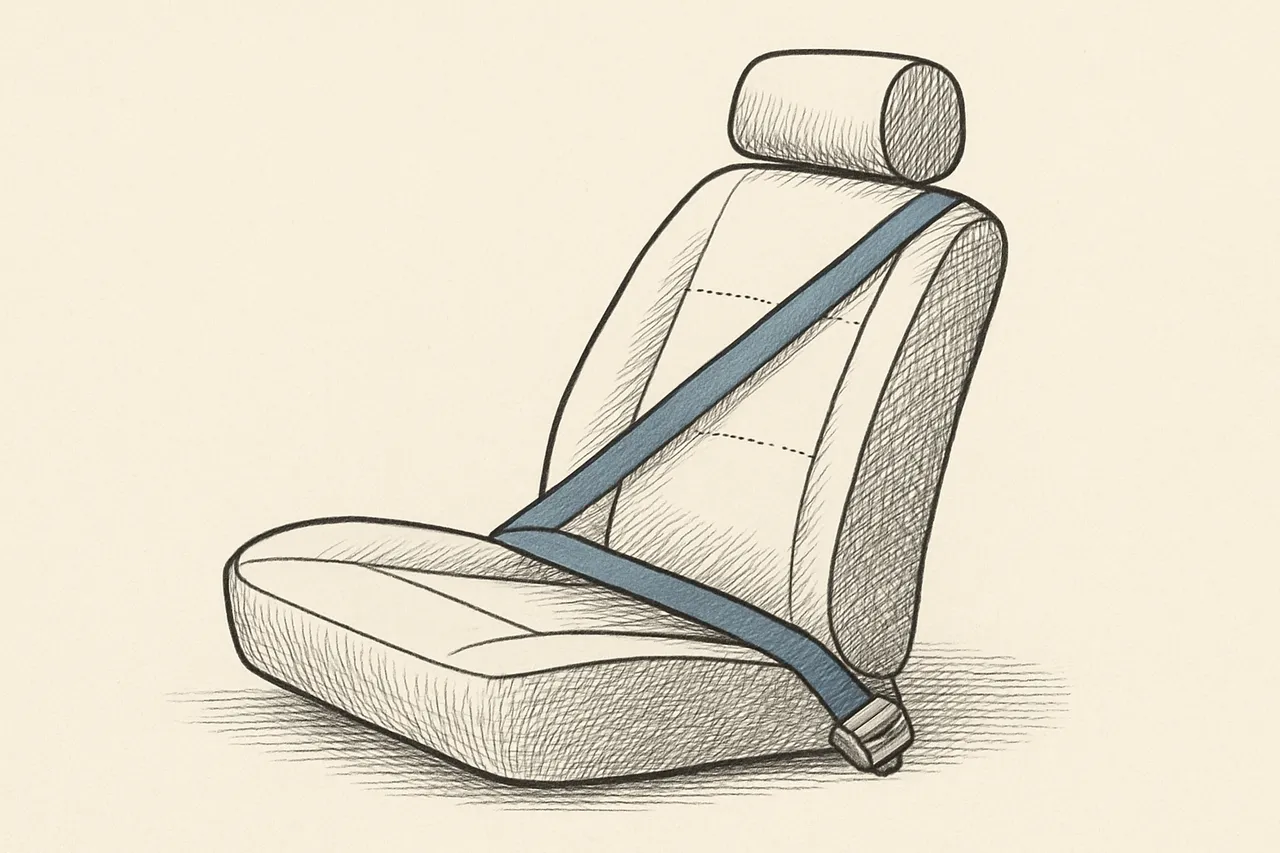
Volvo Patented the Three-Point Seat Belt in 1959, Then Opened the Patent to Every Rival It Had
Nils Bohlin came from building ejection seats for fighter aircraft, and he solved the seat belt in about a year. Volvo then did the thing companies almost never do with a patent that valuable: it made the design free to use, on the grounds that keeping it would cost lives.
Read the story →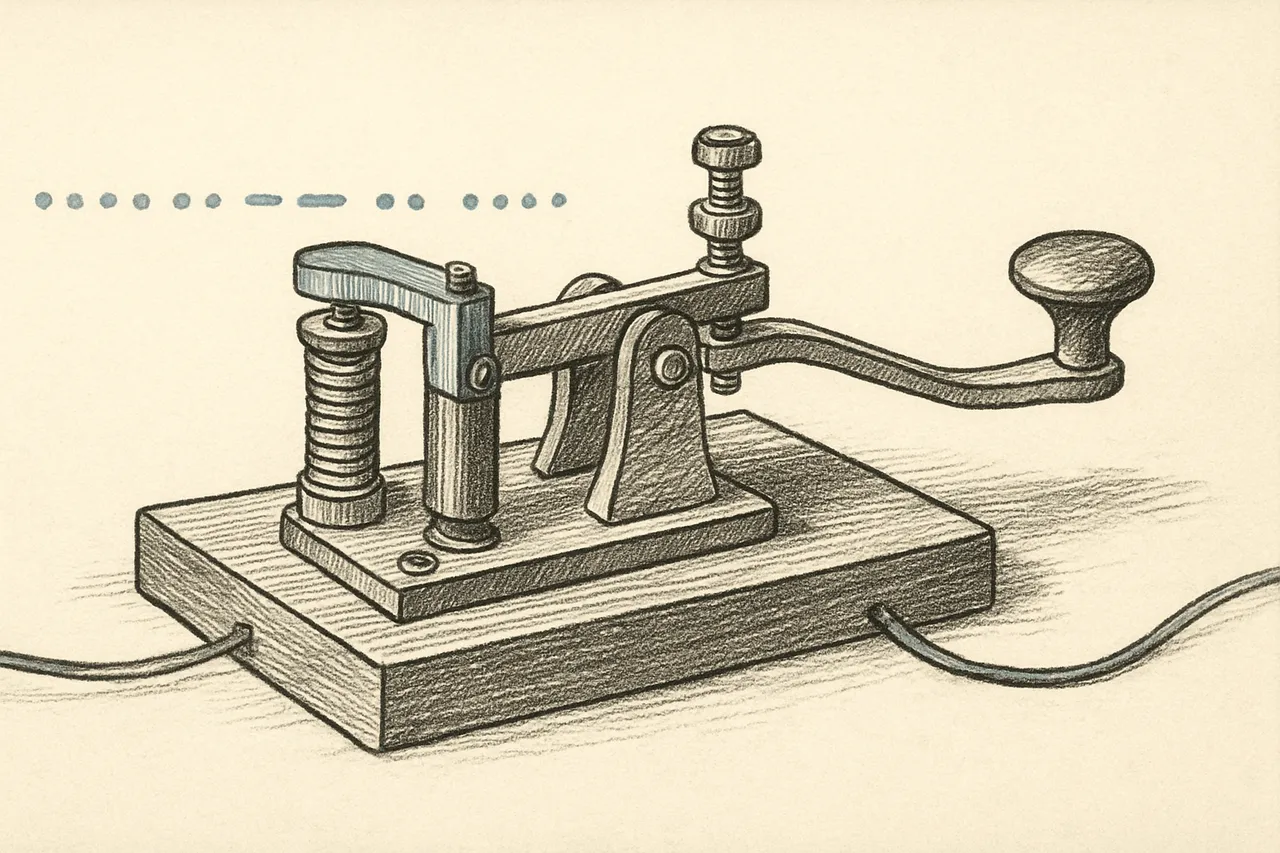
Samuel Morse Patented the Telegraph — and Abolished Distance
Before 1844, a message could travel only as fast as a horse, a train, or a ship. Samuel Morse's telegraph made it travel at the speed of electricity. For the first time in history, communication was faster than transportation.
Read the story →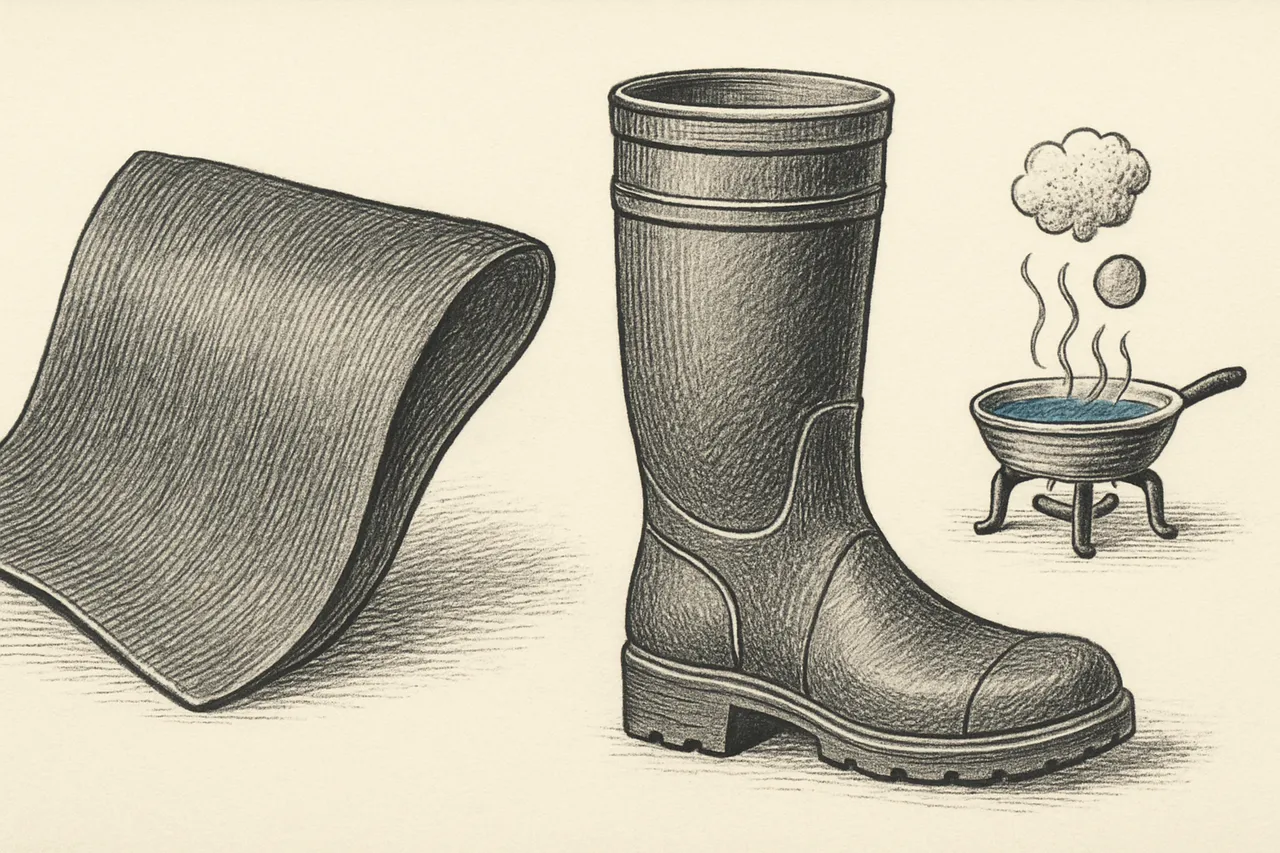
Charles Goodyear Invented Rubber That Works — and Died $200,000 in Debt
Natural rubber melted in summer and cracked in winter. Charles Goodyear spent years and his family's health obsessively trying to fix it, then discovered the answer by accident — dropping rubber and sulfur on a hot stove. The world got tires. He got debtor's prison.
Read the story →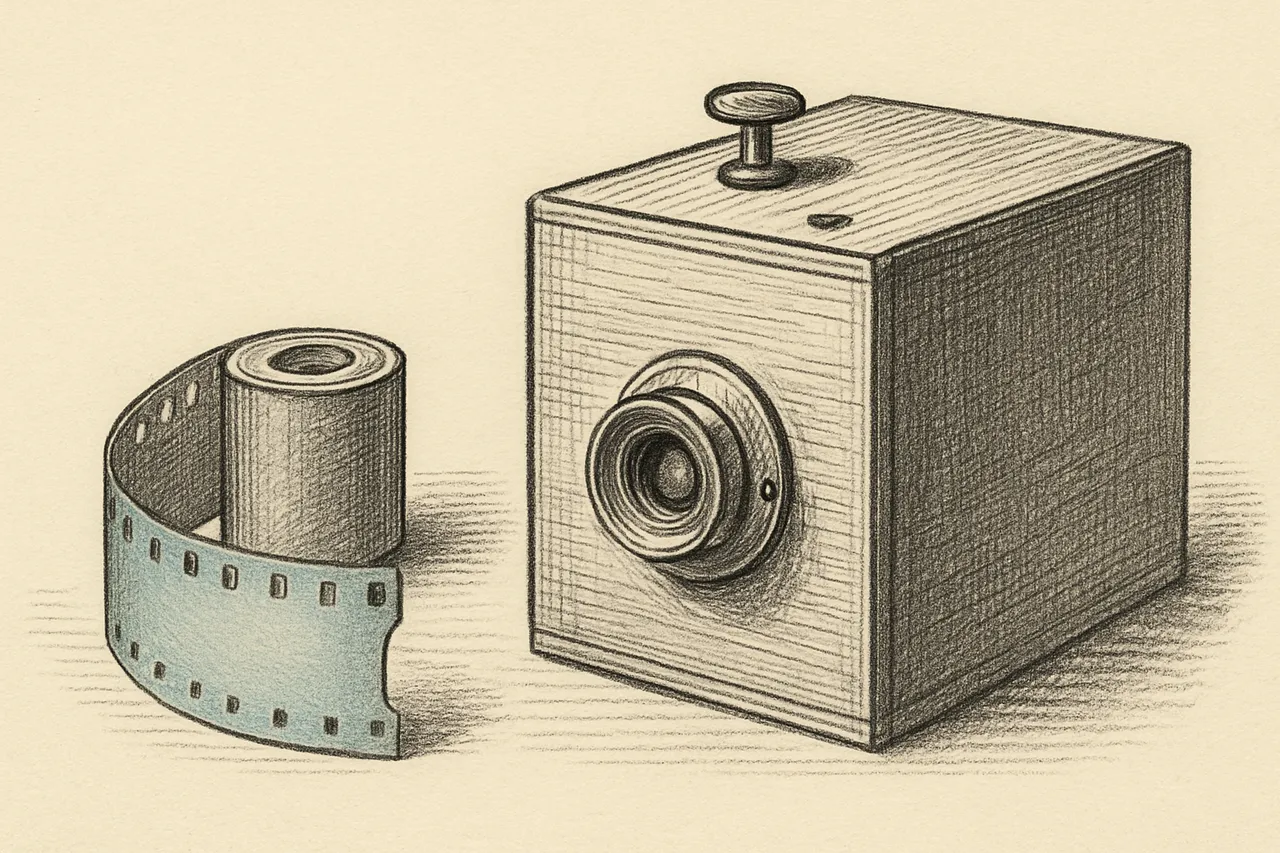
George Eastman Made Everyone a Photographer With Four Words: You Press the Button
Before 1888, photography meant glass plates, chemicals, and expertise. Eastman's roll-film box camera came pre-loaded, took a hundred pictures, and was mailed back to the factory for developing. The slogan said the rest: 'You press the button, we do the rest.'
Read the story →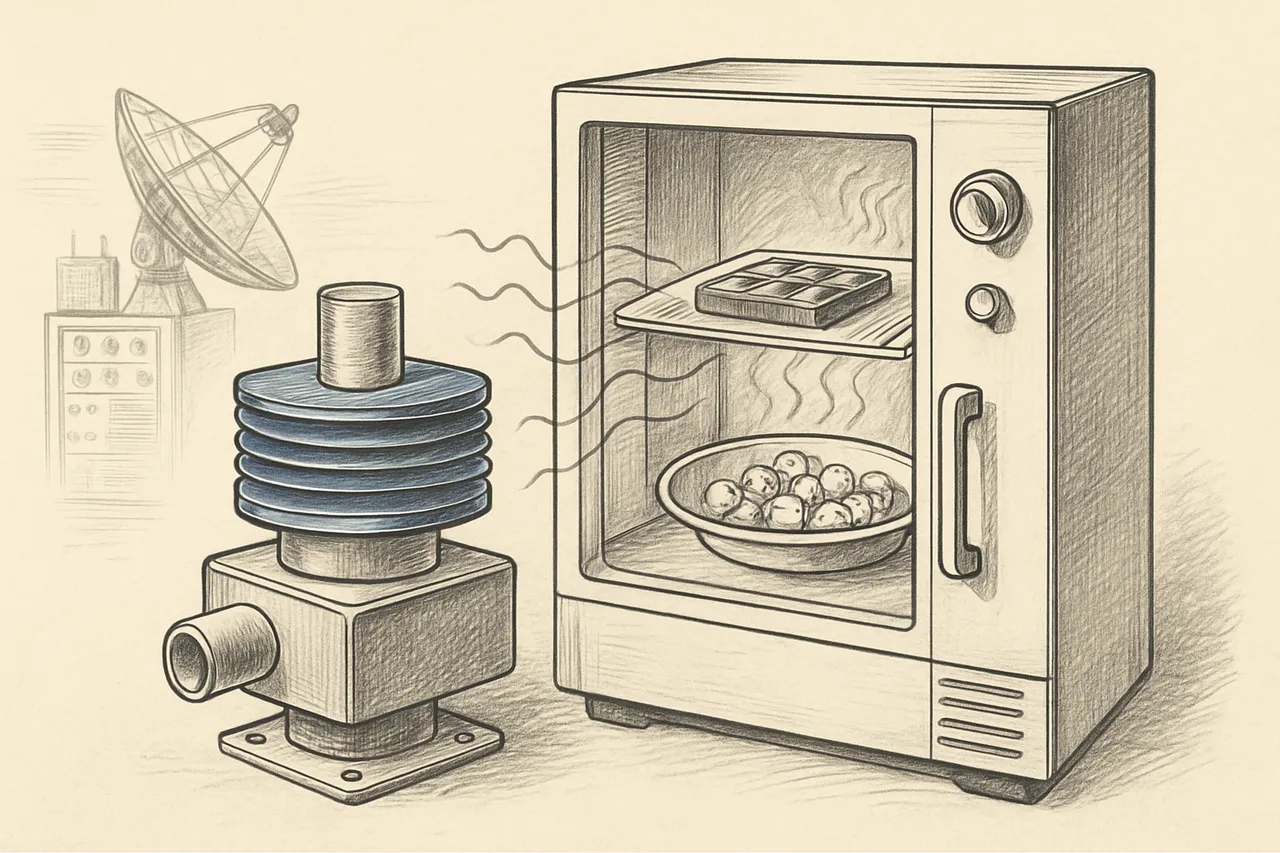
A Melted Candy Bar in His Pocket Led to the Microwave Oven
An engineer testing radar equipment noticed the chocolate bar in his pocket had turned to goo. Instead of shrugging, he aimed the magnetron at some popcorn kernels. They popped. The kitchen was never the same.
Read the story →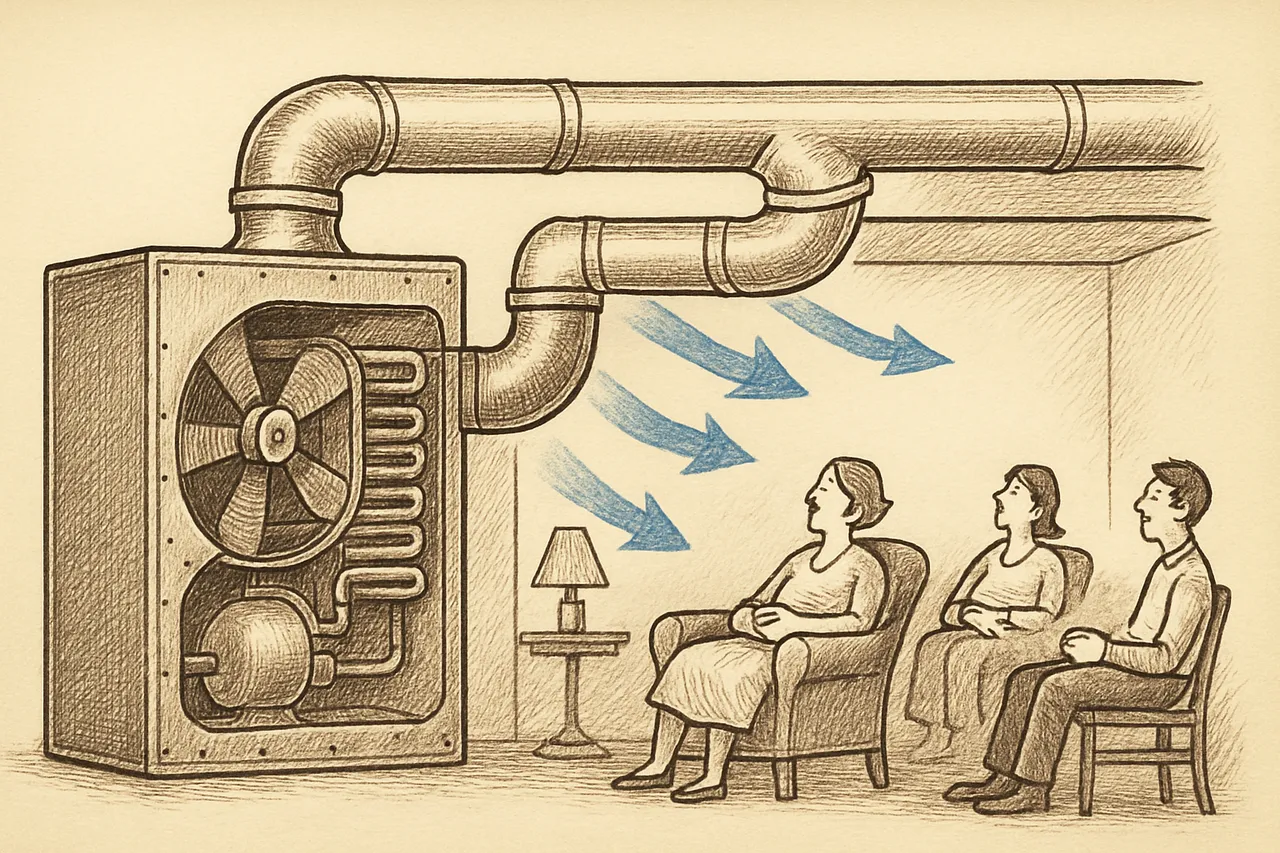
Willis Carrier Was Trying to Fix a Printing Problem. He Invented Modern Life.
A Brooklyn printing plant couldn't keep its color registration aligned because humidity kept warping the paper. The young engineer they hired to fix it built a machine to control the air itself — and accidentally made the Sun Belt, the skyscraper, and the summer blockbuster possible.
Read the story →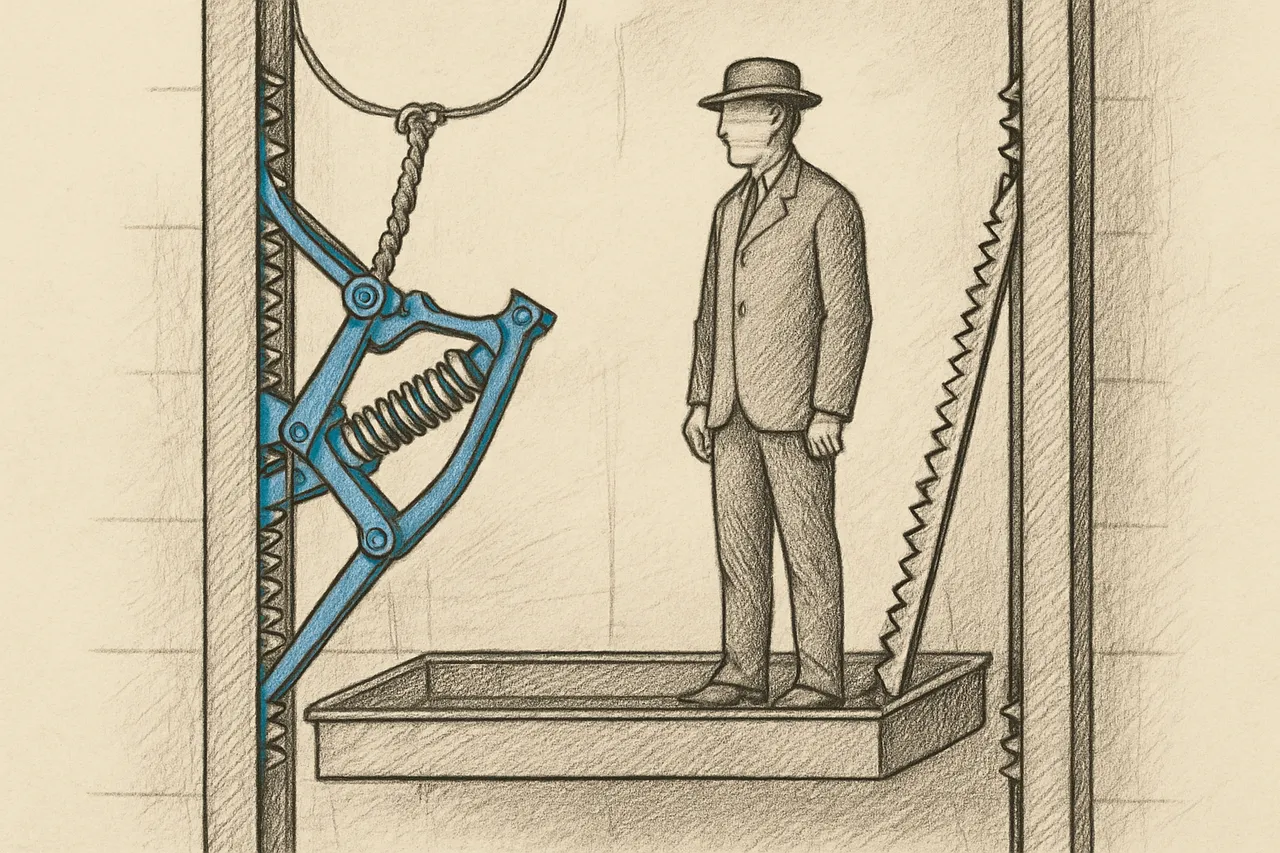
Elisha Otis Didn't Invent the Elevator. He Invented Not Falling.
Hoists had existed for centuries. What Elisha Otis patented in 1861 was the safety brake that caught the platform if the rope snapped — and by removing the fear of falling, he made the skyscraper possible.
Read the story →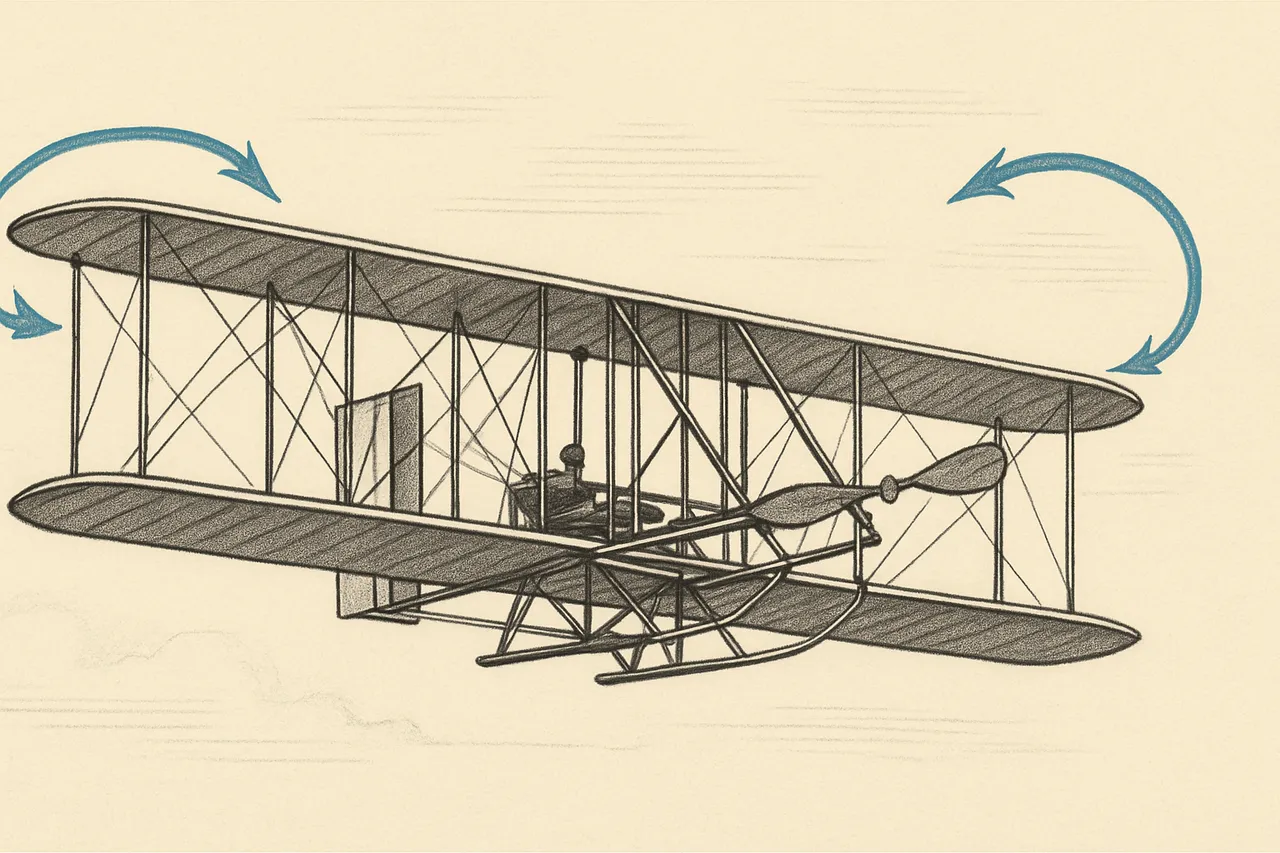
The Wright Brothers' Patent Nearly Grounded American Aviation
The 1906 patent on the 'Flying Machine' didn't just protect the Wright brothers' invention. The way they enforced it triggered a decade of litigation that left American aircraft design years behind Europe's by the time World War I began.
Read the story →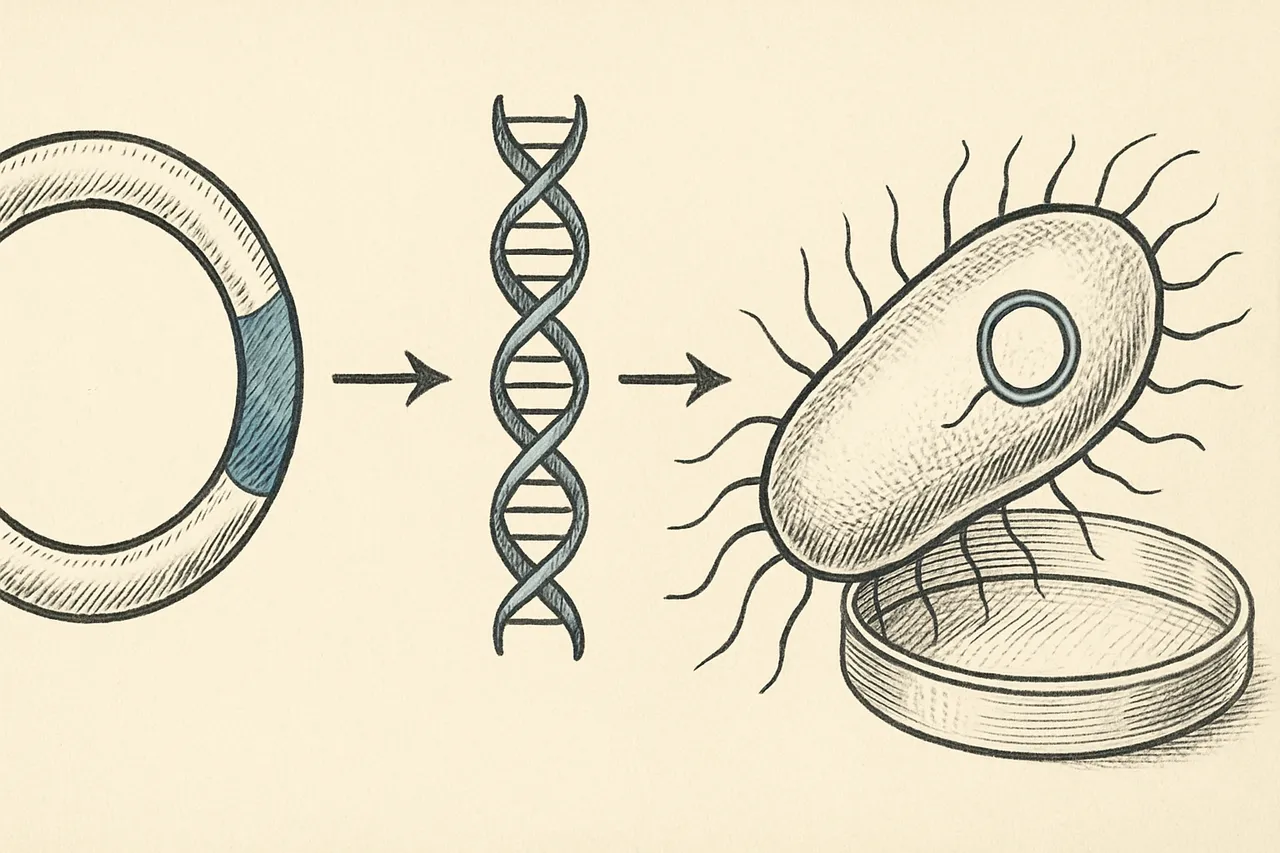
Cohen and Boyer Patented the Tools That Built Biotech
In 1980, Stanford University was granted a patent for a method of splicing DNA from one organism into another. The patent generated roughly $255 million in licensing fees before it expired — and made every recombinant drug in modern medicine legally possible.
Read the story →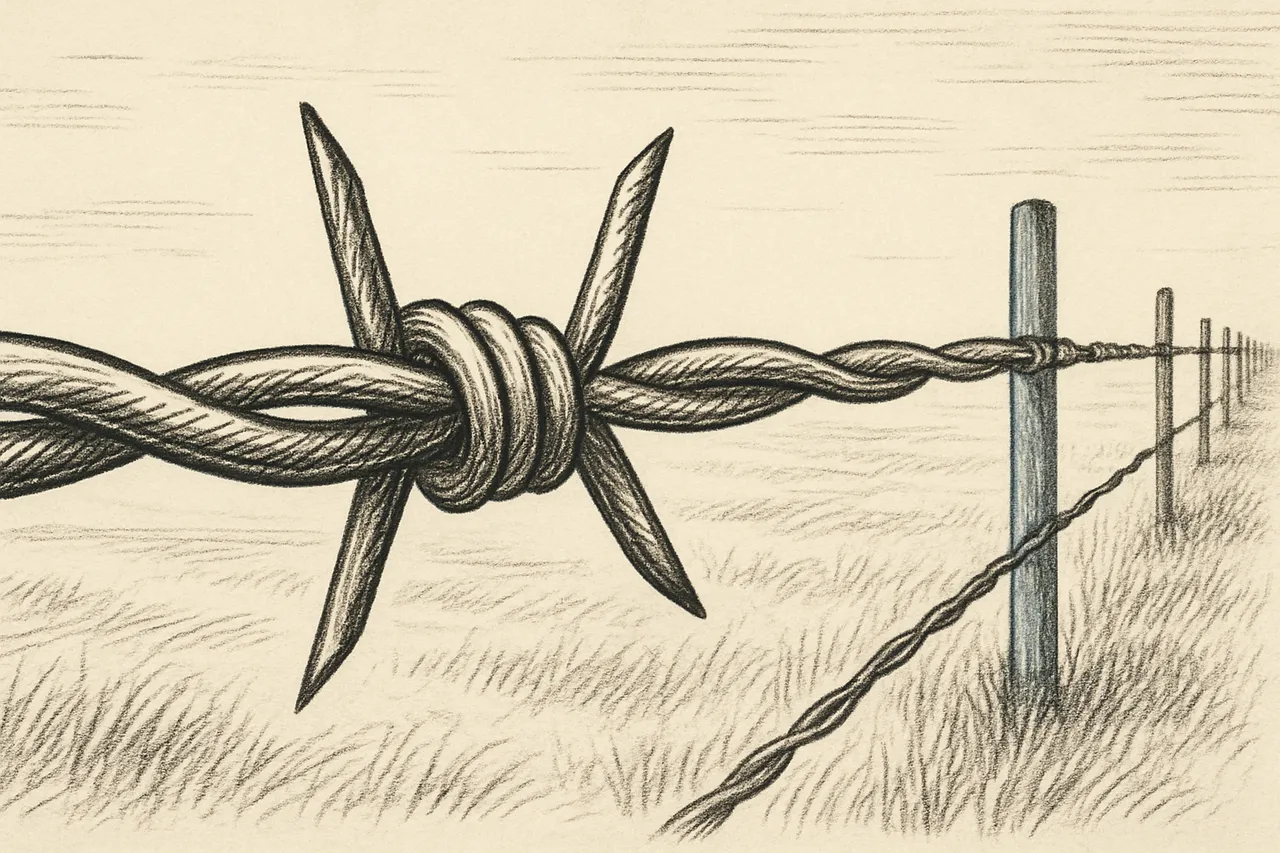
The Patent That Fenced the American West
In 1874, an Illinois farmer named Joseph Glidden was granted a patent for a wire fence with sharp points twisted into it. Within ten years, the open range of the American West had effectively ceased to exist.
Read the story →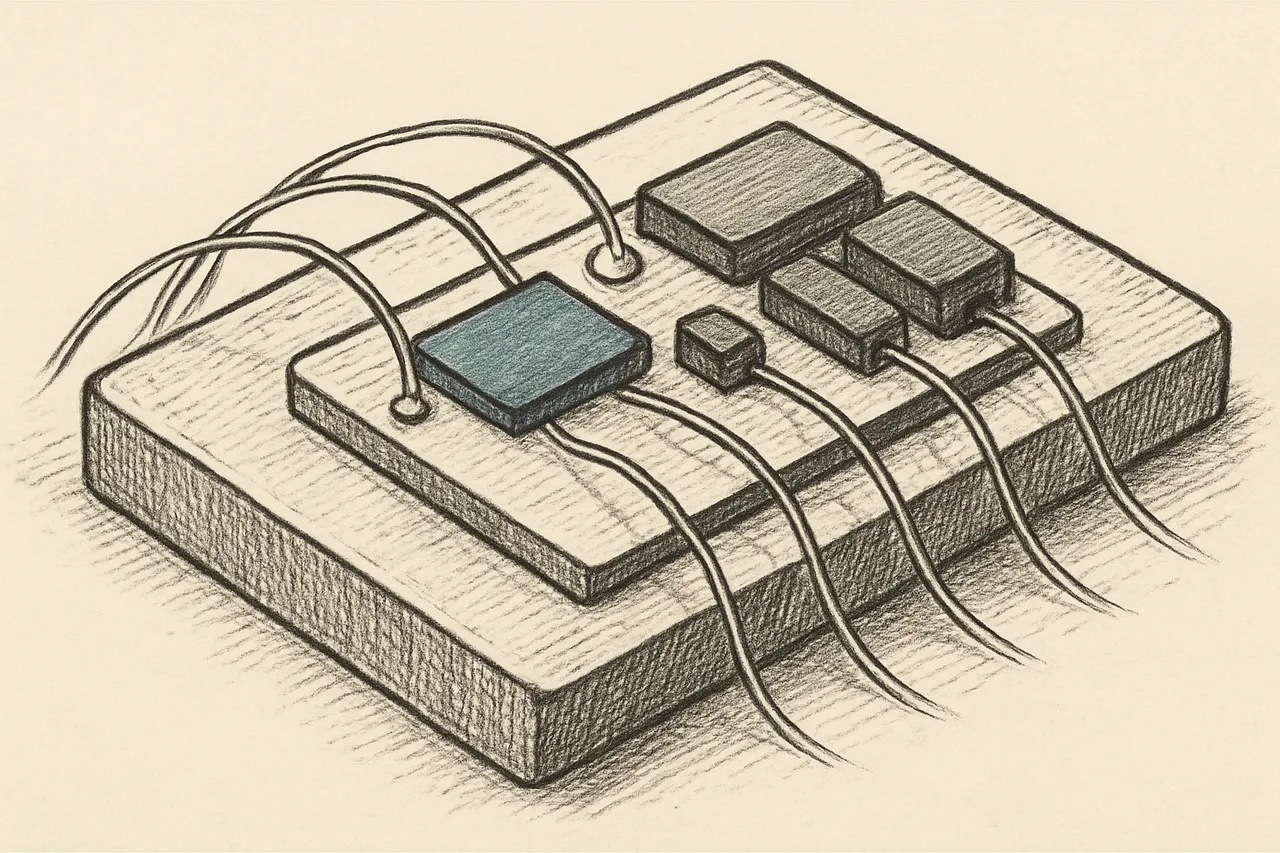
The Integrated Circuit Patent Jack Kilby Filed in 1959
Five months after Jack Kilby joined Texas Instruments, he had an idea while everyone else was on a company-wide vacation. The patent that resulted, US3138743, is the legal foundation of the entire modern semiconductor industry.
Read the story →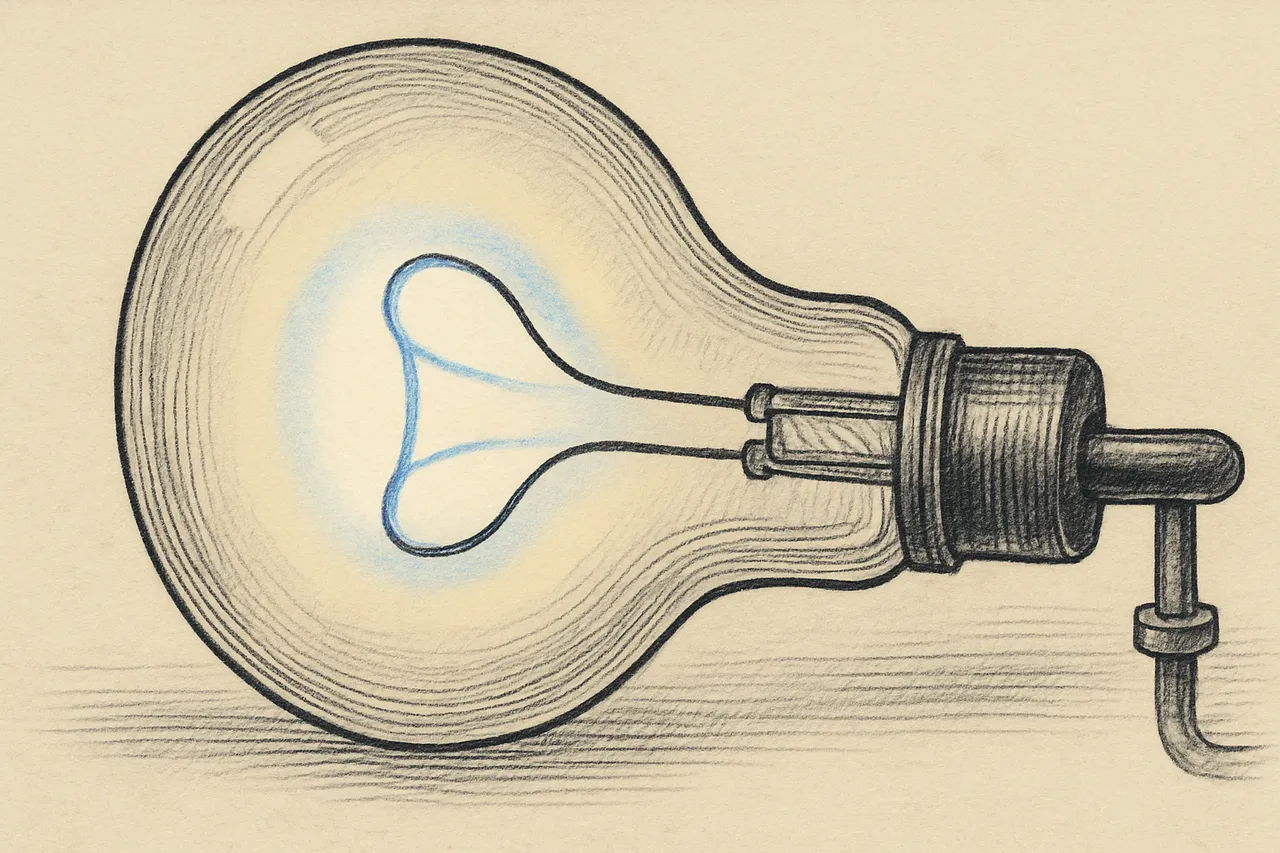
Edison Did Not Invent the Light Bulb. He Patented the One That Worked.
Thomas Edison's incandescent lamp patent wasn't first. It was about the twenty-third. What it had — that the others didn't — was a filament that lasted long enough to sell.
Read the story →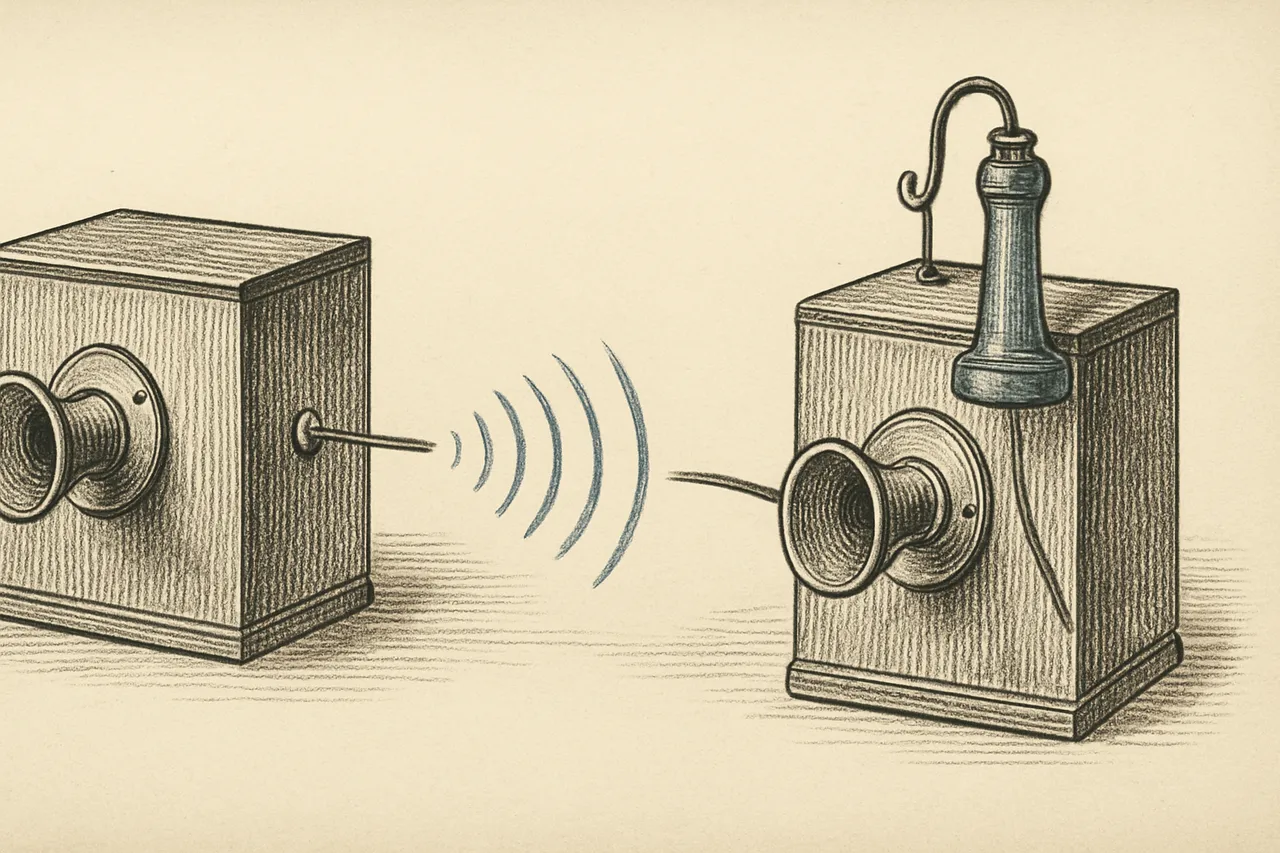
The Most Contested Patent in American History
On March 7, 1876, Alexander Graham Bell was granted a patent for what he called an improvement in telegraphy. It was the telephone. The legal battle over who got there first ran for the next twenty years.
Read the story →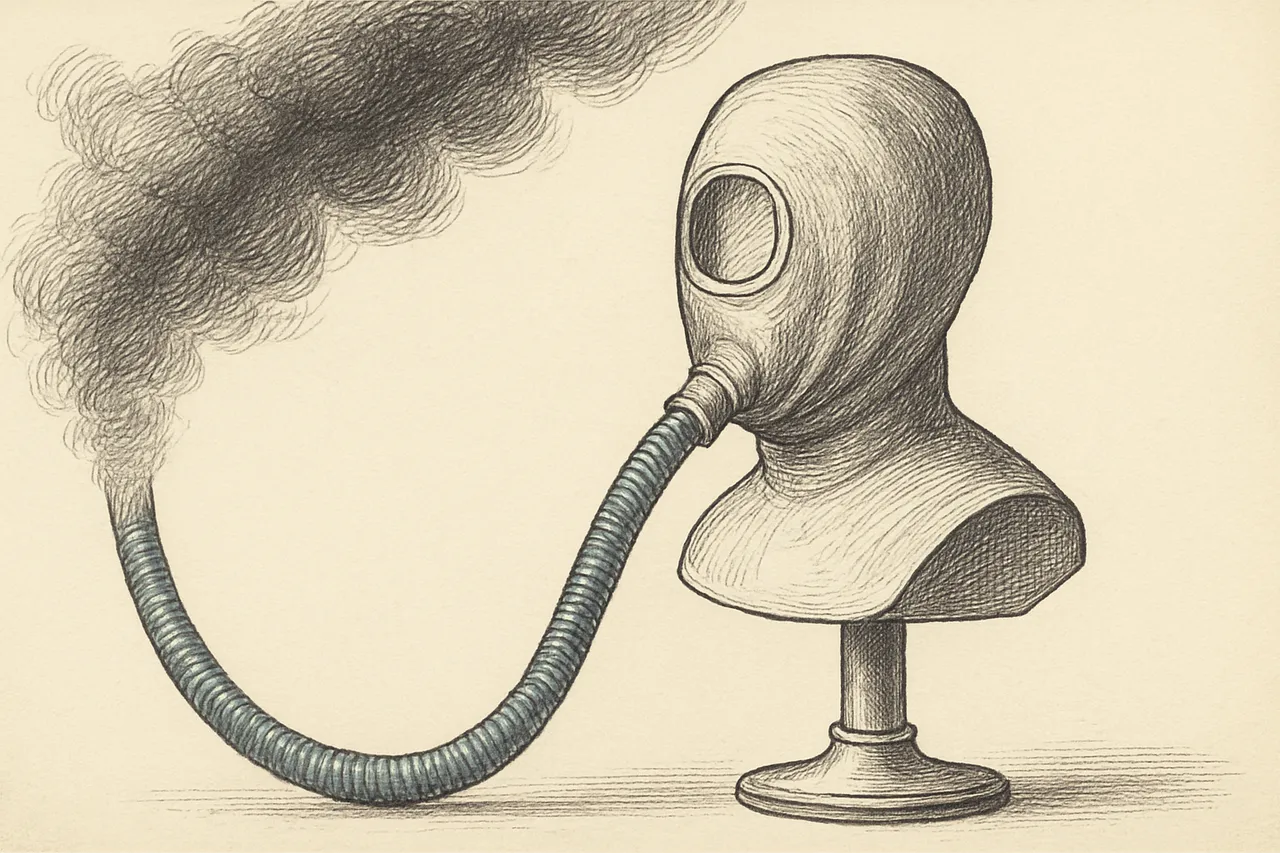
Garrett Morgan Walked Into a Collapsed Tunnel Wearing His Own Invention
In 1914, Garrett Morgan patented a 'safety hood' — a primitive gas mask. Two years later, when an explosion trapped workers in a tunnel under Lake Erie, he put one on and went in himself.
Read the story →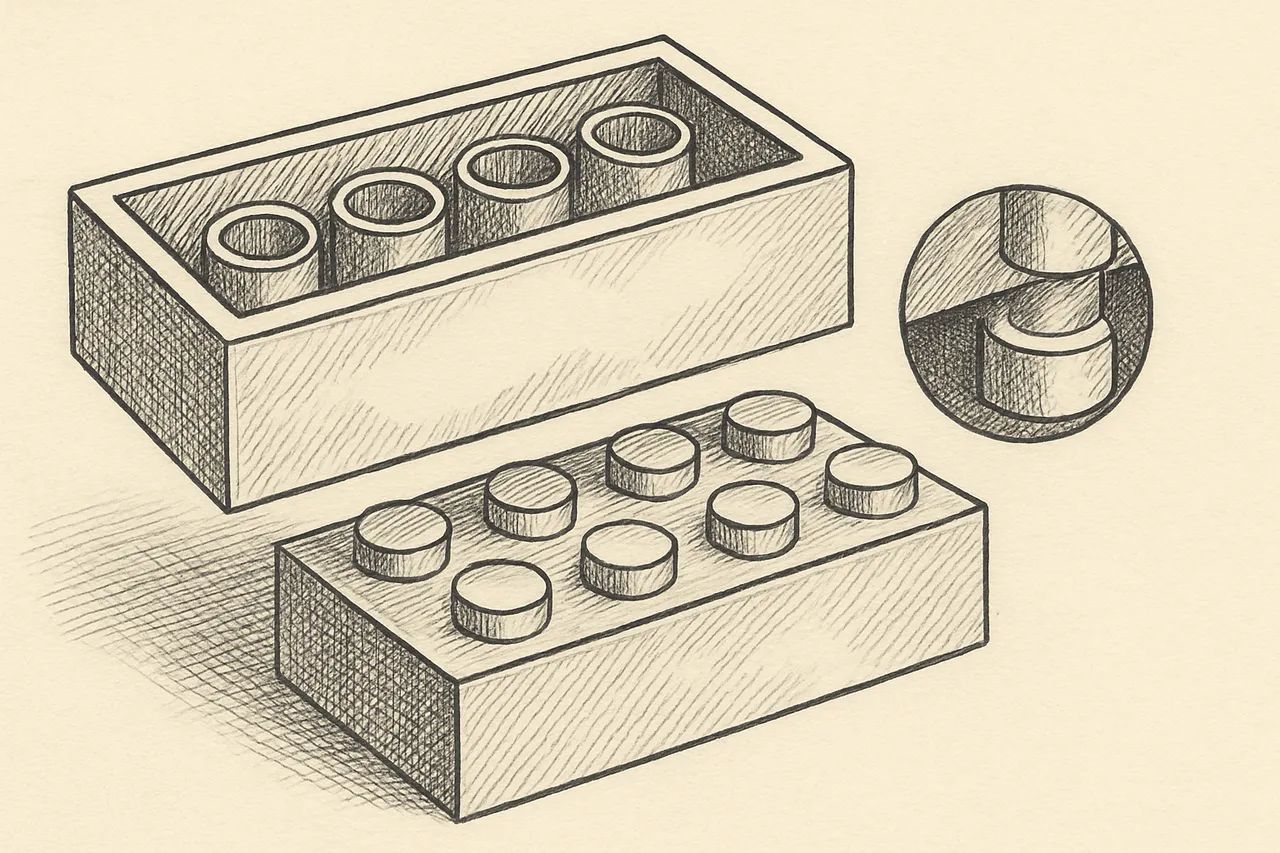
LEGO Bricks Were on Sale for Nine Years Before They Held Together Properly. The Fix Was a Row of Hollow Tubes.
The first LEGO bricks had studs on top and an empty space underneath, so models tended to come apart when you picked them up. Godtfred Kirk Christiansen's 1958 design put tubes inside the brick, and a brick molded that year still fits one molded today.
Read the story →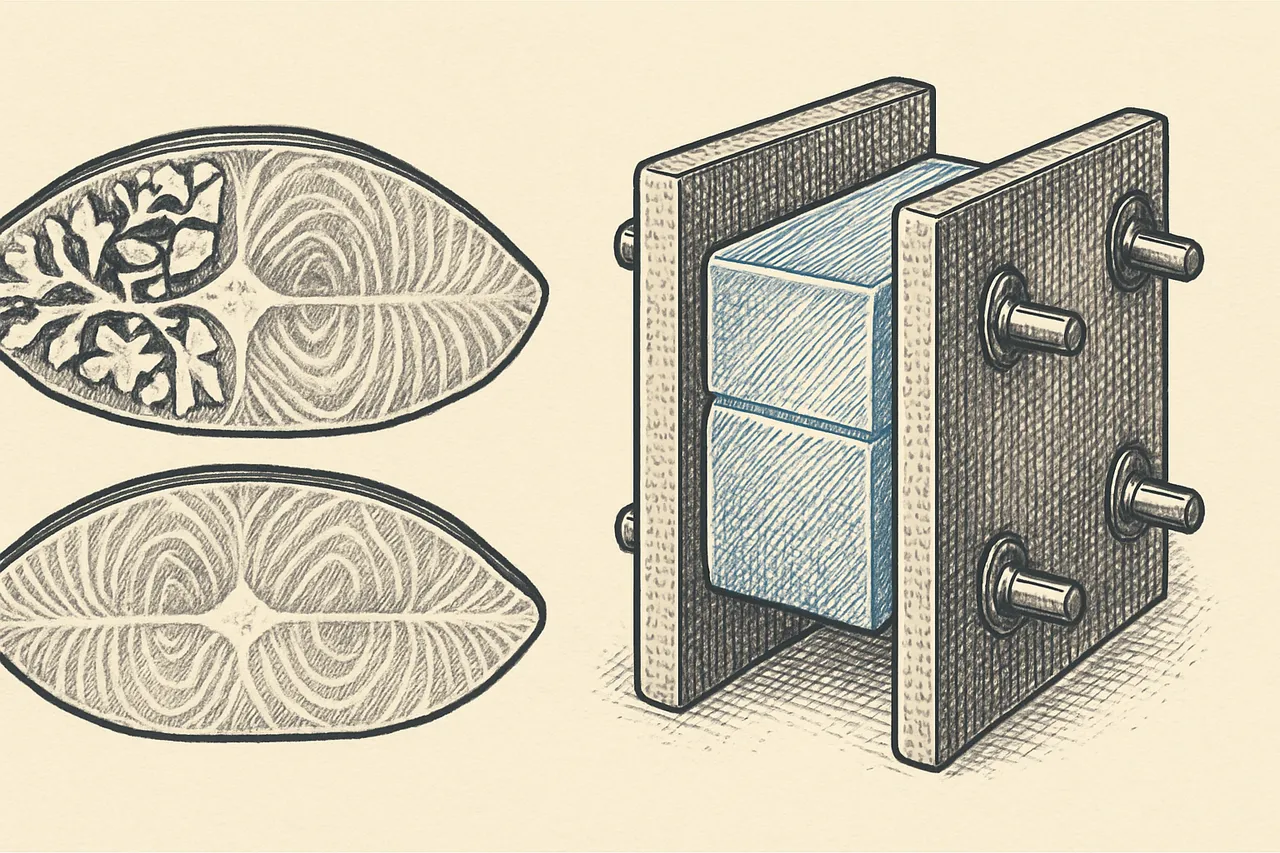
Clarence Birdseye Watched Inuit Fishermen Pull Fish From a Hole in the Ice and Worked Out Why Frozen Food Tasted Bad
Frozen food existed long before Birdseye and it was considered close to inedible. What he figured out in Labrador is that the problem was never freezing. It was freezing slowly, and the difference comes down to the size of the ice crystals.
Read the story →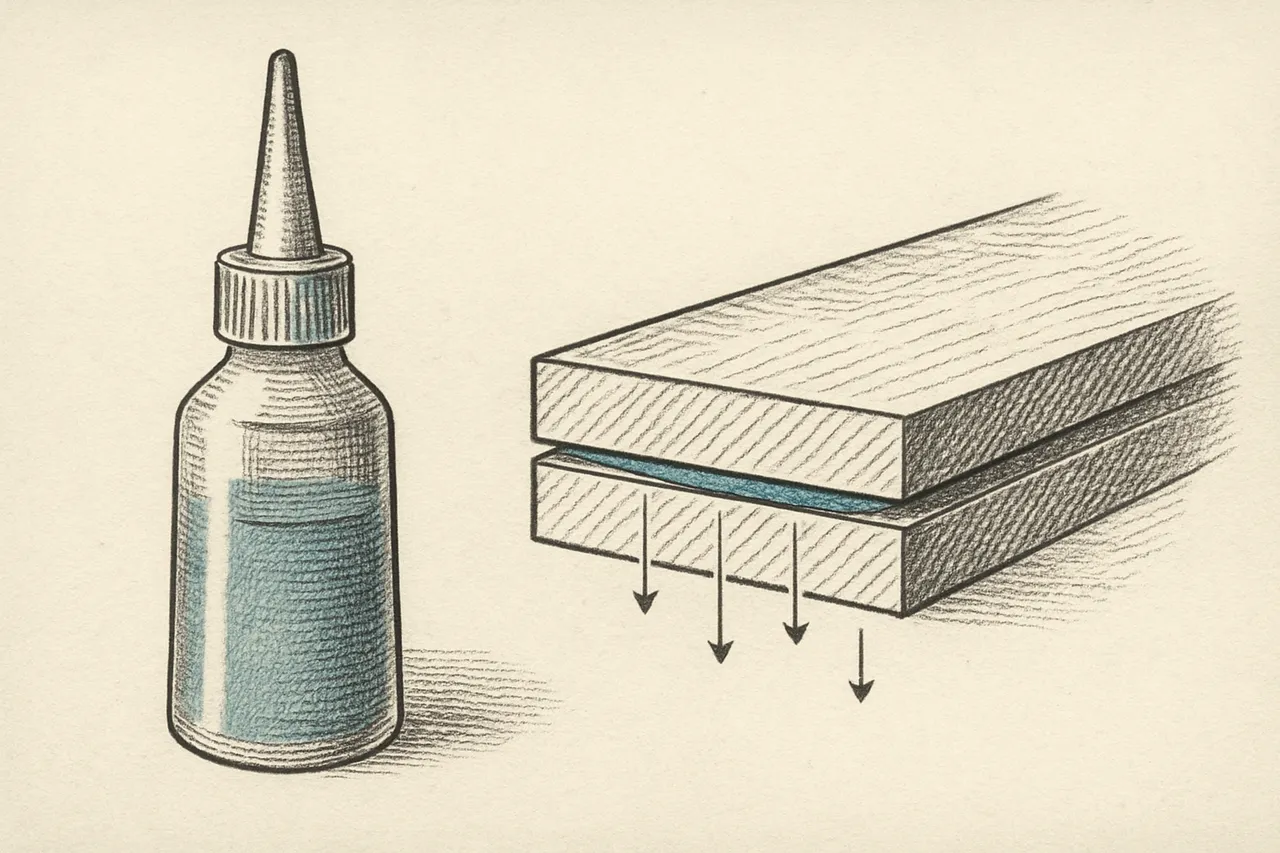
Super Glue Was Discovered Twice by the Same Man, and He Threw It Out Both Times
Harry Coover found cyanoacrylate in 1942 while trying to make gun sights, and dismissed it for sticking to everything. He ran into it again in 1951 doing jet canopies. It took nine years and a second accident before anyone recognized that sticking to everything was the product.
Read the story →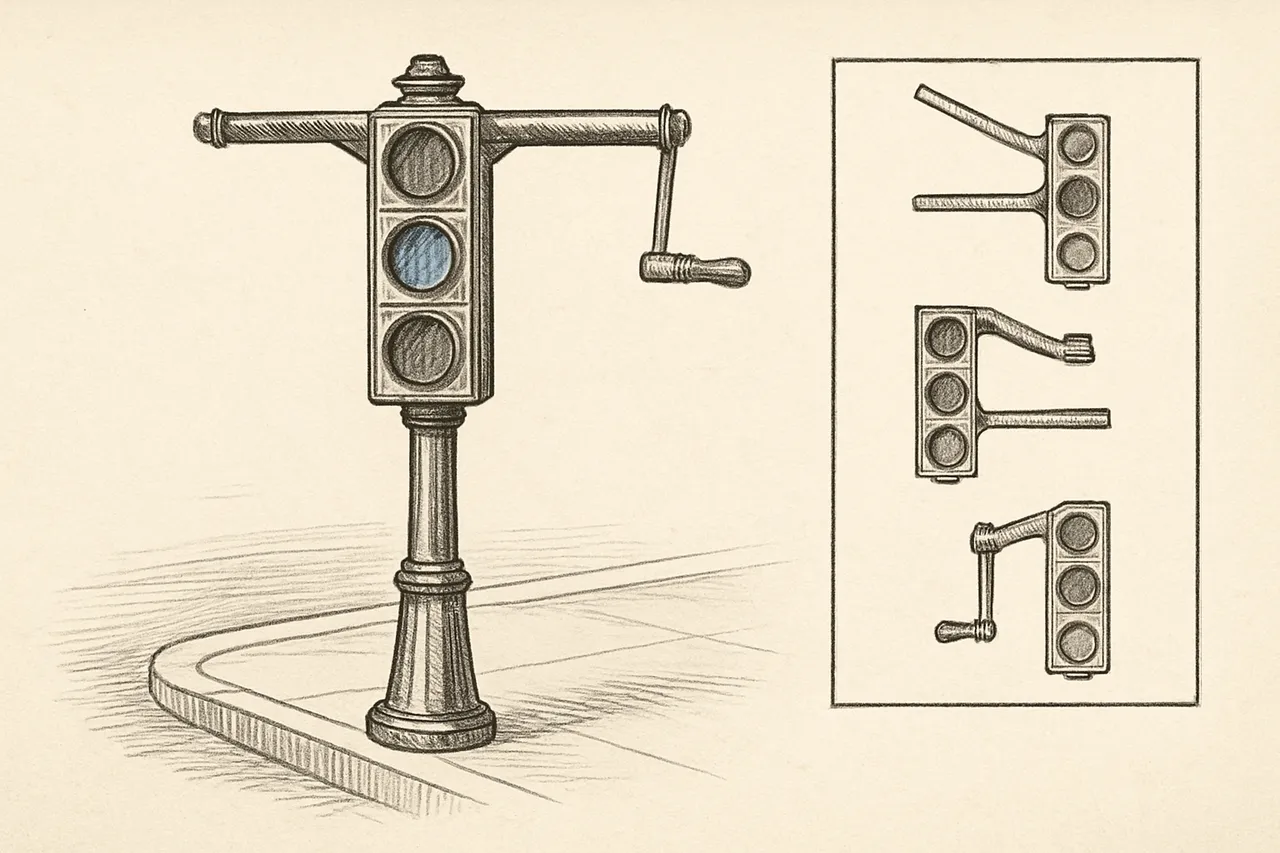
Garrett Morgan Saw a Crash at an Intersection and Invented the Yellow Light
Early traffic signals had two states: go and stop. Switching instantly between them caused collisions, because nobody had time to react. Morgan added a third position that halted all traffic before the change — the ancestor of the amber light.
Read the story →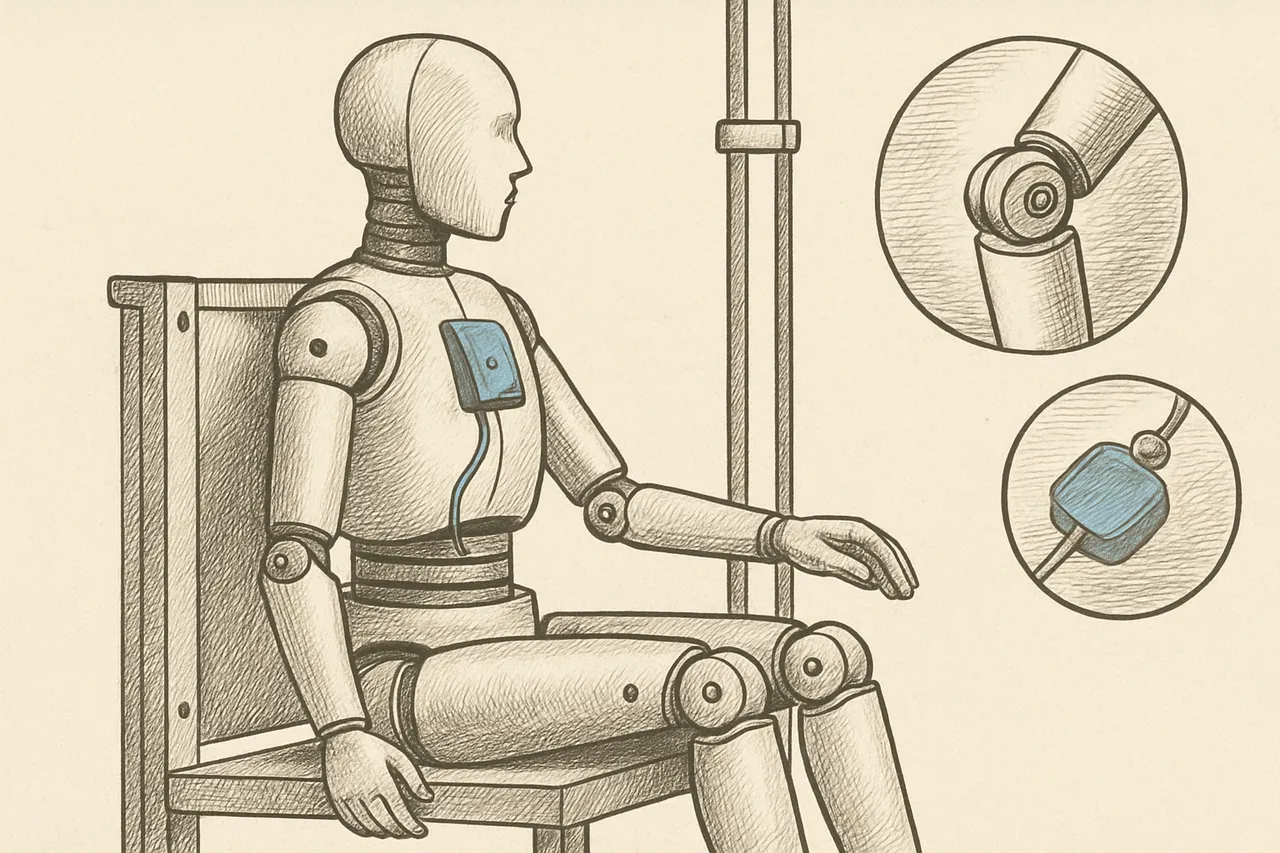
Before the Crash Test Dummy, They Used Cadavers — and Sometimes Volunteers
Car safety research needed to know exactly what a human body does in a collision. For years the answer came from human corpses, live animals, and a colonel who repeatedly strapped himself into a rocket sled. The dummy was built to end all three.
Read the story →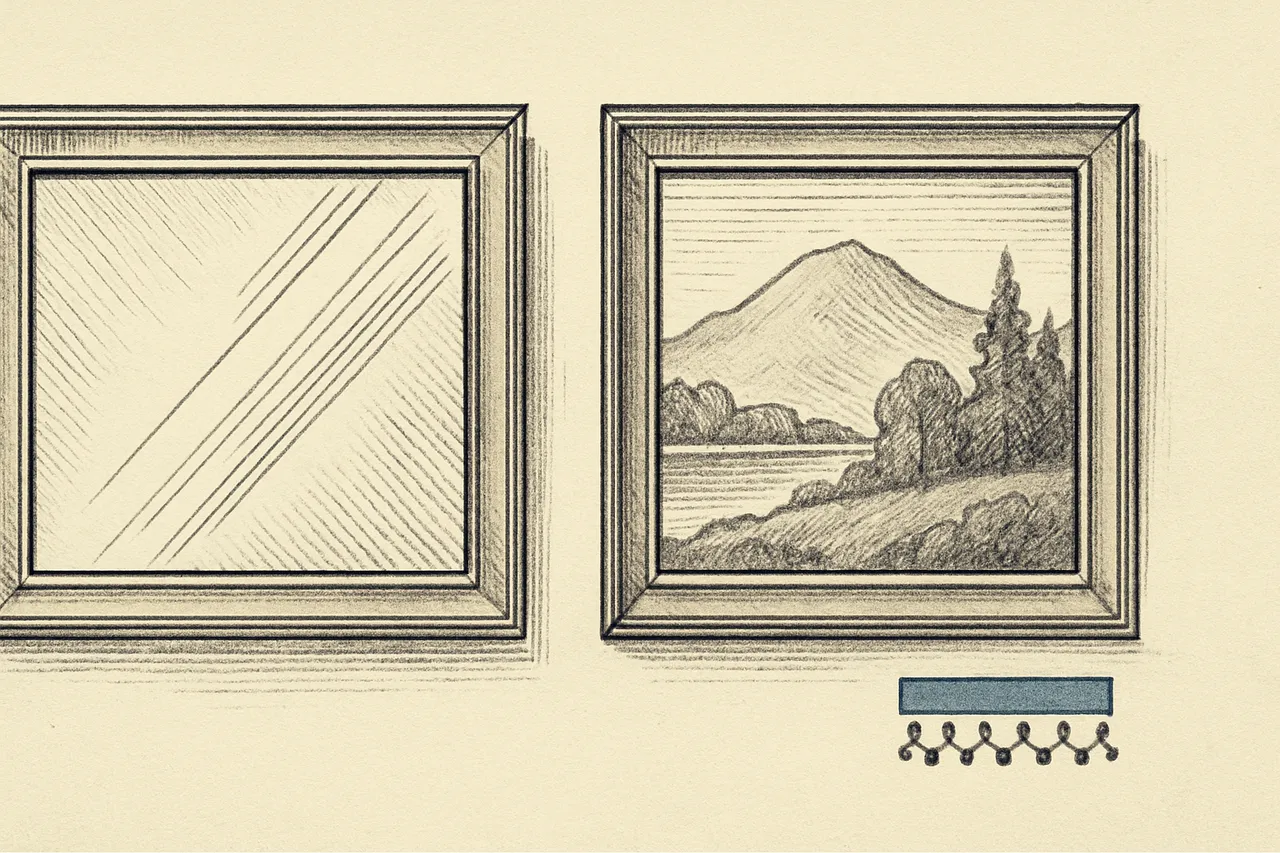
Katharine Blodgett Made Glass Disappear
The first woman scientist ever hired by General Electric figured out how to coat glass so it reflects almost no light — making it, in effect, invisible. It's on your eyeglasses, your camera lens, and nearly every screen you look at.
Read the story →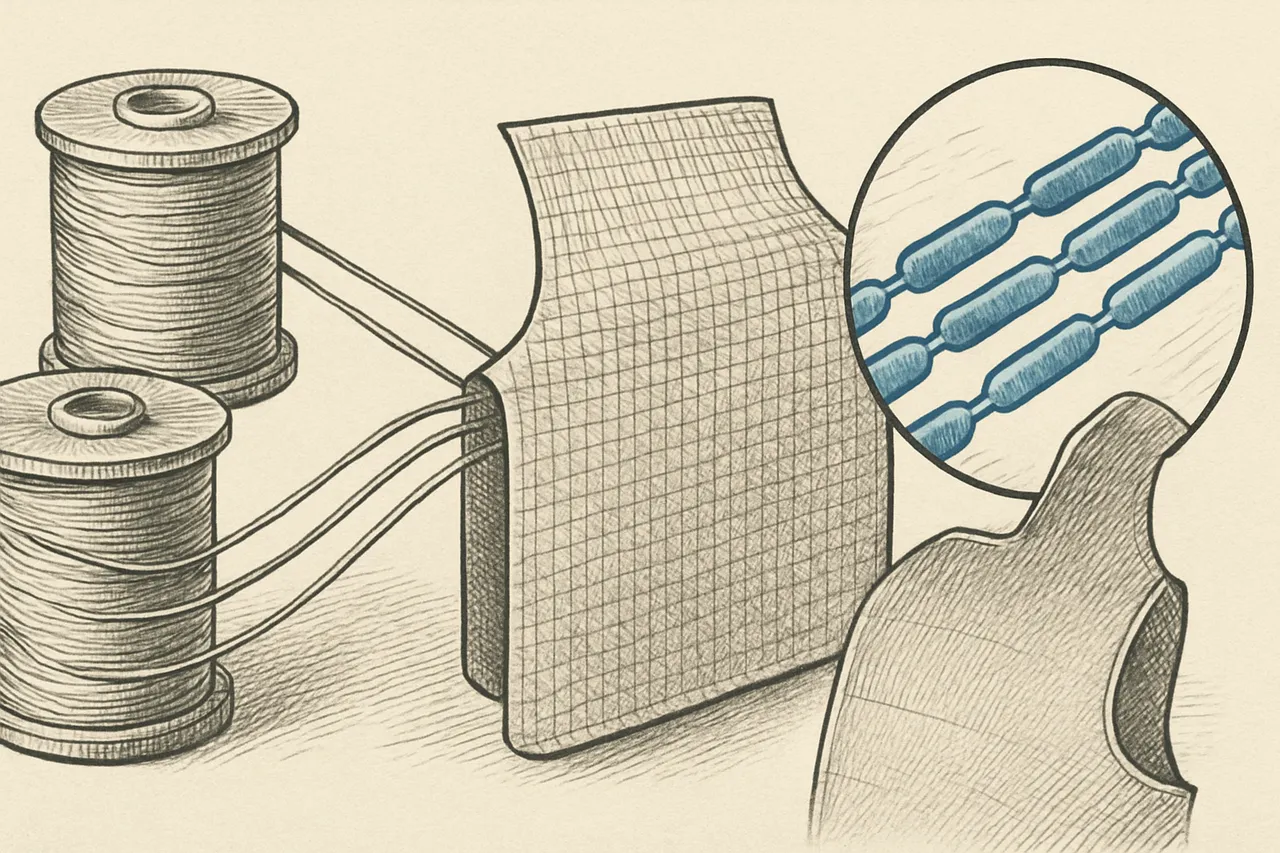
Stephanie Kwolek Invented a Fiber Stronger Than Steel — and It Has Stopped Countless Bullets Since
In 1965, a DuPont chemist was working with a cloudy solution that her colleagues assumed was a mistake and wanted to throw out. She insisted on spinning it into fiber anyway. The result was Kevlar.
Read the story →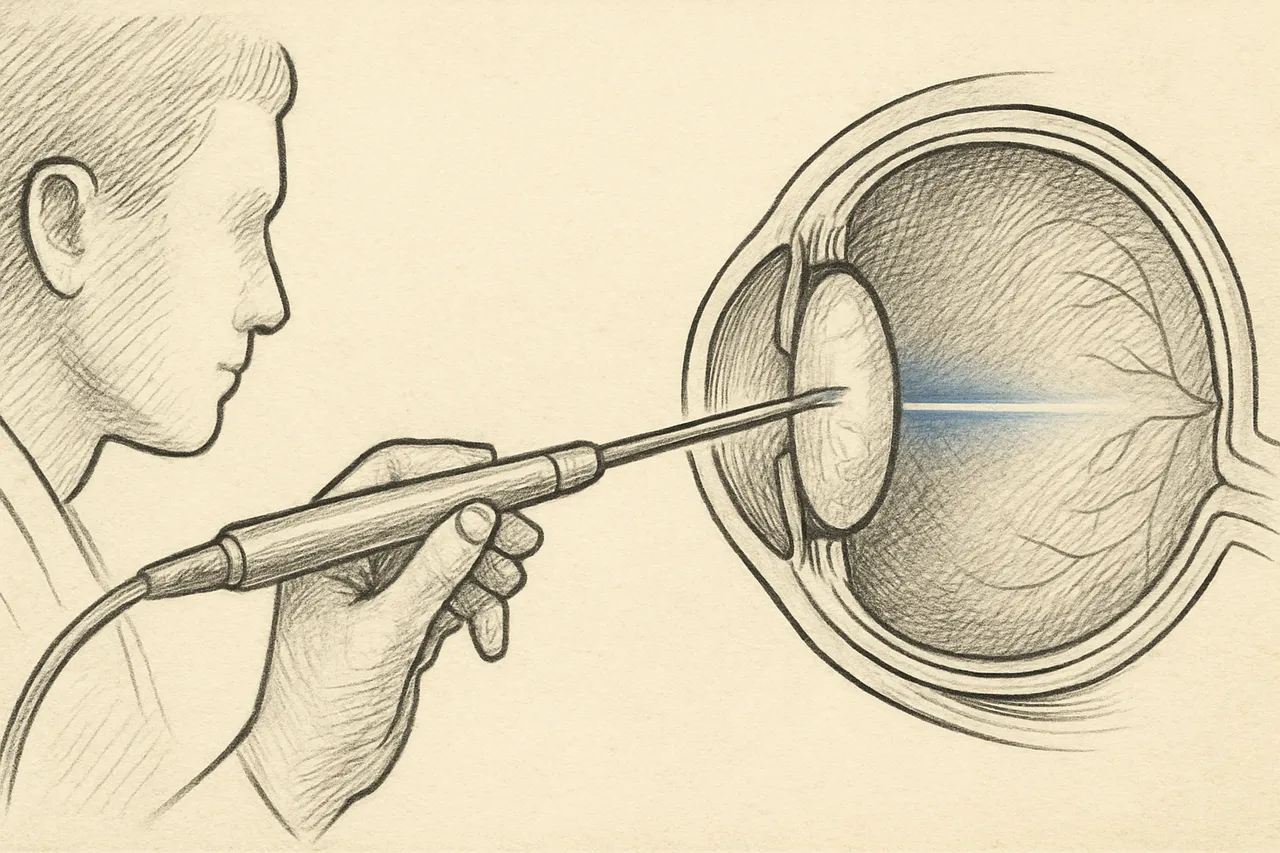
Patricia Bath Patented a Way to Restore Sight
Patricia Bath was the first Black woman in the United States to receive a medical patent. Her laserphaco probe, patented in 1988, restored sight to people who had been blind for thirty years — most of them in clinics overseas, because American hospitals wouldn't let her run trials.
Read the story →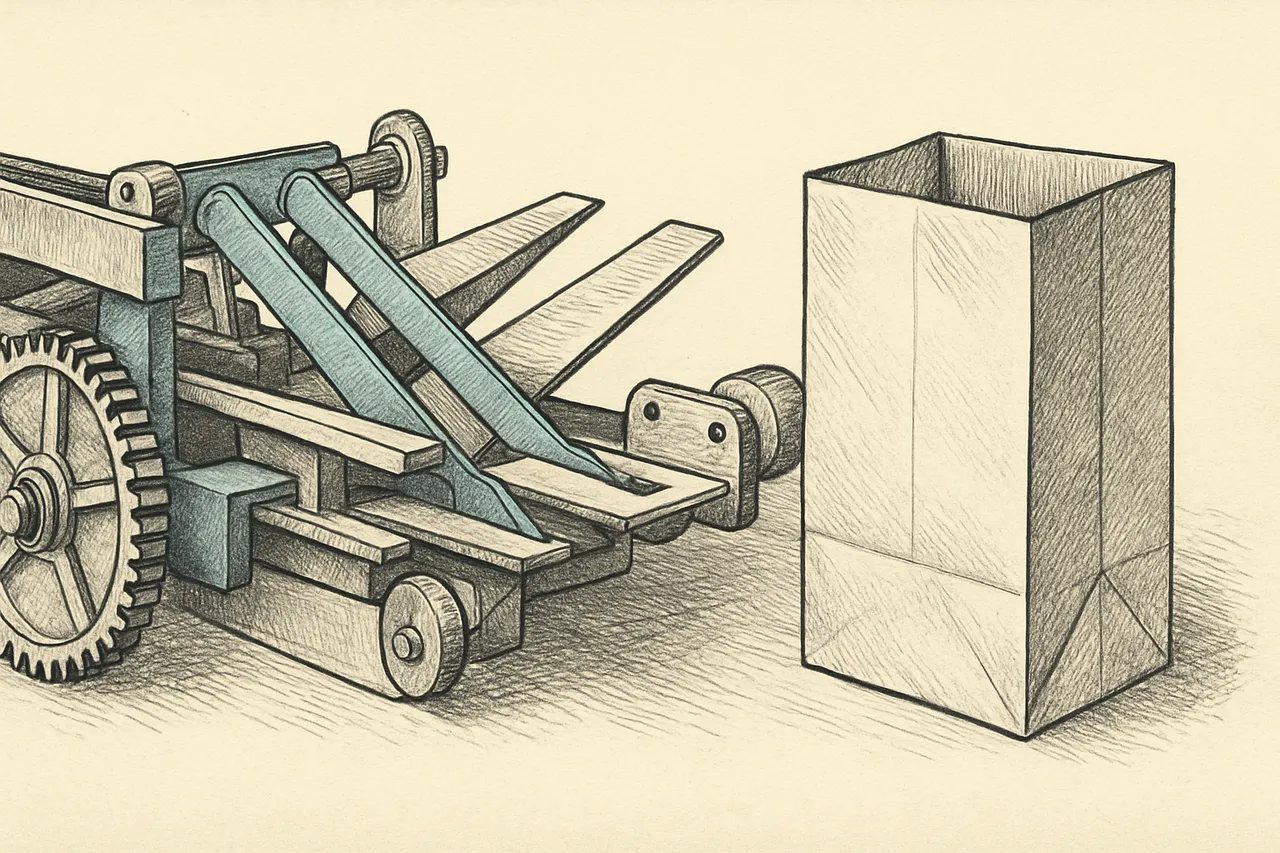
Margaret Knight Sued the Man Who Stole Her Paper-Bag Machine. She Won.
In 1868, Margaret Knight built a machine that automatically folded flat-bottomed paper bags — the kind grocery stores still hand you. A machinist she'd hired to build the prototype tried to patent it first. She took him to court and won.
Read the story →