Edison Did Not Invent the Light Bulb. He Patented the One That Worked.
Thomas Edison's incandescent lamp patent wasn't first. It was about the twenty-third. What it had — that the others didn't — was a filament that lasted long enough to sell.
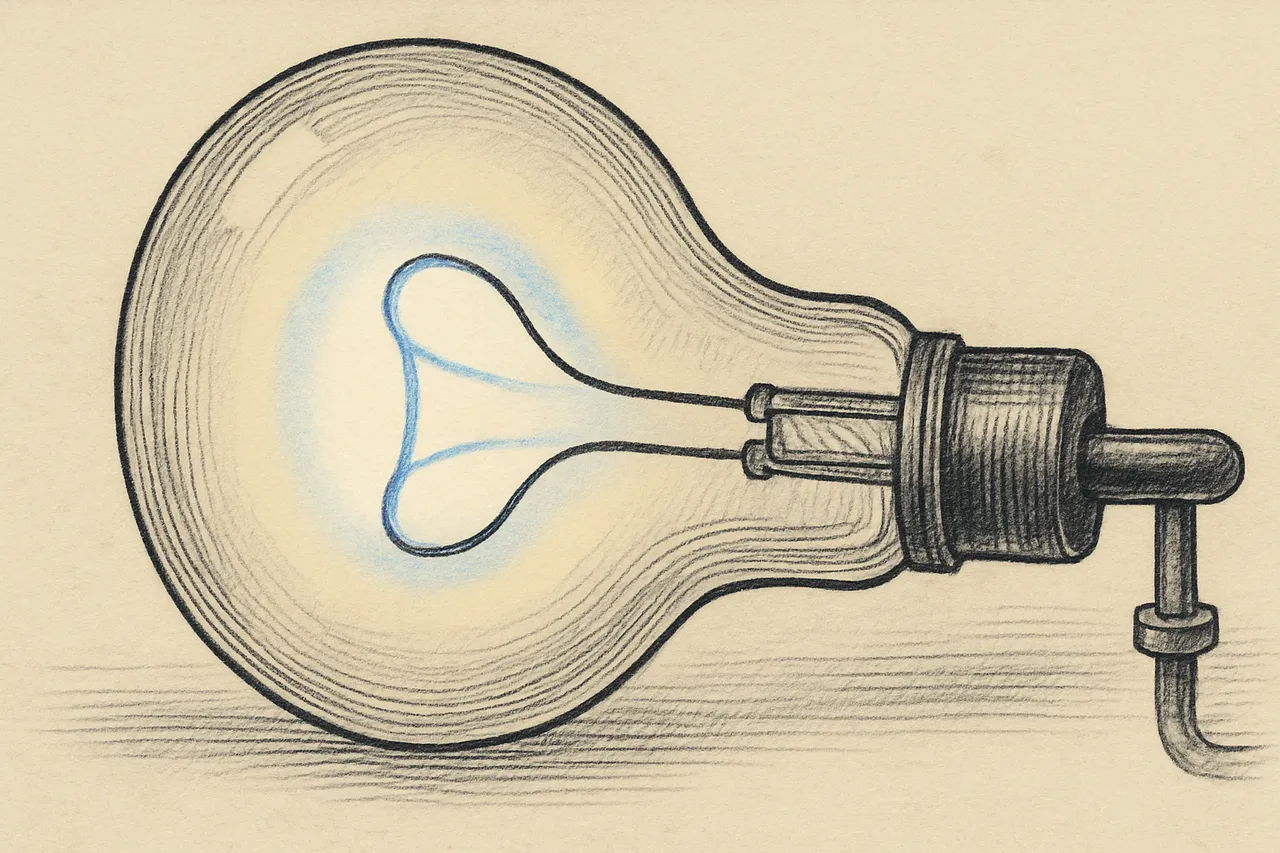
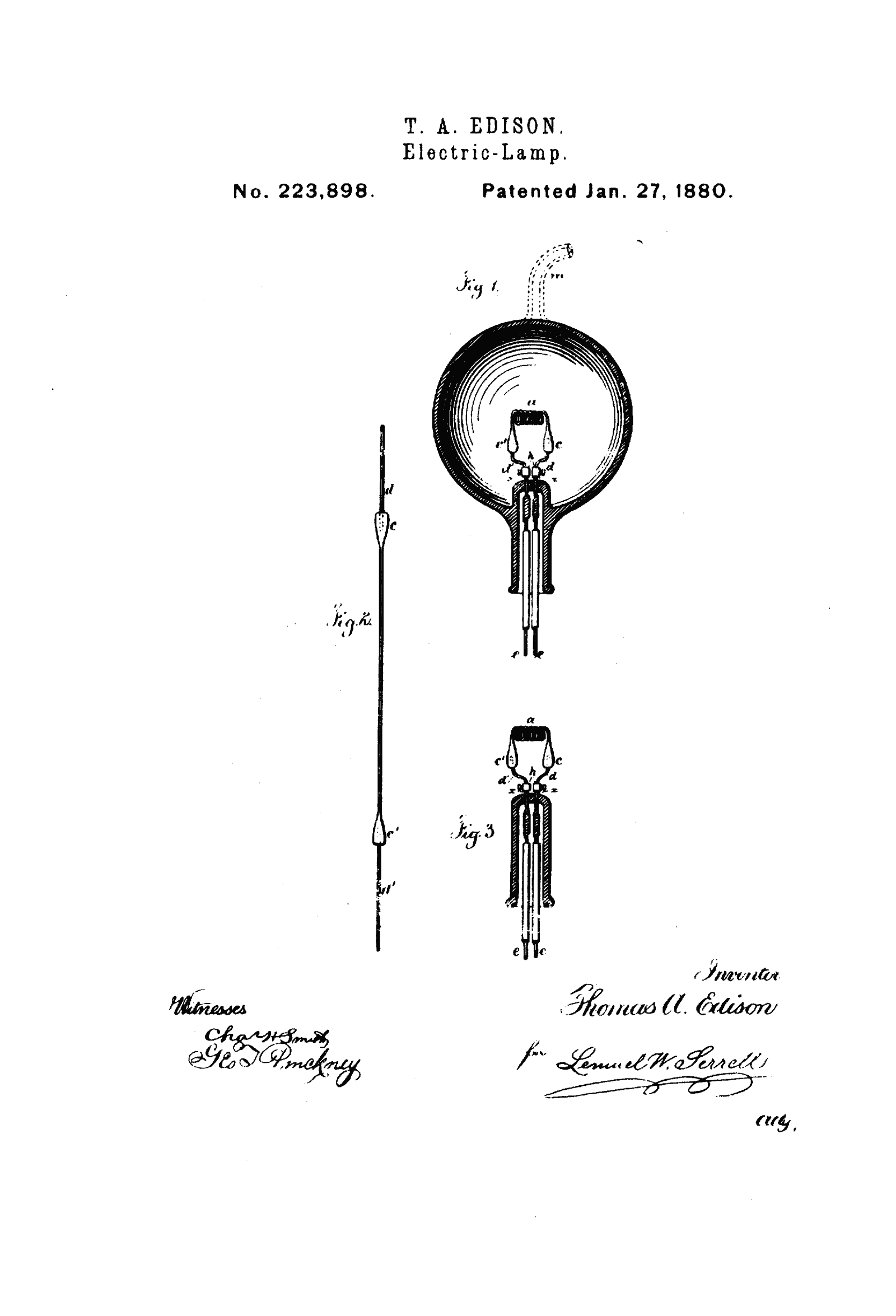
US223898 was issued to Thomas A. Edison on January 27, 1880. The title is direct: "Electric-Lamp." The drawing shows a thin filament inside a glass bulb. The text describes "a carbon filament or strip coiled and connected to platinum contact wires." That's it. Five pages.
The romantic version of the story, which Edison's marketing team did not particularly discourage, is that he invented the light bulb. He did not. By 1879, at least twenty other inventors had filed patents on incandescent lamps, going back to an English patent issued to Frederick de Moleyns in 1841. Joseph Swan, working in England in parallel with Edison, had a working bulb that predated Edison's filing. None of them, including Swan's, lasted more than a few hours. The filaments would either oxidize, melt, or simply burn out before any commercial use was possible.
What Edison actually figured out
Edison's contribution — and US223898's actual claim — was a particular combination: a high-resistance carbon filament inside a high-vacuum bulb. The high resistance let small currents do useful work. The high vacuum kept the filament from oxidizing. After testing thousands of materials in his Menlo Park laboratory, Edison's team eventually settled on carbonized bamboo, which gave bulbs a lifetime of around 1,200 hours. That was enough. People would buy a bulb that lasted six weeks. They would not buy one that lasted three hours.
The patent itself is technically narrow. It covers the specific filament configuration and not much else. Edison's larger achievement was the system — generators, copper distribution wiring, sockets, meters, and a centralized power station — built around this single five-page document. Within two years of the patent, Pearl Street Station opened in Lower Manhattan: the first commercial electric power grid in the United States. Within four years, Edison's electrical companies were the dominant industrial force in American electrification.
What it became
US223898 expired in 1894. By then it didn't matter. Edison's electrical interests had merged with Thomson-Houston in 1892 to form General Electric, which absorbed both the patent's commercial legacy and the network of factories, dynamos, and licensing arrangements that had grown up around it. GE remained, for the next century, one of the two or three most valuable companies in the United States — built, in considerable part, on a patent that ran for fourteen years and described a filament shape.
The thing Edison's competitors couldn't deliver, and that the patent quietly enabled, wasn't a clever bulb. It was something boring enough to sell at scale.
See the original
The full text and drawings of US223898 are on Google Patents.
Related stories
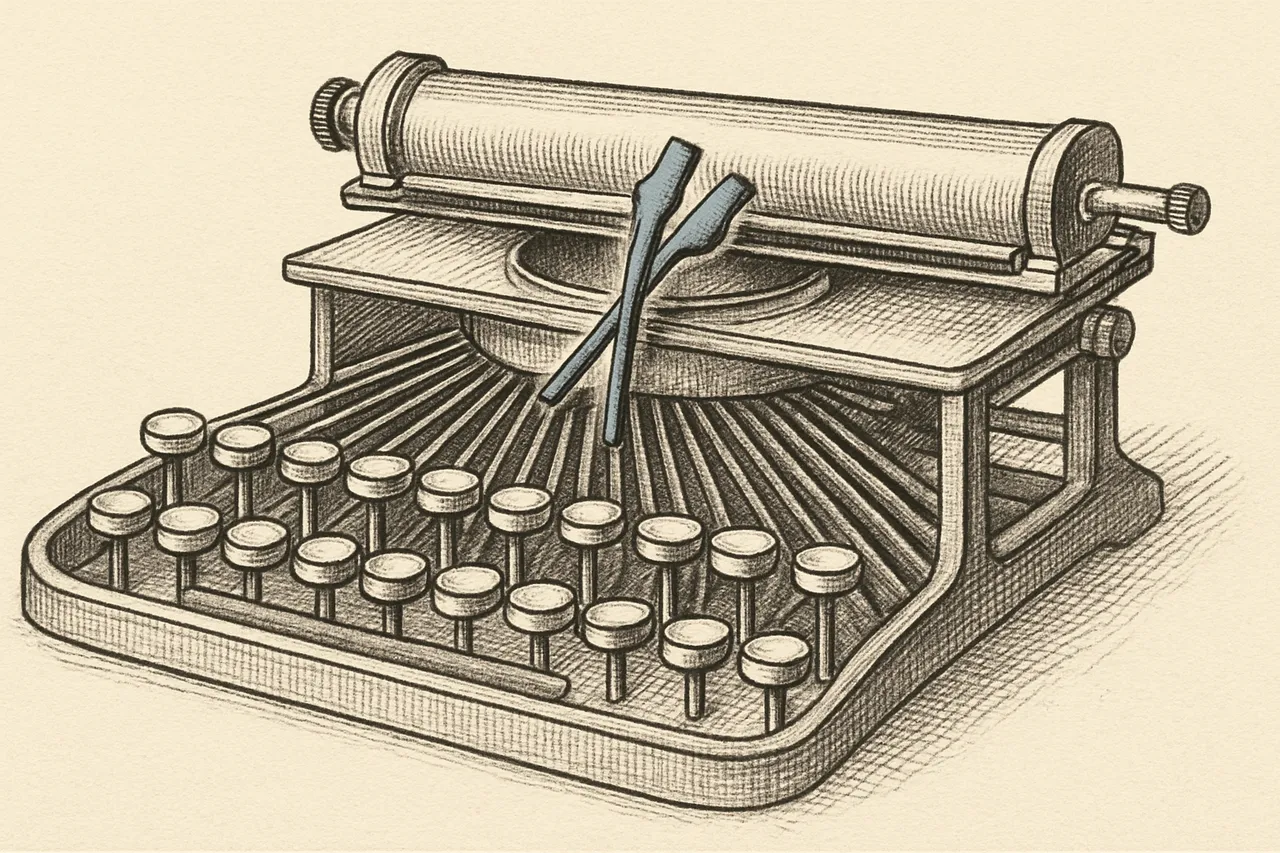
The 1868 Patent Behind the First Successful Typewriter Had Its Keys in Alphabetical Order. QWERTY Came Later, and Nobody Fully Agrees Why.
Christopher Latham Sholes and two partners patented a typewriter in Milwaukee in 1868 with keys arranged like a piano, roughly in alphabetical order. Over the next several years the letters were shuffled into QWERTY. The popular explanation for that is a distortion of a better one.
Read the story →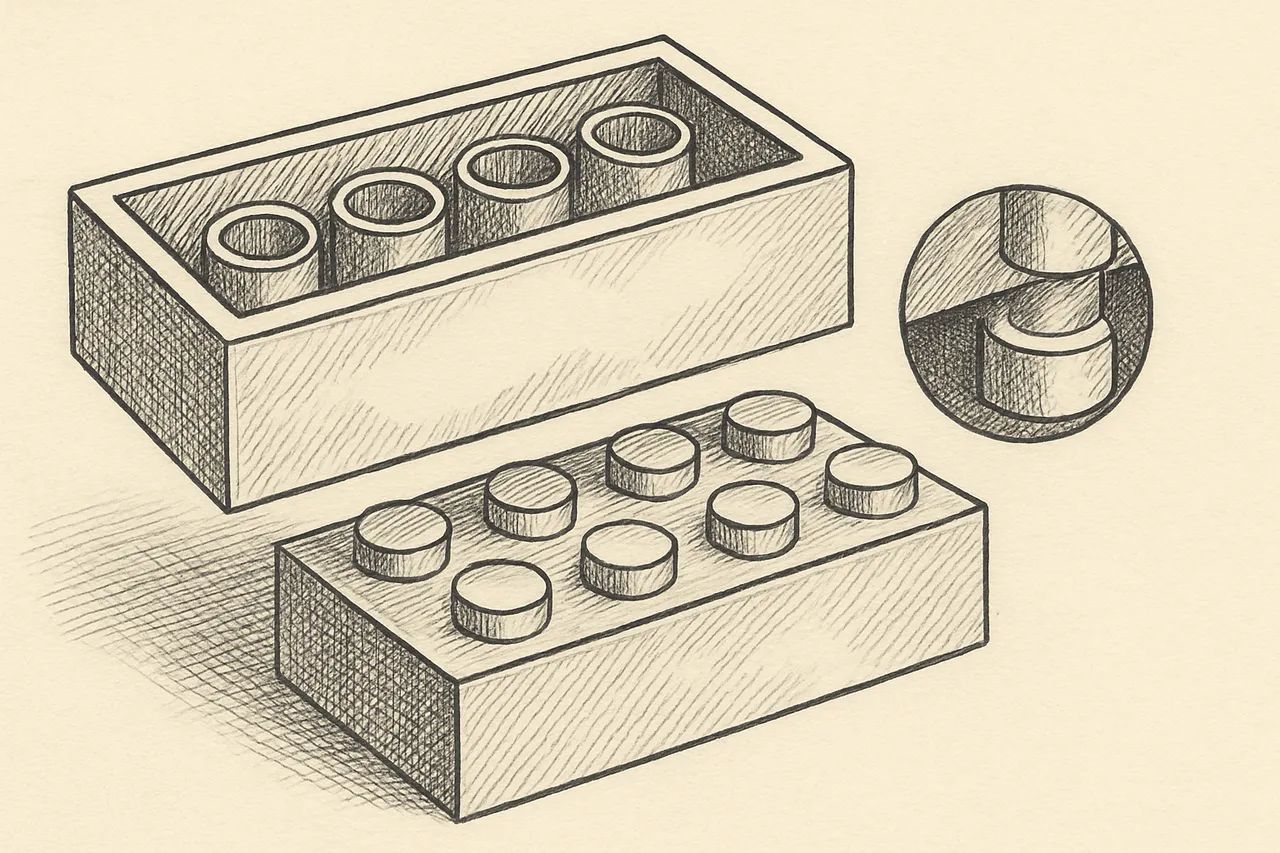
LEGO Bricks Were on Sale for Nine Years Before They Held Together Properly. The Fix Was a Row of Hollow Tubes.
The first LEGO bricks had studs on top and an empty space underneath, so models tended to come apart when you picked them up. Godtfred Kirk Christiansen's 1958 design put tubes inside the brick, and a brick molded that year still fits one molded today.
Read the story →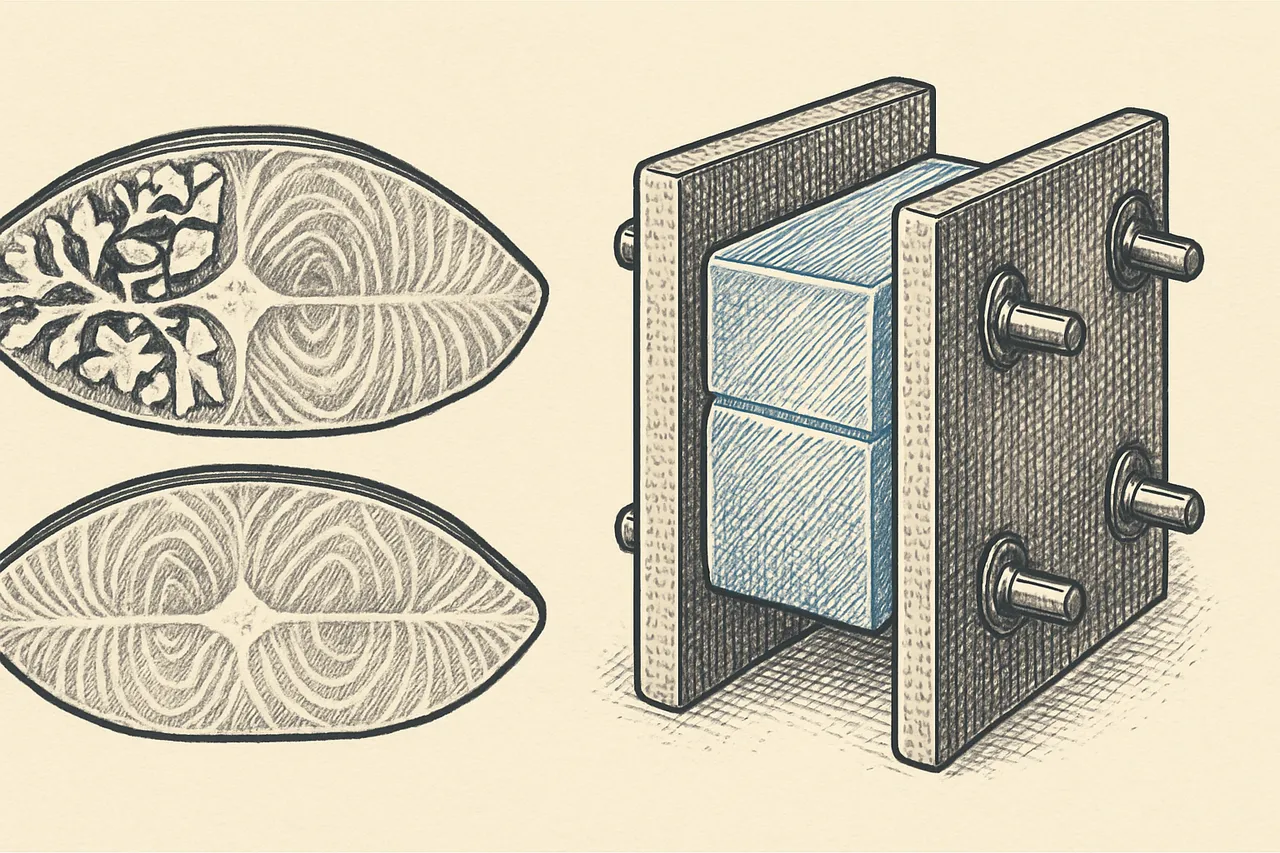
Clarence Birdseye Watched Inuit Fishermen Pull Fish From a Hole in the Ice and Worked Out Why Frozen Food Tasted Bad
Frozen food existed long before Birdseye and it was considered close to inedible. What he figured out in Labrador is that the problem was never freezing. It was freezing slowly, and the difference comes down to the size of the ice crystals.
Read the story →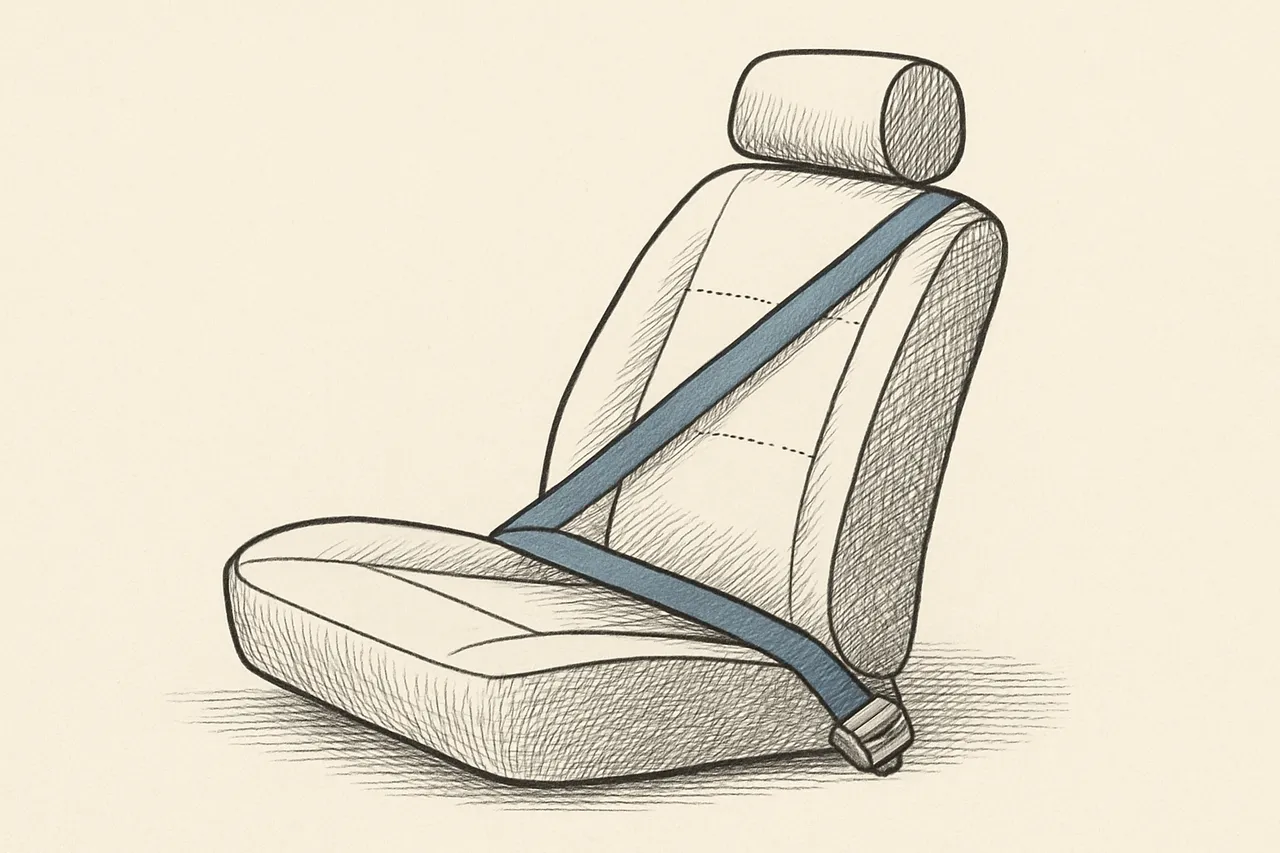
Volvo Patented the Three-Point Seat Belt in 1959, Then Opened the Patent to Every Rival It Had
Nils Bohlin came from building ejection seats for fighter aircraft, and he solved the seat belt in about a year. Volvo then did the thing companies almost never do with a patent that valuable: it made the design free to use, on the grounds that keeping it would cost lives.
Read the story →