Velcro Was Invented on a Dog Walk
In 1941, a Swiss engineer came home from a hunting trip covered in burrs. Instead of just picking them off, he put one under a microscope. It took him more than a decade to turn what he saw into a patent.
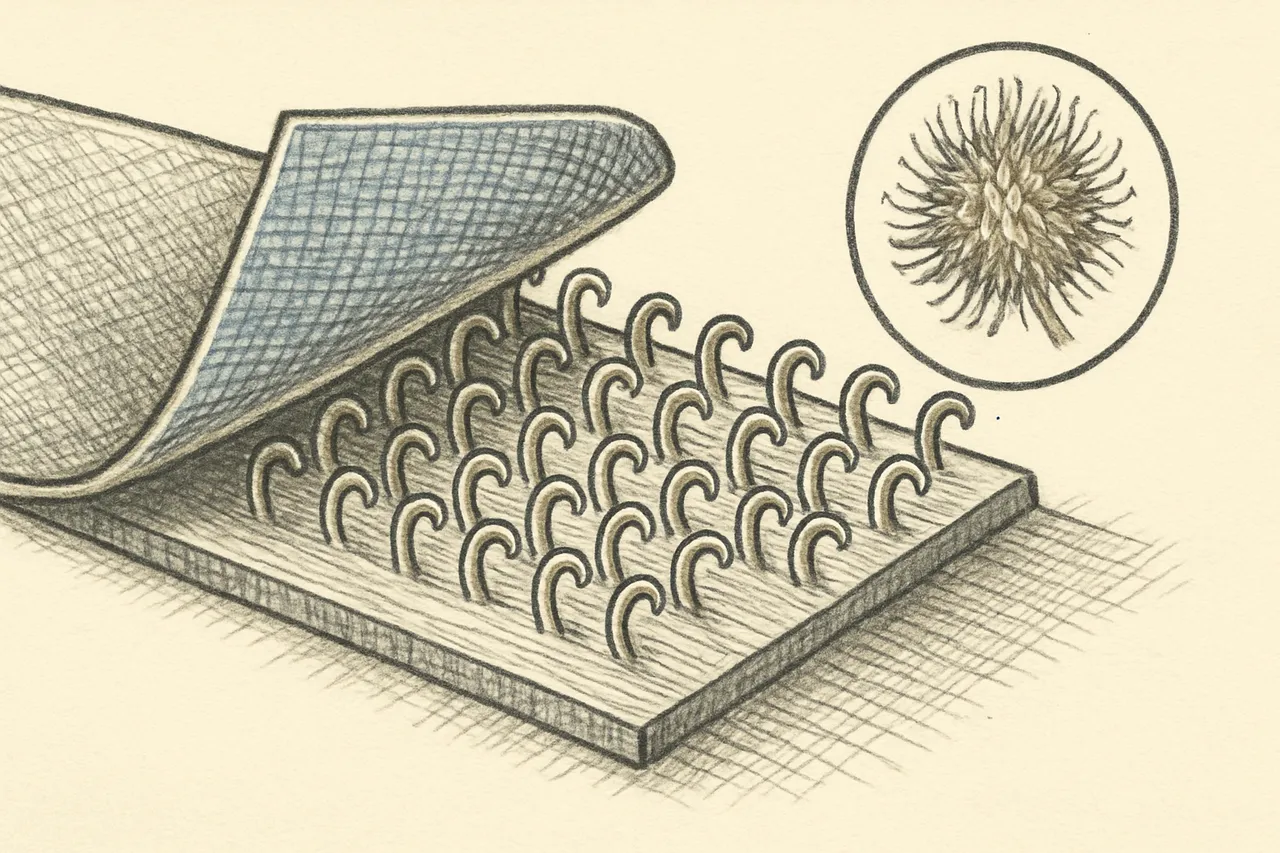
US2717437 was granted on September 13, 1955, to George de Mestral, a Swiss electrical engineer. The title is "Velvet Type Fabric and Method of Producing Same." The fabric in question is Velcro — the hook-and-loop fastener now found on shoes, jackets, medical braces, spacecraft, children's toys, and roughly everything else that benefits from sticking to itself and then coming apart again.
The origin story is one of the most-repeated in the history of invention, and unlike many such stories, it appears to be substantially true. In 1941, de Mestral returned from a hunting trip in the Alps with his dog, both of them covered in the burrs of the burdock plant. The burrs clung stubbornly to his wool trousers and to the dog's fur. Most people have had exactly this experience and responded by irritably picking the burrs off. De Mestral, an engineer with a curious disposition, instead put a burr under his microscope.
What he saw
Under magnification, the burdock burr revealed its mechanism: it was covered in hundreds of tiny hooks, each one curved at the tip, which caught on the small loops naturally present in fabric and fur. The hooks held firmly under steady tension but released when peeled. It was, de Mestral realized, a reusable fastener that nature had already perfected. If he could reproduce the hooks-and-loops system artificially, he would have a fastener that needed no buttons, zippers, snaps, or laces.
The idea was simple. The execution took more than a decade.
The hard part
De Mestral spent years trying to manufacture artificial hooks and loops that would behave like the burr. Textile experts he consulted were skeptical to the point of dismissiveness — the idea of a fabric that fastened to itself struck most of them as faintly ridiculous. He worked largely alone, eventually discovering that nylon, when sewn under infrared light, formed hooks that were tough and resilient. The breakthrough that made mass production possible was figuring out how to mechanically weave the loops and then trim them to form hooks at industrial scale — a problem that consumed several more years and a custom loom of his own design.
He named the result Velcro, a portmanteau of the French velours (velvet) and crochet (hook). He filed patents in Switzerland in the early 1950s and received the US patent in 1955.
What it became
Velcro was slow to catch on. Early adopters found it useful but unglamorous; the fashion industry, which de Mestral had hoped to court, largely regarded it as cheap-looking. The turning point was the aerospace and skiing industries, which valued a fastener that worked with gloved hands and in difficult conditions. NASA used Velcro extensively in the space program — to secure equipment in zero gravity and to anchor items inside spacecraft — which gave it a powerful association with cutting-edge technology.
By the time de Mestral's patent expired, "Velcro" had become a generic term for hook-and-loop fasteners, to the point that the company that owns the trademark now runs public campaigns asking people not to use the word generically. The fastener itself is ubiquitous: a multi-billion-dollar product category, used everywhere from children's sneakers to surgical equipment to the surface of the International Space Station.
All of it traces to a single moment of engineering curiosity — a man who, covered in burrs, decided to look at one closely instead of throwing it away.
See the original
The full text and figures of US2717437 are on patents.us.
Related stories
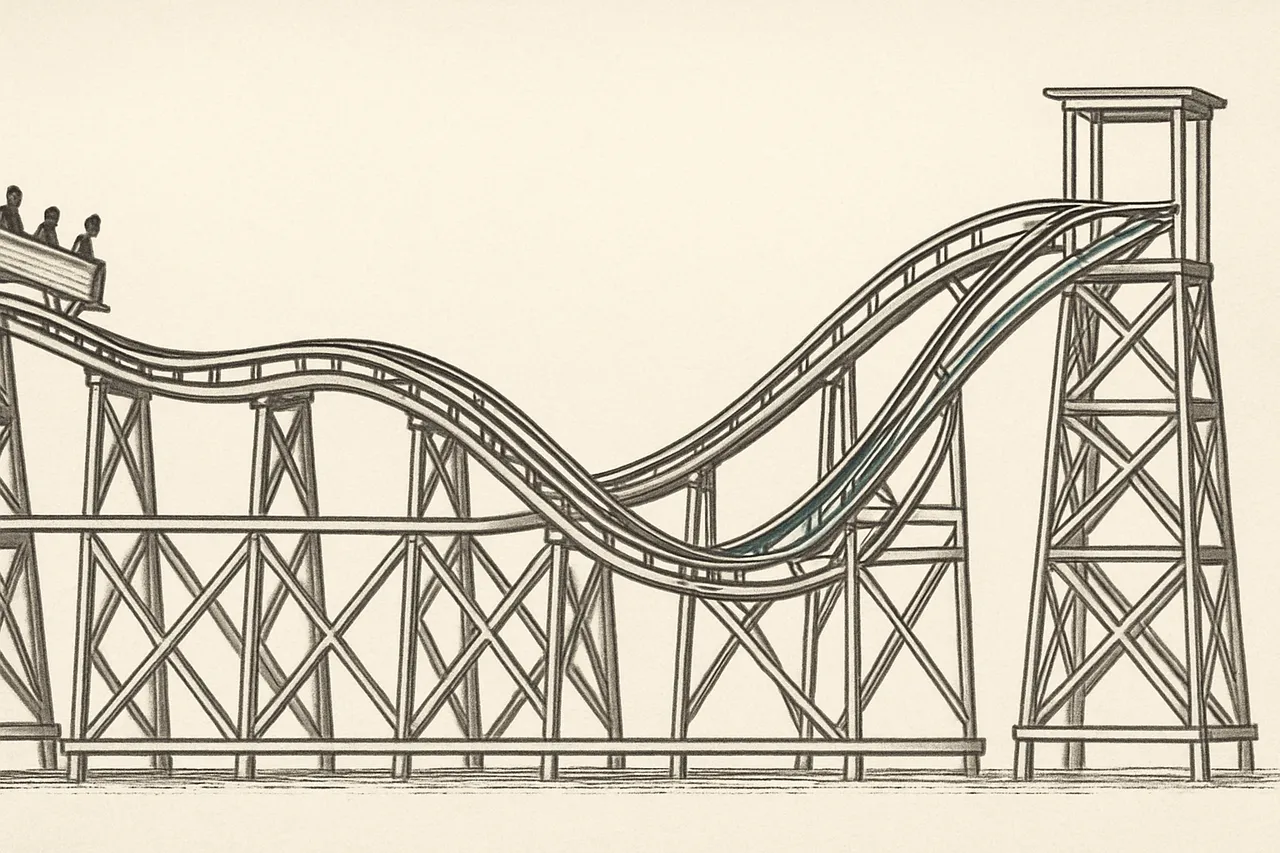
The First American Roller Coaster Ran at Six Miles an Hour, and Its Inventor Built It to Lure People Away From Saloons
LaMarcus Thompson's Switchback Railway opened at Coney Island in 1884. Riders sat sideways on a bench, coasted down a gentle undulating track, then got out while attendants pushed the car over a switch so they could coast back the other way. It cost a nickel and it made a fortune.
Read the story →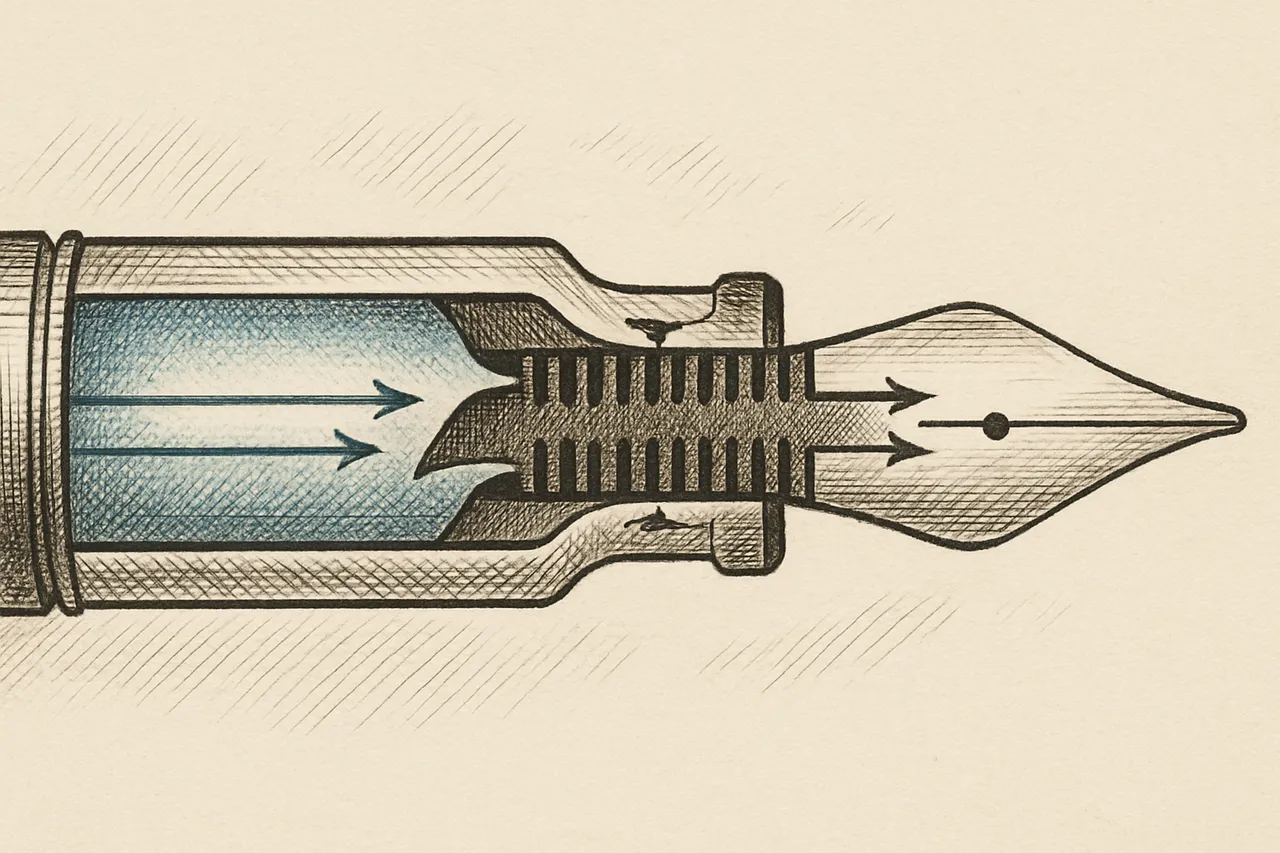
Lewis Waterman Did Not Invent the Fountain Pen. He Invented the Small Part That Stopped It Blotting.
Fountain pens existed for decades before 1884 and most of them were awful, flooding the page one moment and running dry the next. Waterman's patent fixes the reason why, and the fix is a set of narrow grooves cut into a piece of hard rubber.
Read the story →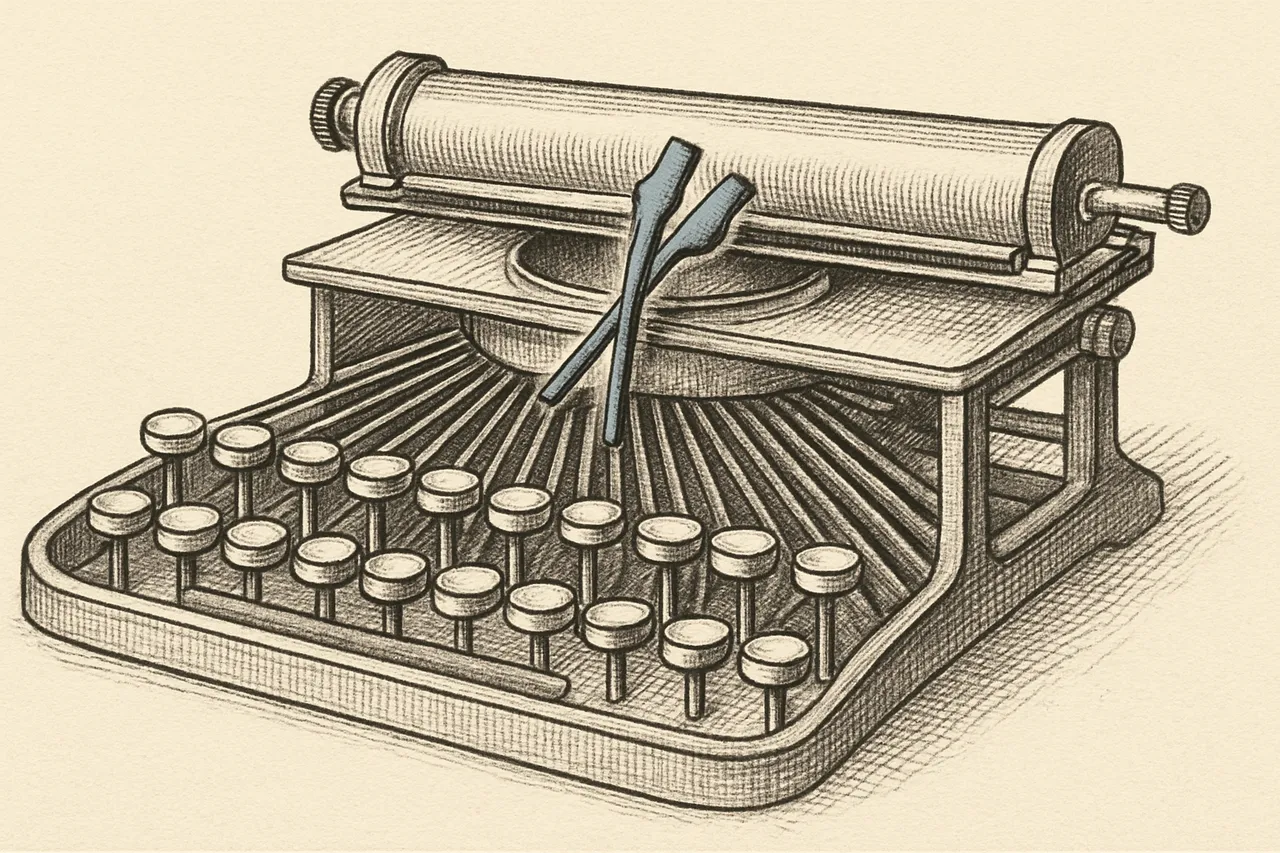
The 1868 Patent Behind the First Successful Typewriter Had Its Keys in Alphabetical Order. QWERTY Came Later, and Nobody Fully Agrees Why.
Christopher Latham Sholes and two partners patented a typewriter in Milwaukee in 1868 with keys arranged like a piano, roughly in alphabetical order. Over the next several years the letters were shuffled into QWERTY. The popular explanation for that is a distortion of a better one.
Read the story →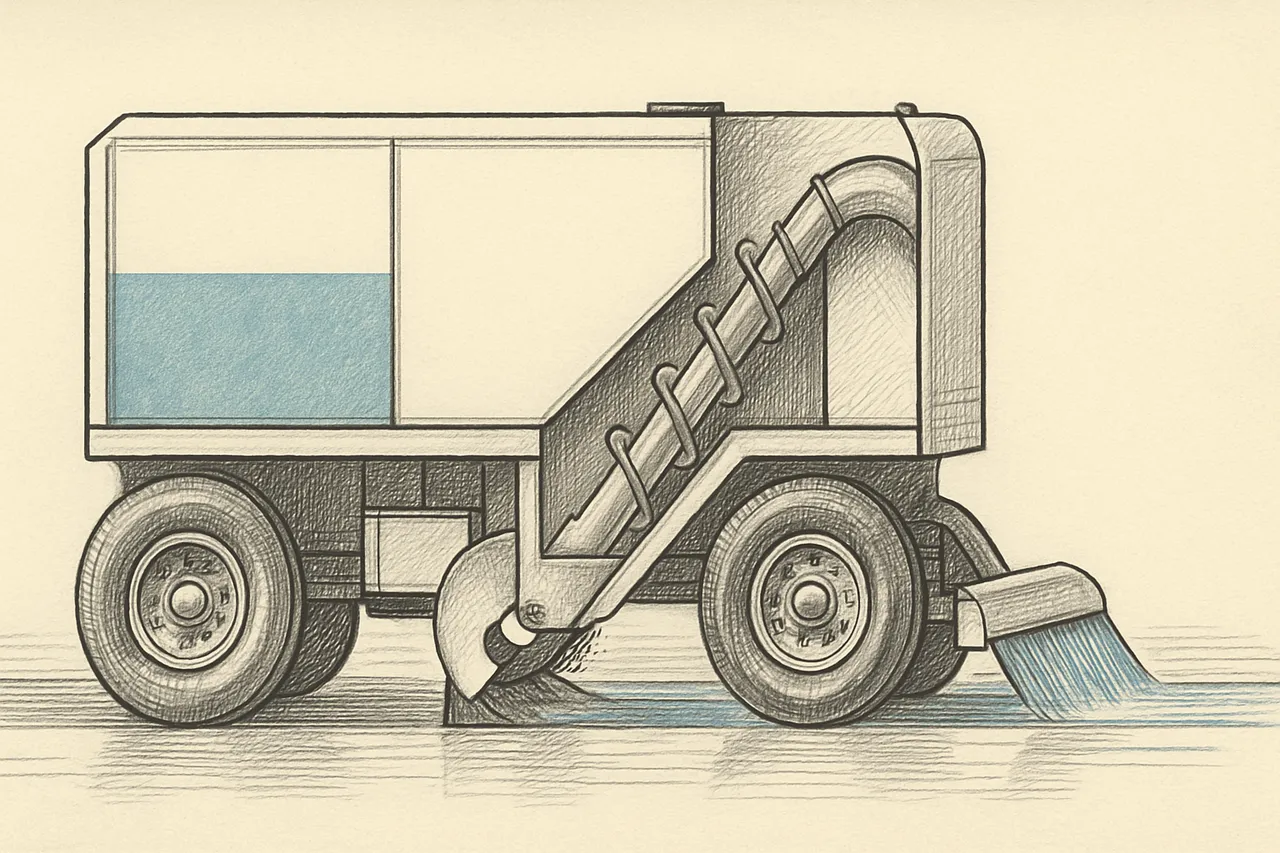
Frank Zamboni Spent Years Building a Machine So His Ice Rink Didn't Need a Crew of Men With Scrapers
Frank Zamboni ran an ice rink in Southern California, and resurfacing the ice by hand took several workers more than an hour. His machine did the whole job in a single pass. Its most important trick is the one people least expect: it lays down warm water, not cold.
Read the story →