Charles Goodyear Invented Rubber That Works — and Died $200,000 in Debt
Natural rubber melted in summer and cracked in winter. Charles Goodyear spent years and his family's health obsessively trying to fix it, then discovered the answer by accident — dropping rubber and sulfur on a hot stove. The world got tires. He got debtor's prison.
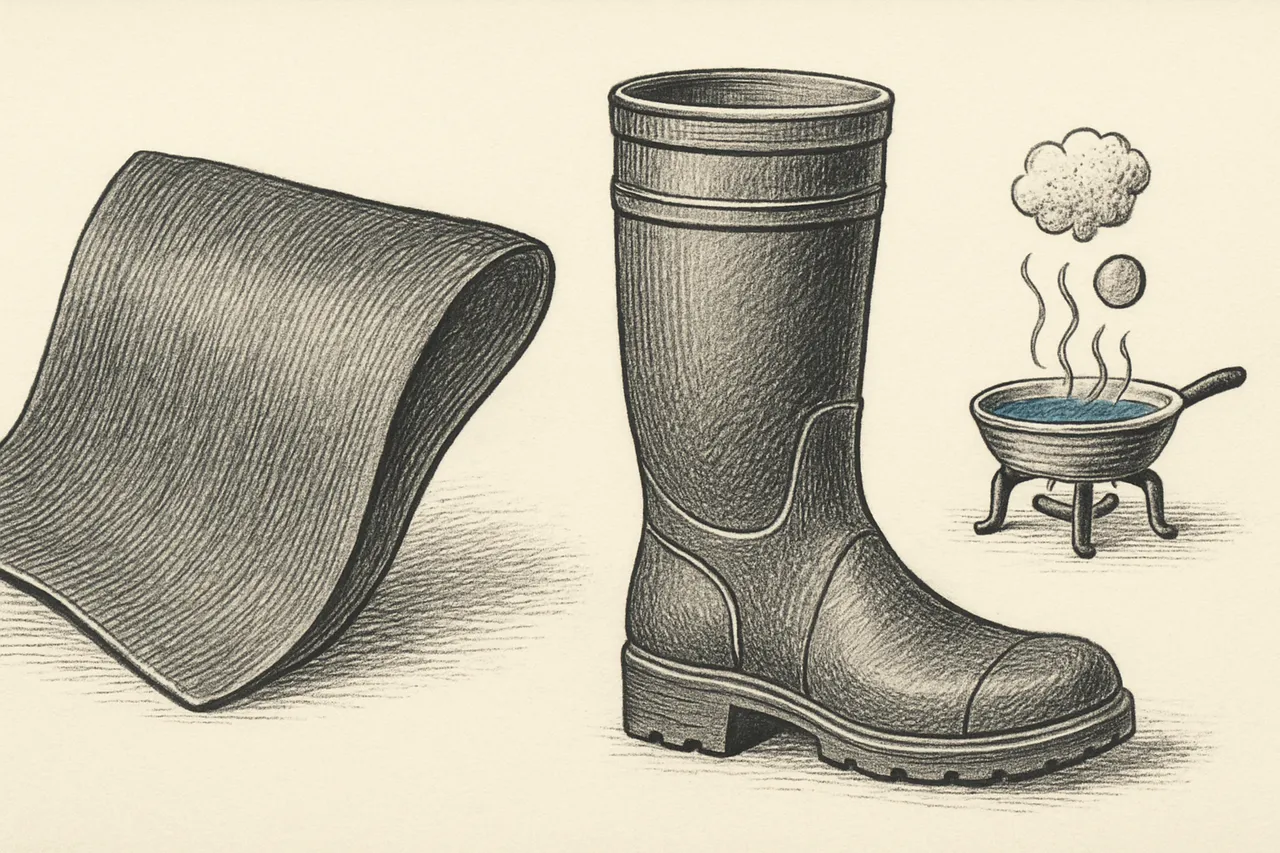
US3633 was granted to Charles Goodyear on June 15, 1844. The title is "Improvement in India-Rubber Fabrics." It describes vulcanization — the process of treating natural rubber with sulfur and heat to transform it from a temperamental, nearly useless material into the tough, stable, weatherproof substance that makes modern tires, seals, hoses, insulation, and a thousand other things possible.
Natural rubber, as it came from the tropics, had tantalized inventors and infuriated them in equal measure. It was waterproof and elastic, which seemed enormously promising — but it was also maddeningly unstable. In summer heat it turned soft, sticky, and foul-smelling, melting into a useless goo. In winter cold it became hard and brittle and cracked. Rubber products of the early 1830s tended to fail spectacularly in their first extreme season, and a speculative "rubber boom" had collapsed, leaving investors wary and the material's reputation ruined.
The obsession
Charles Goodyear was not a chemist. He was a failed hardware merchant from Connecticut with no scientific training, a chronic lack of money, and an almost pathological conviction that he, specifically, was destined to solve the rubber problem. He pursued it with a single-mindedness that shaded into ruin. He experimented ceaselessly, mixing rubber with every substance he could think of. He conducted experiments in debtors' prison, where his finances repeatedly landed him. He sold his family's possessions to fund the work. His children went hungry; several died young, in poverty that his obsession did nothing to relieve.
The breakthrough, in 1839, was an accident — the kind that only rewards someone who has spent years preparing to recognize it. Goodyear was handling a mixture of rubber and sulfur, and a piece of it fell onto a hot stove. Instead of melting, as raw rubber would, it charred slightly and, crucially, cured — becoming firm, dry, and stable. He had stumbled onto the effect of heat plus sulfur. It took him several more years of poverty and refinement to control the process reliably and to secure the 1844 patent.
Robbed of the reward
Goodyear had the invention. He never got the fortune. His patents were widely infringed, and he spent enormous sums on litigation defending them — the most famous case, argued in 1852, pitted him against the infringer Horace Day with Daniel Webster as Goodyear's lawyer. Goodyear won the legal battles but not the financial war. He licensed his process for far too little, mismanaged what money he did make, and continued to pour everything into new rubber ventures and elaborate exhibitions.
He died in 1860, owing, by most accounts, around two hundred thousand dollars — an immense debt for the era. The Goodyear Tire and Rubber Company, founded in 1898 and named in his honor, had no connection to him or his family; they simply admired the man who had made rubber usable and took his name for their brand. The material he gave the world went on to underpin the entire age of the automobile. He is one of the purest examples in the whole patent record of an inventor who changed everything and kept none of it.
See the original
The full text and figures of US3633 are on patents.us.
Related stories
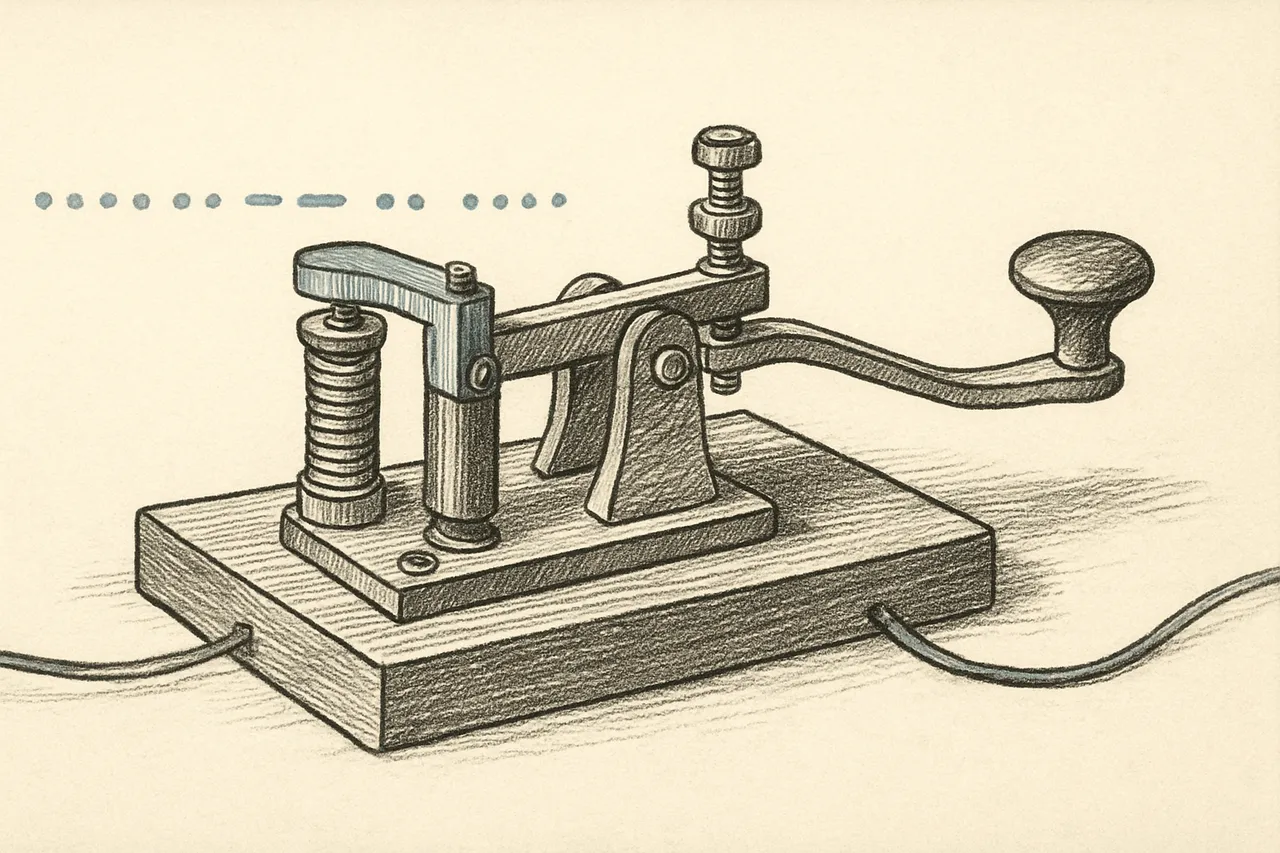
Samuel Morse Patented the Telegraph — and Abolished Distance
Before 1844, a message could travel only as fast as a horse, a train, or a ship. Samuel Morse's telegraph made it travel at the speed of electricity. For the first time in history, communication was faster than transportation.
Read the story →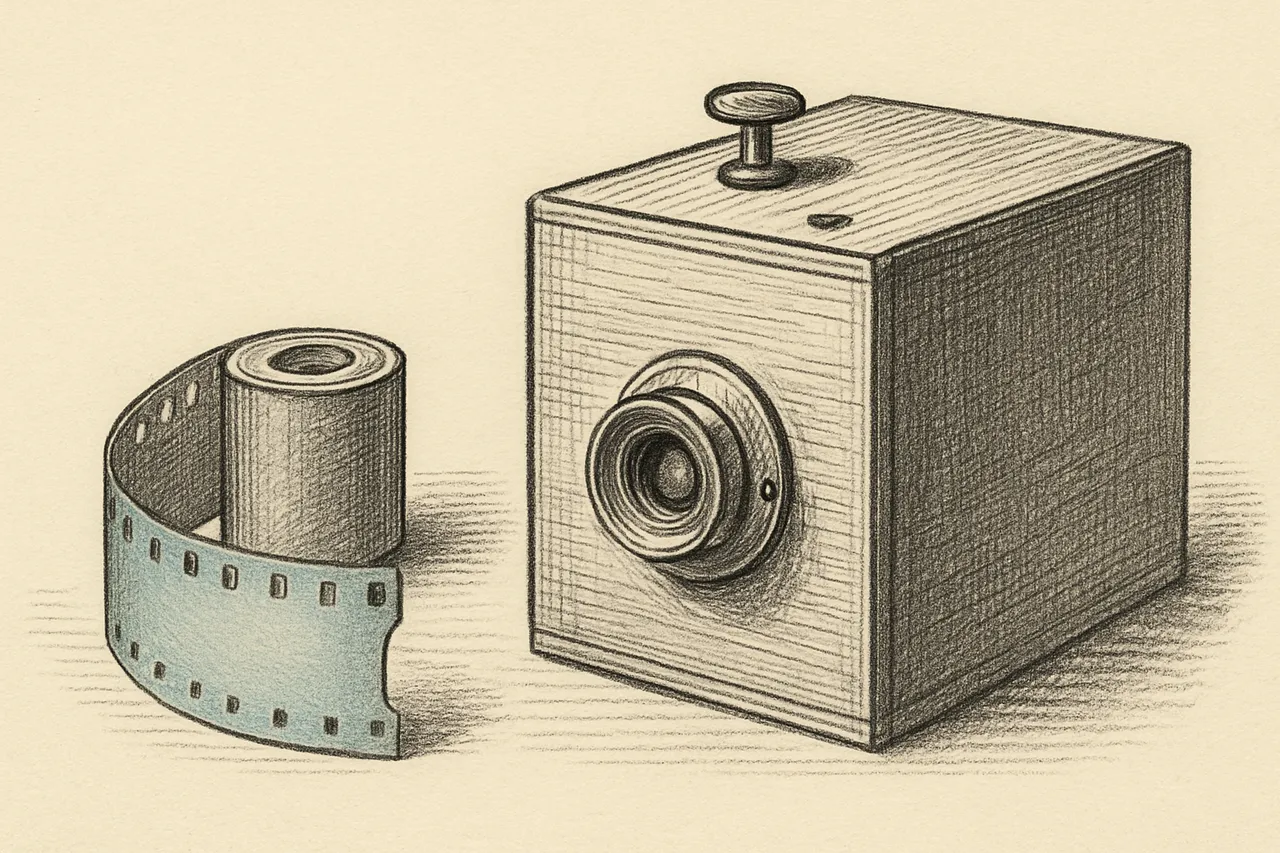
George Eastman Made Everyone a Photographer With Four Words: You Press the Button
Before 1888, photography meant glass plates, chemicals, and expertise. Eastman's roll-film box camera came pre-loaded, took a hundred pictures, and was mailed back to the factory for developing. The slogan said the rest: 'You press the button, we do the rest.'
Read the story →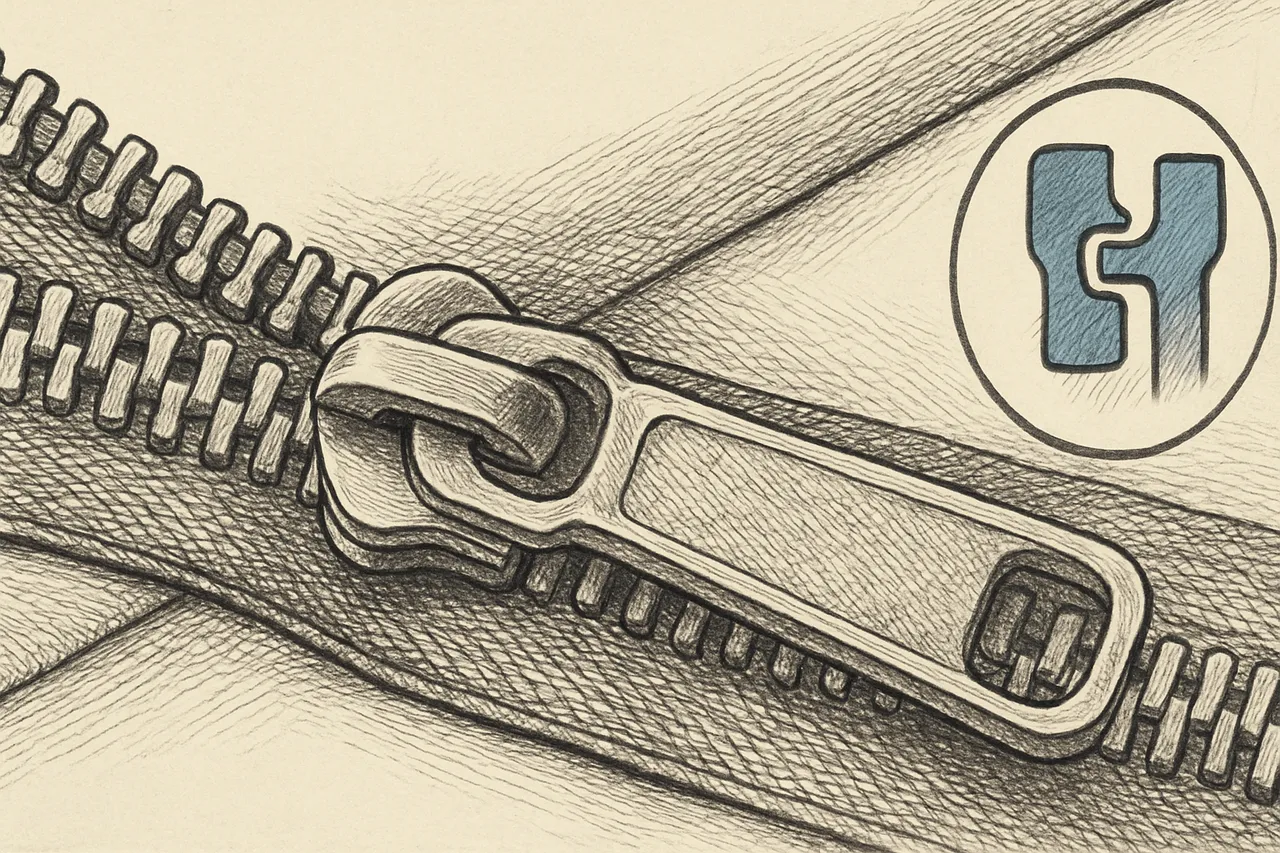
The Zipper Took Twenty Years and Three Inventors to Actually Work
The first 'clasp locker' was shown at the 1893 World's Fair and was a flop — it jammed, sprang open, and rusted. It took two more decades and a Swedish-American engineer's complete redesign to produce the interlocking-tooth zipper we use today.
Read the story →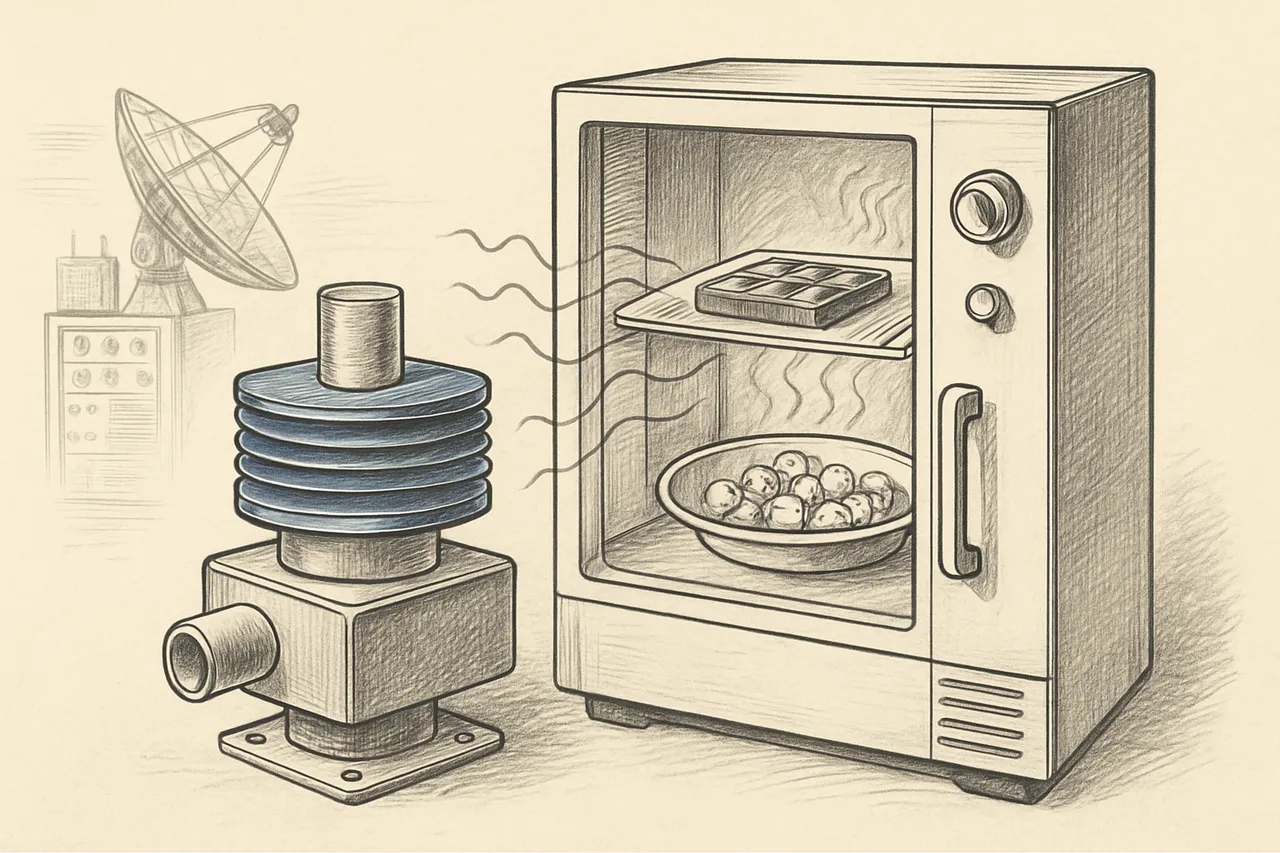
A Melted Candy Bar in His Pocket Led to the Microwave Oven
An engineer testing radar equipment noticed the chocolate bar in his pocket had turned to goo. Instead of shrugging, he aimed the magnetron at some popcorn kernels. They popped. The kitchen was never the same.
Read the story →