Willis Carrier Was Trying to Fix a Printing Problem. He Invented Modern Life.
A Brooklyn printing plant couldn't keep its color registration aligned because humidity kept warping the paper. The young engineer they hired to fix it built a machine to control the air itself — and accidentally made the Sun Belt, the skyscraper, and the summer blockbuster possible.
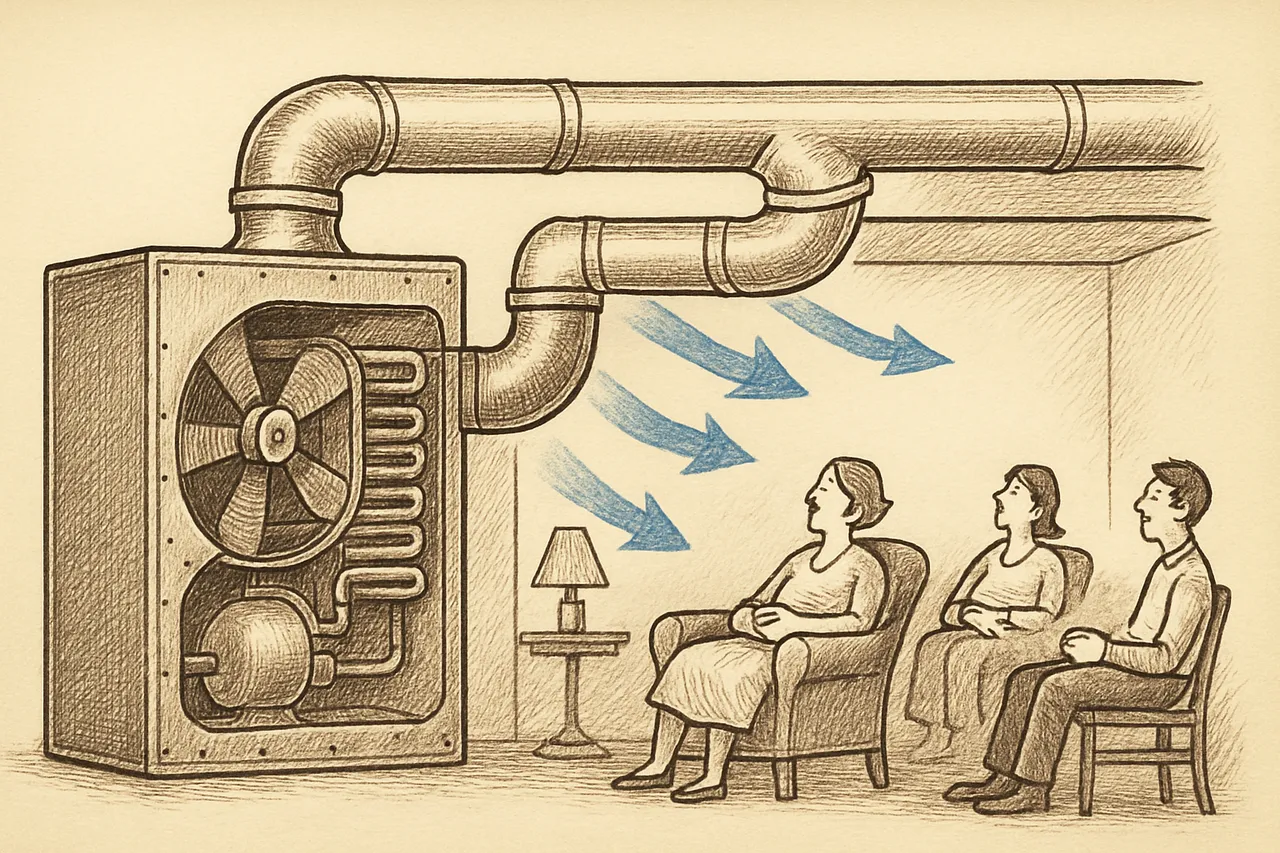
US808897 was filed on September 16, 1904, and granted on January 2, 1906, to Willis H. Carrier. The title is "Apparatus for Treating Air." It is the founding patent of modern air conditioning, and — like a surprising number of world-changing inventions — it was built to solve a problem that had nothing to do with human comfort.
The problem was printing. The Sackett-Wilhelms Lithographing and Publishing Company in Brooklyn produced color printing, which required running the same sheet of paper through the press multiple times, once for each color of ink. The colors had to line up precisely. But paper absorbs and releases moisture from the surrounding air, and as it does, it swells and shrinks — just enough that on humid days the registration drifted and the colors printed slightly out of alignment, ruining the job. The plant needed a way to control the humidity of the air inside the building.
Treating the air
Carrier, a young engineer barely a year out of Cornell, approached it as a thermodynamics problem. He designed a system that blew air across coils chilled by cold water. As the warm, humid air contacted the cold coils, moisture condensed out of it — the same way water beads on a cold glass — and dripped away. The air that emerged was both cooler and drier, and by controlling the temperature of the coils, Carrier could control the humidity of the room to a precise, stable level.
The printing plant's registration problem vanished. But Carrier had realized something larger: he had built a machine that could set the temperature and the moisture content of indoor air to any value he chose, independent of the weather outside. He had, in effect, invented weather control for the inside of a building.
What it unleashed
For the first few decades, air conditioning was industrial. It went into textile mills, munitions plants, film-processing labs, and anywhere else where humidity or heat wrecked a manufacturing process. Human comfort was an afterthought. The public first experienced it in movie theaters in the 1920s, which advertised their cooled air as aggressively as their films — and, not coincidentally, invented the "summer blockbuster," because summer had previously been the dead season when no one would sit in a hot theater.
Then it spread to everything, and in spreading, it rearranged the country. Air conditioning made the American South and Southwest habitable year-round for large populations and industries; the explosive growth of Houston, Phoenix, Atlanta, and Las Vegas — the entire Sun Belt — is inseparable from it. It made the sealed glass skyscraper possible, since a building whose windows don't open needs mechanical air. It changed architecture, demographics, politics (the population shift reshaped the electoral map), and the basic rhythm of daily life, which no longer paused for the heat of the day.
Carrier founded the company that still bears his name and spent his career refining the technology. He died in 1950, by which point the machine he'd built to keep ink aligned on a page in Brooklyn was on its way to becoming one of the most quietly consequential inventions of the twentieth century.
See the original
The full text and figures of US808897 are on patents.us.
Related stories
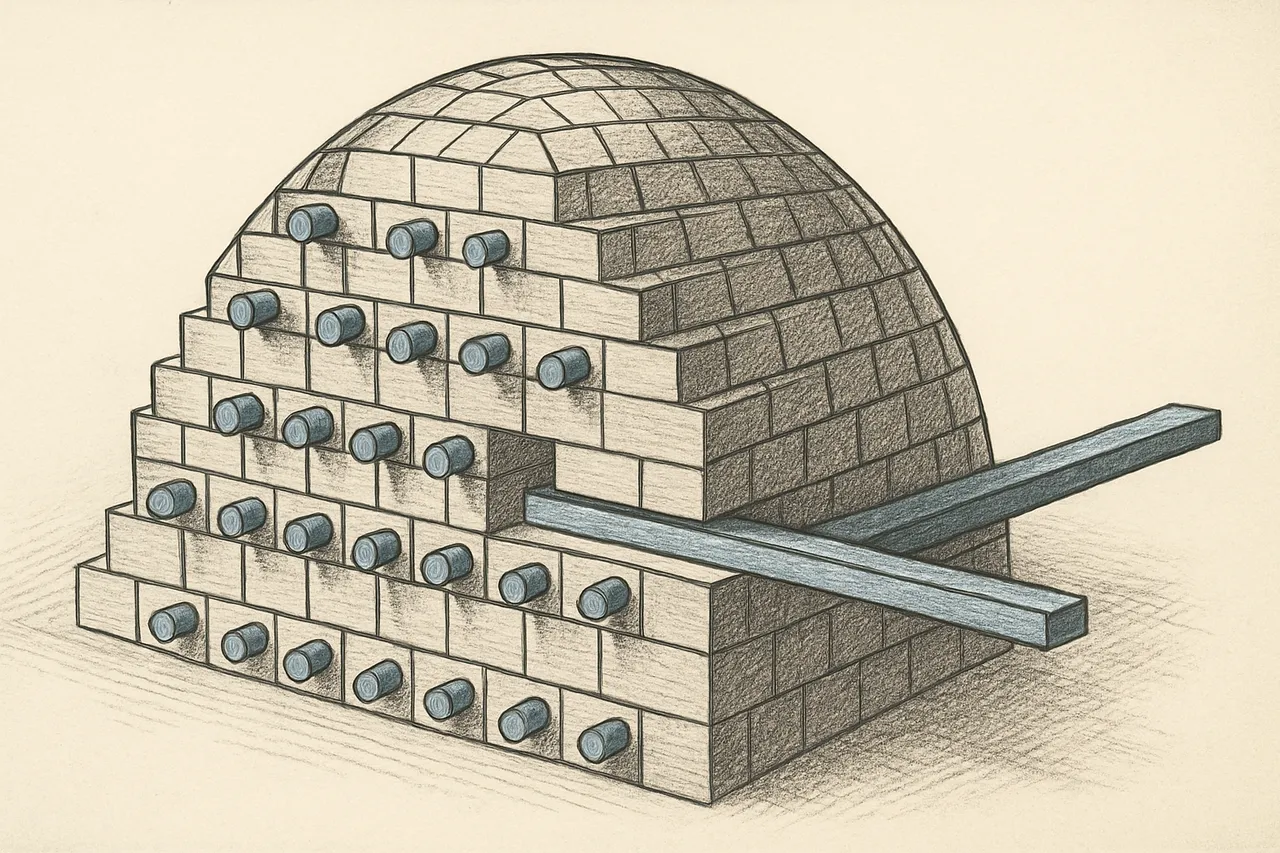
Fermi and Szilard Filed a Patent on the Nuclear Reactor in 1944. It Stayed Secret for More Than Ten Years.
The patent is titled Neutronic Reactor, which is a very flat name for the machine that produced the first controlled nuclear chain reaction. It was filed during the Manhattan Project, buried under a secrecy order, and not published until 1955, six months after Enrico Fermi died.
Read the story →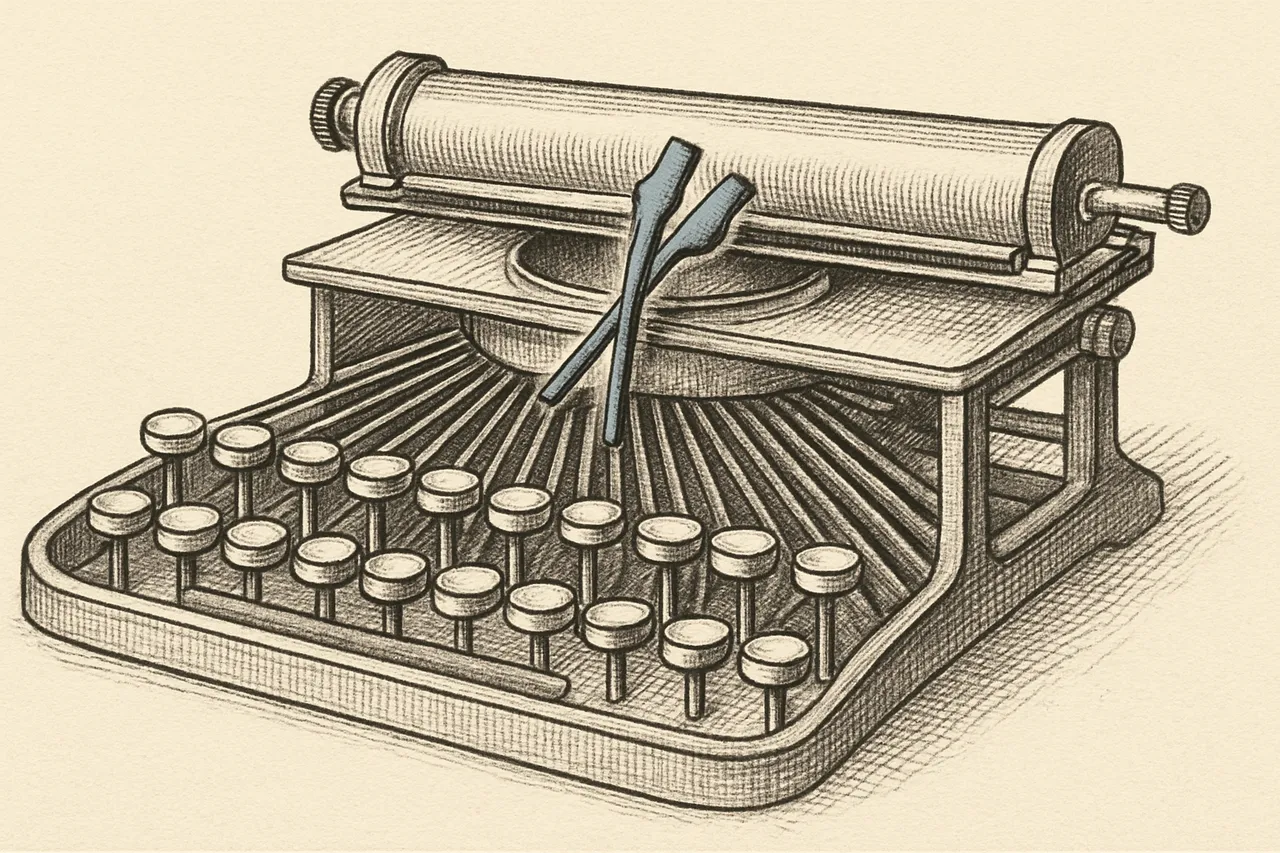
The 1868 Patent Behind the First Successful Typewriter Had Its Keys in Alphabetical Order. QWERTY Came Later, and Nobody Fully Agrees Why.
Christopher Latham Sholes and two partners patented a typewriter in Milwaukee in 1868 with keys arranged like a piano, roughly in alphabetical order. Over the next several years the letters were shuffled into QWERTY. The popular explanation for that is a distortion of a better one.
Read the story →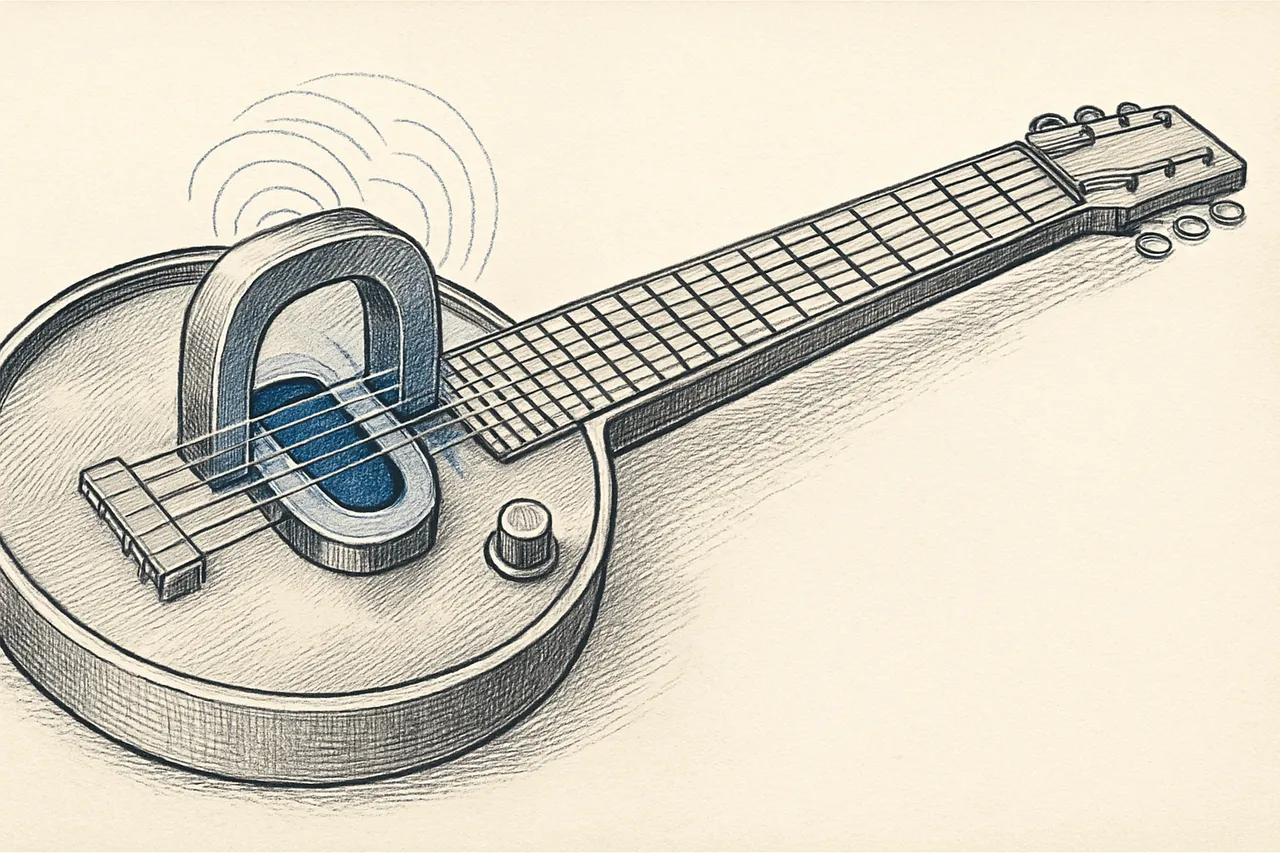
The First Electric Guitar You Could Buy Was Nicknamed the Frying Pan, and Its Patent Took Three Years
In the big band era, guitarists could not be heard over the horns. George Beauchamp set the strings inside a pair of horseshoe magnets, wound a coil beneath them, and mounted it all on a round aluminum body with a long neck. It looked like cookware, and the magnetic pickup it used is still how electric guitars work.
Read the story →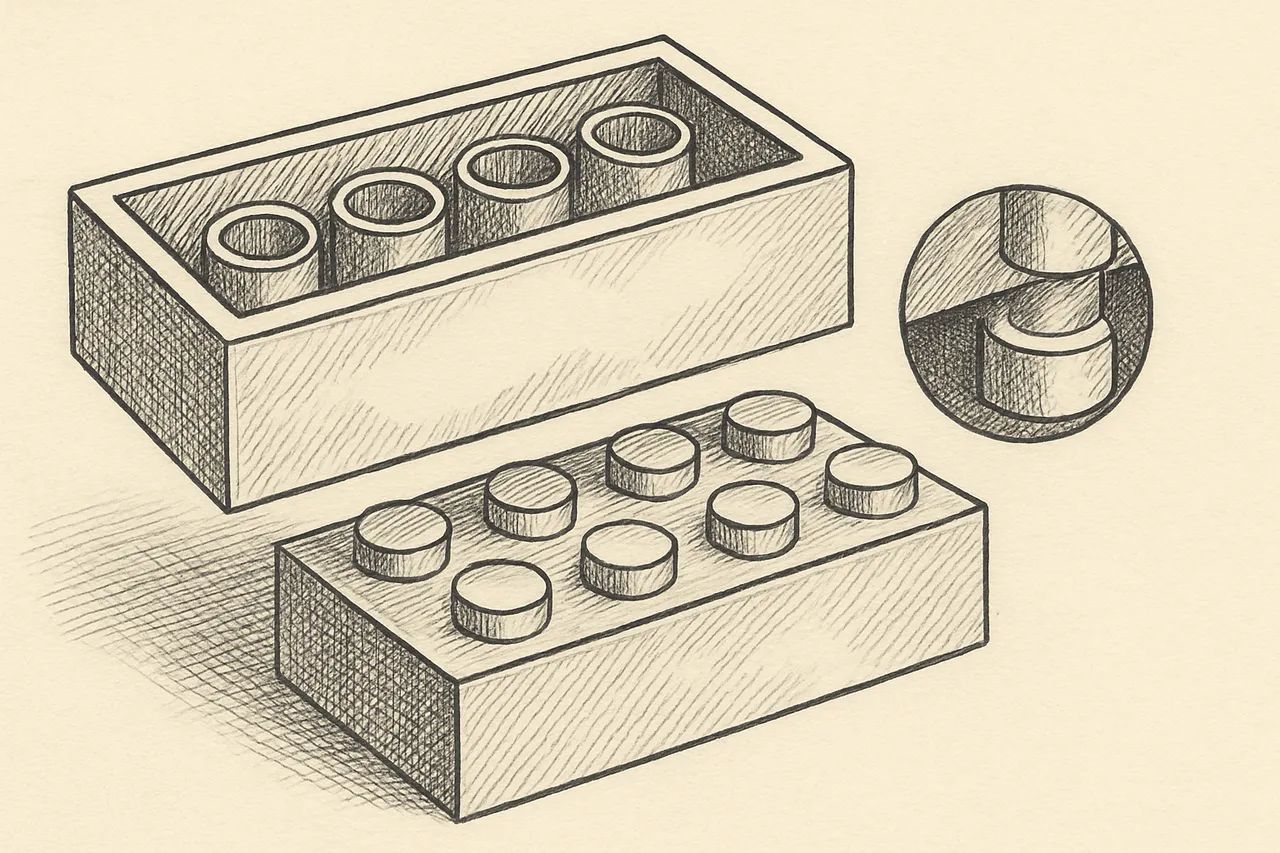
LEGO Bricks Were on Sale for Nine Years Before They Held Together Properly. The Fix Was a Row of Hollow Tubes.
The first LEGO bricks had studs on top and an empty space underneath, so models tended to come apart when you picked them up. Godtfred Kirk Christiansen's 1958 design put tubes inside the brick, and a brick molded that year still fits one molded today.
Read the story →