The Most Contested Patent in American History
On March 7, 1876, Alexander Graham Bell was granted a patent for what he called an improvement in telegraphy. It was the telephone. The legal battle over who got there first ran for the next twenty years.
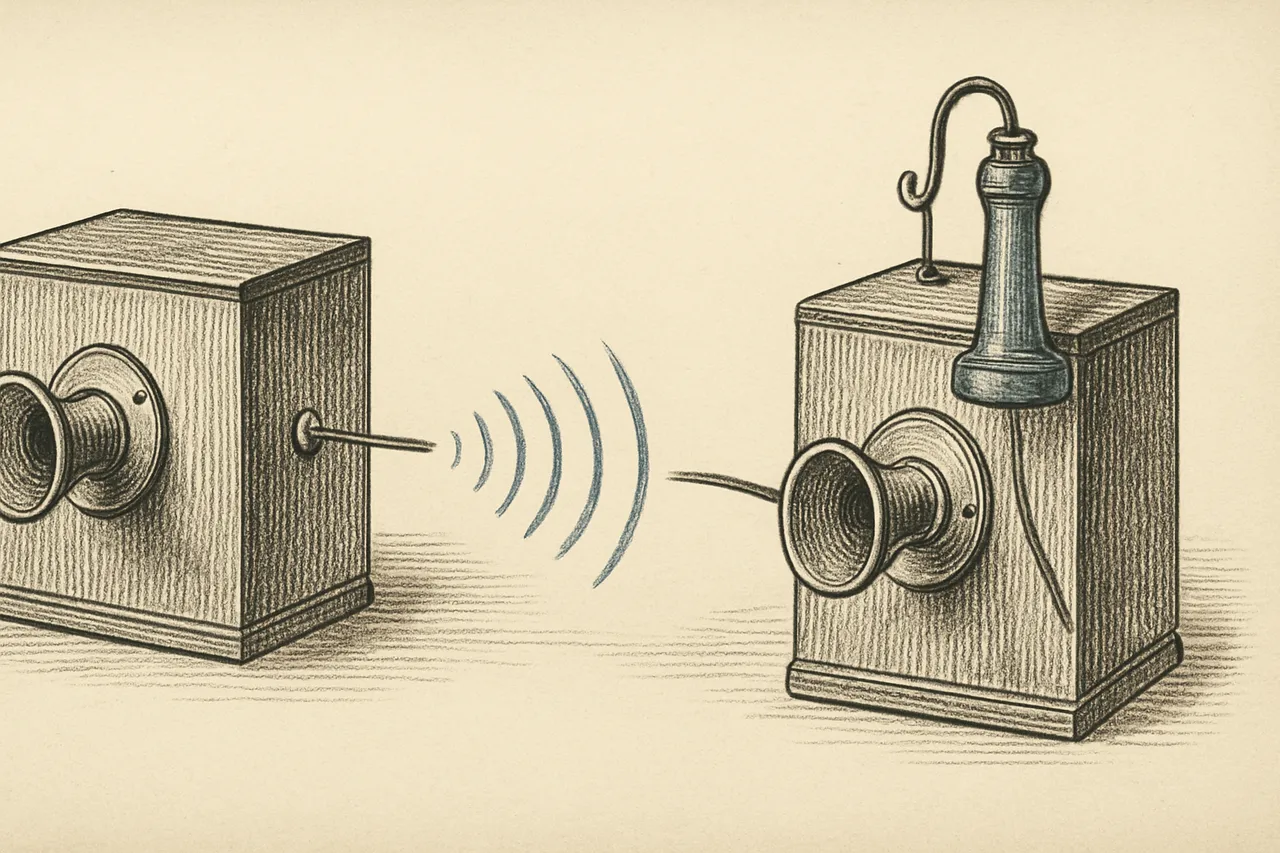
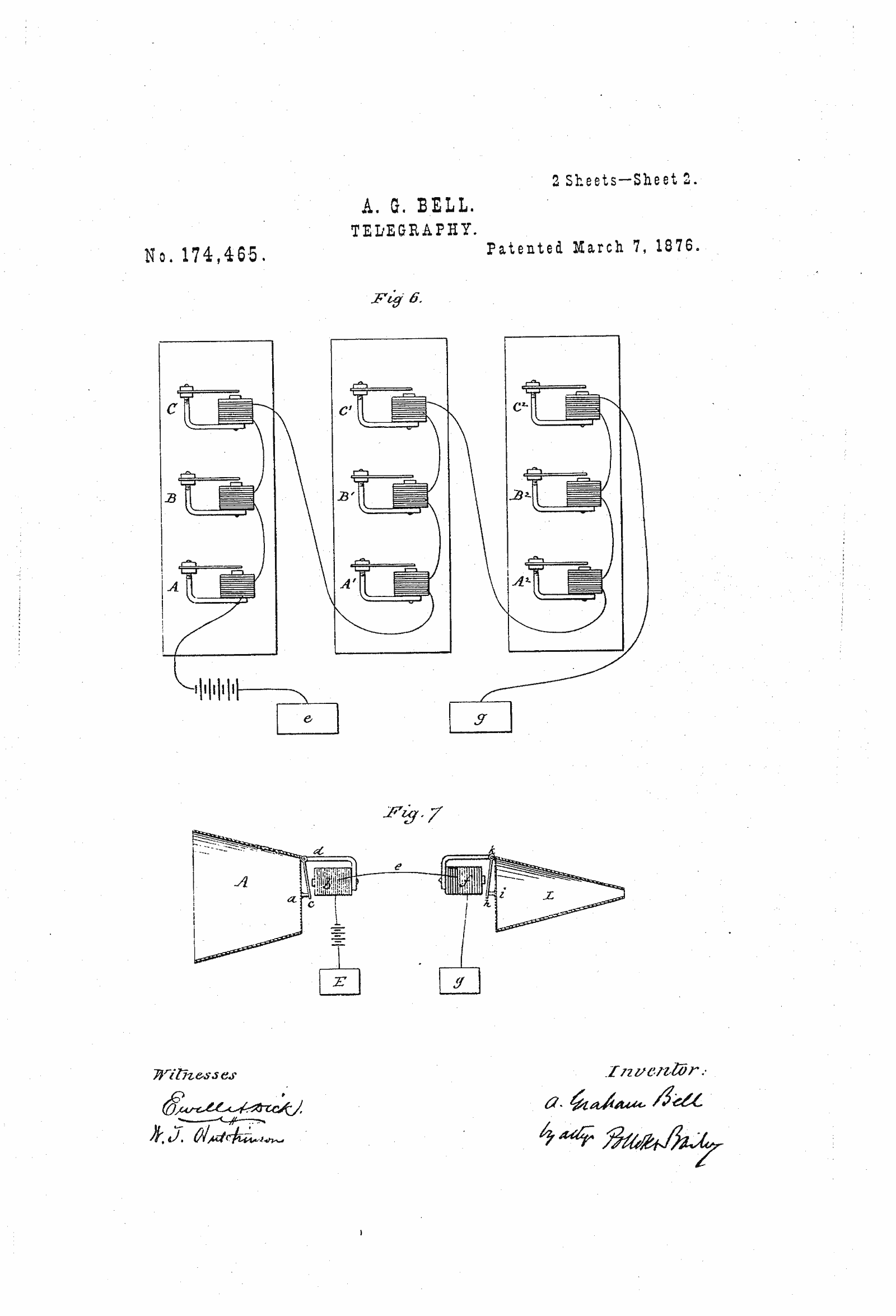
US174465 is five pages long. It claims, almost in passing, "the method of, and apparatus for, transmitting vocal or other sounds telegraphically." Alexander Graham Bell filed it on February 14, 1876. He was granted it three weeks later, on March 7. Three days after that — on March 10 — he made the first telephone call in history, to his assistant Thomas Watson in the next room. Mr. Watson — come here — I want to see you.
The trouble started immediately. On the same day Bell filed, a competing inventor named Elisha Gray filed a caveat — an early-stage notice of intent to patent — describing a device that did essentially the same thing. Bell's filing arrived at the patent office a few hours earlier. Whether that head start was honest or whether someone had tipped Bell off about Gray's caveat became the central question of one of the longest-running patent disputes in American history.
What followed
By the time it was over, Bell's patent had been challenged in court more than 600 times. It was, by a wide margin, the most-litigated patent of the nineteenth century. Western Union sued. The Pan-Electric Telephone Company sued. The US government, briefly persuaded that fraud was involved, sued to invalidate it. Bell won every meaningful case. The Supreme Court upheld the patent in 1888 in a 4–3 decision that ran to nearly five hundred pages.
In the meantime, Bell and his investors had quietly built the company that would become AT&T. By the time the patent expired in 1893, the Bell System owned the long-distance infrastructure of an entire country. Competing telephone companies sprang up the moment the patent lapsed — and were systematically bought, undercut, or starved of long-distance access until Bell controlled the network end-to-end.
What it tells us
The five-page patent is, in retrospect, almost embarrassingly slight. It describes a working telephone but barely — most of the document is about telegraphy, the supposed context of the invention. Bell himself seems to have been uncertain whether he'd discovered something significant. The reason the patent mattered is not the technical novelty (Gray's caveat had it too) but the legal claim: a single inventor, working alone, established ownership of an entire category of communication.
When the AT&T monopoly was finally broken up in 1984, the breakup decree was, in some sense, the great-grandchild of US174465. The patent had run for sixteen years. The company it created lasted a hundred and eight.
See the original
The full text of US174465 is on Google Patents.
Related stories
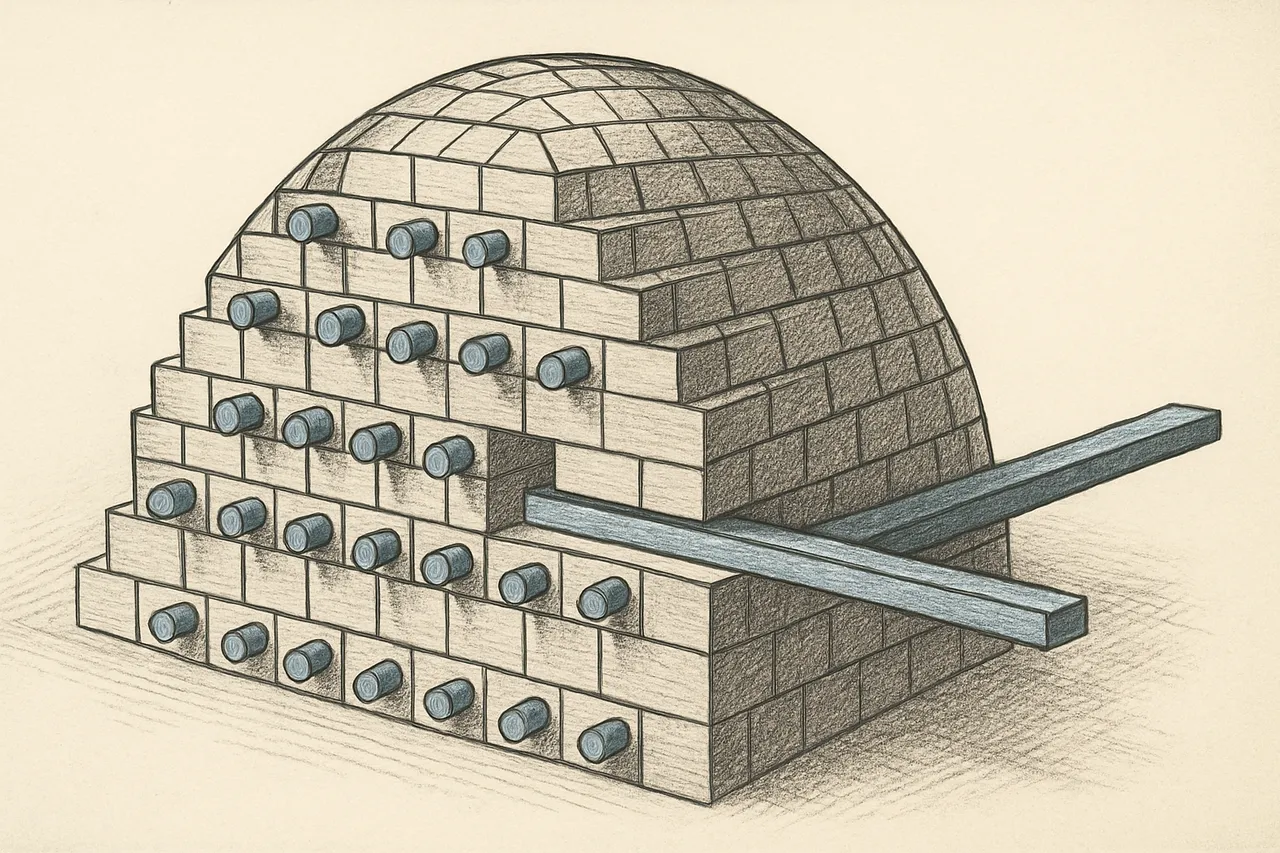
Fermi and Szilard Filed a Patent on the Nuclear Reactor in 1944. It Stayed Secret for More Than Ten Years.
The patent is titled Neutronic Reactor, which is a very flat name for the machine that produced the first controlled nuclear chain reaction. It was filed during the Manhattan Project, buried under a secrecy order, and not published until 1955, six months after Enrico Fermi died.
Read the story →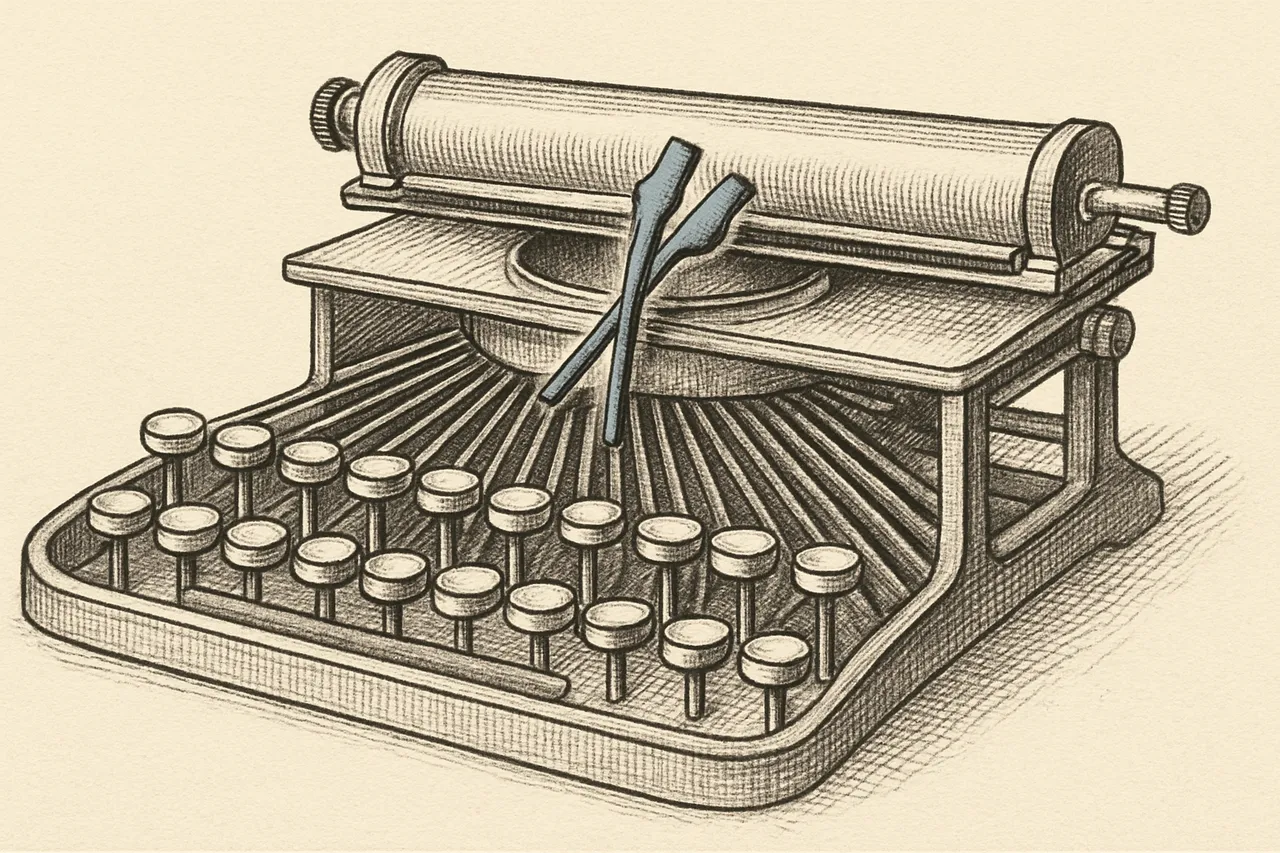
The 1868 Patent Behind the First Successful Typewriter Had Its Keys in Alphabetical Order. QWERTY Came Later, and Nobody Fully Agrees Why.
Christopher Latham Sholes and two partners patented a typewriter in Milwaukee in 1868 with keys arranged like a piano, roughly in alphabetical order. Over the next several years the letters were shuffled into QWERTY. The popular explanation for that is a distortion of a better one.
Read the story →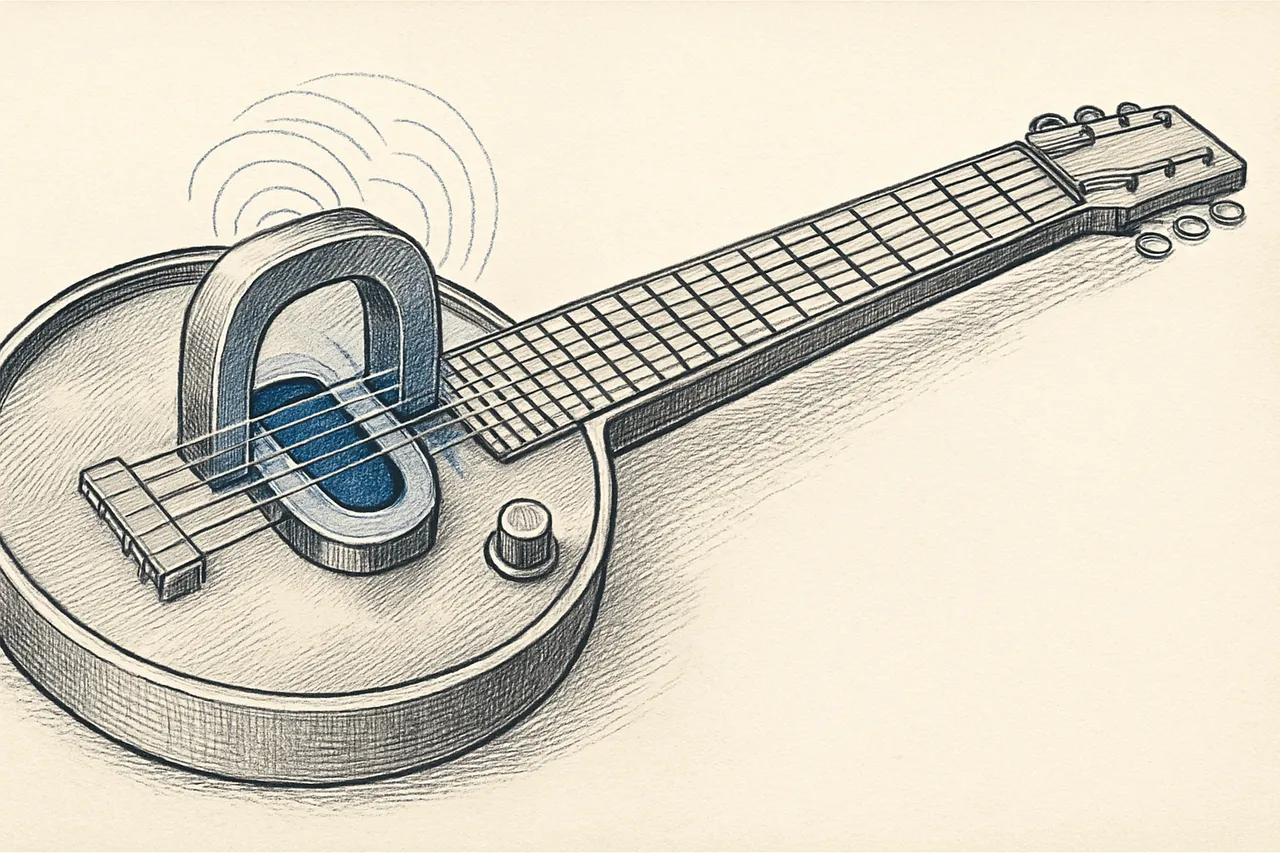
The First Electric Guitar You Could Buy Was Nicknamed the Frying Pan, and Its Patent Took Three Years
In the big band era, guitarists could not be heard over the horns. George Beauchamp set the strings inside a pair of horseshoe magnets, wound a coil beneath them, and mounted it all on a round aluminum body with a long neck. It looked like cookware, and the magnetic pickup it used is still how electric guitars work.
Read the story →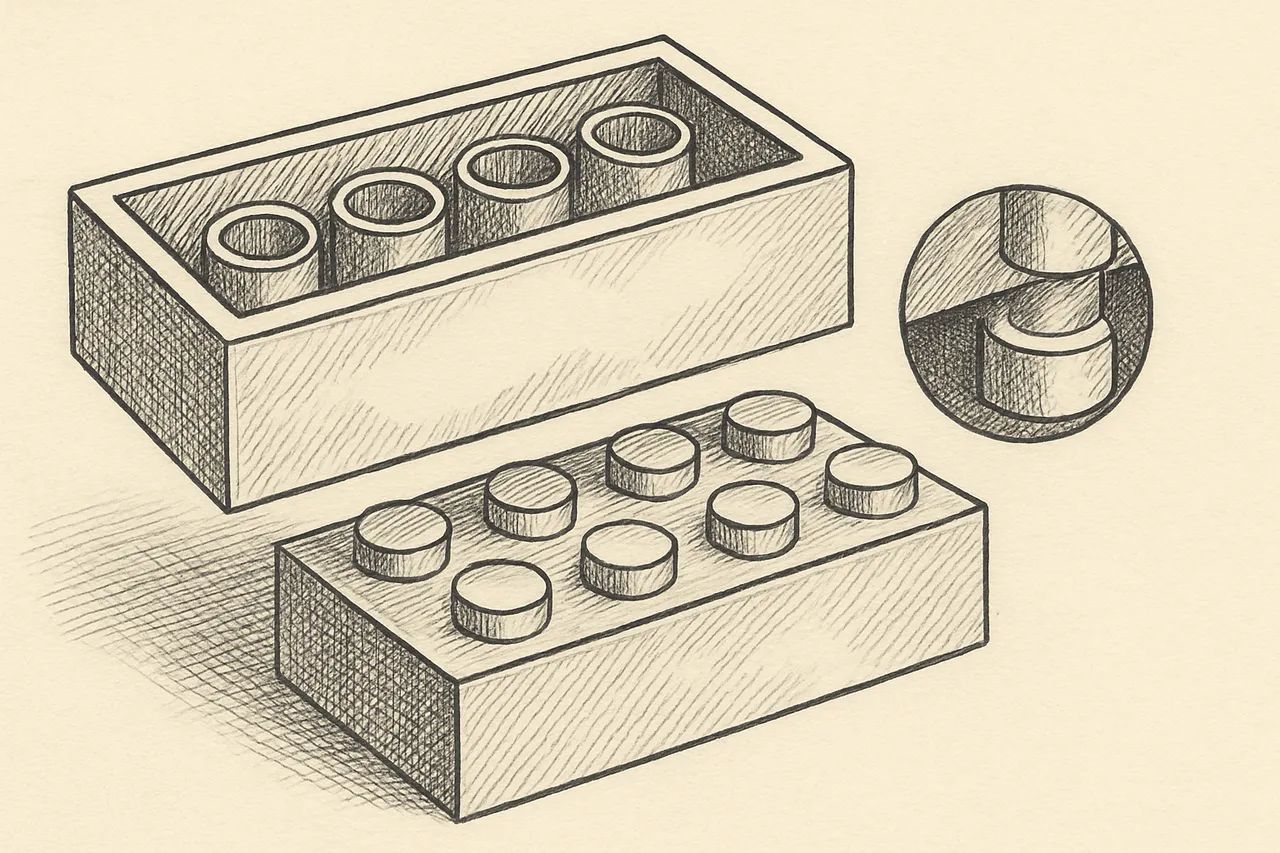
LEGO Bricks Were on Sale for Nine Years Before They Held Together Properly. The Fix Was a Row of Hollow Tubes.
The first LEGO bricks had studs on top and an empty space underneath, so models tended to come apart when you picked them up. Godtfred Kirk Christiansen's 1958 design put tubes inside the brick, and a brick molded that year still fits one molded today.
Read the story →