Ahead of Their Time
Inventions filed decades before the market or the surrounding technology was ready for them.
A patent is a snapshot of an idea on a particular date. Sometimes the date is comically early — a touchscreen patent from 1965, a video-call system from the 1930s, an electric-vehicle range-extender from the 1890s. This tag is about inventors who saw the shape of the future and filed for it long before the rest of the world was ready.
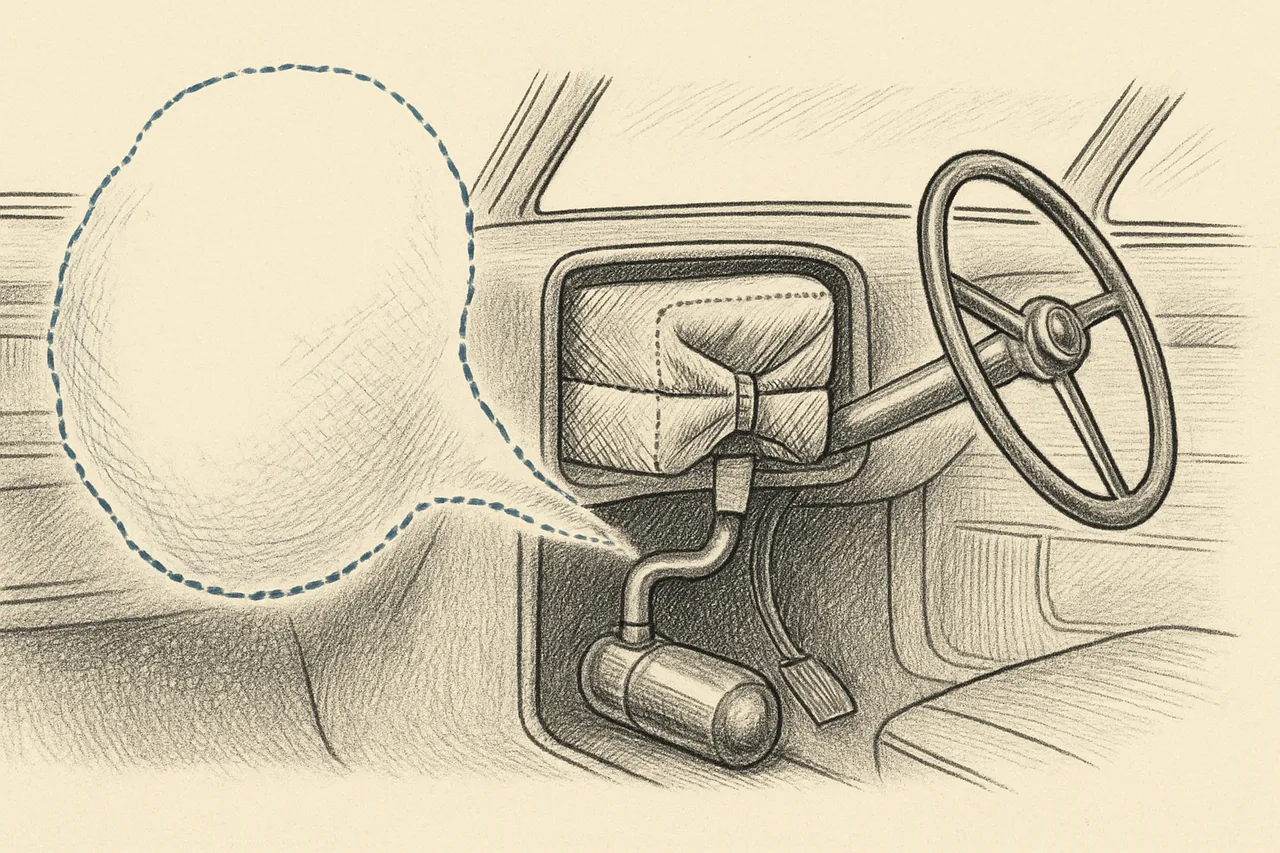
He Swerved to Avoid Something in the Road With His Family in the Car, and Patented the Airbag Three Months Later
John Hetrick was a Navy engineer who had worked with compressed air torpedoes. After a near miss on a Pennsylvania road in 1952, he worked out that a cushion could be inflated faster than a body can travel forward. Then he could not get a single manufacturer to care.
Read the story →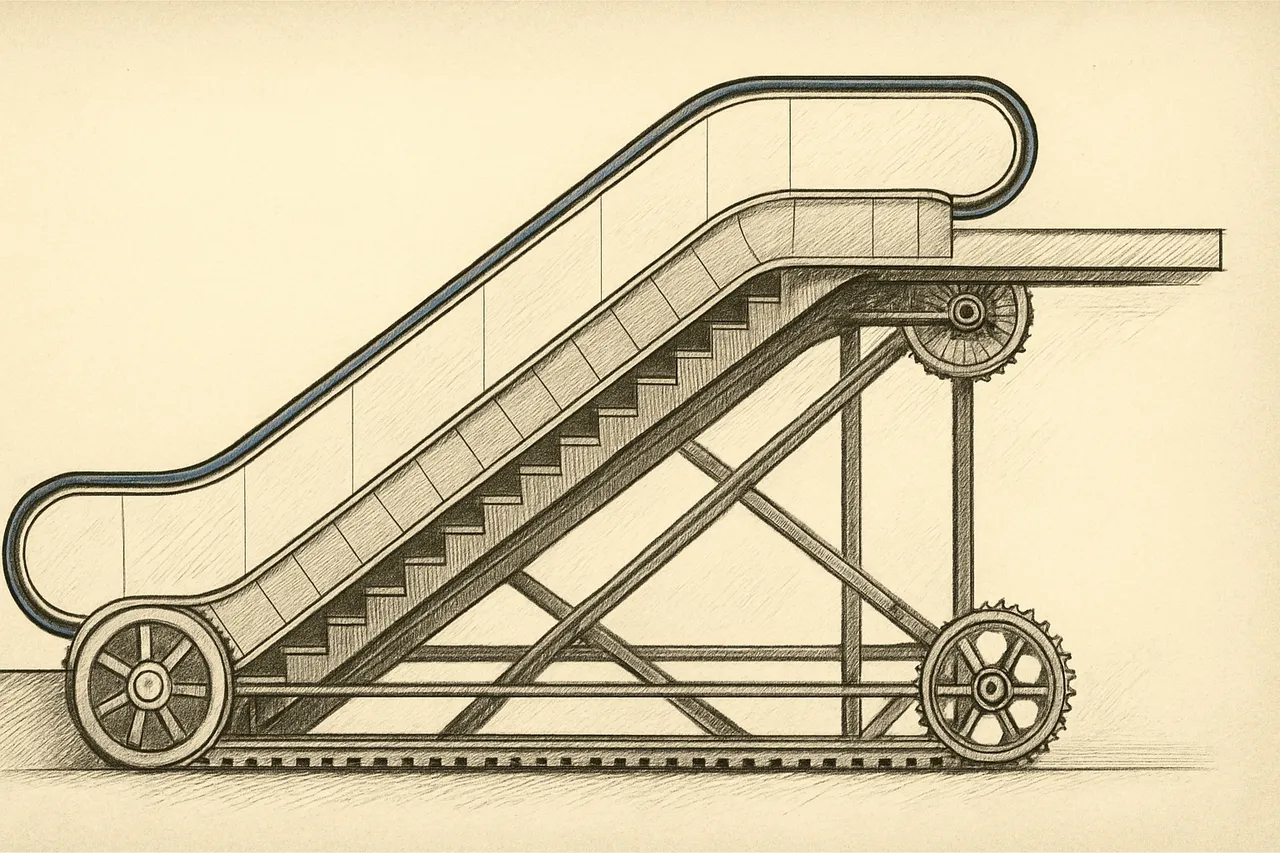
The Escalator Was Patented in 1859. Nobody Built One for Thirty Years.
Nathan Ames patented 'revolving stairs' before the Civil War. He admitted he wasn't sure what would power them, never built one, and died four years later at thirty-nine. The moving staircase arrived a generation after he did.
Read the story →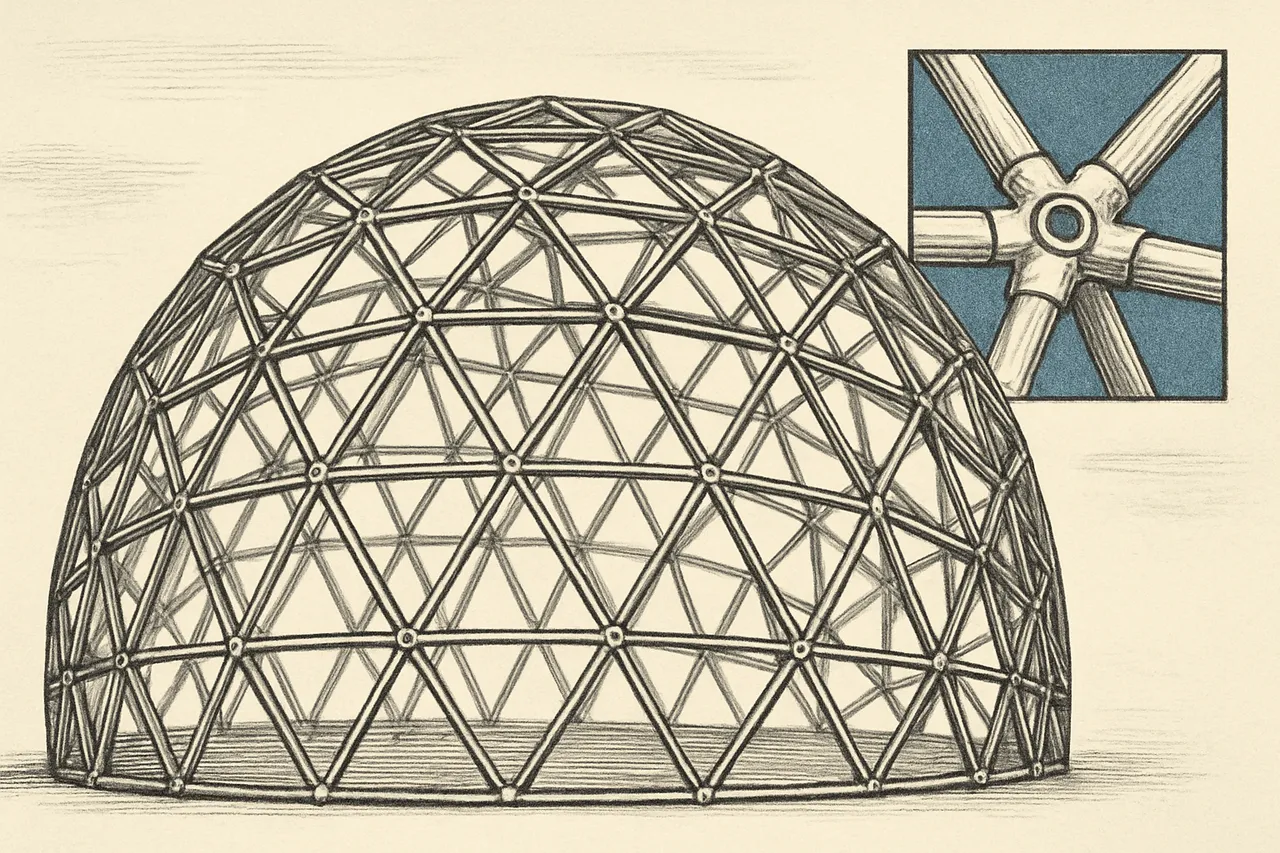
Buckminster Fuller Patented a Dome That Gets Stronger as It Gets Bigger
Most structures get weaker and heavier as they scale up. Buckminster Fuller's geodesic dome does the opposite — it grows more efficient the larger it becomes. It was too strange for mainstream architecture, but it went to the South Pole, the World's Fair, and the cover of the future.
Read the story →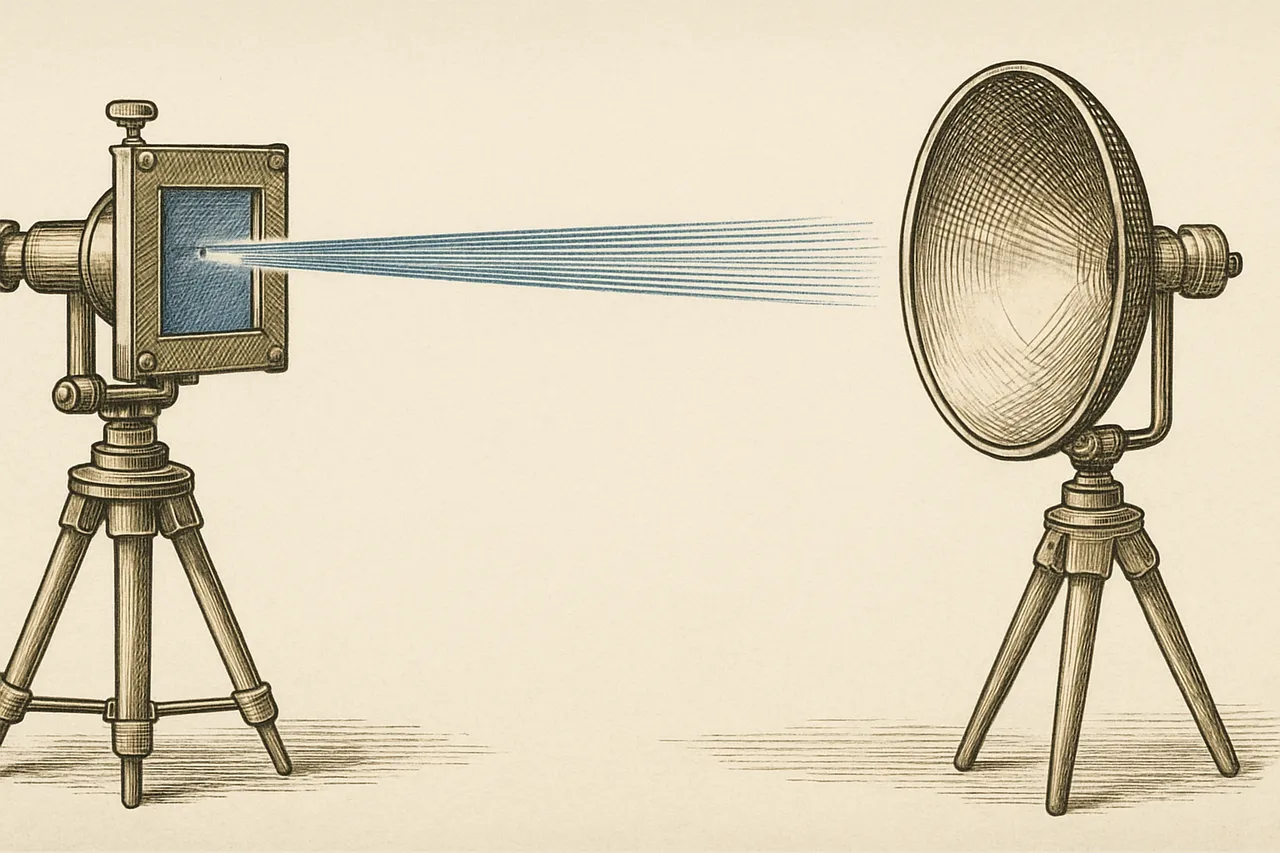
Bell Called It His Greatest Invention. It Sent Speech on a Beam of Light — in 1880.
Alexander Graham Bell thought the photophone, not the telephone, was his finest work. It transmitted the human voice on a beam of sunlight, with no wires at all. It was also a century early: the world had no use for it until fiber optics arrived.
Read the story →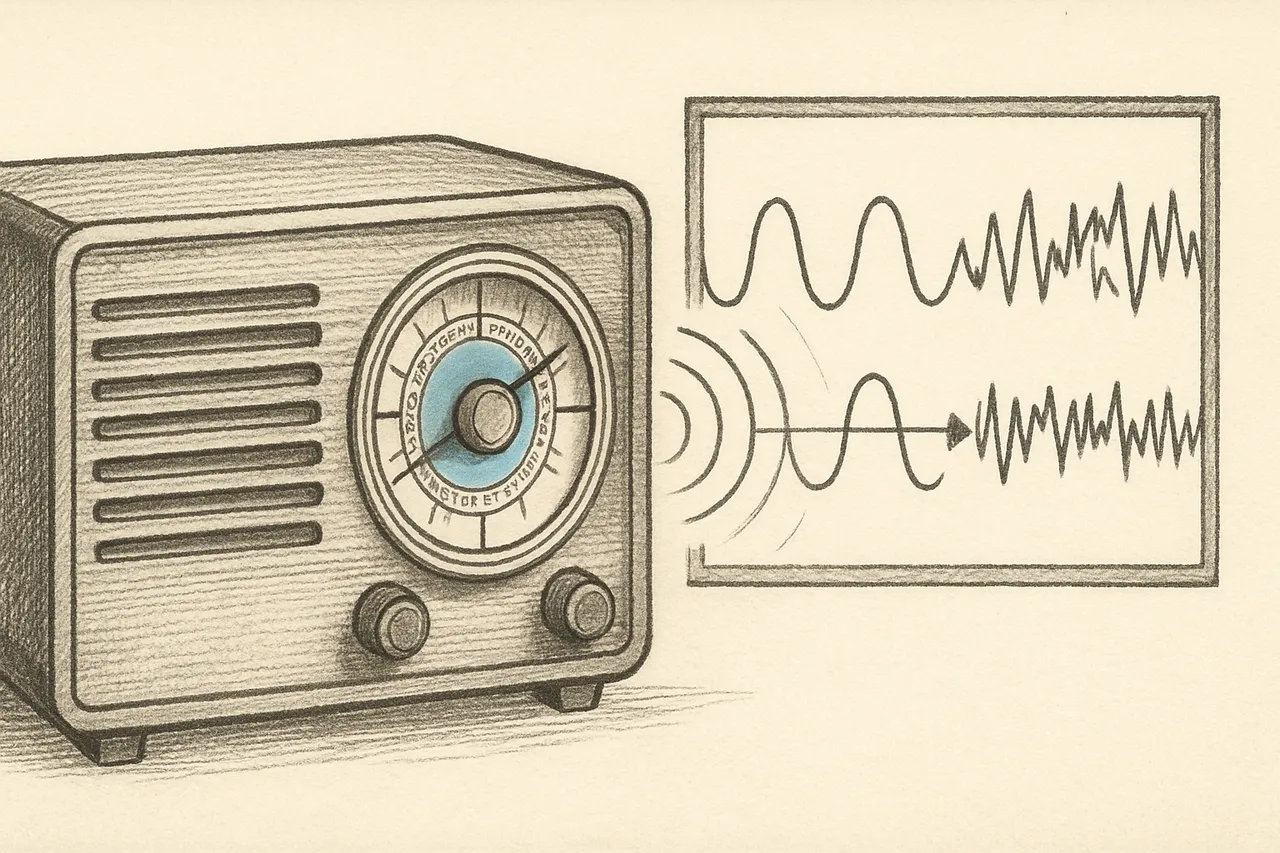
Edwin Armstrong Invented Static-Free Radio. Then the Industry He Threatened Destroyed Him.
FM radio was better than AM in every way — no static, higher fidelity, less power. That was exactly the problem. The company that dominated AM spent two decades in court to bury it, and the inventor spent his fortune fighting back before jumping from his apartment window.
Read the story →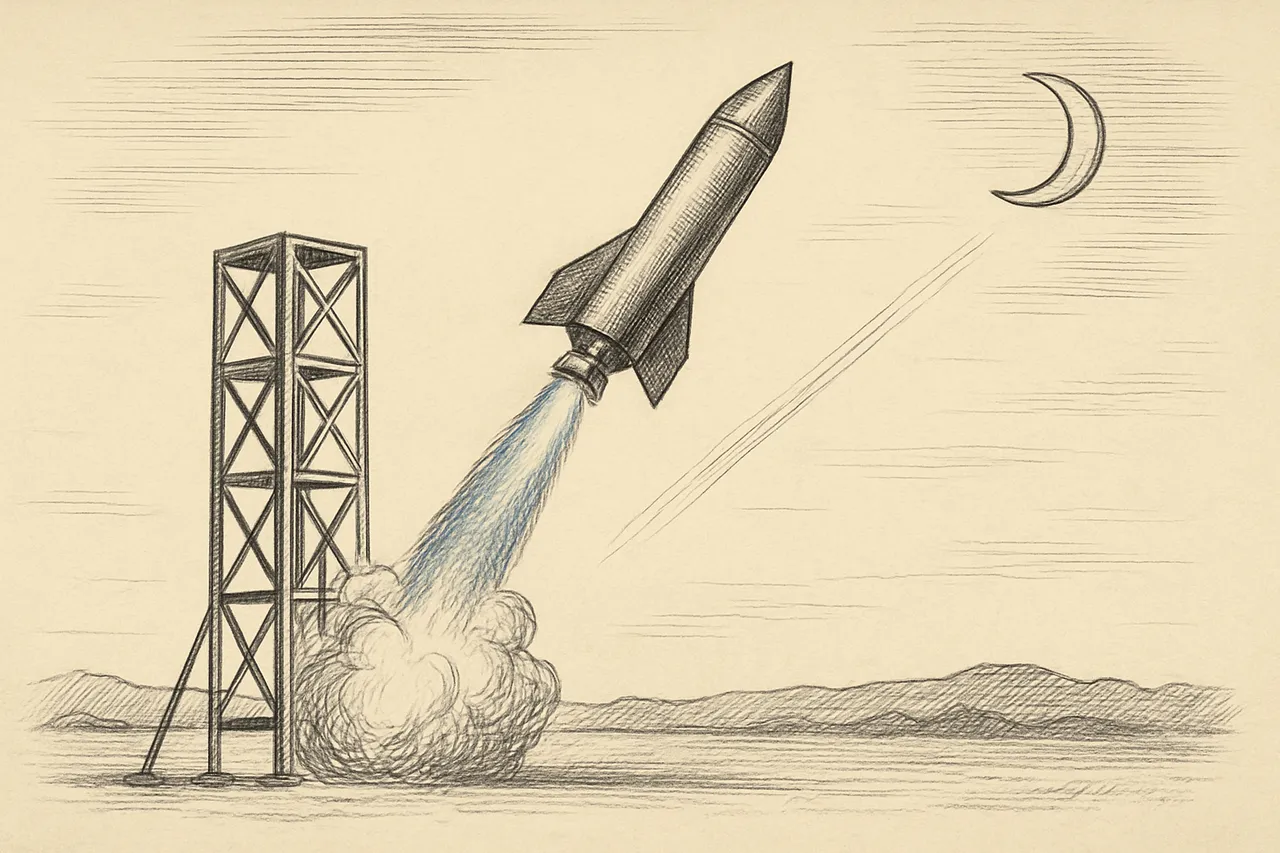
The New York Times Mocked Goddard's Rocket. It Apologized 49 Years Later — Mid-Flight to the Moon.
Robert Goddard patented the fundamentals of the liquid-fuel rocket in 1914. When he suggested a rocket could reach the Moon, a newspaper editorial declared he lacked 'the knowledge ladled out daily in high schools.' The correction ran during Apollo 11.
Read the story →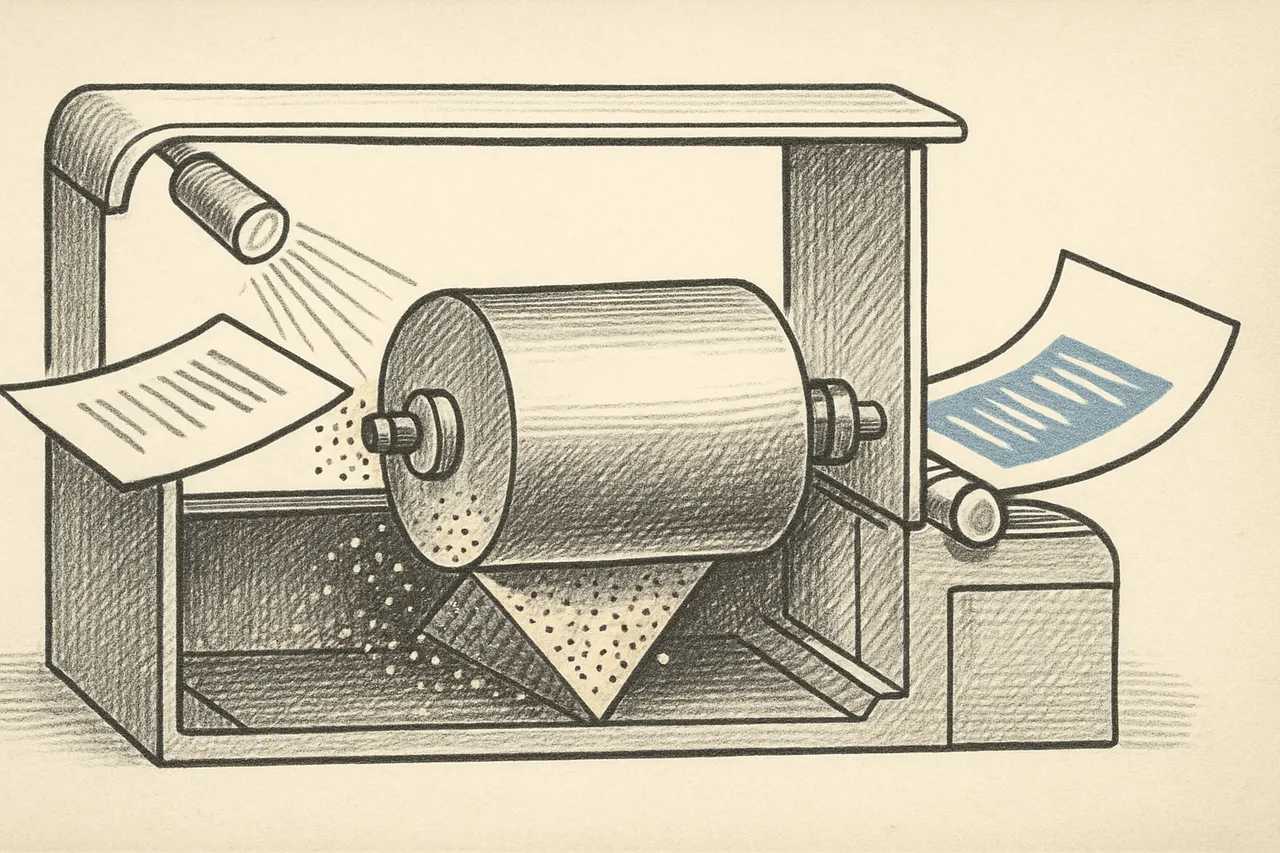
Chester Carlson Invented the Photocopier. Twenty Companies Said No.
A patent attorney tired of copying documents by hand invented dry photocopying in his kitchen in 1938. IBM, Kodak, GE, RCA, and the US Navy all turned it down. The company that finally said yes became Xerox.
Read the story →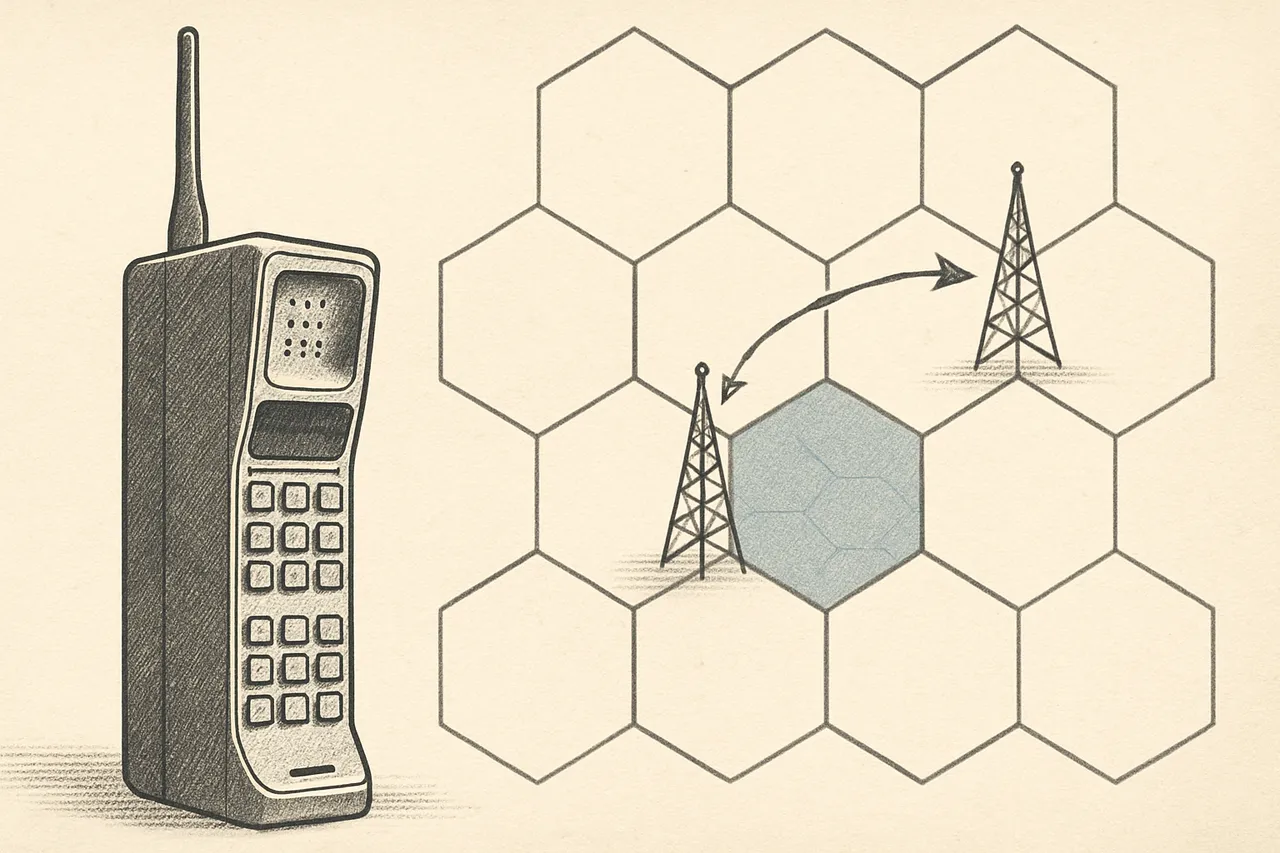
He Made the First Cell Phone Call to Gloat at His Rival
On a Manhattan sidewalk in April 1973, Motorola's Martin Cooper placed the first handheld cellular phone call. He dialed the head of the competing team at Bell Labs — specifically to tell him he'd lost the race. The patent was filed six months later.
Read the story →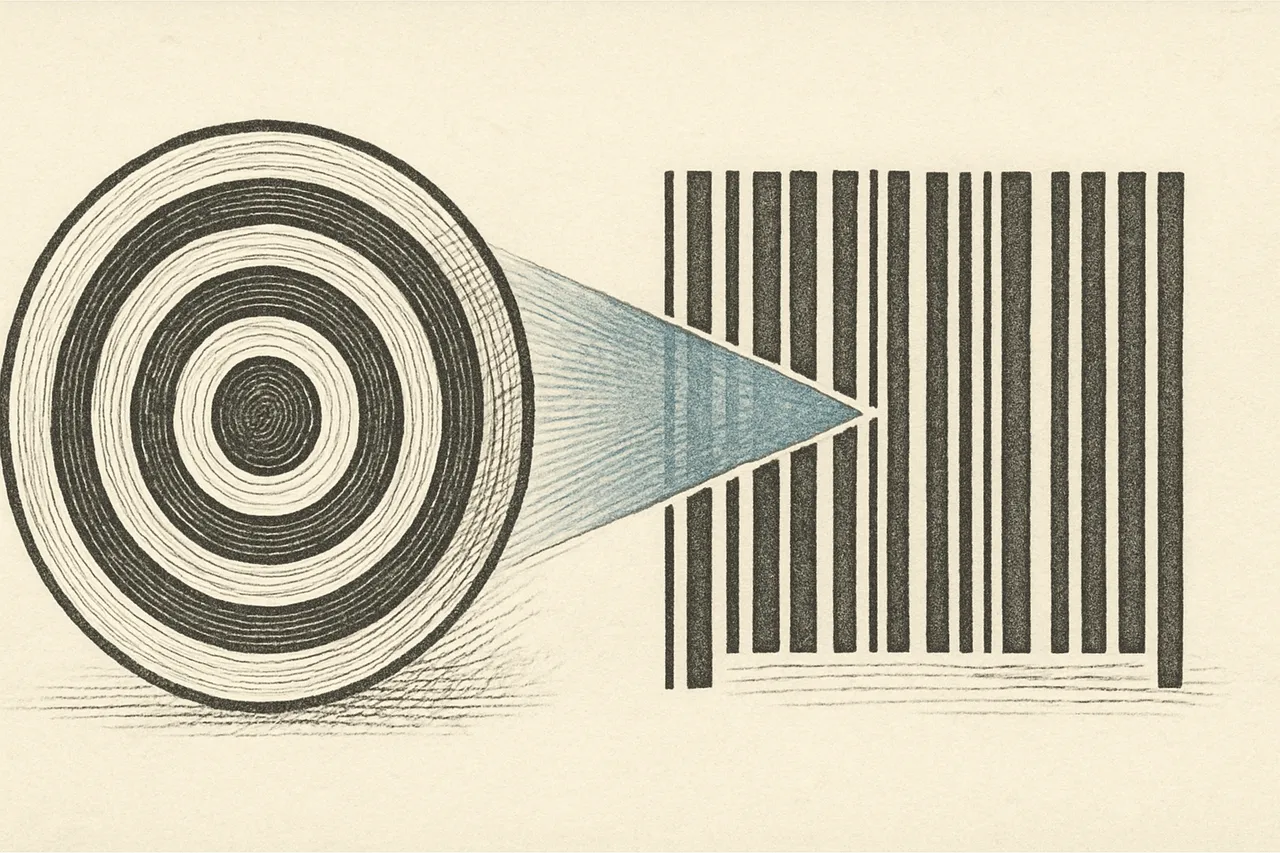
They Patented the Barcode and Sold It for Fifteen Thousand Dollars
In 1949, two graduate students at Drexel filed a patent for a 'classifying apparatus' that used printed concentric circles to identify items at a checkout counter. The patent expired in 1969 — five years before the first barcode was ever scanned in a grocery store.
Read the story →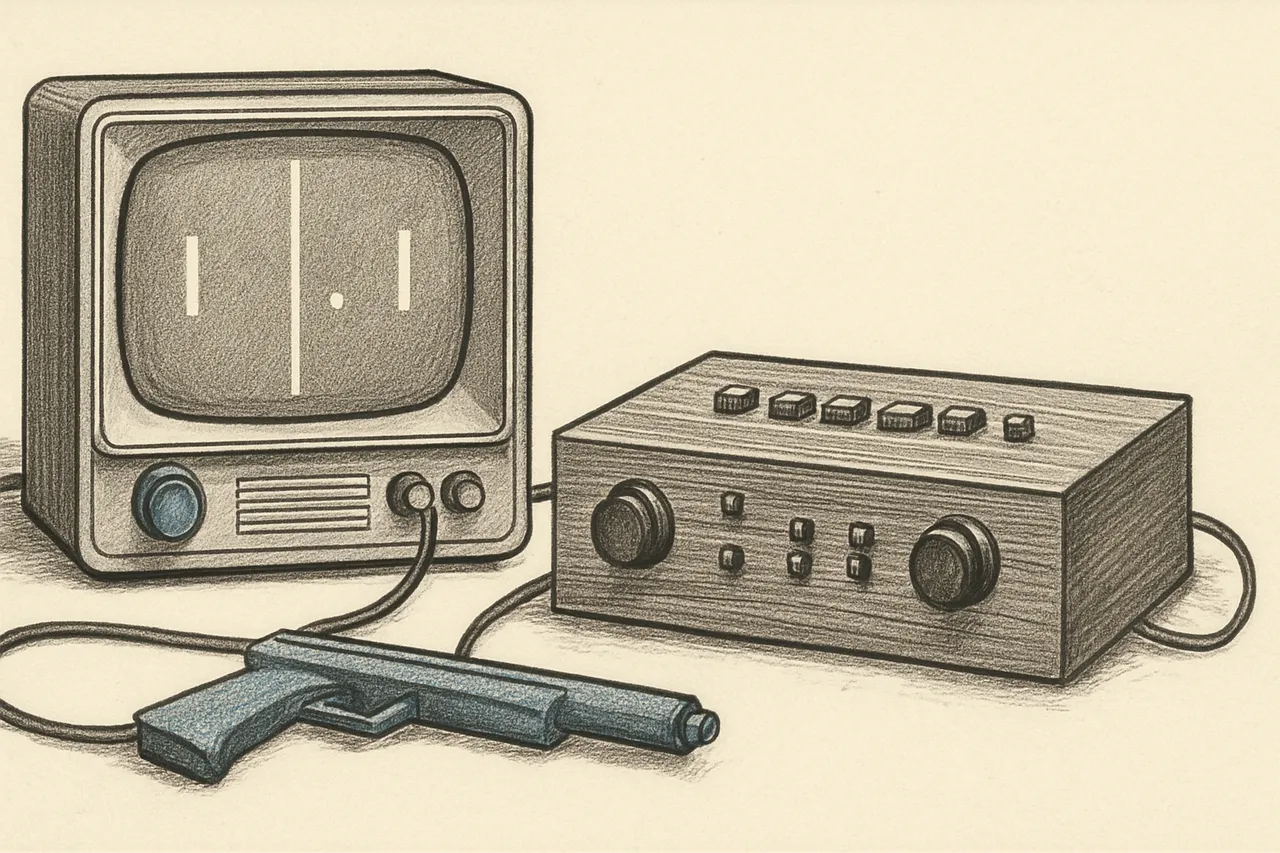
He Patented Video Games in 1971. Nobody Knew What They Were Looking At.
Ralph Baer was a senior engineer at a defense electronics company in New Hampshire when he wrote a four-page memo in 1966 proposing that televisions could be used to play games. His employer was the only one who took him seriously. The patent eventually built a two-hundred-billion-dollar industry.
Read the story →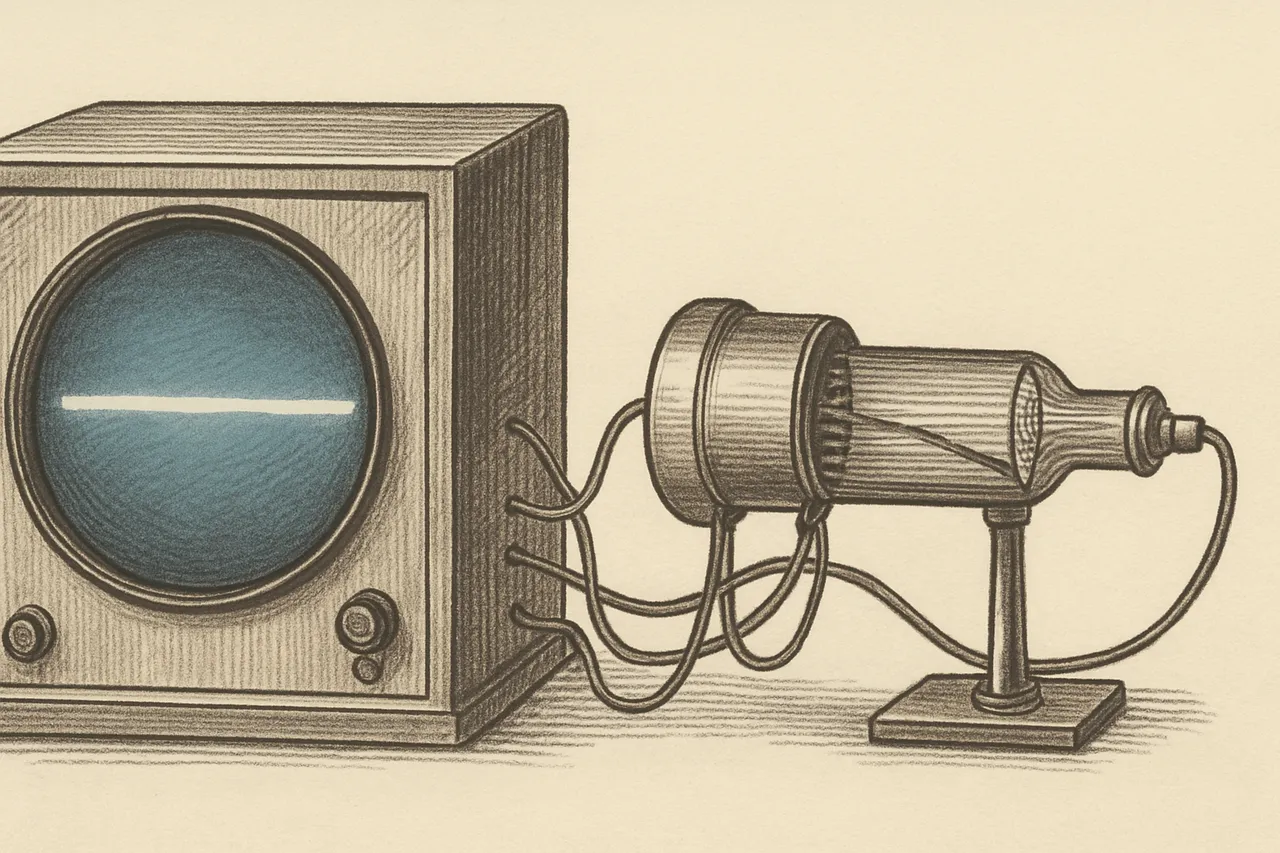
Philo Farnsworth Sketched Television in a Potato Field at Fourteen
A Mormon farm boy in Idaho realized in 1921 that an electron beam could scan an image one row at a time, just like the rows under his plow. Six years later, at age twenty, he filed the patent. The fight to keep it from RCA consumed the rest of his life.
Read the story →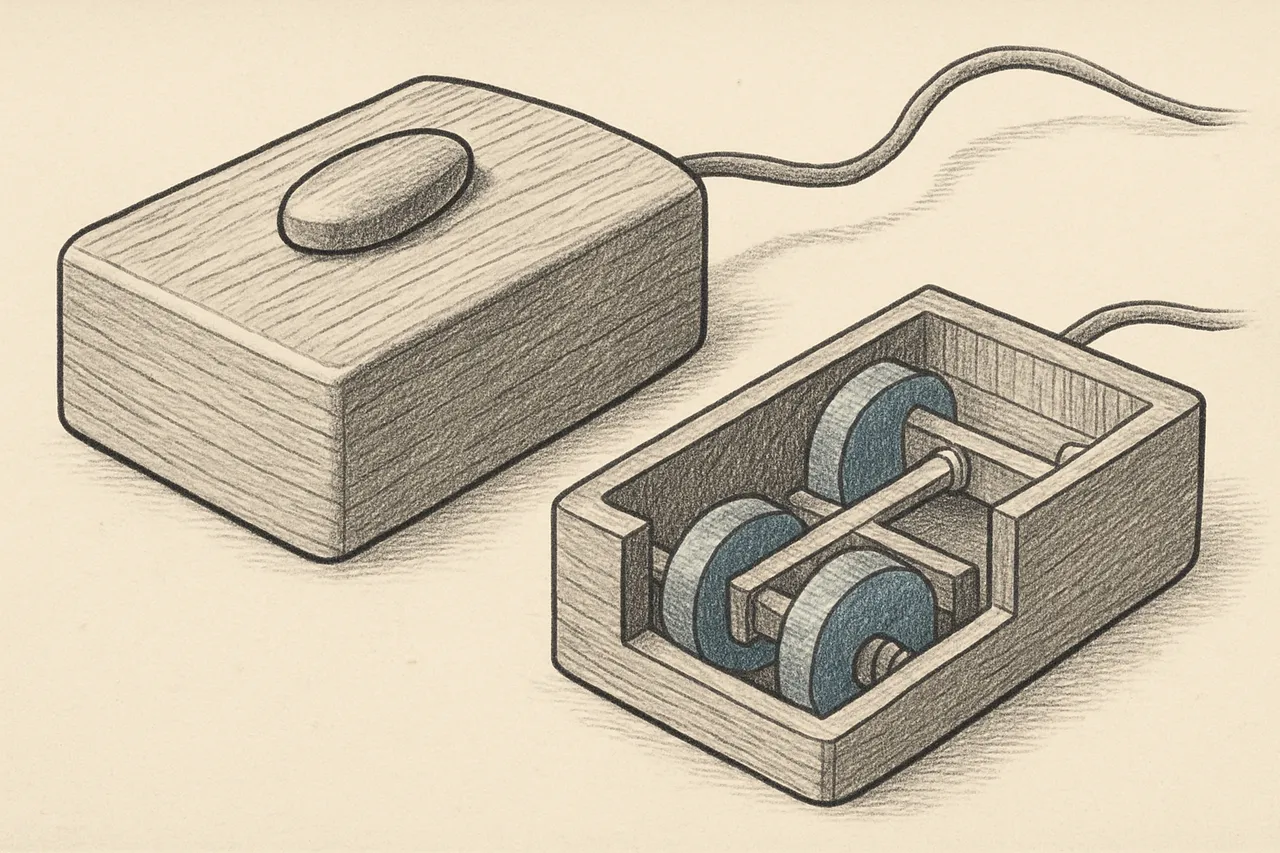
Doug Engelbart Patented the Mouse and Made Ten Thousand Dollars
In 1967, Douglas Engelbart filed a patent for a small box with two metal wheels underneath, which his colleague William English had built out of wood. The patent expired in 1987, just as the device was about to become the most-used input mechanism on Earth.
Read the story →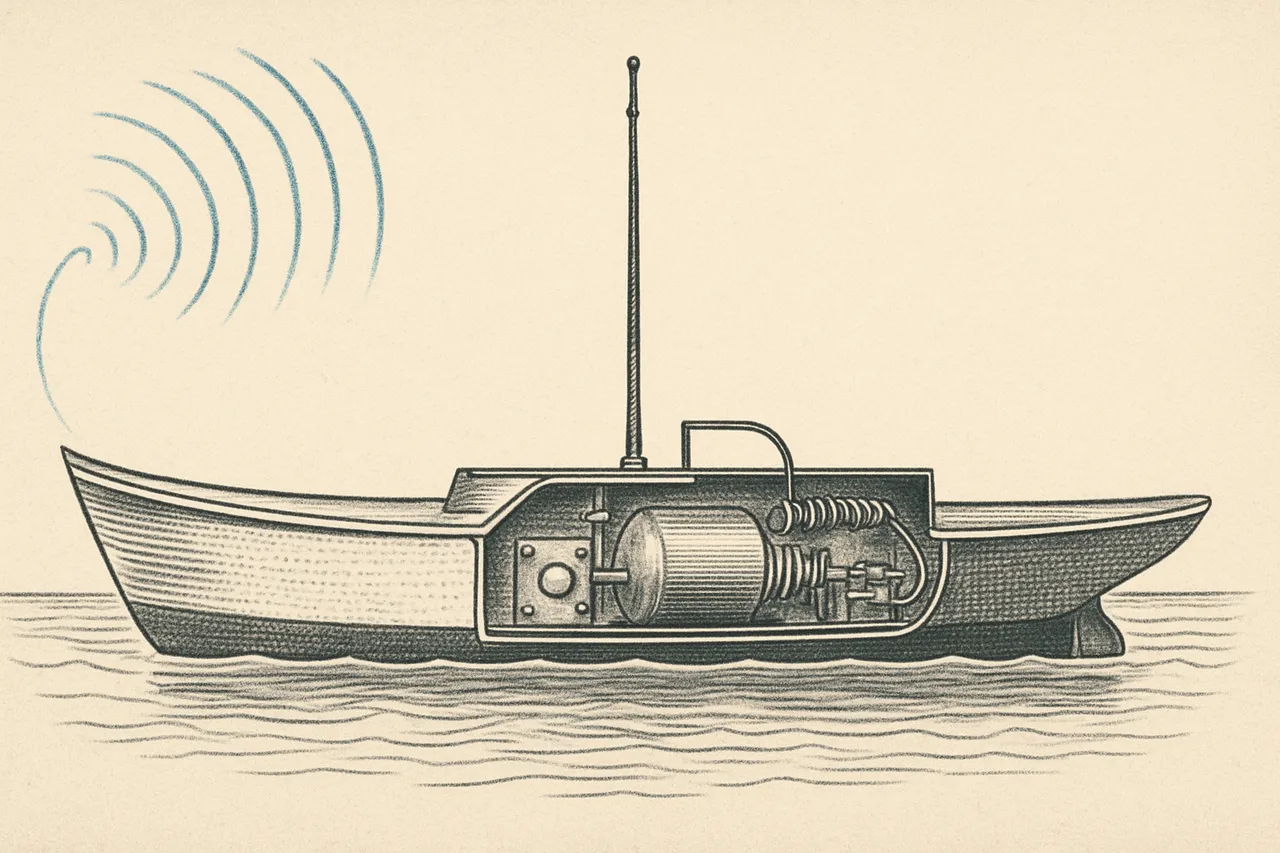
Tesla Built a Drone in 1898. The Navy Said No.
Nikola Tesla's 1898 patent describes a radio-controlled boat with multi-frequency channel hopping to defeat jamming. He demonstrated it at Madison Square Garden. The military passed. Drones would not become real for another century.
Read the story →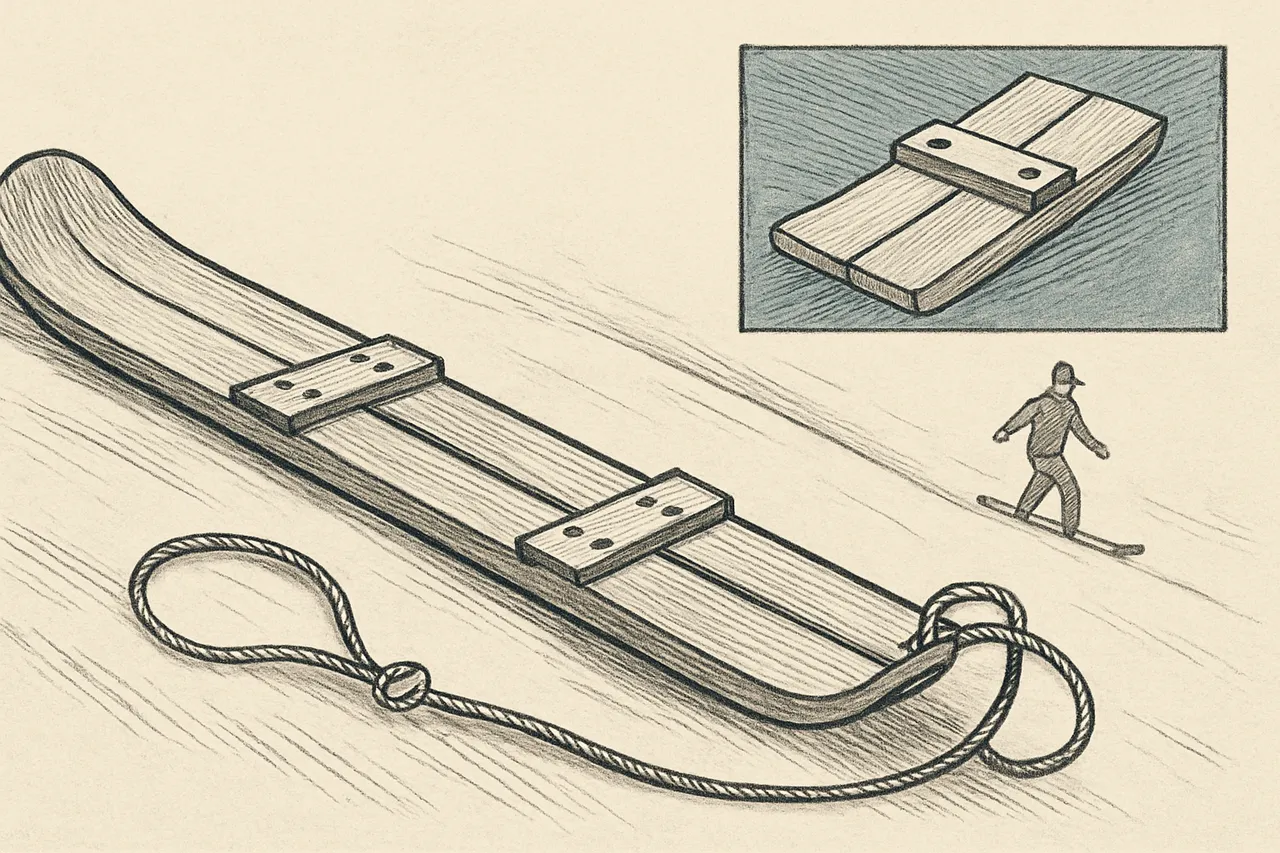
A Father Fastened Two Skis Together for His Daughter at Christmas in 1965. His Wife Named It the Snurfer.
Sherman Poppen was an engineer in Muskegon, Michigan, trying to keep his daughter busy over the holiday. He joined two children's skis side by side and tied a rope to the front. It sold as a toy by the hundreds of thousands, and the people who raced it turned it into a sport.
Read the story →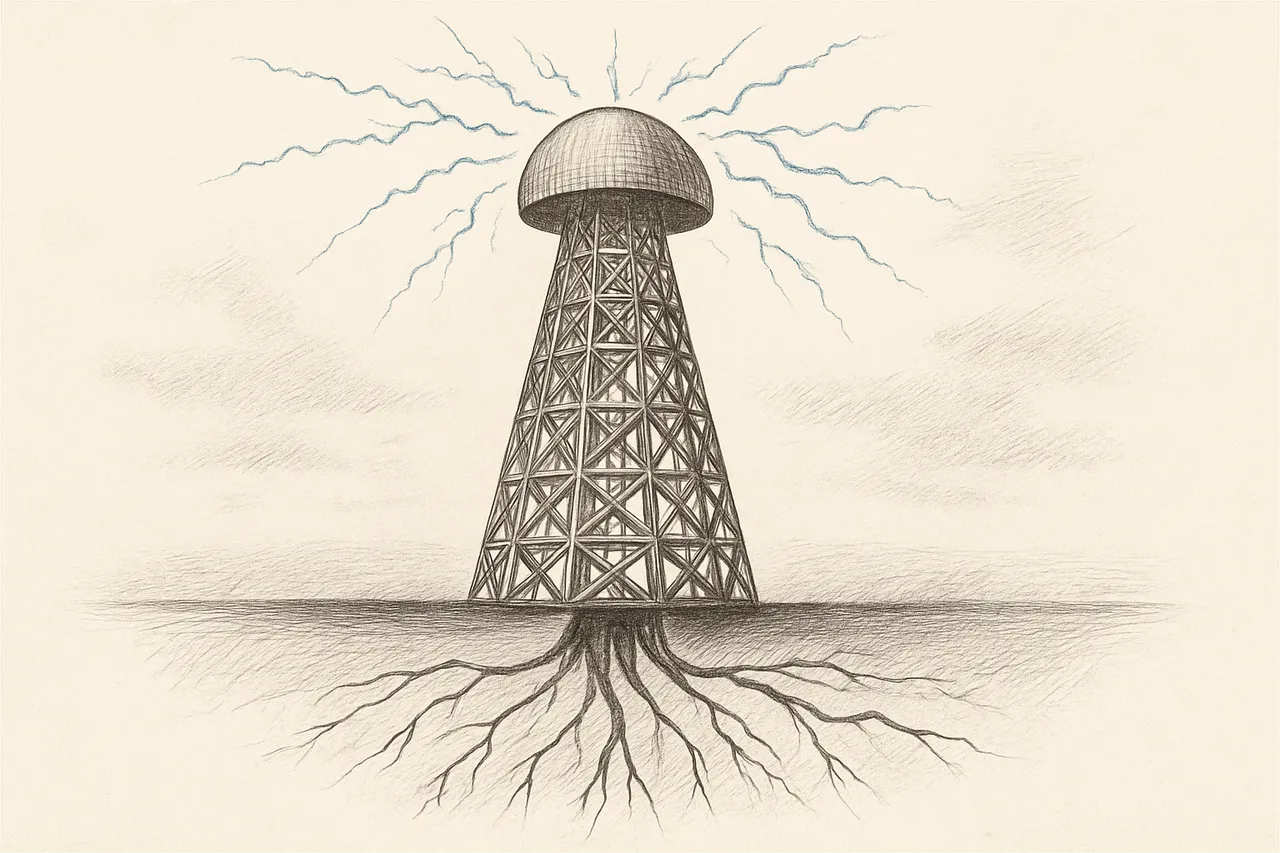
Tesla Patented a Way to Beam Power Through the Earth. Then the Money Ran Out.
Nikola Tesla believed he could transmit electricity wirelessly to anywhere on Earth, using the planet itself as a conductor. He built a 187-foot tower on Long Island to prove it. The patent was granted the same year the tower's funding collapsed for good.
Read the story →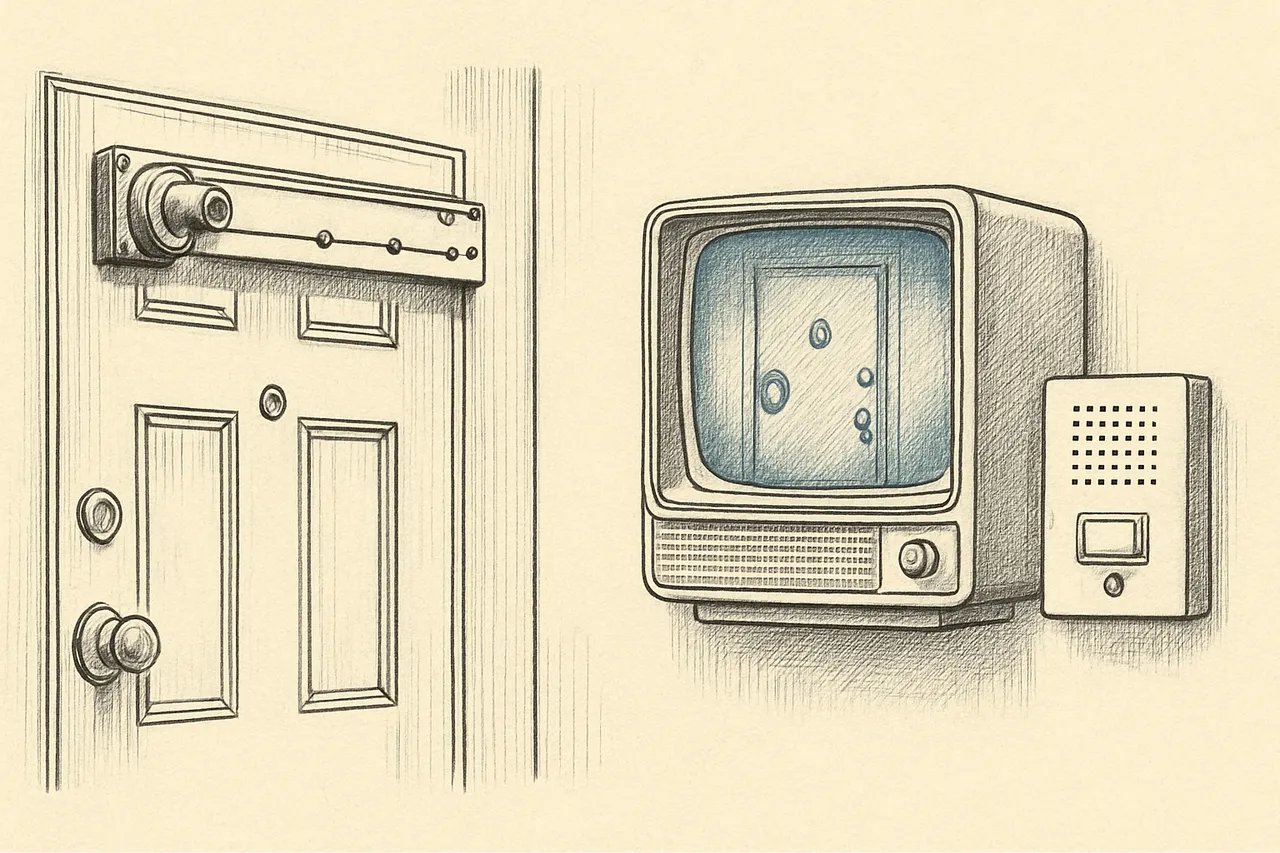
A Nurse in Queens Invented Home Security in 1966
Marie Van Brittan Brown worked irregular nursing shifts in a high-crime neighborhood and didn't feel safe answering her door. So she and her husband designed — and patented — the first home security system with closed-circuit cameras, a remote door release, two-way audio, and a panic button. Decades before any of it was commercial.
Read the story →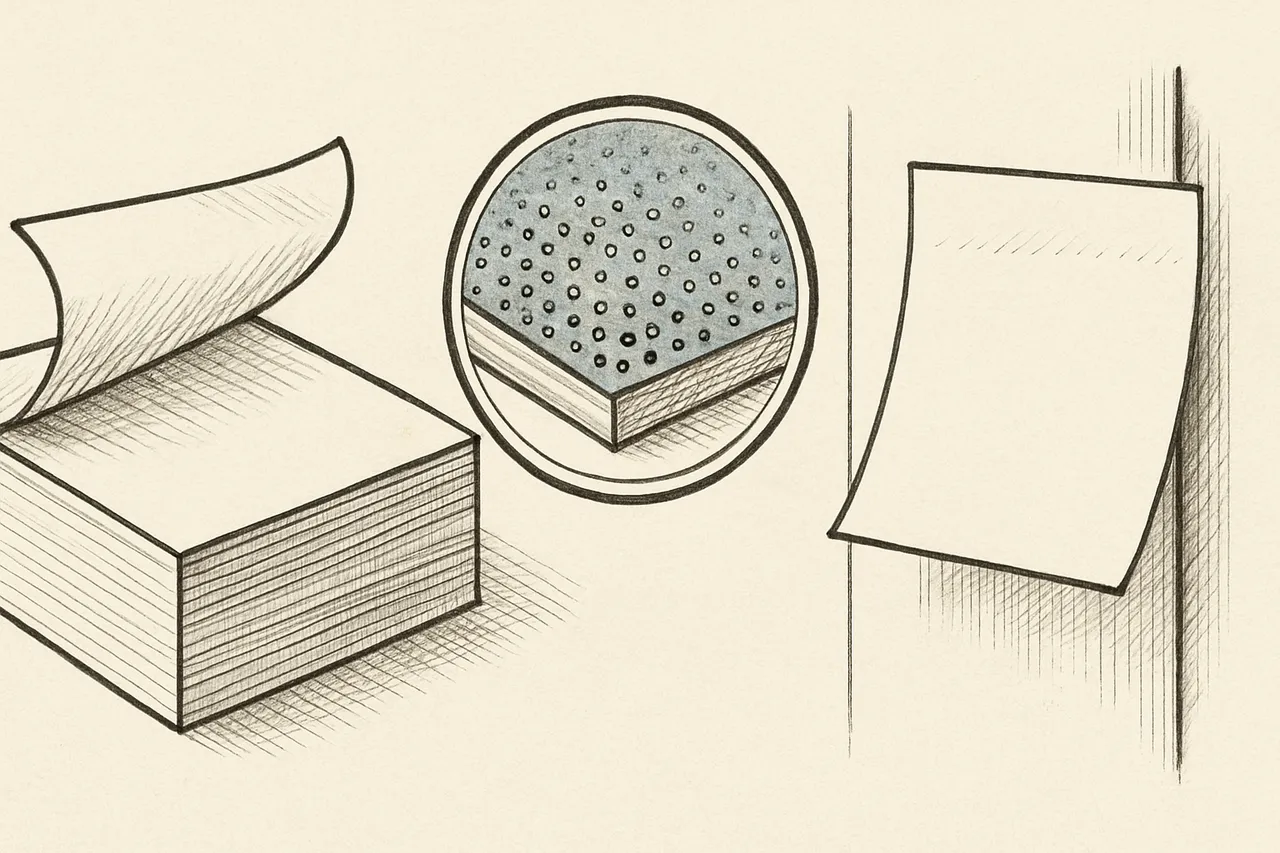
Spencer Silver Invented an Adhesive No One Wanted for Twelve Years
In 1968, a 3M chemist named Spencer Silver was trying to make a stronger adhesive. He accidentally made a weaker one that didn't stick permanently. The product it eventually became — Post-it Notes — did not ship for another twelve years.
Read the story →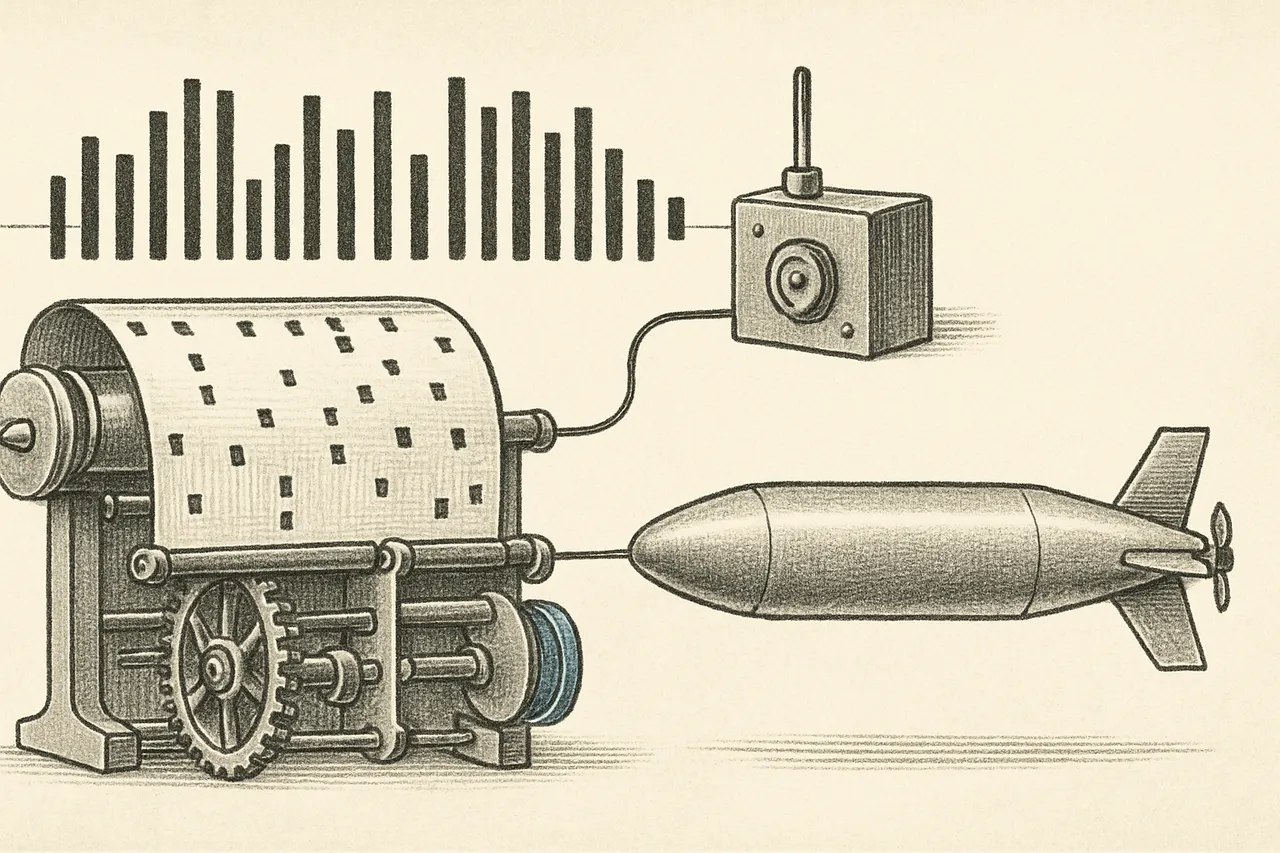
The Hollywood Actress Who Invented Wi-Fi
In 1942, Hedy Lamarr — at the time MGM's most photographed actress — co-patented a frequency-hopping radio system designed to guide torpedoes. The Navy filed it away. Fifty years later, every cellphone on Earth was using the same idea.
Read the story →