Tesla Built a Drone in 1898. The Navy Said No.
Nikola Tesla's 1898 patent describes a radio-controlled boat with multi-frequency channel hopping to defeat jamming. He demonstrated it at Madison Square Garden. The military passed. Drones would not become real for another century.
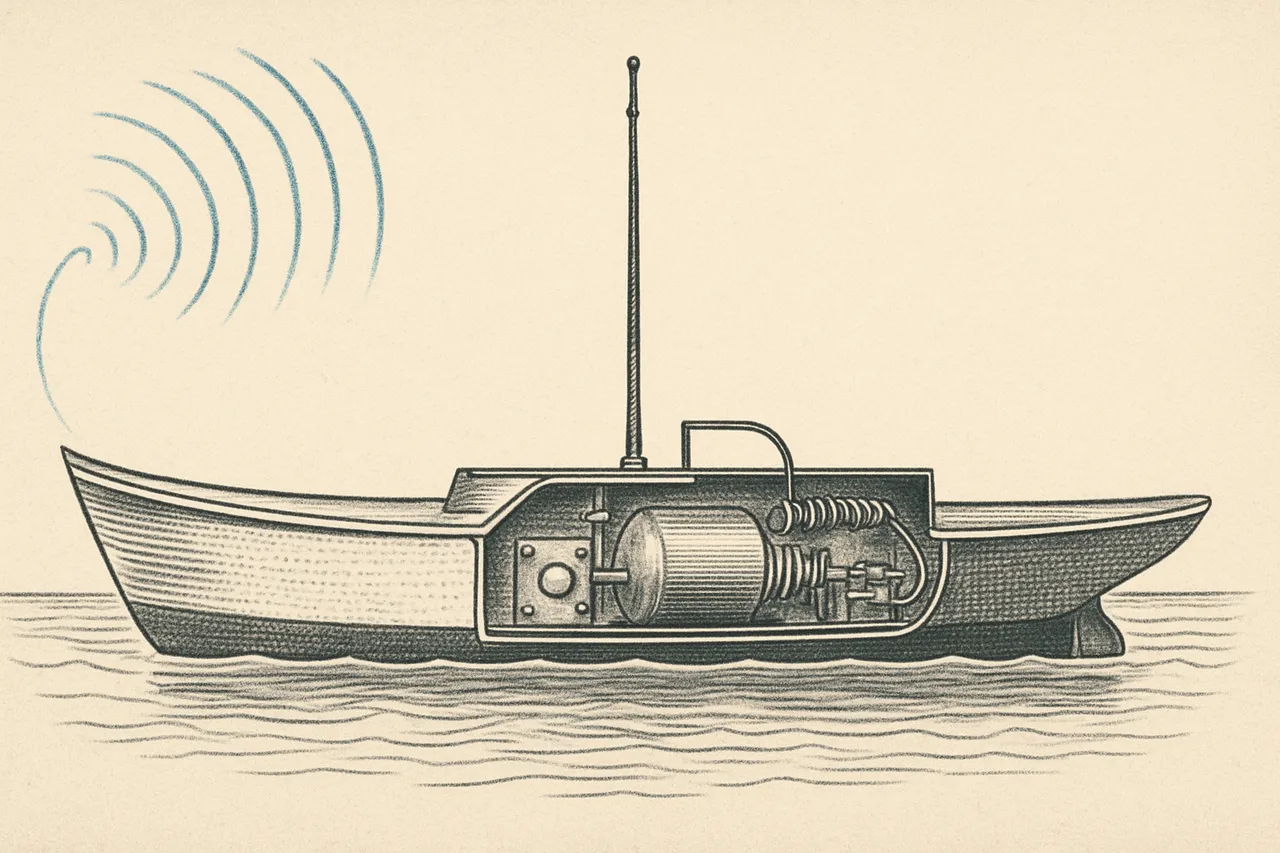
In May of 1898, Nikola Tesla wheeled a metal-hulled boat into the electrical exhibition at Madison Square Garden. The boat sat in a tank of water. There were no wires running to it. From across the room, Tesla turned a dial; the boat moved. He flicked a switch; its lights flashed. Audience members assumed it was telepathy, magic, or a confederate hiding inside.
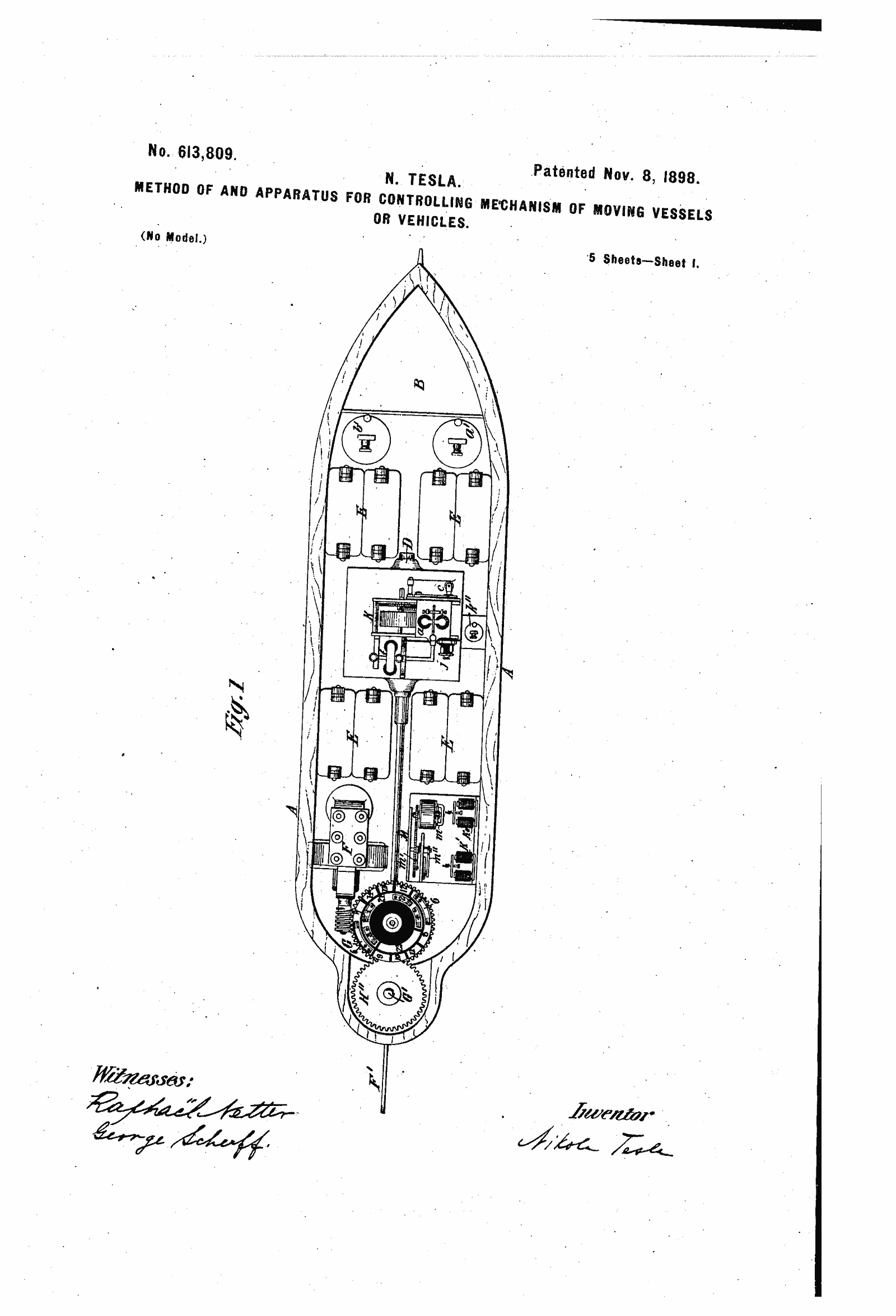
It was, in fact, the first public demonstration of a remote-controlled vehicle. Six months later, Tesla received US613809: "Method of and Apparatus for Controlling Mechanism of Moving Vessels or Vehicles." The patent describes radio control, multi- channel signaling to prevent interception, and — remarkably — frequency hopping to defeat jamming. These are still problems that military drone designers grapple with today.
The pitch nobody wanted
Tesla took the demonstration to the United States Navy. He proposed building large unmanned torpedo boats — what we would now call cruise missiles — that could be steered remotely against enemy fleets. The Navy thanked him politely and declined. The official view was that the system was unreliable and the technology too immature. The unofficial view, Tesla later wrote, was that the officers simply could not believe a boat could be controlled without a person inside it.
He continued to file related patents for the next several years. They covered guidance, relay logic, and what we would now call autonomous behavior — circuits that could maintain a heading without continuous input. None of it was built.
A century late
The technology surrounding the patent — reliable batteries, miniaturized radios, gyroscopic stabilization, computer-aided guidance — would not exist for decades. The first true military drones, the TDR-1 assault drones used briefly in the Pacific, did not appear until 1944, forty-six years after Tesla's filing. Practical reconnaissance drones came in the 1960s. Armed drones in the 2000s.
US613809 is now routinely cited as the founding document of unmanned aerial warfare, though the legal effect of the patent itself was nil. It expired in 1915, with the technology it described still essentially science fiction. The Navy's 1898 evaluation was not entirely wrong. The system was unreliable, and the technology was immature. The Navy was simply wrong about how long that situation would last.
See the original
The full text and drawings of US613809 are on Google Patents. The drawings — particularly the multi-channel signaling apparatus — are worth a look.
Related stories
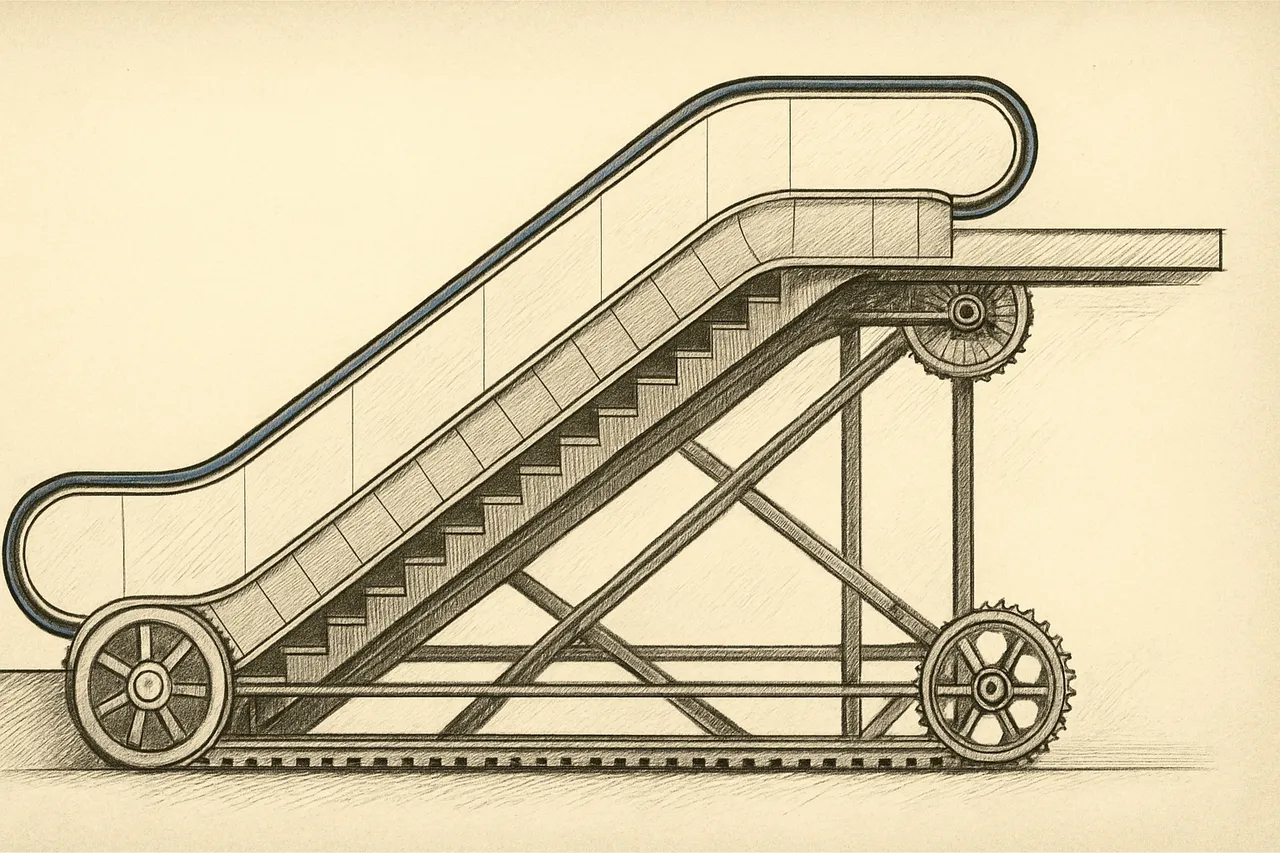
The Escalator Was Patented in 1859. Nobody Built One for Thirty Years.
Nathan Ames patented 'revolving stairs' before the Civil War. He admitted he wasn't sure what would power them, never built one, and died four years later at thirty-nine. The moving staircase arrived a generation after he did.
Read the story →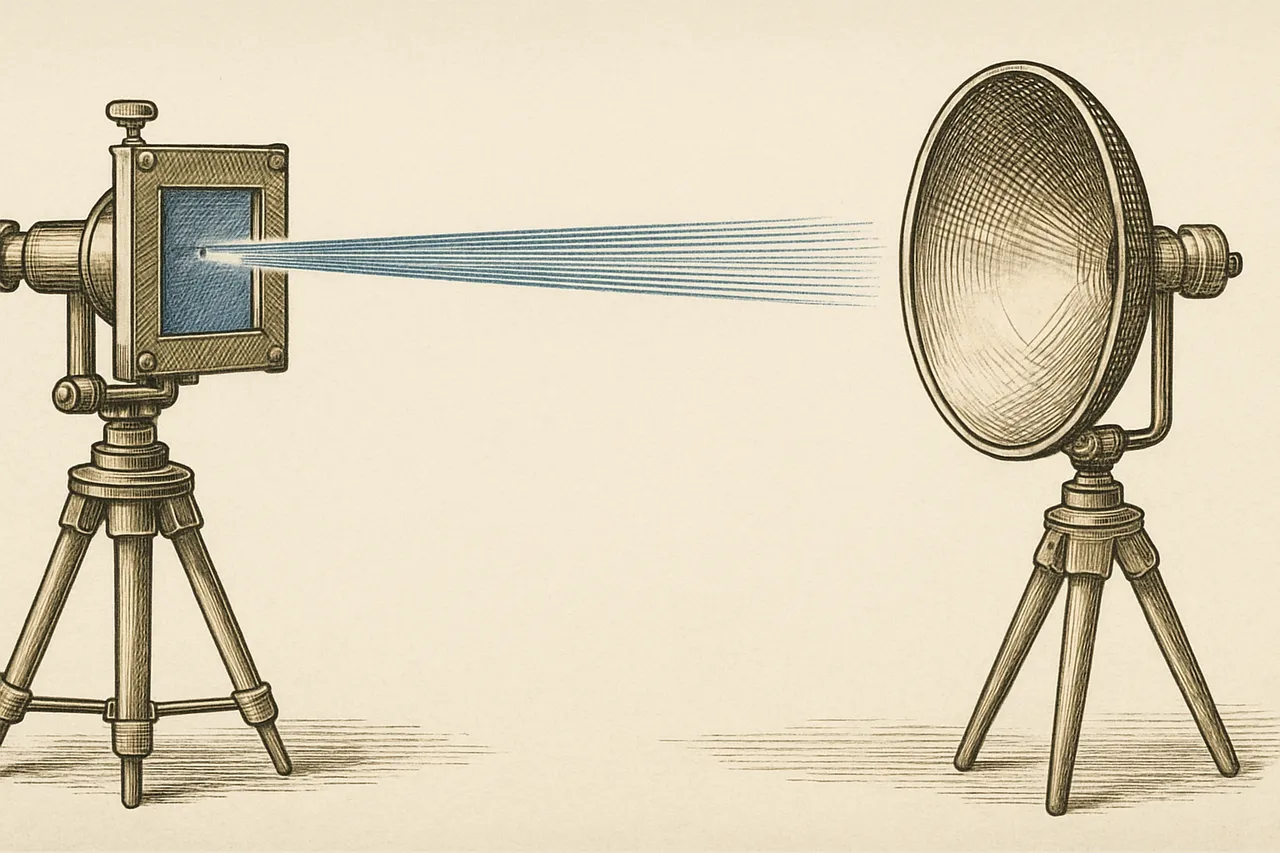
Bell Called It His Greatest Invention. It Sent Speech on a Beam of Light — in 1880.
Alexander Graham Bell thought the photophone, not the telephone, was his finest work. It transmitted the human voice on a beam of sunlight, with no wires at all. It was also a century early: the world had no use for it until fiber optics arrived.
Read the story →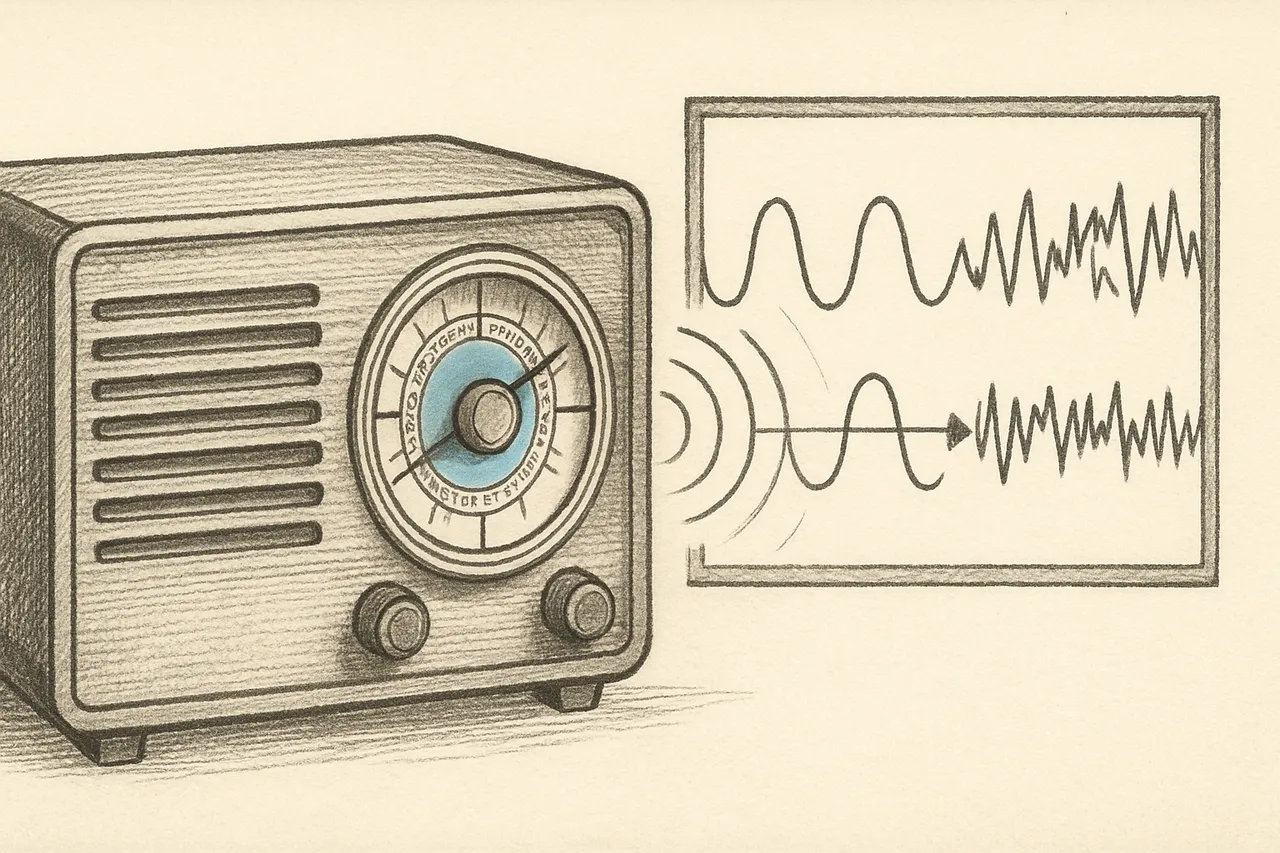
Edwin Armstrong Invented Static-Free Radio. Then the Industry He Threatened Destroyed Him.
FM radio was better than AM in every way — no static, higher fidelity, less power. That was exactly the problem. The company that dominated AM spent two decades in court to bury it, and the inventor spent his fortune fighting back before jumping from his apartment window.
Read the story →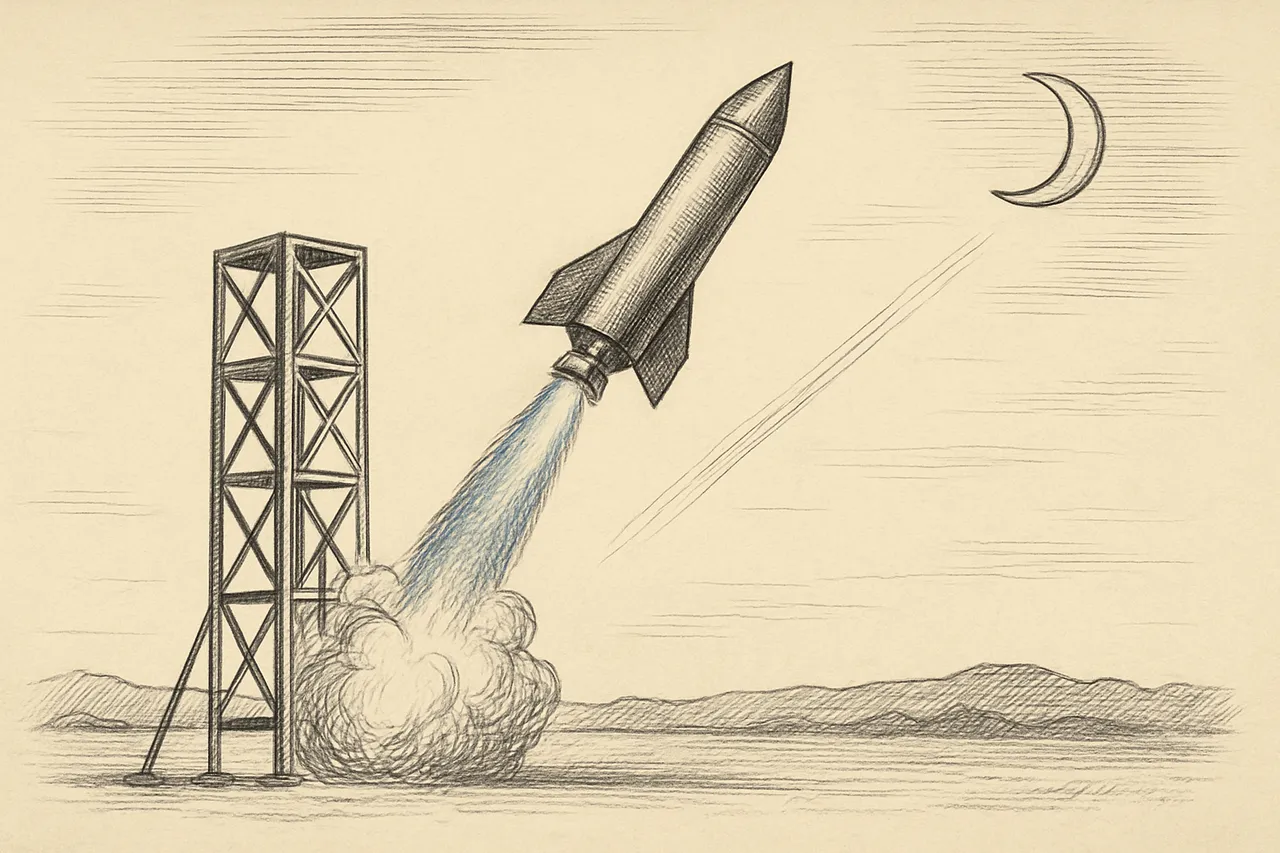
The New York Times Mocked Goddard's Rocket. It Apologized 49 Years Later — Mid-Flight to the Moon.
Robert Goddard patented the fundamentals of the liquid-fuel rocket in 1914. When he suggested a rocket could reach the Moon, a newspaper editorial declared he lacked 'the knowledge ladled out daily in high schools.' The correction ran during Apollo 11.
Read the story →