Nancy Johnson Invented the Ice Cream Freezer — and Then Vanished From the Story
The hand-cranked ice cream freezer that made the dessert a household treat was patented by a woman in 1843. The design is still, essentially, how home ice cream machines work today. Almost nothing else about her survives.
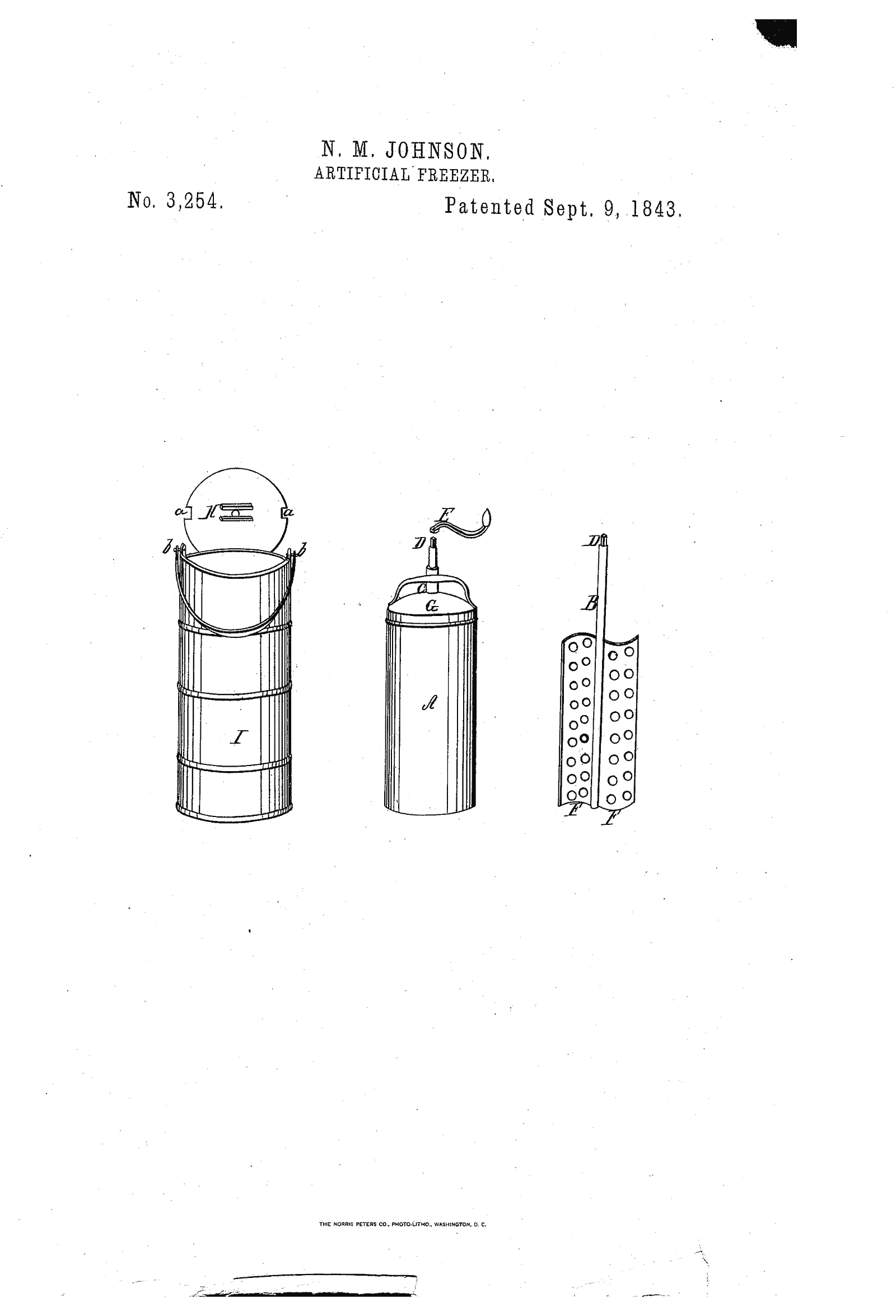
US3254 was granted to Nancy M. Johnson in 1843. The title is "Artificial Freezer." It describes the hand-cranked ice cream freezer — the device that transformed ice cream from a rare luxury, laboriously made by hand and available mostly to the wealthy, into something an ordinary household could produce in the kitchen on a summer afternoon.
Before Johnson's freezer, making ice cream was miserable work. You put your cream mixture in a pot, set the pot in a bucket of ice and salt, and stirred, and scraped, and stirred, by hand, for a very long time — the mixture freezing unevenly, forming coarse crystals on the sides while staying liquid in the middle. It was labor-intensive and produced an inconsistent, often grainy result.
The design
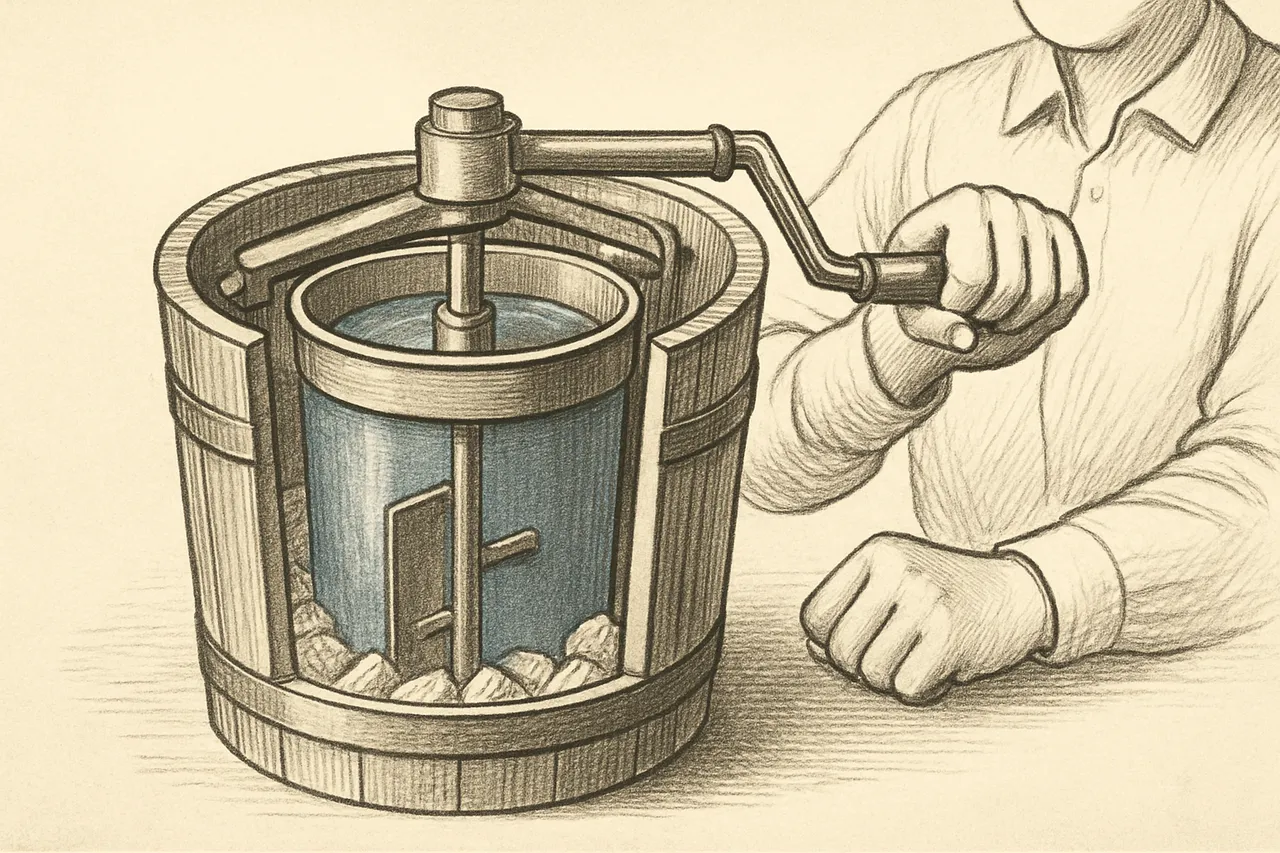
Johnson's insight was to mechanize and separate the two jobs that hand-stirring did badly at once: chilling the mixture evenly and scraping the frozen part off the walls so it could keep freezing smoothly. Her freezer used an outer wooden bucket packed with ice and salt, an inner metal canister to hold the cream, and — crucially — an internal paddle (a "dasher") turned by a hand crank on the lid. As you cranked, the dasher continuously stirred the mixture and scraped the freezing cream off the canister's cold walls, mixing it back in. The result froze evenly and stayed smooth, with fine crystals, in far less time and with far less effort.
This is not merely a way to make ice cream. It is, in its mechanical essentials, still the way home ice cream machines work today. The modern countertop electric churn does exactly what Johnson's 1843 freezer did — chill from the outside, turn a dasher to stir and scrape — with a motor replacing the crank. The design was so fundamentally right that nearly two centuries of refinement have changed the power source and the materials but not the principle.
The vanishing
Johnson's freezer spread quickly and was widely manufactured; ice cream became a fixture of American summers in the decades after her patent, and the hand-crank freezer a fixture of American kitchens and porches. Johnson herself sold her patent rights, reportedly for a modest sum, to a kitchenware wholesaler, and the device was produced and sold by others for the rest of the century.
And that is very nearly all that is known about her. The historical record on Nancy Johnson is remarkably thin — her exact dates, her background, the details of her life are poorly documented or contested. She is a striking example of a pattern this site keeps running into: a woman who made a genuinely foundational, enduring invention, whose device you have almost certainly eaten the output of, and about whom history preserved the patent and almost nothing else. The freezer survived. The freezer's inventor mostly did not.
See the original
The full text and figures of US3254 are on Google Patents.
Related stories
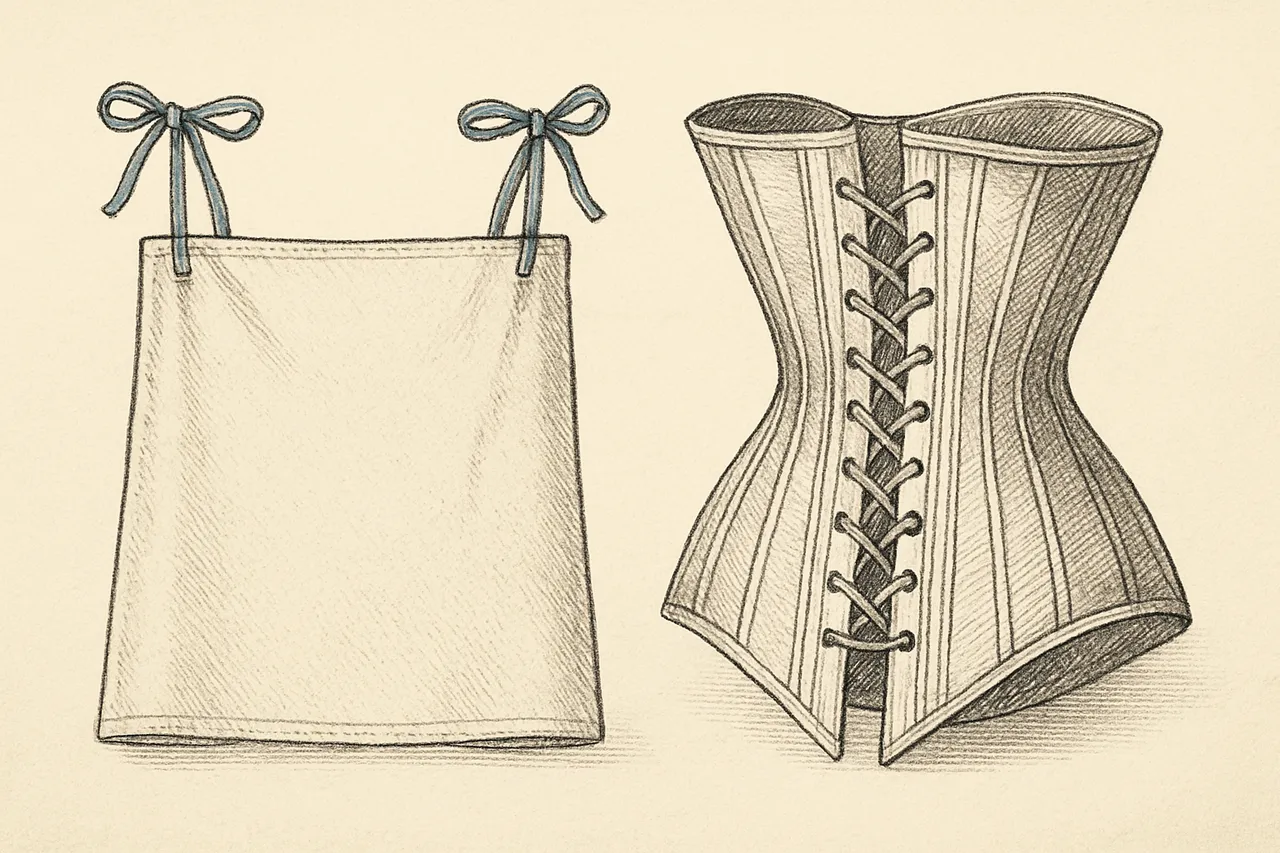
The First Modern Bra Was Two Handkerchiefs and a Ribbon, Improvised Before a Party
Mary Phelps Jacob was nineteen, dressing for a debutante ball, and the corset under her gown was ruining it. She had her maid bring two handkerchiefs and some ribbon. Four years later she held a US patent, and not long after that she sold it for $1,500.
Read the story →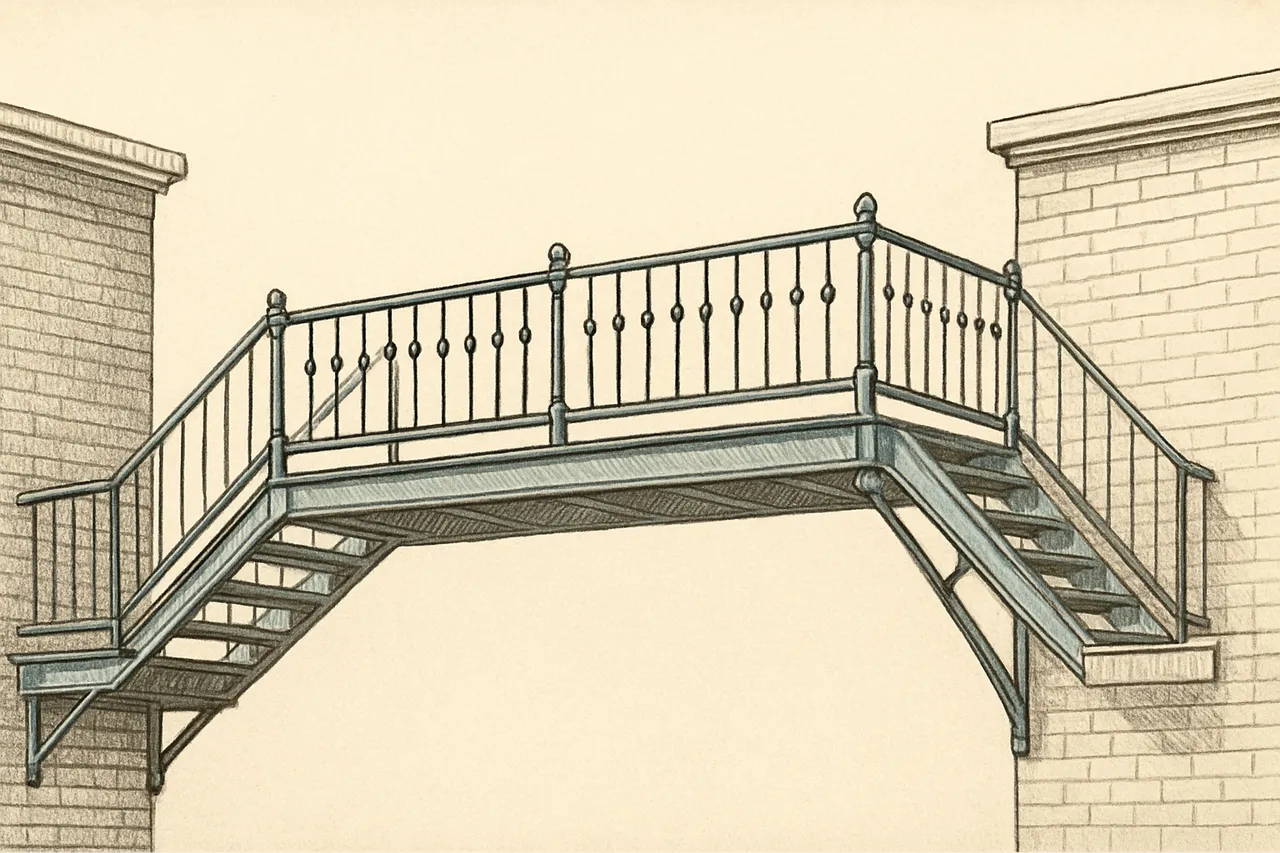
Anna Connelly Patented the Fire Escape in 1887, and Cities Started Requiring Them
American cities were building upward faster than they could evacuate. Anna Connelly, one of the earliest women to hold a US patent, proposed an external bridge between rooftops with railings — an escape route that did not depend on the burning stairwell.
Read the story →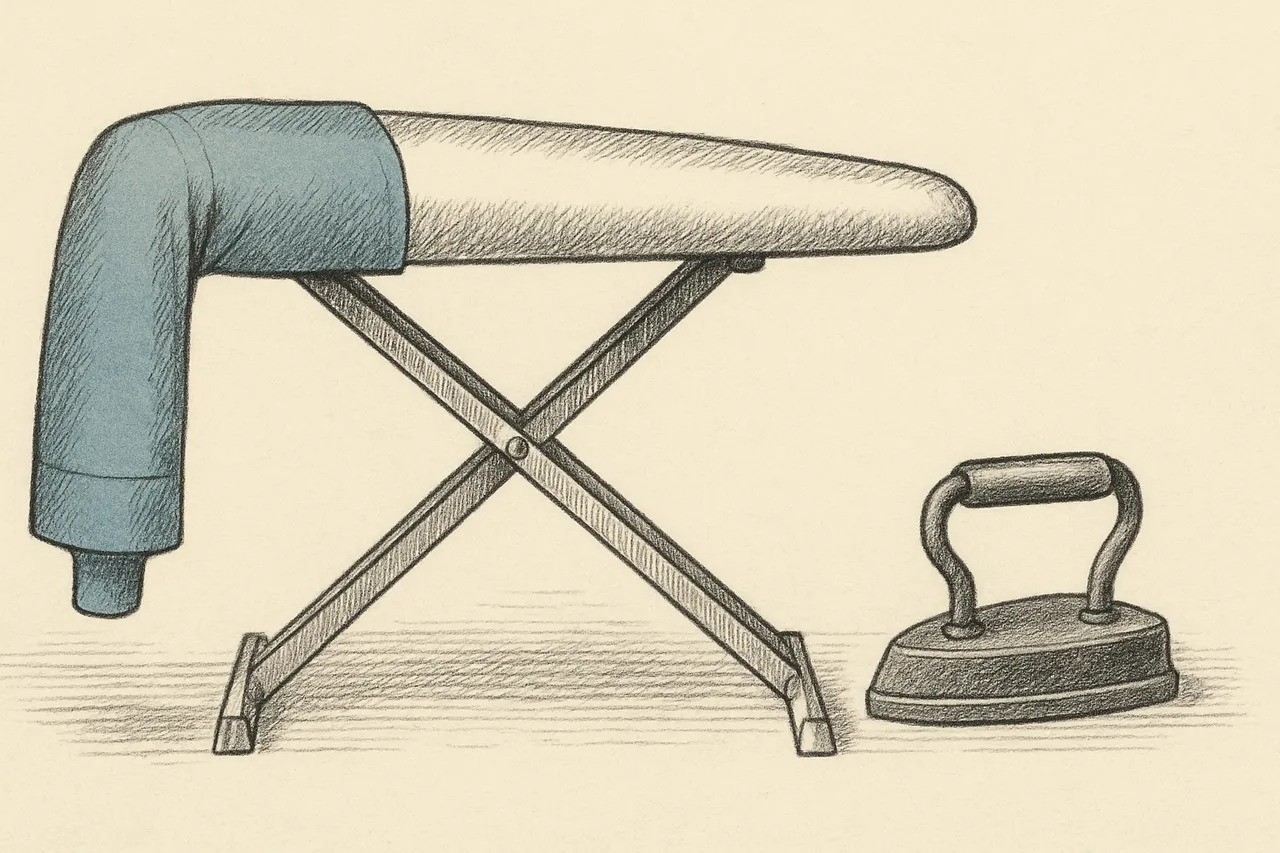
Sarah Boone Was Born Enslaved. In 1892 She Patented the Ironing Board You Still Use.
Flat boards laid across chairs could not press a fitted sleeve or a curved bodice without creasing everything else. Sarah Boone, one of the first Black women in America to receive a patent, gave the board a narrow padded shape that fit the garment.
Read the story →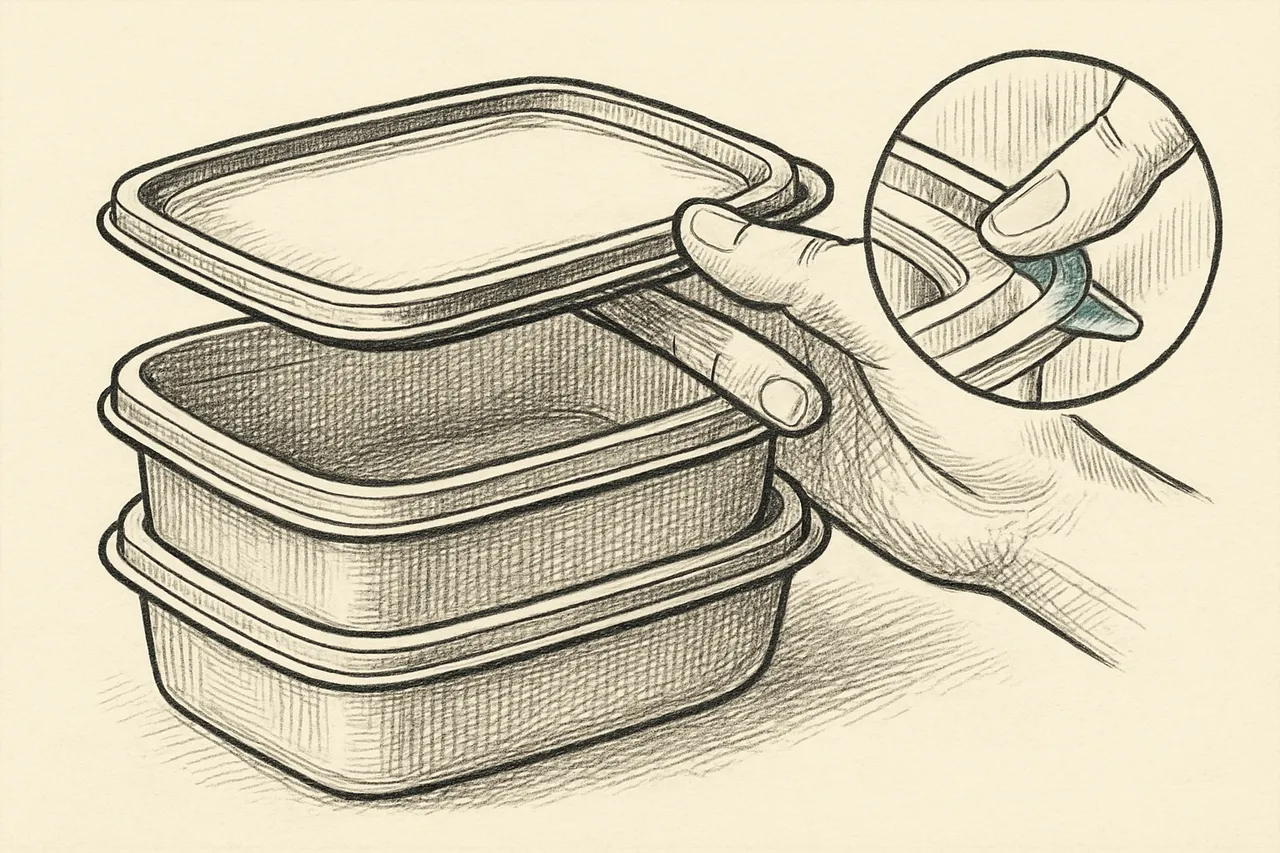
Tupperware Sat on Shelves for Years. A Single Mother Selling It at Parties Saved the Company.
Earl Tupper's airtight burping seal was a genuine breakthrough that nobody could figure out how to use. Brownie Wise, a divorced single mother with no formal business training, outsold every store in the country from her living room.
Read the story →