Two Women Invented the First Real Antifungal Drug — and Gave Away $13 Million in Royalties
Working by mail between two labs, a chemist and a microbiologist discovered the first antifungal antibiotic safe for humans. They shipped soil samples back and forth in the post, found their answer in a friend's cow pasture, and donated every dollar of the proceeds to science.
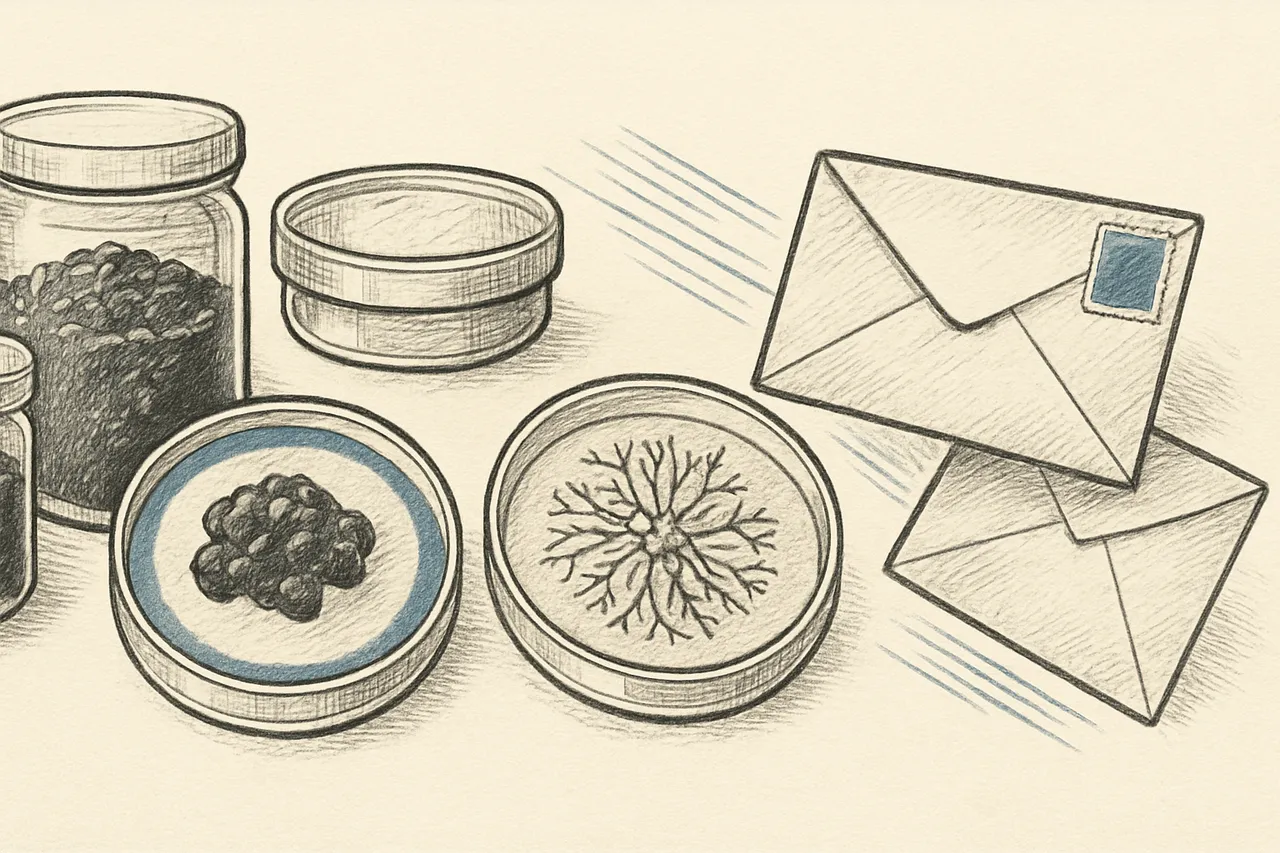
US2797183 was granted on June 25, 1957, to Rachel Fuller Brown and Elizabeth Lee Hazen. The title is "Nystatin and Method of Producing It." Nystatin was the first antifungal antibiotic effective and safe enough to use in humans — a genuinely important drug that still appears on the World Health Organization's list of essential medicines.
The discovery came at a particular moment in medical history. The antibiotic revolution of the 1940s — penicillin, streptomycin — had transformed the treatment of bacterial infection. But antibiotics only kill bacteria, and one of their side effects was to disrupt the body's natural microbial balance, allowing fungal infections to flourish unchecked. Suddenly fungal infections were a growing problem, and there was almost nothing to treat them with. The few antifungal compounds known were too toxic to give to people — they killed the fungus and the patient alike.
Discovery by mail
Brown and Hazen worked for the New York State Department of Health, but in different cities — Hazen, a microbiologist, in New York City, and Brown, a chemist, in Albany. They collaborated almost entirely by mail. Hazen would collect soil samples, test them for microorganisms that killed fungi, and when she found a promising one, mail the culture to Brown in Albany. Brown would isolate and purify the active chemical compound, then mail her results back. Samples and findings traveled back and forth between them through the United States Postal Service for years.
The breakthrough organism came from a soil sample Hazen collected from the pasture of a friend's dairy farm in Virginia. The bacterium living in that dirt produced a substance that killed fungi but, crucially, did not appear to harm animal cells. Brown purified it. They named it nystatin, after New York State — a small monument to the health department that employed them.
The money
Nystatin was licensed to a pharmaceutical company and became a commercial success, treating fungal infections in people and also finding uses as varied as protecting bananas from mold in shipment and, famously, being used to treat mold damage in valuable artwork, including works damaged in the 1966 Florence flood.
The royalties were substantial — around thirteen million dollars over the life of the patent. Brown and Hazen took none of it for themselves. They directed the entire sum, through a nonprofit research foundation, back into scientific research and the training of future scientists, particularly opportunities for women in science. They had made a genuinely valuable discovery, patented it properly, and then declined the fortune it generated, on the principle that the work mattered more than the payout.
Both women received the Chemical Pioneer Award and other honors late in their careers. Hazen died in 1975, Brown in 1980. The drug they discovered by shipping dirt through the mail is still, nearly seventy years later, one of the medicines the world is considered unable to do without.
See the original
The full text of US2797183 is on patents.us.
Related stories
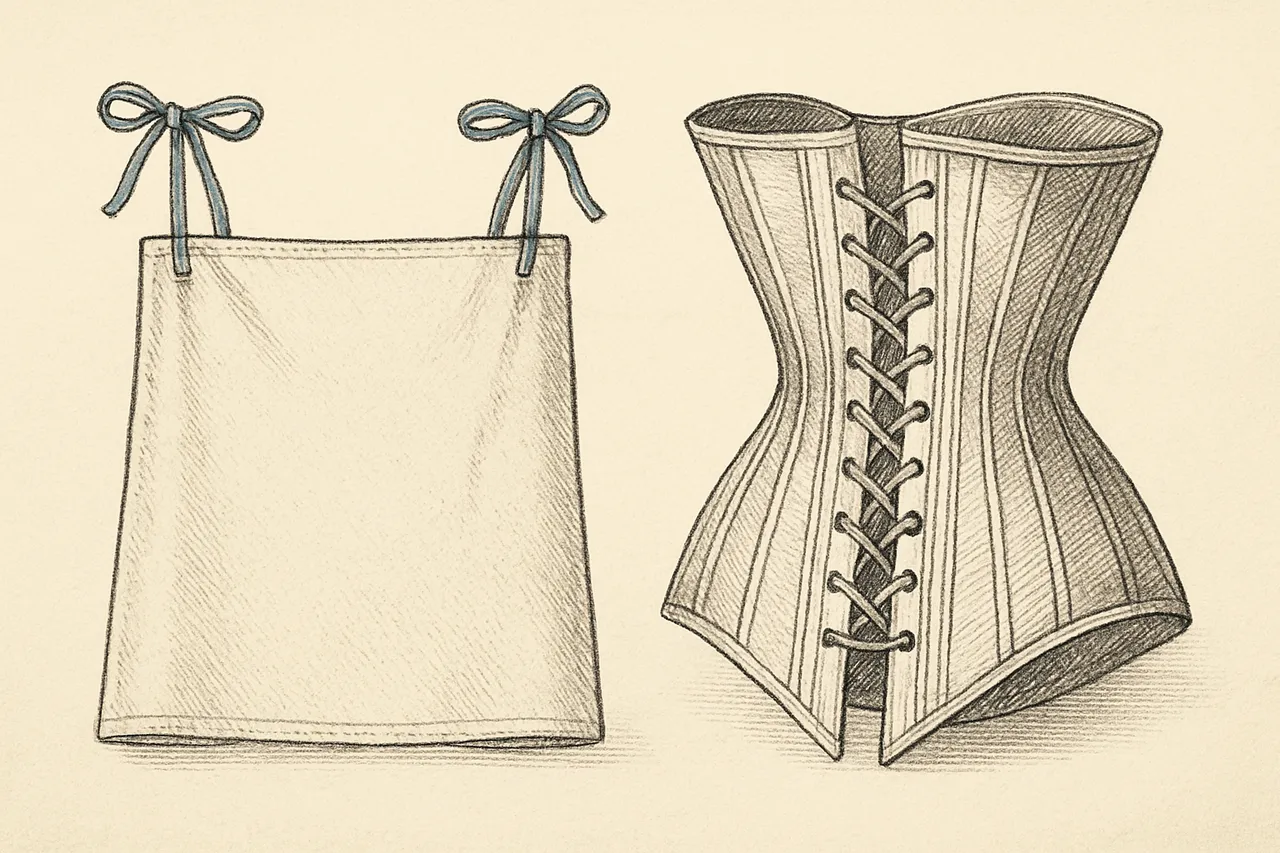
The First Modern Bra Was Two Handkerchiefs and a Ribbon, Improvised Before a Party
Mary Phelps Jacob was nineteen, dressing for a debutante ball, and the corset under her gown was ruining it. She had her maid bring two handkerchiefs and some ribbon. Four years later she held a US patent, and not long after that she sold it for $1,500.
Read the story →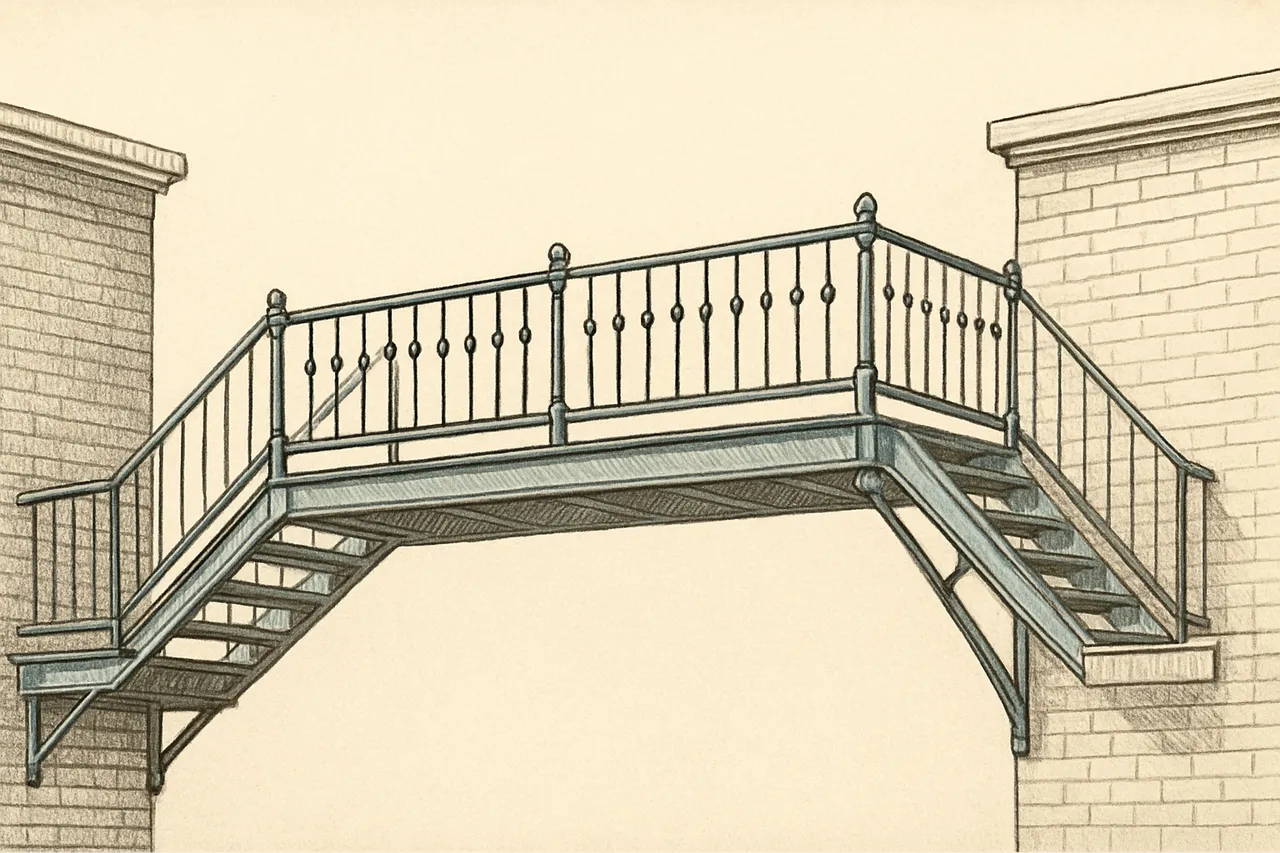
Anna Connelly Patented the Fire Escape in 1887, and Cities Started Requiring Them
American cities were building upward faster than they could evacuate. Anna Connelly, one of the earliest women to hold a US patent, proposed an external bridge between rooftops with railings — an escape route that did not depend on the burning stairwell.
Read the story →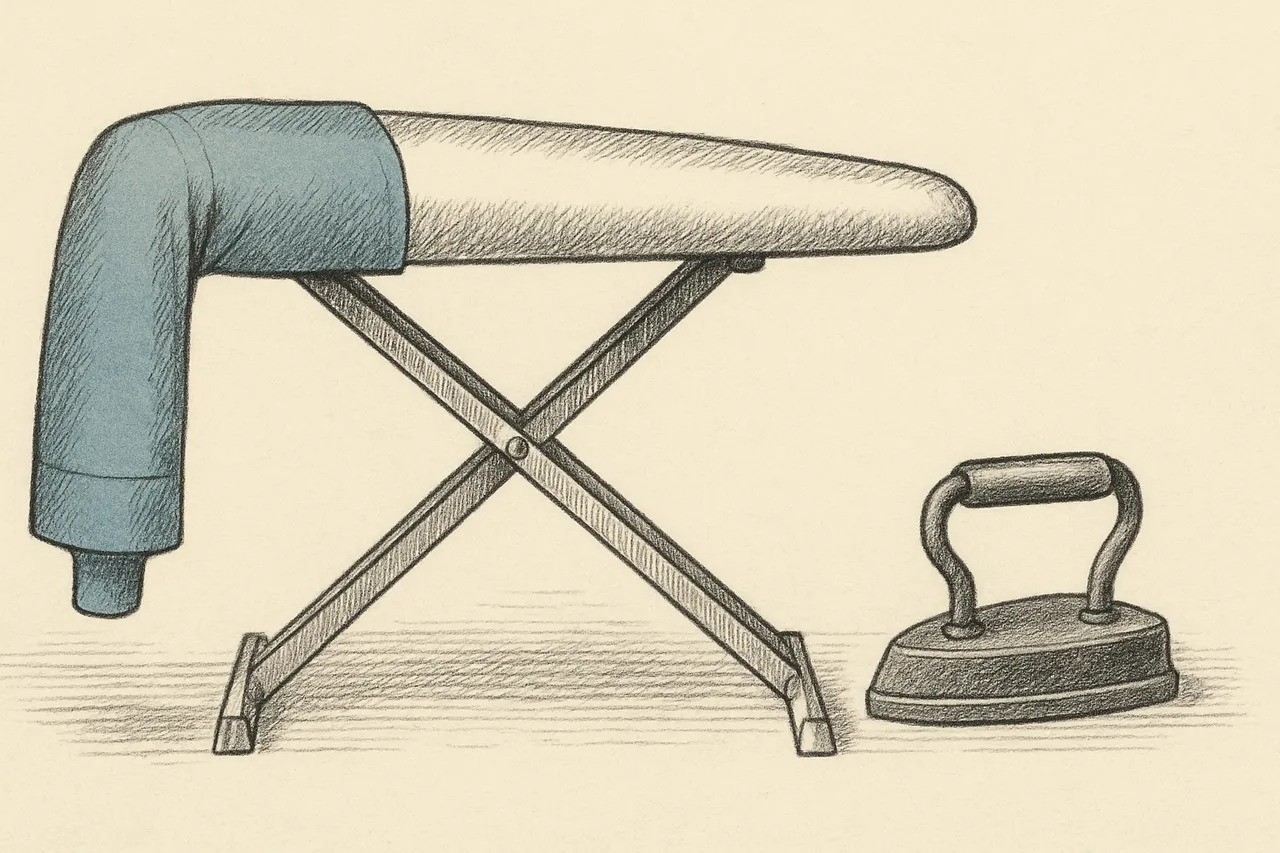
Sarah Boone Was Born Enslaved. In 1892 She Patented the Ironing Board You Still Use.
Flat boards laid across chairs could not press a fitted sleeve or a curved bodice without creasing everything else. Sarah Boone, one of the first Black women in America to receive a patent, gave the board a narrow padded shape that fit the garment.
Read the story →
Tupperware Sat on Shelves for Years. A Single Mother Selling It at Parties Saved the Company.
Earl Tupper's airtight burping seal was a genuine breakthrough that nobody could figure out how to use. Brownie Wise, a divorced single mother with no formal business training, outsold every store in the country from her living room.
Read the story →