A Peace Corps Volunteer Watched How African Mothers Carried Their Babies — and Patented It
In West Africa, Ann Moore saw mothers keeping their babies calm and close, tied snugly to their backs in fabric. Back home, she and her own mother sewed a structured version. The Snugli turned 'babywearing' into an American mainstream and reshaped ideas about infant care.
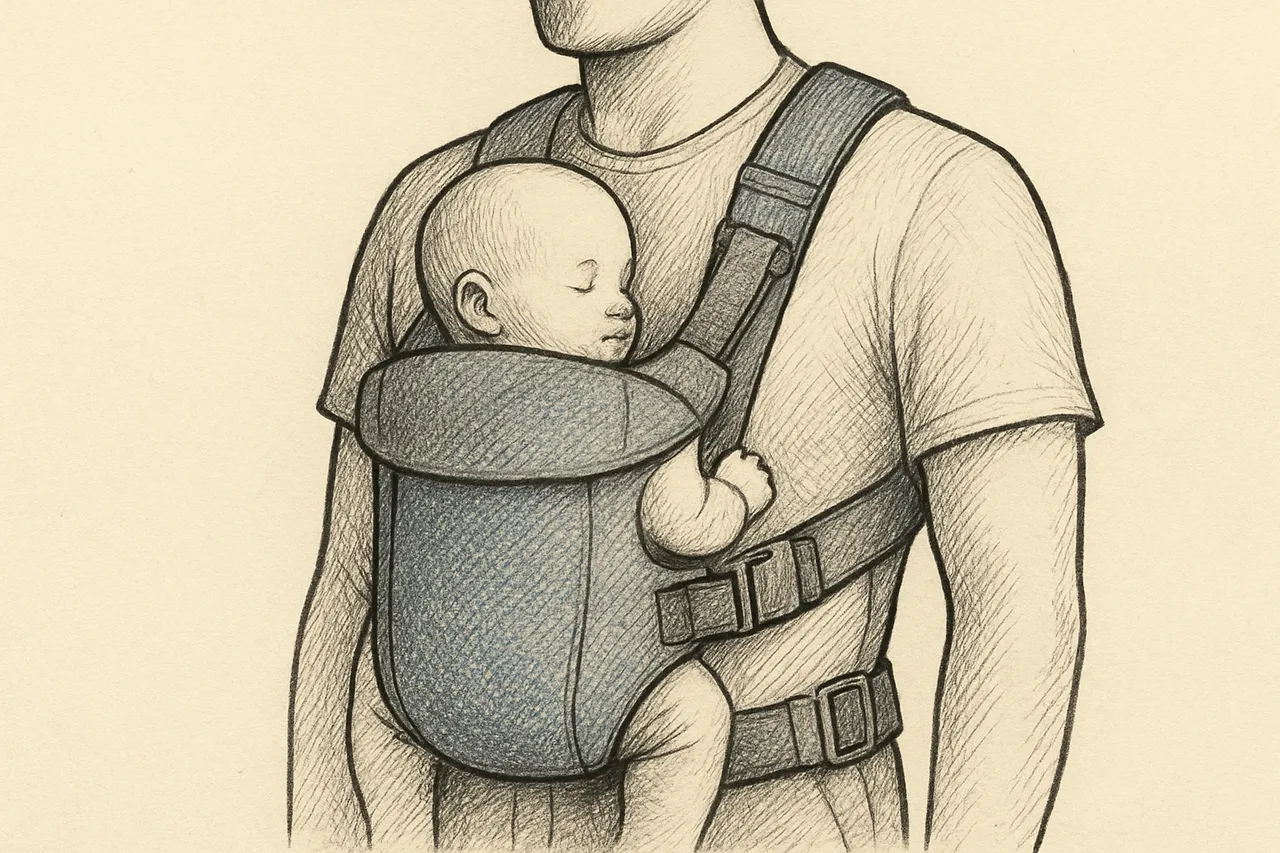
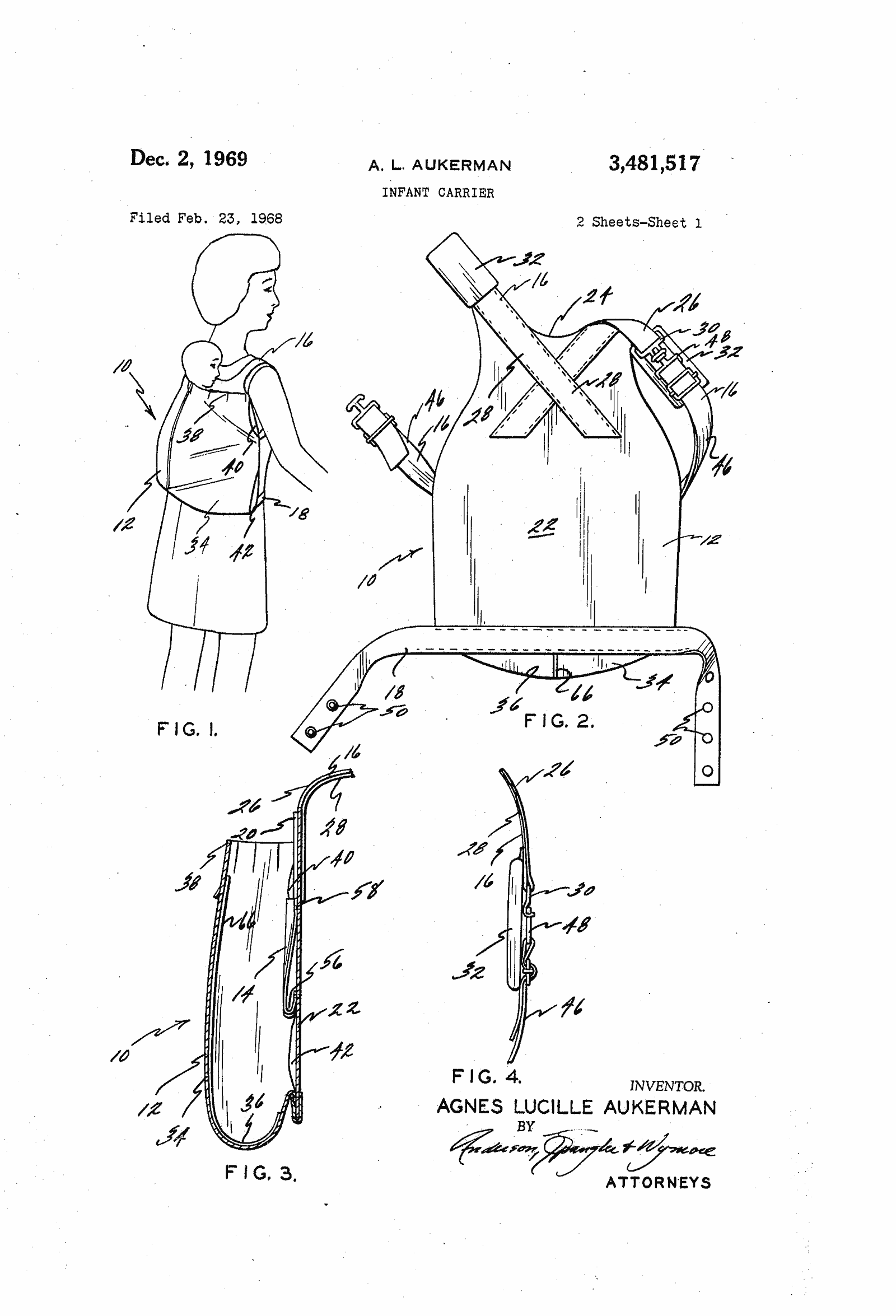
US3481517 was granted to Ann Moore on December 2, 1969. The title is "Pouch Type Infant Carrier." It is the patent behind the Snugli — the soft, structured front-and-back baby carrier that brought "babywearing" into mainstream American parenting and helped shift the culture's whole understanding of how close a baby should be kept.
Moore had served in the Peace Corps in Togo, in West Africa, in the early 1960s. There she observed something that struck her as both practical and profound: mothers carried their infants tied snugly against their bodies, usually on their backs, in lengths of fabric. The babies, held constantly close to a parent's warmth, movement, and heartbeat, were remarkably calm and content — far more settled, Moore thought, than American babies left in cribs, carriages, and playpens, held at a distance for much of the day.
Bringing it home
When Moore returned to the United States and had a daughter of her own, she wanted to carry her the same way. The West African cloth wrap required skill to tie securely, so Moore worked with her mother, Lucy Aukerman, an experienced seamstress, to design a structured carrier that achieved the same closeness but was easy for anyone to put on and adjust: a fabric pouch with shoulder straps and fastenings that held the baby securely against the wearer's chest or back, distributing the weight comfortably.
Other parents saw it and wanted one. Demand grew by word of mouth, and Moore patented the design in 1969 and began manufacturing the Snugli as a family business, sewing the early ones at home in Colorado. It became a genuine commercial success and, more importantly, a cultural one.
What it changed
The Snugli arrived at a moment when Western ideas about infant care were beginning to shift — away from the mid-century emphasis on scheduling, independence, and keeping babies at a physical remove, and toward an emphasis on closeness, responsiveness, and physical contact. The carrier both rode and accelerated that shift. "Babywearing" became, over the following decades, a mainstream practice, endorsed by pediatricians and attachment-oriented parenting movements, and the soft structured carrier a standard piece of baby equipment in much of the world.
Moore continued inventing; she later adapted her carrier concepts into medical devices, including a design used to keep premature and low-birth-weight infants warm through skin contact — a low-cost approach especially valuable in places without expensive incubators, bringing the idea full circle back toward the kind of setting where she had first observed it.
What Ann Moore patented was, in a sense, not new at all — mothers across Africa and much of the world had carried their babies close for millennia. What she did was see it clearly, recognize its value, engineer an accessible version, and, through the patent and the product, carry the practice into a culture that had drifted away from it.
See the original
The full text and figures of US3481517 are on Google Patents.
Related stories
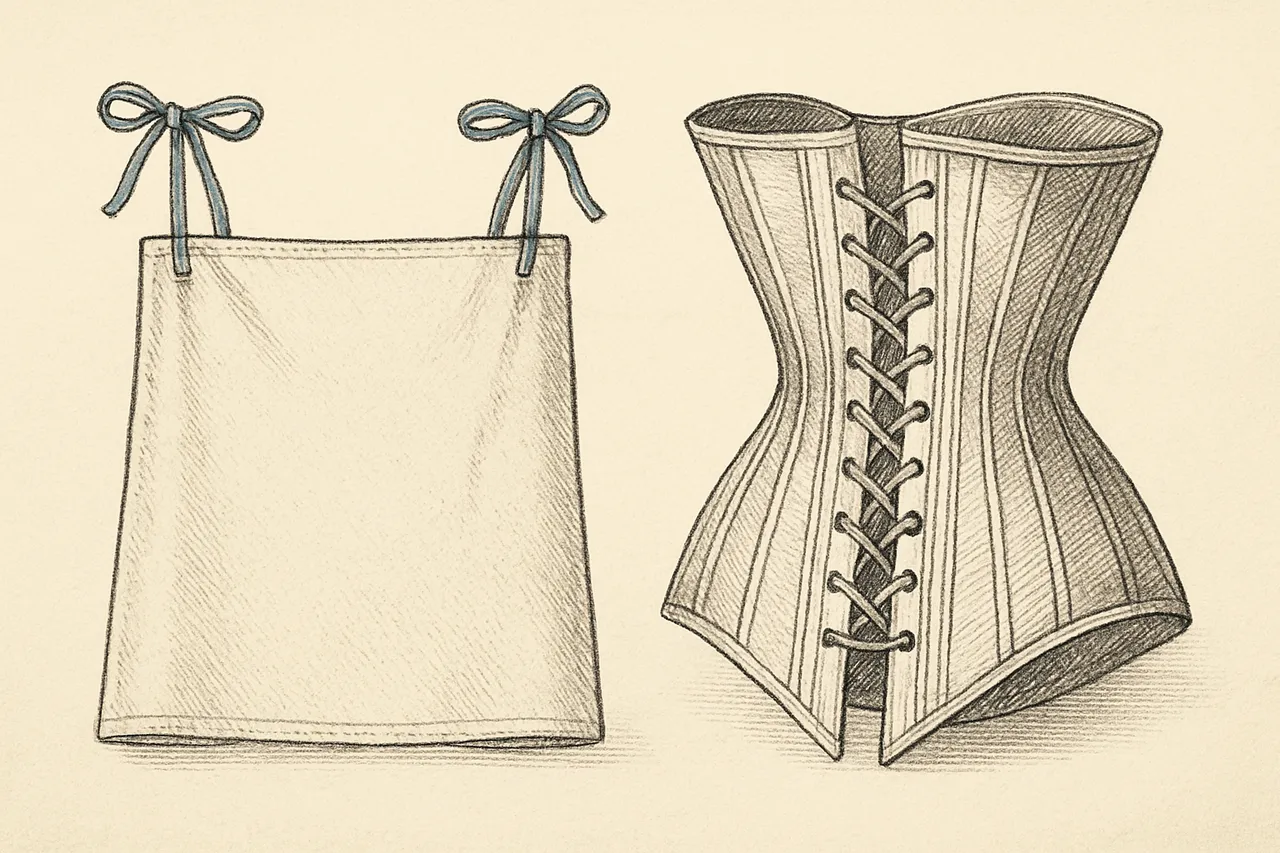
The First Modern Bra Was Two Handkerchiefs and a Ribbon, Improvised Before a Party
Mary Phelps Jacob was nineteen, dressing for a debutante ball, and the corset under her gown was ruining it. She had her maid bring two handkerchiefs and some ribbon. Four years later she held a US patent, and not long after that she sold it for $1,500.
Read the story →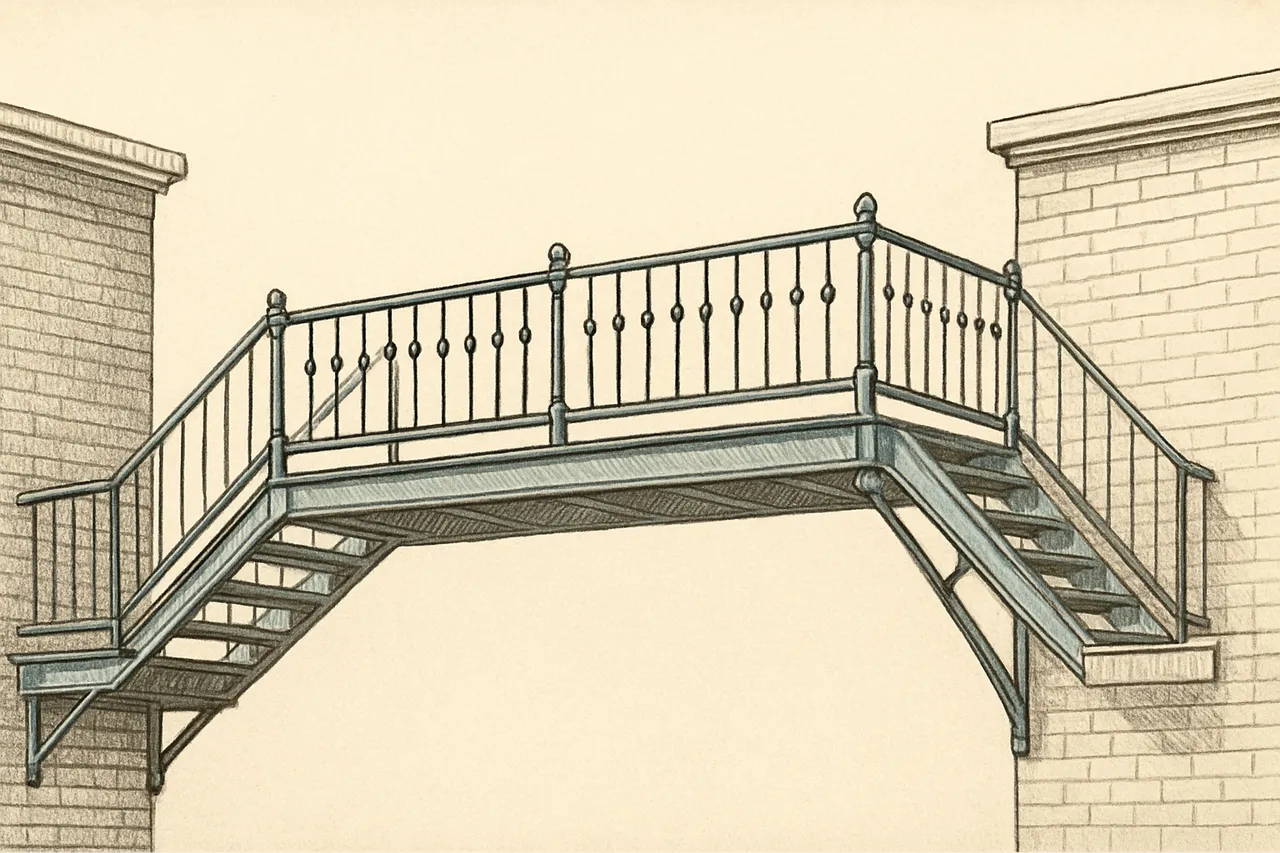
Anna Connelly Patented the Fire Escape in 1887, and Cities Started Requiring Them
American cities were building upward faster than they could evacuate. Anna Connelly, one of the earliest women to hold a US patent, proposed an external bridge between rooftops with railings — an escape route that did not depend on the burning stairwell.
Read the story →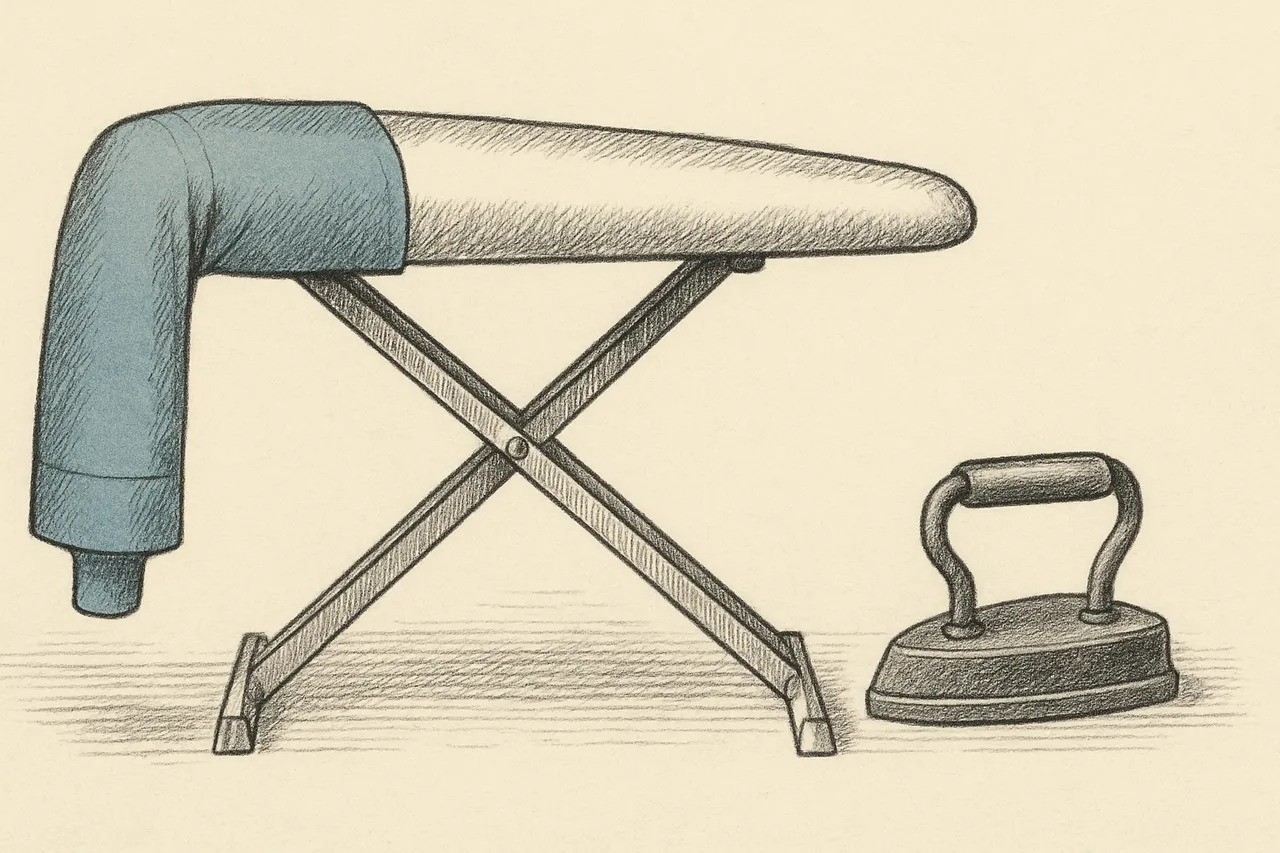
Sarah Boone Was Born Enslaved. In 1892 She Patented the Ironing Board You Still Use.
Flat boards laid across chairs could not press a fitted sleeve or a curved bodice without creasing everything else. Sarah Boone, one of the first Black women in America to receive a patent, gave the board a narrow padded shape that fit the garment.
Read the story →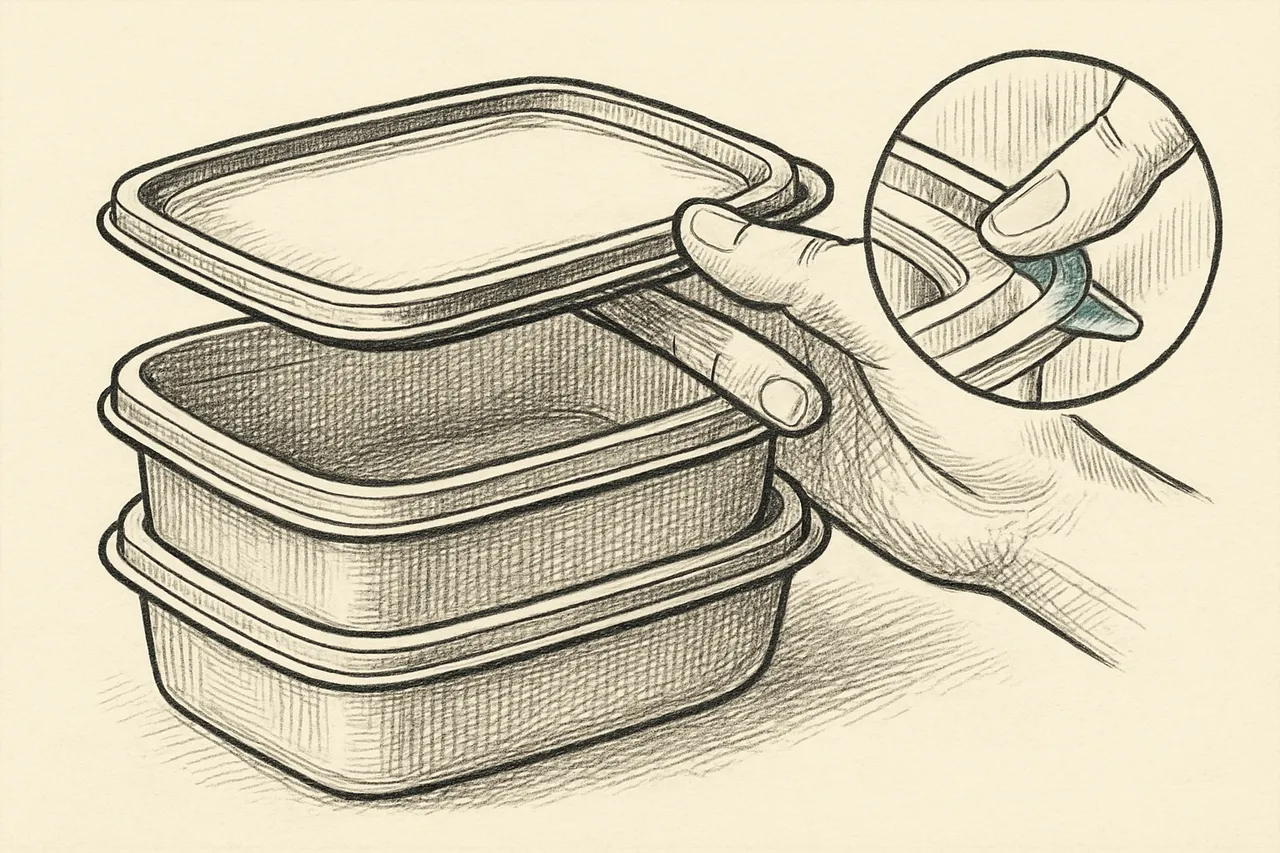
Tupperware Sat on Shelves for Years. A Single Mother Selling It at Parties Saved the Company.
Earl Tupper's airtight burping seal was a genuine breakthrough that nobody could figure out how to use. Brownie Wise, a divorced single mother with no formal business training, outsold every store in the country from her living room.
Read the story →