Mary Walton Made New York Quieter
By 1881, the elevated trains running through Manhattan had made the city deafening. Mary Walton — an inventor in her sixties — patented a system that absorbed the vibration before it could resonate through the iron structure. She sold the rights to the railway for ten thousand dollars.
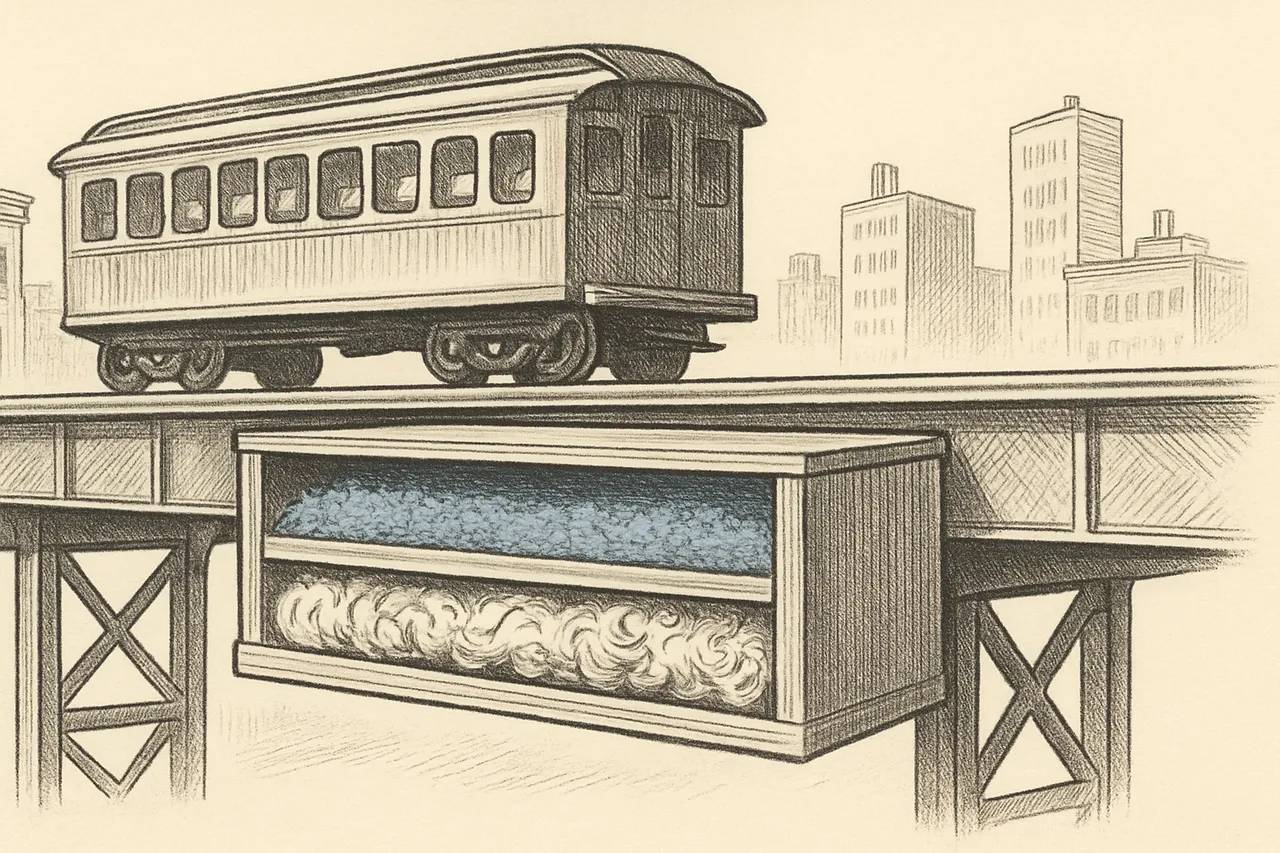
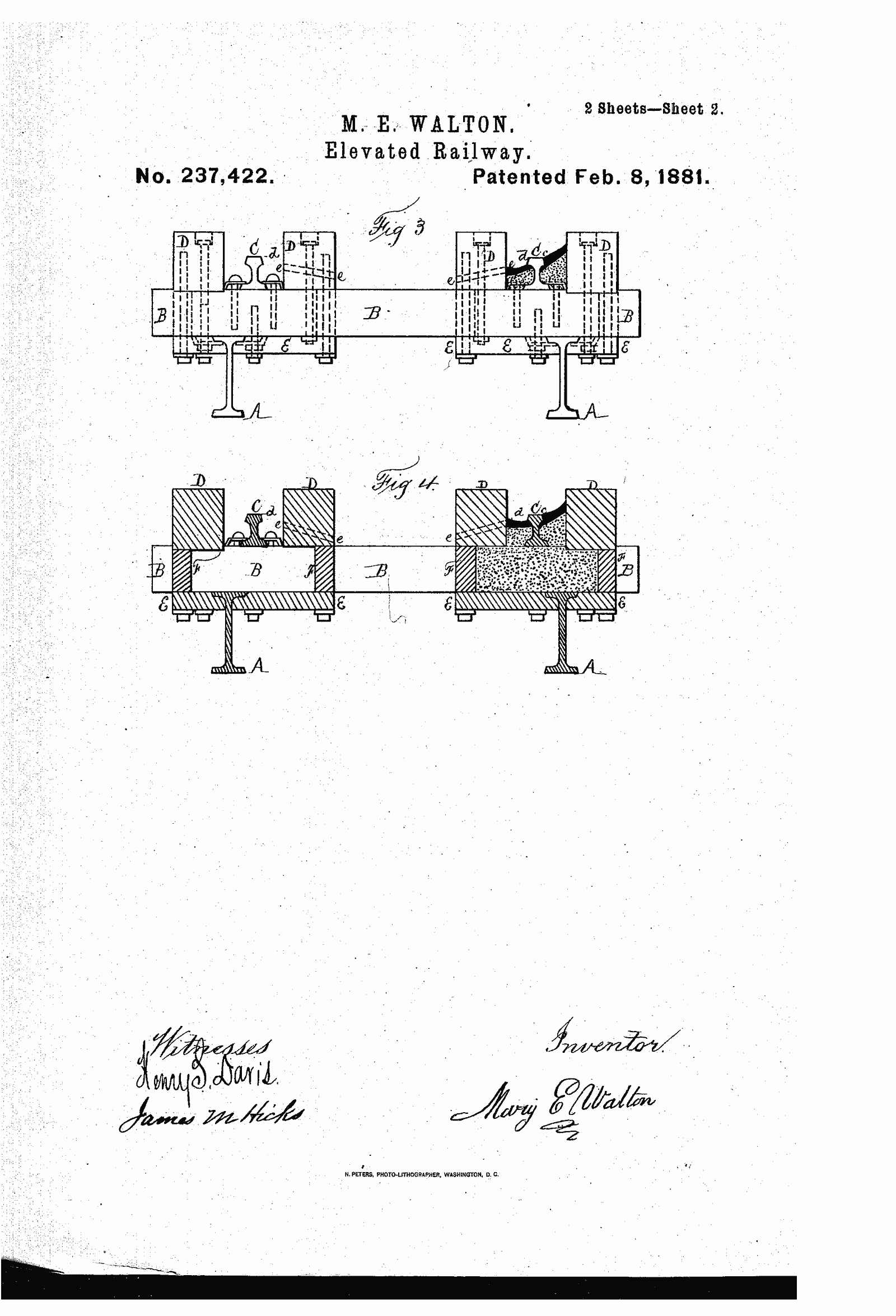
US237422 was issued to Mary E. Walton of New York City on February 8, 1881. The title is "Elevated Railway Tracks." The mechanism: the iron rails of an elevated railway are mounted not directly to wooden ties but inside a long wooden box, packed with sand and cotton, that surrounds and isolates the rail. The packing material absorbs the vibration produced when a train passes overhead. The vibration that the system would have transmitted through the iron support structure — and from there into the buildings along the route, and from there into every resident on the avenue — is instead muffled into the sand-filled box at the source.
The patent is one of two Walton filed in a four-year period that solved the most-cited complaints of 1880s Manhattan. The other, US221880, granted to her in 1879, was titled "Locomotive and Other Chimneys" — a smokestack design that routed coal exhaust through a series of water tanks before releasing what remained into the air. The result was a visible-soot reduction of, by contemporary newspaper accounts, more than ninety percent.
The elevated trains of 1880s New York were filthy, noisy, dangerous, and, by general public consensus, intolerable. They were also, by general public consensus, indispensable — the only viable mass transit between Manhattan's growing residential neighborhoods and the financial and commercial districts at the southern tip of the island. Anyone who could make them tolerable stood to be paid well by the operating companies.
Walton was paid well.
Ten thousand dollars
She sold the rights to the noise-absorption system to the Metropolitan Elevated Railway of New York City for $10,000 in 1881 — somewhere between two and three hundred thousand dollars in modern terms, depending on which inflation index you use. The smoke-filter patent earned her a smaller licensing income from the same company and from the New York Central Railroad over the following years.
The 1880s newspapers ran feature pieces about Walton periodically. They were condescending in the manner of the period — "the woman inventor" was reliably one of the descriptors — but they also unambiguously credited her with the improvements that were making the elevated railways livable for the city around them. The 1883 New York Sun feature on her work referred to the noise-absorption boxes as "Walton frames" in its captions, which appears to have been a brief moment of usage that did not survive into later transit engineering.
What she had
The biographical record on Mary Walton is thin. She was, by the time of her major patents, in her sixties — born around 1815 in some accounts, though others suggest she was younger. She lived in lower Manhattan. She was reportedly self-trained in mechanics, having worked with her father on various projects throughout her youth, and had filed at least one earlier patent (an improvement to railway-car ventilation, US186825, 1877) before the smoke-filter made her widely known.
She died, by the most plausible accounts, around 1890. The patents both expired in the late 1890s. The principles behind both — vibration damping through packed absorbent material, gas filtration through water — remained standard engineering practice for the next several decades and, in the case of vibration damping, are still in routine use in modern light-rail and subway construction.
What Manhattan in 1881 needed was, fundamentally, less noise and less smoke. Mary Walton was the person who showed up with both.
See the original
The full text and figures of US237422 are on Google Patents.
Related stories
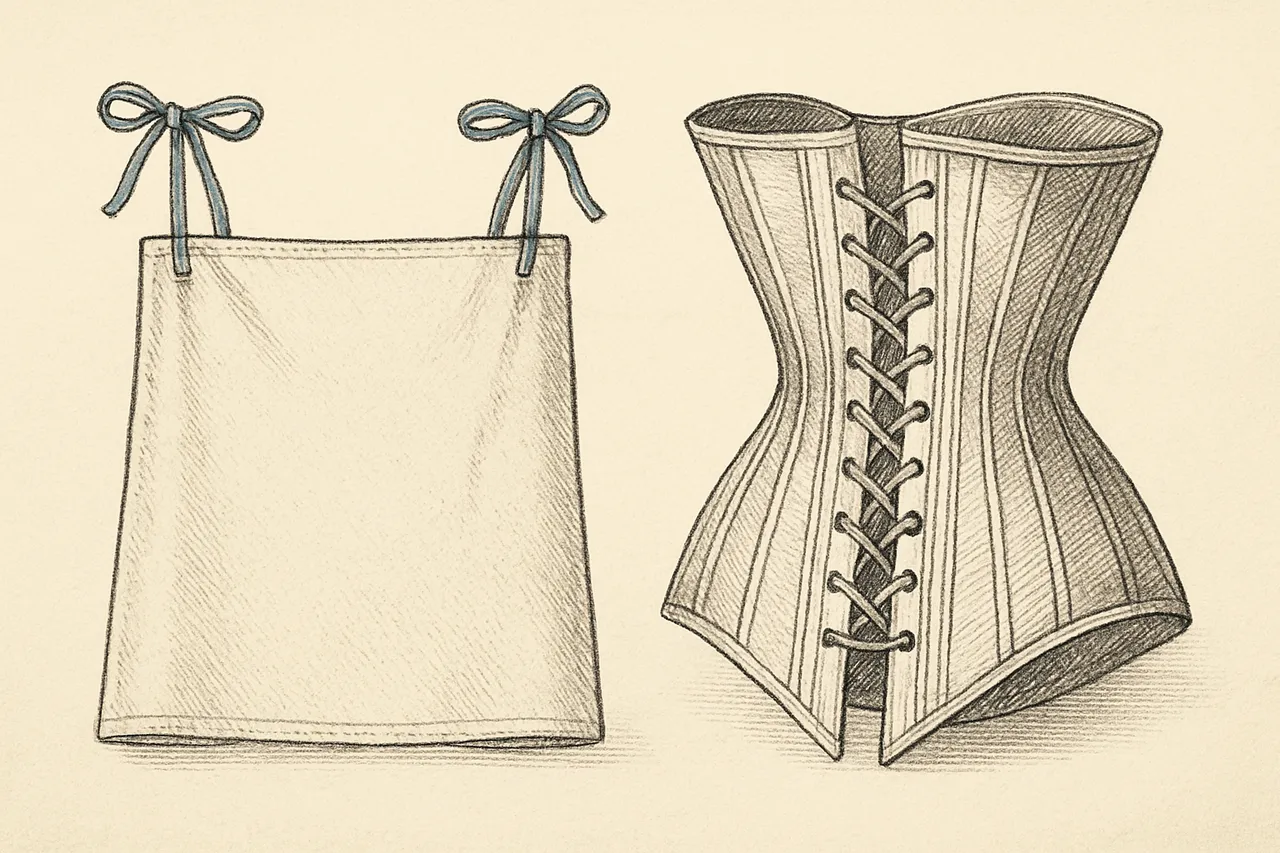
The First Modern Bra Was Two Handkerchiefs and a Ribbon, Improvised Before a Party
Mary Phelps Jacob was nineteen, dressing for a debutante ball, and the corset under her gown was ruining it. She had her maid bring two handkerchiefs and some ribbon. Four years later she held a US patent, and not long after that she sold it for $1,500.
Read the story →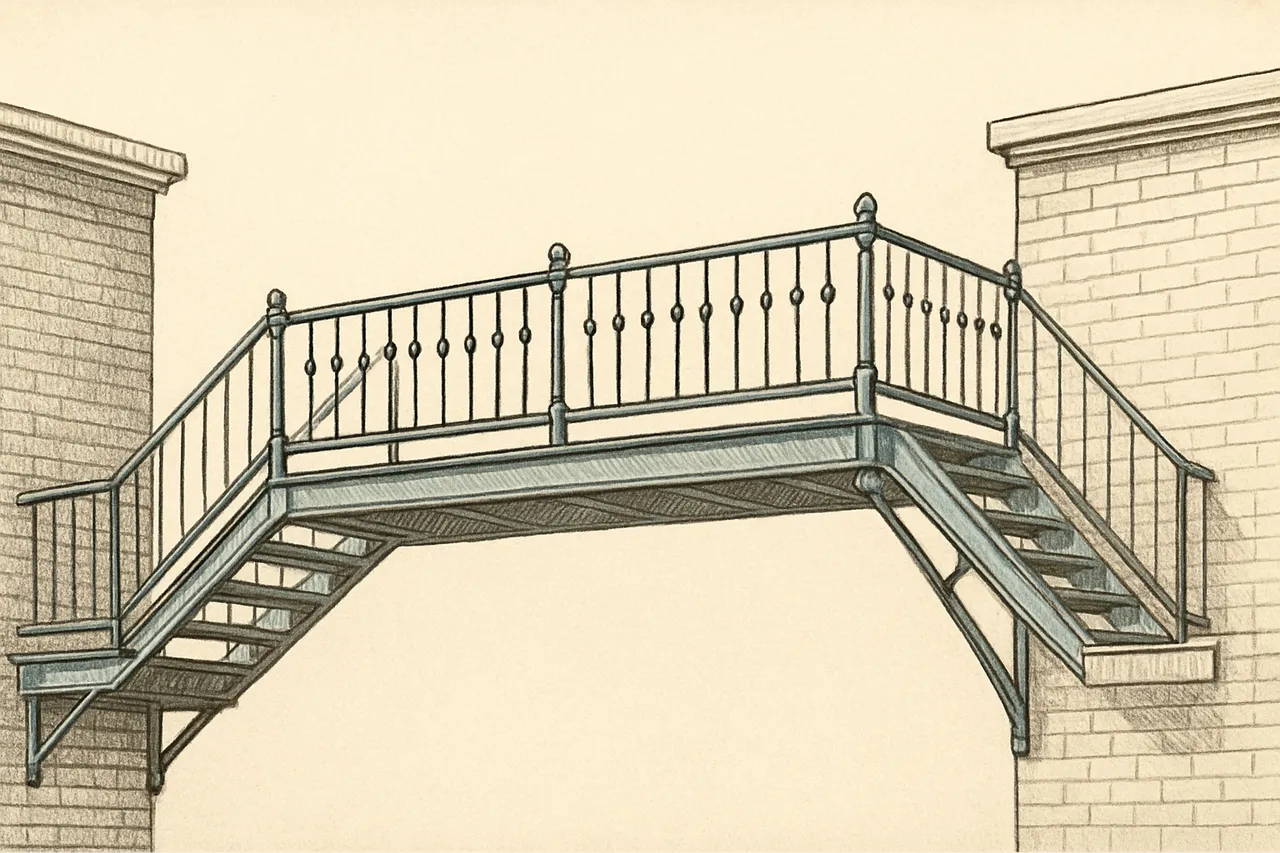
Anna Connelly Patented the Fire Escape in 1887, and Cities Started Requiring Them
American cities were building upward faster than they could evacuate. Anna Connelly, one of the earliest women to hold a US patent, proposed an external bridge between rooftops with railings — an escape route that did not depend on the burning stairwell.
Read the story →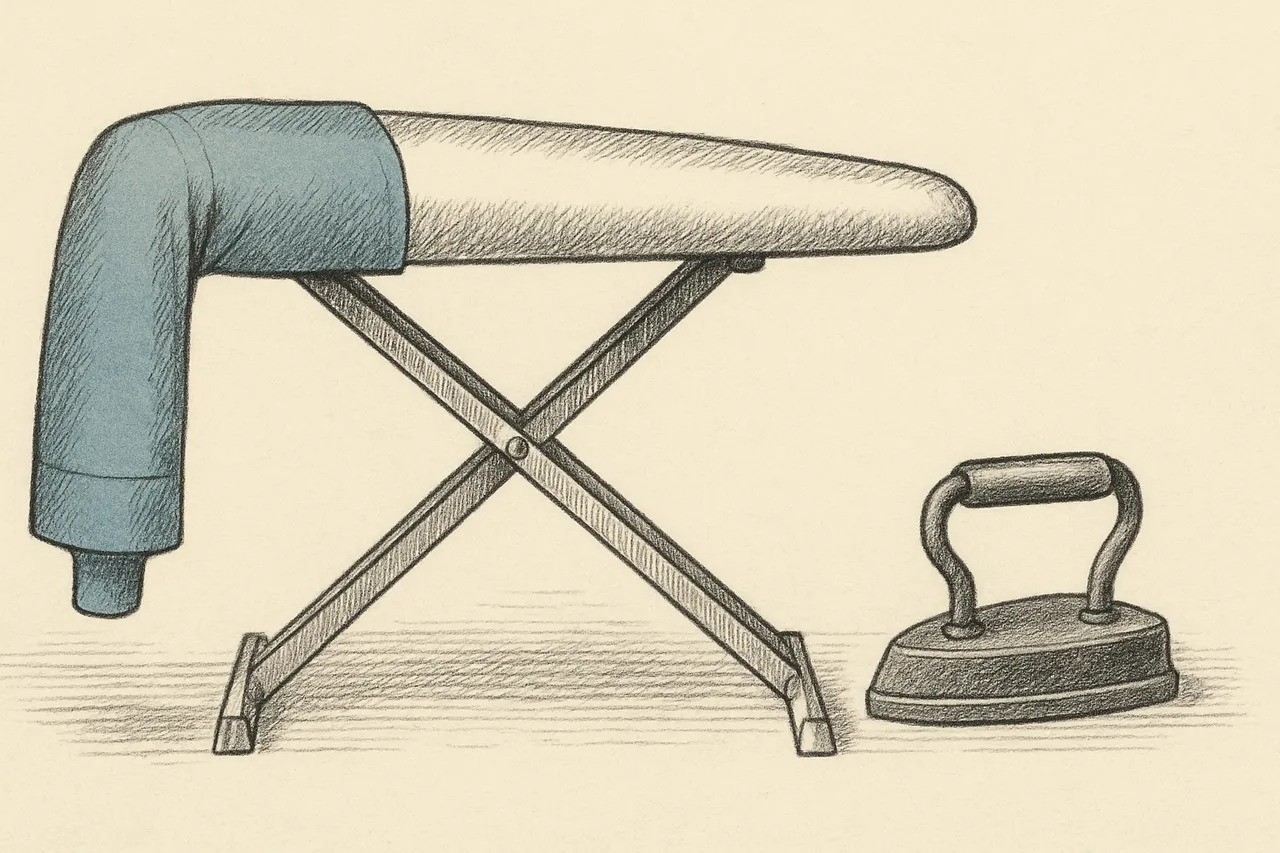
Sarah Boone Was Born Enslaved. In 1892 She Patented the Ironing Board You Still Use.
Flat boards laid across chairs could not press a fitted sleeve or a curved bodice without creasing everything else. Sarah Boone, one of the first Black women in America to receive a patent, gave the board a narrow padded shape that fit the garment.
Read the story →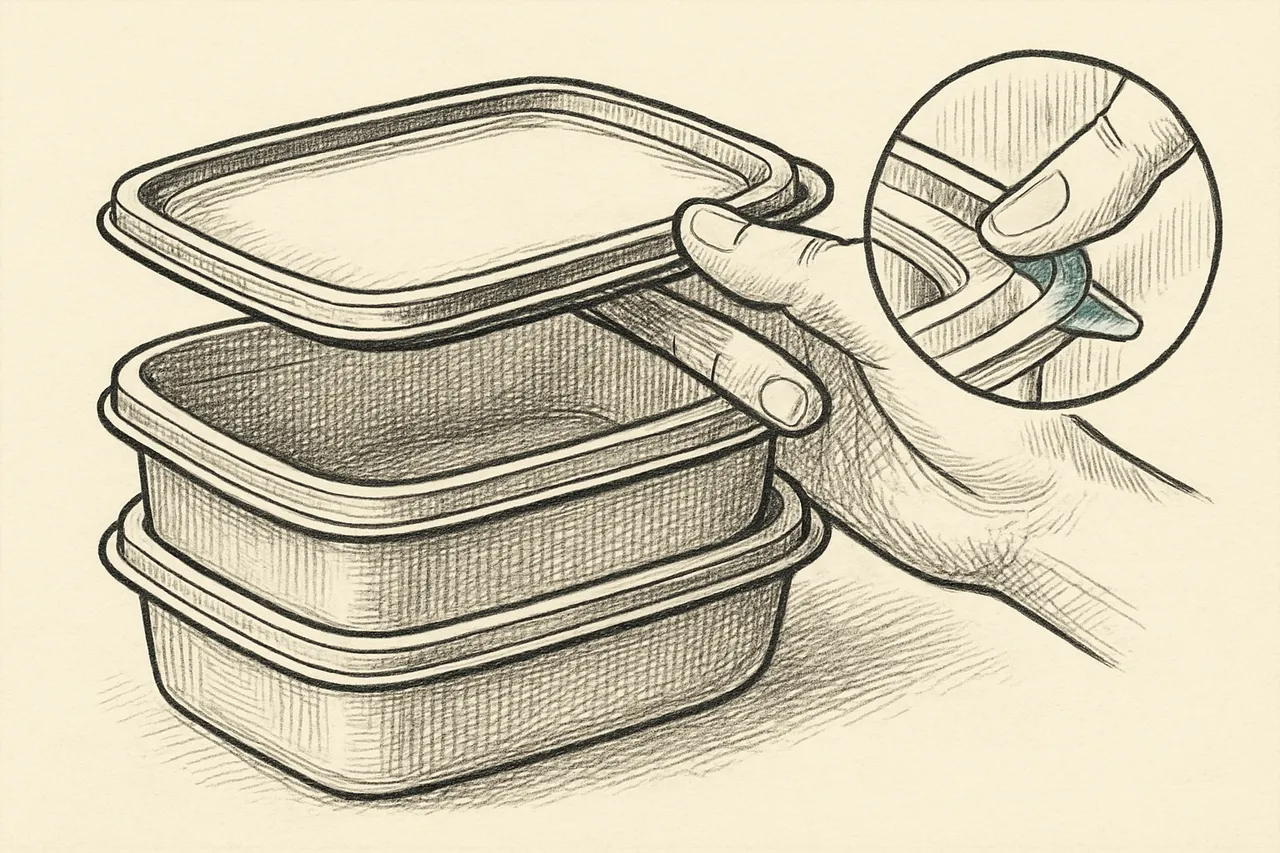
Tupperware Sat on Shelves for Years. A Single Mother Selling It at Parties Saved the Company.
Earl Tupper's airtight burping seal was a genuine breakthrough that nobody could figure out how to use. Brownie Wise, a divorced single mother with no formal business training, outsold every store in the country from her living room.
Read the story →