Garrett Morgan Saw a Crash at an Intersection and Invented the Yellow Light
Early traffic signals had two states: go and stop. Switching instantly between them caused collisions, because nobody had time to react. Morgan added a third position that halted all traffic before the change — the ancestor of the amber light.
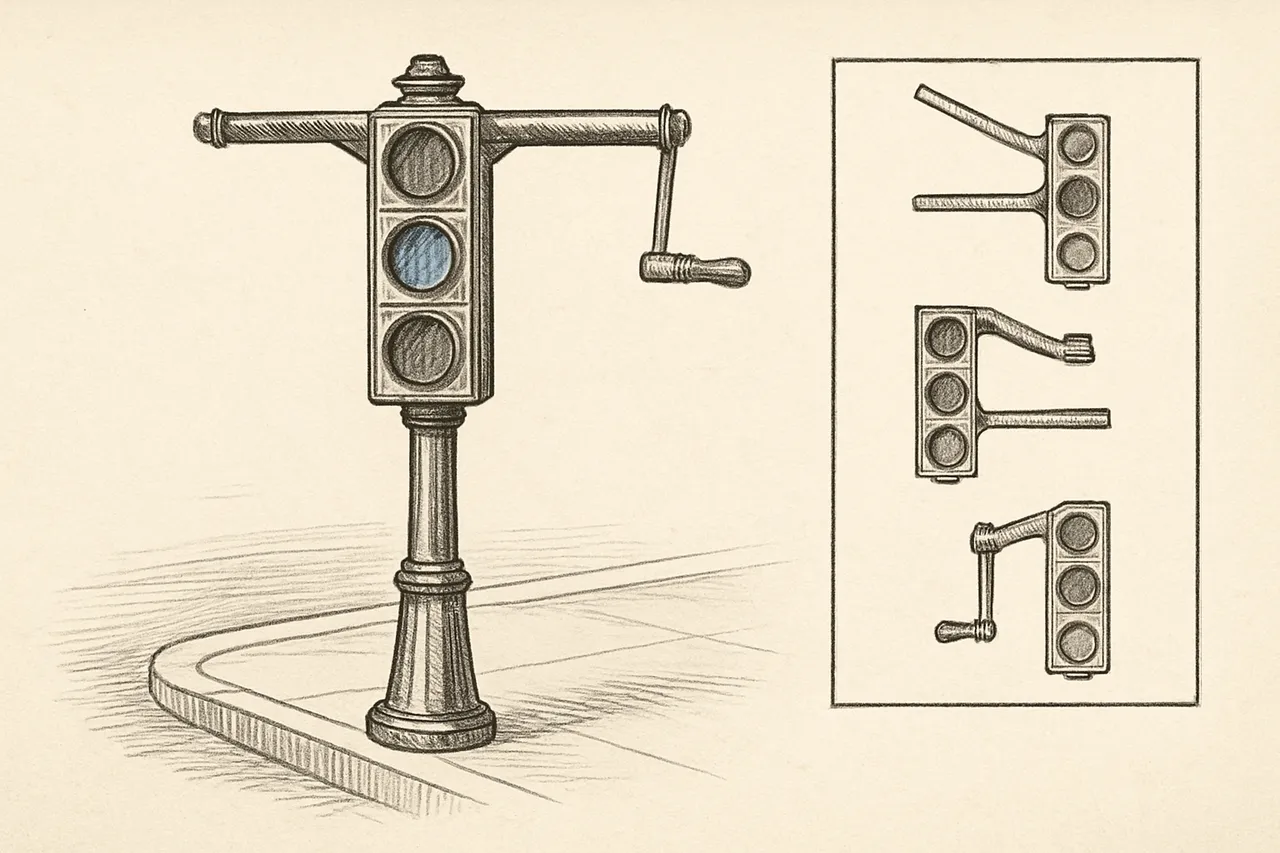
US1475024 was granted to Garrett A. Morgan on November 20, 1923. The title is "Traffic Signal." Morgan is better known for the safety hood he wore into a gas-filled tunnel under Lake Erie in 1916, but the traffic signal is the invention most people encounter several times a day without knowing his name.
Morgan was one of the first Black car owners in Cleveland. Automobiles, horse-drawn wagons, bicycles, streetcars, and pedestrians were all sharing intersections that had no established rules, and the results were routinely violent. The version Morgan gave was that he witnessed a severe collision between a car and a carriage at an intersection and decided the signalling was the problem.
Two states are not enough
The traffic signals of the era were essentially binary. A semaphore or a manually operated sign displayed STOP or GO, and an operator flipped between them.
The flaw is one every driver understands intuitively. If the signal switches instantly from GO to STOP, the vehicles already in or approaching the intersection have no defined moment to clear it. Cross traffic starts moving while the previous traffic is still in the box. The transition itself is the dangerous part.
Morgan's patent adds a third position. Before the signal changes direction, the arm moves to a state that halts traffic in all directions simultaneously, clearing the intersection before the opposing flow is released.
That is the conceptual ancestor of the amber light and of the all-red interval still built into modern signal timing. Morgan's version was mechanical — a hand-cranked, T-shaped post with a rotating arm, not colored lamps — but the logic is the one traffic engineering still uses.
Sold for forty thousand
Morgan patented the design in the United States, Canada, and Britain, and sold the American rights to General Electric for a figure usually reported as forty thousand dollars — a substantial sum in 1923, and considerably better than most inventors in this archive managed.
Electric three-color signals developed along a parallel track; several inventors and municipal engineers contributed to the modern lamp-based traffic light, and Morgan was not the sole originator of the traffic signal as a category. What his patent captures is the specific insight that a signal needs a transition state, not just two commands.
The context
Morgan built a substantial life as an inventor and businessman in Cleveland — a sewing machine repair shop, a tailoring company, a hair-care products company, and a newspaper — in an era when doing any of that as a Black man in the United States required navigating constant, explicit obstruction. He had earlier hired a white actor to pose as the inventor at demonstrations of his safety hood, because buyers cancelled orders when they learned who had made it.
The yellow light is his. Most drivers have never heard of him.
See the original
The full text and figures of US1475024 are on patents.us.
Related stories
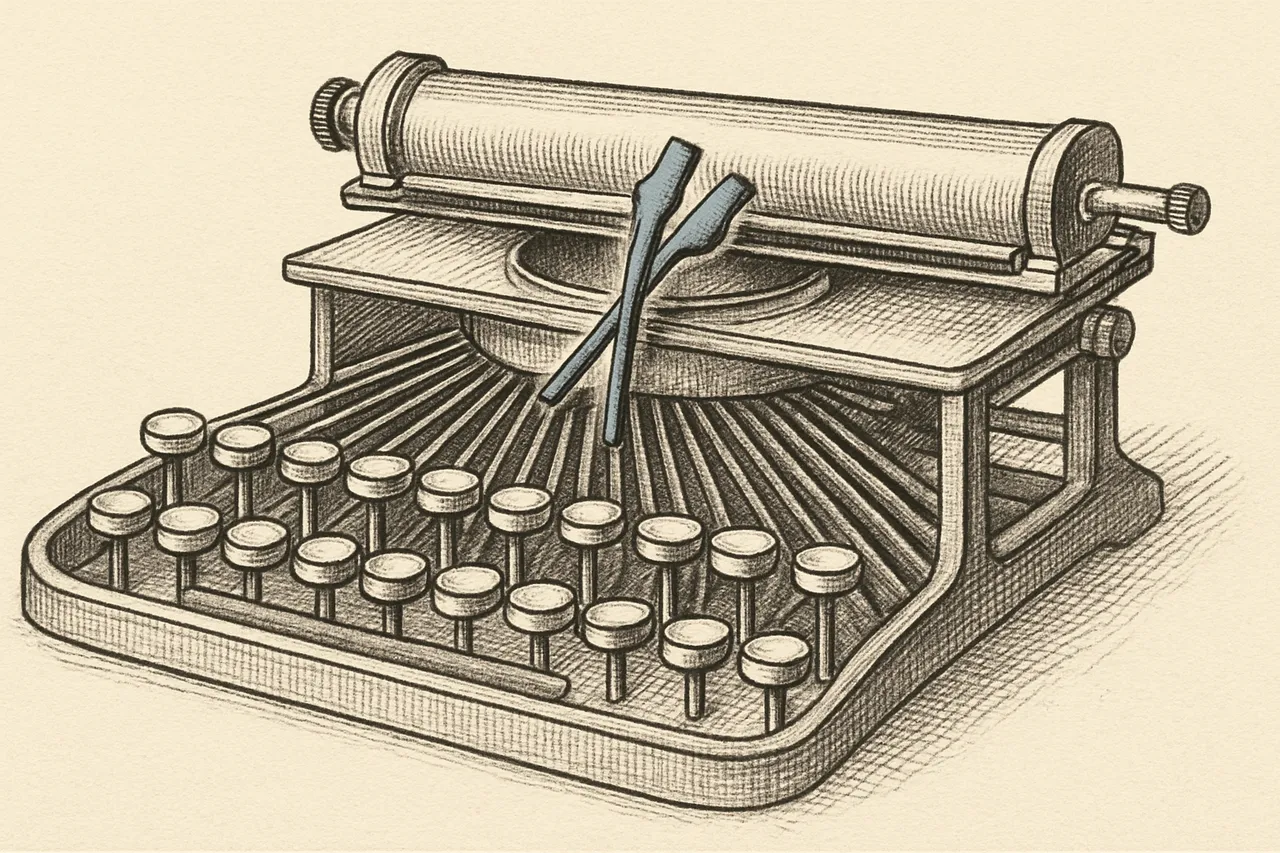
The 1868 Patent Behind the First Successful Typewriter Had Its Keys in Alphabetical Order. QWERTY Came Later, and Nobody Fully Agrees Why.
Christopher Latham Sholes and two partners patented a typewriter in Milwaukee in 1868 with keys arranged like a piano, roughly in alphabetical order. Over the next several years the letters were shuffled into QWERTY. The popular explanation for that is a distortion of a better one.
Read the story →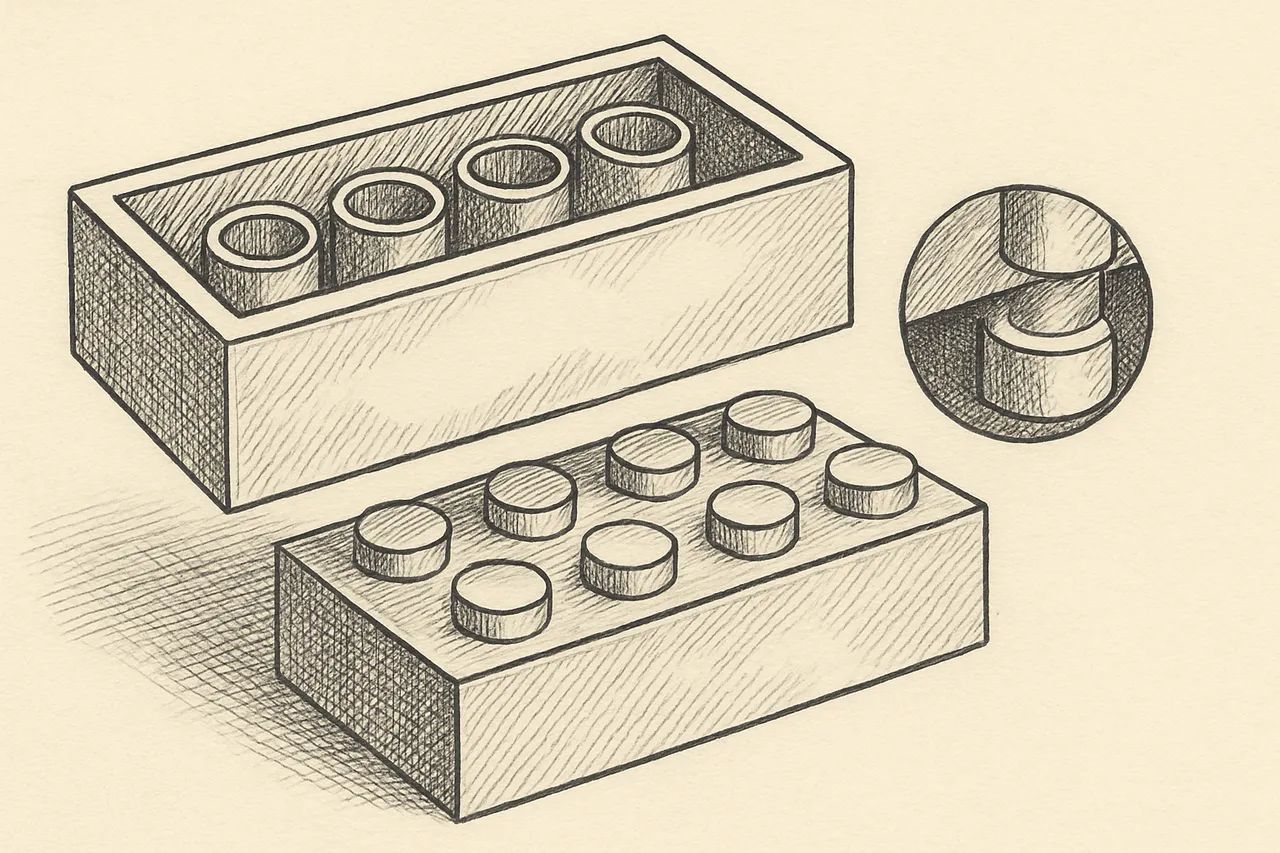
LEGO Bricks Were on Sale for Nine Years Before They Held Together Properly. The Fix Was a Row of Hollow Tubes.
The first LEGO bricks had studs on top and an empty space underneath, so models tended to come apart when you picked them up. Godtfred Kirk Christiansen's 1958 design put tubes inside the brick, and a brick molded that year still fits one molded today.
Read the story →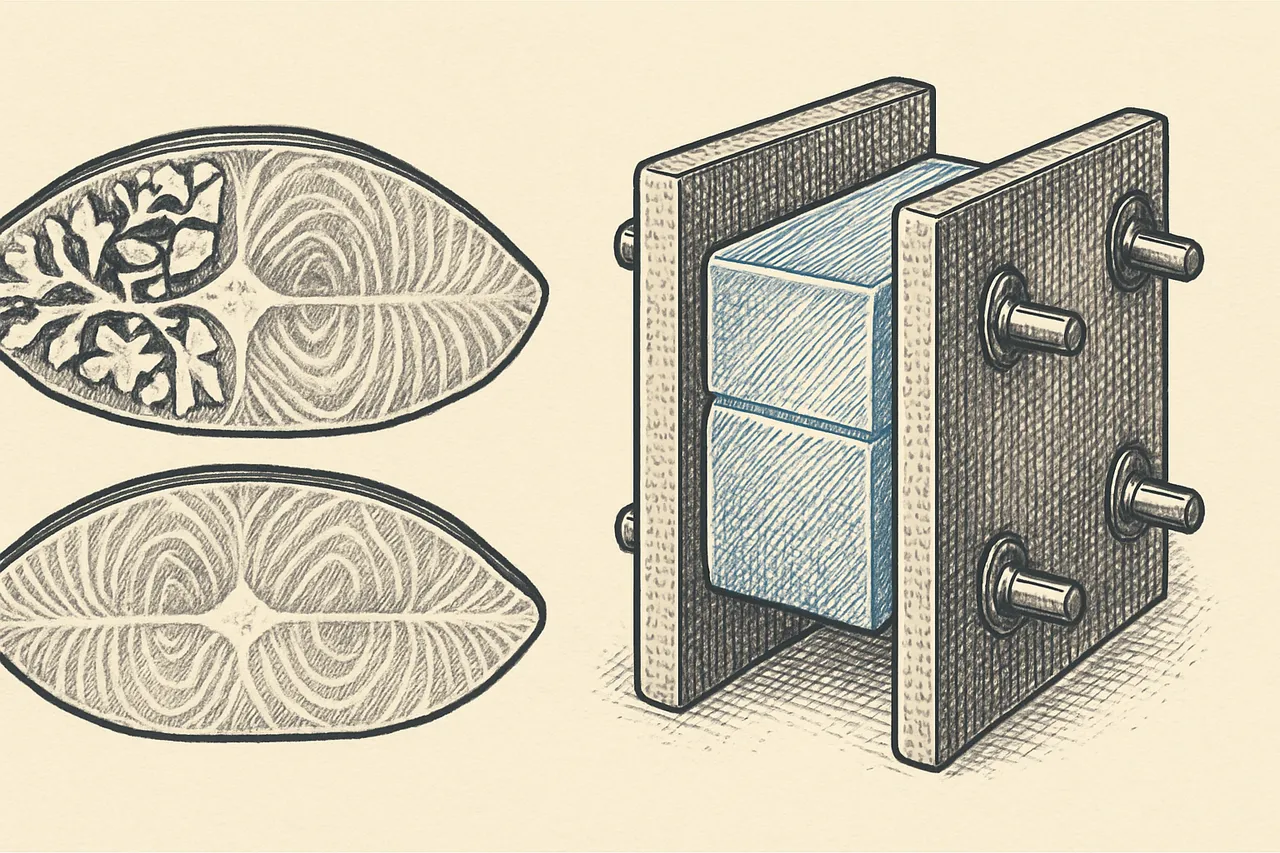
Clarence Birdseye Watched Inuit Fishermen Pull Fish From a Hole in the Ice and Worked Out Why Frozen Food Tasted Bad
Frozen food existed long before Birdseye and it was considered close to inedible. What he figured out in Labrador is that the problem was never freezing. It was freezing slowly, and the difference comes down to the size of the ice crystals.
Read the story →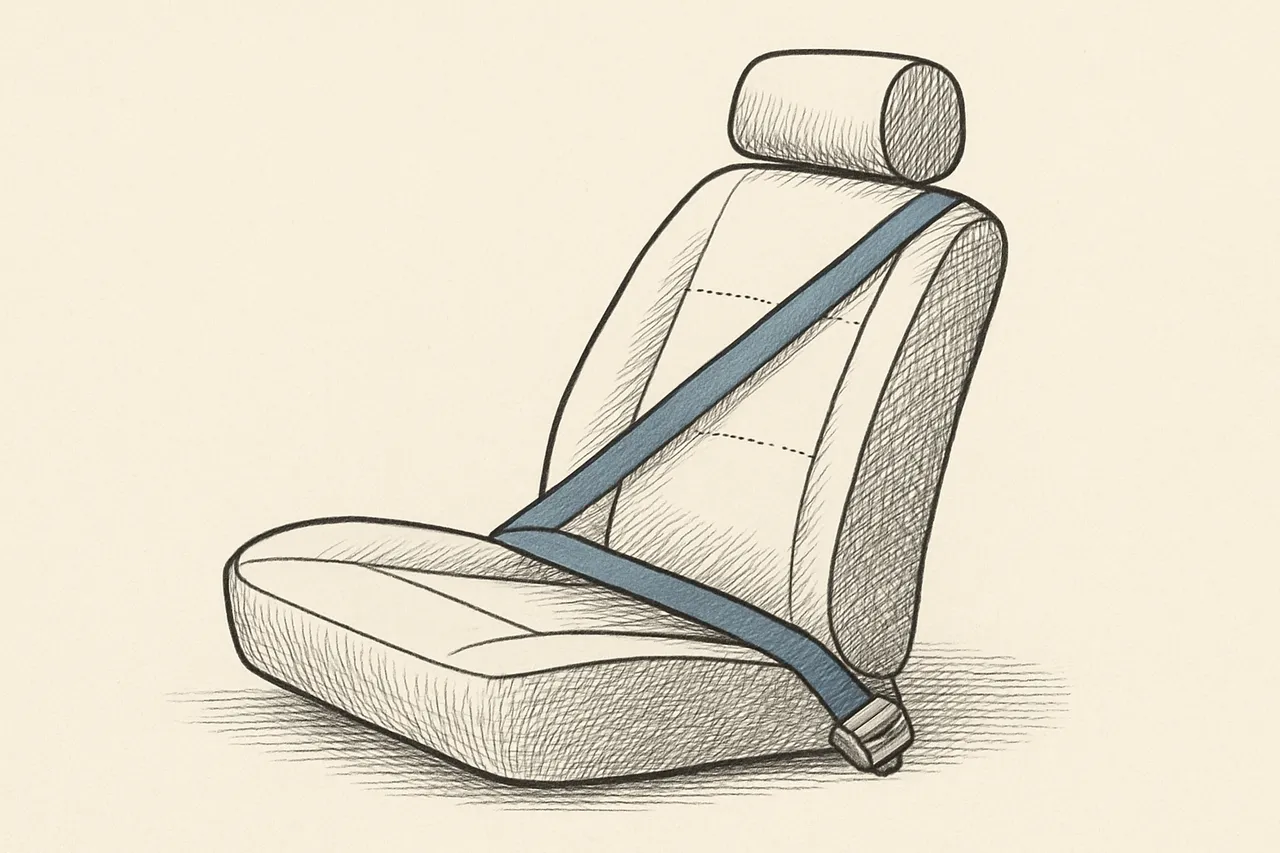
Volvo Patented the Three-Point Seat Belt in 1959, Then Opened the Patent to Every Rival It Had
Nils Bohlin came from building ejection seats for fighter aircraft, and he solved the seat belt in about a year. Volvo then did the thing companies almost never do with a patent that valuable: it made the design free to use, on the grounds that keeping it would cost lives.
Read the story →