Einstein Patented a Refrigerator With No Moving Parts After Reading About a Family Killed by Theirs
In the 1920s home refrigerators could leak poisonous gas. Albert Einstein and Leo Szilard answered with a design that had no pump and no seals to fail, ran on heat alone, and earned them 45 patents in six countries. Freon and the Depression killed it.

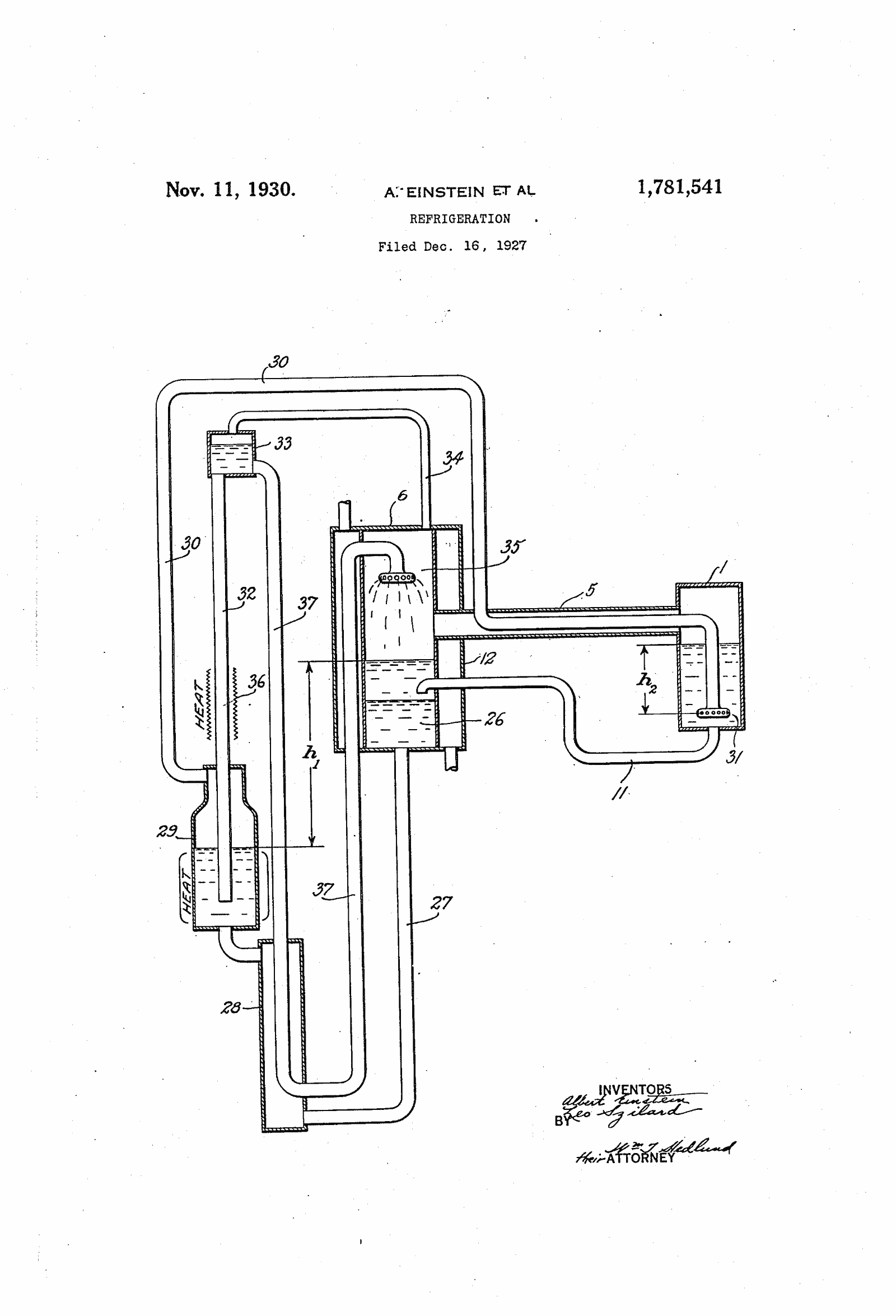
US1781541 was filed on December 16, 1927, with German priority from a year earlier, and granted on November 11, 1930. The title is simply "Refrigeration." The names on it are Albert Einstein of Berlin and Leo Szilard of Berlin-Wilmersdorf, and it was assigned to the Electrolux Servel Corporation of New York.
Einstein was the most famous scientist alive and had a Nobel Prize. Szilard was his former student, a young Hungarian physicist with a habit of filing patents. Together they spent several years working on kitchen appliances.
Why a physicist cared about a fridge
Early home refrigerators used toxic gases such as ammonia and sulfur dioxide, and the pumps that moved them depended on seals. Newspapers reported on a Berlin family killed when a seal failed and fumes leaked into their home. The pair set out to design a refrigerator that had no seal to fail, which meant one with no moving parts at all.
Accounts of who did what vary. Szilard may have done most of the inventing, though some credit Einstein with real design work, and his years as a clerk in the Swiss patent office cannot have hurt.
Three fluids and a flame
The design is an absorption refrigerator, and it needs only a source of heat. The patent gives butane as the refrigerant, with ammonia as a gas added to the evaporator and water to separate them.
Butane evaporates into the ammonia and takes heat from the surroundings, which is the cold part. The mixture then meets water. Ammonia dissolves readily in water and butane does not, so the ammonia is pulled out of the mixture and the butane condenses back to a liquid, ready to return to the evaporator. Heating the ammonia solution in a generator drives the gas back out and keeps the cycle moving.
Nothing turns. There is no compressor and no motor, and the whole machine runs at constant pressure. The patent acknowledges the earlier work it builds on, a design by Baltzar von Platen and Carl Munters, which Electrolux already owned.
45 patents and no product
Einstein and Szilard took out 45 patents in six countries across three models, and Electrolux bought the most promising of them. Very little reached a kitchen. Their designs were less efficient than the machines already on sale, and in the early 1930s a new refrigerant, Freon, appeared to solve the safety problem with ordinary compressors. The Depression cut the money for development. By 1933 both inventors were being driven out of Germany by the Nazis.
Szilard moved on to larger things. A later patent, with Enrico Fermi, covered the nuclear reactor.
The idea came back in 2008, when engineers at Oxford University revived the design for use in places without electricity. They said it was still nowhere near commercial. Freon, meanwhile, turned out to carry a safety problem of its own, for the ozone layer, and a refrigerator that runs on a flame and has nothing to wear out looks less eccentric than it did in 1930.
See the original
The full text and figures of US1781541 are on Google Patents.
Related stories
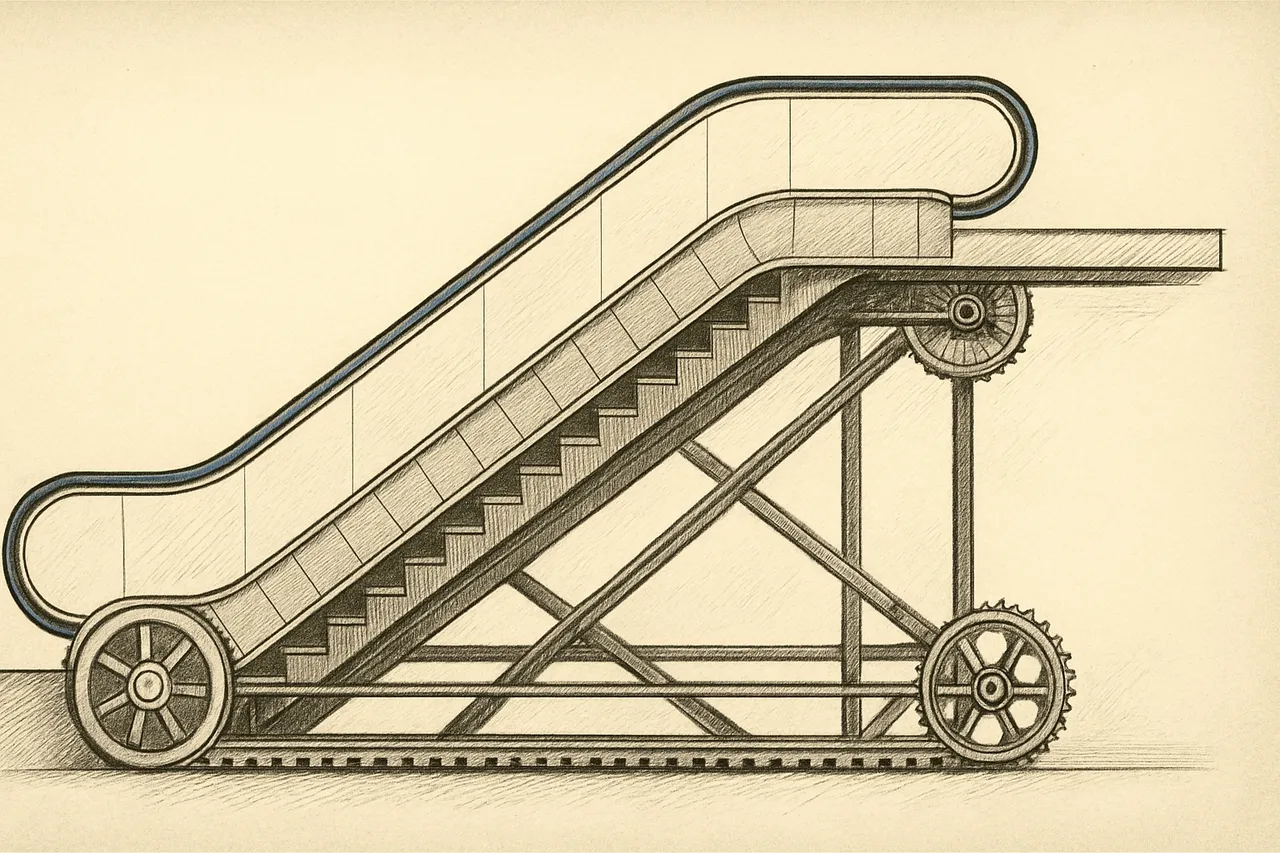
The Escalator Was Patented in 1859. Nobody Built One for Thirty Years.
Nathan Ames patented 'revolving stairs' before the Civil War, imagining them steam-driven in public buildings and hand-cranked at home. He never built one, and died six years later at thirty-eight. The moving staircase arrived a generation after he did.
Read the story →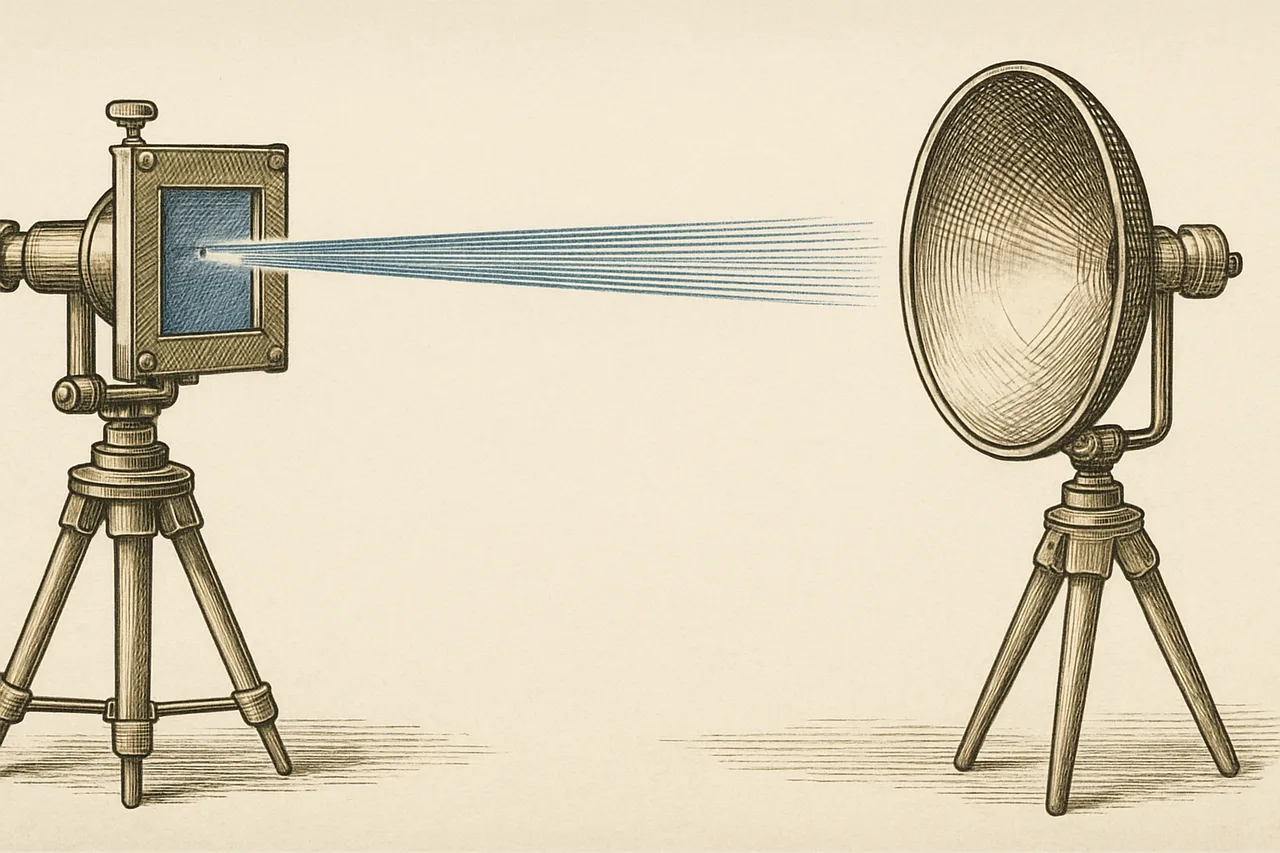
Bell Called It His Greatest Invention. It Sent Speech on a Beam of Light — in 1880.
Alexander Graham Bell thought the photophone, not the telephone, was his finest work. It transmitted the human voice on a beam of sunlight, with no wires at all. It was also a century early: the world had no use for it until fiber optics arrived.
Read the story →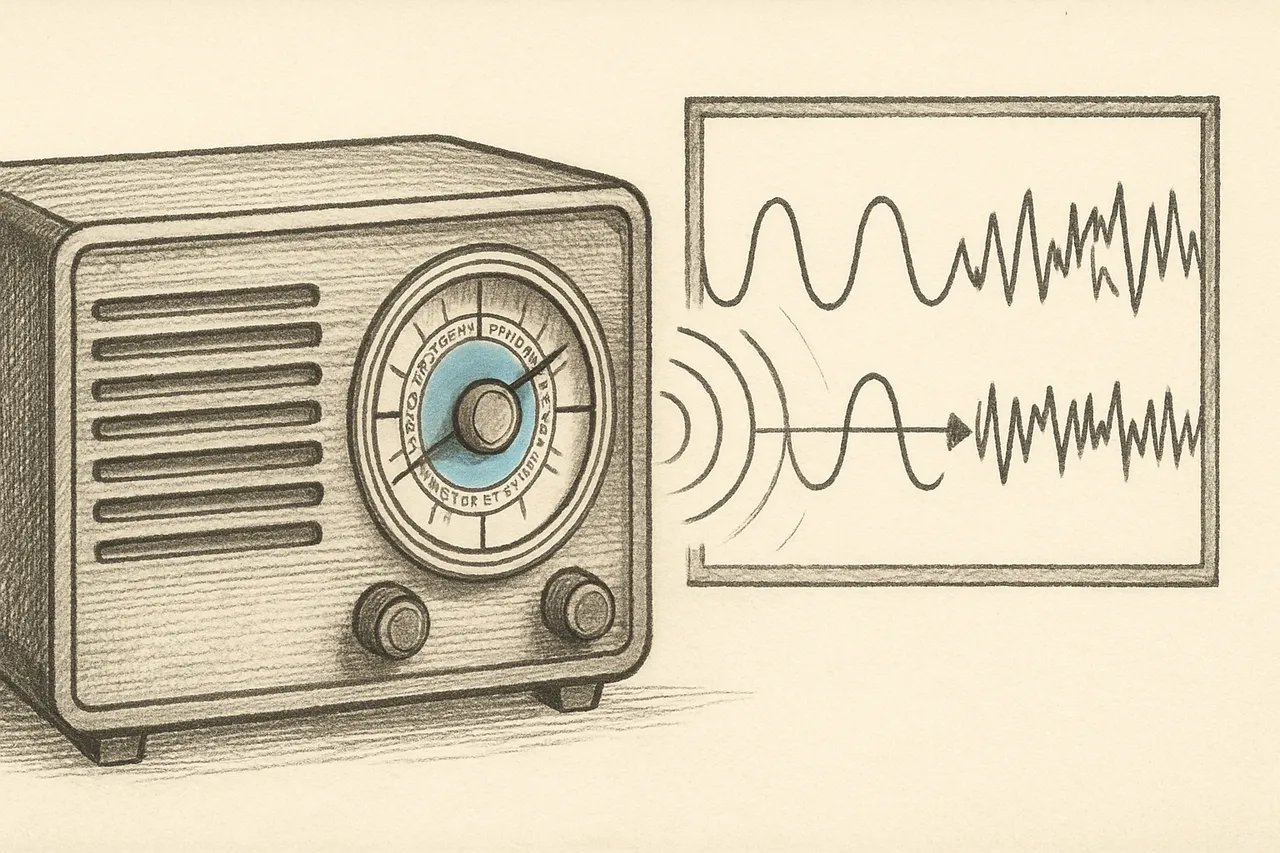
Edwin Armstrong Invented Static-Free Radio. Then the Industry He Threatened Destroyed Him.
FM radio was better than AM in every way: no static, higher fidelity, less power. That was exactly the problem. The company that dominated AM fought it for years, and the inventor spent his fortune fighting back before jumping from his apartment window.
Read the story →
The New York Times Mocked Goddard's Rocket. It Apologized 49 Years Later — Mid-Flight to the Moon.
Robert Goddard patented the fundamentals of the liquid-fuel rocket in 1914. When he suggested a rocket could reach the Moon, a newspaper editorial declared he lacked 'the knowledge ladled out daily in high schools.' The correction ran during Apollo 11.
Read the story →