The Escalator Was Patented in 1859. Nobody Built One for Thirty Years.
Nathan Ames patented 'revolving stairs' before the Civil War. He admitted he wasn't sure what would power them, never built one, and died four years later at thirty-nine. The moving staircase arrived a generation after he did.
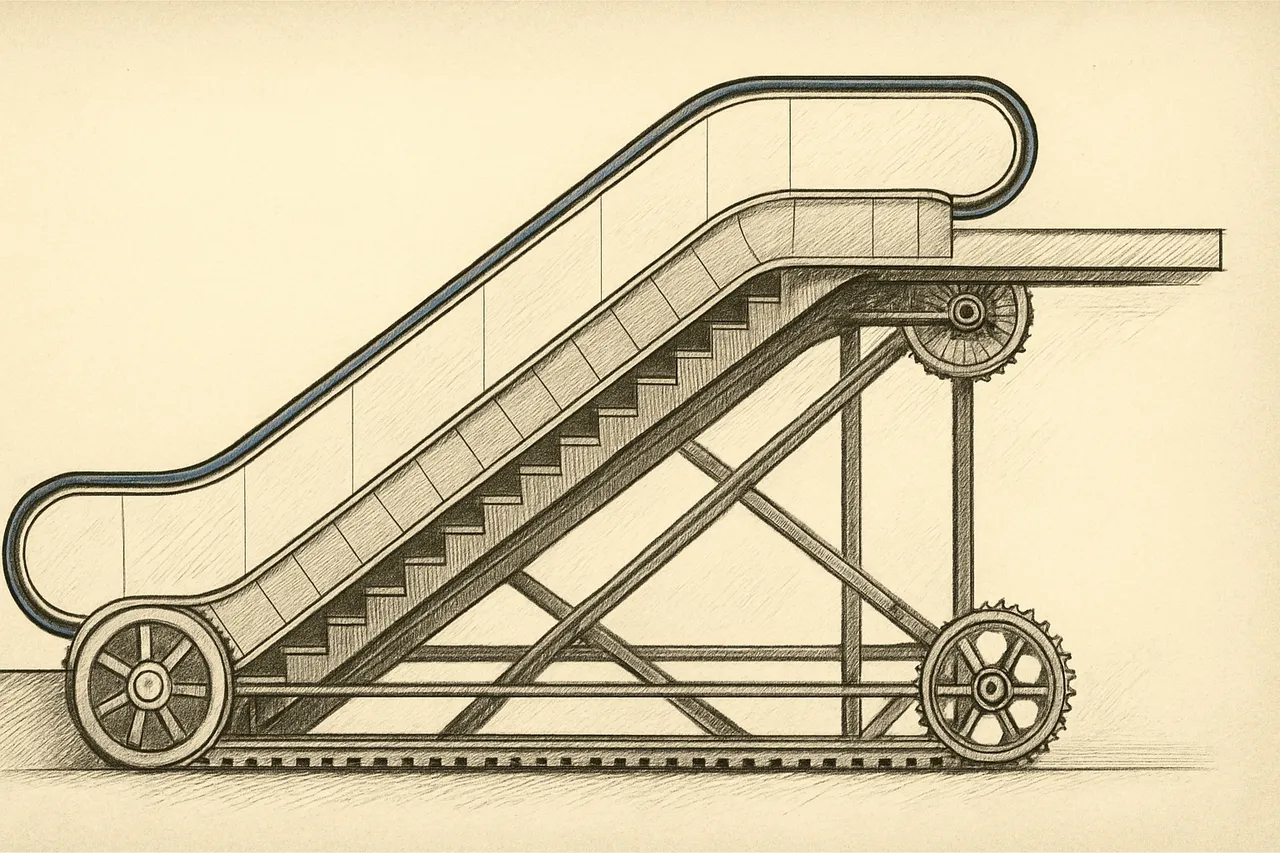
US25076 was granted to Nathan Ames of Saugus, Massachusetts, on August 9, 1859. The title is "Revolving Stairs." It is the first patent for what the world would eventually call an escalator, and it was issued two years before the start of the American Civil War — about a generation before anyone actually built a working one.
Ames was a patent solicitor by trade, which is to say he spent his days looking at other people's inventions. His own contribution describes a continuous loop of linked steps traveling around two end wheels, carrying passengers up an incline and returning empty underneath. That is, in its essentials, precisely how a modern escalator works.
The part he couldn't solve
The patent is unusually candid about its own limits. Ames proposed the mechanism but was frankly uncertain what should drive it. He suggested it might be powered by hand, or by some form of hydraulic arrangement, or possibly by weight and counterweight — leaving the question genuinely open. Practical electric motors did not yet exist, and steam power was awkward to distribute inside a building.
He also floated an application that reads oddly today: he thought revolving stairs might be particularly useful in private homes, for the elderly or infirm, moving people between floors of a residence.
Nathan Ames never built one. He died in 1865, aged thirty-nine, with the patent unbuilt and unlicensed.
Who actually built it
The moving staircase arrived in the 1890s, when the surrounding technology finally caught up. Jesse Reno installed an inclined moving belt — more a powered ramp with cleats than a staircase — as an amusement ride at Coney Island in 1896, carrying thrilled passengers up a modest slope. Around the same time, working from a different patent lineage, Charles Seeberger developed a true flat-step moving staircase, and it was Seeberger who, collaborating with the Otis Elevator Company, coined the trade name that stuck: escalator, from the Latin scala, a ladder, blended with the word elevator.
Otis exhibited it at the 1900 Paris Exposition, where it won first prize, and the modern escalator was launched. Otis later bought out both Reno's and Seeberger's interests, which is why the company that made the safe elevator also came to dominate the moving stair.
What the delay tells us
Ames's patent belongs to a specific category this archive keeps returning to: the correct mechanism, described before the world could power it. His drawings are not fanciful. The loop-of-steps arrangement is right. What he lacked was the compact, reliable, distributable motive power that only electrification would provide four decades later.
He also, characteristically for the genre, aimed at the wrong market. He imagined revolving stairs in the homes of the infirm. The escalator's actual destiny was the opposite: enormous public spaces — department stores, subway stations, airports — moving vast crowds continuously, an application that could not have made much sense in 1859, before the buildings and the crowds existed.
The word "escalator" was, incidentally, a trademark that Otis lost through genericization in 1950 — it had become the ordinary English word for the thing, which is the fate of a successful invention and the opposite of what happened to Nathan Ames.
See the original
The full text and figures of US25076 are on patents.us.
Related stories
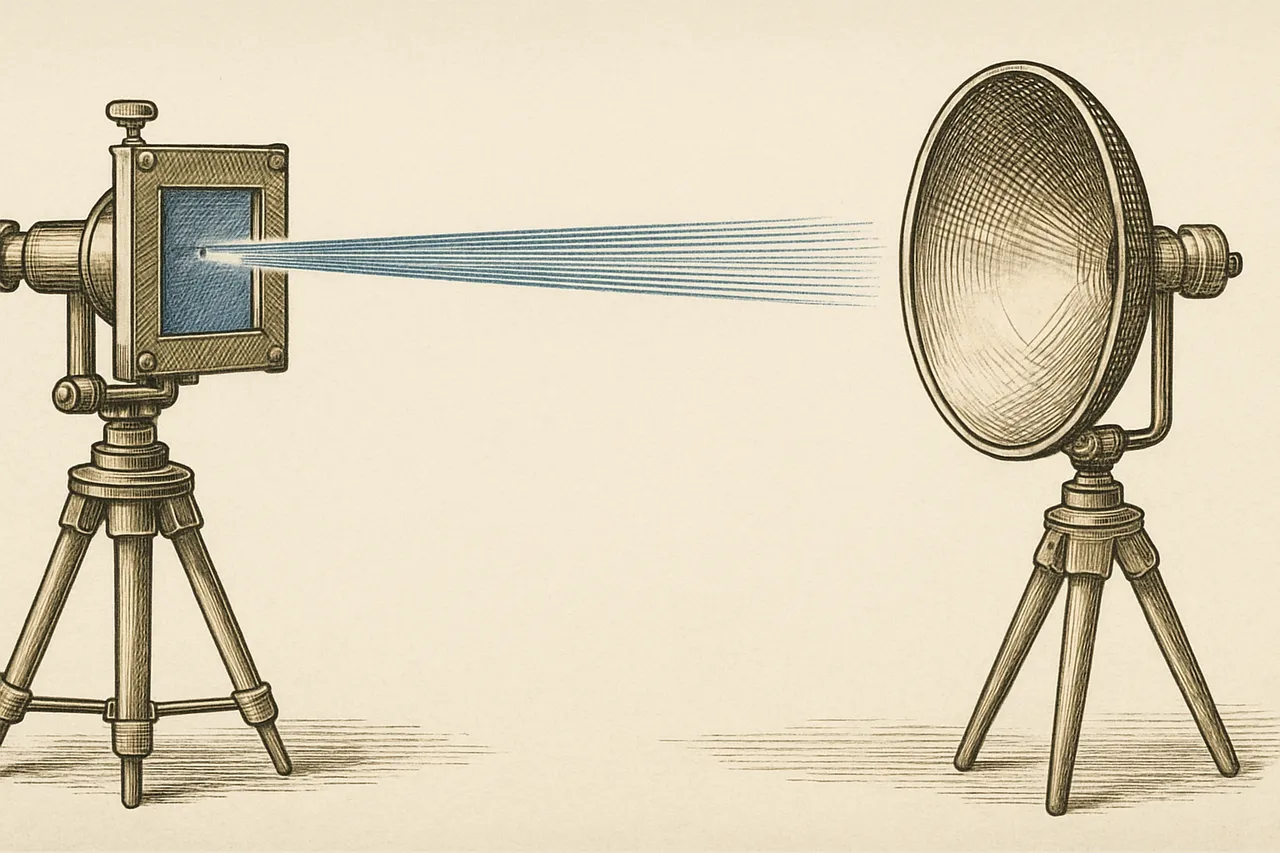
Bell Called It His Greatest Invention. It Sent Speech on a Beam of Light — in 1880.
Alexander Graham Bell thought the photophone, not the telephone, was his finest work. It transmitted the human voice on a beam of sunlight, with no wires at all. It was also a century early: the world had no use for it until fiber optics arrived.
Read the story →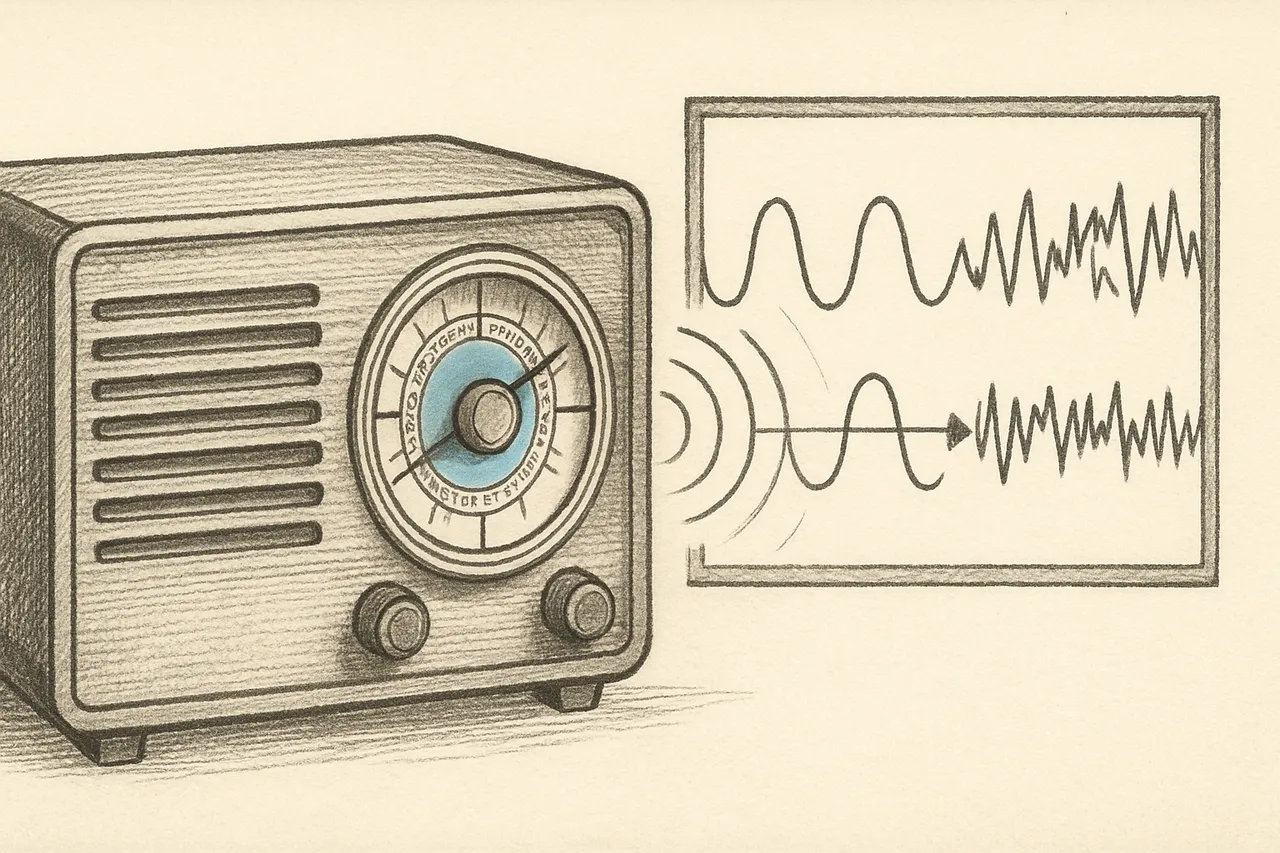
Edwin Armstrong Invented Static-Free Radio. Then the Industry He Threatened Destroyed Him.
FM radio was better than AM in every way — no static, higher fidelity, less power. That was exactly the problem. The company that dominated AM spent two decades in court to bury it, and the inventor spent his fortune fighting back before jumping from his apartment window.
Read the story →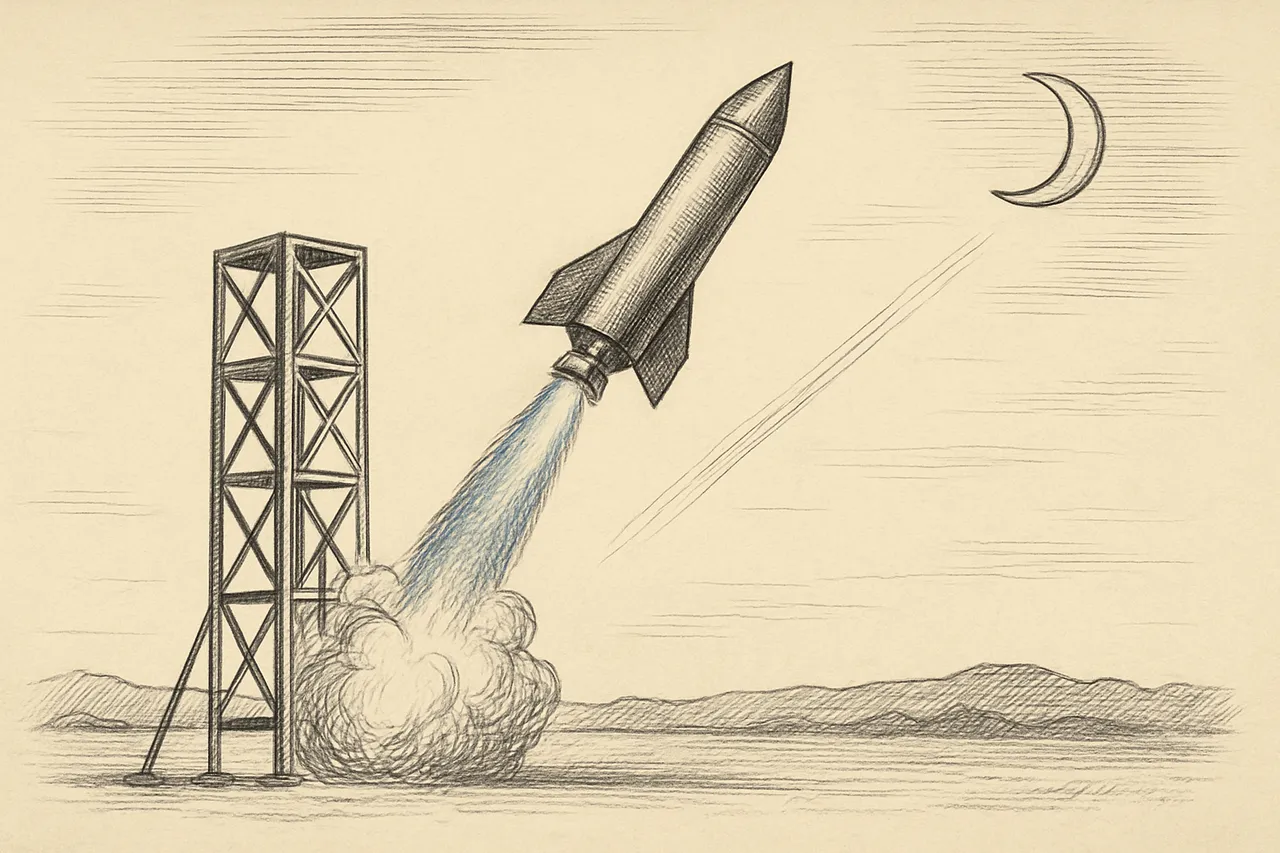
The New York Times Mocked Goddard's Rocket. It Apologized 49 Years Later — Mid-Flight to the Moon.
Robert Goddard patented the fundamentals of the liquid-fuel rocket in 1914. When he suggested a rocket could reach the Moon, a newspaper editorial declared he lacked 'the knowledge ladled out daily in high schools.' The correction ran during Apollo 11.
Read the story →
Chester Carlson Invented the Photocopier. Twenty Companies Said No.
A patent attorney tired of copying documents by hand invented dry photocopying in his kitchen in 1938. IBM, Kodak, GE, RCA, and the US Navy all turned it down. The company that finally said yes became Xerox.
Read the story →