Mark Twain Patented a Strap to Replace Suspenders. He Thought Its Advantages Needed No Explanation.
In 1871 Samuel Clemens of Hartford patented an elastic strap that buttoned onto a vest or trousers and moved from one garment to the next. It was the first of his three patents. The story that it became the bra strap is mostly folklore.

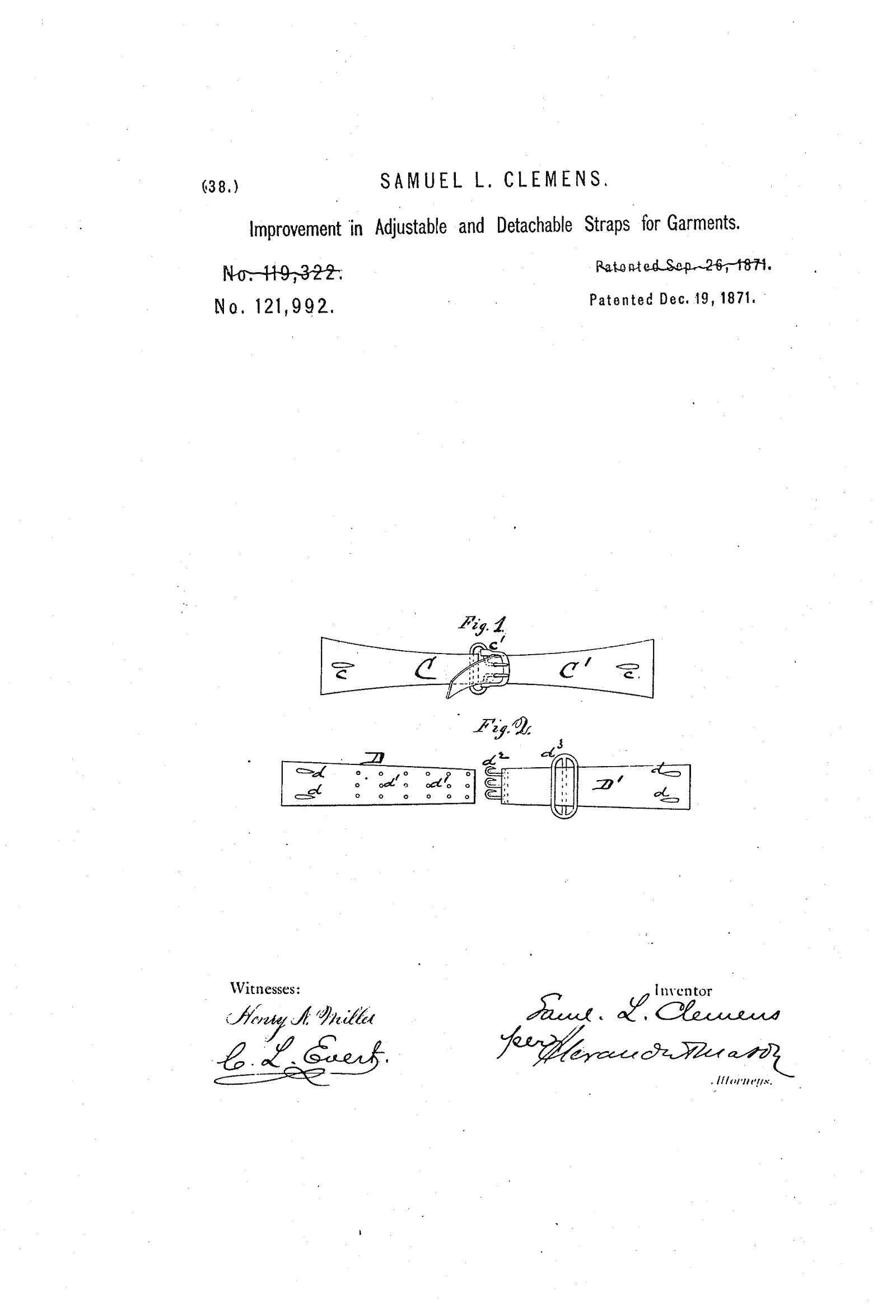
US121992 was granted on December 19, 1871, to Samuel L. Clemens of Hartford, Connecticut. The title is "Improvement in Adjustable and Detachable Straps for Garments." Clemens was by then well known as Mark Twain, and this was the first of his three patents.
The invention is a strap. It is elastic, it comes in two pieces joined by a slide so it can be lengthened or shortened, and it buttons onto "vests, pantaloons, or other garments requiring straps." The garment needs only buttons in the right places. When you change clothes, you unbutton the strap and move it to the next one.
The specification is short, and it ends with a line no patent attorney would write today: "The advantages of such an adjustable and detachable elastic strap are so obvious that they need no explanation."
Why a novelist wanted a strap
Men's waistcoats and trousers of the period were often tightened with a strap and buckle sewn to the back. If you owned several, each needed its own, and they were fiddly to adjust. Twain also seems to have disliked suspenders, and the strap was meant as an alternative. The patent claims it plainly, as "the adjustable and detachable back-strap for garments."
He paid the filing fee in September 1871. The grant followed in December.
The other two
The strap made no money. Belts came back for men's trousers, and waistcoat buckles improved. Twain's second patent did much better: a self-pasting scrapbook, its pages coated with dried adhesive that needed only to be moistened. More than 25,000 were sold. His third was a history trivia game.
He liked inventions and inventors. He was a close friend of Nikola Tesla and spent time in his laboratory, and he lost a fortune backing a typesetting machine that never worked reliably.
The bra-strap story
It is often said that Twain's strap became the clasp or strap on the modern bra. The claim gets repeated because it is fun, but there is little evidence for it. The patent had long expired when the first modern brassiere was patented in 1914, and that one was famously two handkerchiefs and a ribbon.
What the patent does show is Twain as a practical man with a small, sensible idea. He was so sure of it that he did not bother to explain why it was good.
See the original
The full text and figures of US121992 are on Google Patents.
Related stories
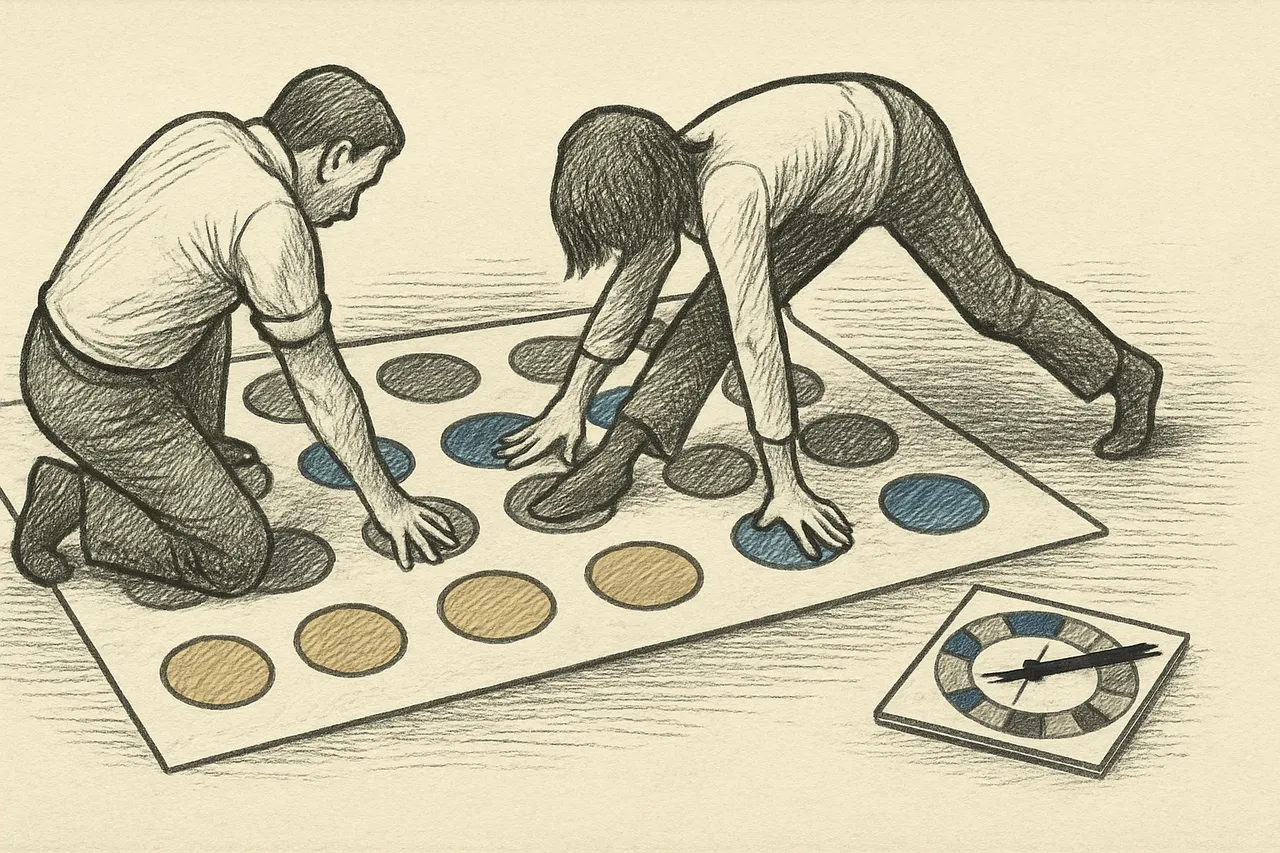
Twister's Patent Is Titled 'Apparatus for Playing a Game Wherein the Players Constitute the Game Pieces'
The patent title is the whole idea: the people are the pieces. Milton Bradley released the game in 1966, some retailers were wary of it, and critics found it a little too intimate. Then Johnny Carson played it on television with Eva Gabor, and the orders poured in.
Read the story →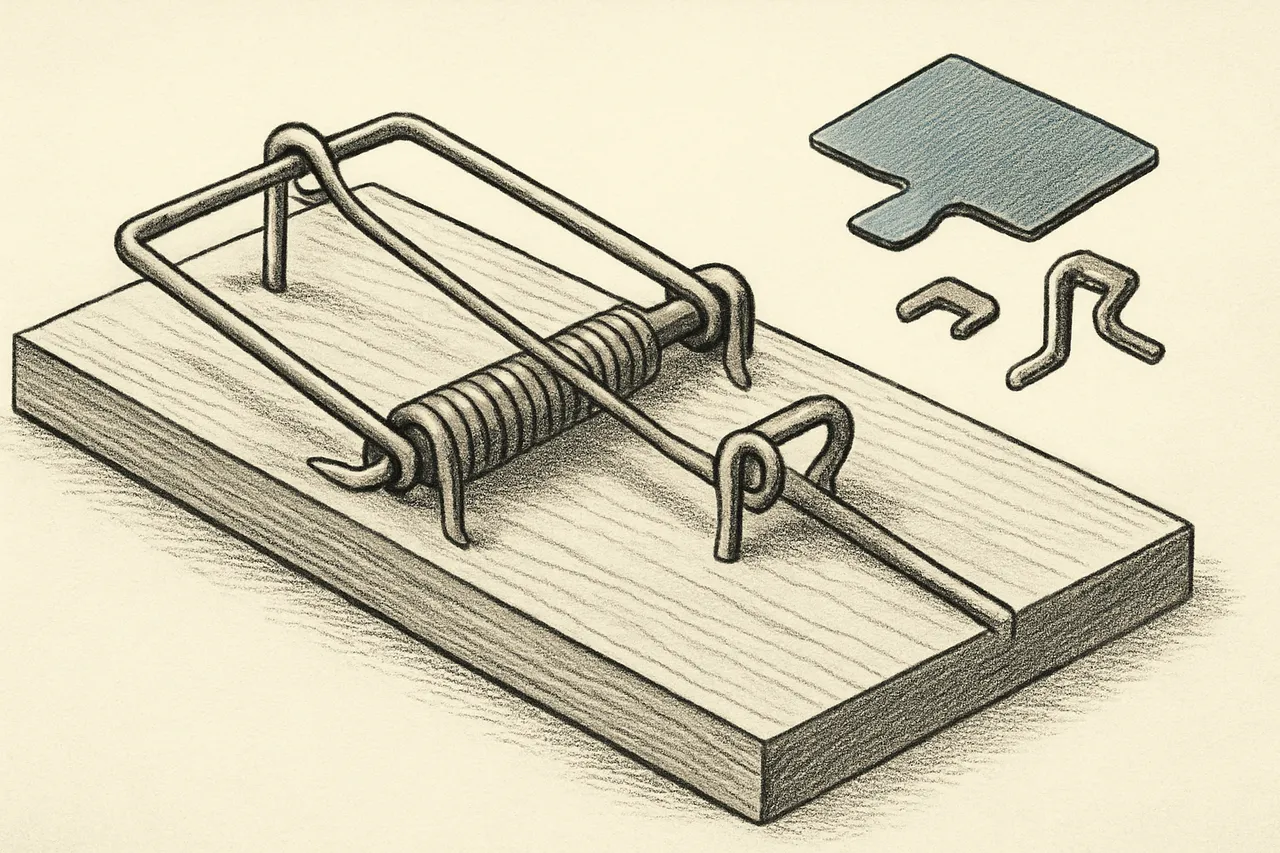
The Mousetrap Is the Most-Patented Device in American History. Almost None of Them Work.
More than four thousand mousetrap patents have been granted in the United States. By the usual estimate, roughly twenty have ever made money. The one that won was patented in 1894 and costs about a quarter.
Read the story →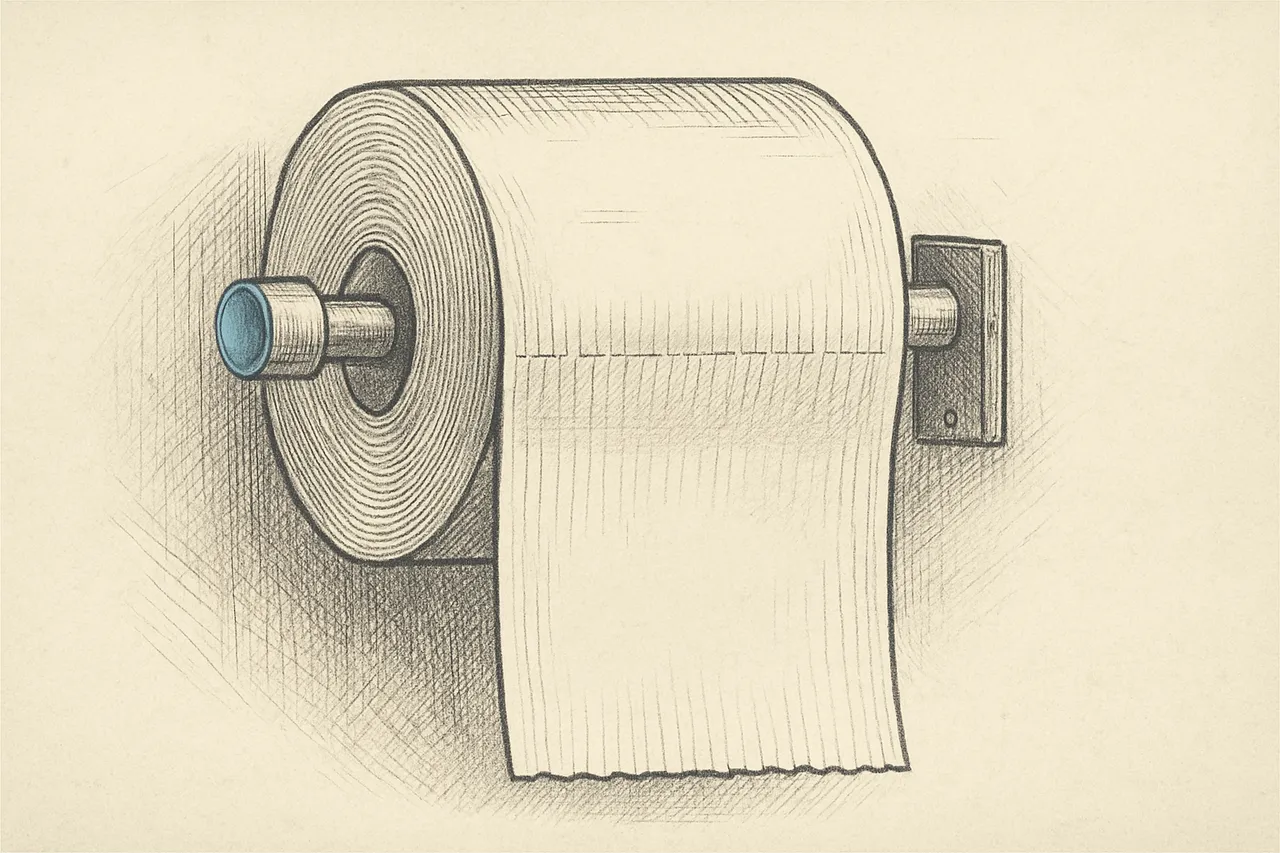
The 1891 Patent That Settles the Toilet Paper Argument: It's Over
Seth Wheeler of Albany patented perforated rolled paper in 1871 and the toilet paper roll in 1891. Both of his 1891 patent drawings show the sheet coming over the top of the roll. Here are the original drawings, and what the patents actually claim.
Read the story →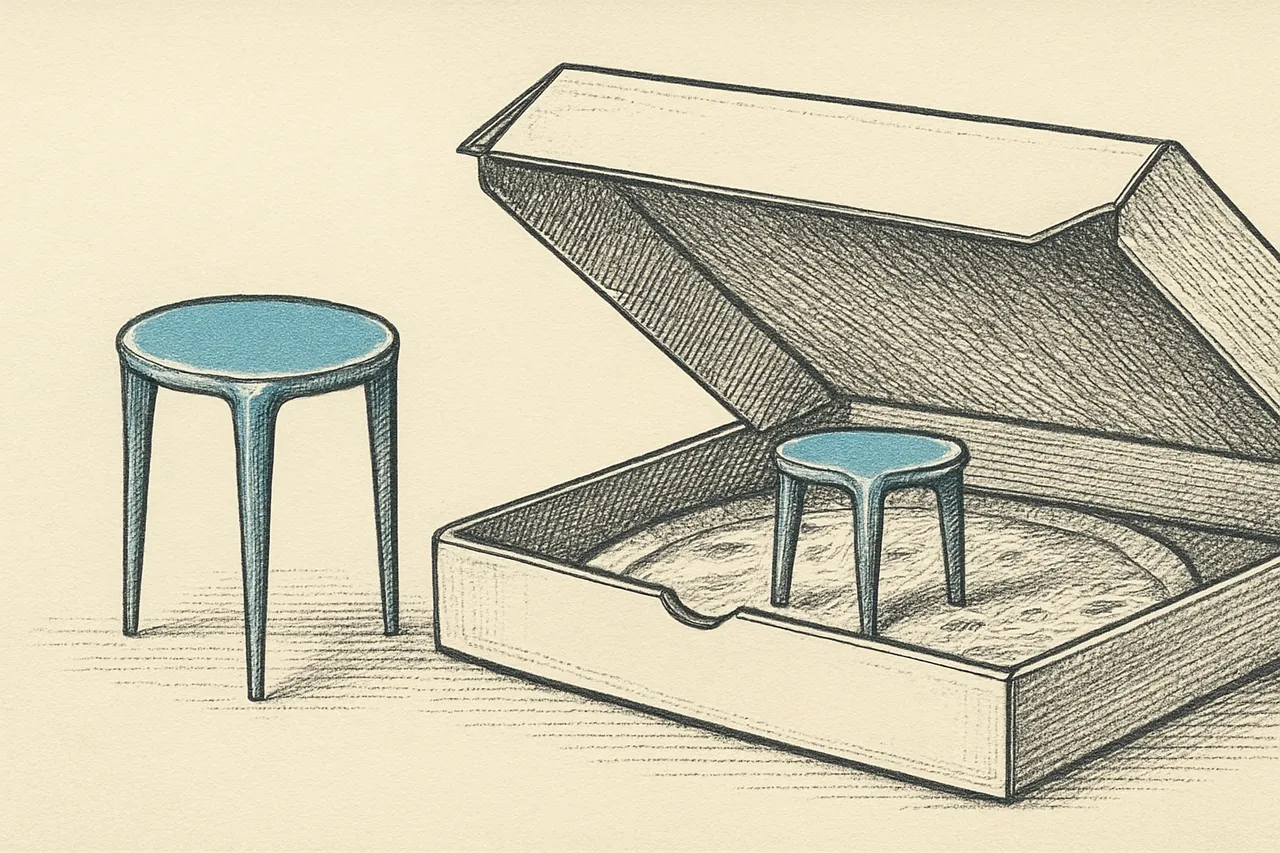
Someone Patented the Little Plastic Table in Your Pizza Box
The three-legged plastic stool in the middle of a delivered pizza has a name, a purpose, and a 1985 United States patent. It exists because a hot cardboard lid sags, and a sagging lid ruins the cheese.
Read the story →