Someone Patented the Little Plastic Table in Your Pizza Box
The three-legged plastic stool in the middle of a delivered pizza has a name, a purpose, and a 1985 United States patent. It exists because a hot cardboard lid sags, and a sagging lid ruins the cheese.
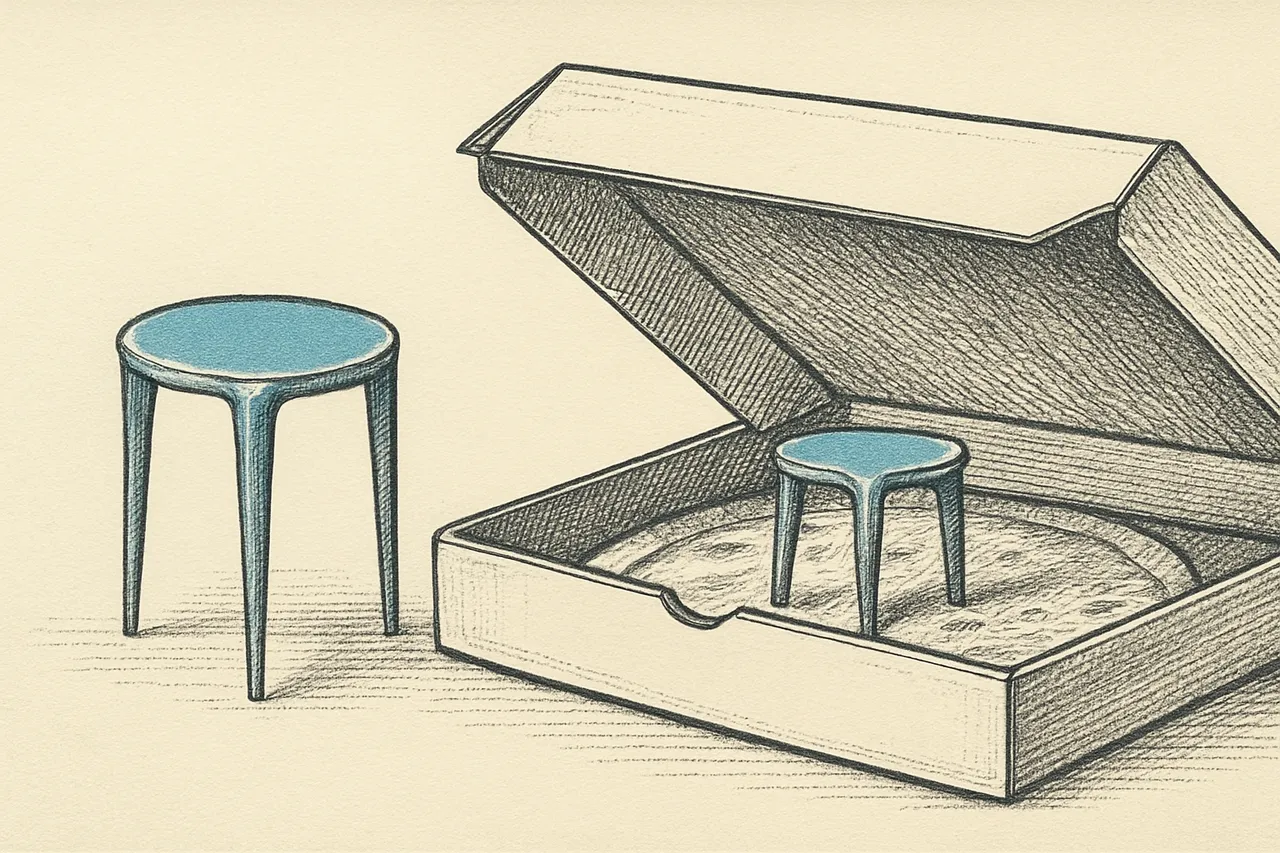
US4498586 was granted on February 12, 1985, to Carmela Vitale of Dix Hills, New York. The title is "Package Saver." You have almost certainly held one. It is the tiny white plastic tripod — three short legs, a flat round top, roughly an inch across — that sits in the middle of a delivered pizza.
Most people assume it is a mistake, a piece of manufacturing debris, or a small table for an extremely small guest. It is none of those. It is doing a specific and genuinely necessary job.
The problem it solves
A pizza box is corrugated cardboard, and a fresh pizza is hot and wet. The steam rising off the cheese soaks into the underside of the lid during delivery, and wet corrugated cardboard loses its rigidity fast. Stack a second box on top, or simply let the box sit for fifteen minutes in a delivery bag, and the softened lid sags down into the middle of the pizza — sticking to the cheese, dragging toppings loose, and arriving at your door as a smeared mess.
Vitale's solution is the minimum viable object. A small, rigid, heat-resistant tripod, placed at the center of the pie, holds the lid up off the food. Three legs because three points define a plane and will not rock on an uneven surface. Small because it must displace as little pizza as possible. Cheap, because a pizzeria is going to throw away tens of thousands of them.
The patent is written in the plain, unglamorous register of real packaging engineering, which is part of its charm. It is not a joke. It is a competent piece of design solving a problem that costs pizzerias money in remakes and refunds.
Why it's on the list
The package saver shows up on "surprising patents" lists rather than "ridiculous" ones, and it earns its place through sheer ubiquity-to-obscurity ratio. Billions have been manufactured. Nearly everyone in the developed world has handled one. Almost nobody knows it has a name, a designer, or a patent — and the number of people who could tell you what it is actually for is smaller still.
It is a reminder that the patent archive is not only full of telephones and absurdities. It is mostly full of this: small, invisible, thoroughly considered objects that make ordinary things work slightly better, invented by people whose names never surface. Carmela Vitale died in 2015. The patent expired long ago, which is why every pizzeria in the world can use the design for free.
The next time you pull one out of a pizza, you are holding the solution to a structural-engineering problem in wet corrugated cardboard.
See the original
The full text and figures of US4498586 are on patents.us.
Related stories
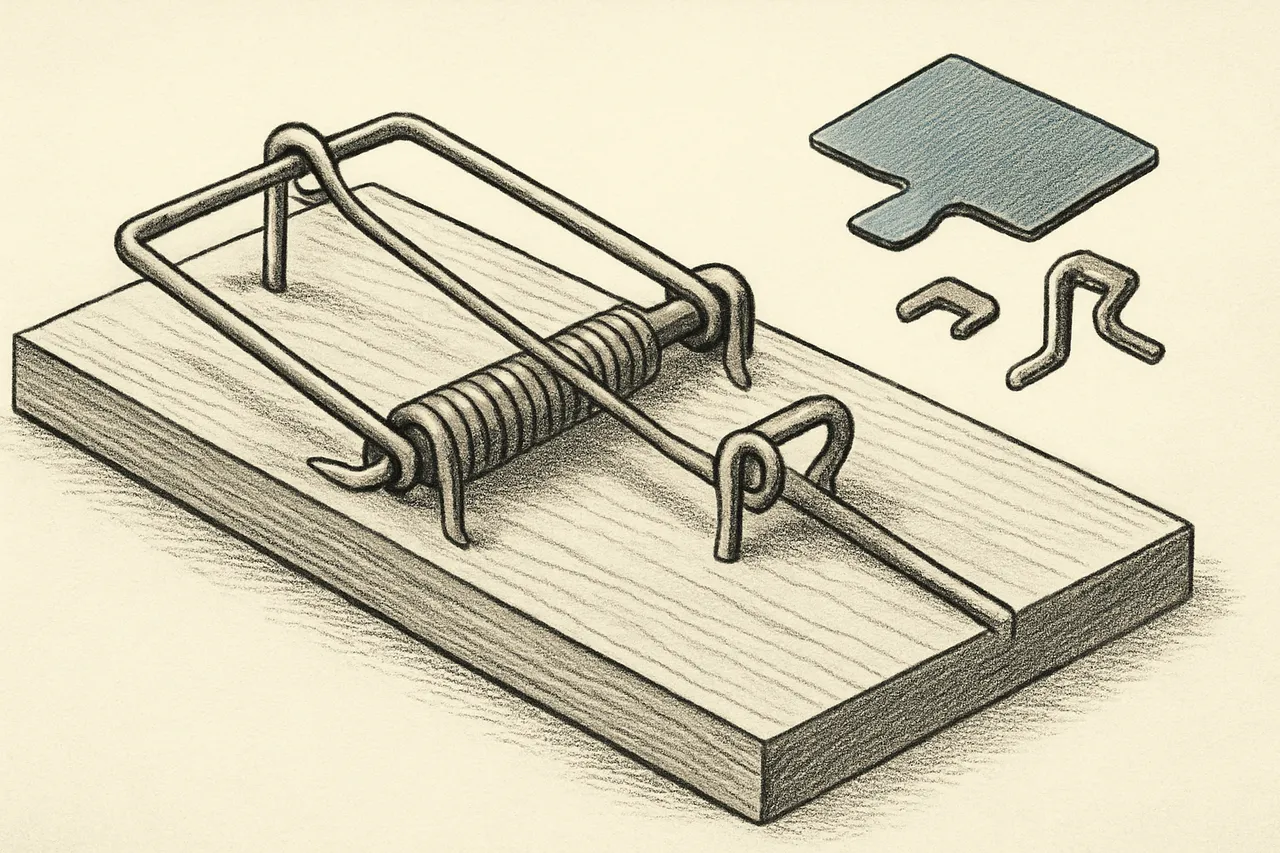
The Mousetrap Is the Most-Patented Device in American History. Almost None of Them Work.
More than four thousand mousetrap patents have been granted in the United States, and thousands more rejected. Roughly twenty have ever made money. The one that won was patented in 1894 and costs about a quarter.
Read the story →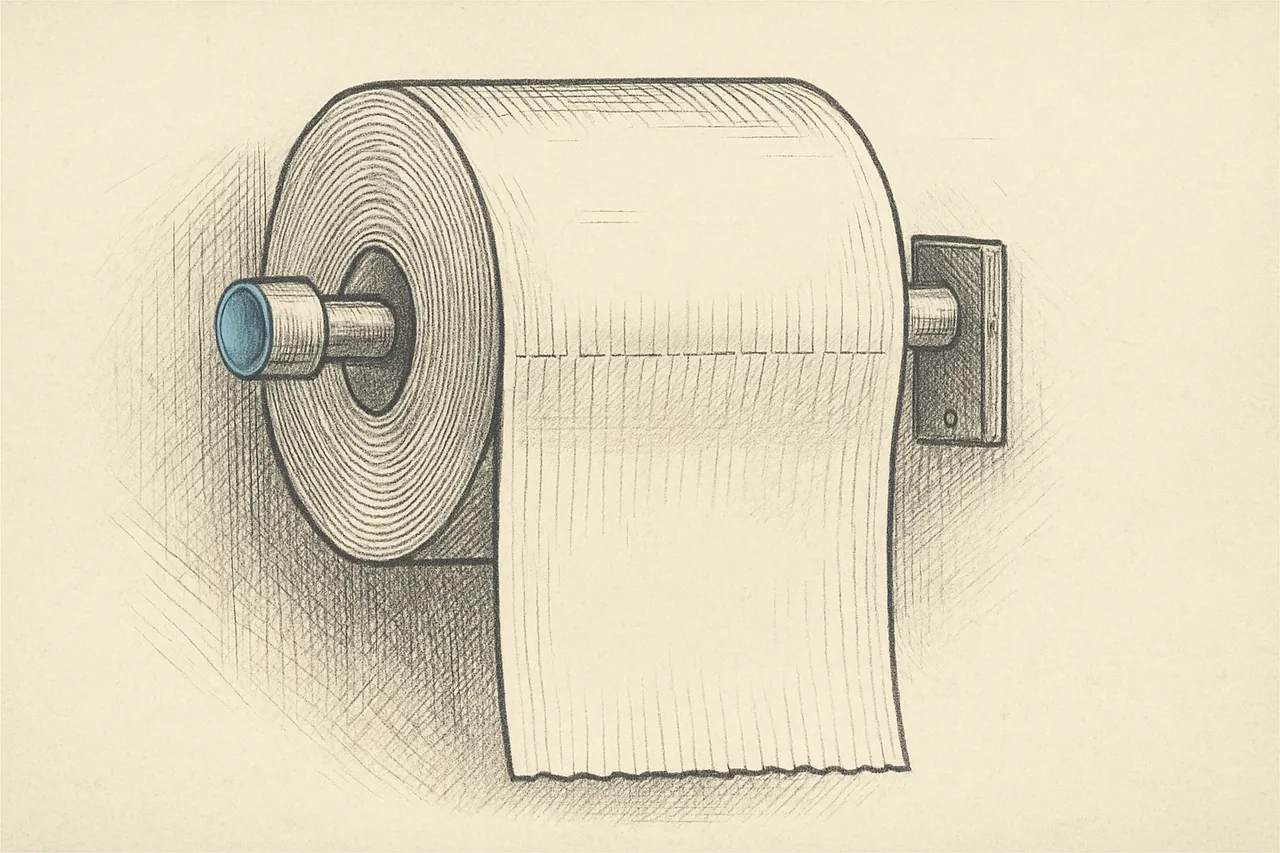
The 1891 Patent That Settles the Toilet Paper Argument: It's Over
Households have argued about whether the roll should hang over or under for more than a century. The original patent drawing, filed by Seth Wheeler in 1891, shows the paper coming over the top. The inventor's own diagram is not ambiguous.
Read the story →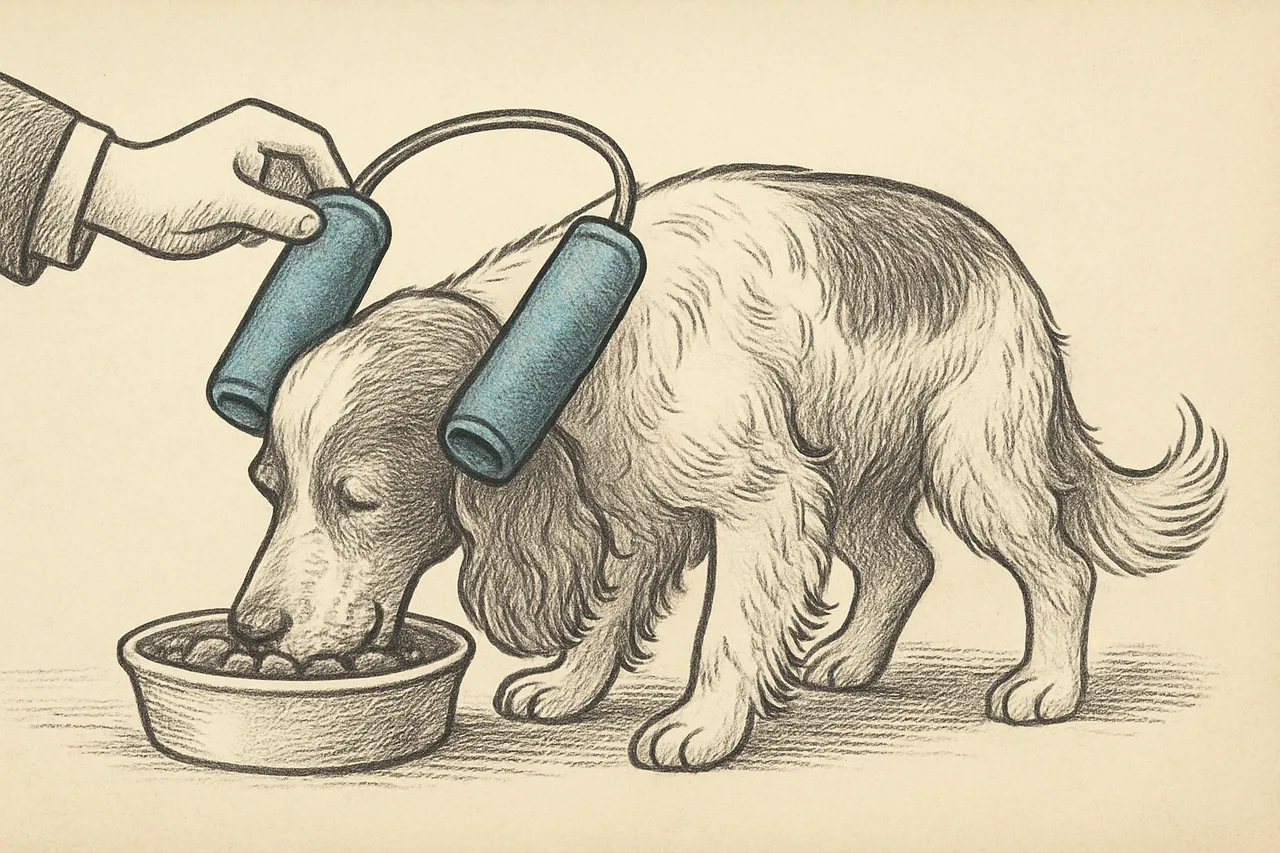
The Patent for Keeping a Dog's Ears Out of Its Food
In 2002, a patent was granted for a set of tubes that slip over the long ears of breeds like spaniels and setters, holding them up and back so they don't drag through the food bowl. It is deeply silly and, if you own such a dog, deeply reasonable.
Read the story →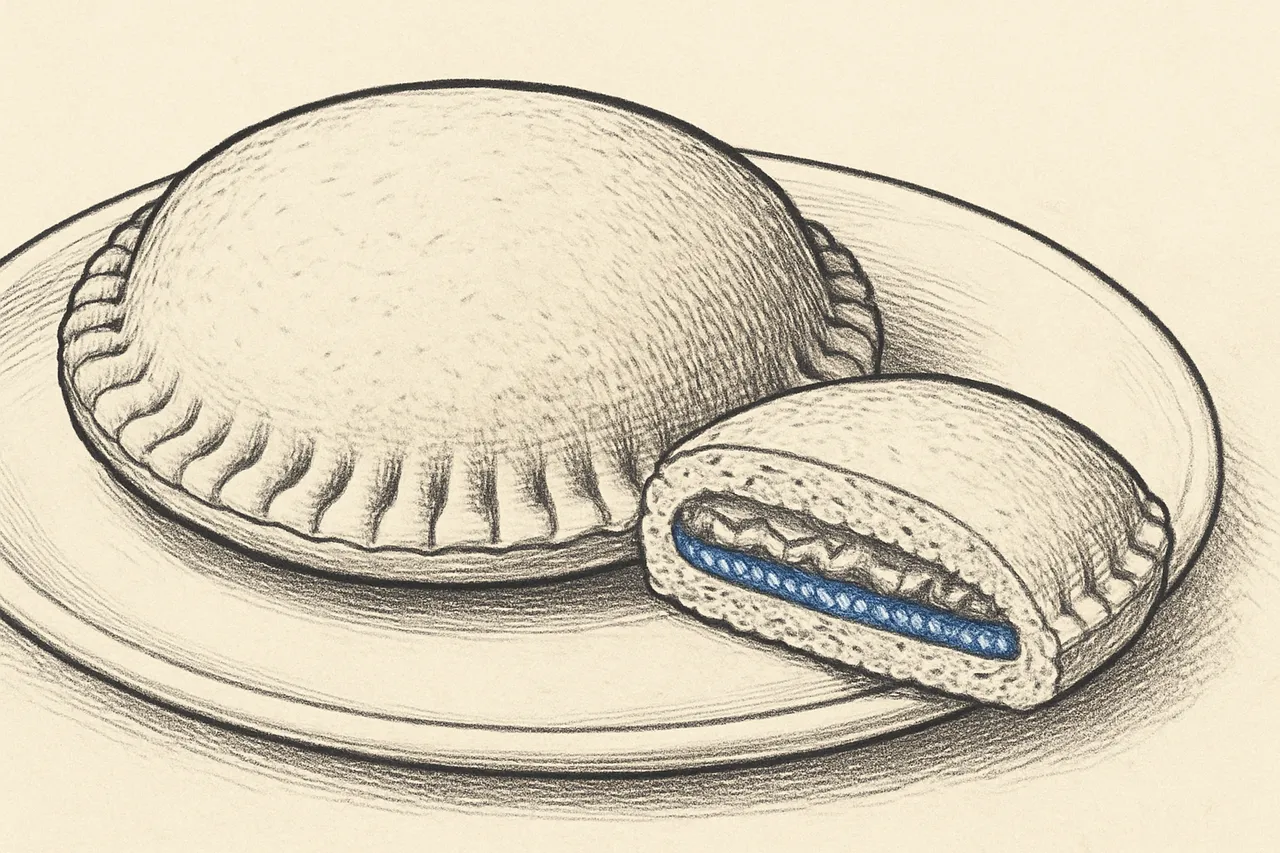
Smucker's Patented the Peanut Butter and Jelly Sandwich
In 1999, the J.M. Smucker Company received a US patent on a 'Sealed Crustless Sandwich.' For seven years, the company sent cease-and-desist letters to small-town caterers, school lunch programs, and competing sandwich makers, before the patent was finally pulled apart on reexamination.
Read the story →