Coca-Cola Asked Glassmakers for a Bottle You Could Recognize in the Dark, or Broken on the Ground
In 1915 Coca-Cola had an imitation problem, since competitors used the same straight-sided bottles and borrowed-sounding names. It challenged glass companies to design a bottle identifiable by touch alone. The winner came from a small glassworks in Terre Haute, Indiana, and the name on the patent is not the name of the man who drew it.
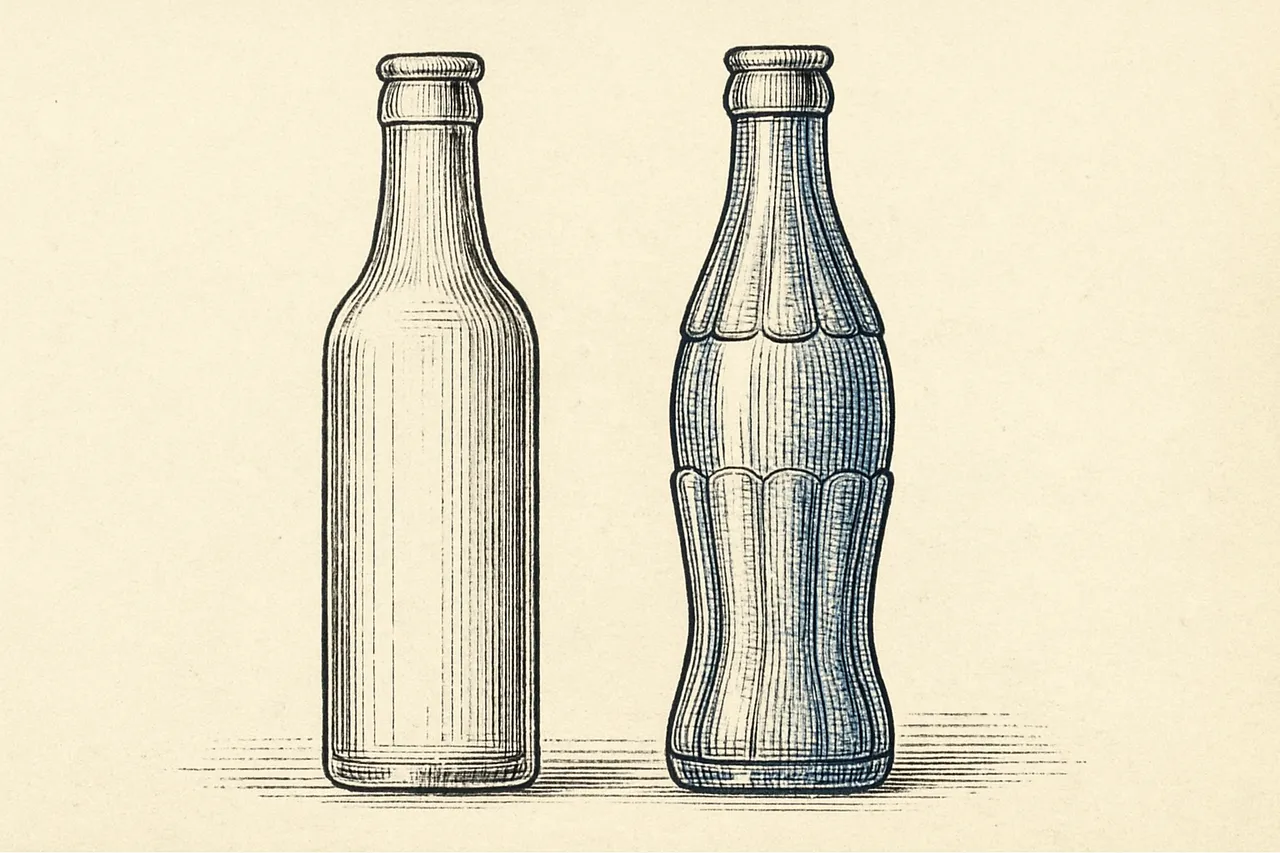
USD48160 was filed on August 18, 1915, and granted on November 16, 1915, to Alexander Samuelson of the Root Glass Company in Terre Haute, Indiana. The title is Bottle or Similar Article. It is the original design patent on the contoured Coca-Cola bottle.
The imitation problem
By the 1910s Coca-Cola was sold across the country through a network of independent bottlers, and the bottles themselves were generic. They were ordinary straight-sided glass bottles, often with a paper label.
That made the product easy to imitate. Competitors sold drinks with names chosen to sound like Coca-Cola, in bottles that looked much the same. The paper labels made it worse. Bottles were kept cold in tubs of ice water, labels soaked off, and a customer reaching into the tub had no reliable way to tell what they were getting.
Coca-Cola fought a long series of trademark lawsuits against imitators. The more durable answer was to make the container itself impossible to copy without it being obvious.
The brief
In 1915 the company and its bottlers invited glass manufacturers to submit designs. The requirement, as it is usually quoted, was a bottle so distinctive that a person could recognize it by feel in the dark, and could identify it even from a piece of it broken on the ground.
That is a demanding specification. It rules out anything that relies on color, printing, or a label. The identity has to be in the shape of the glass.
Terre Haute
The Root Glass Company was a modest operation. Samuelson was its plant superintendent, and working under him was Earl R. Dean, who supervised the bottle molding shop.
The account usually given, which comes largely from Dean's own recollections, is that the team went to the local library to look up coca and kola, the drink's namesake ingredients, in the Encyclopaedia Britannica. They found an illustration of a cacao pod, which has nothing to do with the coca plant but has an elongated, swelling shape with long ribs running down it. Dean sketched a bottle based on it.
The first version was reportedly too wide in the middle to stand steadily on the bottling line's conveyor belts, and the profile was slimmed down. The result had the swelling middle, the ribs, and the pinched waist near the base that it still has.
The patent names Samuelson. Dean is the person usually credited with drawing it, and the difference between who drew an invention and whose name went on the patent is a familiar pattern in this archive.
A design patent, then a trademark
A design patent protects an ornamental shape, and only for a limited term. Coca-Cola obtained a revised design patent in 1923, dated December 25, which collectors know as the Christmas bottle patent.
The more important protection came later. In 1960 the United States Patent Office registered the contour bottle's shape as a trademark, which was very unusual for a package. A trademark can be renewed indefinitely as long as the owner keeps using it, so the bottle shape stopped depending on patents at all.
There is a useful contrast here. LEGO tried to do the same thing with the shape of its brick, and in 2010 the top European court refused, holding that the brick's shape is functional, a technical solution rather than a brand. You cannot use trademark law to keep a working mechanism private forever. The Coca-Cola bottle passed the same test because its curves do not make the drink work any better. They exist to be recognized. That story is in our piece on the LEGO brick patent.
For another design patent on an object everyone can picture, see the Statue of Liberty.
See the original
The full text and figures of USD48160 are on patents.us.
Related stories
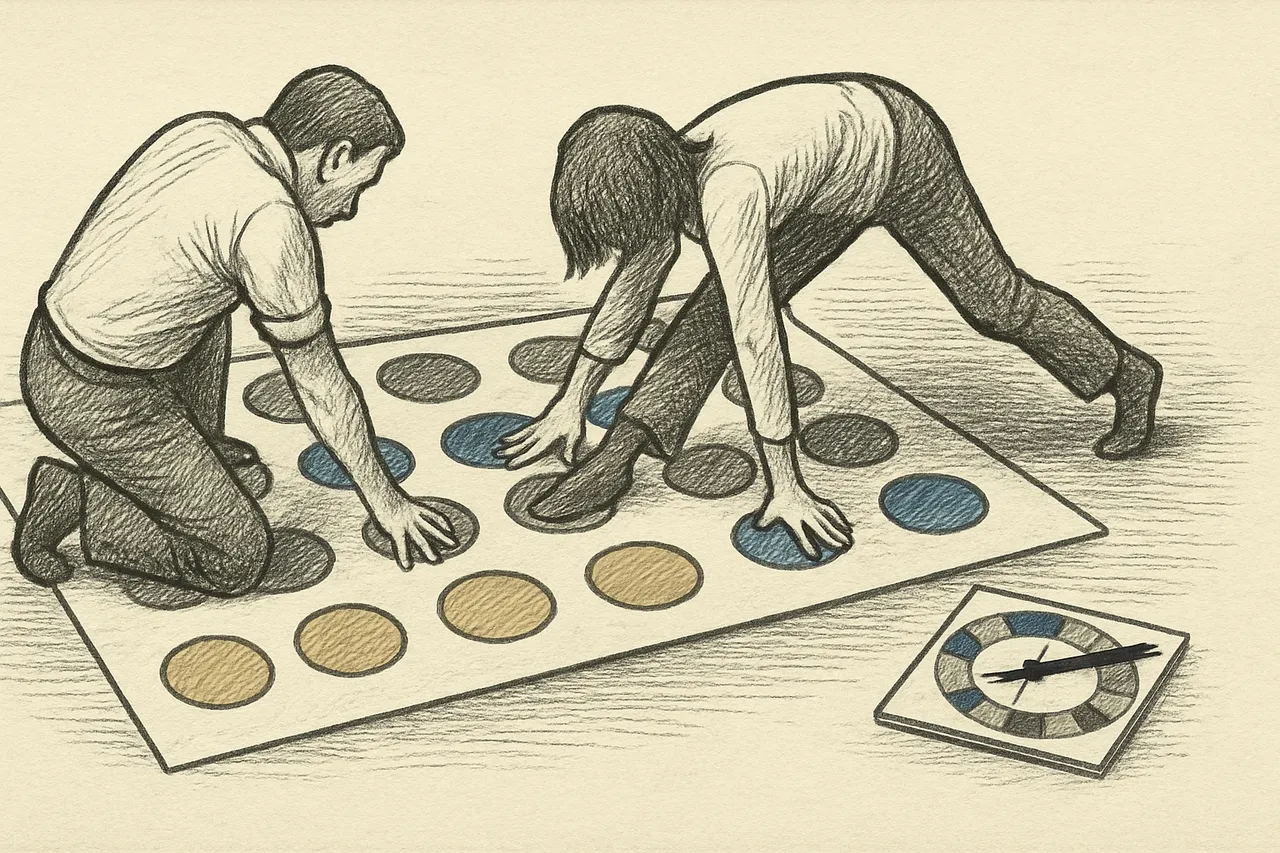
Twister's Patent Is Titled 'Apparatus for Playing a Game Wherein the Players Constitute the Game Pieces'
The patent title is the whole idea: the people are the pieces. Milton Bradley released the game in 1966, some retailers were wary of it, and critics found it a little too intimate. Then Johnny Carson played it on television with Eva Gabor, and the orders poured in.
Read the story →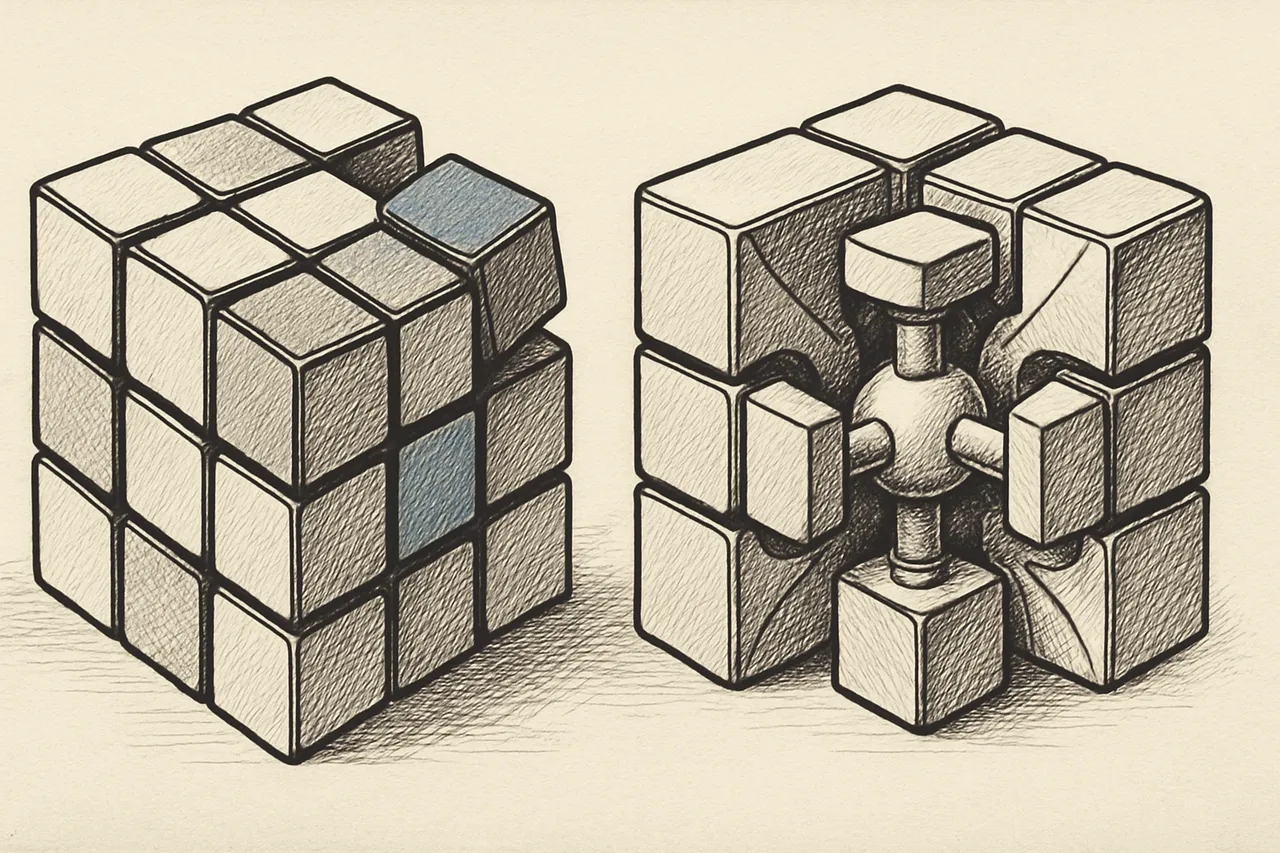
Ernő Rubik Needed About a Month to Solve His Own Cube. An American Court Later Found It Infringed an Earlier US Patent.
Rubik built the first cube in Budapest in 1974 as a way to think about three-dimensional movement. The clever part is how it holds together when most of its pieces are not attached to anything. In the United States, a chemist named Larry Nichols had patented a related puzzle in 1972, and his company sued.
Read the story →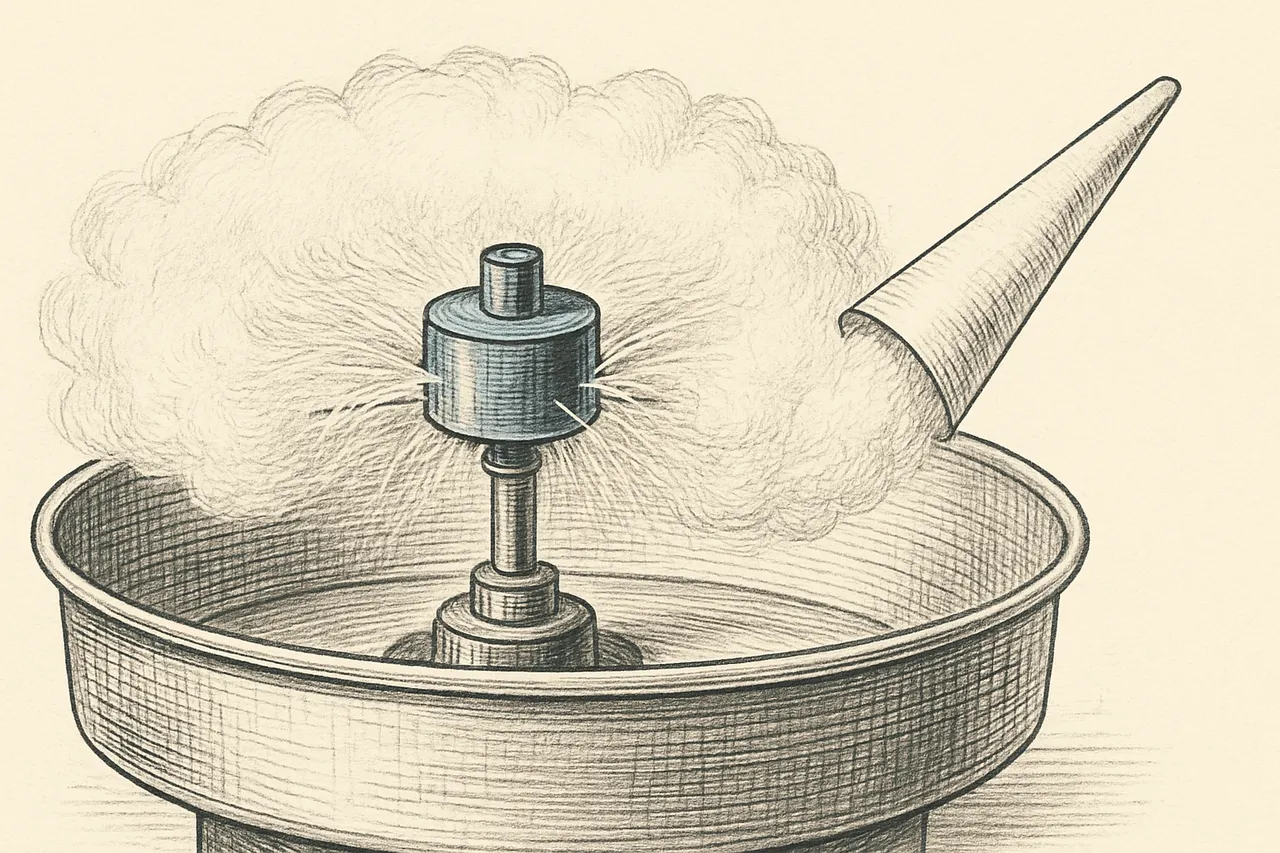
A Dentist Co-Invented the Cotton Candy Machine, and It Was Sold at the 1904 World's Fair as Fairy Floss
William Morrison was a dentist and John Wharton was a candy maker. Their machine melted sugar and flung it through tiny holes so that it cooled into threads finer than hair before it could crystallize. They filed in 1897, and at the St. Louis World's Fair it was a sensation.
Read the story →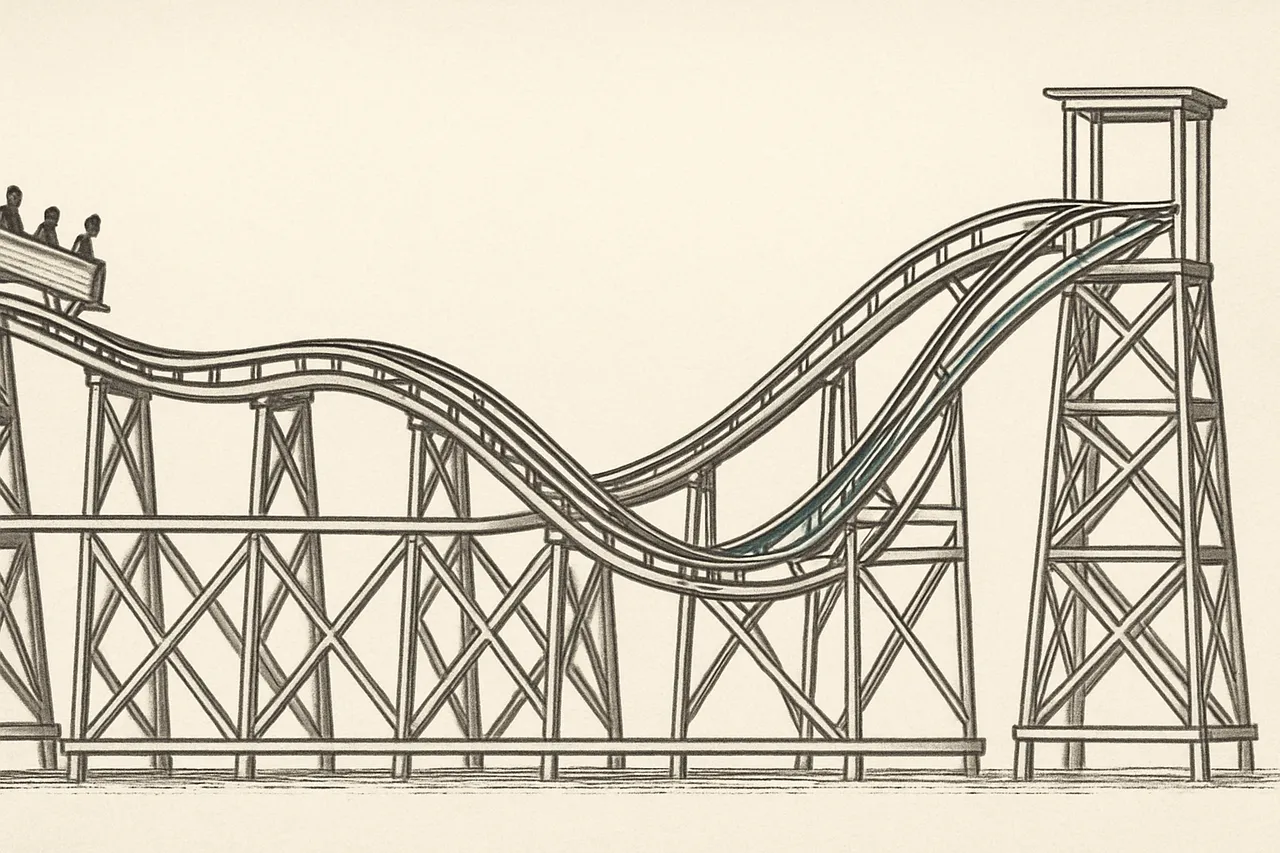
The First American Roller Coaster Ran at Six Miles an Hour, and Its Inventor Built It to Lure People Away From Saloons
LaMarcus Thompson's Switchback Railway opened at Coney Island in 1884. Riders sat sideways on a bench, coasted down a gentle undulating track, then got out while attendants pushed the car over a switch so they could coast back the other way. It cost a nickel and it made a fortune.
Read the story →