The First American Roller Coaster Ran at Six Miles an Hour, and Its Inventor Built It to Lure People Away From Saloons
LaMarcus Thompson's Switchback Railway opened at Coney Island in 1884. Riders sat sideways on a bench, coasted down a gentle undulating track, then got out while attendants pushed the car over a switch so they could coast back the other way. It cost a nickel and it made a fortune.
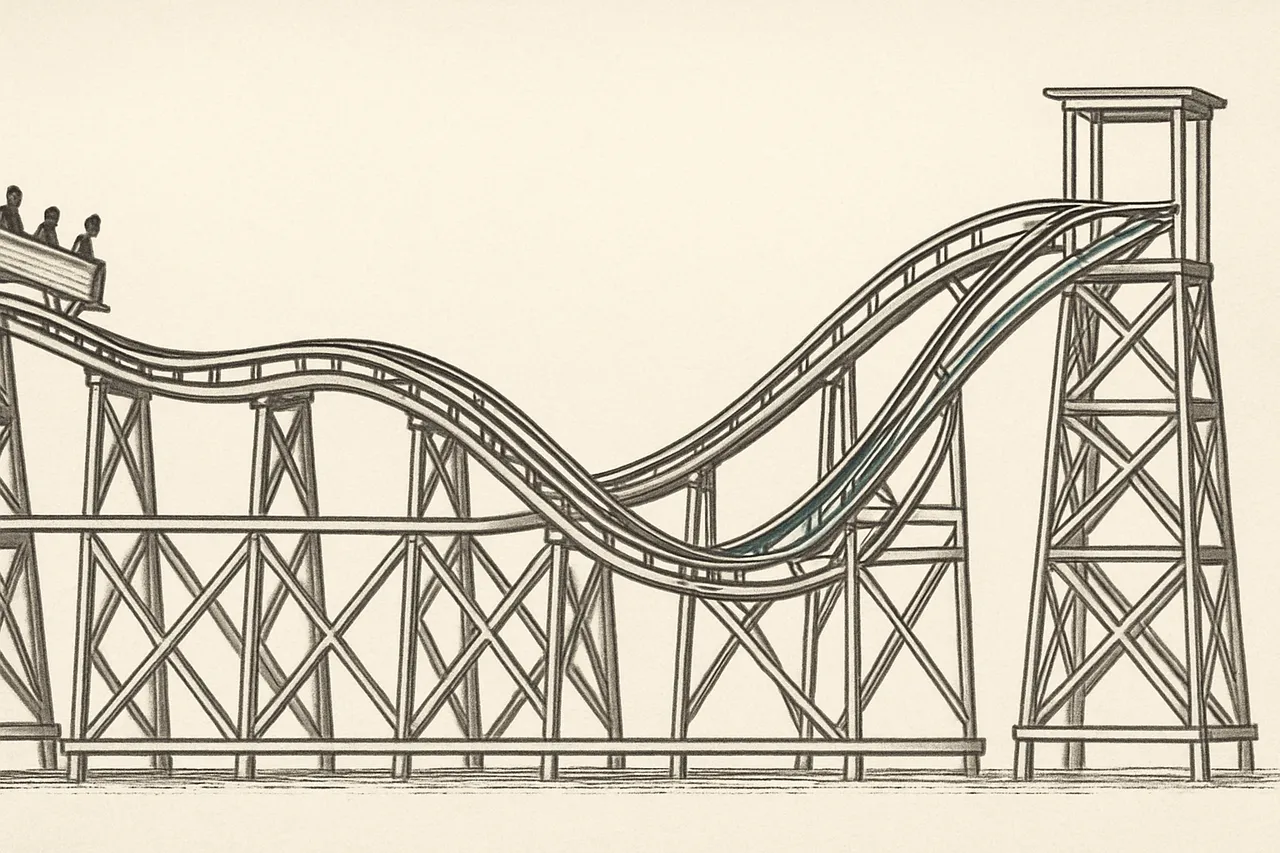
US310966 was granted to LaMarcus A. Thompson on January 20, 1885. The Patent Office title is Roller Coasting Structure. The ride it describes had already been running at Coney Island for several months, and it is the beginning of the American roller coaster.
By modern standards it was extremely tame. It reached about six miles an hour.
Where the idea came from
Gravity railways were not new. In Pennsylvania, the Mauch Chunk Switchback Railway had been built to bring coal down a mountain by gravity, with mules hauling the empty cars back up. When the coal business moved on, the railway found a second life selling rides to tourists who wanted the sensation of coasting down a mountainside.
That was the proof that people would pay money simply to be carried downhill.
The Switchback Railway
Thompson opened his version at Coney Island in June 1884, and the layout explains the name.
Two parallel tracks ran between two towers, following a gently rolling profile. A car was launched from the top of one tower and coasted along its undulating track to the far end, losing a little height at each rise. Passengers then got out. Attendants pushed the car over a switch onto the second track, the riders climbed a short stairway to the top of the other tower, boarded again, and coasted back to where they had started.
Riders sat sideways on a bench, facing out at the ocean rather than forward along the track, which tells you that the experience being sold was the view and the gentle motion rather than the terror.
It cost five cents. It was immediately and enormously popular, reportedly earning back the cost of construction within a few weeks, and it set off a building boom of imitators along the beach.
The physics, which has not changed
The patent is a structure for managing a single quantity: the energy a car has by virtue of being lifted up high.
Everything the ride does afterward is spending that energy. A car released at the top converts height into speed, and at the bottom of each dip it converts speed back into height as it climbs the next rise. Friction takes a cut at every stage, which is why each successive hill has to be lower than the one before it. A coaster cannot climb back to the height it started from. The entire ride is a carefully shaped fall.
This is still true of modern coasters. Their first hill is the tallest point of the ride, and everything after it is downhill on average, no matter how elaborate the track looks.
The moral argument
Thompson's motive is the part of this story that tends to surprise people. He was a devout man, and by the accounts that come down to us he saw amusement as a moral question.
Coney Island in the 1880s had a reputation for drinking, gambling, and vice. Thompson's stated ambition was to give ordinary people, including families, a form of entertainment that was thrilling and harmless, and to draw them away from the saloons and worse that were doing well on the same beach.
He was later known as the father of the gravity ride and went on to hold a substantial number of patents in the field. His Scenic Railway rides added tunnels and illuminated painted scenes along the track, turning the coaster into a journey through artificial landscapes.
What his competitors fixed
Thompson's design had obvious inconveniences, and rivals attacked them quickly.
Charles Alcoke built a continuous oval track, so the car returned to where it started and nobody had to get out halfway. Phillip Hinkle added a powered chain lift that hauled the car up the first hill mechanically, which removed the stairs and let the ride start from a greater height. Those two changes produce the arrangement every roller coaster still uses: a chain or launch up the first hill, then a continuous circuit back to the station.
Thompson adopted the improvements and kept building. The ride that cost a nickel and moved at the speed of a brisk walk turned into an industry whose whole purpose is to frighten people safely, in a structure built to spend a single quantity of borrowed height.
See the original
The full text and figures of US310966 are on patents.us.
Related stories
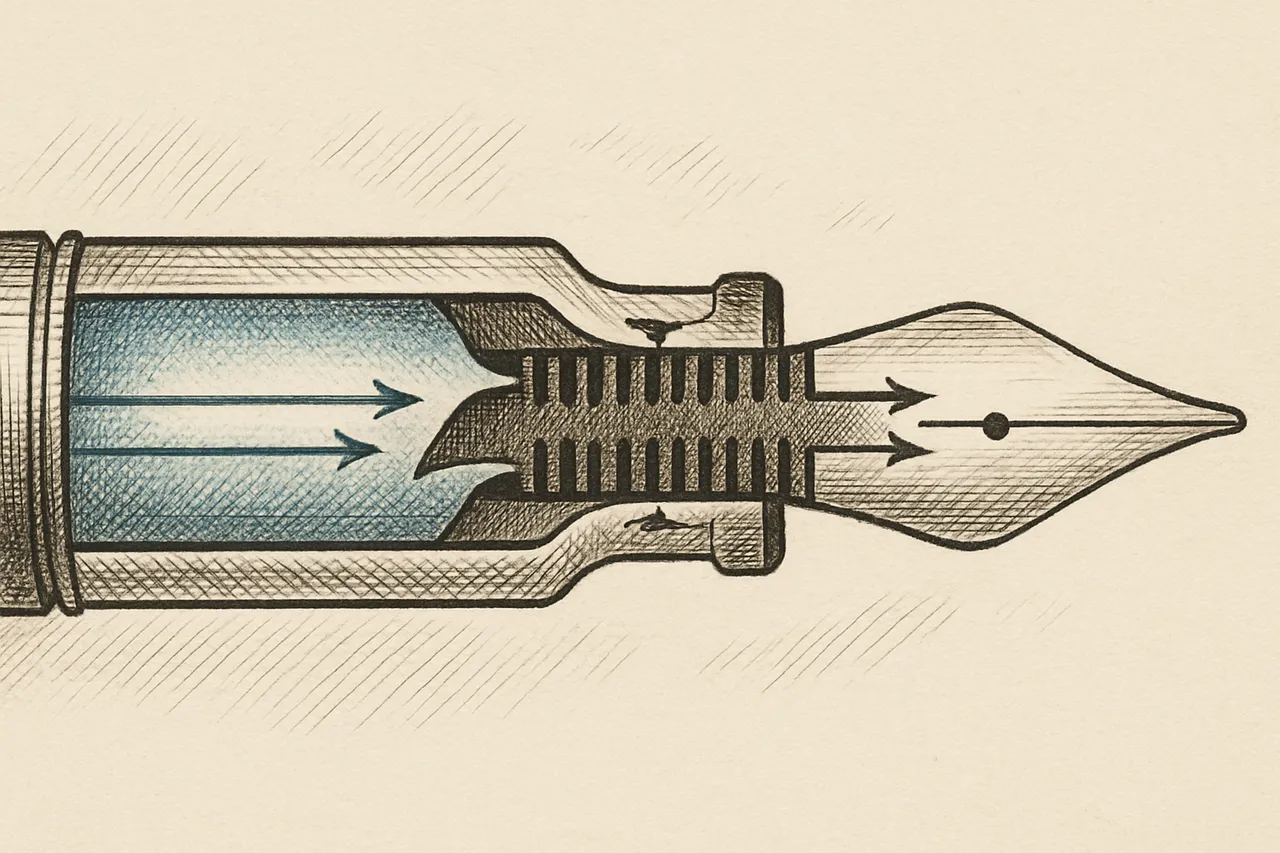
Lewis Waterman Did Not Invent the Fountain Pen. He Invented the Small Part That Stopped It Blotting.
Fountain pens existed for decades before 1884 and most of them were awful, flooding the page one moment and running dry the next. Waterman's patent fixes the reason why, and the fix is a set of narrow grooves cut into a piece of hard rubber.
Read the story →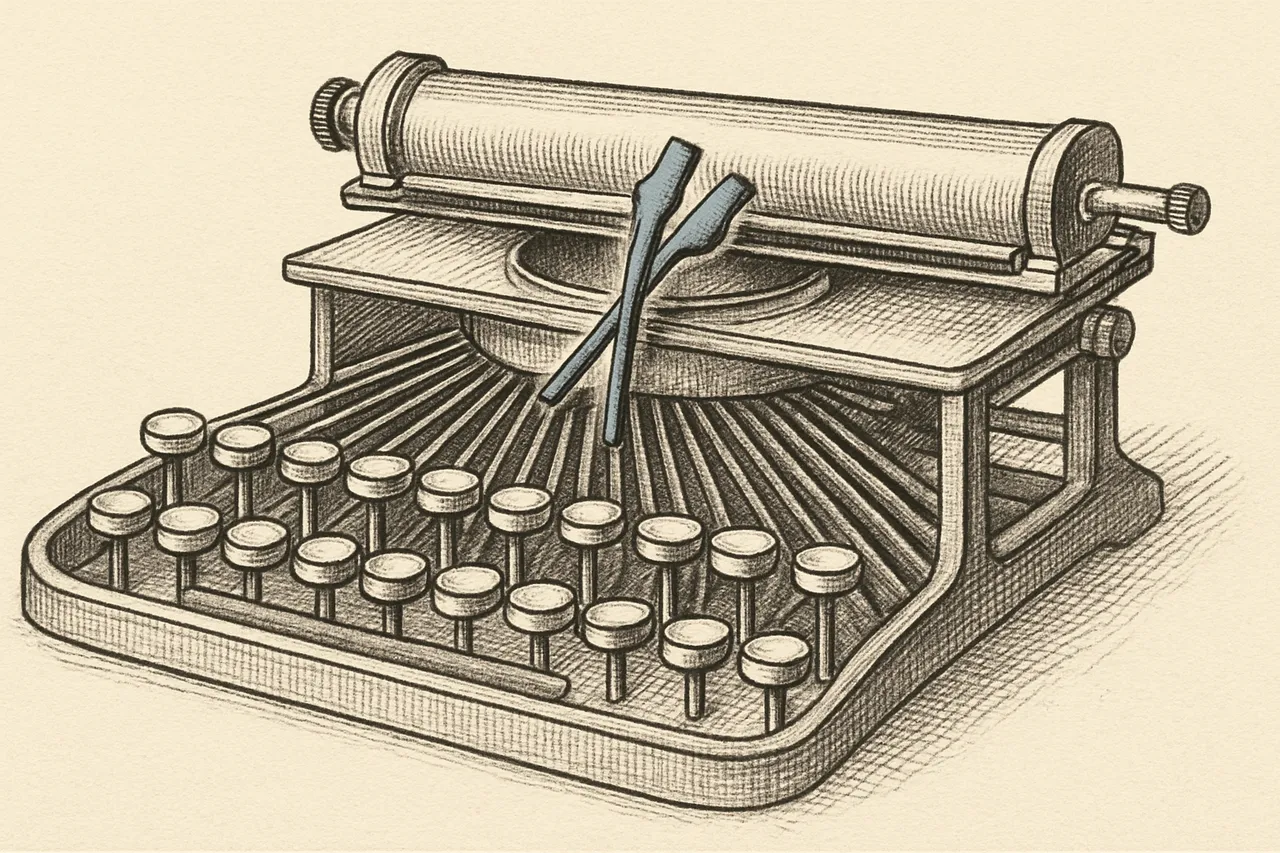
The 1868 Patent Behind the First Successful Typewriter Had Its Keys in Alphabetical Order. QWERTY Came Later, and Nobody Fully Agrees Why.
Christopher Latham Sholes and two partners patented a typewriter in Milwaukee in 1868 with keys arranged like a piano, roughly in alphabetical order. Over the next several years the letters were shuffled into QWERTY. The popular explanation for that is a distortion of a better one.
Read the story →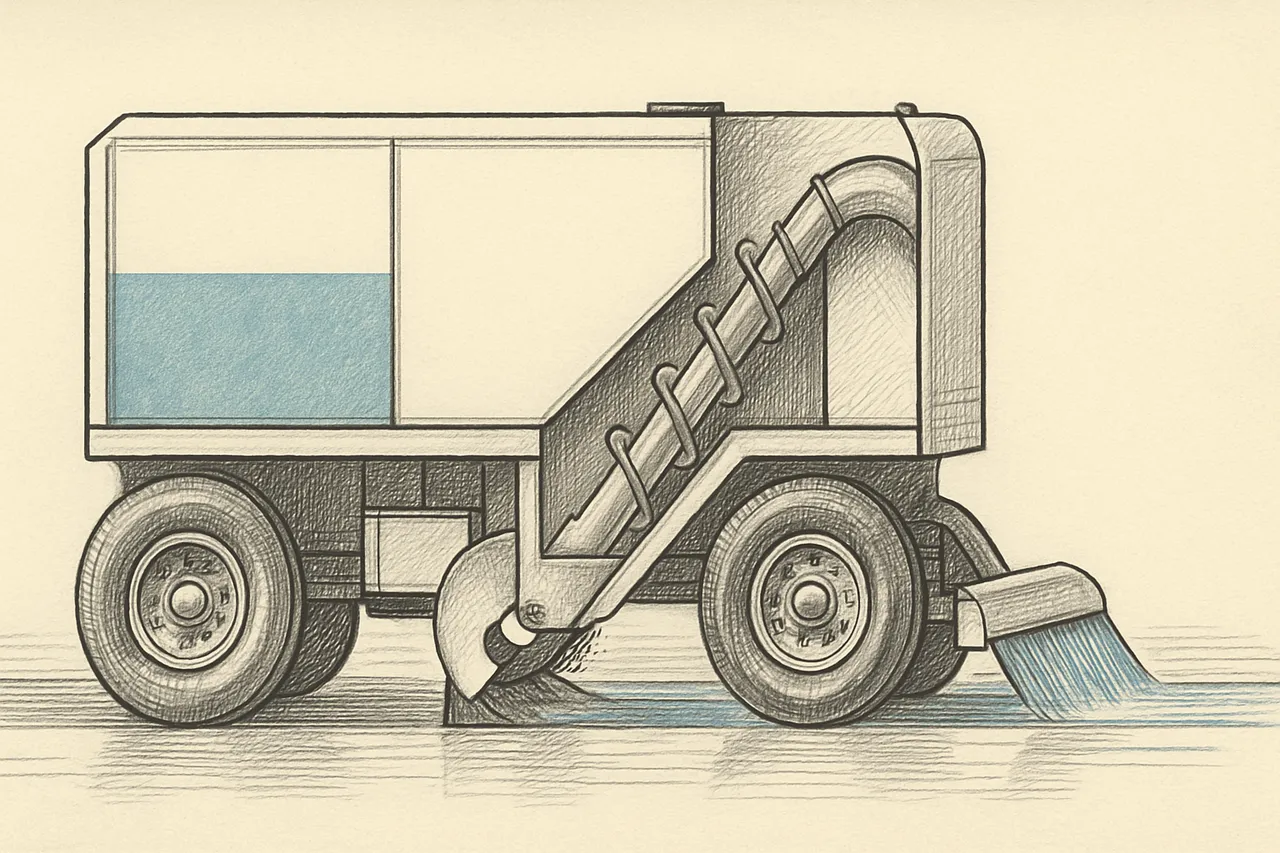
Frank Zamboni Spent Years Building a Machine So His Ice Rink Didn't Need a Crew of Men With Scrapers
Frank Zamboni ran an ice rink in Southern California, and resurfacing the ice by hand took several workers more than an hour. His machine did the whole job in a single pass. Its most important trick is the one people least expect: it lays down warm water, not cold.
Read the story →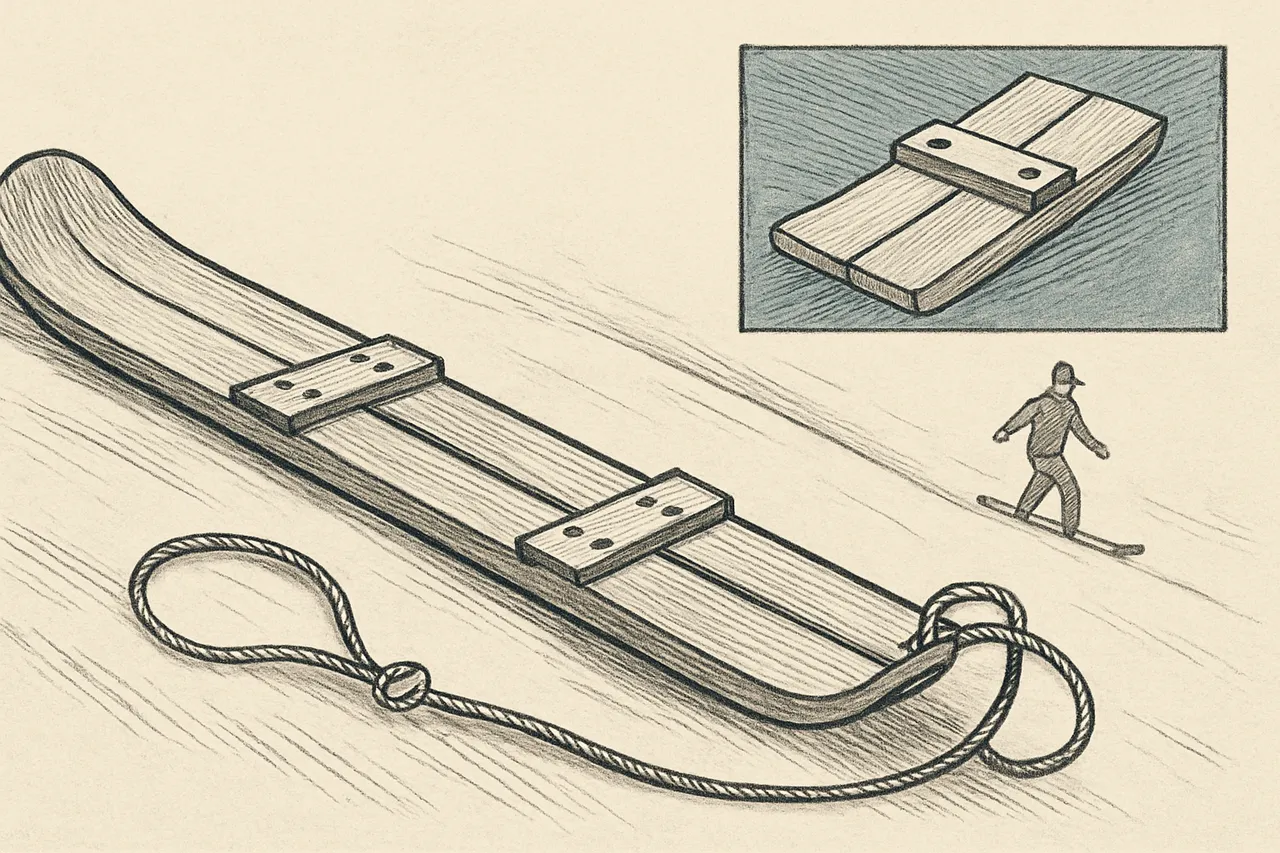
A Father Fastened Two Skis Together for His Daughter at Christmas in 1965. His Wife Named It the Snurfer.
Sherman Poppen was an engineer in Muskegon, Michigan, trying to keep his daughter busy over the holiday. He joined two children's skis side by side and tied a rope to the front. It sold as a toy by the hundreds of thousands, and the people who raced it turned it into a sport.
Read the story →